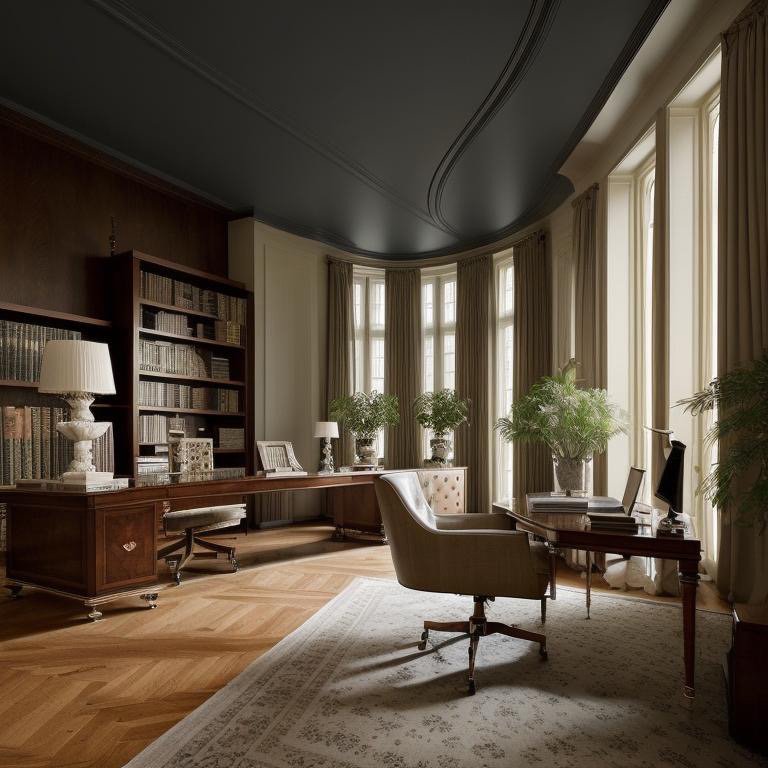
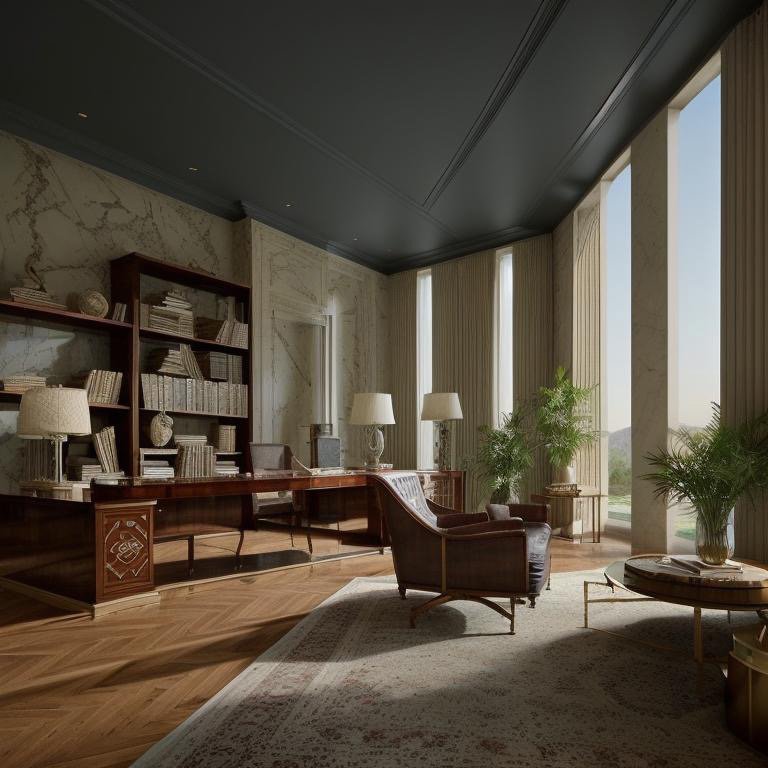
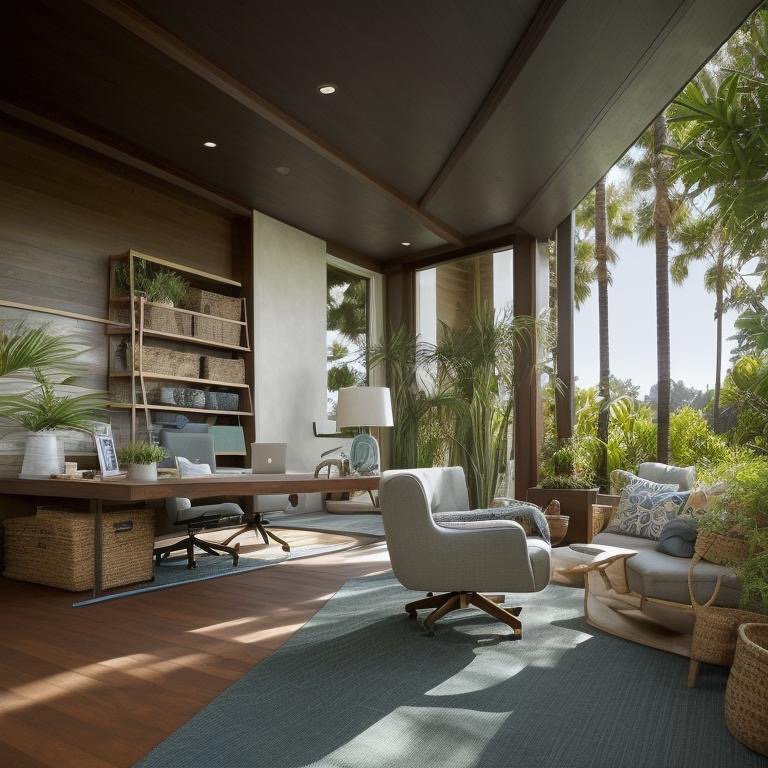
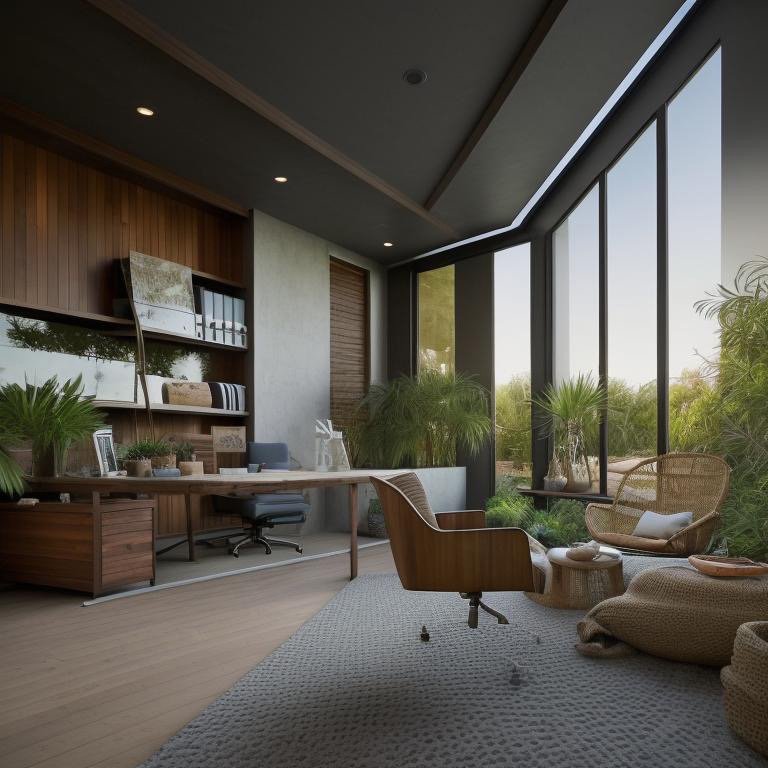
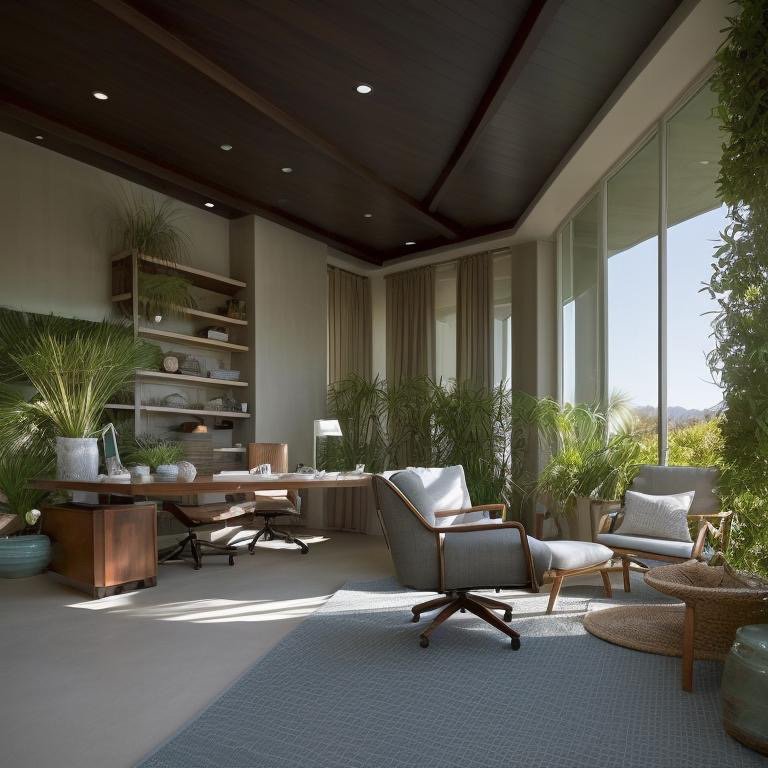
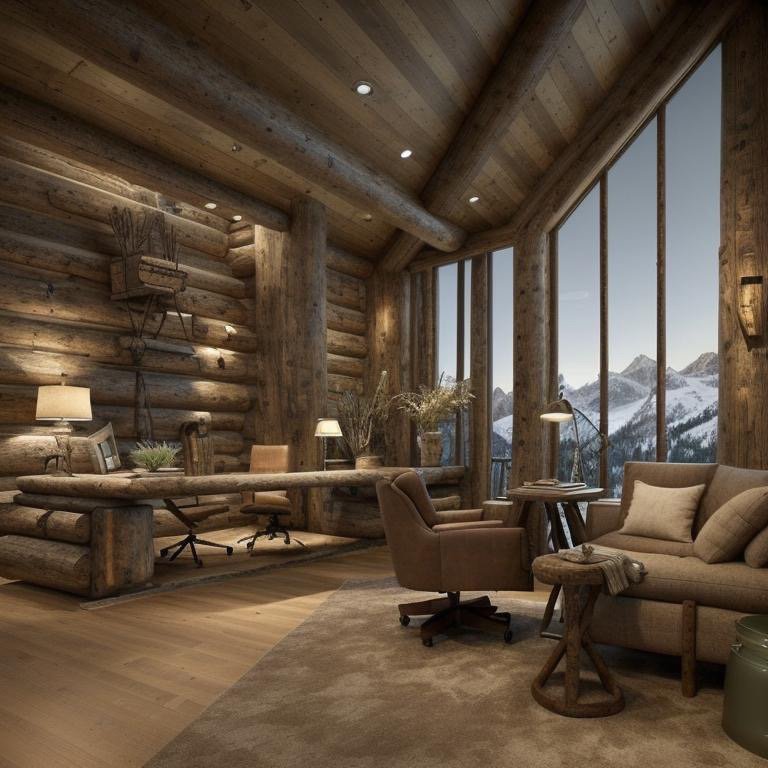
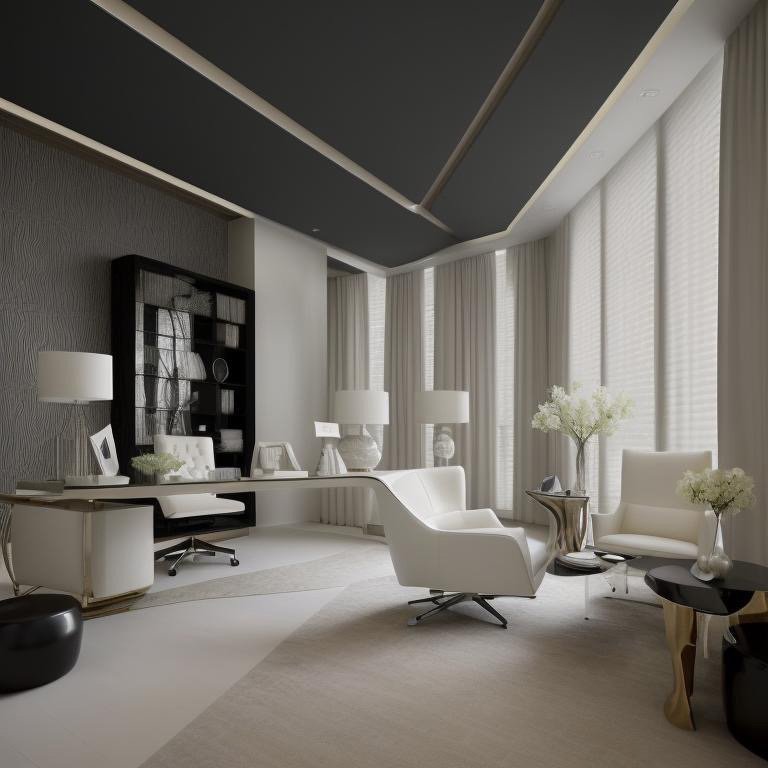
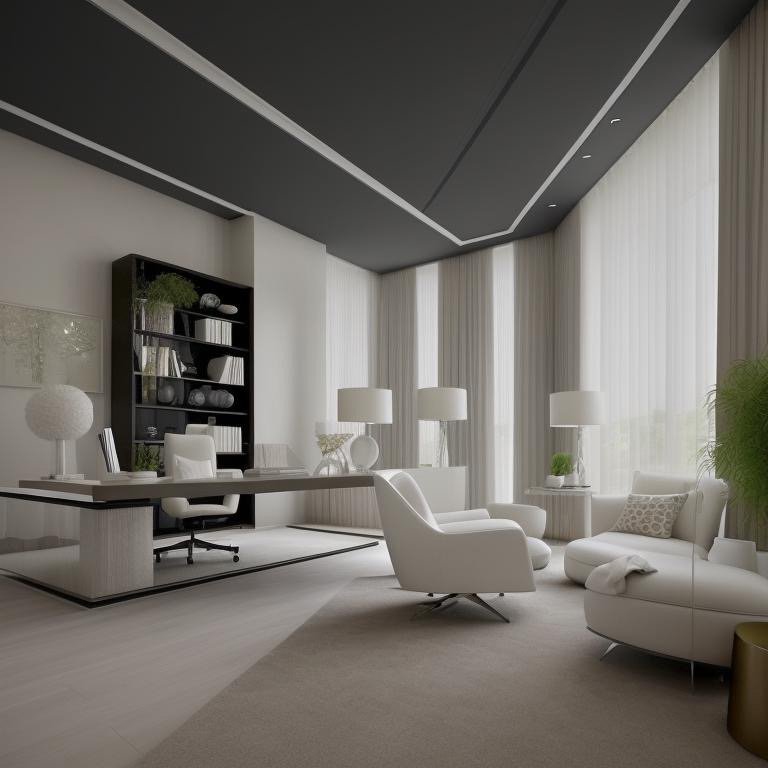
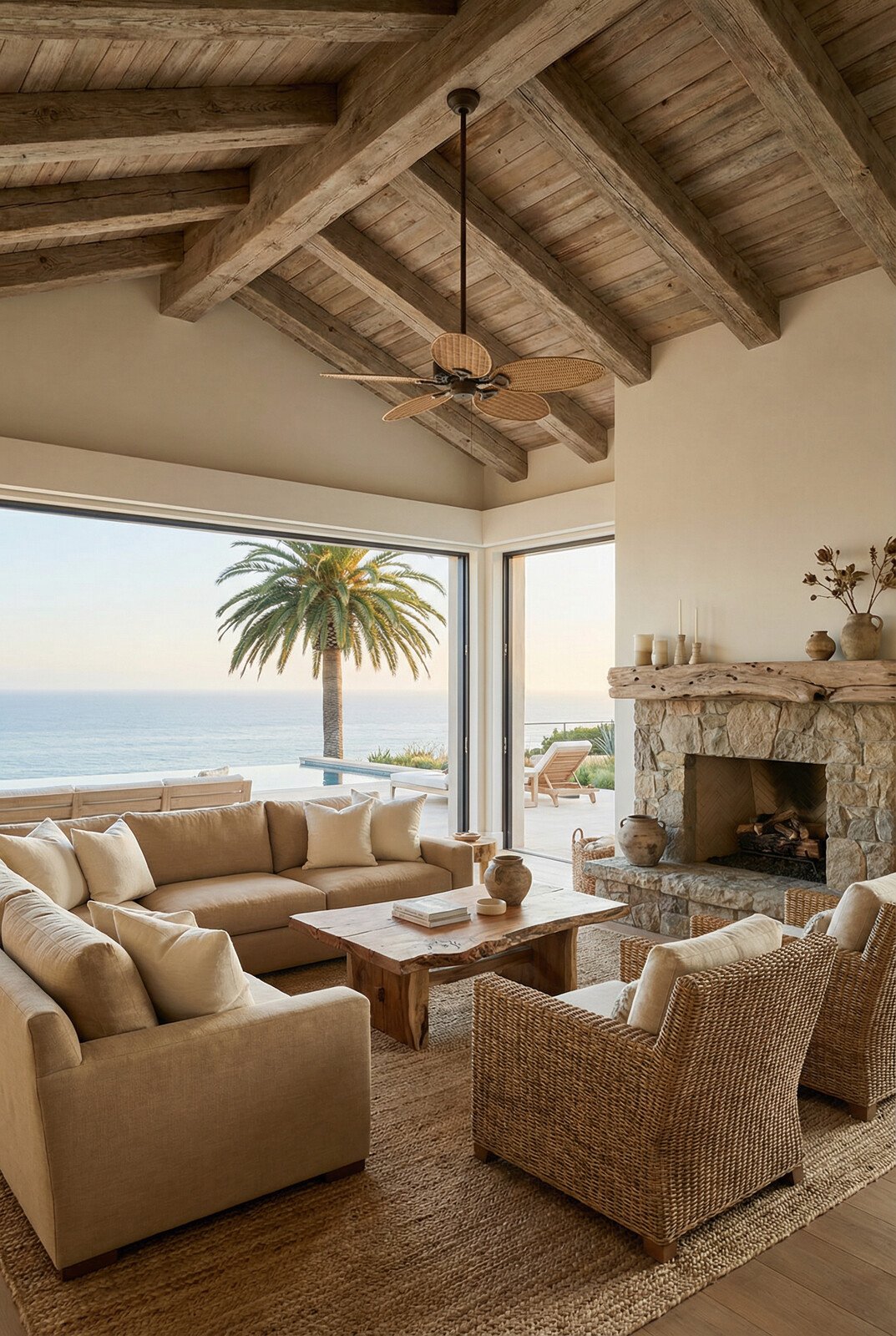
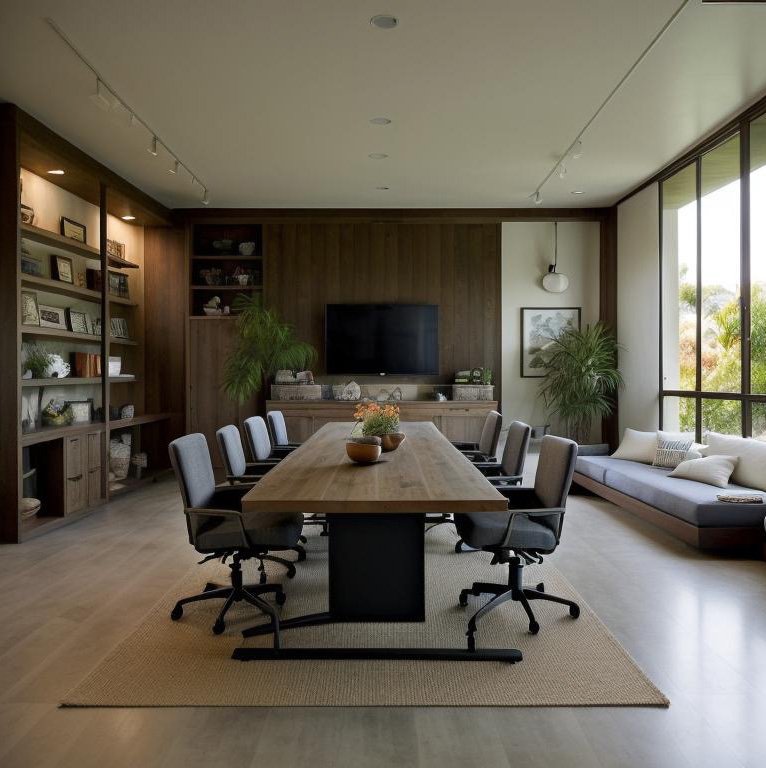
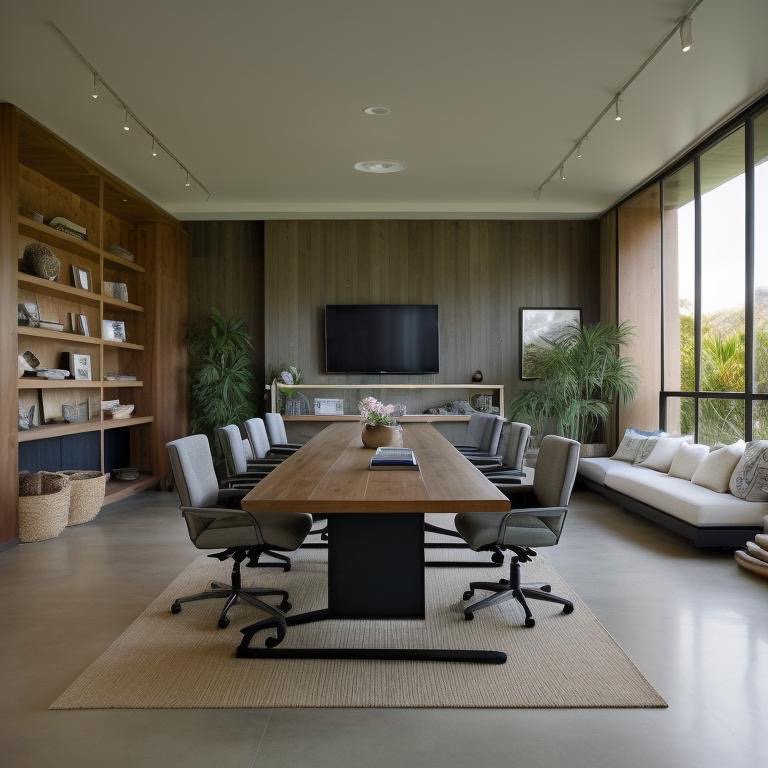
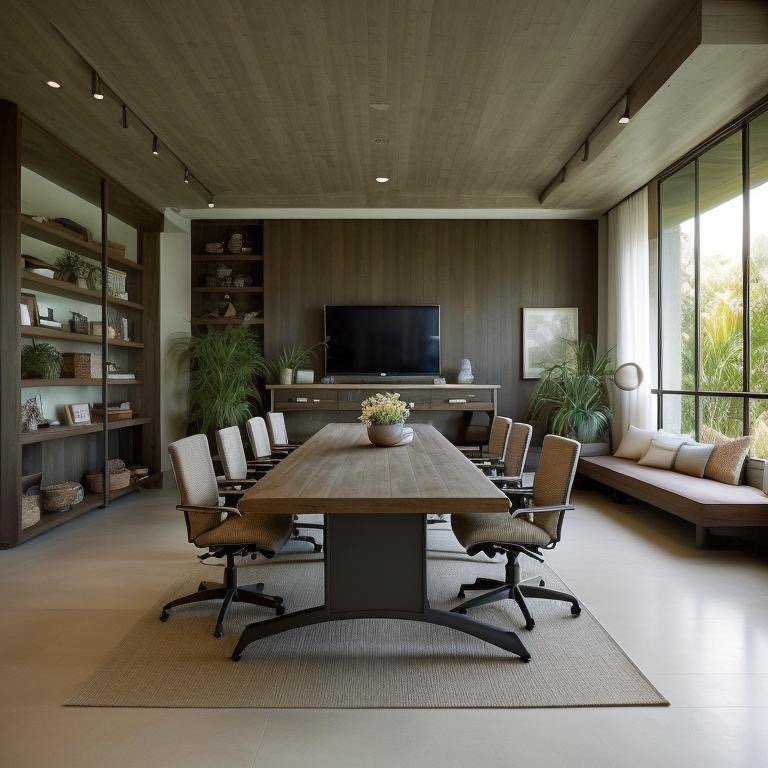
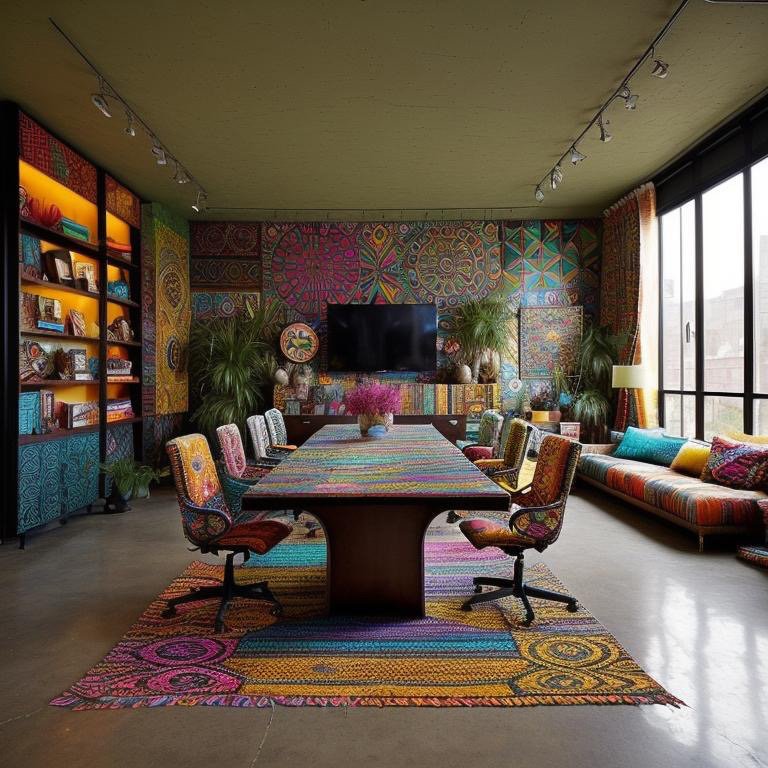
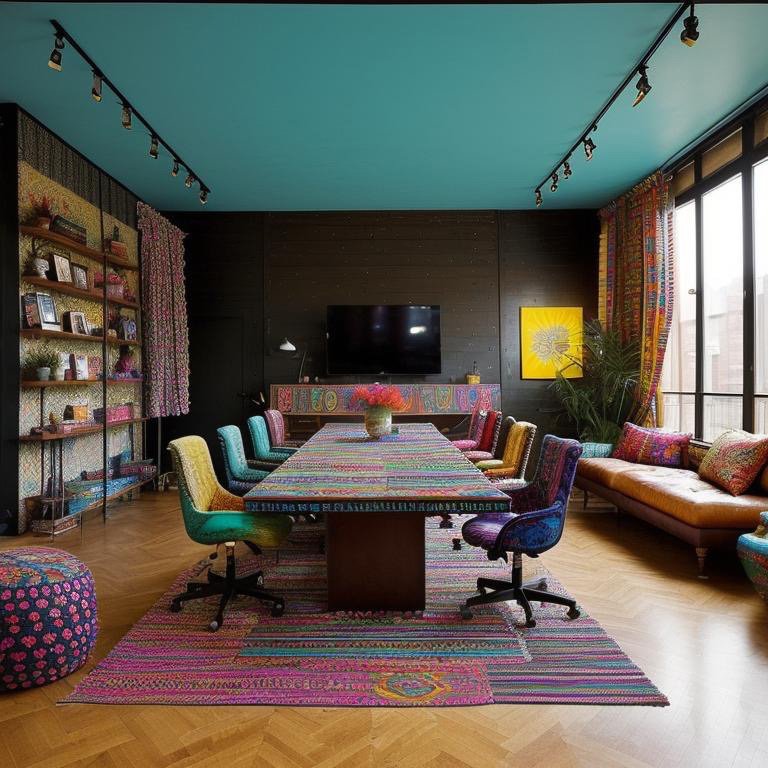
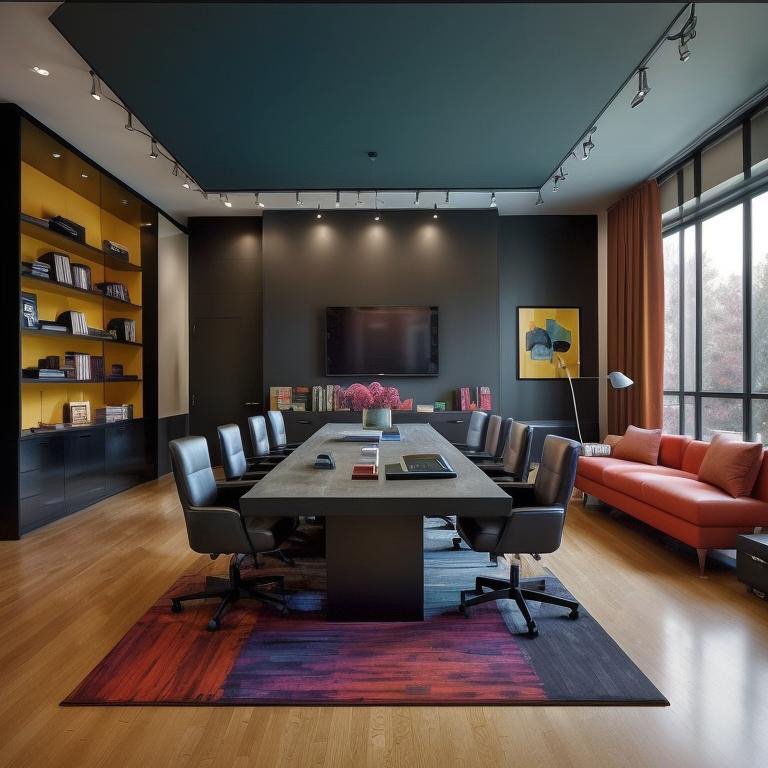
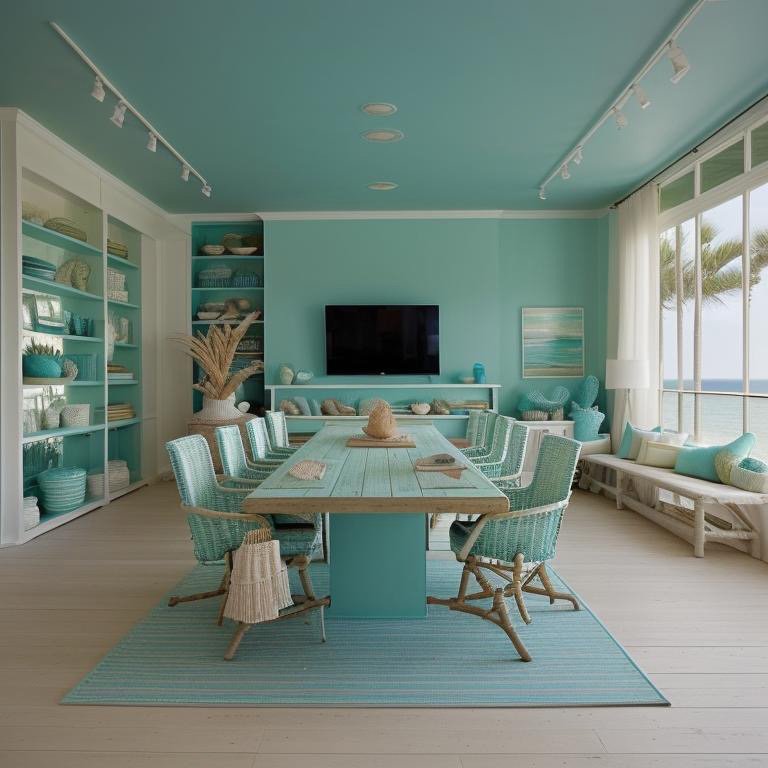
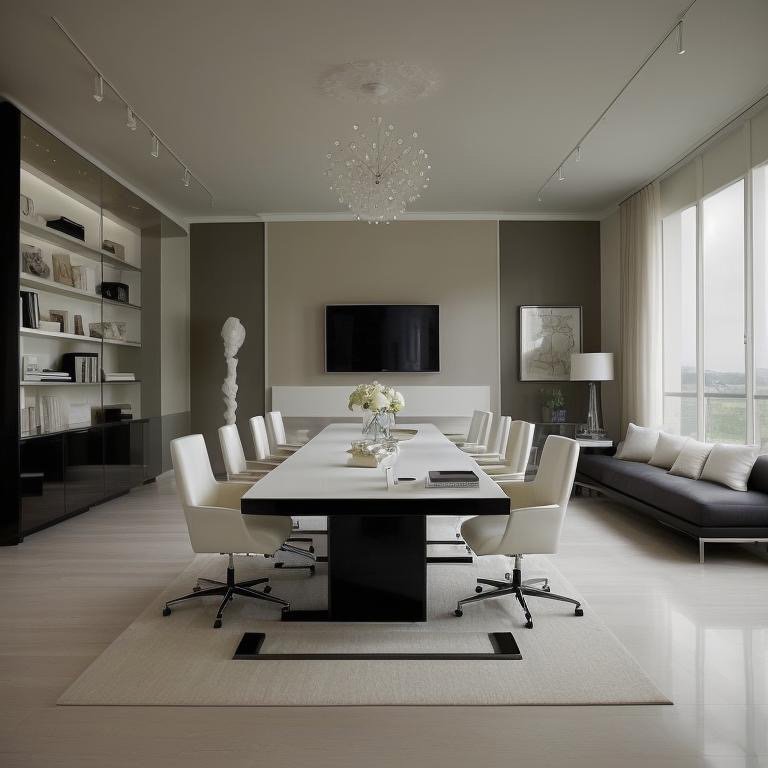
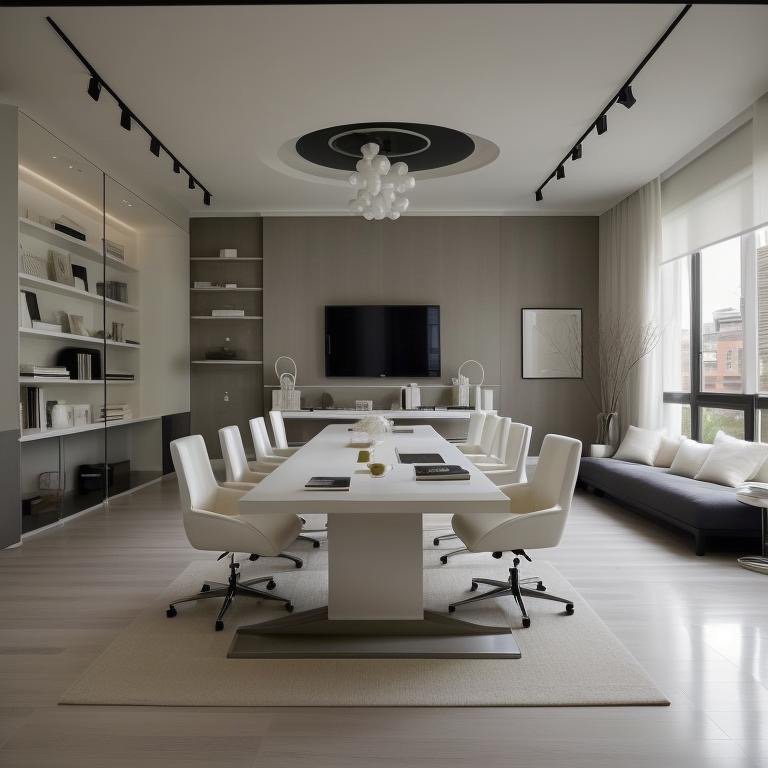
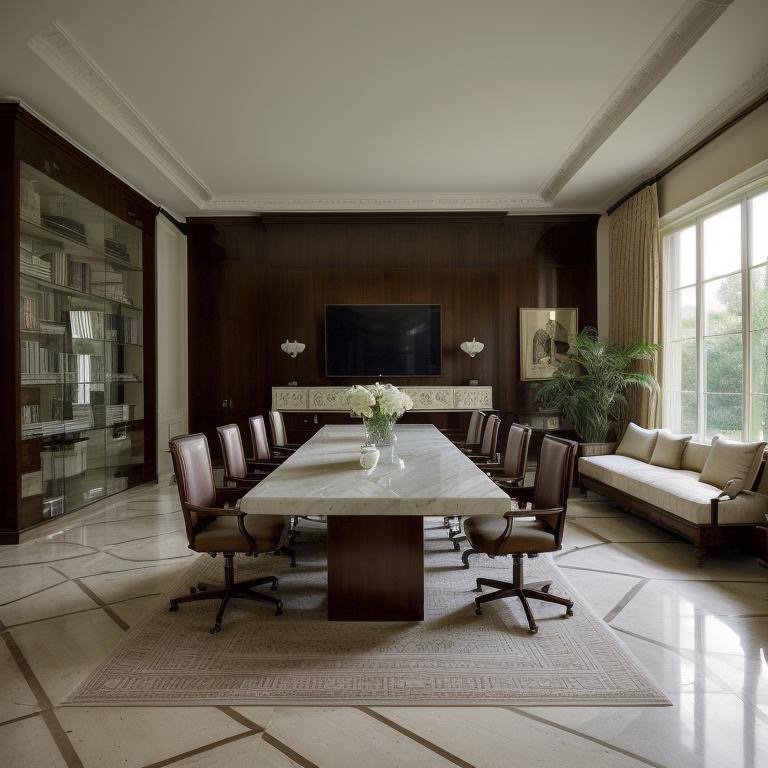
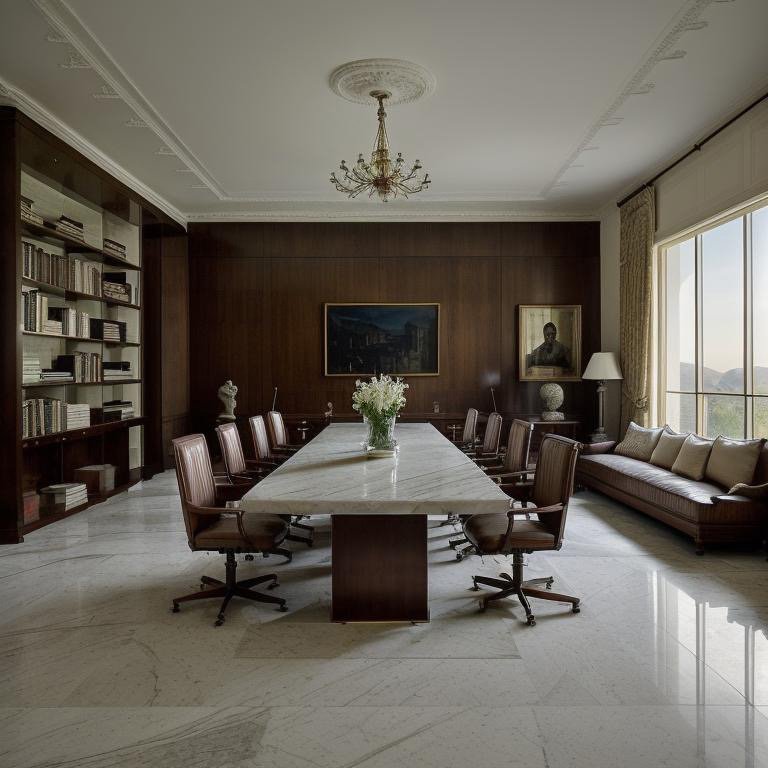
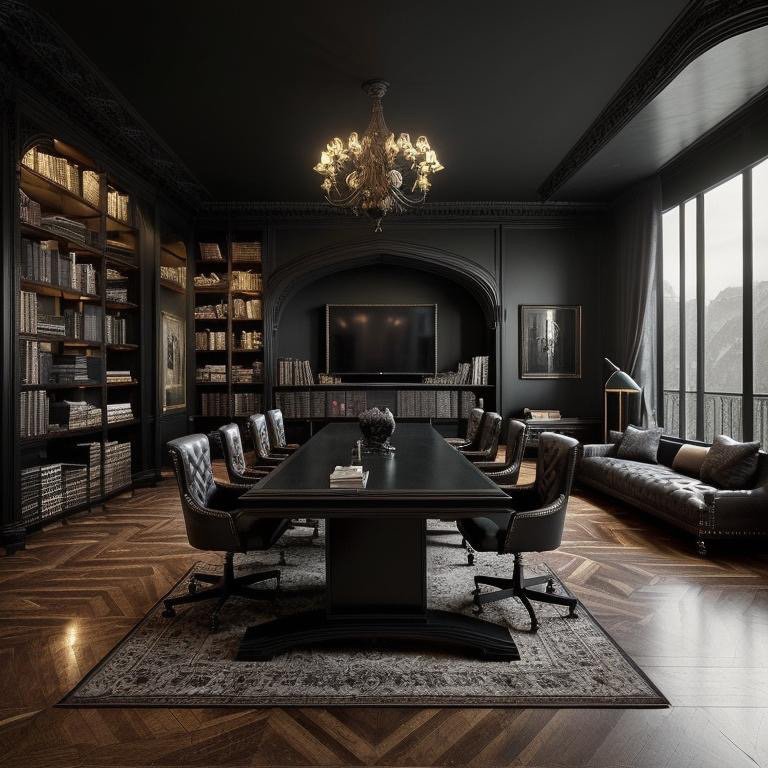
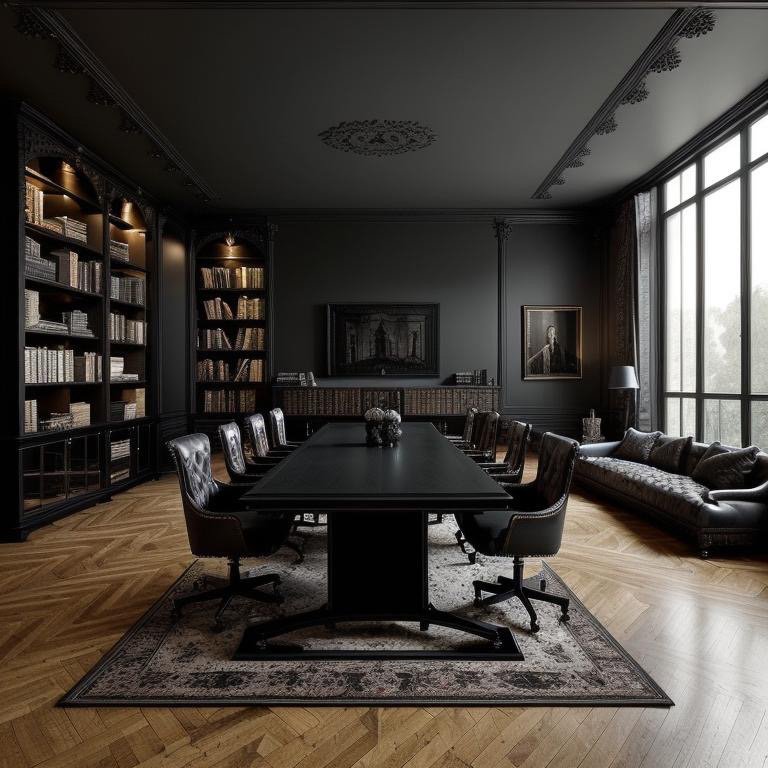
A Single Island, Ten Worlds
The Vervaine Estate kitchens begin with a constant: a marble island. Approximately twelve meters in length, featuring quarried Italian Carrara, the island anchors each kitchen as an immovable center. Around this fixed point, the Vervaine Estate transformations unfold—ten distinct design languages, each one an autonomous world, yet each one calibrated around the same material foundation.
This constraint is deliberate. It mirrors a fundamental principle of architectural pedagogy: how do you honor material integrity while allowing for radical formal variation? How does a single architectural element—in this case, the island—flex to accommodate entirely different cultural grammars, historical references, and aesthetic logics?
The answer lies in computational design. Cinematic Intelligence™ enables iterative translation of the same functional brief—a kitchen island serving as workspace, gathering point, and visual anchor—across twenty-two distinct design languages. The marble remains. Everything else is fluid.
Traditional: Symmetry as Order
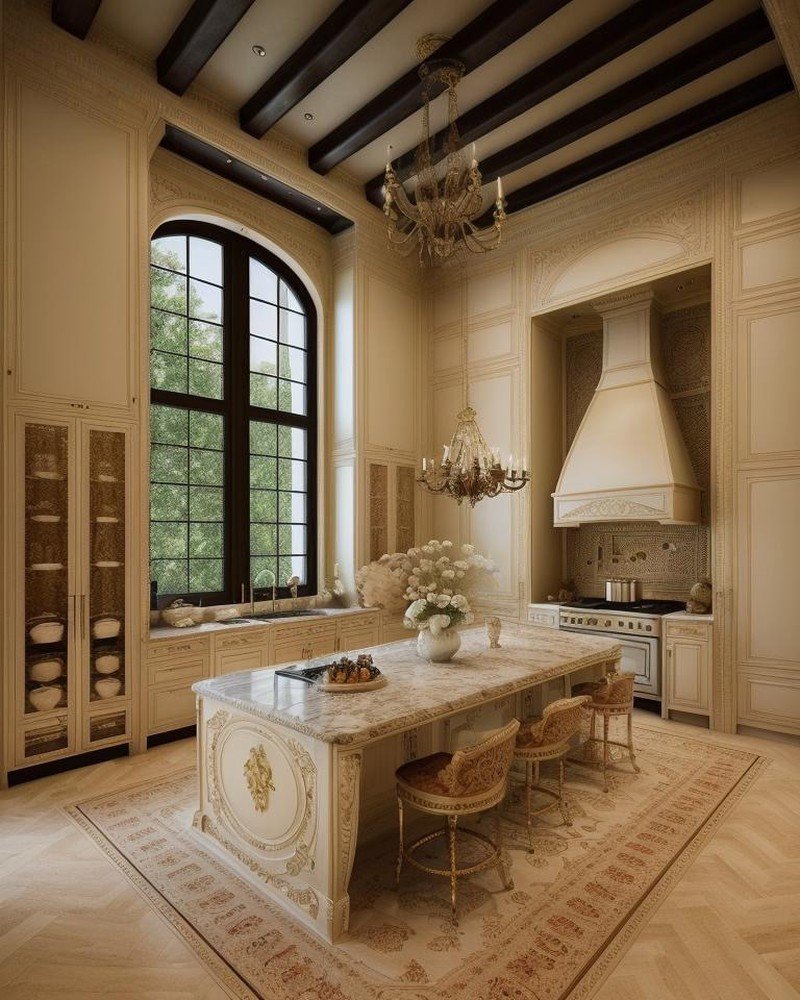
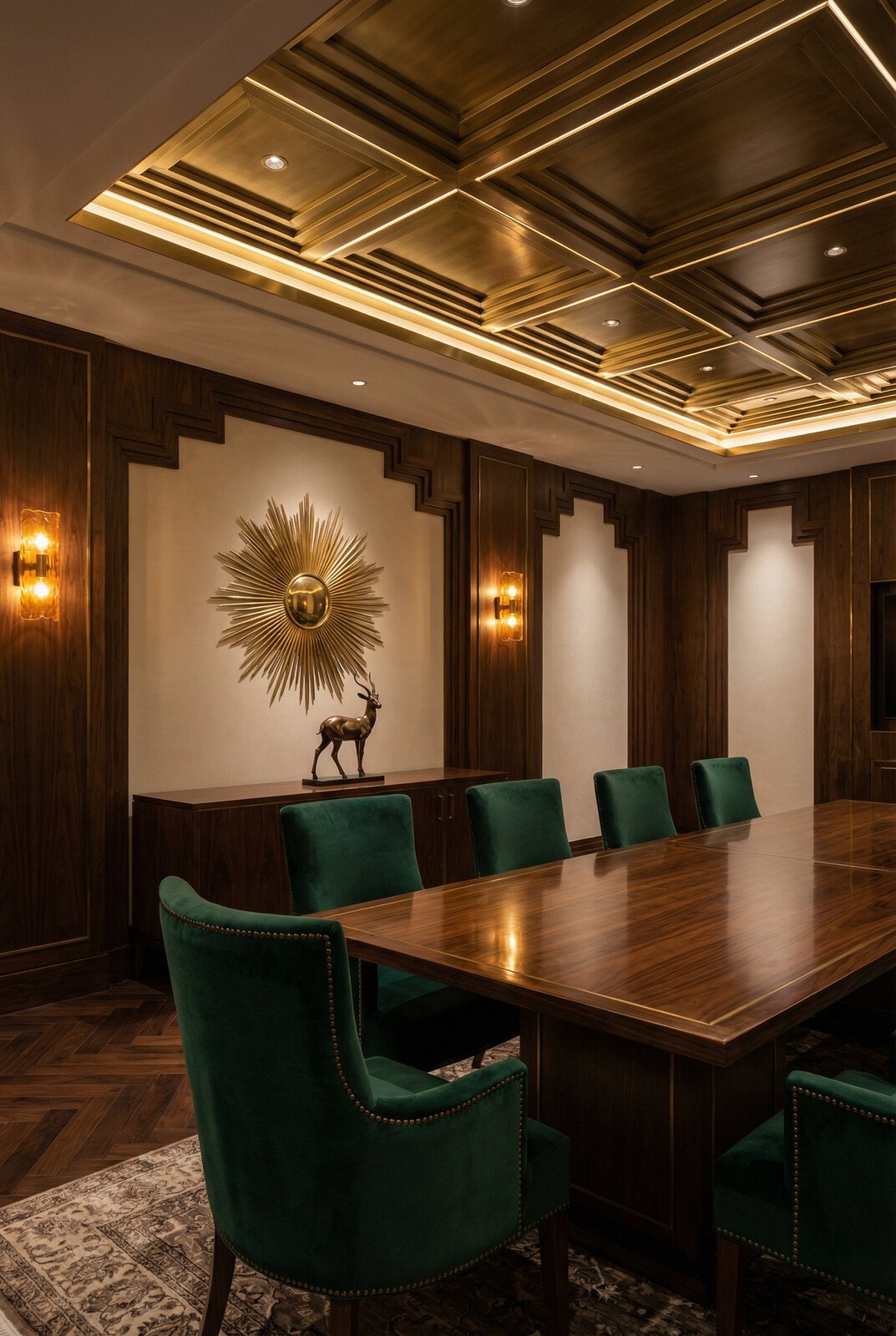
In the Traditional iteration, the marble island becomes a formal statement. Cabinetry beneath features symmetrical paneling, classical proportions reminiscent of nineteenth-century European domestic architecture. The perimeter kitchen abandons contemporary minimalism in favor of crown molding, Shaker-inspired cabinetry doors, and brass hardware that evokes historical craftsmanship. Lighting arrives via a classical chandelier—not as decoration but as a compositional anchor. The kitchen speaks a language of temporal continuity, of inherited design logic carried forward through material and proportion.
Spanish Colonial: Warmth and Materiality
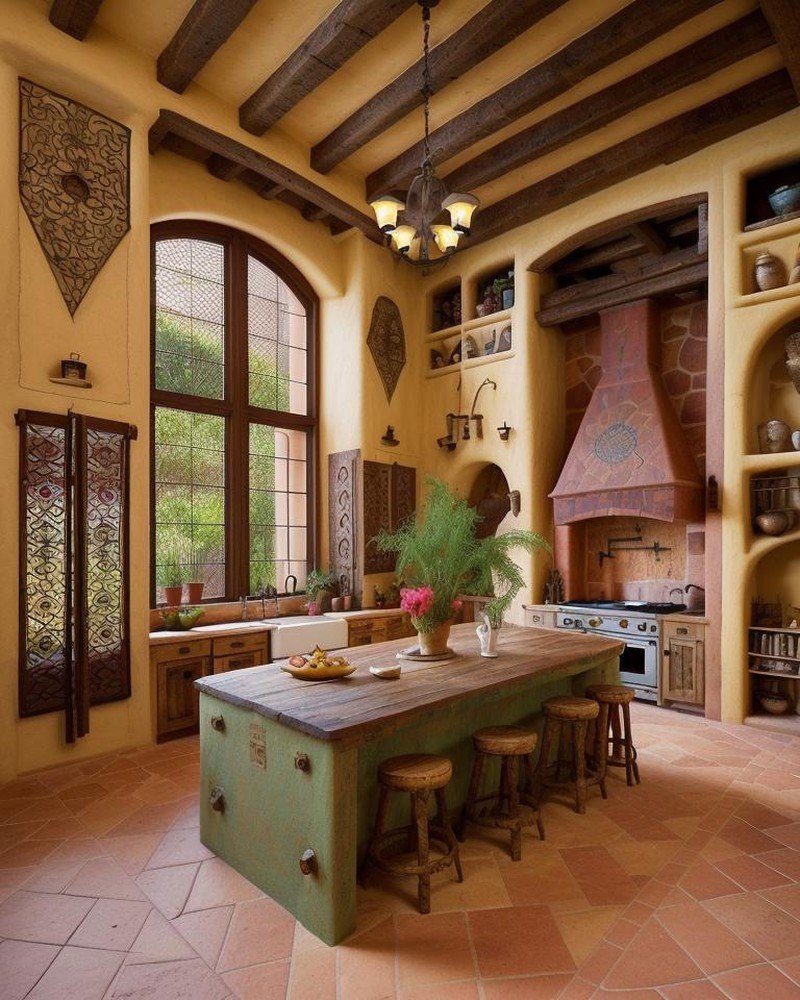
The Spanish Colonial expression introduces material richness. Terracotta tile floors, hand-glazed and slightly irregular, establish a warm base. The island’s marble surface takes on new significance—now a cooling counterpoint to warm earth tones. Cabinetry shifts toward darker woods, possibly walnut or reclaimed oak. Arched niches in the perimeter walls suggest historical stonework. Copper hardware replaces brass. The lighting becomes integral—wrought iron sconces appear at strategic intervals. The kitchen feels excavated, as though layers of historical use have accumulated in its materials and forms.
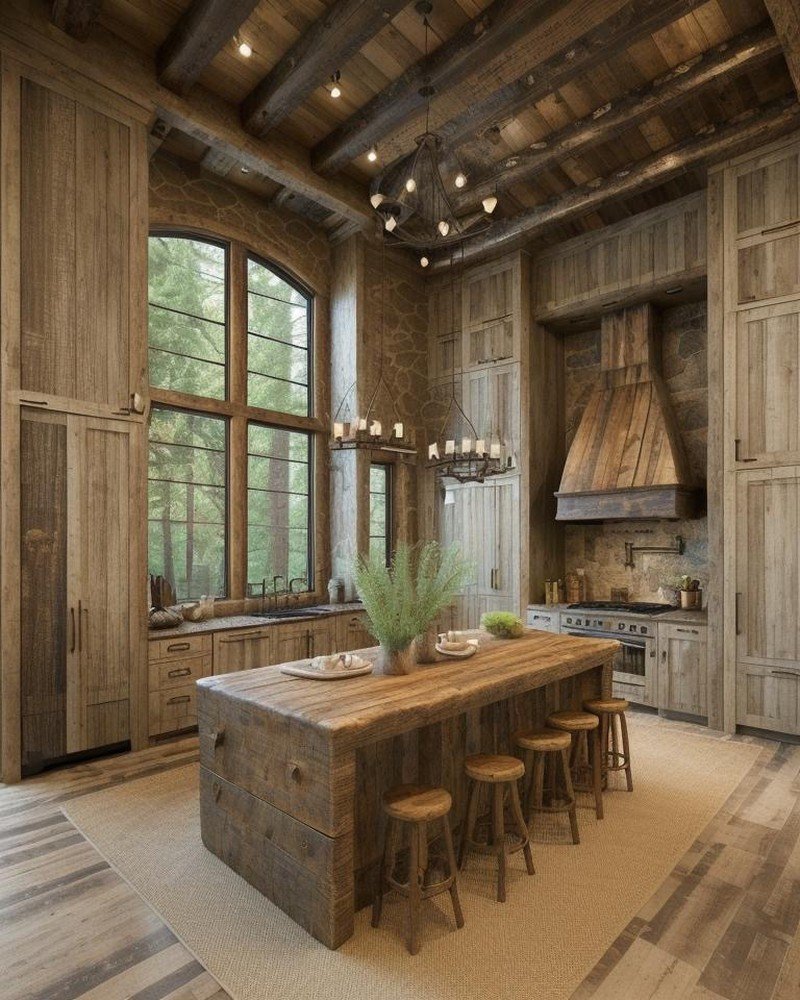
Rustic: The Poetry of Imperfection
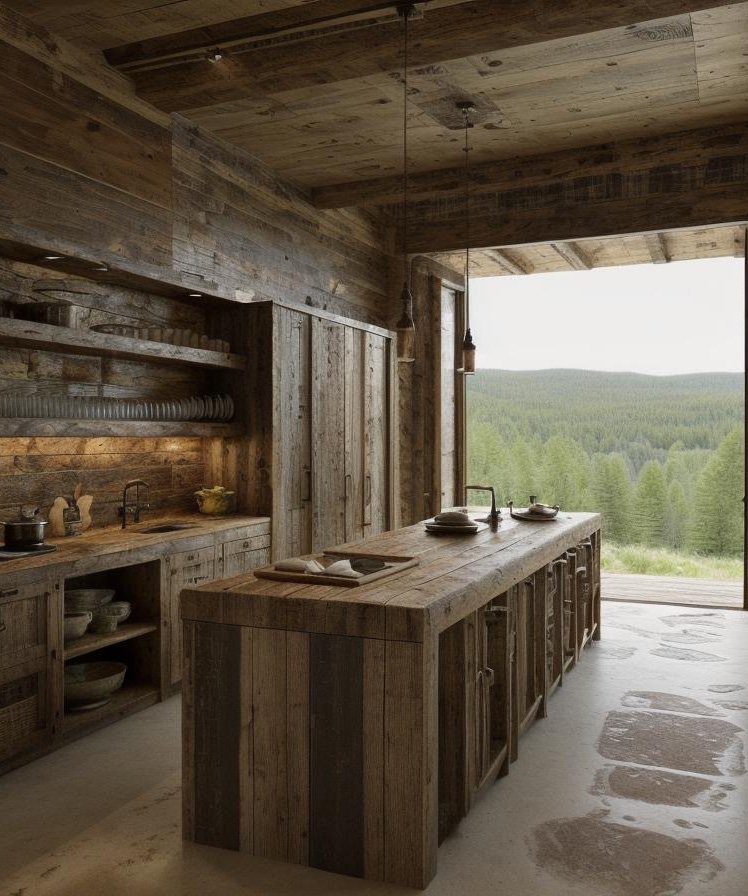
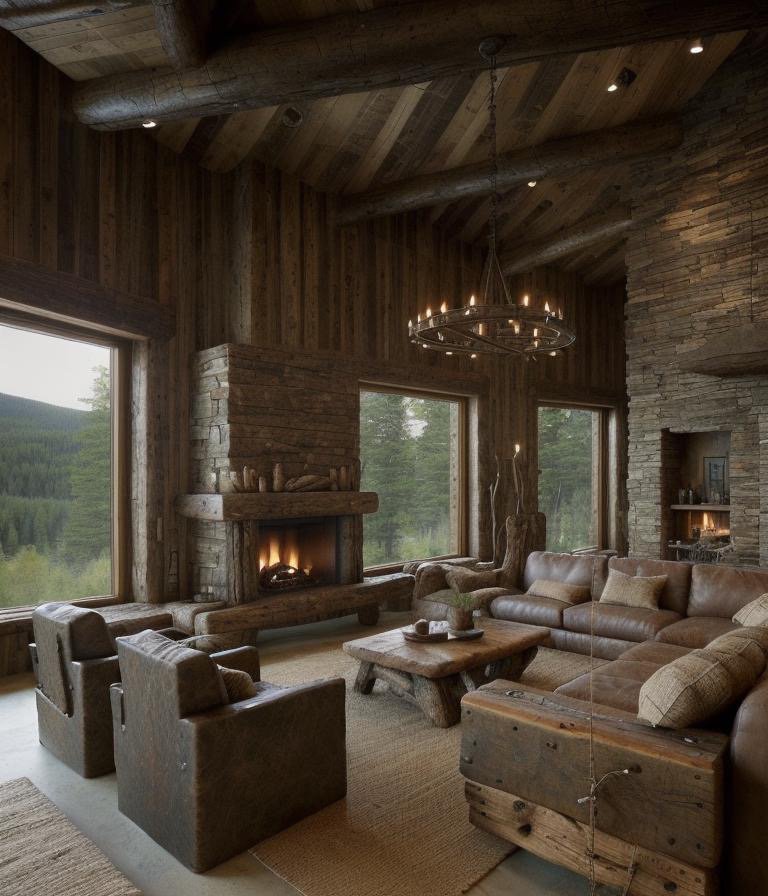
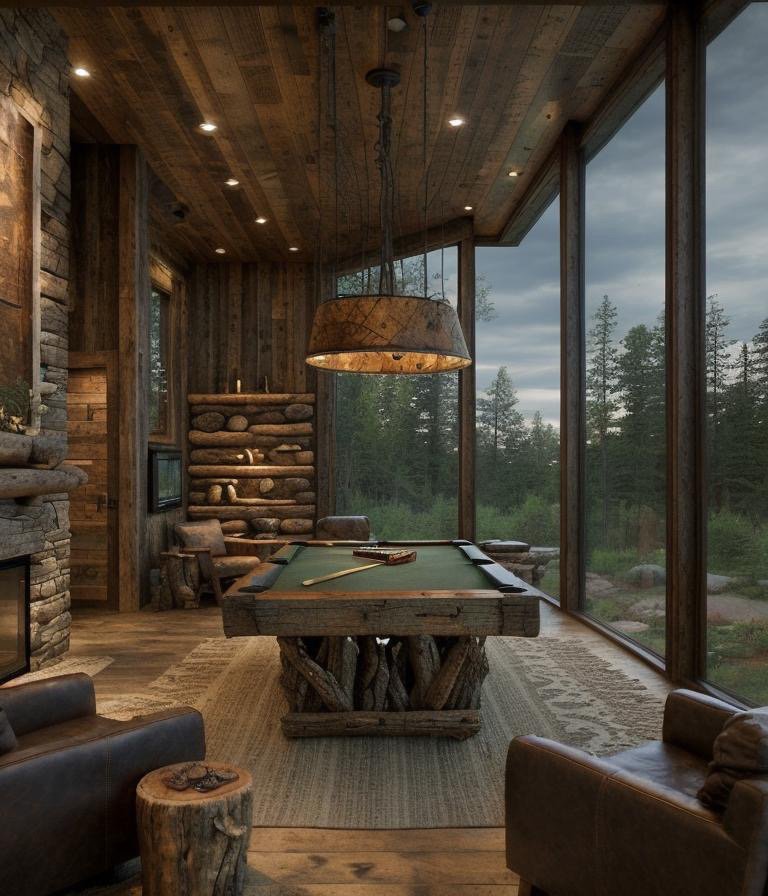
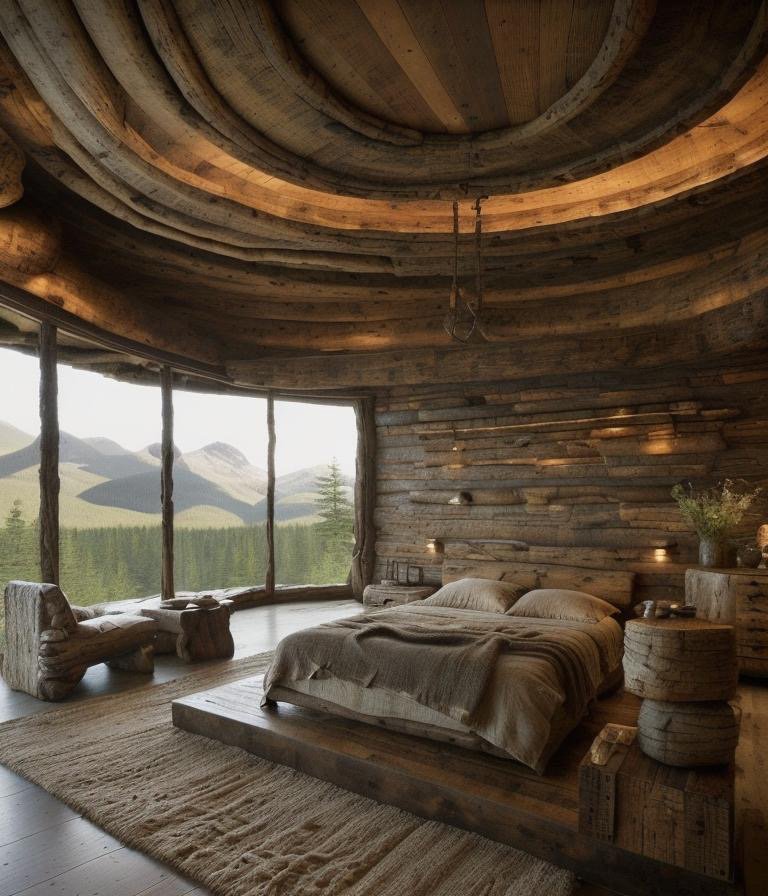
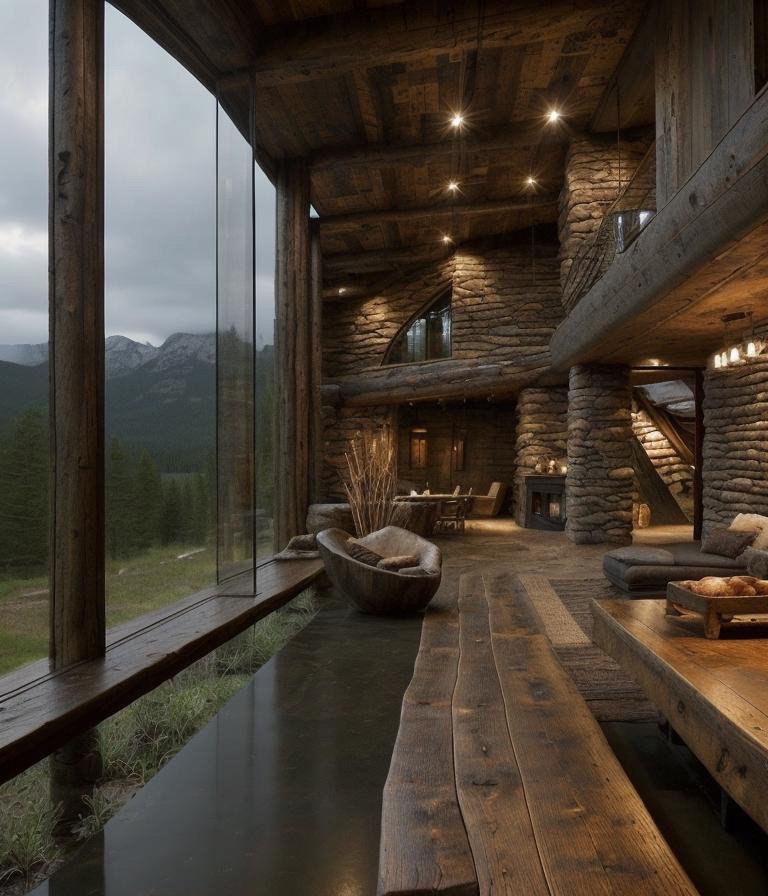
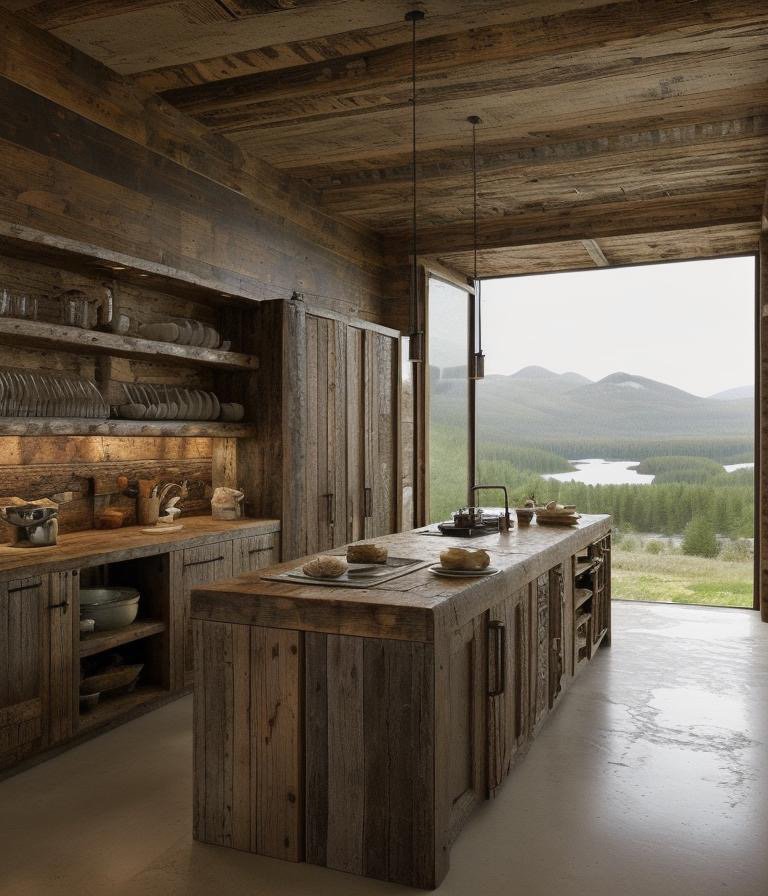
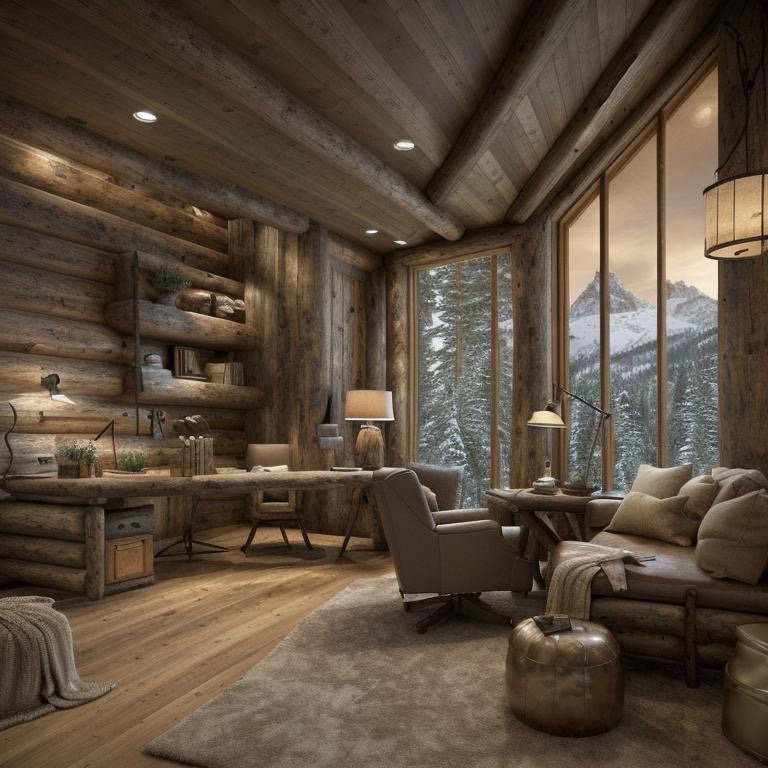
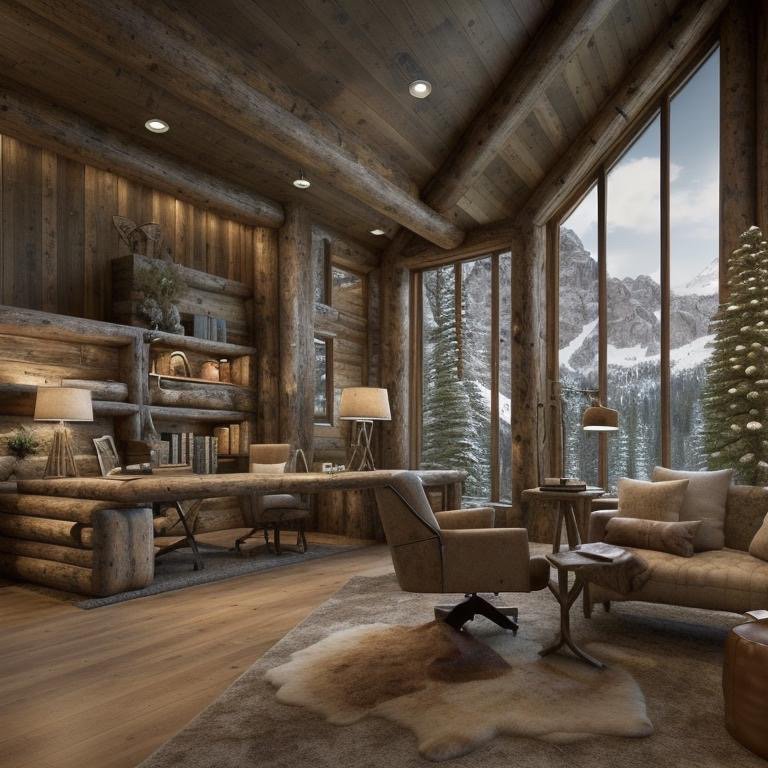
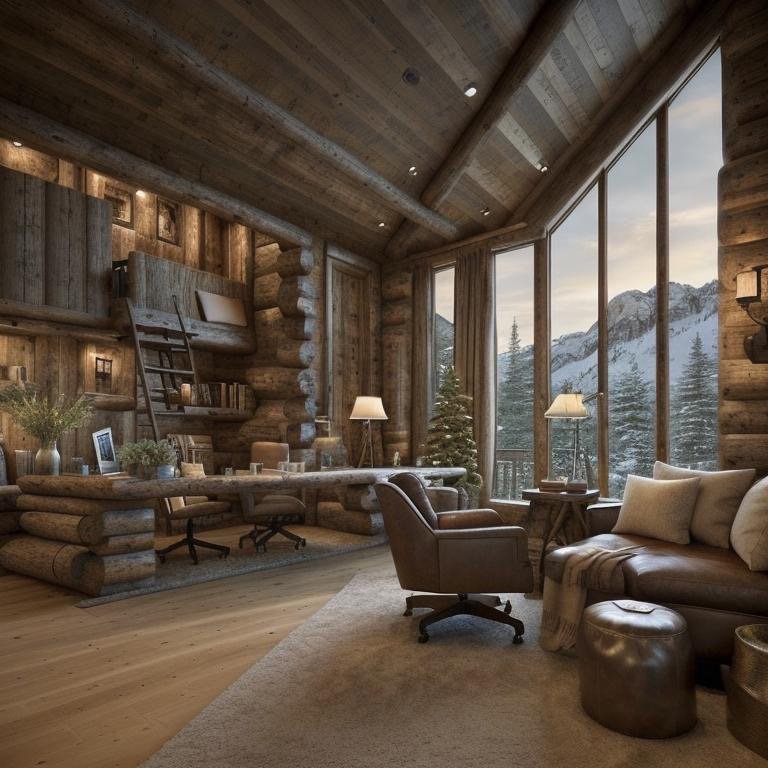
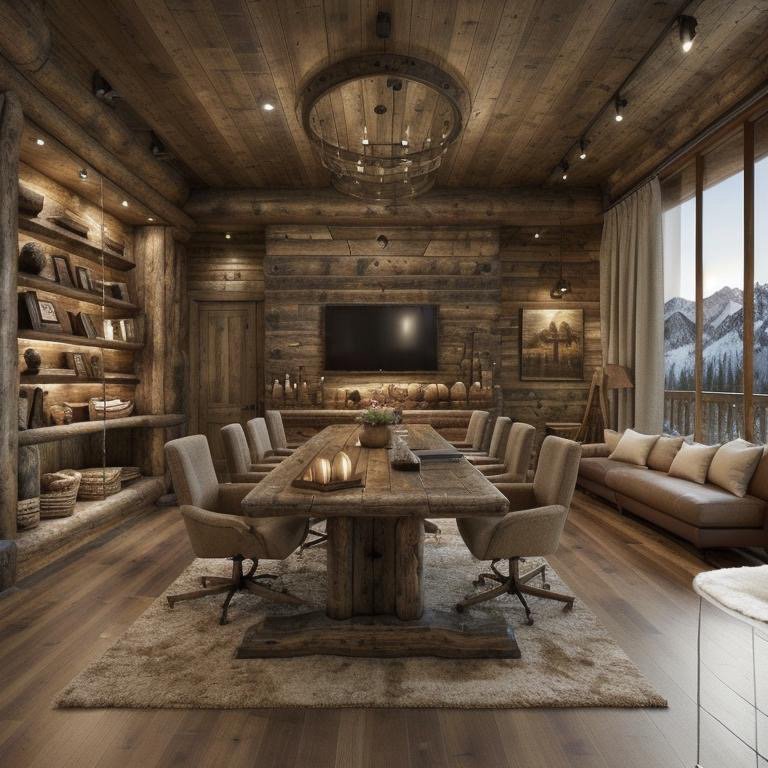
Rustic dissolves architectural formality in favor of textured materials and weathered surfaces. The marble island gains company from hand-forged iron legs, possibly salvaged or custom-made to appear so. Perimeter cabinetry features open shelving, allowing ceramics, copper cookware, and glass vessels to become visual elements. Stone walls, possibly rough-hewn or left raw, replace drywall. The floor is likely flagstone or weathered tile. Lighting is functional and minimal—perhaps simple pendant fixtures or even suspended bare bulbs. This kitchen privileges authenticity of material over stylistic coherence. The imperfections are the point.
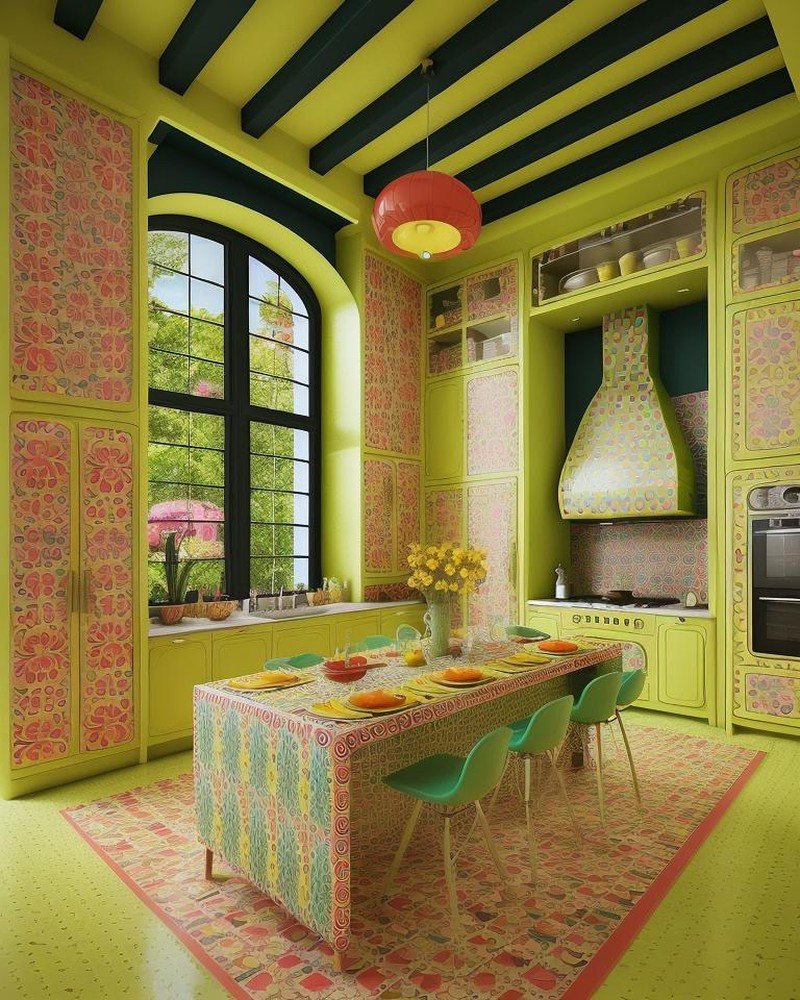
Retro: Nostalgia as Form
The Retro expression introduces mid-twentieth-century visual language. Expect chrome accents, perhaps a vintage-inspired range, mosaic tile backsplash in jewel tones or monochromatic patterns. The marble island may feature chrome base supports, consciously anachronistic. Cabinetry could include aluminum-frame details, or glass-front cabinets. Lighting shifts toward geometric forms—perhaps a semi-flush fixture with clean lines, or vintage pendant lights with colored glass. The palette is curated: no more than three or four colors, but each one chosen for its nostalgic resonance. This is a kitchen designed to evoke a specific moment in time, preserved as architecture.
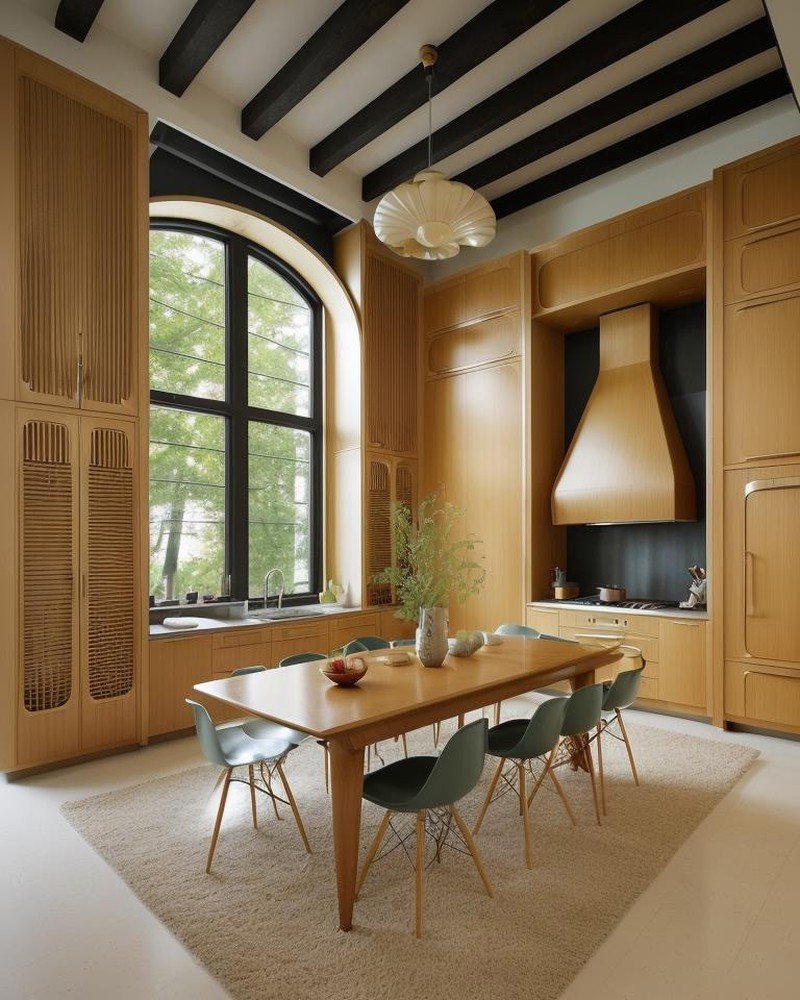
Mid-Century Modern: Reductive Elegance
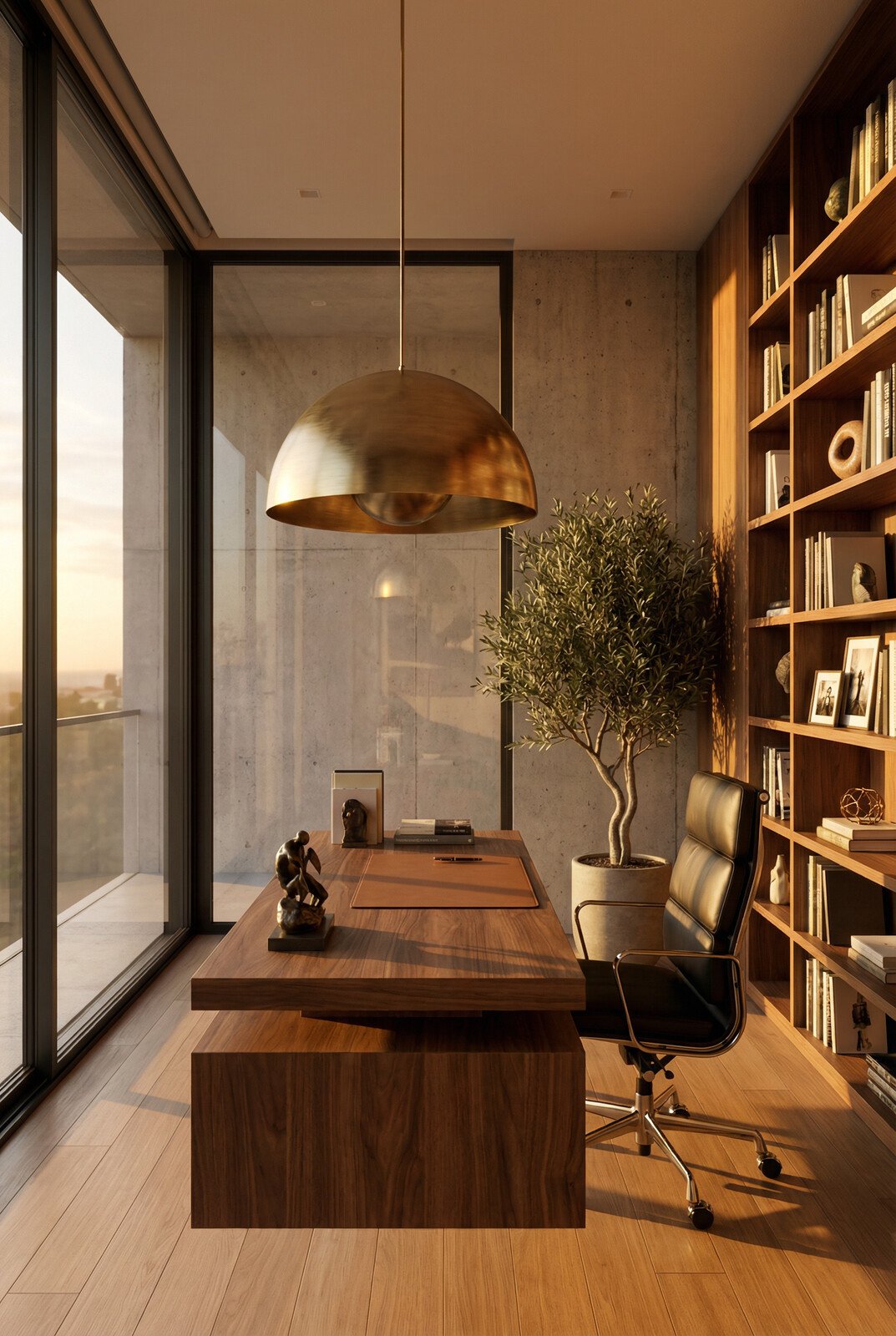
Mid-Century Modern strips away ornament in favor of pure form and proportion. The marble island gains support from tapered wooden legs, likely walnut or teak. Cabinetry is austere—flat-panel doors, minimal hardware, possibly a mix of cabinet and open shelving. Materials are carefully chosen: wood, metal, glass, and the marble surface itself become the only necessary decoration. Lighting is sculptural—perhaps a statement pendant or a series of precise downlights. The perimeter kitchen maintains minimal wall decoration. This language speaks through proportion and material authenticity rather than applied ornament.
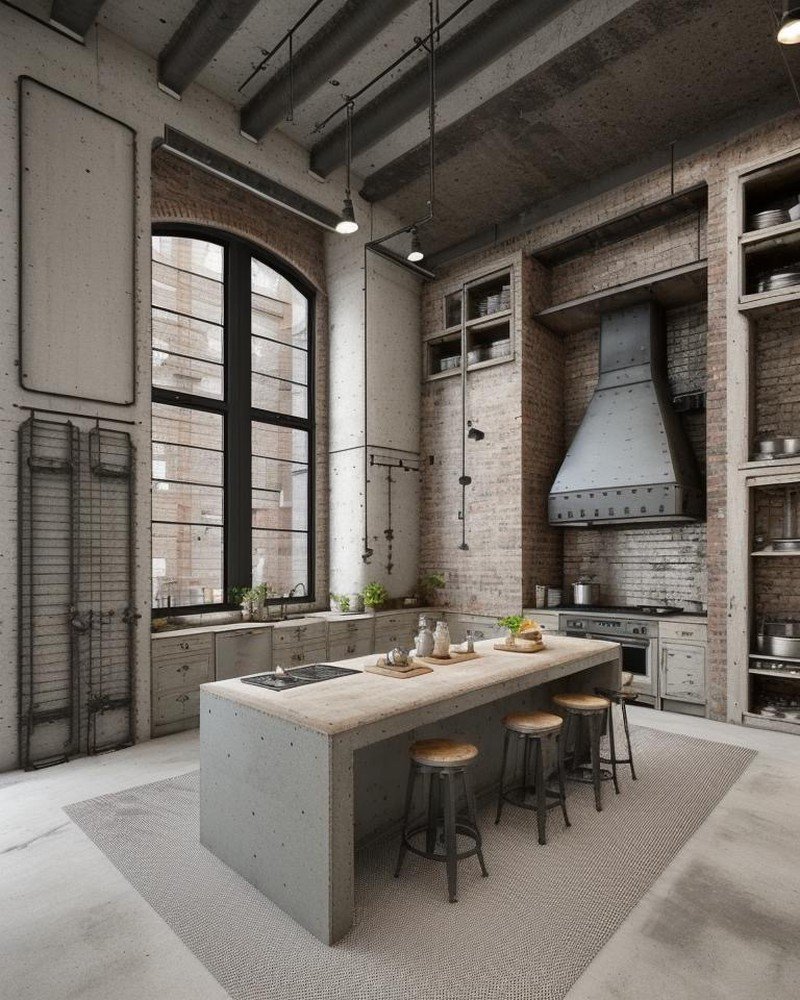
Industrial: Raw Materiality and Function
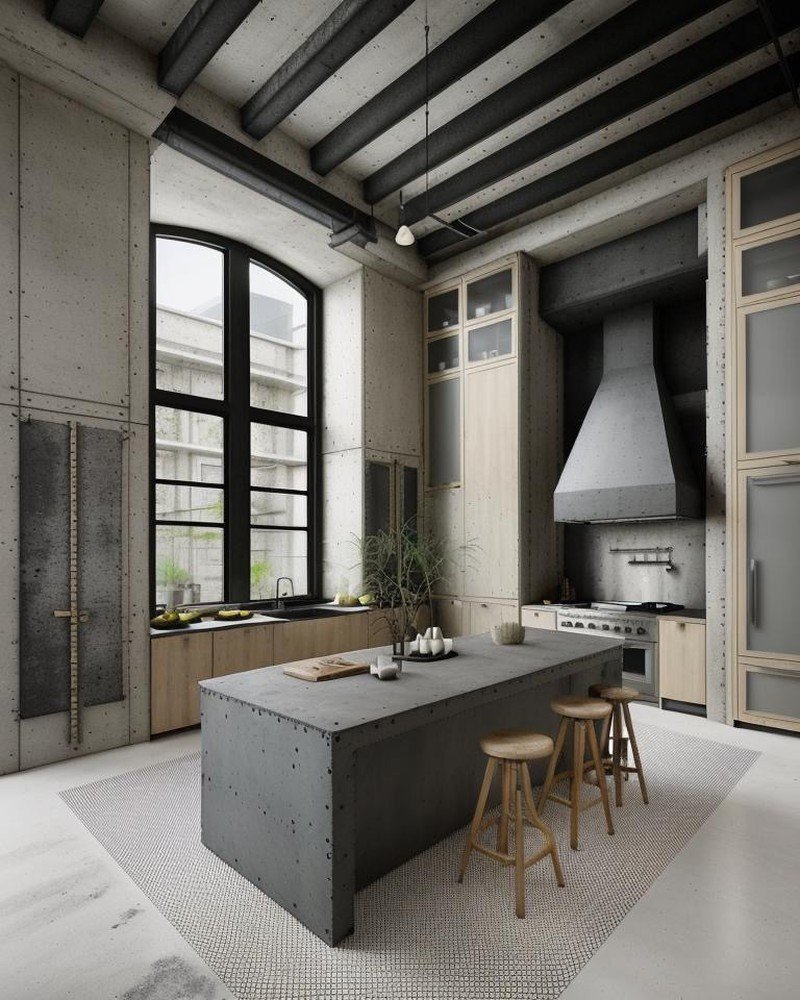
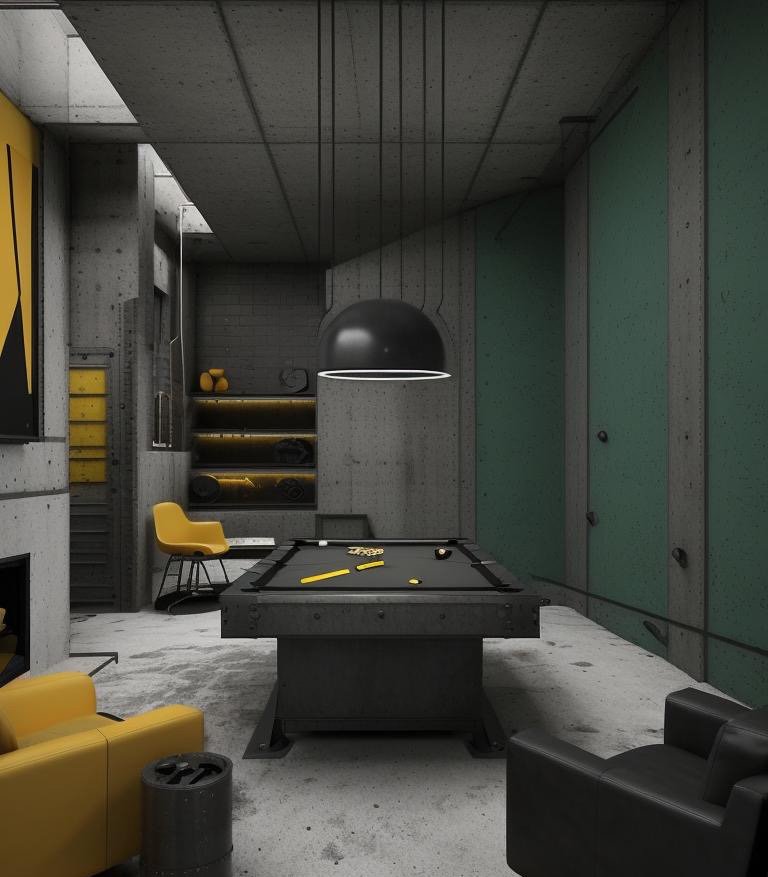
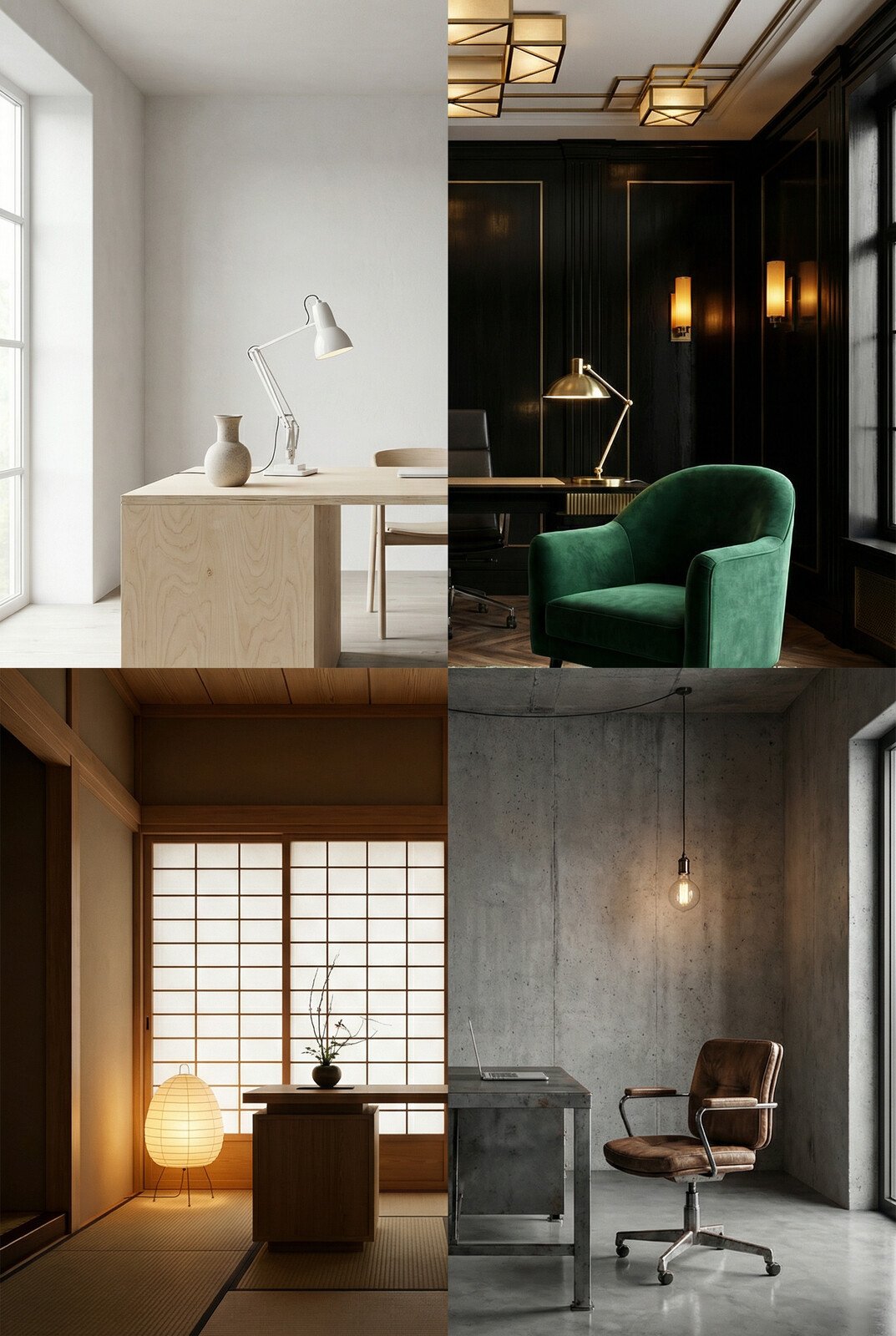
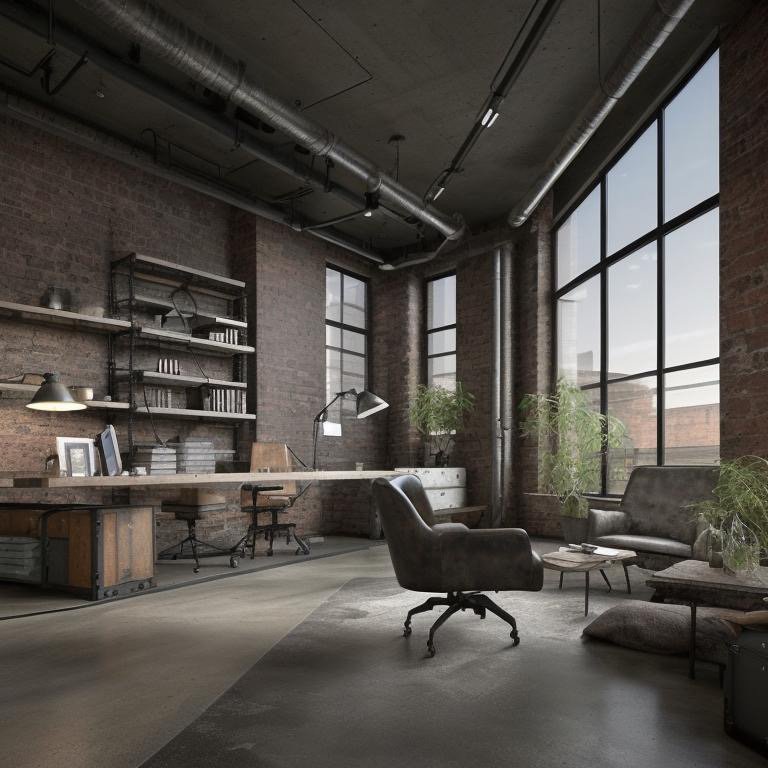
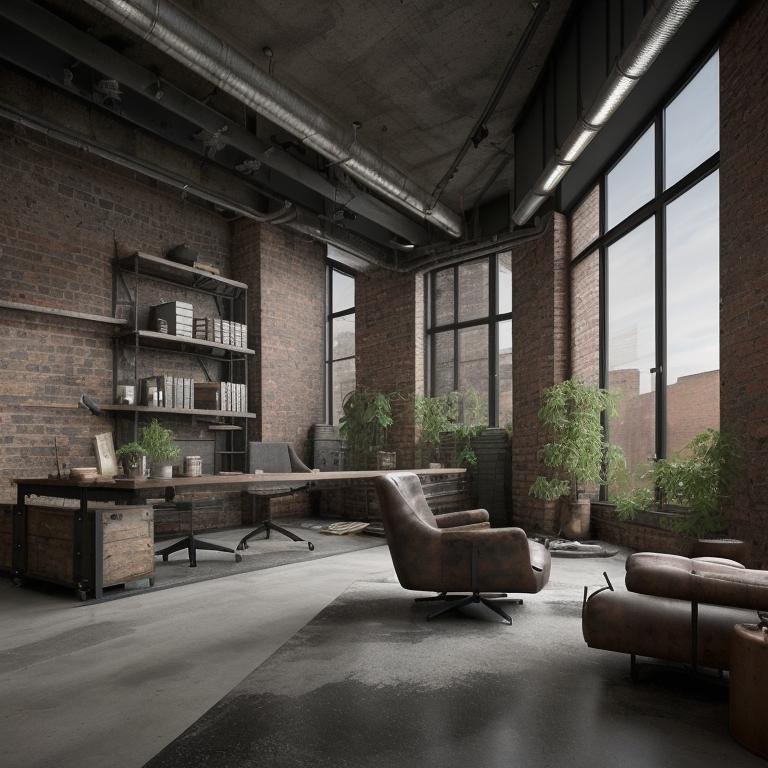
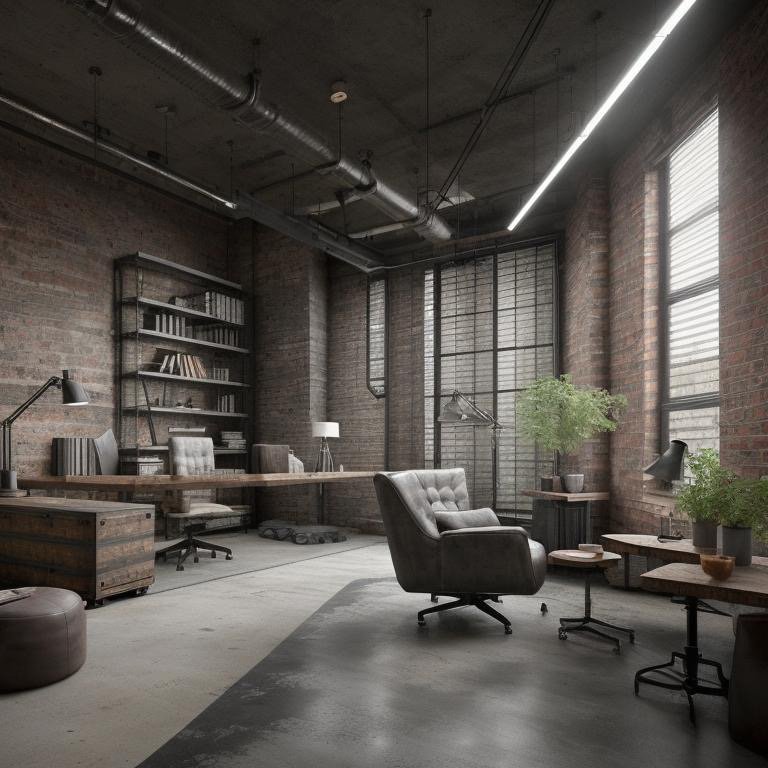
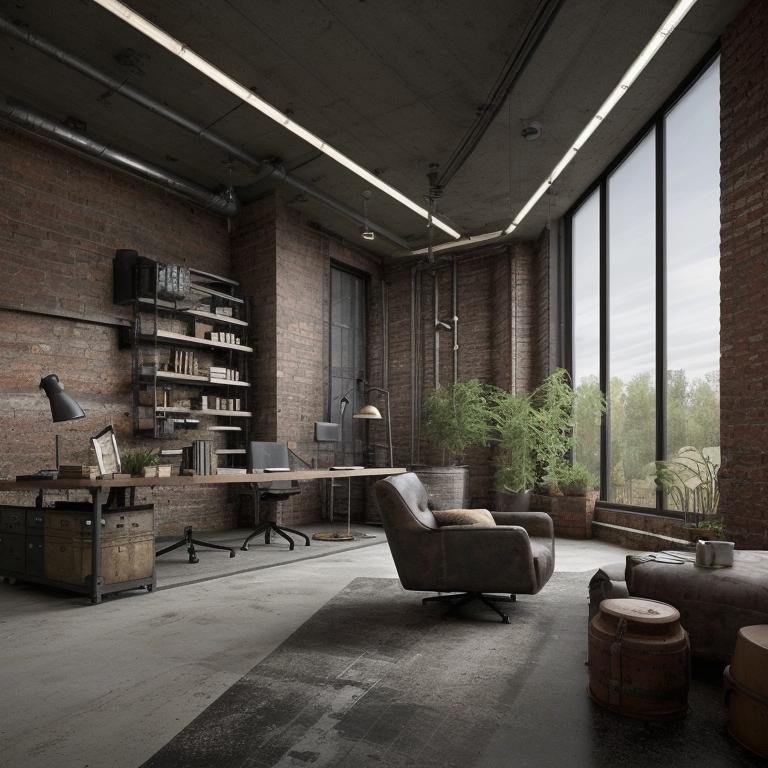
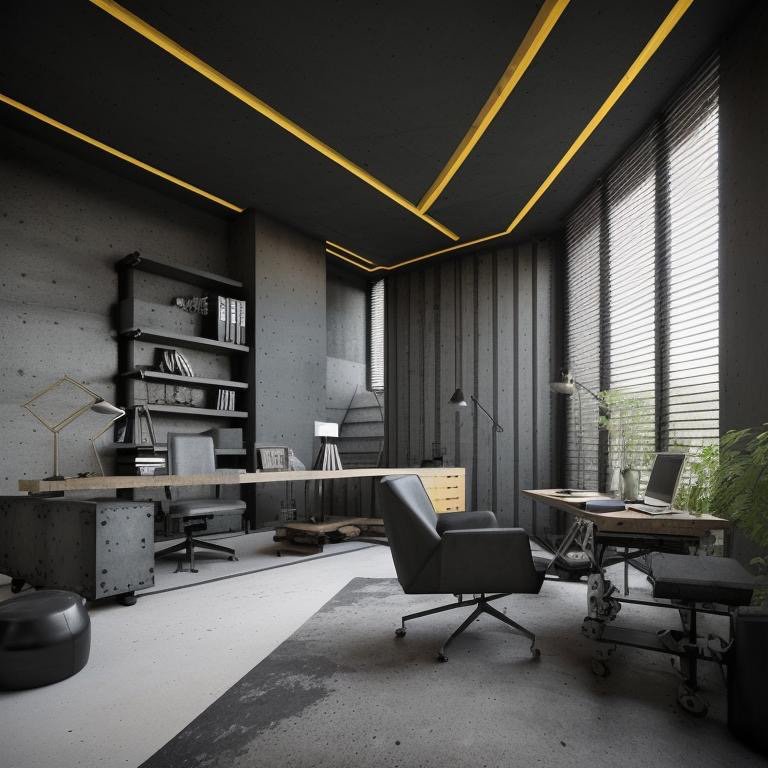
Industrial embraces the authentic language of manufacturing spaces. The marble island is now accompanied by stainless steel prep surfaces, perhaps visible mechanical fasteners. Cabinetry is minimal—possibly custom metal shelving or open racks displaying cookware. Flooring is likely polished concrete or utilitarian tile. Walls remain raw brick or painted industrial-grade plaster. Lighting appears as exposed bare bulbs or industrial-style pendant fixtures with metal shades. Mechanical systems—ductwork, pipes—remain visible rather than concealed. The kitchen is legible as a machine for cooking, stripped of pretense, celebrating the logic of its own functioning.
Farmhouse: Cultivated Rusticity
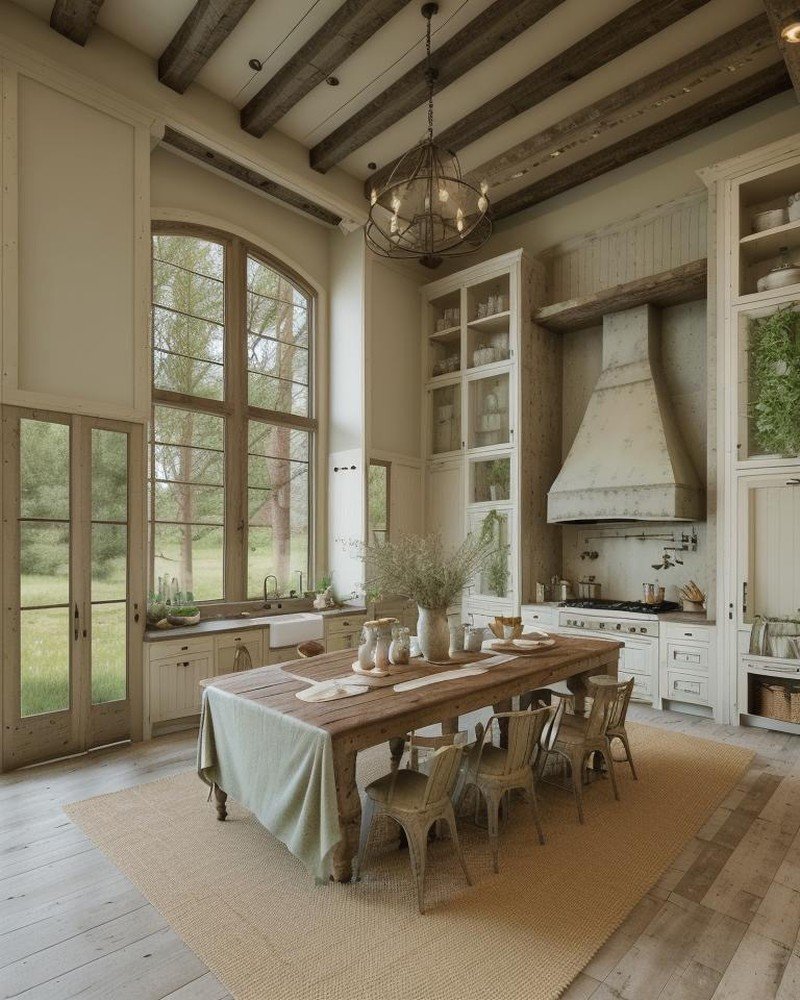
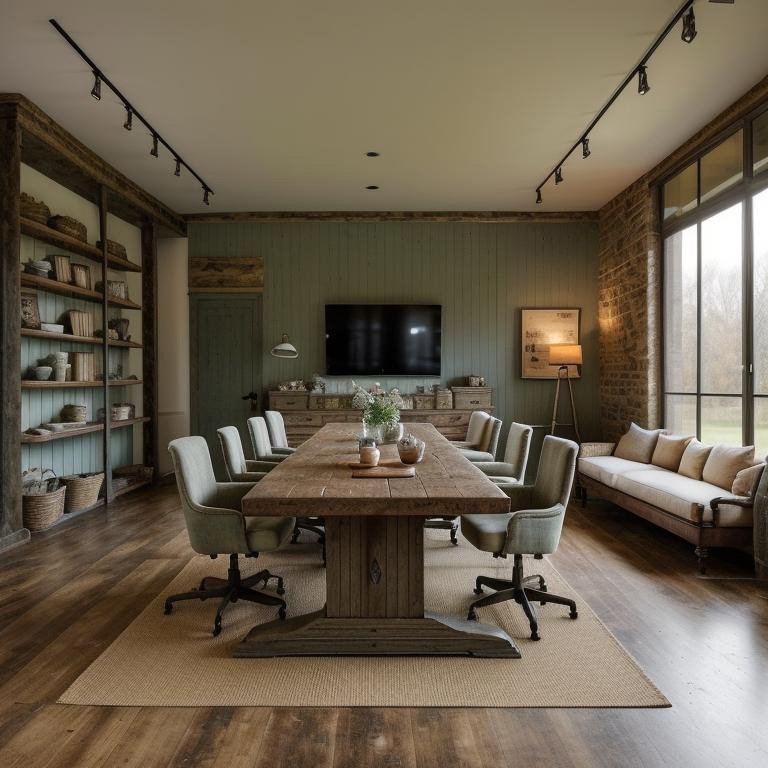
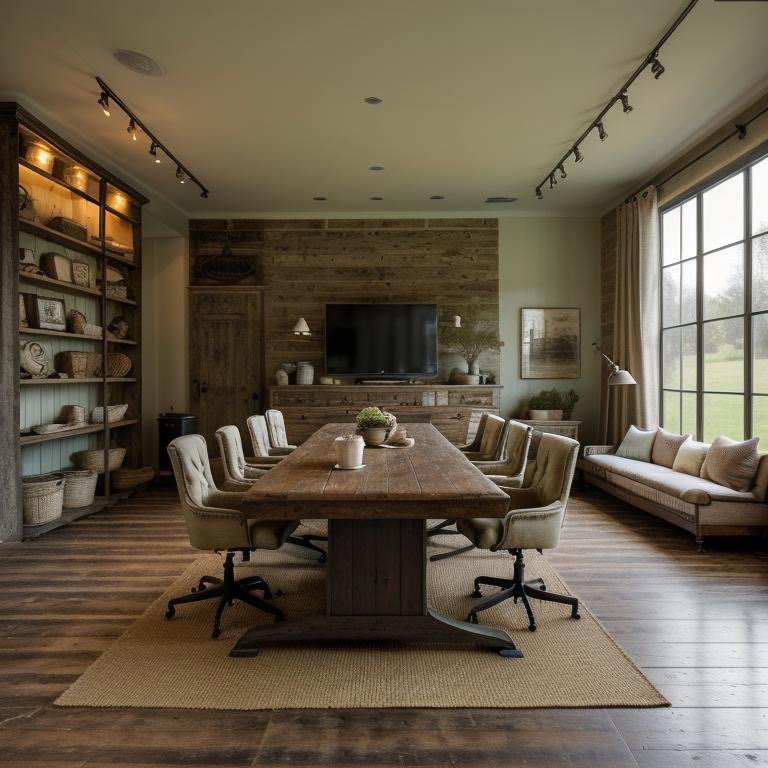
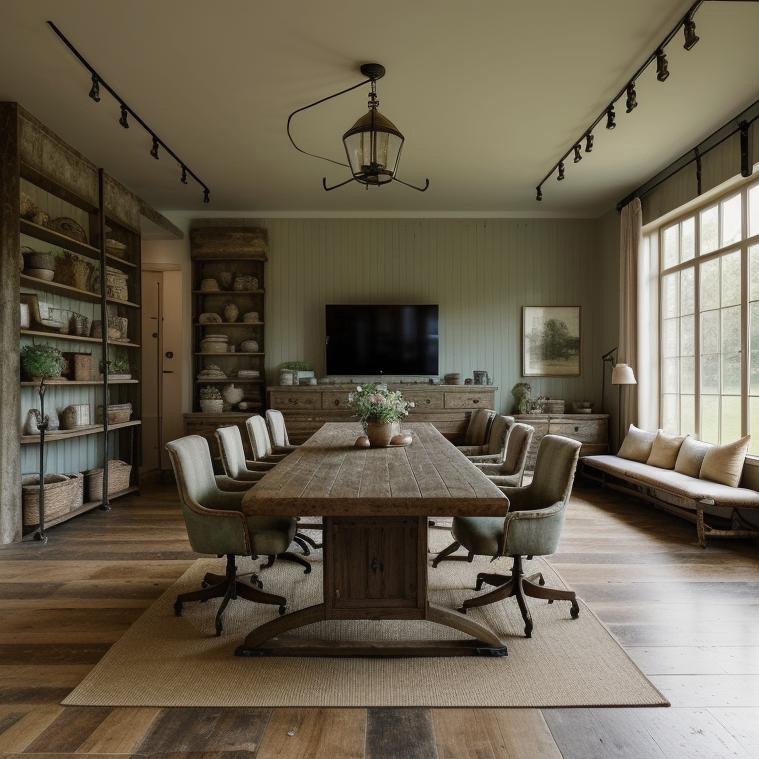
Farmhouse differs from Rustic through intentional curation. While Rustic privileges authenticity of wear, Farmhouse is a more composed aesthetic—texture and warmth carefully orchestrated. The marble island may feature a wood apron skirt in a light neutral tone. Cabinetry is likely painted wood, perhaps cream, sage green, or soft white. Open shelving displays selected pottery, vintage glassware. Flooring is often engineered wood or ceramic tile designed to resemble traditional materials. Lighting arrives via vintage-inspired fixtures, but these are new, carefully selected for their ability to evoke historical warmth without actual deterioration. The overall effect is nostalgic comfort, a designed pastiche of agrarian simplicity.
Chic Contemporary: Precision and Minimalism
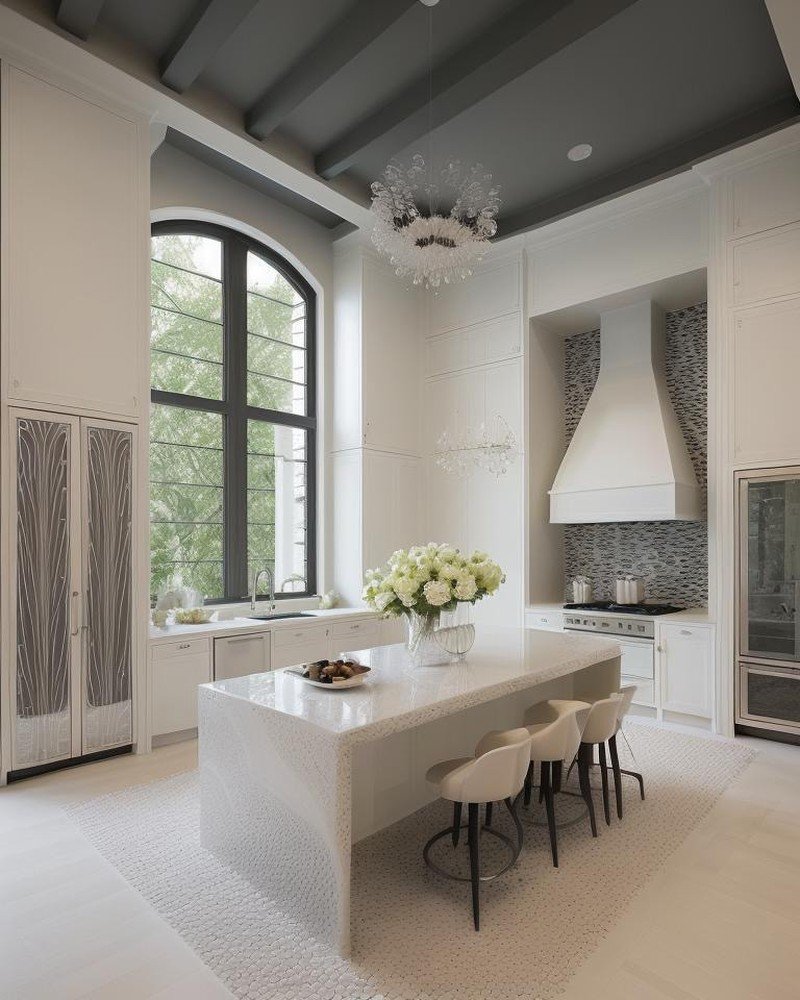
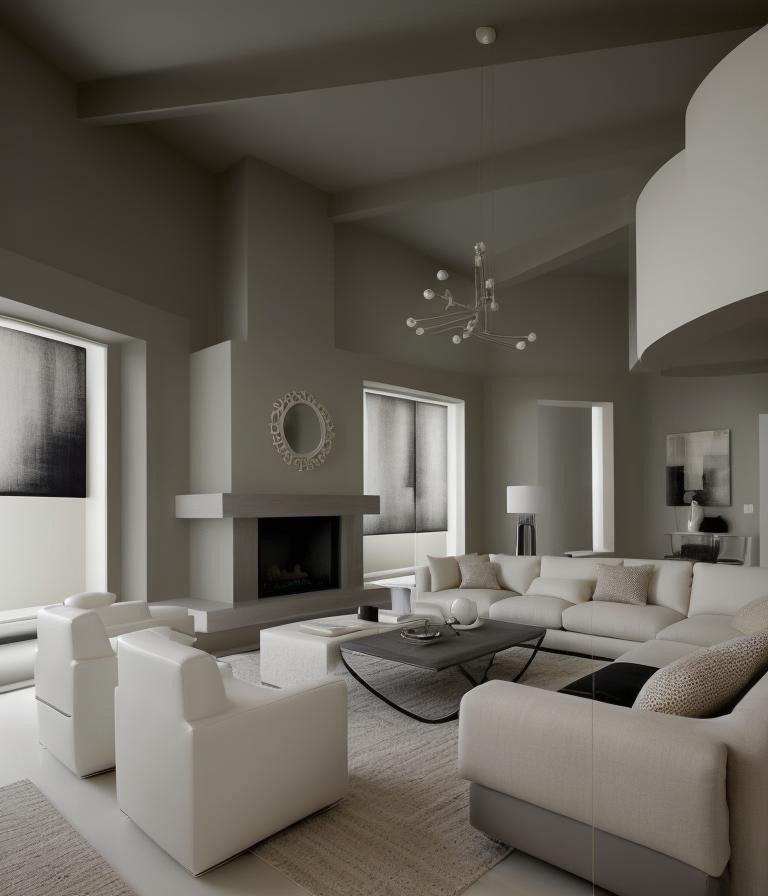
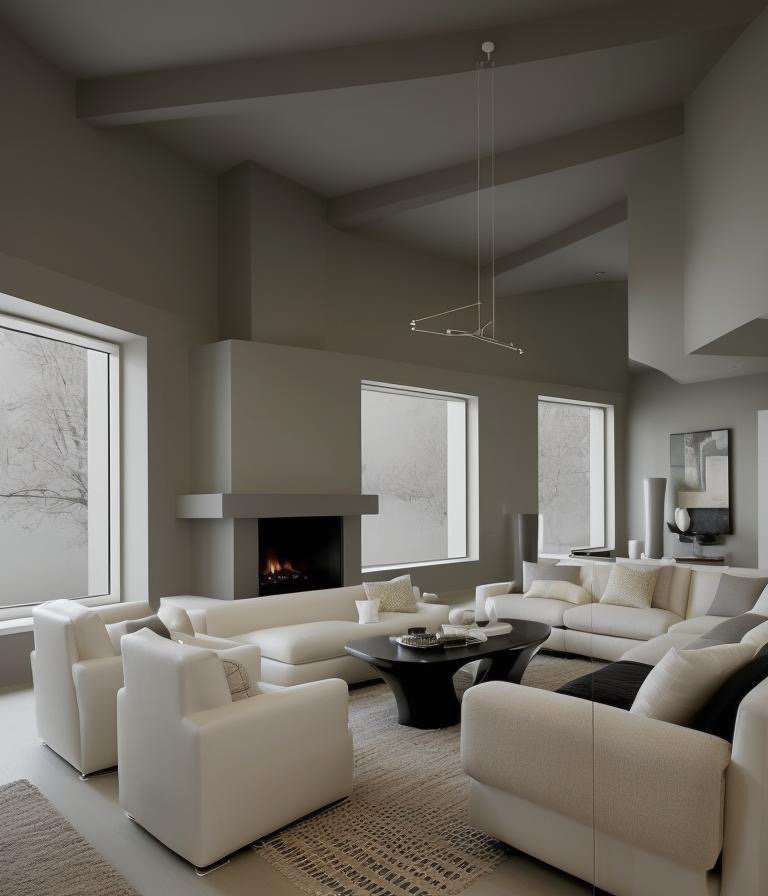
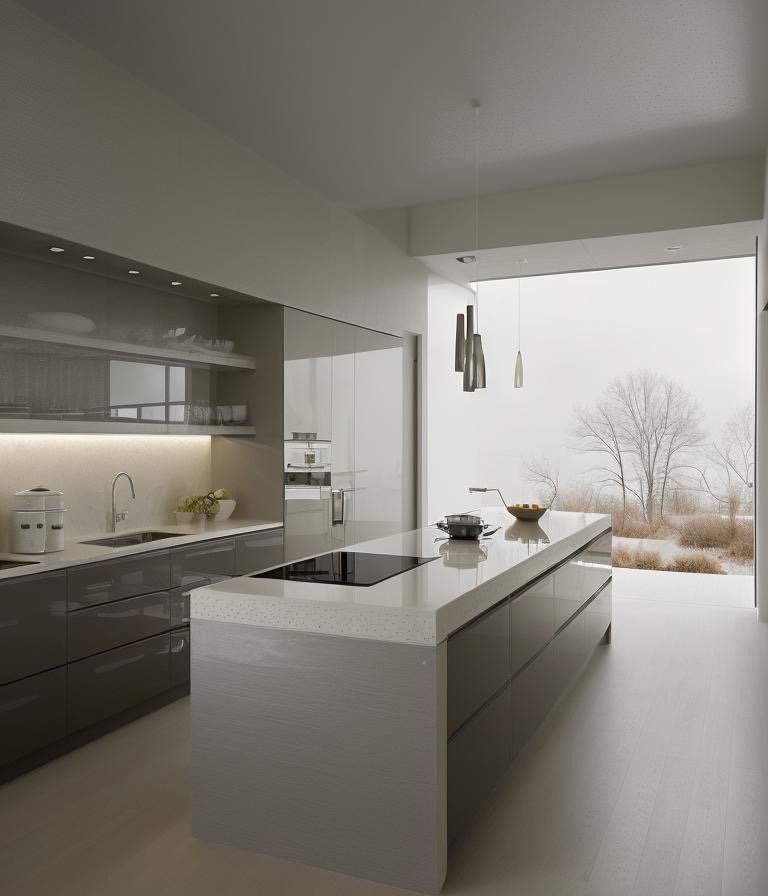
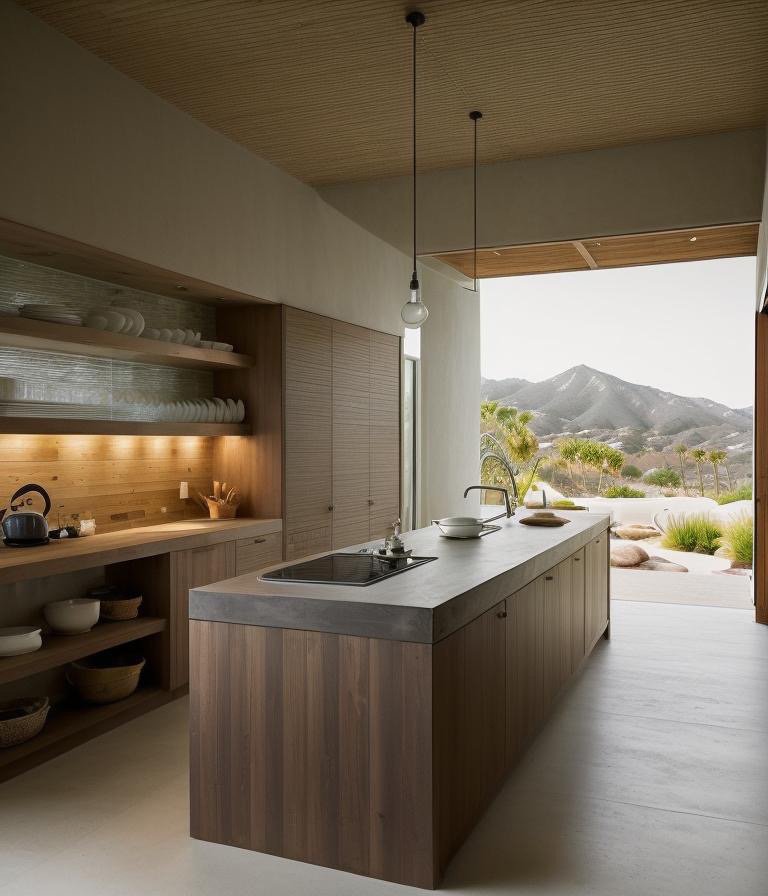
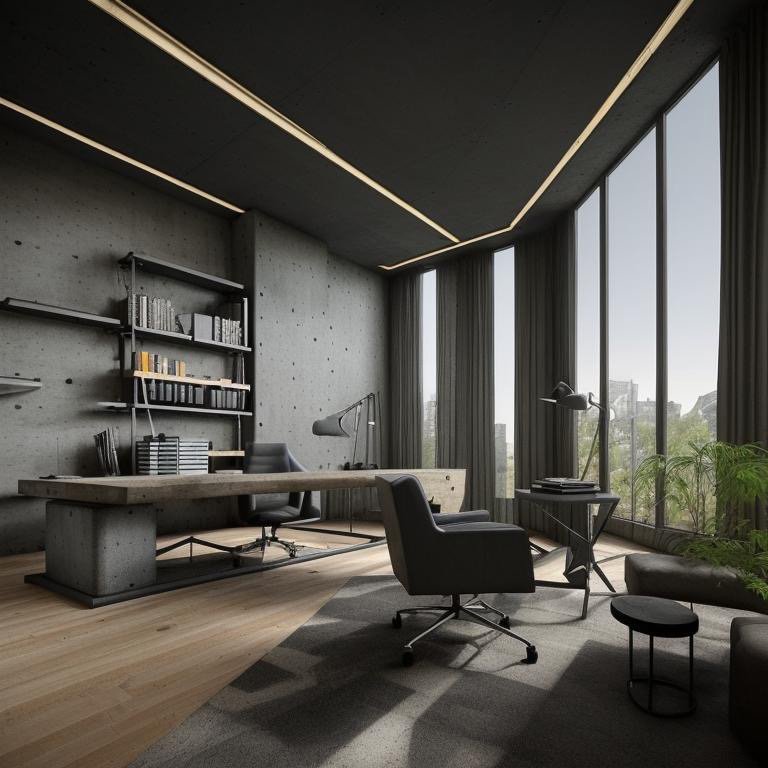
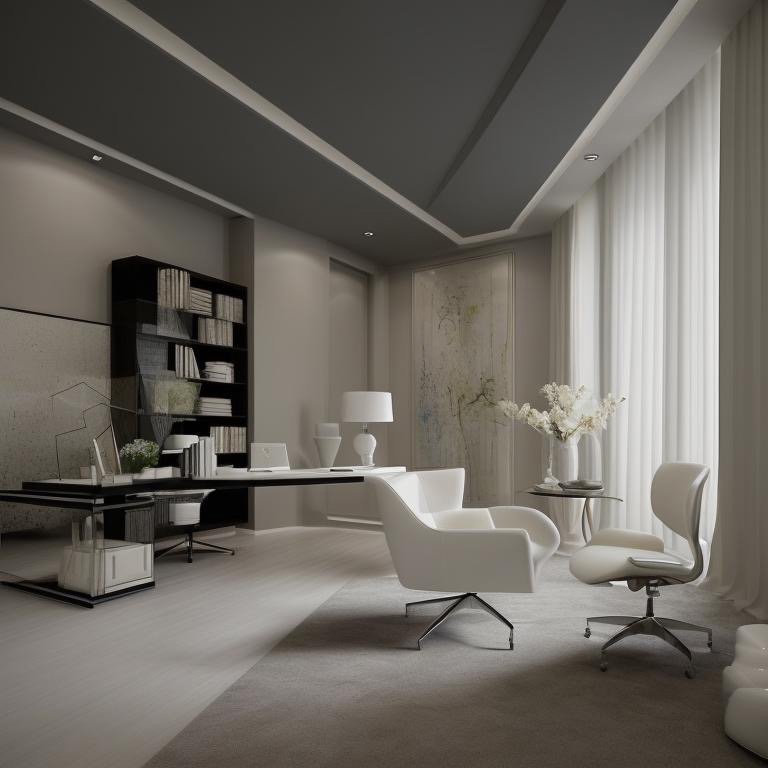
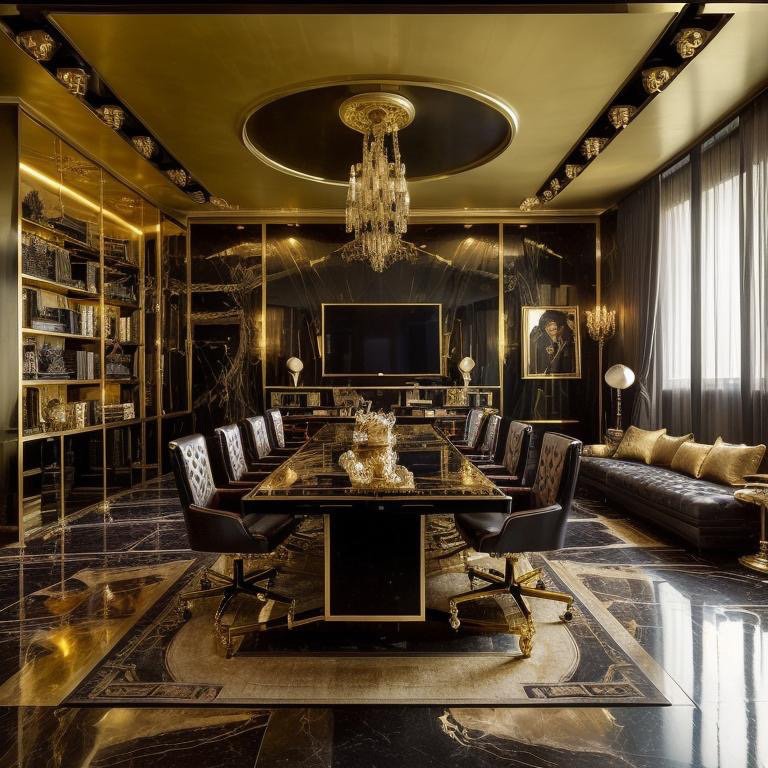
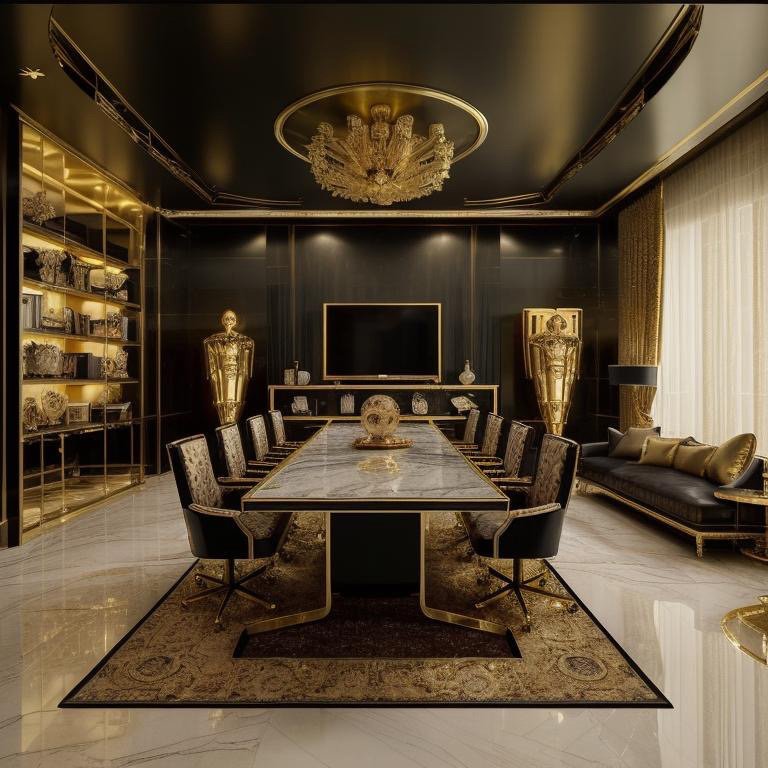
Chic Contemporary abandons historical reference entirely in favor of precision engineering and material purity. The marble island features a cantilevered base or minimal supporting structure—perhaps a sculptural steel frame. Cabinetry is handled-less, smooth surfaces in matte finishes or high-gloss lacquer. Materials are primary: marble, natural wood veneer, concrete, polished steel. The perimeter kitchen is similarly austere. Lighting is integrated—perhaps LED strips or recessed fixtures that become invisible, allowing the space itself to be the visual subject. Color is restrained: whites, grays, warm neutrals. The kitchen is a study in proportion and material honesty, unadorned and precise.
California Casual: Lightness and Openness
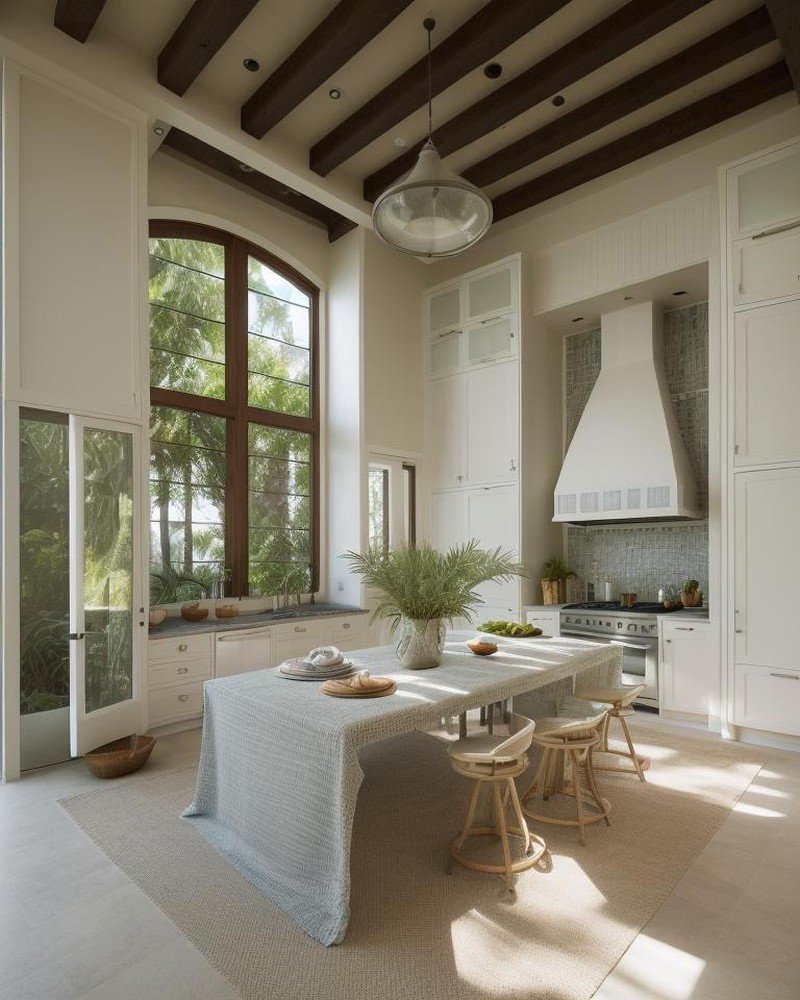
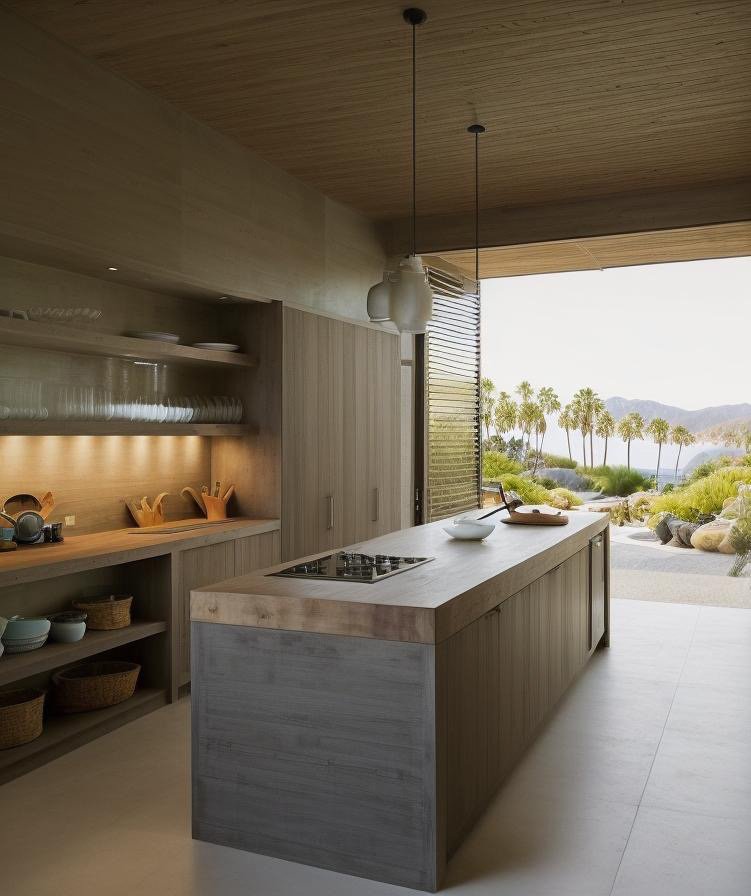
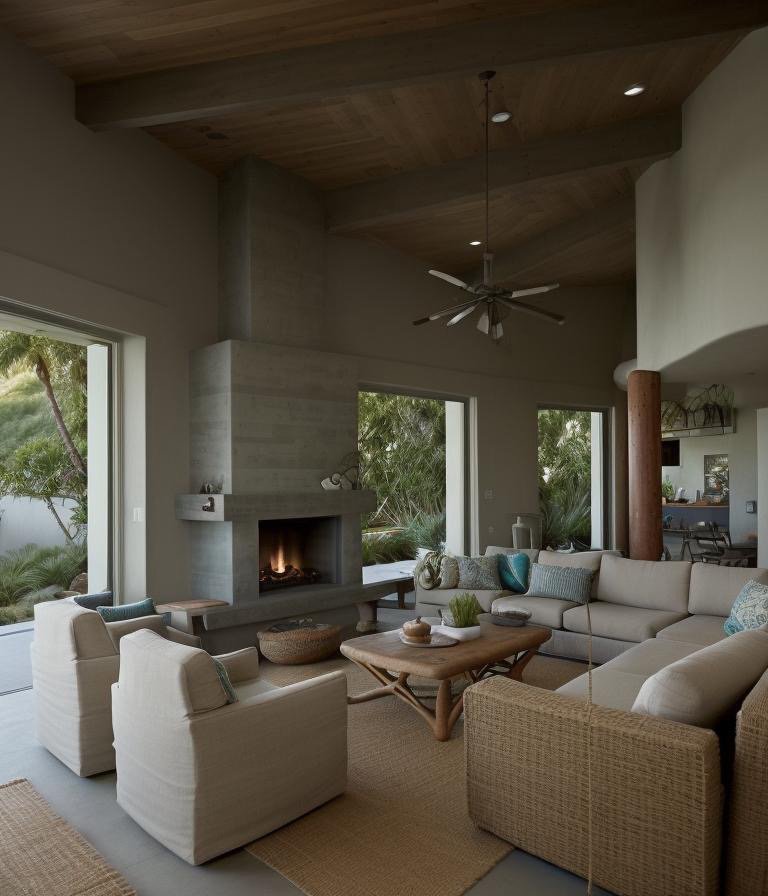
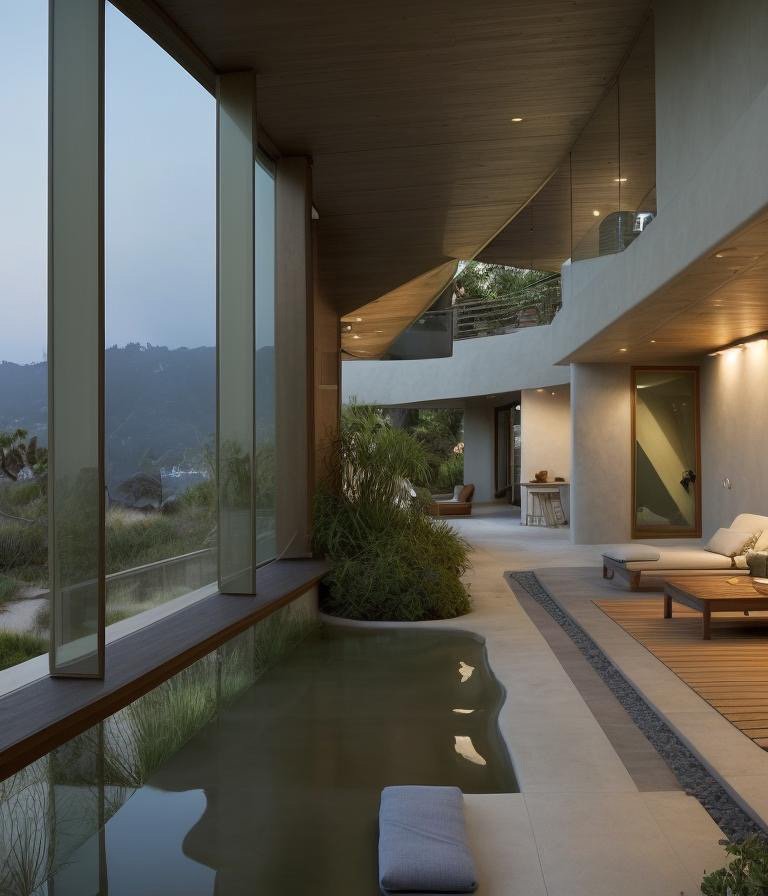
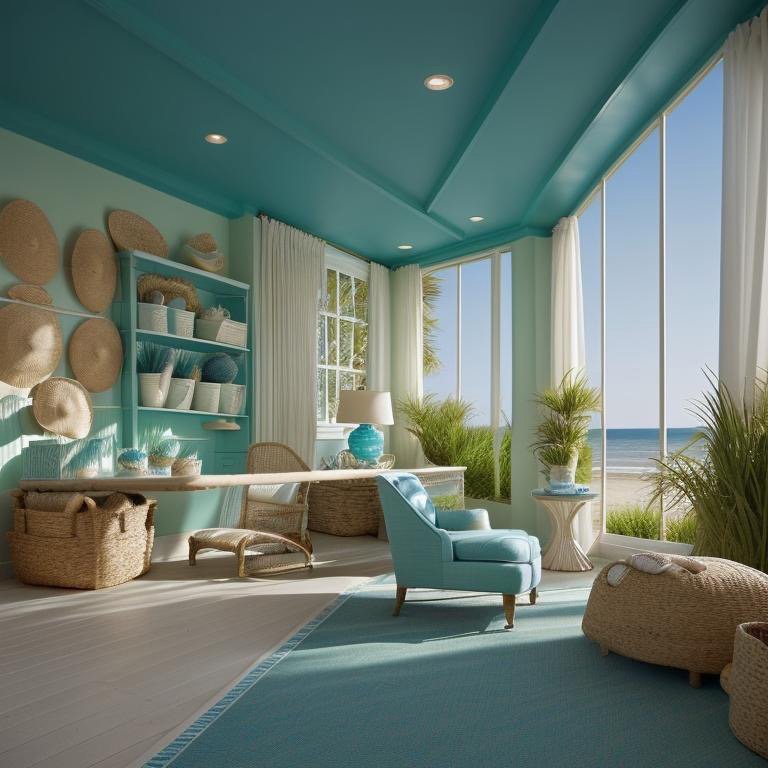
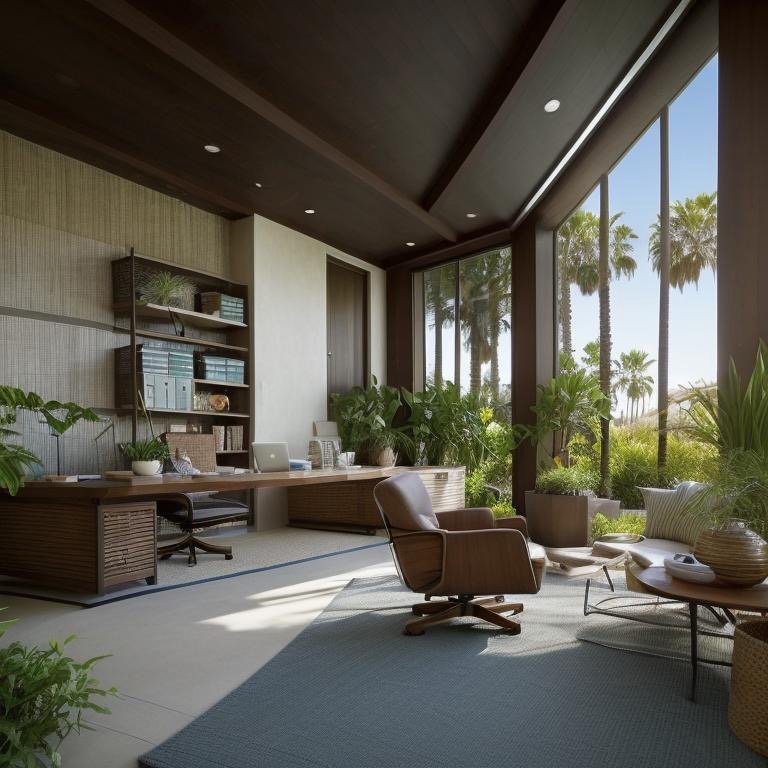
California Casual prioritizes visual lightness and integration with adjacent spaces. The marble island may feature an open base, allowing sightlines to continue beneath and through the kitchen. Cabinetry is likely light-colored, possibly white or pale wood, with glass-front options. The perimeter kitchen opens generously to dining or living spaces—no visual barriers. Materials are bright: whitewashed wood, light marble, chrome or stainless details. Lighting is soft and diffused, possibly through skylights or generous windows. The overall impression is of a space that breathes, that allows the kitchen to integrate with the rest of the home rather than assert itself as a separate domain.
Brutalist: Monumental Severity
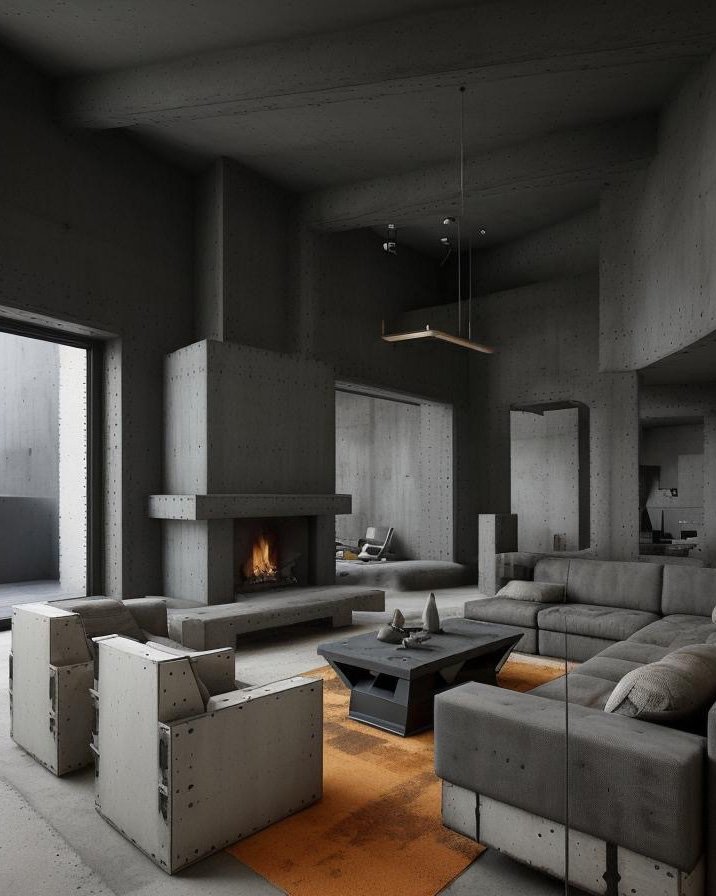
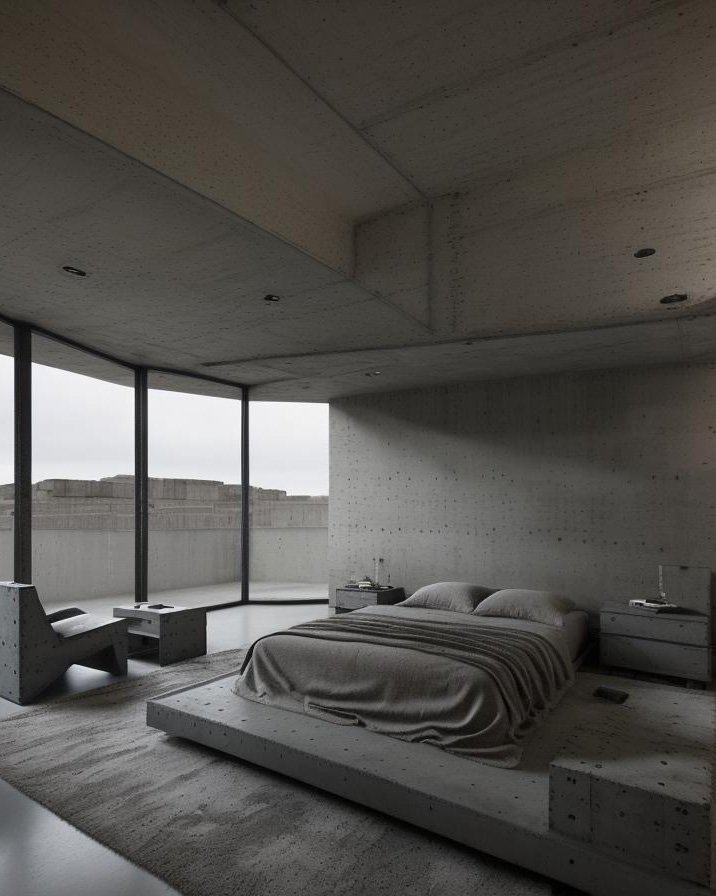
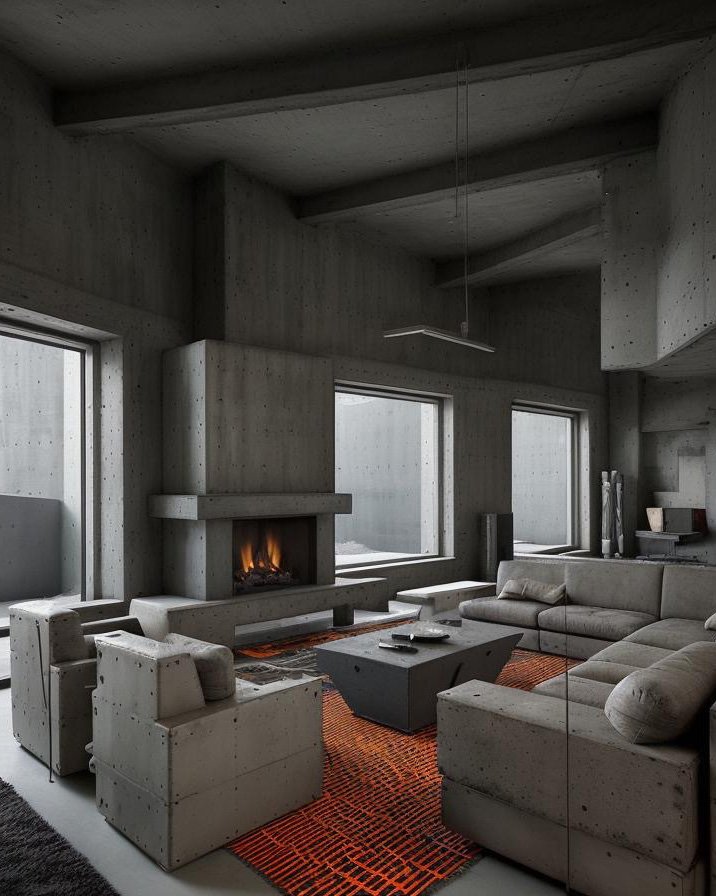
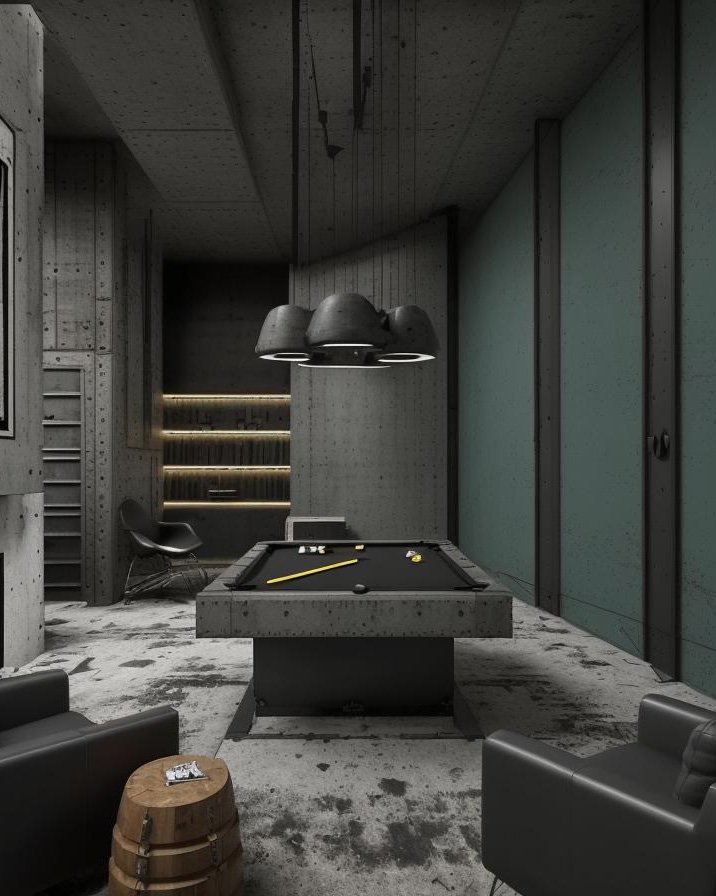
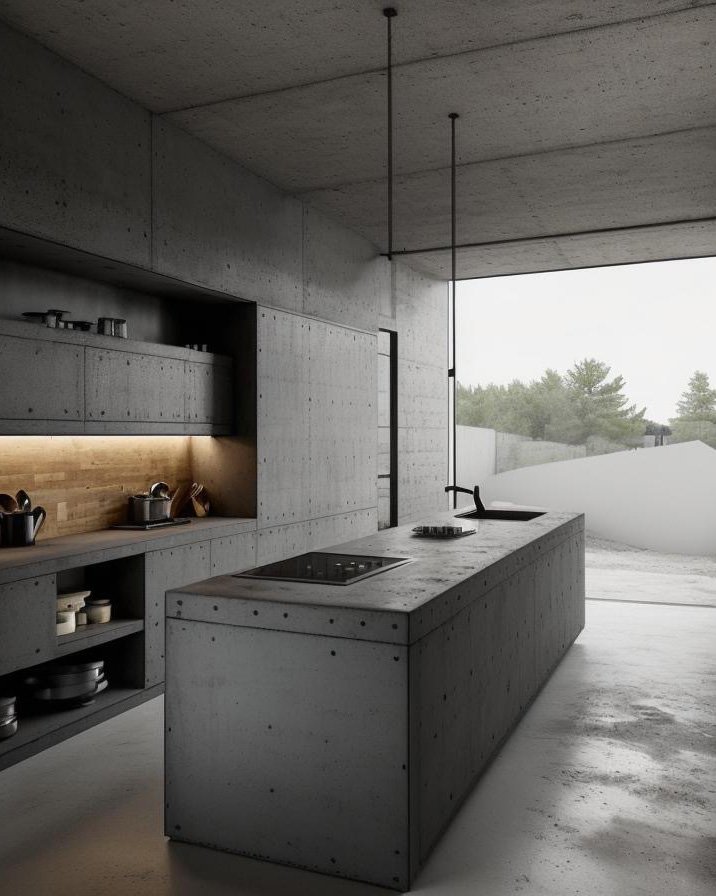
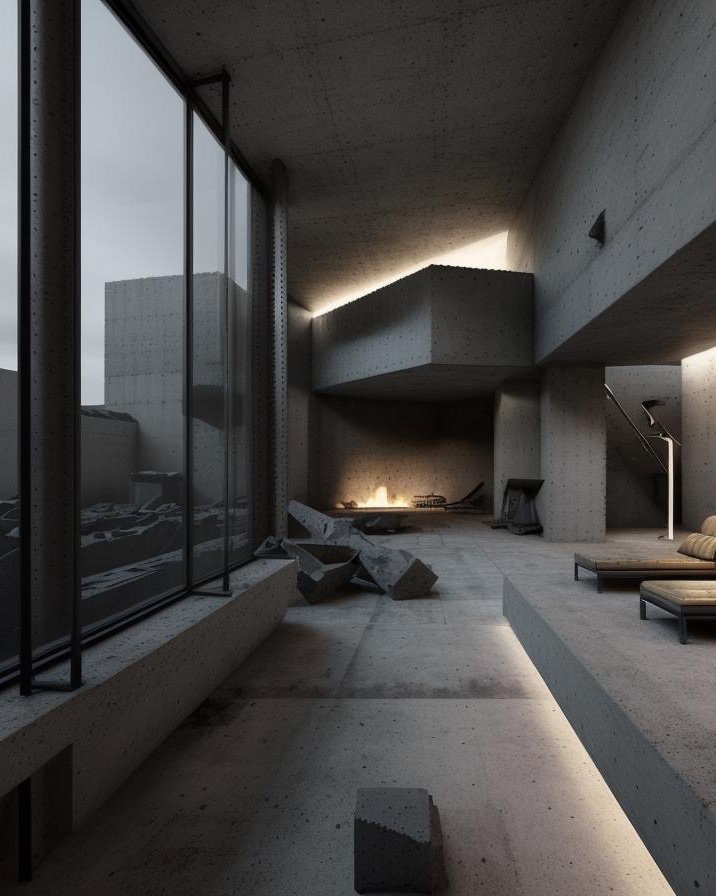
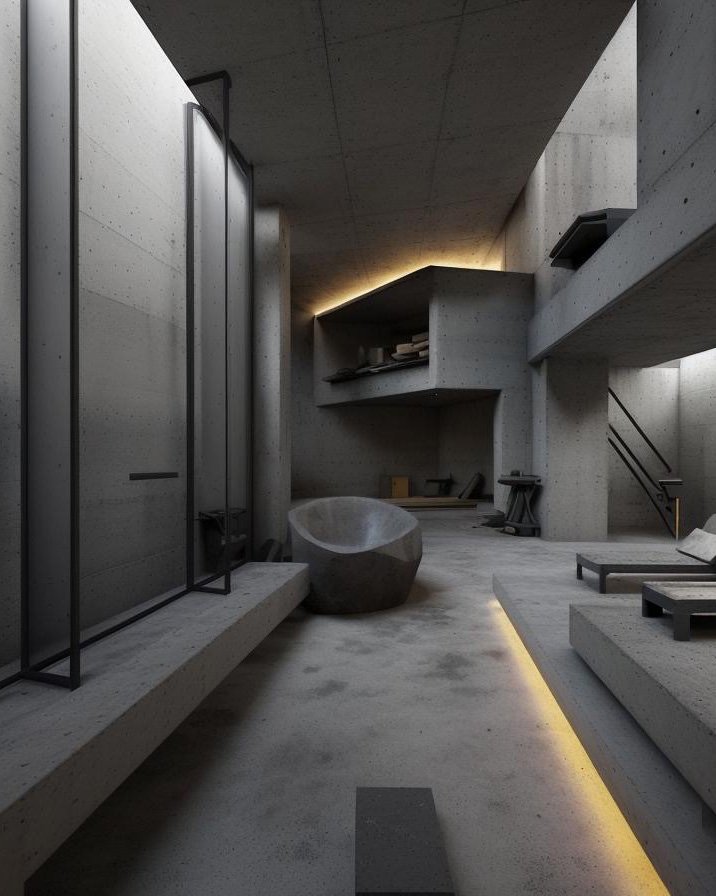
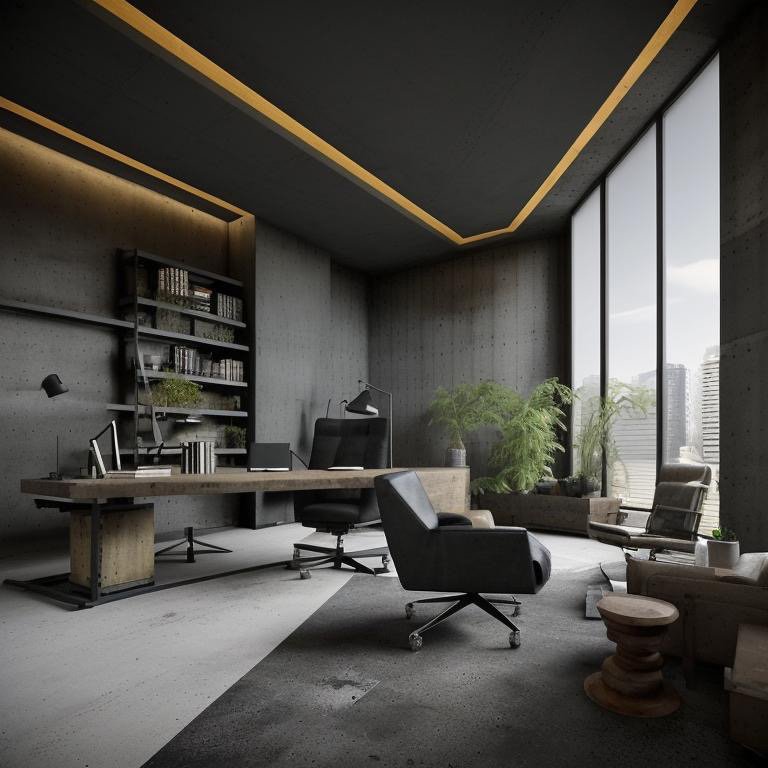
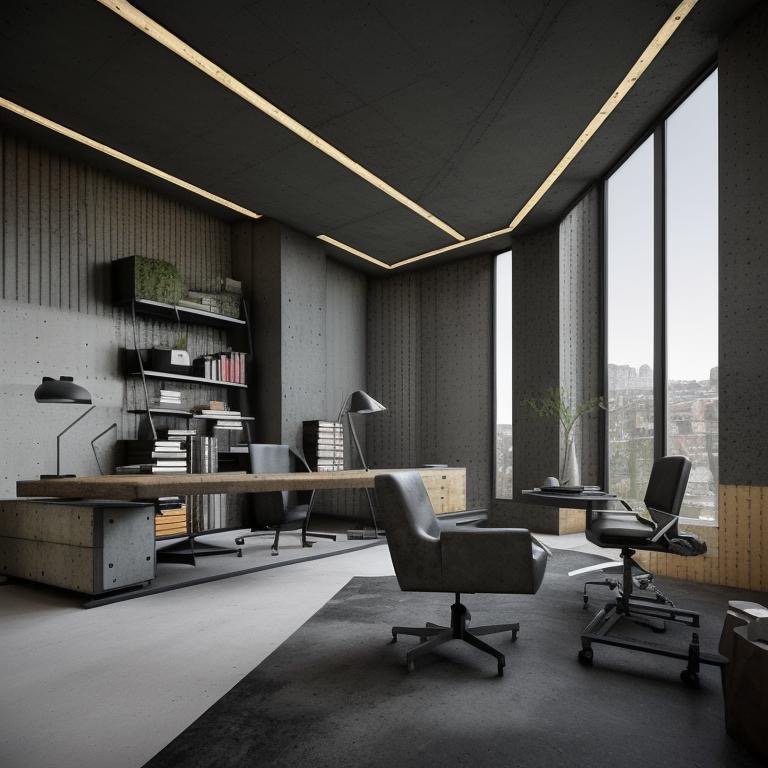
Brutalism transforms the kitchen into a sculptural gesture. The marble island becomes a monumental form, possibly supported by concrete masses or heavy timber elements. Cabinetry is minimal and often integrated into concrete walls. Flooring is polished concrete. Lighting is deliberately minimal—perhaps a single statement fixture, or lights positioned to emphasize shadow and form. Materials celebrate their own weight and substance: concrete, stone, heavy timber, metal. The kitchen is not primarily functional in its visual presentation—it is an architectural statement, a declaration that the space exists as form and material, not as a container for appliances.
The Multiplicity of Form
These ten expressions reveal a fundamental truth: the kitchen is not a fixed typology. It is a field of possibilities. The marble island remains constant—a variable held steady to make visible the transformation possible around it. But the transformation is total. The spatial logic shifts. The material palette transforms. The relationship to light, scale, and compositional hierarchy changes completely.
This fluidity was possible through Cinematic Intelligence modeling—the capacity to iterate rapidly across design languages, to test multiple expressions of the same functional brief, to render each with sufficient richness that stakeholders can inhabit the space imaginatively, understanding not merely its appearance but its spatial logic, its material character, its psychological effect.
Design Language as Translation
What emerges is a clear principle: design language is not decoration applied to a neutral spatial container. It is translation—a way of articulating spatial relationships, material choices, formal hierarchies, and psychological effects through a particular cultural and historical grammar. The Traditional kitchen understands order through symmetry and historical proportion. The Industrial kitchen reveals function as its own aesthetic. The Brutalist kitchen positions material weight as meaning.
Each expression serves the same functional brief: prepare food, gather, work at counter height. Yet each one does so through entirely different architectural languages. The marble island, constant and immovable, becomes a measure of this multiplicity. Around this fixed point, the Vervaine Estate kitchens demonstrate that domestic architecture need not choose between functional integrity and cultural expression. Through rigorous design methodology and computational visualization, both can coexist, each one authentic, each one complete.