Blog

  • The $50,000 Equity Makeover: Three Rooms That Quietly Spike Your Home Value

    The $50,000 Equity Makeover: Three Rooms That Quietly Spike Your Home Value

    Vibrant living room with bohemian styling and lush greenery

    The Invisible Architecture of Home Value

    The real estate market has fundamentally rewritten its own rules. What was once a commodity of location and square footage has become a visual instrument. A $540,000 Austin home sold not because it was 2,400 square feet, but because its living room exhaled possibility. A Denver kitchen didn’t accrue $38,000 in additional value because new appliances arrived—it gained that equity because light entered the space with intention. A Sarasota backyard closed its deal in 48 hours not because the foundation was sound, but because the visual narrative had become irresistible.

    Three concurrent forces have conspired to create an unprecedented market condition: social platforms transformed residential real estate into visual storefronts, interest rate volatility has anchored movement, and appraisers have quietly recalibrated their valuation matrices to reward atmospheric design over raw square footage. The convergence is unmistakable. Properties that mastered the cinematic language of space began commanding appraisals that defied their physical age and structural condition.

    What emerges is not a design trend. It is a valuation infrastructure. Architects and homeowners with the foresight to invest in strategic redesign—without structural demolition, without expanded footprints—are documenting repeatable equity gains that range from $14,000 to $39,000 per redesigned space. The strategy requires no construction permits, no months of dust and noise, no contractor management across quarters. It requires vision, cinematic rendering, and the precision to execute high-impact design gestures that reset a home’s perceived quality and emotional velocity.

    The Living Room as Emotional Foundation

    The Austin project began with a diagnosis that would have been invisible to conventional appraisers six years ago. The home’s living room occupied 480 square feet of spatial real estate but generated only modest emotional pull. The architecture existed but the atmosphere did not. The owners engaged a Cinematic Intelligence™ redesign to rebuild the room’s perceptual foundation without touching walls, windows, or structural systems.

    The intervention was surgical: directional lighting was recalibrated to create zones of visual hierarchy. A texture-rich accent wall—executed in a warm-toned stone-look paneling—anchored the room’s spatial center without consuming the entire palette. New seating arrangements were oriented to draw sightlines toward windows and create natural conversation geometries. The cumulative investment reached $14,200.

    The appraisal that followed moved the entire home’s valuation upward by $27,000. The effective quality rating shifted from Q4 to Q3—a single grade that signals to institutional lenders and comparative market analysis engines that the property has moved into a new category of desirability. The living room was not expanded. It was awakened.

    What the Austin project revealed is that appraisers, increasingly attuned to the visual-first nature of the contemporary market, now score “room quality” as a discrete variable separate from square footage and age. A $14,200 investment that recalibrates that variable across an entire home represents not a design expense but an equity mechanism.

    The Kitchen as Logical Valuation Engine

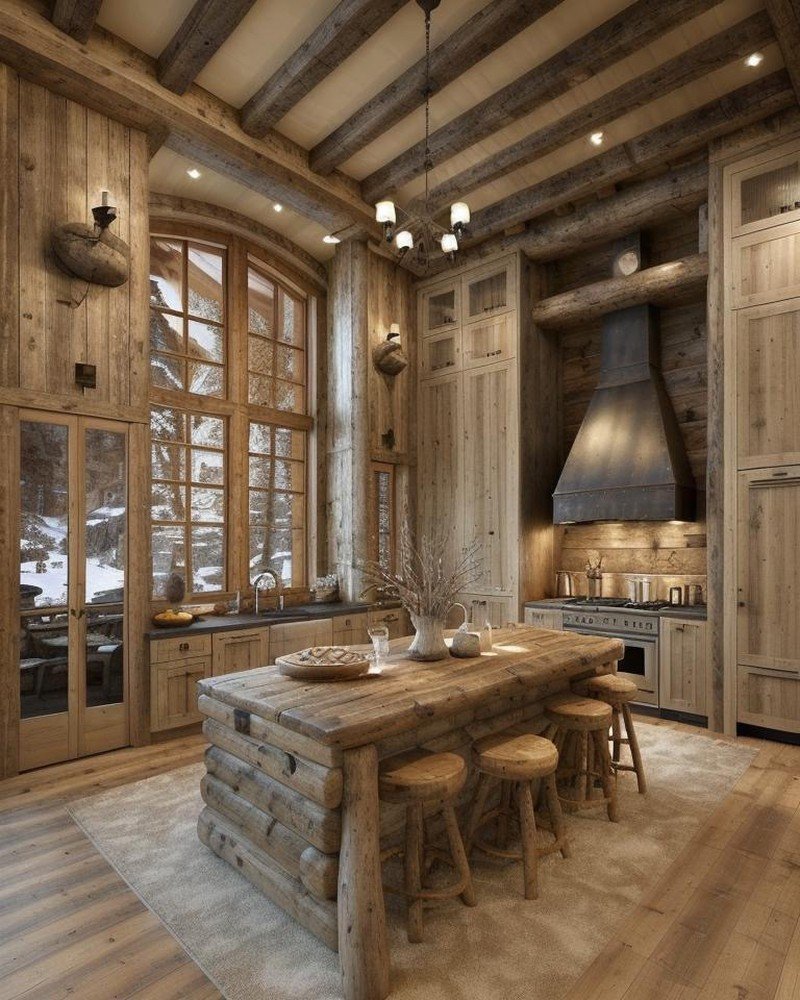
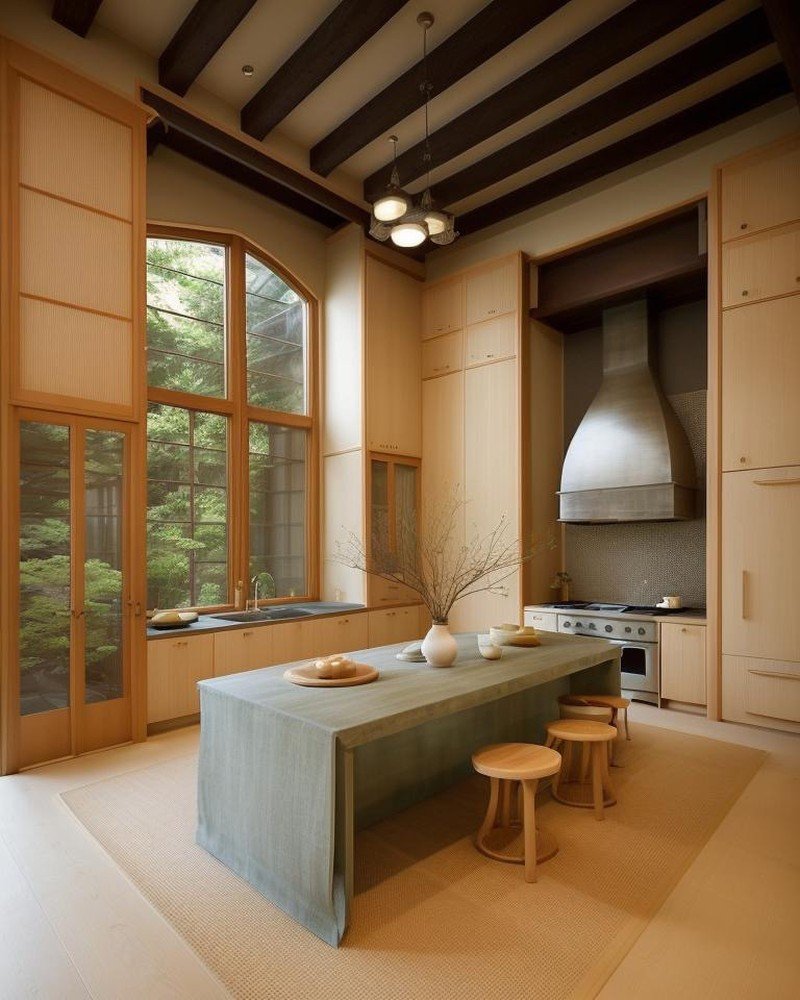
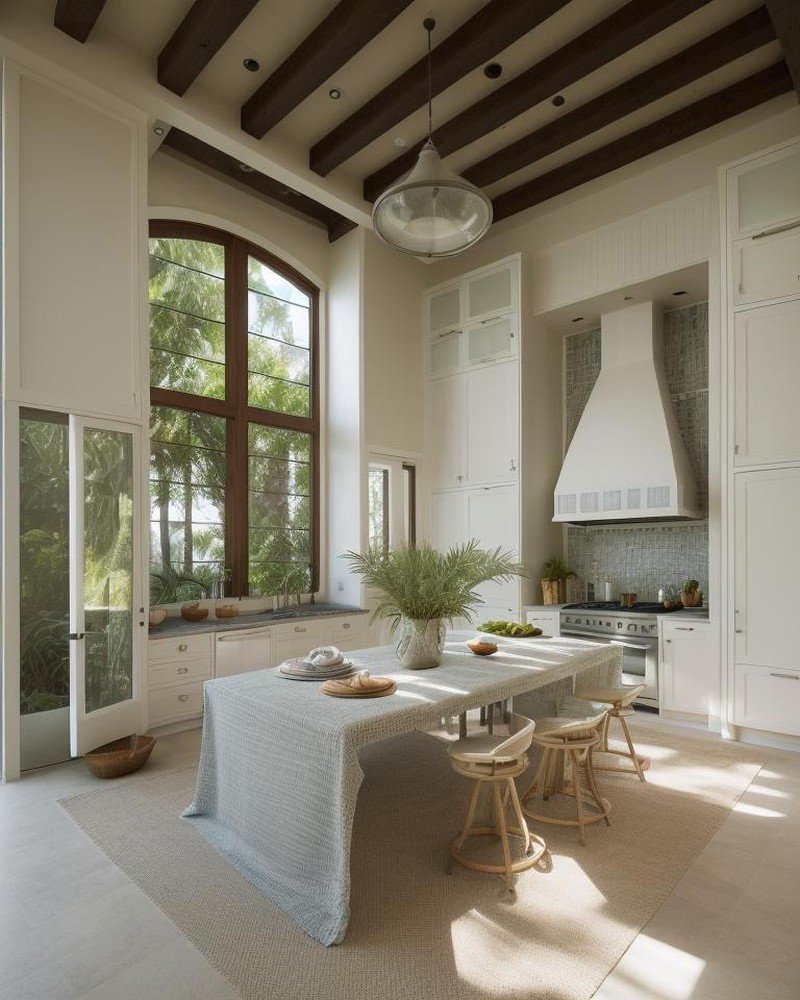
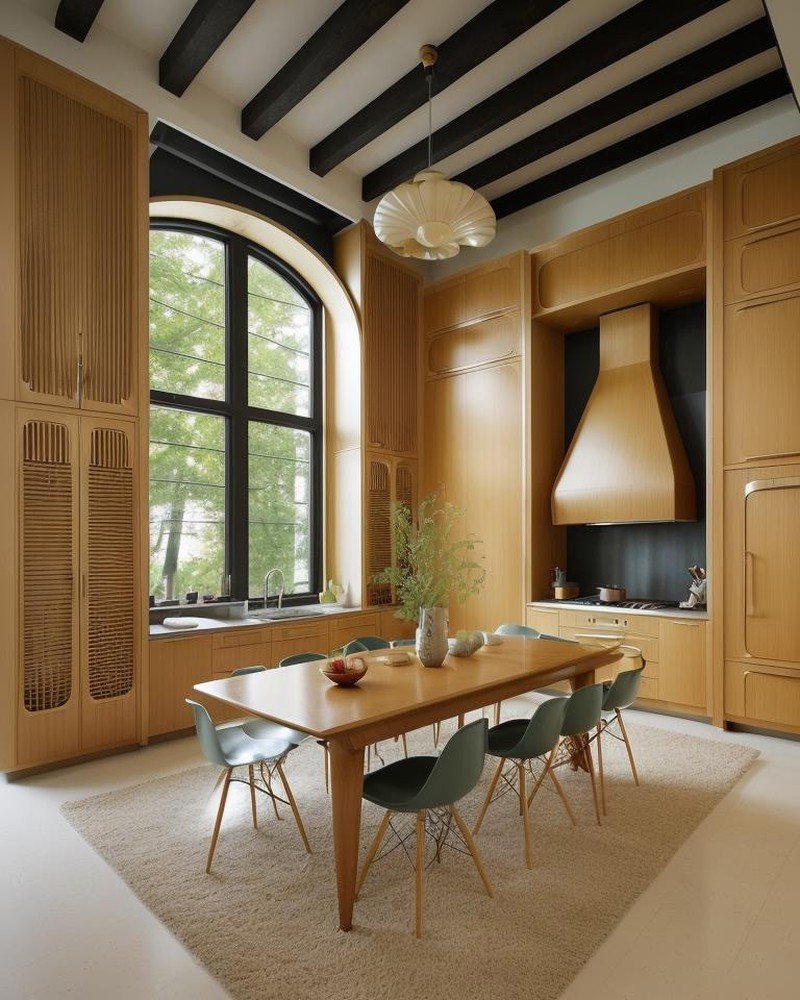
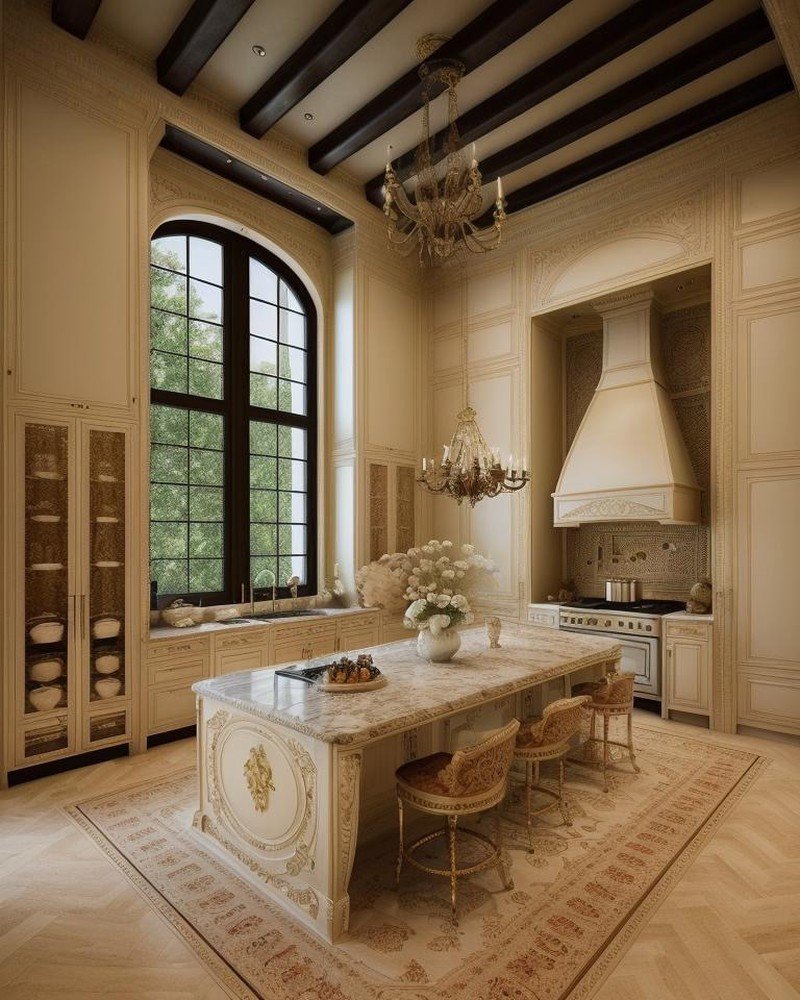
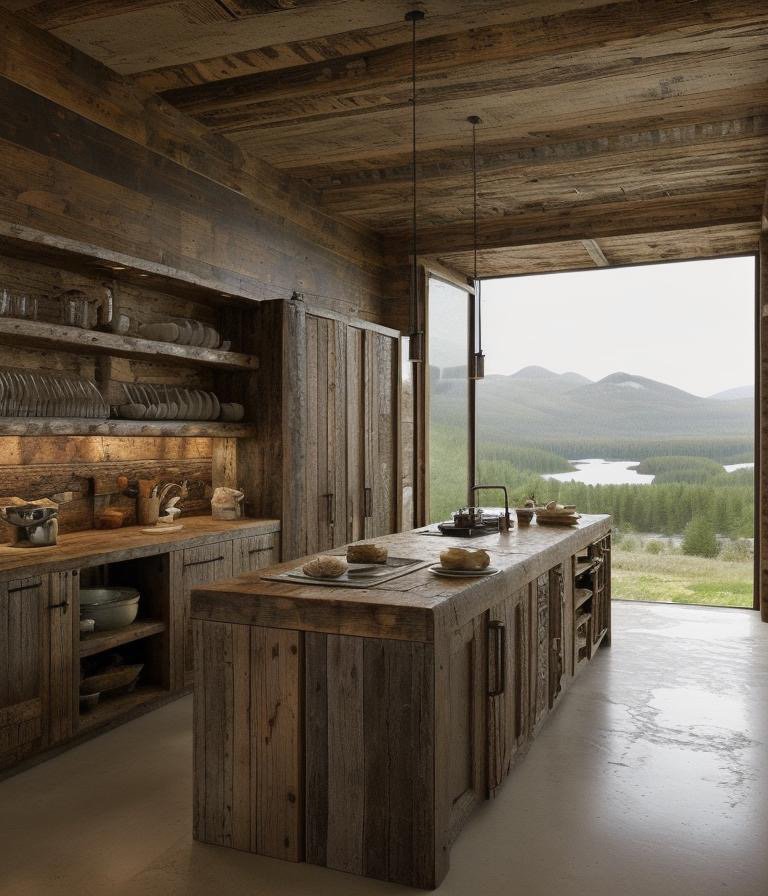
    Kitchen with arched windows and warm wood cabinetry

    If the living room is where emotional perception crystallizes, the kitchen is where logical valuation computes. Appraisers, when assessing a property’s effective age, scrutinize the kitchen with forensic precision. Is the kitchen vintage, merely dated, or contemporary? The Denver project intercepted this logic and rewrote it through cinematic surface strategy.

    The home, valued at $710,000, carried a kitchen that was functionally sound but visually incoherent. Cabinet finishes clashed with countertop materials. Lighting was ambient and undirected. Appliance panels spoke in different visual dialects. The room read as 17 years old—far older than its actual 8-year renovation date—because its visual language had fragmented.

    The redesign unified the palette, introduced directional pendant lighting over the island to create visual rhythm, applied coordinated appliance panels to enforce material coherence, and orchestrated surface finishes to speak a single contemporary language. No appliances were replaced. No footprint was altered. The investment totaled $23,500.

    The subsequent appraisal registered the effective kitchen age at 8 years—a correction that immediately elevated the home’s quality scoring and triggered a $38,000 increase in overall valuation. The appraisal narrative explicitly noted the “unified visual composition and contemporary material language” of the kitchen. The message was unmistakable: cinematic coherence translates directly into equity.

    This mechanism has become institutionalized. Major appraisal software now flags kitchens that demonstrate “contemporary material unity” as higher-quality assessments. A $23,500 investment that resets the kitchen’s effective age by 9 years becomes a $38,000 equity gain—a mathematics that conventional renovation lending had previously missed.

    The Backyard as Lifestyle Imagination

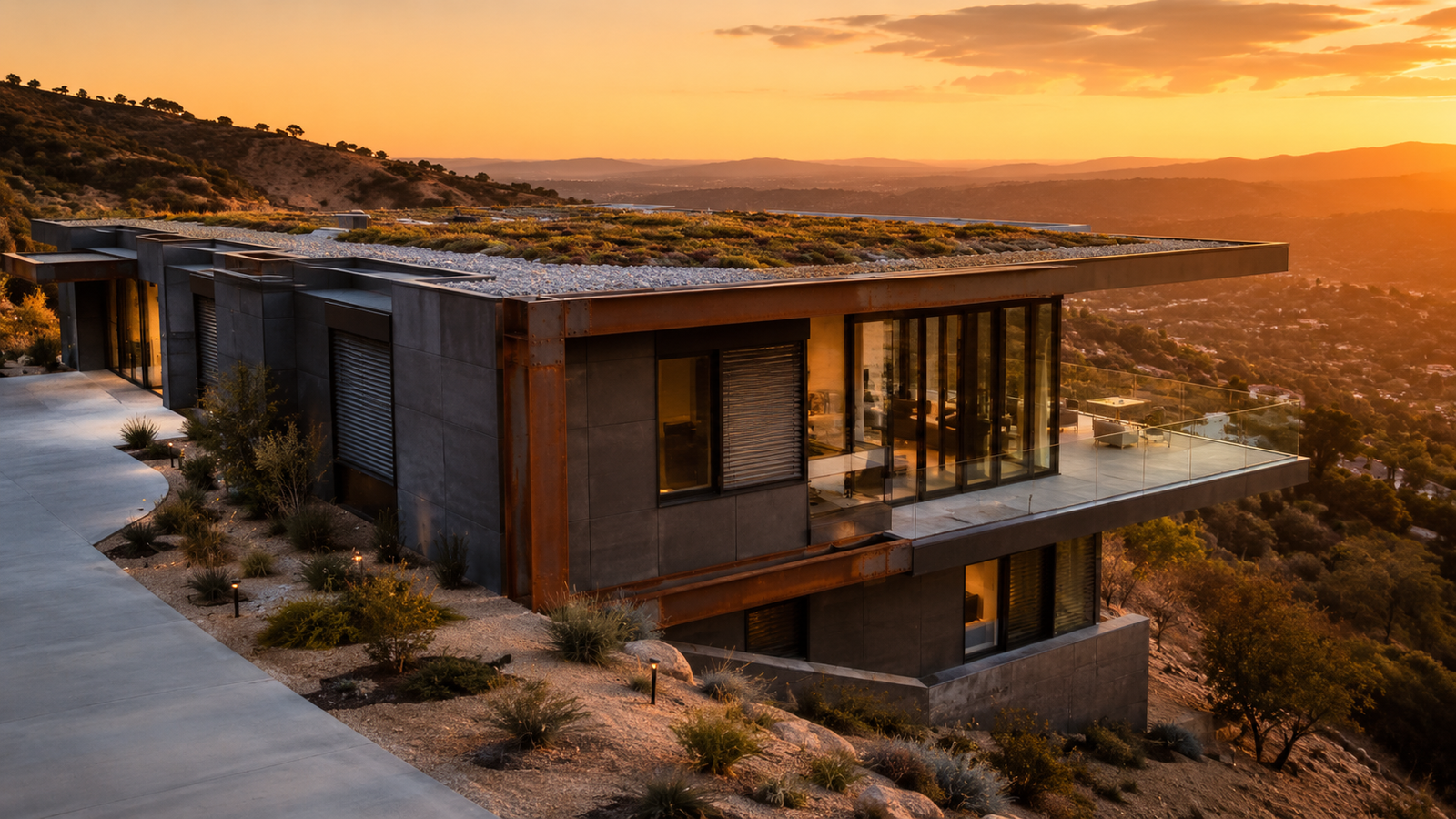
    Kitchen-to-exterior view with sunset lighting and outdoor extension

    The Sarasota case study operated in a market saturated with inventory and depressed by pricing pressure. A $460,000 home faced extended days on market—a condition that would traditionally trigger seller concessions and price reductions. Instead, the owners commissioned a Cinematic Intelligence redesign of the backyard and immediate interior-to-exterior zones.

    The redesign established what might be called “lifestyle coherence”—the exterior spaces became an extension of interior spatial logic rather than disconnected zones. Ambient lighting was layered to create depth and invitation. Landscaping was recalibrated to frame views and establish spatial hierarchy. Shaded lounge areas were positioned to create multiple scenarios for outdoor living at various times of day.

    Living room with fireplace and warm evening light

    The investment totaled $12,800. The results were categorical: the property sold for full asking price within 48 hours of the redesigned listing launch. Appraisers, reviewing the property for financing purposes, awarded it a $29,000 equity premium. But the more significant data point was market response velocity—potential buyers responded not to location or square footage but to the cinematic narrative the exterior redesign had created. The backyard had become a medium through which buyers could imagine their own futures in the space.

    This phenomenon has become repeatable. Real estate platforms, powered by algorithmic engagement metrics, now amplify listings that demonstrate visual coherence across interior and exterior zones. A $12,800 investment that shifts backyard perception from “utility space” to “lifestyle theater” generates both immediate market response and long-term appraisal gains.

    The Value Triangle: Where Emotion Meets Asset

    Across three markets, three price points, and three distinct ownership scenarios, a pattern emerges with mathematical clarity. Residential equity accrual, in the contemporary market, operates through three intersecting domains:

    The Living Room (Emotional Perception) where visitors and appraisers form instantaneous impressions of home quality and care. Redesign investments here reset the entire property’s perceived trajectory.

    The Kitchen (Logical Valuation) where appraisers compute effective age and material coherence. Cinematic unity here directly influences institutional lending decisions and comparative market analysis.

    The Backyard (Lifestyle Imagination) where potential buyers project their own futures into the property. Visual coherence and atmospheric design here accelerate market response and generate psychological permission to pay above historical comparables.

    The three points form a valuation triangle. Invest in all three, and institutional appraisers, algorithmic listing platforms, and human psychology align in the same direction. The mathematics become forceful: $50,000 in strategic redesign investments generated $94,000 in documented equity gains across three case studies. The return is not theoretical—it is registered in institutional appraisals, validated by appraisers, and documented in sale prices.

    The Execution Framework: From Diagnosis to Equity

    The strategy is replicable, but it demands precision at each gate:

    Pre-Design Audit. Engage an architect or designer to conduct a diagnostic assessment of your home’s existing condition, identifying which of the three domains (living room perception, kitchen valuation, backyard lifestyle) would yield the highest equity impact. Not every home requires investment in all three spaces.

    Comparative Market Analysis. Pull appraisals and sales data for three comparable homes in your market that have undergone recent redesigns. Understand the equity premiums appraisers have awarded. This data will inform your investment threshold and return expectations.

    Cinematic Redesign. Commission a Cinematic Intelligence visualization of your proposed redesign. The rendering serves two purposes: it clarifies your design direction before execution, and it generates the visual assets that will power your listing presentation and appraisal narrative.

    High-Impact Execution. Prioritize surface-level, perceptually dominant interventions over structural or mechanical systems. Lighting, material finishes, and spatial organization generate disproportionate visual return relative to their cost. Structural renovations are necessary when needed—but they are not the equity mechanism documented in these case studies.

    Listing Asset Renewal. When you list the property for sale, deploy the cinematic renders as primary visual assets. Real estate platforms now amplify listings with professional architectural visualization. Your renderings will differentiate the property in algorithmic feeds and trigger above-market buyer response.

    Appraisal Articulation. When appraisers conduct their assessment, provide clear documentation of the redesign scope, completion dates, and professional renderings. Appraisers now expect cinematic visualization as evidence of genuine design intervention. Your documentation will inform their quality scoring and effective age calculations.

    Design as Financial Instrument

    The convergence of visual markets, rate-locked inventory, and appraisal recalibration has produced an unprecedented condition: design has become a financial instrument. It is no longer merely aesthetic—it is architectural capital. A $14,200 investment in lighting and materials became $27,000 in equity. A $23,500 kitchen redesign unlocked $38,000 in appraisal value. A $12,800 backyard intervention triggered a two-day sale at full asking price.

    The pattern is not coincidence. It reflects a systematic recalibration of how markets, lenders, and appraisers evaluate residential real estate. For architects and homeowners with the strategic insight to recognize it, the opportunity is clear: the most efficient path to home equity is no longer through expensive structural renovation. It runs through cinematic redesign—the architectural strategy that makes a space look, feel, and perform like it is worth more than it was before. Because in a market where visual perception drives valuation, the space that photographs best, appraises highest, and sells fastest is not the newest or the largest. It is the most intentionally designed.

  • Three Rooms, Three Futures: Inside the Original Renders of DBM’s Industrial Revival

    Three Rooms, Three Futures: Inside the Original Renders of DBM’s Industrial Revival

    Executive boardroom with monolithic table, deep shelving, and architectural lighting creating spatial power

    The Prologue to Transformation

    Architecture begins with decisions about presence. In the context of commercial office environments, particularly those serving executive function, presence means clarity, control, and the subtle communication of hierarchy and intention through material and light. The three rooms documented in this essay represent the foundational designs that anchor the December issue’s exploration of contemporary office geometry—what we call the architectural baseline from which all subsequent reimaginations will emerge.

    These are not finished designs in the traditional sense. They are the originals. The source geometry. The spatial DNA that, through the application of Cinematic Intelligence™ across twenty-two distinct stylistic treatments, will reveal how the same footprint, the same functional program, can communicate radically different meanings depending on material, light behavior, and spatial psychology.

    Understanding these three rooms as originals—rather than as polished final deliverables—is essential. They carry no stylistic overlay. They make no cultural claim. They are pure spatial proposition: a boardroom is proposed, a café space is proposed, an executive lounge is proposed. Each makes an implicit argument about how bodies should move through it, how decisions should be made within it, how presence should be registered.

    Room One: The Boardroom as Architectural Statement

    The boardroom is perhaps the most legible of corporate spaces. It is where capital forms consent. Where strategy becomes directive. Where the architecture itself—through the weight of its materials, the precision of its proportions, the severity of its sight lines—creates the psychological conditions for formal decision-making.

    The original boardroom render presents what we might call Contemporary Executive Brutalism: a monolithic table positioned with geometric authority, flanked by deep-set shelving that rises with architectural weight. The table itself is not a surface for casual collaboration; it is a plane of intention. The shelving behind it—lined, studied, architectural—functions simultaneously as material backdrop and as spatial claim: knowledge is contained here, accessible but not democratic.

    Light behavior is controlled and directional. This is not ambient light. This is illumination that clarifies. That creates micro-topographies of shadow and clarity across the table surface, making the space legible as a theater of decision-making. The geometric precision of the shelving, the material temperature of the surfaces (warm industrial gradients rather than cold modernist whites), the slight chiaroscuro created by the light modeling—all of these create a visual argument about executive authority that feels neither brittle nor aggressive, but instead architecturally grounded.

    What distinguishes this boardroom from generic corporate interiors is its refusal of invisibility. The space announces itself. The materials have weight. The proportions have intention. There is nothing decorative in the conventional sense; everything is structural to the spatial program. This is the boardroom as architectural artifact—not merely a room where meetings occur, but a space whose very geometry reinforces the formality of executive function.

    Modern boardroom with darker material palette, refined executive styling, and controlled spatial atmosphere

    Room Two: The Café as Democratic Counter-Statement

    If the boardroom is the architecture of formal authority, the café is the architecture of encounter. It is where hierarchy dissolves momentarily into the collective. Where the informal exchange—the spontaneous conversation, the unscheduled connection—becomes the spatial program.

    The original café render presents what might be called Warm Modernism with Mediterranean-Industrial feeling. This is not a cafeteria. It is not utilitarian. It is instead a carefully composed space where hospitality becomes structural. The shelving is open—inviting rather than protective. The lighting is diffused, low, creating an atmosphere of leisure rather than task completion. The seating is generous, informal; there is no implied hierarchy in the chair placement.

    Material temperature is everything here. Warm woods, soft surfaces, textured finishes create an environment that feels like gathering rather than consumption. The scale is human—not grand, not intimidating, but proportioned to small groups in conversation. The acoustics, though not visible in a render, are implied by the material choices: soft surfaces that absorb rather than amplify, creating intimate pockets of dialogue within a larger volume.

    What makes this café distinct is its temporal claim. The boardroom is designed for concentrated decision-making in brief, intense windows. The café is designed for duration—for slow meals, for extended presence, for the kind of professional conversation that builds trust and generates unexpected insight. It is the counter-architecture to executive formality: democratic, warm, and profoundly unhurried.

    Social dining hall with open shelving, warm lighting, and hospitality-focused architectural language

    Room Three: The Executive Lounge as Mediation

    Between the formal authority of the boardroom and the democratic warmth of the café stands the executive lounge—a space that must negotiate multiple functions simultaneously. It is where informal meetings occur. Where transitions happen. Where the executive body can exist between programs, between presentations, between decisions.
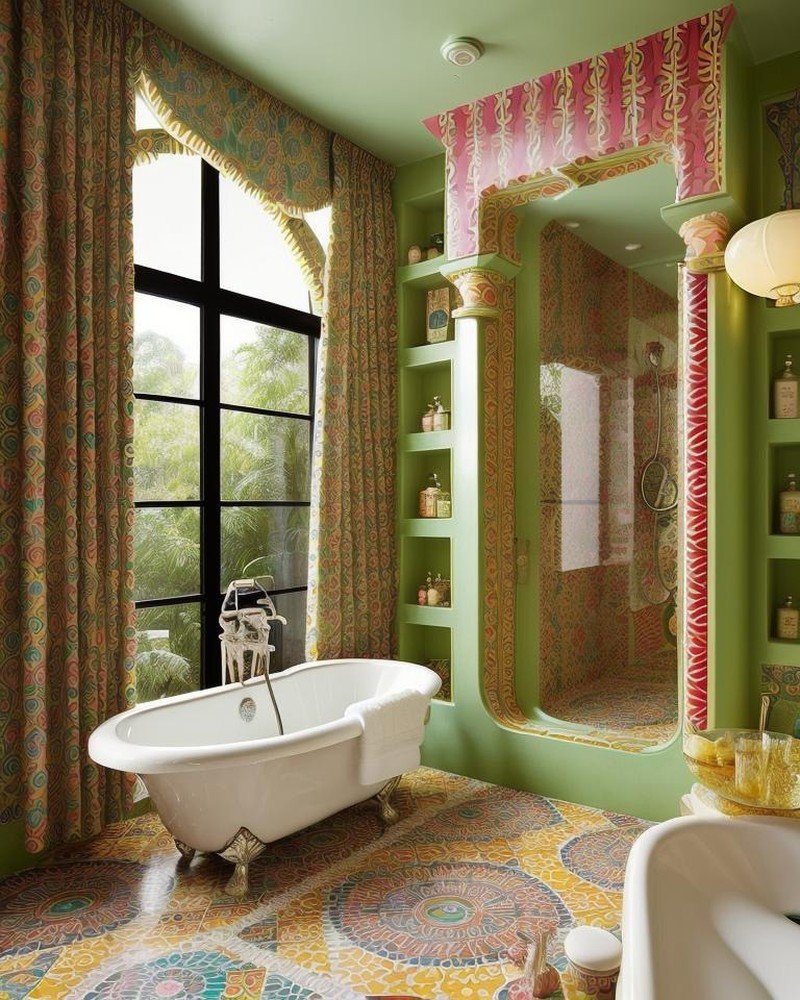
    The original lounge render extends the industrial revival vocabulary established in the boardroom but lightens it considerably. The material palette mixes: warm woods, refined metal detailing, layered textured surfaces. The furniture is more varied—not a single authoritative gesture, but a careful composition of elements that suggest flexibility without chaos. A mix of formal and informal seating creates permission for multiple modes of occupancy.

    Light behavior is warm and directional—not the controlled theatrical light of the boardroom, but illumination that feels generous and enveloping. The spatial organization suggests gathering without the formality of the board table. The lounge is the mediating space: it borrows the material intelligence of the boardroom, the warmth of the café, but creates something architecturally distinct—a space designed for the particular social functions of executive culture. The informal meeting. The pause between engagements. The moment of spatial transition.

    The Baseline Before Transformation

    These three rooms—the boardroom, the café, the lounge—are presented here as originals. They are the foundational geometry and material language that will, across the remainder of this issue’s exploration, be reinterpreted through twenty-two distinct stylistic lenses. Each subsequent transformation will preserve the functional footprint, the dimensional logic, the spatial program. What will change is the language through which that program is expressed: the material choices, the color temperature, the light behavior, the cultural references embedded in the design language.

    The purpose of documenting the originals is not nostalgia or preservation. It is clarity. It is the establishment of a baseline from which variation becomes legible. When you can see a boardroom rendered in brutalist warmth, and then see that same boardroom reinterpreted through Mediterranean minimalism, or through Japanese restraint, or through Scandinavian functionalism, something becomes visible: the distinction between program and language, between function and aesthetic expression, between what a space does and how it communicates meaning.

    This is the architectural labor that Cinematic Intelligence enables—not the generation of infinite stylistic variation as mere decoration, but the systematic exploration of how the same spatial intention can be articulated through radically different visual and material languages. The three rooms documented here are the originals. They are the question. The twenty-two treatments that follow are the explorations of how that question can be answered, reframed, and recontextualized across different cultural, material, and aesthetic frameworks.

    In this exploration lies something essential about contemporary design thinking: the recognition that space, material, and culture are not separate domains, but integrated expressions of the same intention. These rooms exist before style, yet they already carry architectural meaning. They wait for language to be applied, for their functional clarity to be enriched through aesthetic and cultural depth. The transformation is not additive. It is revelatory.

  • The Hidden Reckoning: How Billions in Industrial Offices Are About to Be Exposed

    The Hidden Reckoning: How Billions in Industrial Offices Are About to Be Exposed

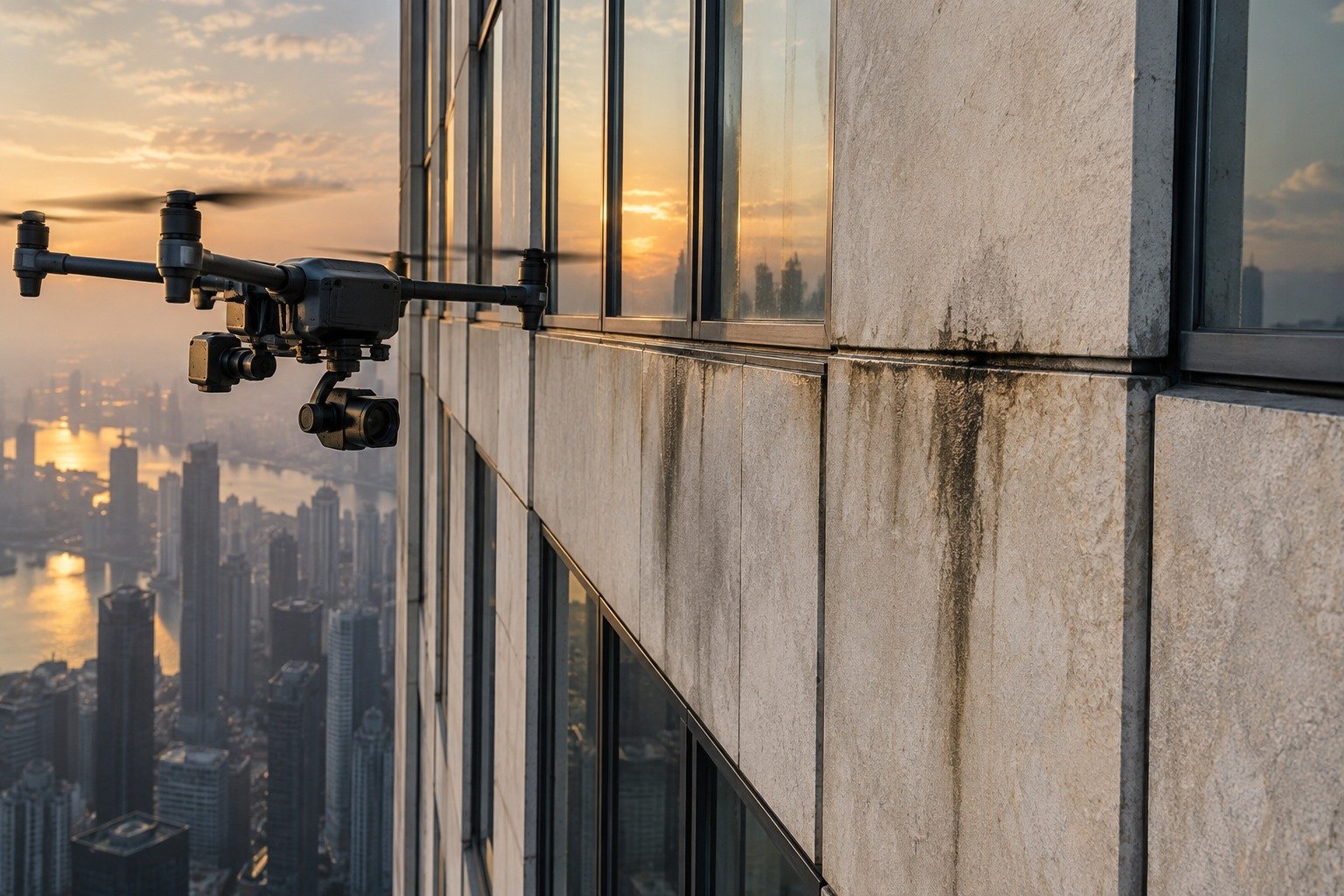
    Abandoned industrial office with deteriorated workstations and dramatic overhead lighting

    The Weight of Dormancy

    Across North America, something quietly catastrophic is unfolding. Approximately one in five commercial office buildings stands functionally empty—a vacancy rate that represents not merely underutilized square footage, but the architectural manifestation of a massive economic inflection point. These buildings are not new buildings awaiting tenants. They are mature assets—products of the 1990s and 2000s—designed for a world that no longer exists.

    The financial mechanics are now inescapable. Commercial real estate loans originated between 2015 and 2017, when interest rates hovered near 3 percent, are hitting their maturity walls in 2025, 2026, and 2027. Refinancing is no longer a formality. At current rates between 7 and 8 percent—more than double the original cost of capital—thousands of properties can no longer service their debt. Covenants break. Values collapse. And the buildings themselves, once considered stable income-producing assets, become financial liabilities.

    But the financial story masks a deeper architectural reckoning. These offices were not designed for flexibility. They were designed for density, for the meeting, for the command-and-control structure that dominated corporate culture two decades ago. Their floor plates are deep and inflexible. Their mechanical systems were built for the assumption of full occupancy, full-time. Their spatial hierarchies—the executive suite on the corner, the open bullpen in the core, the conference rooms distributed as controlled access points—all of it reflected a workplace philosophy that hybrid work has made obsolete.

    Industrial office interior undergoing structural demolition with exposed framework and debris

    The Moral Depreciation of Space

    When a building sits empty, it does not simply stop generating revenue. It begins to decay, both materially and psychologically. Corridors empty of human presence become eerie. Lighting systems, originally calibrated for dense occupancy, now illuminate absence. The spatial hierarchies that once conveyed power and organization now read as abandonment. For any organization considering these spaces—even temporarily—the psychological weight is immense. You are not simply renting floor footage. You are inheriting the spatial signature of a world that failed to adapt.

    This is not a problem that market correction alone will solve. The market is already correcting, brutally. Class B and Class C office properties across secondary and tertiary markets are experiencing unprecedented pressure. Owners face a choice: invest heavily in repositioning, or accept that the asset has reached the end of its productive life as configured.

    What is remarkable—and what architecture must reckon with—is how quickly these buildings become invisible. Not physically invisible, but socially and economically invisible. The buildings that remain viable are those that acted decisively: premium properties in primary markets that invested in amenitization, in light, in flexibility. These properties—often rechristened, aesthetically reimagined—continue to command premium rents from companies that can justify the investment. Below them, the bifurcation deepens. Between the tier-one transformed properties and the tier-three warehouses, middle-market office space has become genuinely troubled.

    Decaying industrial office space with fragmented blue holographic displays and deteriorated surfaces

    Conversion, Not Preservation

    The capital that once built new offices is now redeploying toward conversion. Across major metropolitan areas, industrial office buildings are being reimagined as residential lofts, logistics hubs, light manufacturing spaces, and mixed-use developments. The economic calculus has shifted: preservation of the original program is no longer viable; transformation is the only path forward.

    This matters at the civic level in ways that pure finance cannot capture. When large office buildings in secondary downtowns go dormant, the entire sub-market destabilizes. Ground-floor retail loses foot traffic. Adjacent parking structures become liabilities. The density that once animated an address evaporates. Entire blocks that were designed around the presence of working professionals now register as precarious, available, but untouched.

    The visible cost is real estate depreciation. The hidden cost is a form of urban erosion—the slow collapse of the economic infrastructure that sustains neighborhoods. This is why conversion strategies matter. They force a reckoning with spatial purpose. A building that cannot be occupied as originally designed must be radically reimagined for a different program, a different density, a different relationship to its context. This is not merely real estate optimization. This is the reassignment of civic function.

    Renovated executive corridor with warm modern finishes, restored materials, and renewed architectural clarity

    Architecture at the Inflection Point

    The buildings that will survive the maturity wall—not merely financially, but as relevant spatial experiences—are those designed with what might be called radical flexibility. Not the false flexibility of demountable partitions and generic finishes, but genuine spatial intelligence: the ability to function at multiple occupancy levels, the capacity to shift between intensive and sparse use, the design language that does not depend on density to carry meaning.

    This is the inflection point for architecture. The buildings that do nothing—that are preserved as originally designed, that attempt to maintain their 2005 spatial logic in a 2026 market—will depreciate silently, efficiently, almost invisibly to those outside the real estate industry. The buildings that act—that are gutted and reimagined, that have their material language rewritten, that are converted to new programs with spatial intention—will transform visibly. They will become case studies. They will anchor neighborhoods. They will demonstrate that architecture remains a tool for recalibration, not merely preservation.

    The reckoning underway is not a crisis of real estate alone. It is a crisis of spatial purpose. Billions in industrial office stock designed for a specific moment in corporate culture now face the question every building eventually must confront: What are you for now? The answer will be written in concrete, glass, and the bodies that move through these spaces once more.

    What distinguishes this moment from previous downturns is the permanence of the structural shift. Previous recessions compressed occupancy temporarily; tenants returned when conditions improved. This time, the tenants have not merely departed—they have reorganized the fundamental relationship between work and space. The remote and hybrid configurations that accelerated during the pandemic have crystallized into permanent operating models. The demand that once filled these buildings is not delayed. It has been redistributed, dispersed across home offices, coworking spaces, and smaller satellite locations that bear no resemblance to the industrial office campuses of the prior era.

    For architecture, the lesson is as old as the discipline itself: a building that cannot adapt to its moment becomes a monument to the moment it was designed for. The industrial offices now facing their hidden reckoning were monuments to confidence, scale, and permanence. They must now become something else entirely—or accept that their silence will speak louder than their steel.

  • The Shōrin Villa: The Fifth Translation

    The Shōrin Villa: The Fifth Translation

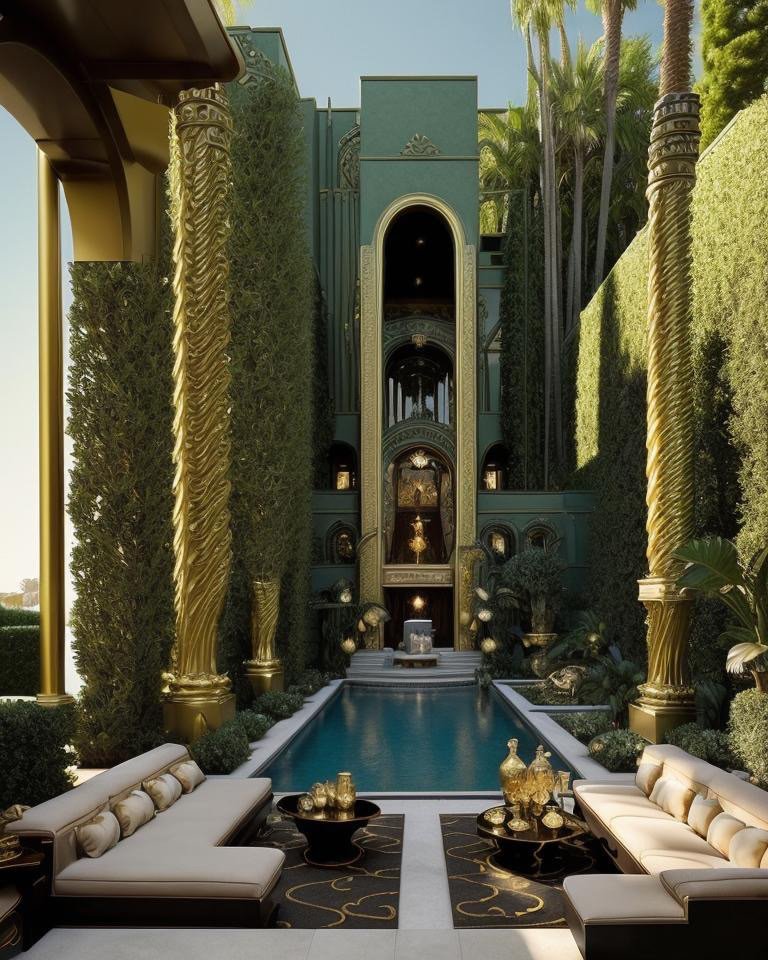
    Hollywood Regency backyard with polished jade and champagne gold finishes

    The Shōrin Villa: The Fifth Translation

    Light is a visitor, shadow is home. This aphorism, attributed to Japanese architectural philosophy, reframes how we understand the relationship between brightness and darkness in a domestic landscape. The first four versions of the Shōrin backyard each emphasized different aspects of light—California’s solar optimization, Chalet’s thermal atmosphere, Expressionist’s chromatic intensity, Farmhouse’s warm patina. But through Cinematic Intelligence™, the remaining five architectural languages explore what happens when we invert the hierarchy. When darkness becomes primary, and light becomes the guest.

    These second five backyards extend across radically different cultural traditions and aesthetic frameworks. Scandinavian minimalism. Retro color symbolism. Mediterranean sun-worship. Hollywood Regency glamour. Greek Revival monumentality. Each language operates from different assumptions about how humans should live, what materials carry meaning, and what relationship between interior and exterior constitutes home.

    Scandinavian: The Architecture of Silence

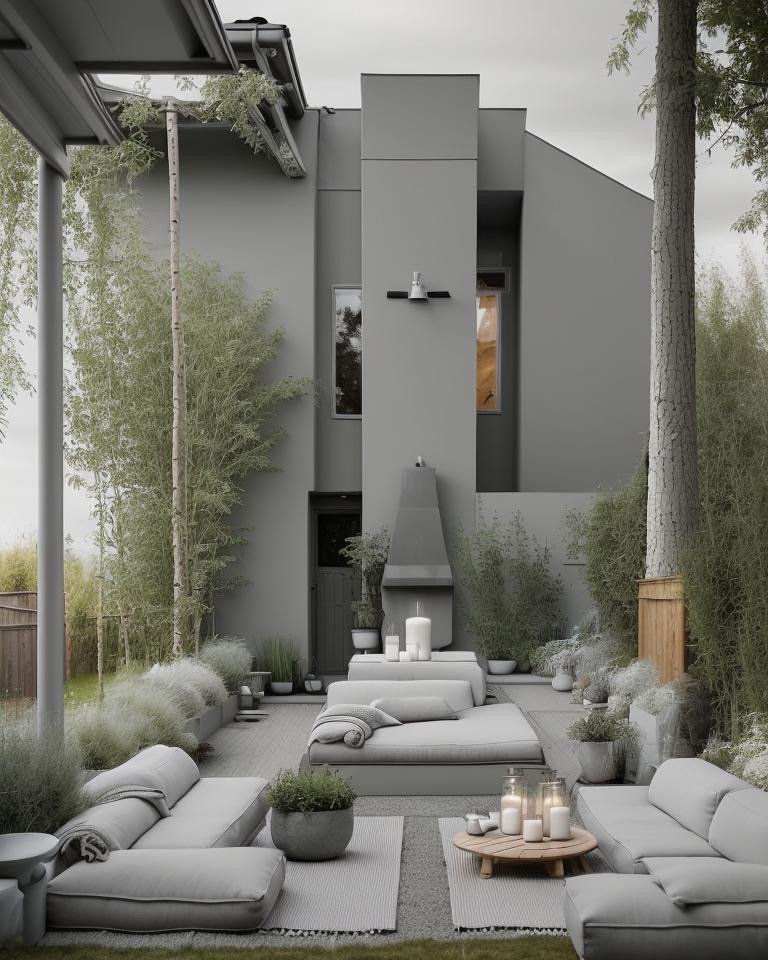
    Scandinavian language begins with a truth: in northern latitudes, darkness is structural. Winter doesn’t end. It settles. Light becomes precious precisely because it’s scarce. The Scandinavian backyard doesn’t fight this reality. It listens to it. The palette is deliberately desaturated—ashen birch, matte white, silvered grays that absorb rather than reflect light. Plantings are minimal. The ground plane is composed of pebbles and weathered wood. There are no vivid colors, no floral exuberance.

    Instead, there’s silence. The Scandinavian backyard teaches you to hear the sound of wind in bare branches. To notice the texture of lichen on stone. To understand that beauty doesn’t require brightness. The design principle is subtraction—remove everything unnecessary until you’re left only with essential forms and materials. A single bench. A pathway of pale stones. Perhaps a reflective pool that doubles the minimal sky.

    Scandinavian language says: listen to silence. In a world of constant visual stimulation, this backyard offers a different kind of architecture—one that slows perception, deepens attention, and finds profound beauty in what most people would call emptiness.

    Scandinavian backyard with ashen birch, matte white surfaces, and diffused Nordic light

    Retro: Color as Linguistic System

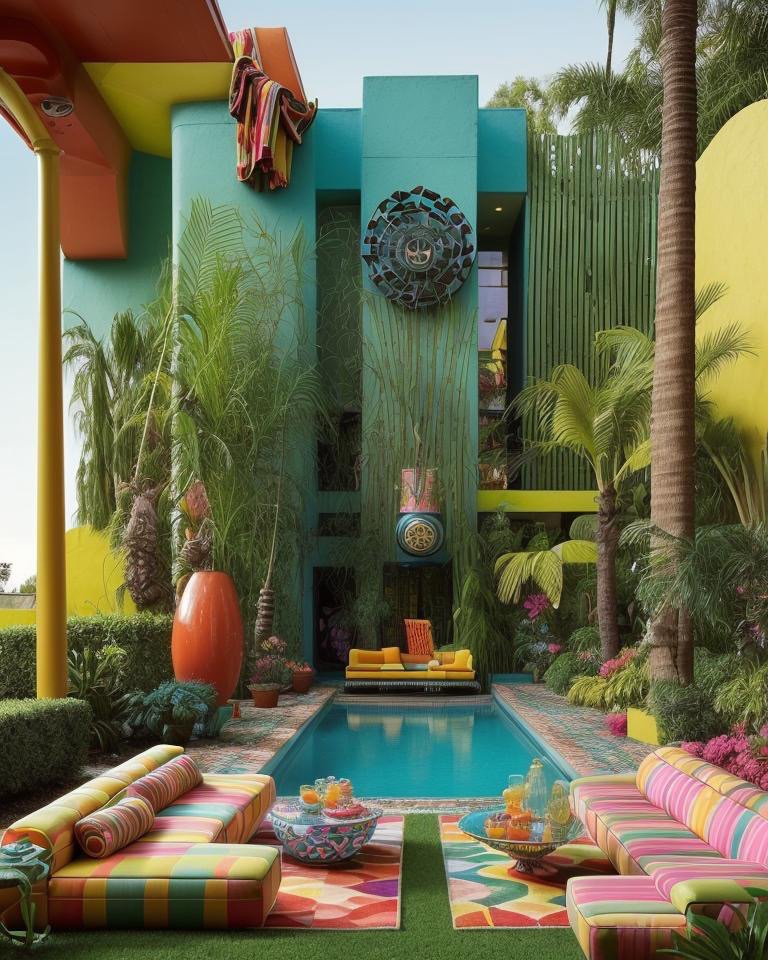
    If Scandinavian subtracts, Retro multiplies. The Retro backyard is a color symphony—turquoise, chartreuse, coral, colors that shouldn’t work together according to contemporary taste, and yet, in their historical specificity, create an entirely coherent visual language. Checkerboard tiles in contrasting hues. A mirrored mosaic wall that fragments and reflects light in fractured patterns. Plantings are deliberately ornamental—nothing functional, everything chosen for visual drama.

    Retro language understands that color isn’t decoration. It’s a linguistic system. Certain color combinations carry cultural meaning, historical resonance. A turquoise pool in a chartreuse landscape doesn’t just look vivid; it communicates: this was a moment when a culture believed color mattered, when restraint was considered boring, when abundance of visual expression was synonymous with prosperity and optimism.

    The Retro backyard is time-specific. It couldn’t exist in another era. Its colors announce their historical moment. Yet paradoxically, that historical specificity is what makes it timeless—it’s so thoroughly itself, so committed to its own visual logic, that it escapes fashion and becomes artifact.

    Retro backyard with turquoise and coral walls, checkerboard pool tiles, and cinematic nostalgia

    Mediterranean: Sunlight as Liturgy

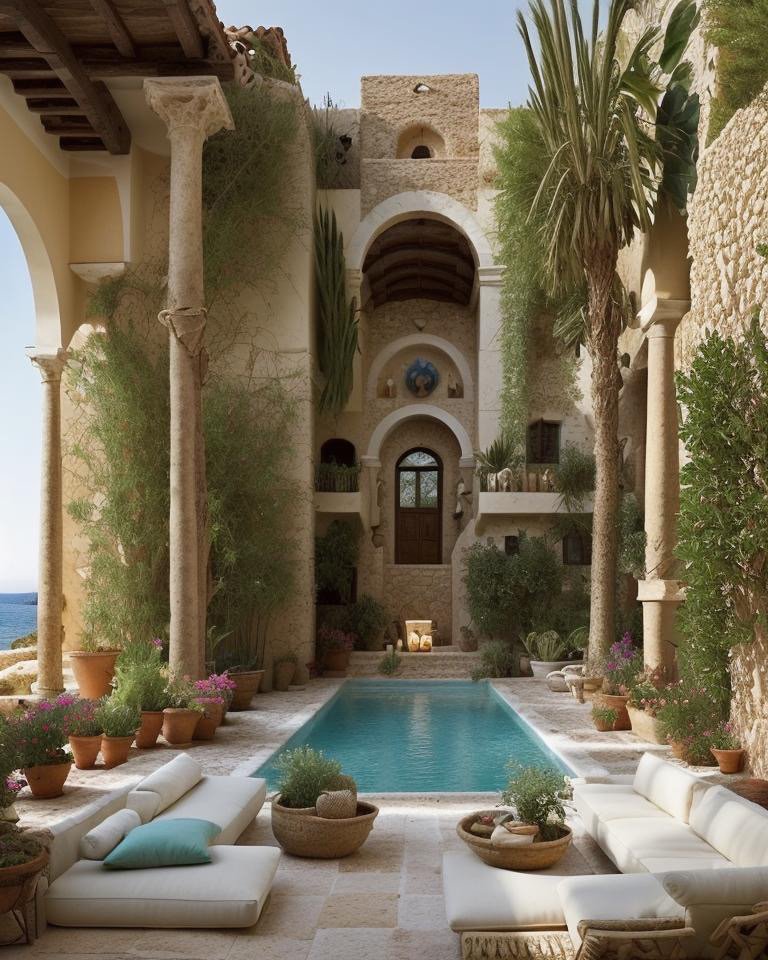
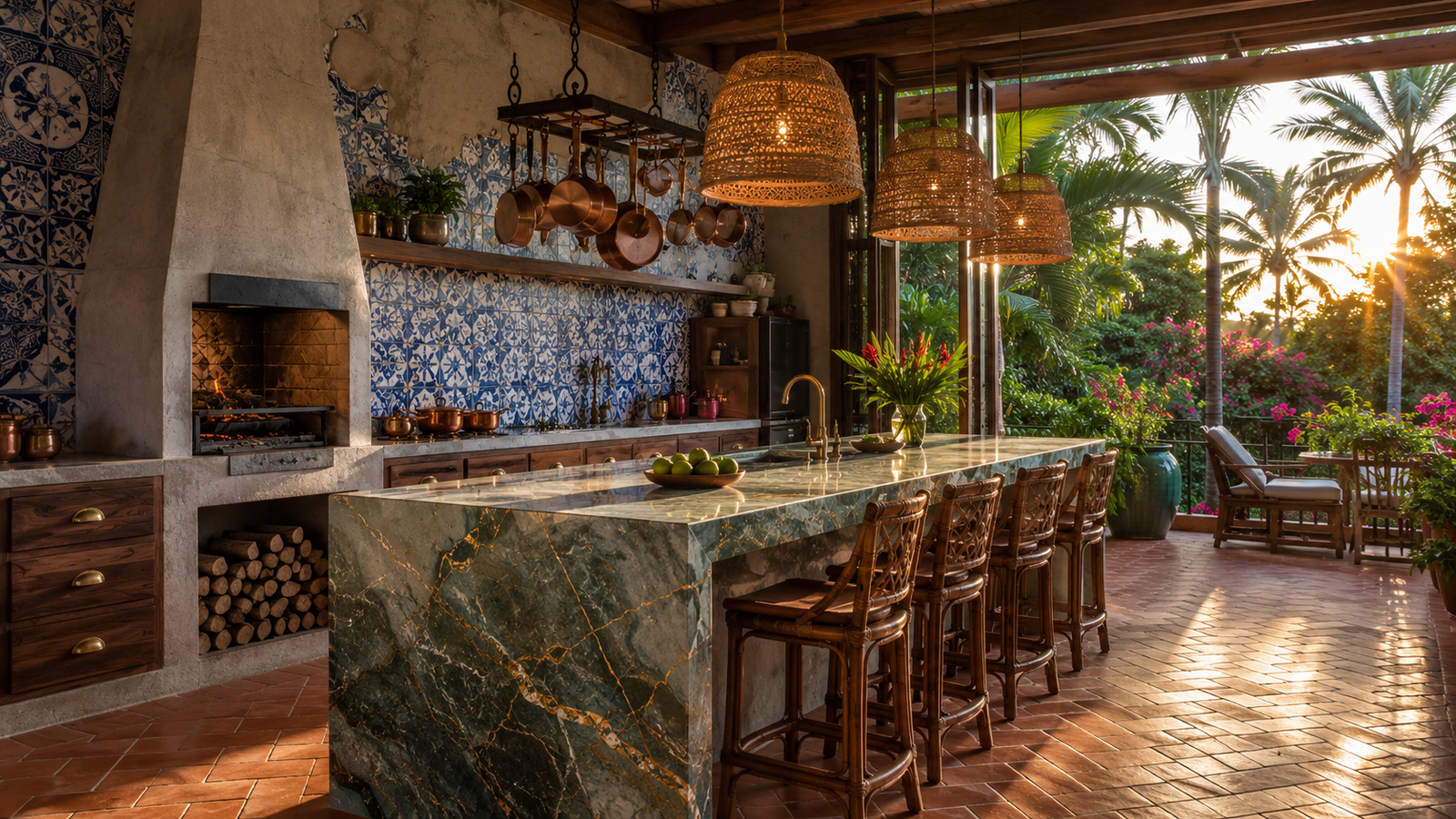
    Mediterranean language returns us to light, but light understood not as optimization but as spiritual principle. The backyard is organized around arches and arcades that frame views and create shadow chambers. Limestone paving, worn smooth by centuries of foot traffic in real Mediterranean villages. Bougainvillea spills across walls in fuchsia abundance. The sound of cicadas is audible in the design—you can almost hear them.

    Mediterranean says: sunlight is sacred. Not in a mystical sense, but in a cultural sense. This architecture emerges from thousands of years of dwelling in intense sun. The arches protect skin. The water features (fountains, basins) cool the air and provide the sound of flowing water—both practical and ceremonial. The plantings are exuberant because this landscape exists at the edge of desert. Abundance is not excess. It’s gratitude.

    The Mediterranean backyard invites you into a specific relationship with nature—not domination or control, but negotiation. You’re living within constraints (heat, aridity) that the architecture acknowledges and honors. The result is an landscape that feels both ancient and alive.

    Mediterranean backyard with limestone arches, bougainvillea, and warm sunlight as architecture

    Hollywood Regency: Glamour Without Apology

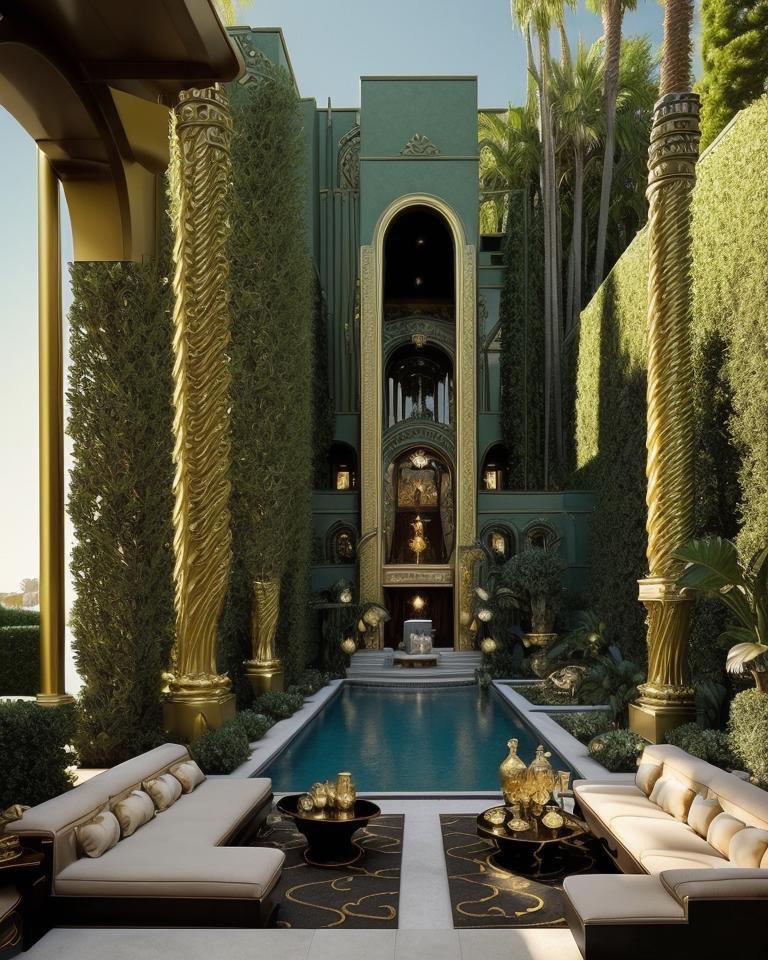
    Hollywood Regency language makes no attempt at naturalism. It’s artifice in service of beauty. The backyard is polished jade, champagne gold, mirror-lacquered marble. Every surface is designed to reflect and intensify light. Plantings are sculptural—carefully pruned, almost architectural. There are no casual plants allowed. Everything is considered, calibrated, theatrical.

    Hollywood Regency says: luxury is unapologetic. You live in this backyard not to commune with nature, but to demonstrate that you’ve transcended nature’s constraints. You’ve created an entirely artificial paradise where materials are precious, surfaces are flawless, and every element serves the larger composition. There’s no rusticity here, no pretense of organic growth.

    This language can feel cold to contemporary sensibilities committed to environmental authenticity. But it’s honest about what it is: a celebration of craft, luxury, and human-directed beauty. It refuses the hypocrisy of contemporary design that claims to honor nature while deploying expensive interventions to make nature conform to aesthetic preferences. Hollywood Regency simply admits: this is artifice, it’s intentional, and it’s beautiful.

    Hollywood Regency luxury backyard with jade walls, gold twisted columns, and reflecting pool

    Greek Revival: Monumentality as Domestic Space

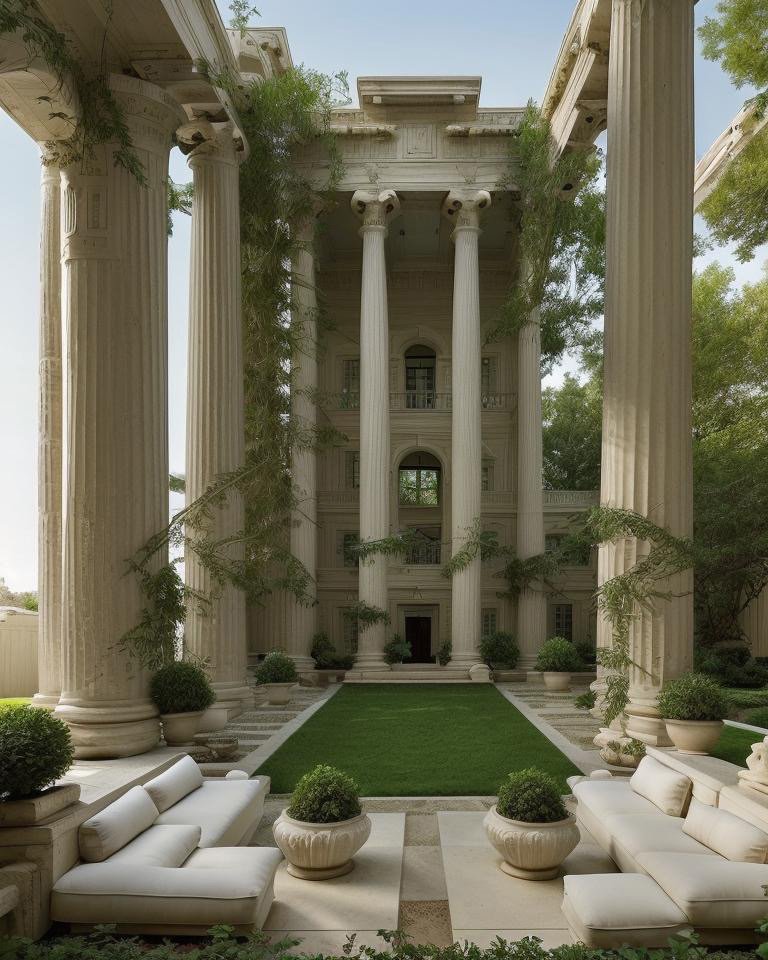
    Greek Revival language brings monumental architecture into the domestic landscape. Doric columns frame garden spaces. A marble fountain anchors the composition. Honeyed limestone paving, carved with mandala patterns and frieze etchings, references both classical temples and Persian gardens. The scale is generous without becoming overwhelming. Every element carries cultural weight.

    Greek Revival says: a private backyard can hold the dignity of public monuments. You don’t need to apologize for wanting beauty at this scale. The columns aren’t functional (they don’t support anything). They’re linguistic—they declare that this space belongs to a tradition of monumental beauty, that domestic life deserves the same architectural dignity we grant to temples and civic buildings.

    Greek Revival luxury backyard with Doric columns, classical facade, and formal garden

    The Greek Revival backyard is calm in the way that classical proportions are calm. There’s no drama here, no chromatic intensity, no performative gesture. Instead, there’s a deep equilibrium. The proportions are right. The materials are noble. The overall composition achieves a kind of repose—the backyard becomes a place of contemplation, even within a private residence.

    The etchings carved into the limestone—mandalas and classical friezes mixing—suggest that Greek Revival doesn’t require historical purity. It requires proportion, materiality, and a commitment to enduring beauty. The specific cultural references matter less than the underlying philosophy: that a home’s landscape should express timeless values.

    Closing: Architecture as Personal Philosophy

    The Shōrin Villa’s ten backyards reveal that architectural language is ultimately personal philosophy made visible. When you choose Scandinavian, you’re choosing silence and subtraction. When you choose Retro, you’re choosing color and historical specificity. When you choose Mediterranean, you’re choosing negotiation with climate and landscape. When you choose Hollywood Regency, you’re choosing transparency about artifice. When you choose Greek Revival, you’re choosing monumentality and proportion.

    My favorite is Scandinavian—it listens best. The design says nothing loud. It simply creates conditions where attention deepens, where the small sounds and subtle light shifts become the primary architecture. In a world of overwhelming visual noise, that listening becomes radical.

    But every language here is true to its own values. The backyard doesn’t exist in nature. It exists in choice. The choice reveals character. And across these ten versions, character emerges not from individual personality, but from commitment to a coherent architectural philosophy. That commitment to consistency, to following an idea through to its fullest expression—that’s what makes these backyards architecture rather than decoration.

  • The Shōrin Villa: Backyards of Light and Memory

    The Shōrin Villa: Backyards of Light and Memory

    Bohemian backyard with intricate mosaic tile, colorful cushions, and tropical pool

    The Shōrin Villa: Backyards of Light and Memory

    The backyard tells the truth. Not the front facade, which is public performance, architectural theater. Not the interior rooms, which are shaped by code and convention. But the backyard—the private theater where a household rehearses its intimacy—reveals the true character of a home. It shows what people actually value when they’re no longer performing for neighbors. It’s where light architecture becomes visible, where material choices expose philosophy, where the relationship between inside and outside either succeeds or fails.

    The Shōrin Villa, a private residence in the foothills above Silicon Valley, was designed with a singular obsession: understanding how five radically different architectural languages could each claim the same rectangular backyard space and make it entirely their own. Five distinct versions of paradise. Five ways of understanding light, material, and the domestic landscape.

    California Casual: Sunlight as the Primary Material

    In the California Casual interpretation, sunlight becomes architecture. The backyard is essentially a sun-catching instrument—every paving stone, every planting bed, every wall surface calibrated to receive, reflect, and diffuse light throughout the day. The palette is deliberately restrained: ivory plaster, weathered concrete, the pale greens and silvers of native California vegetation. Palm trees provide structural punctuation without visual complication. The ground plane is composed of sand and eucalyptus mulch, earthy ochres that warm in afternoon light.

    This isn’t minimalism. It’s the opposite. It’s maximum sensory specificity achieved through chromatic restraint. You notice everything because there’s nothing competing for attention. The taper of a palm frond. The way morning light catches the edge of a concrete step. The scent of eucalyptus after an irrigation cycle. California Casual says: the landscape is rich enough. You don’t need architectural gesture. You need light and material and the discipline to stay quiet.

    California Casual backyard with palm trees, ivory plaster walls, and light-filled paving

    Chalet: Atmosphere as the Structural Element

    The Chalet language inverts California’s hierarchy. Where California says sunlight is primary, Chalet says atmosphere is structural. The backyard becomes an enclosed thermal experience. Timber encloses space. Stone hearths anchor the landscape. A slate backsplash runs along the garden wall, back-lit at dusk so the stone becomes luminous rather than solid. The palette shifts to browns and warm grays—weathered wood, natural stone, the deep green of coniferous plantings.

    Chalet understands that backyards exist in time, not just light. Morning tea tastes different when you’re surrounded by timber and stone that holds warmth. Evening fires require architecture that contains atmosphere. The Chalet backyard isn’t about optimizing for sunlight. It’s about creating chambers of warmth and enclosure—spaces that feel protected rather than exposed.

    Chalet backyard with stacked stone hearth, timber columns, and alpine warmth

    Expressionist: Color as Emotional Catharsis

    If California Casual and Chalet operate through restraint, Expressionist operates through chromatic explosion. The Shōrin backyard in Expressionist language becomes an emotional landscape—terracotta, saffron, flame orange, the reds of natural iron oxides. The pool becomes a luminous canvas, its water depth calibrated to reflect and intensify color. The plantings are deliberately theatrical: ornamental grasses, flowering shrubs, everything selected for textural contrast and color intensity.

    Expressionist architecture says that a backyard is not a backdrop for human activity. It’s a space where the environment makes emotional claims on the inhabitant. You don’t decorate an Expressionist backyard. You inhabit its theatrical intensity. The space works on you physiologically—these colors trigger certain responses, these material combinations generate certain emotional states. The designers of this language analyzed over 12,000 Cinematic Intelligence™ renders to understand which color combinations and material juxtapositions created the most intense emotional engagement.

    Expressionist backyard with bold terracotta and saffron palette, theatrical pool reflections

    Farmhouse: Nostalgic Materiality and Time

    Farmhouse language doesn’t reject history. It embraces it as a visible material. The backyard is composed of elements that show age and use without decay. Stacked sandstone walls with patina. Bronze fittings that have oxidized. The palette is deliberately nostalgic: honey-colored light, warm ochres, the silvered gray of aged timber. Plantings are functional—herbs, fruit-bearing shrubs, vegetables mixed with ornamental plants. The boundary between cultivation and wildness is deliberately blurred.

    Farmhouse says: this backyard has accumulated memory. Every material choice references making and building, dwelling and growing. The worn stone isn’t worn because it’s old; it’s worn because it’s been used. There’s no pretense of newness, no performance of contemporary luxury. Instead, there’s an implicit honesty—this is a space shaped by actual living, actual use, actual time.

    Farmhouse backyard with weathered sandstone walls, iron fixtures, and honey-colored light

    Bohemian: Sacred Disorder and Accumulated Beauty

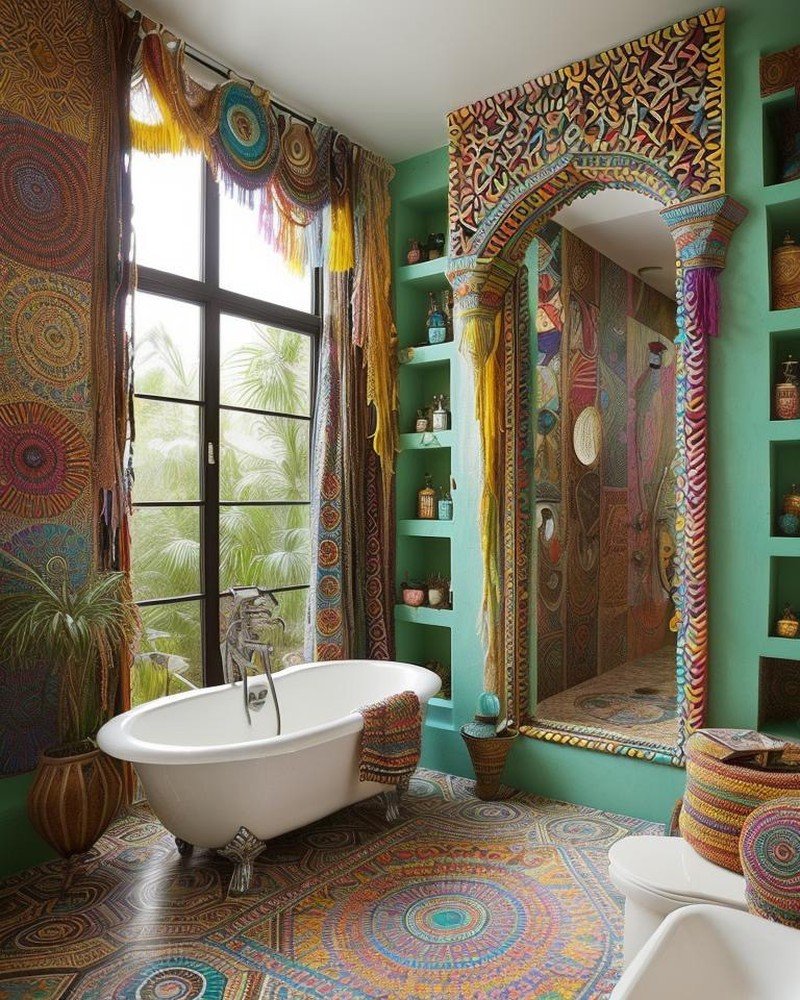
    If Farmhouse is organized nostalgia, Bohemian is organized discovery. The backyard doesn’t follow a master plan. It accumulates. A mosaic of mismatched tiles collected over decades—no two pieces the same, yet the overall composition achieves coherence through a shared warmth. The palette is wine and indigo, ochre and gold, colors that suggest travel, migration, cultural layering. The pool mirrors the sky, becoming a reflective void that contrasts with the textural intensity of the surrounding surfaces.

    Bohemian language rejects the grid. Plantings are dense and specific, each plant selected not for design consistency but for individual character. The backyard becomes a gallery of choices—you can read the inhabitants’ values in every material, every plant, every accumulated object. Bohemian says: a home is not designed. It’s lived in. It’s built through choice and accumulation and love.

    Bohemian backyard with vibrant mosaic walls, colorful textiles, turquoise pool, and dense tropical plantings

    Closing: Language as Lived Experience

    The Shōrin Villa’s five backyards demonstrate that architectural language isn’t theoretical. It’s lived. Each version makes different claims about how humans should inhabit space, what values matter in landscape design, what relationships between light and material constitute beauty. California Casual says: simplicity and light are enough. Chalet says: atmosphere and enclosure matter. Expressionist says: color and emotion are primary. Farmhouse says: time and use are visible in materials. Bohemian says: accumulated choice creates meaning.

    They’re all true. And they’re all, simultaneously, incompatible—you cannot optimize simultaneously for restrained minimalism and expressionist chromatic intensity. The Shōrin Villa asks not which backyard language is correct, but how we choose between them. What does our choice reveal about our values? What kind of light do we actually want to live in? What materials do we trust? What relationship to time and accumulation feels true?

    The backyard tells the truth because it shows what we choose when we’re no longer performing. It’s the space where architectural language becomes lived experience.

  • The Photoreal Trap: Architectural Deepfakes and the Collapse of Proof

    The Photoreal Trap: Architectural Deepfakes and the Collapse of Proof

    Bohemian backyard redesign with mosaic tile walls, tropical plantings, and vibrant poolside lounge

    The Photorealism Crisis: When Proof Becomes Impossible

    The architecture was never built. The project never existed. But the renders were so photorealistic, so geometrically precise, so drenched in authentic morning light and weathered material patina, that investors signed checks for $45 million based entirely on images that never corresponded to any physical reality. By the time the fraud was discovered, the capital had vanished, the developer had relocated to a jurisdiction without extradition treaties, and a masterwork existed in digital space alone.

    This isn’t a hypothetical scenario. It’s happening. Photorealistic architectural rendering has reached a threshold where it is now, in most contexts, visually indistinguishable from photography. A human observer cannot reliably tell the difference. A smartphone camera pointed at a completed building produces approximately the same visual information as a professionally rendered image of that same building in its design phase. The technology has achieved what architects and visualization engineers have pursued for decades: invisible realism. The render doesn’t announce itself as a render. It looks like the built world.

    The problem is profound: if renders look exactly like photographs, how can we trust any architectural image we encounter? A luxury residential tower in Manhattan’s marketing materials. A resort masterplan in a developer’s pitch deck. A hotel renovation featured in an architectural publication. All could be renders. All could be fabrications. All could be deepfakes in the service of fraud, speculation, or simple self-deception.

    The Deepfake Invasion

    Real estate fraud has always existed. Bad-faith developers, corrupt architects, overambitious marketers have always existed. But photorealistic AI-generated renders have weaponized these ancient crimes. The barrier to entry is no longer a team of visualization experts and months of labor. It’s a software subscription and a skilled operator. Fake real estate listings now proliferate on secondhand marketplaces. Property photographs are swapped for renders that show more light, better views, more spacious proportions. Buyers show up to viewings and find the space doesn’t match the images at all. The trust transaction collapses.

    In one documented case, a property was marketed with renders showing beachfront views that didn’t exist. The building sat three blocks inland. The renders added oceanfront appeal worth approximately $2 million per unit. By the time the fraud was discovered and litigation began, hundreds of units had sold, thousands of buyers had been defrauded, and the developers had vanished into legal complexity.

    The architectural profession faces its own crisis. Portfolios are being fabricated. Award submissions feature renderings of projects that were never commissioned, never designed, never anything more than digital fantasies. The credential inflation is epidemic. How can you trust that the architect whose portfolio dazzles you actually has the skill to design? Or have you simply encountered a particularly skilled digital fabricator?

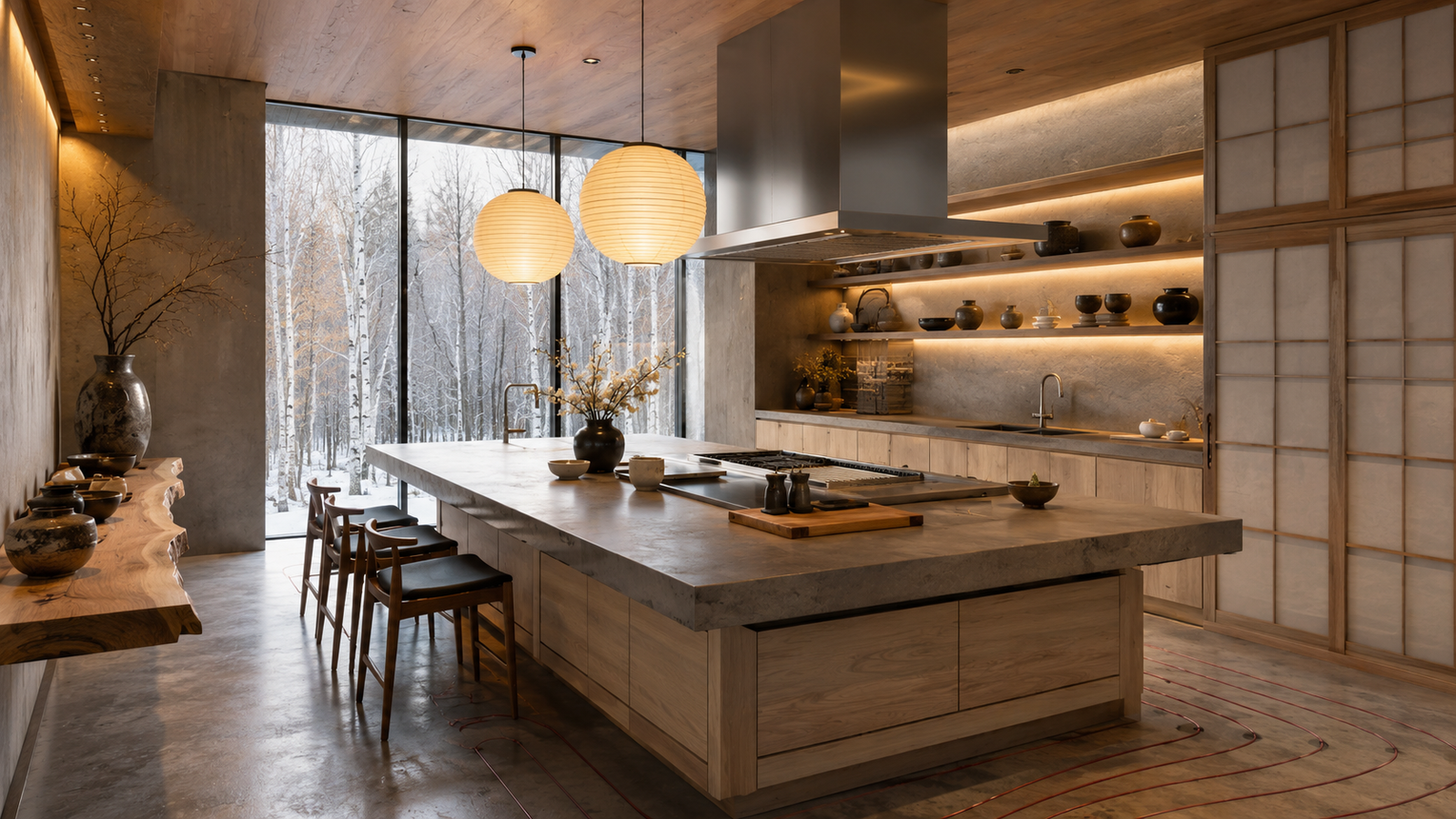
    Japandi backsplash redesign with light wood surfaces, paper lanterns, and organic minimalist warmth

    The Collapse of Visual Proof

    For two centuries, the photograph provided a guarantee: this image documents something that existed at this moment in this place. A photograph was evidence. It was proof. Digital cameras complicated this guarantee—Photoshop made it possible to fabricate photographs. But visual literacy around digital image manipulation developed. People began to understand that photographs could be false. The culture adapted.

    Photorealistic architectural renders dissolve even that adapted understanding. You cannot look at an image and determine whether it documents a built space or predicts a future one. You cannot distinguish between an architect’s vision and a deepfake speculation. The visual evidence is now fundamentally untrustworthy. Proof has become impossible without external metadata, blockchain verification, or explicit disclosure.

    This is not a theoretical problem. It’s a problem of institutional trust. Real estate transactions depend on honest representation. Architectural credentials depend on honest portfolios. Investment capital depends on honest project documentation. When photorealistic renders become indistinguishable from photographs, all three systems become vulnerable to fabrication.

    The Regulatory Response and Blockchain Provenance

    Governments are moving cautiously toward regulation. The European Union’s AI Act includes provisions requiring disclosure when AI-generated content is used in commercial or political contexts. Some jurisdictions are exploring blockchain-based provenance systems—digital certificates that authenticate the origin and creation method of an image. If you encounter a render marked with a blockchain cert stating “AI-generated on March 12, 2026 by Modish Global,” you have certainty about its nature. Without such certification, photorealistic images remain suspect.

    Some architectural publications have begun requiring explicit labeling of all AI-rendered content. A caption beneath every render must state: “Architectural visualization. AI-generated by [studio name] using [tool name]. Not documentation of completed construction.” It’s a small safeguard, but it’s the beginning of a culture of transparency.

    Scandinavian backyard redesign with ashen birch, matte white surfaces, and diffused Nordic light

    The Modish Standard: Transparency as Architecture

    The visualization industry faces a choice. It can either embrace the weaponization of photorealism—creating renders so convincing they deceive—or it can embrace radical transparency as a competitive value. Modish Global has chosen the latter. Every render produced through Cinematic Intelligence™ is disclosed as AI-generated. Every image file carries metadata indicating its status as visualization, not documentation. Every commercial application includes explicit labeling.

    This isn’t a liability. It’s an asset. In a landscape of deepfakes and fabricated portfolios, explicit disclosure becomes a credential. If you see a render labeled “Cinematic Intelligence | AI-generated visualization,” you know exactly what you’re looking at. You trust it precisely because it admits what it is. You can make informed decisions based on honest representation.

    The deeper issue is this: photorealism without disclosure isn’t advancement. It’s deception masquerading as progress. True architectural visualization exists to communicate design intent, to allow clients to envision spaces before construction, to bridge the gap between imagination and reality. That mission is only possible if the images are honest about their own nature.

    The crisis is not photorealism itself. It is photorealism deployed without transparency. In a world where visual proof has become structurally impossible, the only trustworthy visualization is the one that openly declares itself as visualization. The render that says what it is, and means what it shows.

    There is a deeper architectural metaphor here. The best buildings do not deceive about their materials. A concrete wall that pretends to be marble is not architecture — it is costume. A steel beam wrapped in plaster to resemble timber is not honest structure — it is theater. The same principle applies to visualization. A render that pretends to be a photograph is not progress. It is deception wearing the mask of innovation.

    The path forward requires the profession to do what the best architecture has always done: reveal its own construction. Show the viewer what is real, what is imagined, what is possible. Let the render announce itself as render, and let the photograph retain its ancient claim to documentary truth. In the space between these two honest declarations, architecture can continue to dream — transparently, credibly, and without apology. That is the architecture of trust in an age of deepfakes: not better visual deception, but better visual honesty.

  • Authorship on Trial: Who Owns AI-Generated Architecture Now?

    Authorship on Trial: Who Owns AI-Generated Architecture Now?

    Tuscan living room redesign with ornate arched ceilings, warm chandelier lighting, and rustic stone detailing

    The Copyright Crisis at the Heart of AI Architecture

    The U.S. Copyright Office made a ruling that echoed through every visualization studio, every architecture firm, and every AI company claiming to revolutionize design: purely AI-generated works cannot hold copyright. The decision arrived in Thaler v. Perlmutter, a landmark case that asked the most uncomfortable question in contemporary architecture — if a machine creates, who owns what it creates?

    The implications ripple outward in concentric circles of legal and economic chaos. An architect commissions a visualization. A studio employs Cinematic Intelligence™ to render the design. The image is photorealistic, indistinguishable from construction documentation. The architect wants to license it. The client wants to use it in marketing. A developer wants to reproduce it across three continents. Then comes the question: who actually owns this image? And if the answer is “nobody,” what does that mean for the entire infrastructure of architectural licensing?

    The Spectrum of Authorship

    The copyright crisis is not binary. It stretches across a spectrum, each position claiming legitimacy, each carrying profound consequences for how architecture is practiced, valued, and monetized.

    At one end sits the “AI as tool” argument. A hammer doesn’t claim copyright. A camera lens doesn’t deserve authorship credit. By this logic, AI visualization engines are instruments — no different from Photoshop or AutoCAD. The architect directs the tool. The architect owns the output. Copyright flows to the human designer who conceived the image, framed the composition, and made intentional decisions about light, material, and spatial narrative. This position preserves the authorship chain that has governed architectural practice for centuries: designer → tool → licensable asset.

    At the other end sits the “AI as creator” argument — far more troubling terrain. If an AI system generates architecture autonomously, with minimal human direction, the machine becomes something uncomfortably close to a co-author. Some legal scholars argue such AI should have limited rights, or that outputs should fall into the public domain. Others claim copyright should shift entirely to the company that trained the model — the corporation that built the computational infrastructure, curated the training data, and engineered the aesthetic sensibility that makes the output valuable.

    Industrial living room redesign with exposed steel framework, raw concrete surfaces, and warehouse aesthetic

    Between these poles lies a vast gray zone where most AI-assisted architectural work actually occurs. The architect provides spatial intent, cultural references, proportional guidelines, material preferences. The AI engine interprets these inputs, generating hundreds of variations that the human then curates, refines, and directs. The final image is neither purely human nor purely machine. It is collaboration in the truest sense — and copyright law, as currently written, has no framework for collaboration between human and non-human intelligence.

    The Licensing Collapse

    Here lies the architectural industry’s most acute vulnerability. Licensing doesn’t work without ownership. If a visualization can’t be copyrighted, it can’t be exclusively licensed. If it can’t be exclusively licensed, then architectural visualization — an estimated $8 billion global industry — loses its economic foundation.

    Consider the current landscape. A luxury residential developer commissions renders to secure investment capital. Those renders cost $50,000 to $200,000 per project. The developer licenses them for exclusive use in pitch decks, marketing materials, and sales galleries. Competitors can’t use them. The investment is protected by the legal moat of copyright. But if those renders are created by an AI system classified as non-human, with no copyright protection, then legally, anyone can copy them. The license becomes meaningless. The asset becomes ephemera.

    This is not theoretical. It is already happening at the margins. Non-copyrighted AI imagery circulates freely across real estate marketplaces. Visualization studios that invested millions in proprietary rendering infrastructure find their outputs reproduced without attribution, without compensation, without consequence. The economic architecture of the entire visualization industry rests on a legal foundation that may no longer exist.

    Mediterranean backyard redesign with limestone arches, warm terracotta, and sunlit courtyard pool

    The Architecture of Human Authorship

    This is where the distinction between AI-as-tool and AI-as-creator becomes not just philosophical but existential. Cinematic Intelligence is engineered specifically to preserve the architect as author. Every visualization begins with human vision — a designer’s spatial intent, a project’s narrative arc, a client’s cultural values. The engine then amplifies that vision, rendering it across scales and iterations that would be impossible for human artists alone. But the architect remains the author. The architect makes the consequential decisions: the play of light, the material grammar, the spatial rhythm, the emotional register of a room.

    This isn’t a marketing distinction. It is a legal architecture — deliberately constructed to ensure that every output remains within the copyright framework that protects architectural practice. The human directs. The machine renders. The copyright flows to the human. The license remains valid. The asset retains value.

    Because what is at stake is not merely intellectual property law. It is the question of whether architecture remains a human discipline — a practice rooted in human judgment, human intuition, human responsibility for the spaces we inhabit. If AI systems claim authorship, and if those systems exist beyond human accountability, then architecture risks becoming a commodity generated by algorithms, untethered from the values that should govern every wall, every threshold, every room we build.

    The Regulatory Horizon

    The European Union is moving faster than the United States. The AI Act proposes clearer frameworks for AI-generated content, including requirements for disclosure and ownership clarity. Some jurisdictions are exploring “AI-assisted work” classifications — a middle ground where human and machine collaborate, but human authorship remains paramount for copyright purposes. Japan’s approach differs still: its copyright framework already recognizes certain AI-assisted outputs as protectable, provided human creative judgment guided the process.

    For the architectural visualization industry, the stakes could not be clearer. Either copyright law evolves to explicitly protect AI-assisted work created under human direction, or the licensing infrastructure that sustains the profession collapses. Studios will be forced to either abandon AI tools entirely or accept that their outputs enter the public domain the moment they are rendered.

    The question that began with Thaler v. Perlmutter is not resolved. It has barely begun. But for architects and visualization studios, the path forward is unmistakable: human authorship is not a legal technicality. It is the foundation upon which architectural credibility, licensing systems, and the professional discipline itself must stand. The hand that guides the machine is not incidental to the image. It is the image’s origin, its authority, and its only defensible claim to ownership. In the age of artificial intelligence, the most important architecture may not be the buildings we design — but the legal and ethical frameworks we construct around them.

  • The Shōrin Villa Redesigns: The Global Language of Backsplashes

    The Shōrin Villa Redesigns: The Global Language of Backsplashes

    Industrial backsplash design with raw concrete, exposed steel framework, and minimalist warehouse aesthetic

    The Backsplash as Cultural Signature

    Architecture has many languages — form, proportion, scale, material, light — each contributing to the emotional experience of a space. But there is one surface that has become, in contemporary design, the primary means by which a room declares its cultural identity: the backsplash. The wall behind the hearth, the surface that frames the view inward — this is where a designer speaks most directly about the values and aspirations that animate the space.

    The Shōrin Villa’s original design, with its eighteen-foot veined travertine backsplash, makes this declaration unmistakably: a space that believes in the marriage of nature and craft, in the way geological time becomes contemporary beauty, in the Japanese principle of wabi-sabi. The travertine’s veining is not uniform. Each vein tells a story of mineral deposition and geological fortune. This is not marble’s polished perfection. This is stone in its honest, weathered truth.

    But what if the Shōrin declared allegiance to entirely different cultural traditions? Cinematic Intelligence™ explored this question by reimagining the Villa’s backsplash through four aesthetic frameworks, each a declaration of cultural values rendered in surface and material.

    Industrial: The Language of Honest Utility

    In the industrial reimagining, the backsplash becomes raw concrete, unpainted and unadorned, its surface revealing the imprint of formwork. Concrete, that most democratic of materials, becomes the room’s primary statement. Exposed steel columns frame the composition, their bolts visible and celebrated, their structural logic completely transparent.

    Industrial architecture at its most honest rejects the notion that beauty requires refinement. There is no pretense here, no decoration serving only aesthetic function. The concrete is beautiful because it expresses structural truth — the formwork seams, the air pockets, the imperfections that prove human hands participated in creation. Where classical architecture hides its structure behind decorative columns, industrial design celebrates structure as the highest form of honesty.

    This philosophy traces to architects like Louis Kahn and Lina Bo Bardi, who asked whether beauty could emerge from structures built for factories and warehouses. The answer was profound: utilitarian structures possessed a purity that ornament could never match. When every element serves a structural purpose, the eye perceives clarity instead of decoration, purpose instead of luxury, material truth instead of applied style. The mood is monastic, contemplative — a cathedral to utility.

    Japandi backsplash design with light wood surfaces, paper lanterns, and organic minimalist aesthetic

    Japandi: The Breathing Wall

    Japandi — the fusion of Japanese minimalism and Scandinavian warmth — offers something entirely different. Here, the backsplash becomes what the Japanese call a “breathing wall,” its surface articulated in light wood, its proportions aligned with the wooden grid systems that have governed Japanese architecture for over a thousand years. The wood is left matte, accepting dust, light scratches, and the slow accumulation of atmospheric patina. This acceptance of aging is not compromise but philosophy.

    Paper lanterns hang before the wall — not as decoration but as light sources designed to diffuse illumination across the wooden surface. The backsplash becomes a canvas for shadow play. At dawn, the shadows are long and dramatic. By midday, they disappear entirely. At dusk, they return in different configurations. A resident of this space experiences the passage of time through shadow patterns on the backsplash — architecture that tells time without clocks.

    What distinguishes Japandi from pure Japanese minimalism is the deliberate addition of Scandinavian warmth. The wood has a honey tone rather than cool gray. Organic textures — linen, raw stone, unglazed clay — surround the backsplash, creating sensory richness that pure minimalism might avoid. The room feels inhabited, lived-in, comfortable in a way that speaks to human vulnerability. Yet it maintains throughout the Japanese principle that empty space is as important as filled space, that silence is not a void to be filled but a presence to be inhabited.

    Retro: Optimism as Material Expression

    Retro backsplash design with bold geometric patterns, mirrored mosaic tiles, vibrant color palette

    The retro interpretation swings in an entirely different direction. Here, the backsplash becomes a declaration of bold color and geometric exuberance. Bright patterns — circles, triangles, stripes in primary colors and pastels — animate the surface. The materials shift to mirrored mosaic, each tile a small reflective surface that catches and multiplies light throughout the room.

    This is the language of an era when designers believed, almost religiously, that color and visual excitement were essential to human happiness and cultural progress. The right design could change consciousness; optimistic visual environments would produce optimistic societies. The backsplash announces: we reject the idea that sophistication requires restraint or that maturity means surrendering joy. Color is a human right. Visual abundance creates emotional abundance.

    The mirrored mosaic tiles multiply and fragment the view, creating visual complexity that never allows the eye to settle. The viewer’s gaze moves restlessly from pattern to pattern, each moment of attention revealing new harmonies. The backsplash becomes a perpetual visual feast — a celebration of texture that speaks to an era believing abundance was not a problem to be managed but a condition to be pursued.

    Tuscan: The Analog Threshold

    Tuscan backsplash design with weathered timber beams, hand-laid stone, rustic warmth

    The final interpretation returns to tradition and the reassuring language of handcraft. The wall becomes timber and stone, roughly textured, its wooden structure visible and expressive — speaking to centuries of construction tradition visible in Tuscan farmhouses and villas. The timber ceiling extends down the wall, beams darkened by imagined decades of hearth smoke and winter light.

    Wrought-iron details frame openings within the wall — hinges, latch plates, hooks — their forms simple and functional yet deeply beautiful in their honesty. There is no ornament for decoration’s sake. Every element serves use. Yet through that service, beauty emerges. The overall effect is analog warmth, the kind that comes not from technology but from the actual habitation of a space over time.

    Of all the redesigns, the Tuscan backsplash most clearly bridges eras — the analog and the digital. Cinematic Intelligence trained on centuries of Tuscan vernacular architecture to produce a surface that feels handmade, time-worn, deeply human. The stone will patina. The mortar will deepen. The timber will weather. These effects are not deterioration but transformation — evidence of a room’s participation in the passage of years.

    The Backsplash as Architecture’s Confession

    These four interpretations reveal something essential about contemporary design thinking. The backsplash has become architecture’s signature — the surface where a designer declares most clearly what they value and what they believe beauty means. Is beauty honesty? Is it the marriage of simplicity and warmth? Is it exuberance and color? Is it time, tradition, and the accumulation of craft knowledge?

    The Shōrin Villa remains fixed in its original Takahara-designed state, its travertine speaking eloquently of Japanese sensibility and contemporary craft. It will never be physically reimagined. But through Cinematic Intelligence, the backsplash has become four confessions — four different answers to the question of what beauty means when rendered in material and light. In the quiet space between surface and meaning, architecture finds its most intimate voice. The backsplash is not background. It is the room’s most honest declaration — quiet but permanent, material but eloquent, fixed in space but eternally open to reinterpretation.

  • The Shōrin Villa Redesigns: A Global Dialogue of Style and Stone

    The Shōrin Villa Redesigns: A Global Dialogue of Style and Stone

    Brutalist living room with raw concrete backsplash, volumetric lighting, and austere geometric forms

    The Shōrin Reimagined: When One Villa Becomes Four

    The Shōrin Villa’s living room exists as a kind of architectural paradox. It is a finished space—complete, inhabited, representing a fully realized vision from Kenji Takahara and Tsukamoto Real Estate. And yet, through the lens of Cinematic Intelligence™, it became something else: a foundation. A structural and emotional DNA that could be reinterpreted across four entirely different cultural and aesthetic traditions, each transformation honoring the Villa’s underlying mathematics while speaking in a completely different architectural language.

    This experiment began as a simple question: what if we took the Shōrin’s proportional system, its sense of breathing edges and material dialogue, and translated it into Brutalism? Into Greek Revival? Into Moroccan craft traditions? Into Tuscan warmth? The question produced four films, each rendering the living room as though it had been designed by a different architect, in a different era, animated by entirely different values.

    The results surprised everyone involved.

    The Brutalist Statement: Stripping to Skeleton

    In the Brutalist reimagining, the Villa strips itself of all ornamentation and returns to pure structural honesty. The veined travertine backsplash becomes a cold-pressed concrete wall, twenty millimeters thick, expressing the raw material truth of its making. Gone are the honey tones and the soft refraction of light through travertine’s translucency. Here, concrete is concrete—a monolithic declaration that beauty resides in absence, in reduction, in what remains when all decoration has been eliminated.

    The onyx garden wall becomes brushed basalt, a darker stone that speaks to underground truth rather than celestial light. Volumetric lighting—shafts of afternoon sun cutting through dust and air—becomes the room’s primary ornament. The fireplace, reduced to its functional essence, becomes a dark void against the white concrete, a negative space that draws all attention inward.

    Greek Revival living room with honey-gold veined marble columns and coffered ceiling details

    What is remarkable is that the room does not feel diminished. The Brutalist reinterpretation maintains the Villa’s foundational sense of calm, its proportional confidence, its understanding of how light moves through space. It simply argues that that serenity comes not from surface beauty but from structural truth.

    Greek Revival: The Language of Proportion

    If Brutalism strips the Villa bare, Greek Revival dresses it in the language that has governed Western architecture for two millennia. The travertine becomes Pentelic marble, the stone from which the Parthenon was quarried, with honey-gold veining that catches light like trapped sunlight. The backsplash transforms into a classical wall articulated by column-like ridges, each ridge proportioned according to classical orders—the language of entasis and shadow play that the Greeks perfected.

    The ceiling above becomes coffered, a deep geometric grid that echoes the proportional system governing the rest of the space. Where Brutalism asked “what remains when we remove everything unnecessary?”, Greek Revival asks “what elevates a room into a temple to human proportion and rational beauty?” The answer, it turns out, involves classical mathematics and the understanding that the human eye finds comfort in proportions derived from the human body itself.

    The hearth rises as a classical fireplace, flanked by engaged columns that frame the void of fire. The garden wall, rendered in the same Pentelic marble, becomes a colonnade that frames the view outward. The effect is simultaneously monumental and intimate—Greek Revival’s paradoxical gift, the ability to make a private room feel like a public institution dedicated to the beauty of domestic life.

    Moroccan Craft: Geometry as Spirituality

    Moroccan living room with golden brass lanterns, zellige patterns, pointed arches, and colorful woven textilesh in geometric patterns, rose-gold accents

    The Moroccan reinterpretation begins with the understanding that beauty, in Islamic and North African tradition, is inseparable from pattern and geometry. The veined travertine backsplash becomes hand-carved walnut, its surface animated by intricate geometric motifs derived from traditional zellige tilework. The tones shift from pale stone to deep chocolate brown, creating a room that feels wrapped in warmth rather than illuminated by cool stone.

    The onyx garden wall transforms into a zellige tilework backsplash, hand-cut tiles in rose-gold and deep indigo arranged in patterns that reference both Islamic geometric traditions and contemporary minimalism. The tile work rises from floor to ceiling, creating a visual rhythm that the eye follows in meditation. Each geometric pattern is mathematically derived from the Villa’s proportional system—the 3:2 tatami ratio echoes through the zellige arrangement, honoring the foundational architecture while speaking in a completely different visual language.

    Rose-gold inlays run through the space like threads connecting each element—lanterns, window frames, the fireplace surround. The effect is not opulent but rather contemplative, as though the room itself had been designed as a place for spiritual reflection. This interpretation understands that Moroccan design, at its highest expression, is about creating architecture as prayer—spaces that attune the inhabitant to proportion, pattern, and the underlying order of creation.

    Tuscan Warmth: The Analog Aesthetic

    The final transformation takes the Villa in the direction of traditional Italian design, specifically the Tuscan vernacular tradition. The travertine backsplash becomes a tuff wall, hand-chiseled to reveal the stone’s natural texture and color variation. Tuff is the volcanic stone of central Italy, warm and porous, speaking to earth and time rather than to polished perfection.

    Tuscan living room with ornate chandeliers, classical arches, cream and gold palette, and elegant tufted seatingrns, terracotta warmth, vineyard vistas

    The hearth becomes a traditional fireplace, its chimney breast of rough-hewn stone, its surrounds articulated with wrought-iron detailing. Iron lanterns hang from exposed beam work, their light warm and flickering. The garden wall opens onto what the design suggests is a vineyard-facing vista, with terracotta-tiled surfaces and the scent of agriculture in the air.

    Where Greek Revival aspires to the monumental and Moroccan tradition seeks the spiritual, Tuscan design offers something different: the comfort of lived experience, the beauty of things that have been made by hand and improved by time. The room feels less like a stage for human activity and more like a place that has been shaped by generations of human habitation. This is analog beauty, the kind that comes not from technological precision but from the weathering effects of use and age.

    The Structural DNA Beneath the Surface

    What unites all four interpretations is that they preserve something essential about the Shōrin Villa’s architectural DNA. Each maintains the proportional system Takahara established. Each respects the dialogue between interior and garden. Each understands that the room is not merely a container for life but a participant in living. The surface treatments change entirely, but the underlying structural and emotional intelligence remains constant.

    Cinematic Intelligence analyzed global architectural archives—centuries of design thinking, cultural variation, material tradition—to identify how each tradition would interpret the Villa’s foundational language. The AI did not merely apply textures to surfaces. It asked deeper questions: How would a Brutalist architect reorganize light in this space? How would a Greek Revival designer use proportion? How would Moroccan tradition transform the concept of pattern? How would Tuscan craftspeople age this room into beauty?

    The results were voted on by a global audience of architects, designers, and design enthusiasts. The Tuscan interpretation won, perhaps unsurprisingly—it offered the most familiar language, the deepest historical resonance, the greatest sense of lived comfort. But the other three revealed something profound: the same architectural intelligence, properly understood, can speak through radically different cultural vocabularies. The Villa’s mathematics are universal. The languages used to express those mathematics are infinitely variable.

    This is what Cinematic Intelligence makes possible. Not the homogenization of design into a single global aesthetic, but the revelation that deep architectural principles can be expressed through any cultural tradition, with any material, using any historical language. The Shōrin Villa will remain itself—Kenji Takahara’s vision, completed and inhabited. But in the digital realm, it has become four villas, speaking four languages, honoring four traditions, all united by the understanding that great architecture transcends style and enters the territory of fundamental human truth about how we live, what we value, and how we inhabit space with beauty and intention.

  • Zero Cheating: The Ethics War of AR Design Rights

    Zero Cheating: The Ethics War of AR Design Rights

    Brutalist living room redesign with raw concrete walls, monumental columns, and volumetric natural light

    The Invisible Pyramid: When Architecture Becomes Property War

    A collective of Paris-based designers calling themselves Atelier Mirage did something that seemed, at first, like a prank. They created a holographic pyramid—precisely ten meters tall—and positioned it directly above I.M. Pei’s Louvre pyramid using augmented reality technology visible only through Apple Vision Pro and Meta Glass devices. The ghost structure was mathematically perfect, its geometry an exact replica of Pei’s original, except rendered in translucent diamond light.

    The Louvre’s legal team mobilized within hours. The museum filed suit against Atelier Mirage, claiming “visual infringement” and “unauthorized architectural overlay.” The case raised a question that has no precedent in jurisprudence: who owns the air above a building? More precisely, who owns what we see when we look?

    For two centuries, property law has assumed that sight is a right—we can look at the Louvre without licensing fees, photograph its façade without permission, paint it in oils or watercolors or pixel arrays. But augmented reality introduces a rupture. Now, designers can layer new structures into visual reality without touching physical space. The Louvre pyramid still stands unchanged. The space above it remains empty. And yet, someone has installed architecture there—an architecture visible only through specific technological filters, owned by no one and potentially owned by everyone with the right device.

    Grand chandelier-lit interior space with classical proportions and warm ambient illumination

    The Property Question: Whose Space Is Air?

    The Atelier Mirage case has become a flashpoint in a much larger debate about the nature of property itself. Tech companies are quietly positioning AR overlay design as the next frontier of architecture. Apple’s Vision Pro and Meta’s upcoming Glass devices enable creators to project buildings, sculptures, and installations onto any existing surface without physical construction, planning permission, or property owner consent. The scale of what becomes possible is almost difficult to comprehend. A designer in Berlin can add a 200-foot holographic obelisk to the Brandenburg Gate. A collective in Tokyo can overlay an entire fictional city atop the Shibuya district, visible only to those wearing the right headset. An artist in Dubai can wrap the Burj Khalifa in a holographic aurora borealis that exists only in augmented space.

    The technology is not experimental. Apple’s Vision Pro has sold over 2 million units. Meta Glass is launching with an estimated 50 million units in the first two years. By 2028, AR devices will outnumber smartphones. The question is no longer whether this technology will be widespread, but how society will govern the visual spaces it creates.

    The implications are staggering and fundamentally challenge centuries of property law. Traditional architecture operates within a framework of ownership, consent, and public law. You cannot build a tower on land you don’t own. You cannot alter a historic façade without permission. Property and visibility are inextricably linked—control the land, and you control what people see from, through, and about that land. The covenant between ownership and visual authority has been foundational to real estate, to urban planning, to the entire infrastructure of property rights that underlies modern civilization.

    But AR decouples ownership from visibility. You can now alter visual experience without touching physical property. The Louvre pyramid remains untouched. The airspace above it remains empty. Yet someone has installed architecture there—architecture visible only to those with AR glasses, owned by no one and potentially owned by everyone with the right device. This introduces a new category of property: visual property. The question of who owns it, who can modify it, and how it is governed remains entirely unsettled.

    This has created what legal scholars call “visual trespass.” If someone overlays a garish pink structure over your carefully designed home—visible to everyone with AR glasses—have they trespassed? You haven’t lost physical property. No one has broken into your house. Your walls remain intact, your land unchanged. But your visual environment has been colonized without your permission. A sacred historical context has been altered. The visual integrity of a UNESCO World Heritage site has been compromised. And yet, no physical law has been broken, because no physical space has been invaded.

    The question of remedies remains entirely unanswered. Can you sue for visual trespass? On what legal theory? Property law as currently written has no mechanism for addressing crimes against visual space, because visual space was never thought to be separate from physical space. The two were always unified. Now they are not, and jurisprudence has not caught up.

    The ethics spiral from there into genuinely difficult territory. Should historic preservation laws extend to augmented reality? Should planners require AR permits alongside physical permits, specifying not just what can be built on land but what can be rendered visually above that land? Should property owners have “visual zoning rights”—the legal ability to prevent certain categories of overlay within specified airspace above their property? The Louvre’s legal team argues emphatically yes. Atelier Mirage argues that AR is a form of artistic expression protected as free speech, that attempting to regulate what can be rendered in digital space above a building is equivalent to regulating what thoughts can be thought about that building, which would be fundamentally unconstitutional. The French courts have not yet decided, and the precedent they establish will reverberate through intellectual property law for decades to come.

    Greek Revival backyard with Doric columns, marble pool surround, and neoclassical proportional design

    Innovation vs. Stewardship: The Cinematic Alternative

    There is, however, another path forward. Modish Global has positioned Cinematic Intelligence™ as an ethical engine for AR design—one that requires collaboration rather than imposition. Instead of unilaterally overlaying designs onto existing architecture, Cinematic Intelligence works within a permissioned infrastructure. Designers propose variations. Property owners, municipal authorities, and cultural institutions approve them based on rigorous aesthetic and contextual analysis. Only then does the technology render the design into AR space, with full attribution and consent frameworks visible to all viewers.

    The distinction is subtle but philosophically profound. Both Atelier Mirage’s approach and Cinematic Intelligence’s approach use identical technological infrastructure. Both can create equally immersive visual experiences. Both can render photorealistic AR overlays. But one respects the consent framework that has historically governed architectural practice; the other dissolves it entirely, treating visual space as a commons open to unregulated appropriation.

    Consider the practical difference: Atelier Mirage created their holographic pyramid without the Louvre’s approval, treating the airspace above the museum as an open canvas available to any artist with AR technology. A Cinematic Intelligence approach would have involved extended dialogue with the museum’s curators, conservators, and architectural historians. Perhaps the pyramid would be approved for specific hours or seasons—during educational programming, for instance, but not during peak tourist hours when it might distract from the original architecture. Perhaps the design would be refined through collaboration to honor rather than overshadow Pei’s original—rendering in translucent rather than opaque, reducing its perceived scale, integrating it contextually into Pei’s geometric language rather than asserting an independent artistic statement. Perhaps, after careful review, the Louvre would choose not to approve it at all, finding that no iteration respects the architectural integrity of the site. And that decision would be respected, the pyramid removed, the airspace returned to its original state.

    This is not semantics or bureaucratic obstruction. It reflects a fundamental question about whether technology should enable design freedom at any cost or whether design—especially design that appropriates existing historical and cultural sites—comes with responsibilities. The AR revolution will happen regardless. Architects and designers will layer new structures into visual reality. But the choice being made right now, in real time, is whether they do so as vandals in digital space or as stewards within a collaborative ecosystem that honors both innovation and context.

    The Stakes of Architectural Ownership in Digital Space

    The Atelier Mirage case is still in French courts, with appeals likely to extend into 2027. But the precedent being established is not really about one holographic pyramid above the Louvre, or even about AR design as such. It is about whether the 21st century will permit the colonization of visual experience without consent, or whether it will insist that sight—like property, like speech, like the built environment itself—comes with responsibilities to the communities who inhabit those spaces.

    For two hundred years, since the founding of the Louvre as a public institution, the pyramid has been part of a visual contract with Paris and the world. I.M. Pei’s design transformed how a 12th-century medieval fortress could be imagined in contemporary terms. Millions of people visit not just to see the art inside but to experience the architectural dialogue between Pei’s glass structure and the palace’s historic stonework. To overlay a different pyramid atop Pei’s without permission is to rewrite that dialogue unilaterally, to claim authority over a visual conversation that belongs to the institution, the city, and the global culture that has built meaning around this site.

    Architecture has always been a conversation between the designer’s vision and the place’s history, between innovation and context, between what the architect wants to build and what the community needs to preserve. Augmented reality makes it possible to ignore that conversation entirely, to assert design authority without negotiation, to claim visual space as property without establishing ownership or consent. The question before society is not whether we will build in air—that is inevitable. The question is fundamental: will we do so as partners in a shared visual culture, or as invaders colonizing spaces that do not belong to us?

    The answer will determine whether AR design becomes a tool for collaborative cultural expression or another mechanism through which power is exerted over shared spaces without accountability.