Tag: 3D Visualization

  • Four Rooms I Entered Without Leaving My Chair

    Four Rooms I Entered Without Leaving My Chair

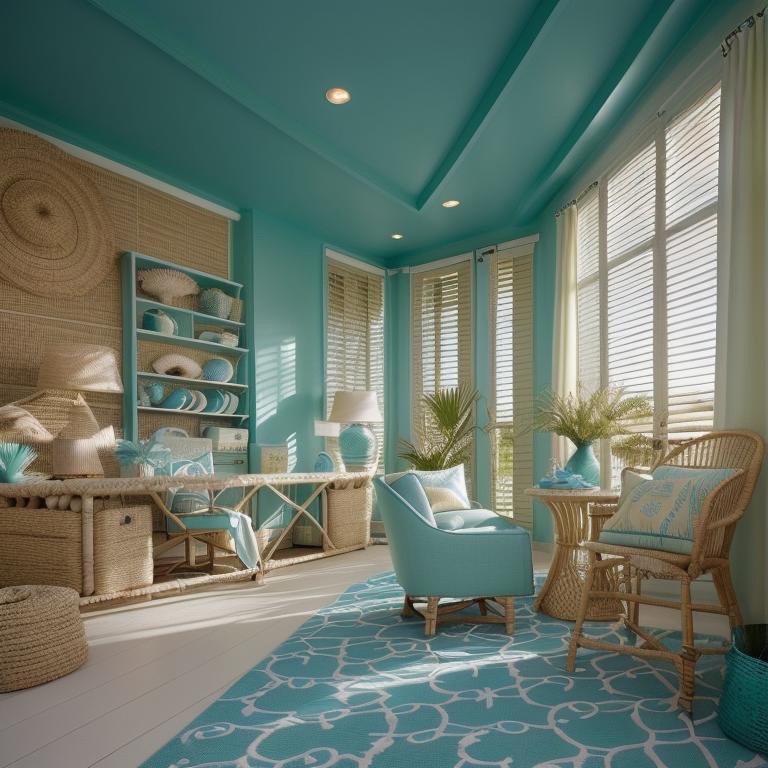
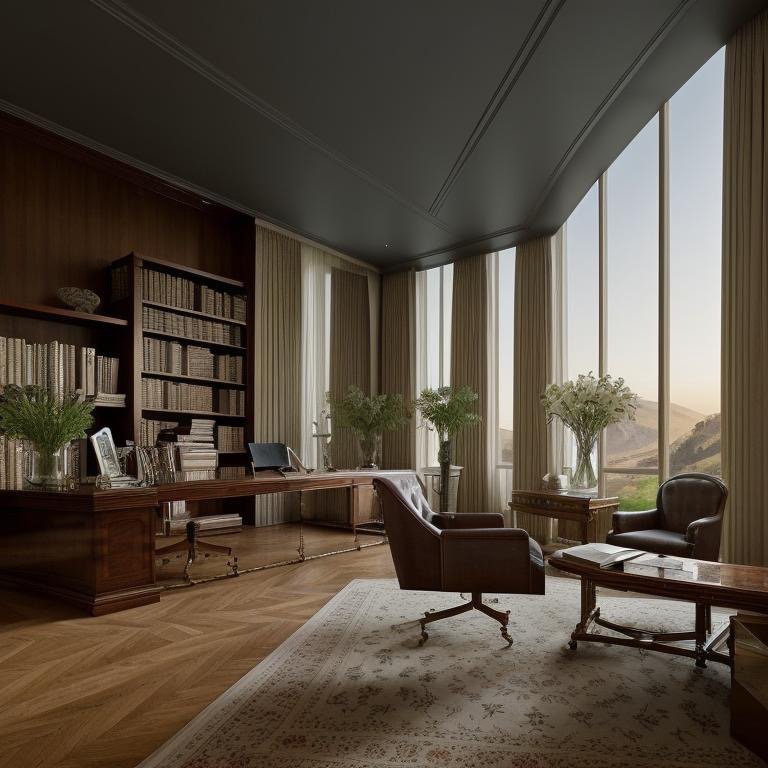
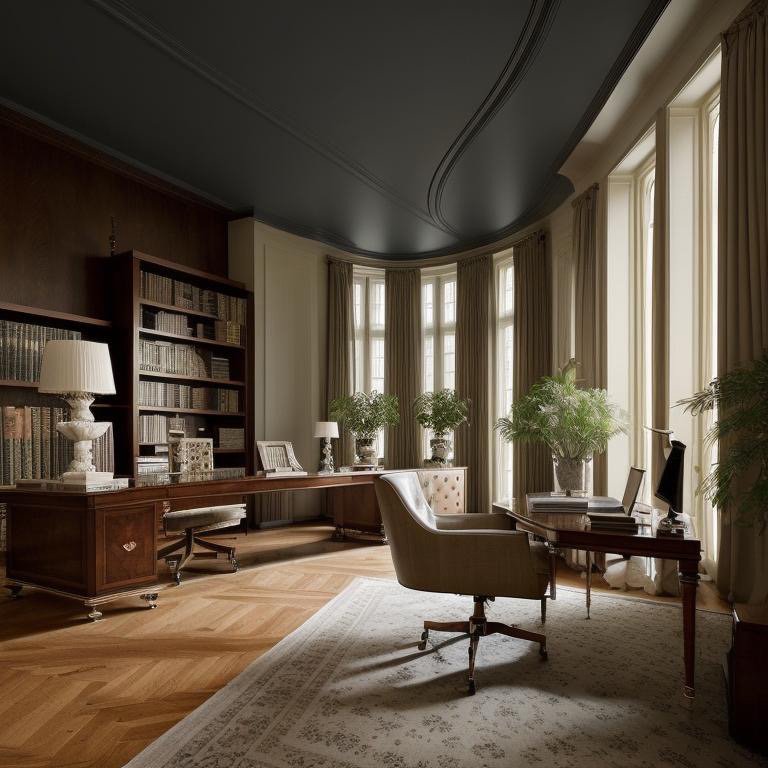
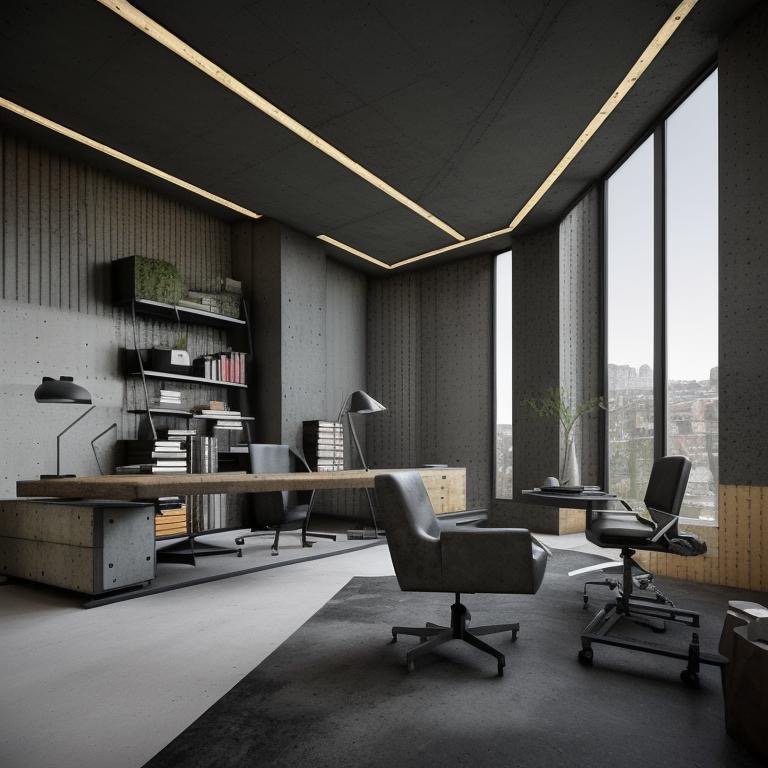
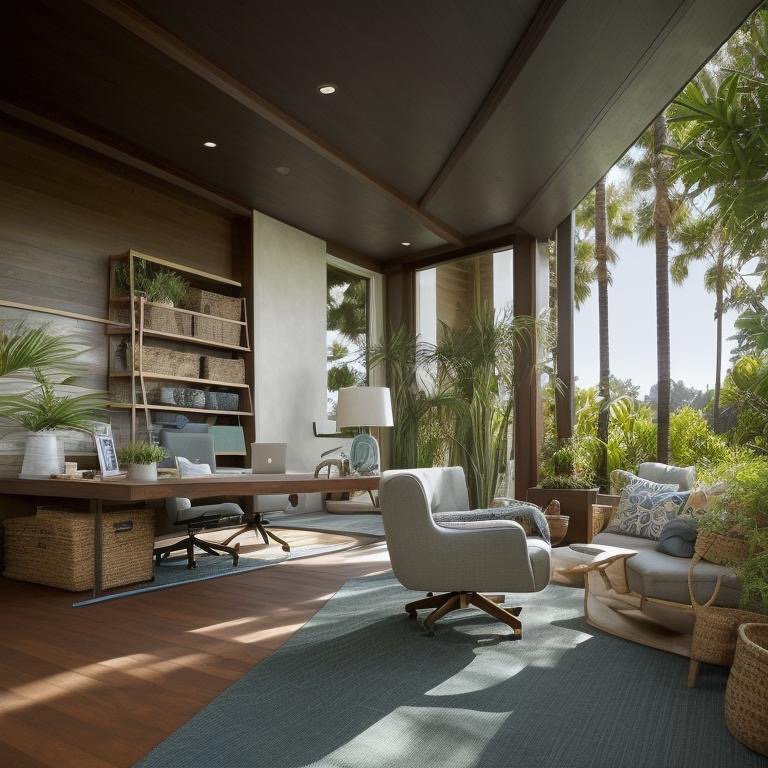
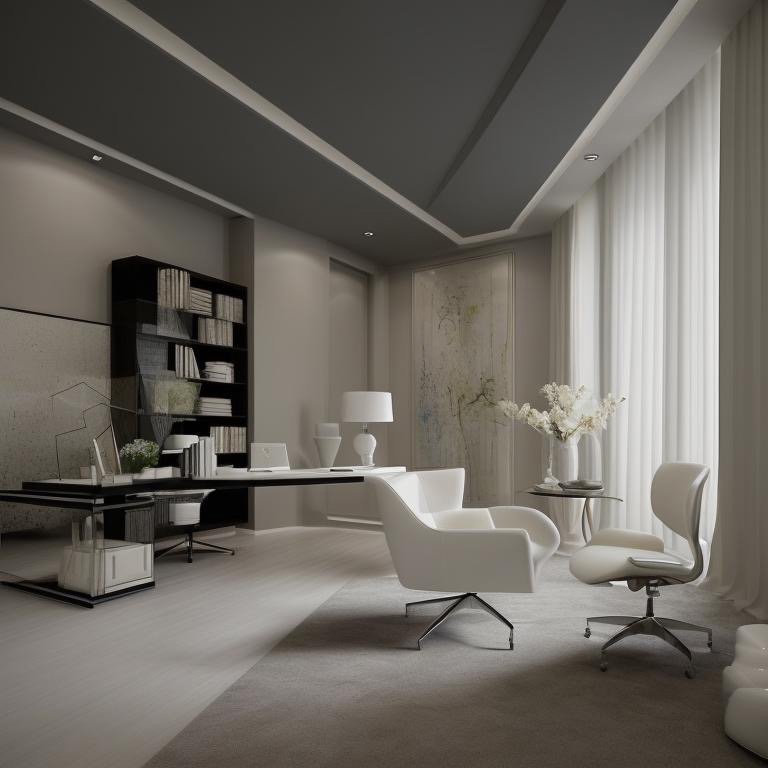
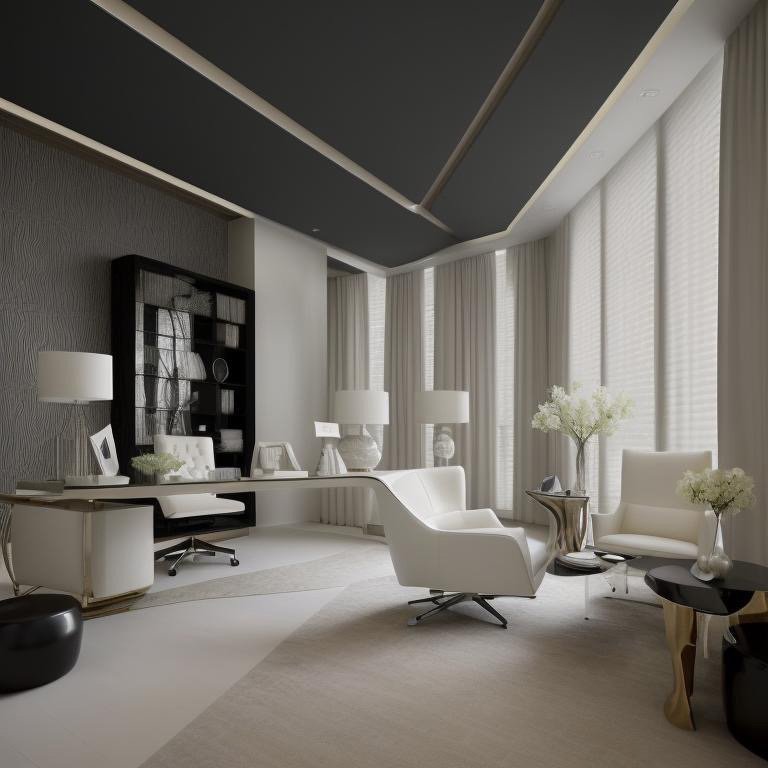
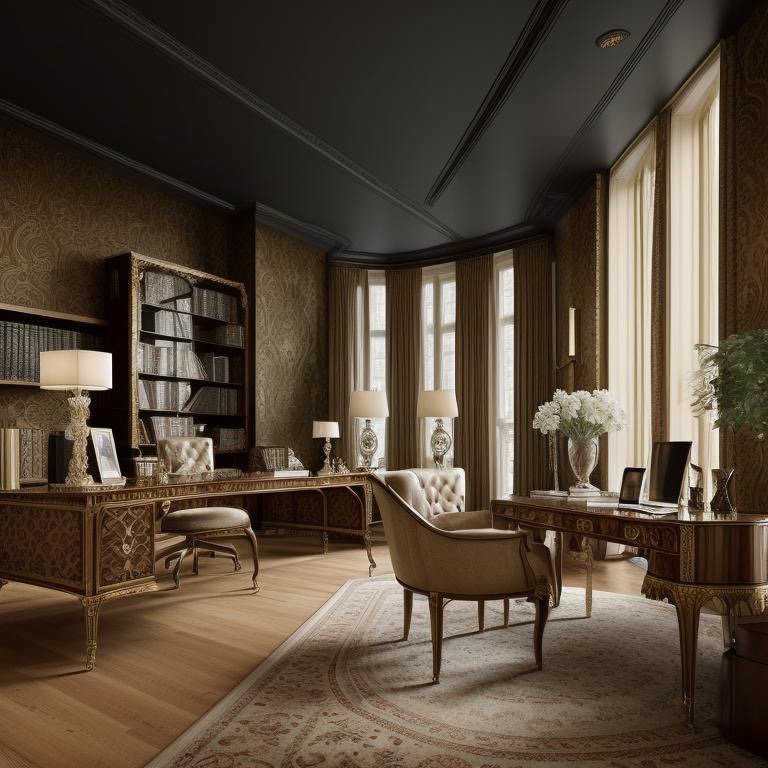
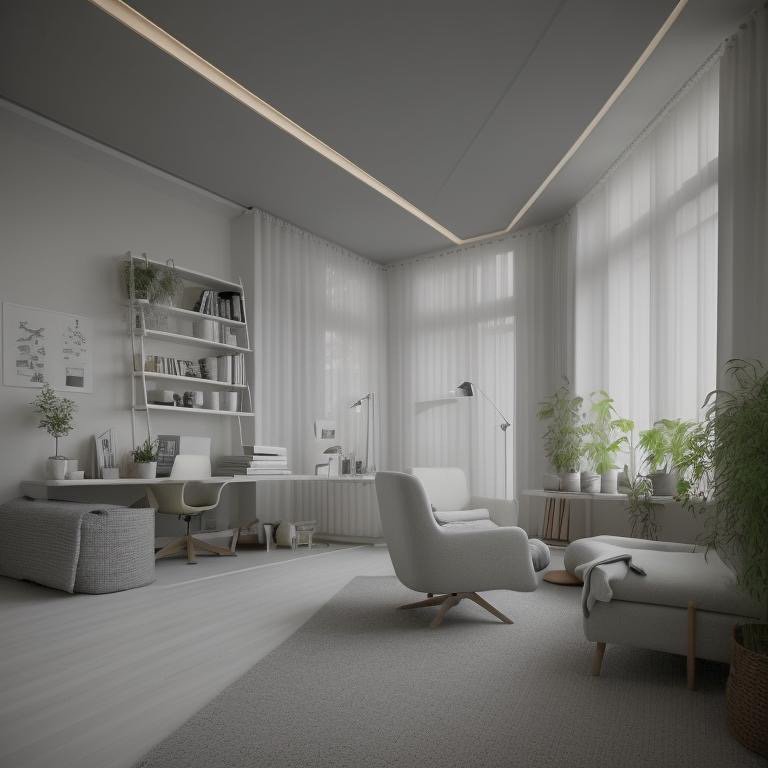
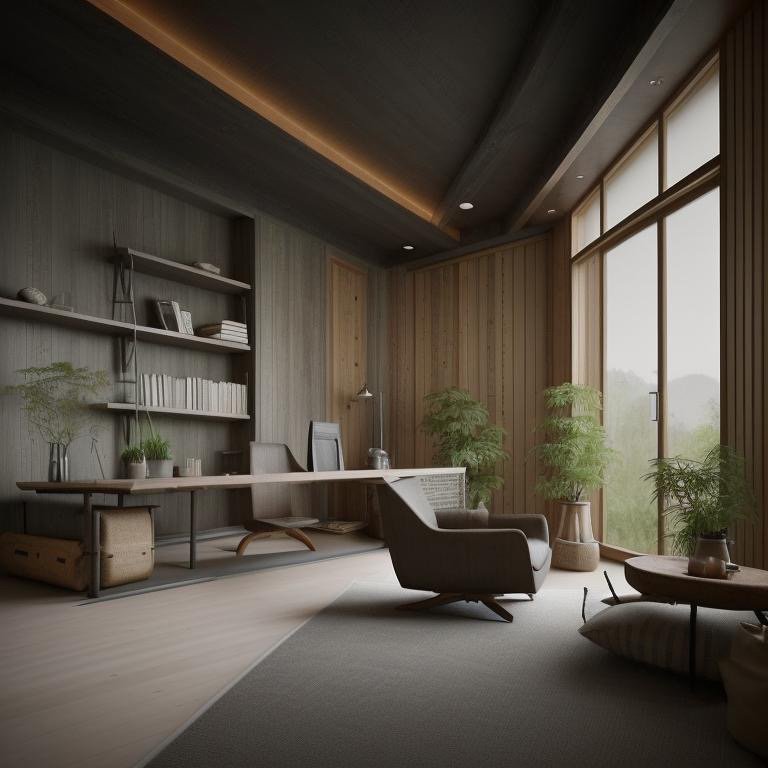
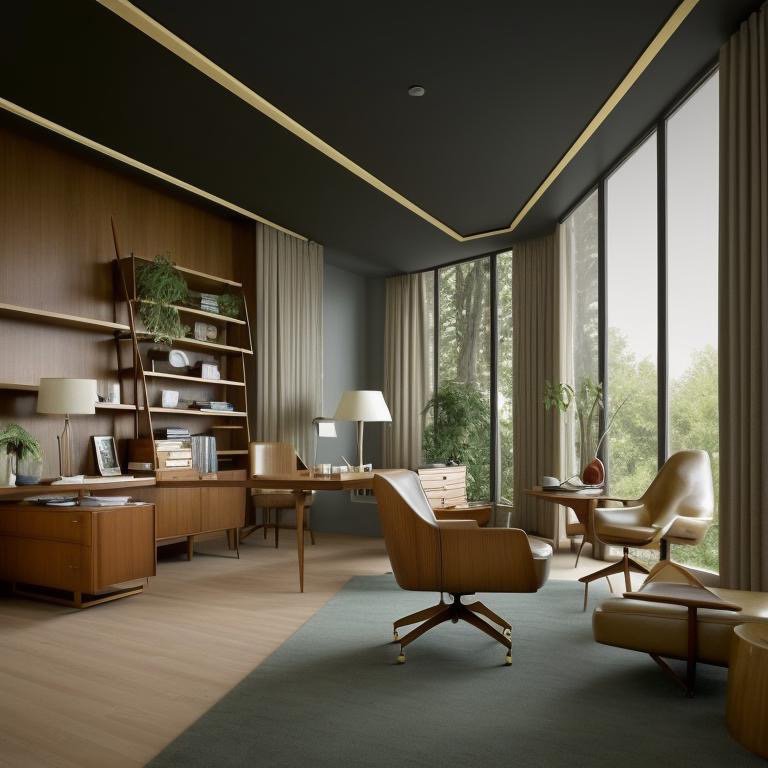
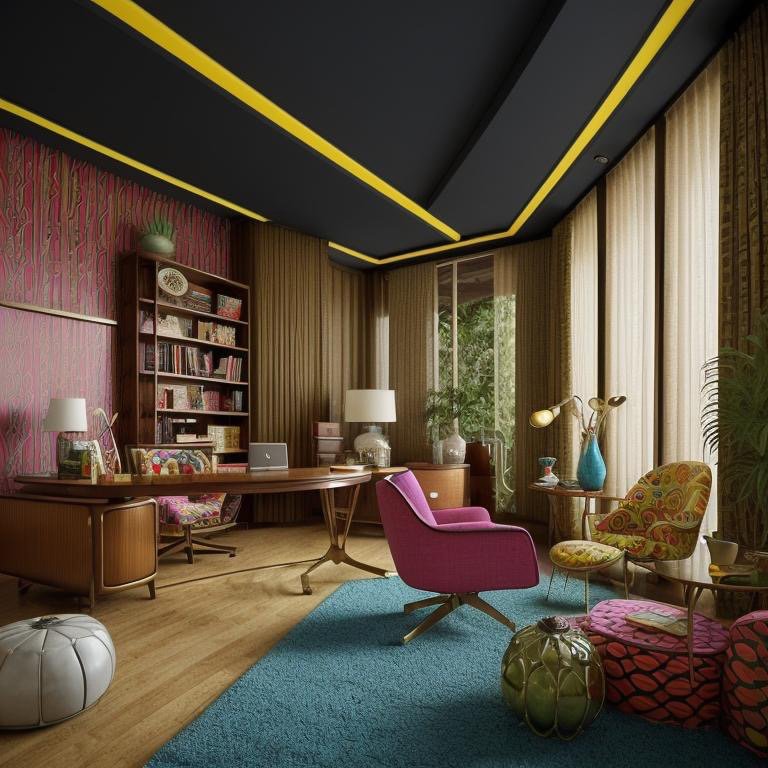
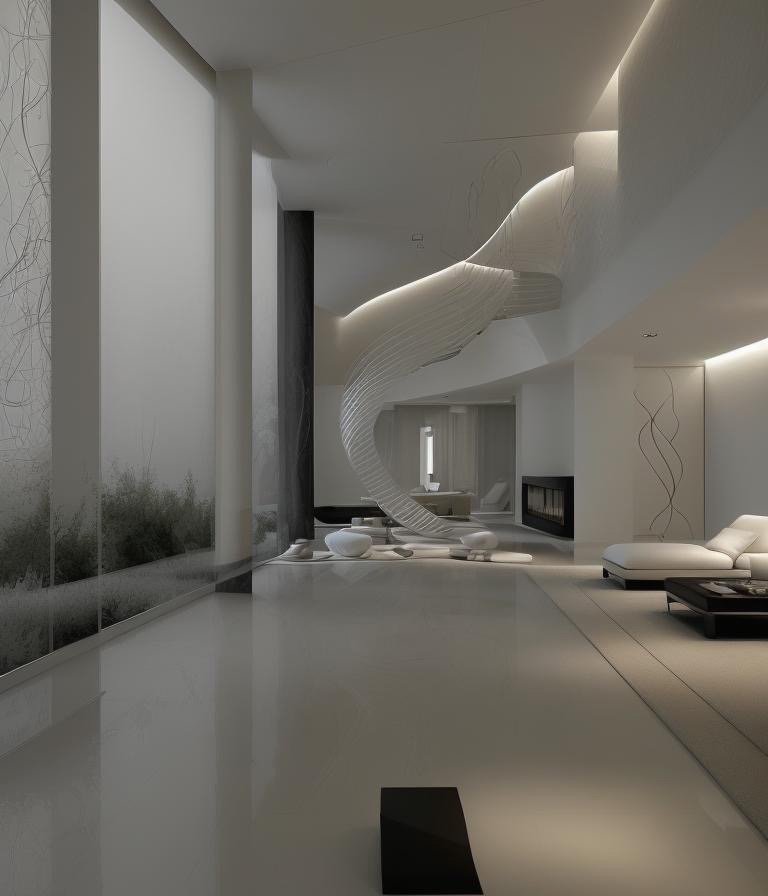
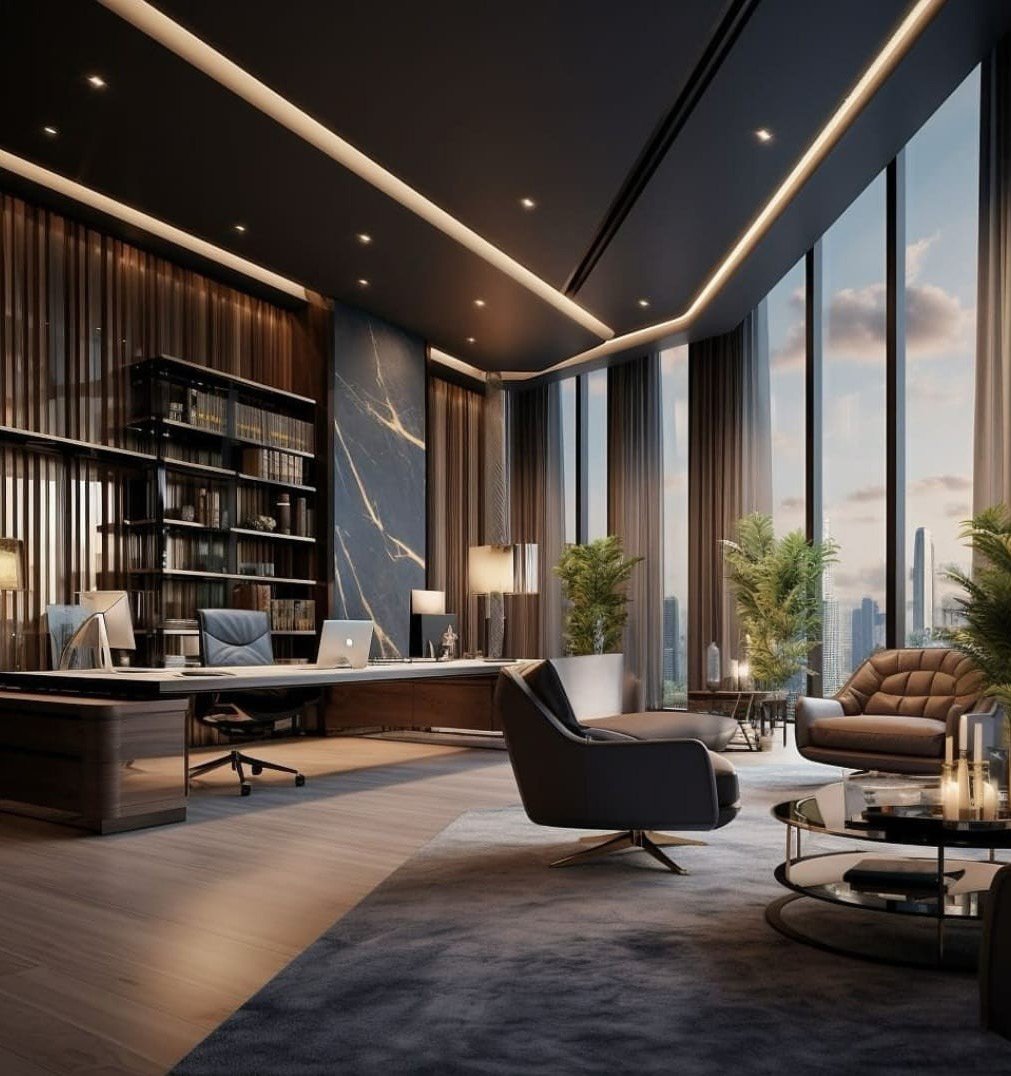
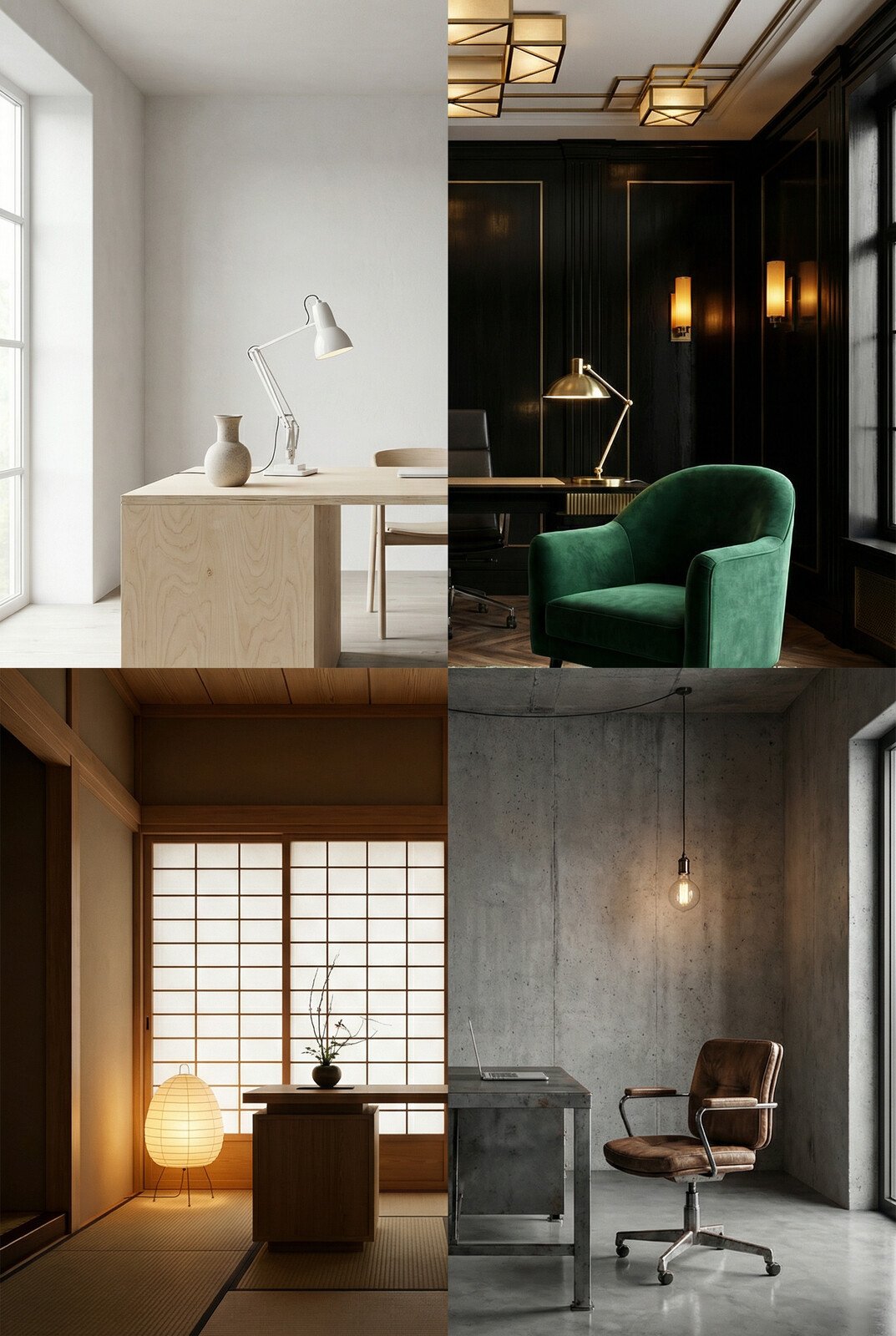
    Japandi office environment

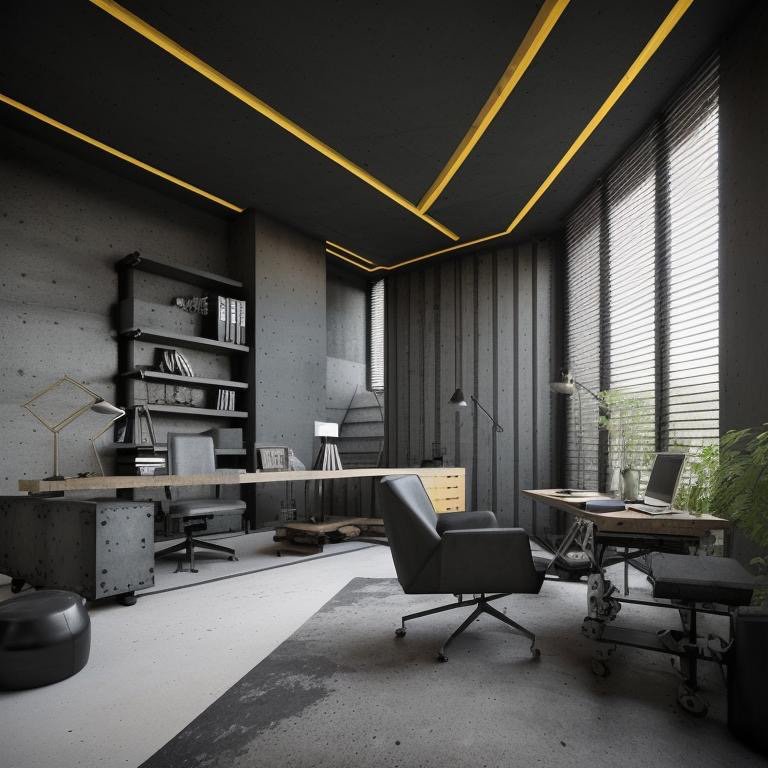
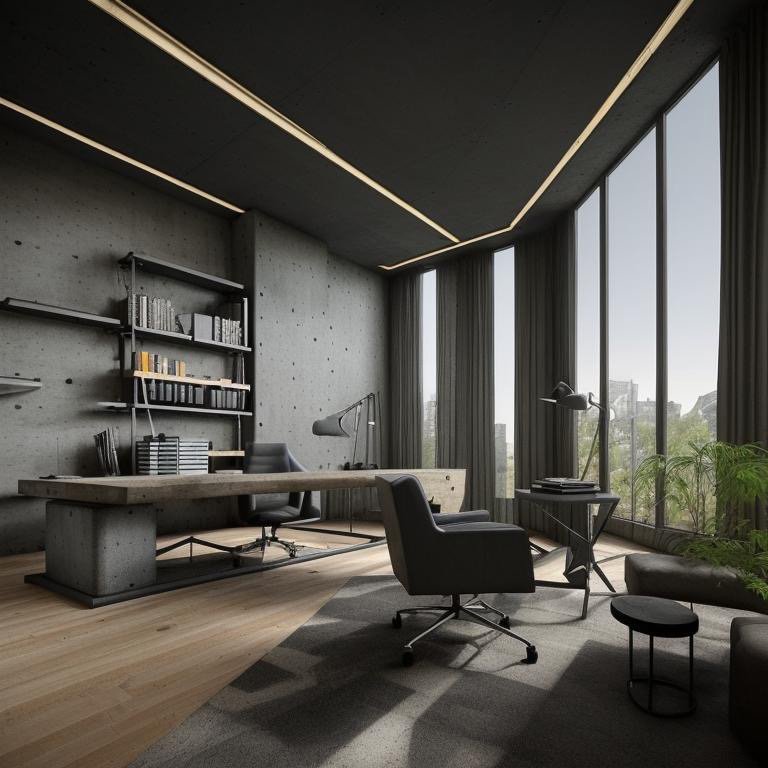
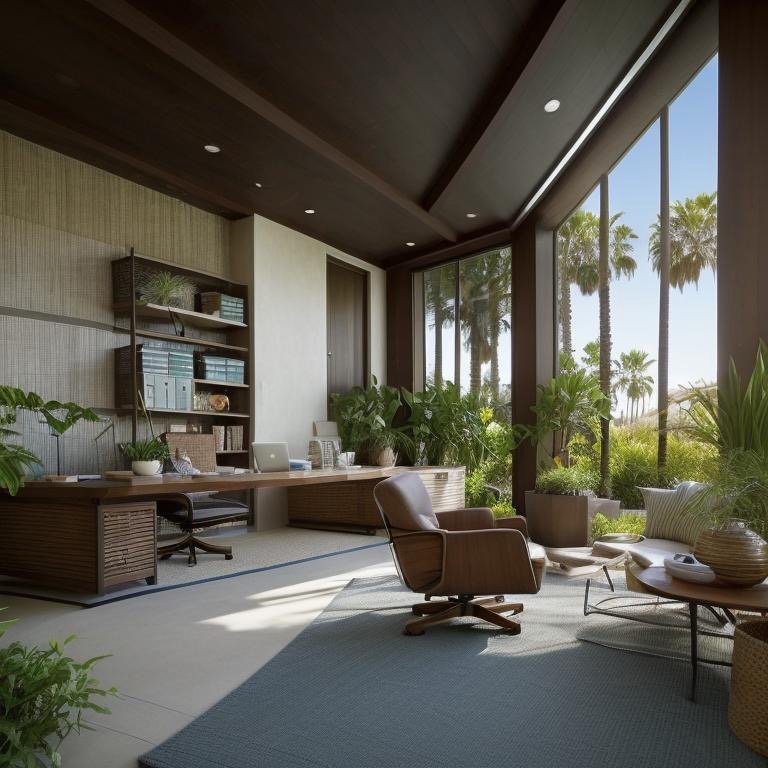
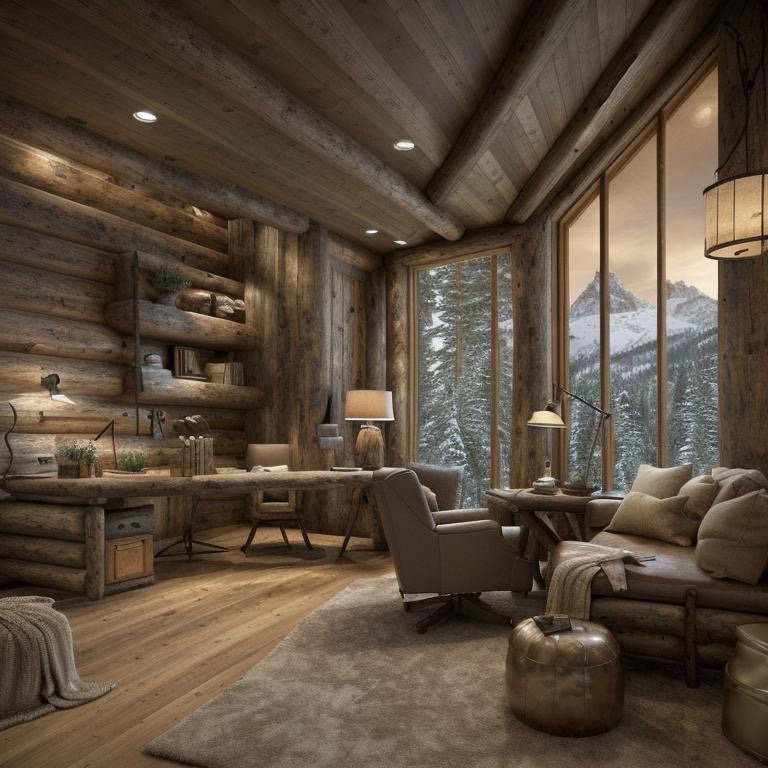
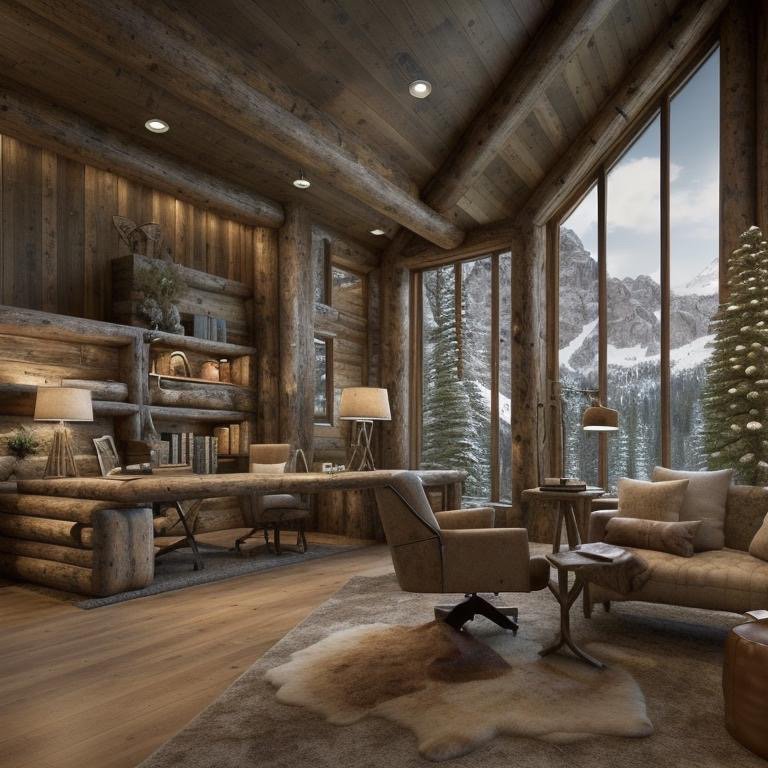
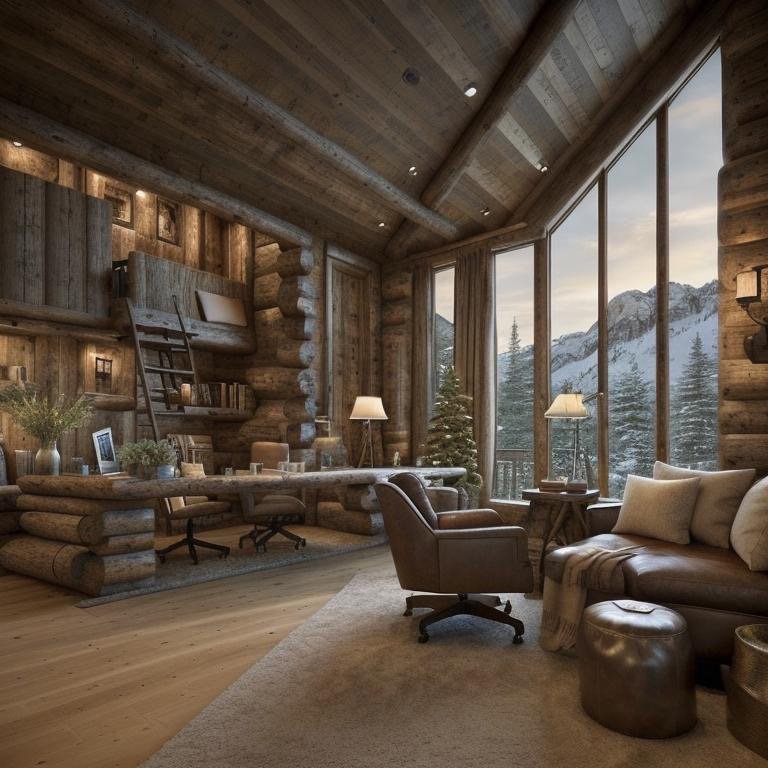
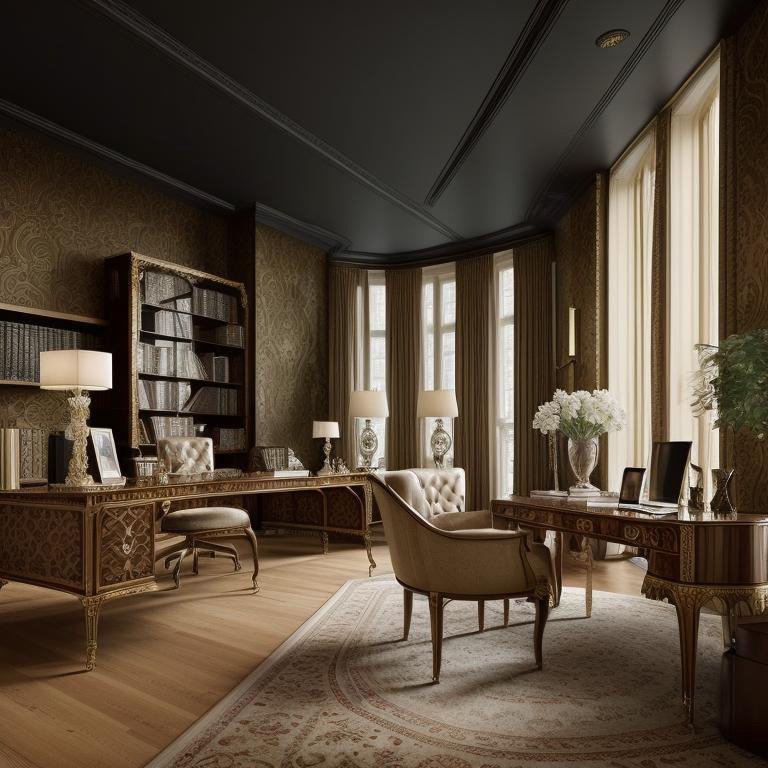
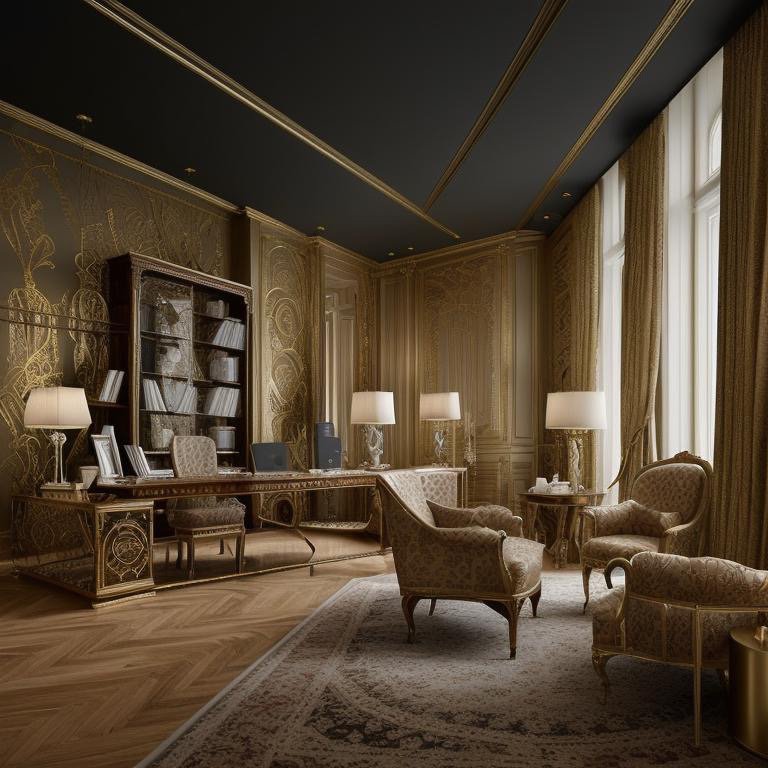
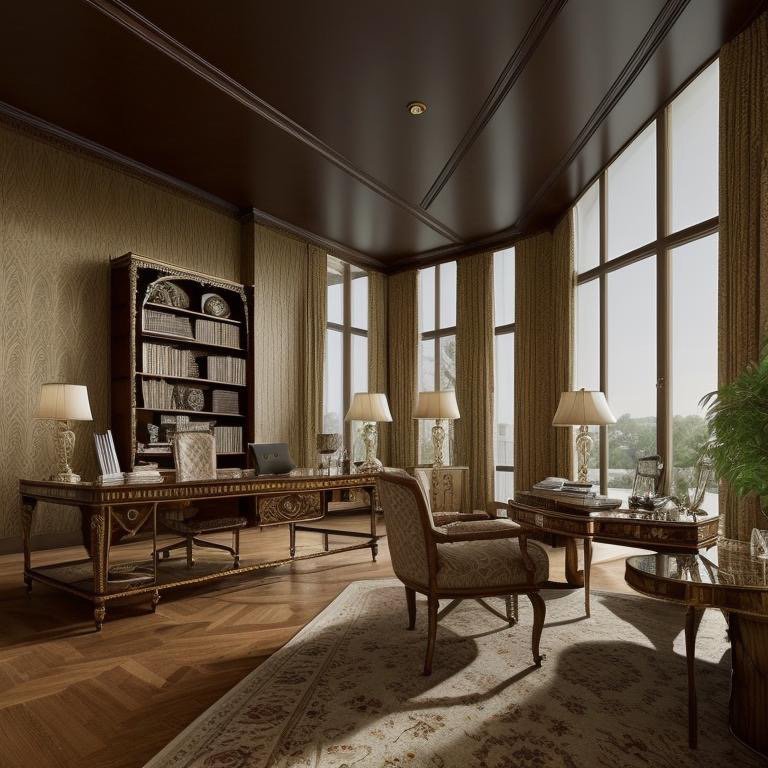
    Four rooms. One architecture. Four experiences. This is the revelation of Cinematic Intelligence™—not that it can make spaces more beautiful, but that it can make beauty mean something different. That it can tune a room to a specific quality of thought. That it can create spaces which don’t just exist, but which understand the humans sitting inside them.

    I entered these rooms without leaving my chair. And in each, I was met by a different version of myself.

    The Japandi Room

    The first thing I noticed was that noise left. Not sound—noise. Mental noise. The difference matters. The room was not silent; there was the sound of breath, the subtle shift of fabric, the almost-imperceptible hum of systems. But none of it cluttered. All of it fit inside the space that had been made for it.

    The wood was pale. Not white, not cold—pale the way certain disciplines become pale after decades of practice. Stripped down. Essential. The surfaces absorbed light rather than reflecting it, and the light moved differently because it had nowhere to bounce. It traveled the way light travels in museums, with intention and respect.

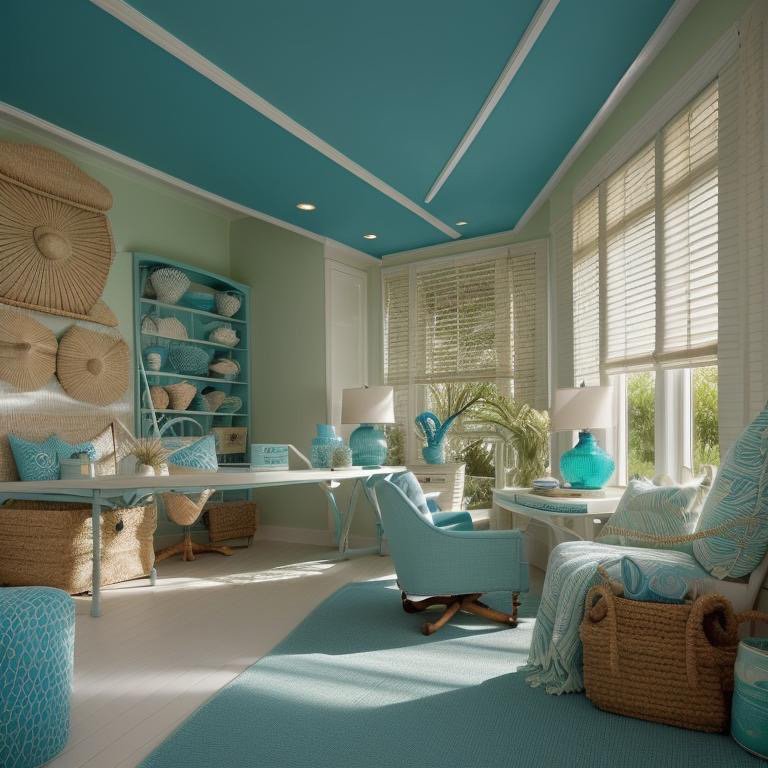
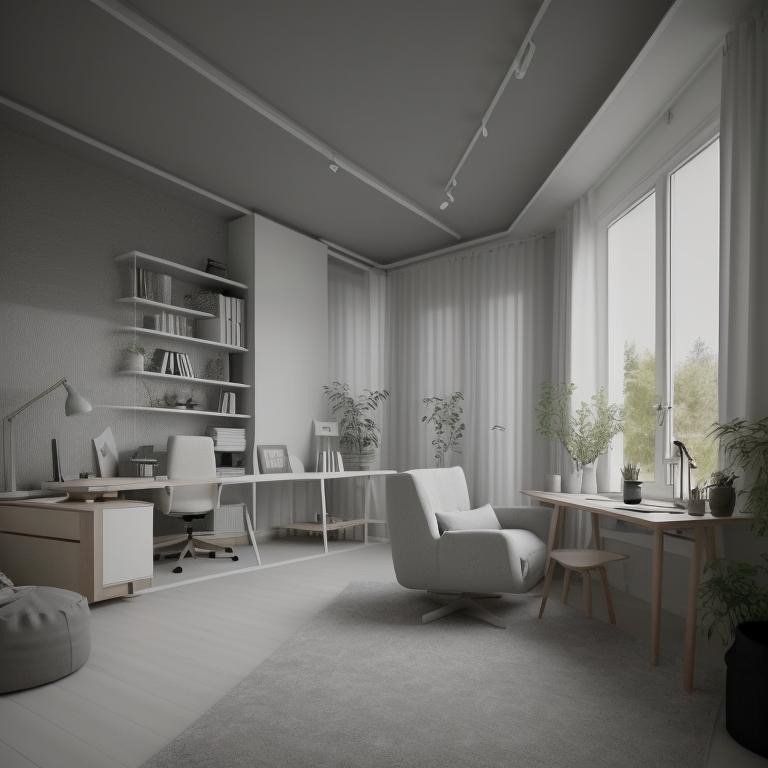
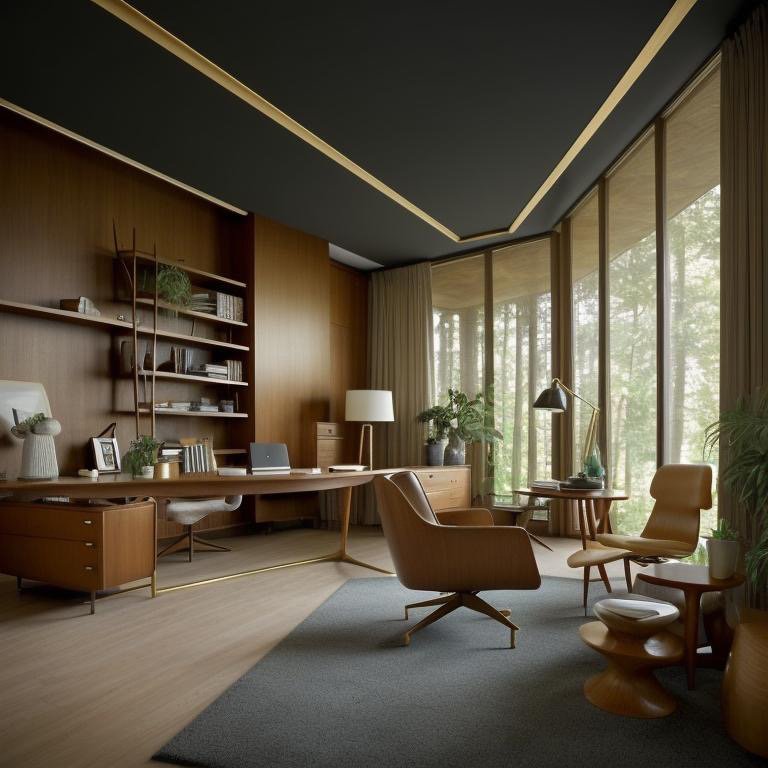
    Japandi office detail study

    Shadows softened everything they touched. Nothing had edges that pulled. Everything held attention gently, the way a considered silence holds attention. The proportions were not minimal—they were precise. The room knew exactly how much of itself to show and how much to keep private. And the effect was not restraint but clarity. My thinking became clearer because the room had stopped insisting that I think about it.

    A psychological state, not an aesthetic. This was a room where strategy matures quietly. Where decisions settle before they’re made. Where the person sitting inside understands, without being told, that some things deserve to be approached slowly. Not lazily. Slowly with purpose. The room did not inspire action. It cultivated judgment. And that distinction—between the space that makes you want to do things and the space that makes you want to think carefully about which things are worth doing—is the difference between rooms that serve function and rooms that serve purpose.

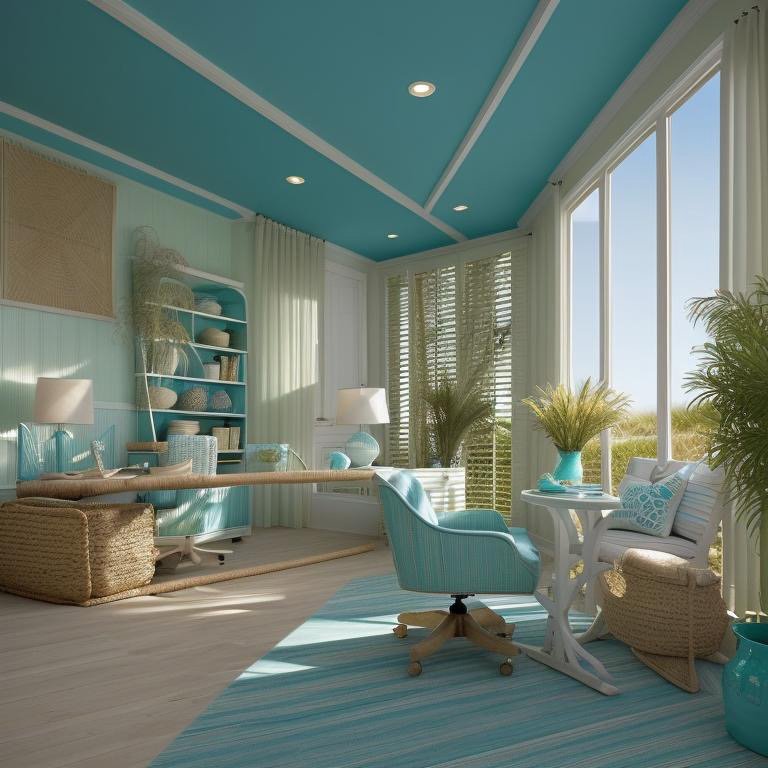
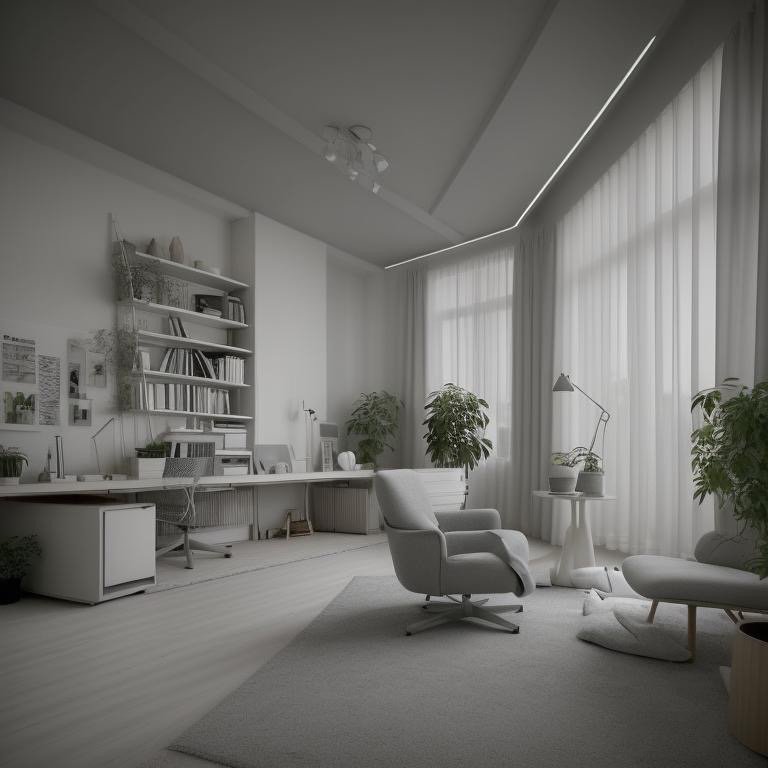
    Japandi spatial relationships

    I sat there and became someone slightly more thoughtful. The room didn’t demand it. It just made that version of myself more available.

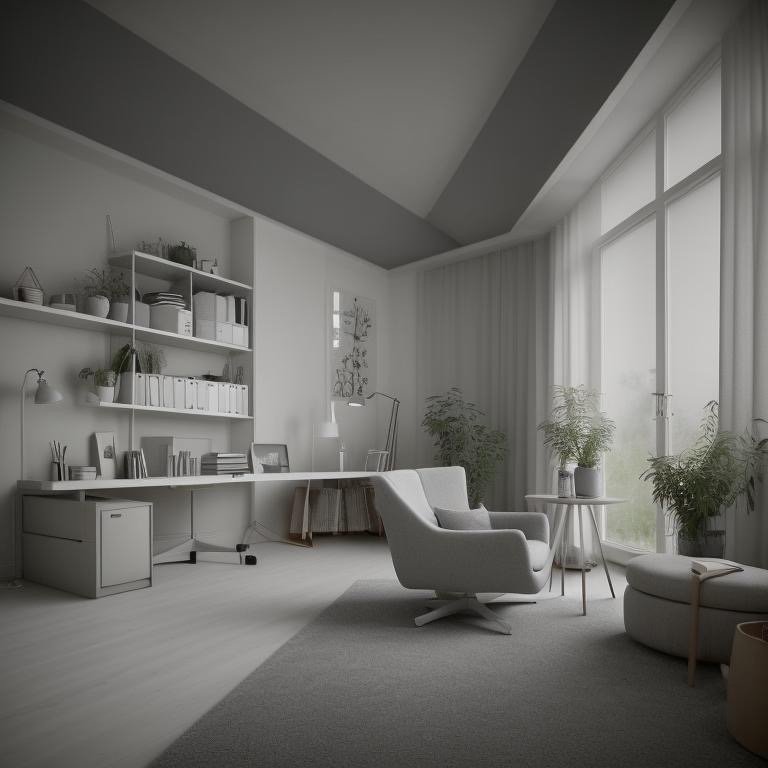
    Japandi light and material study

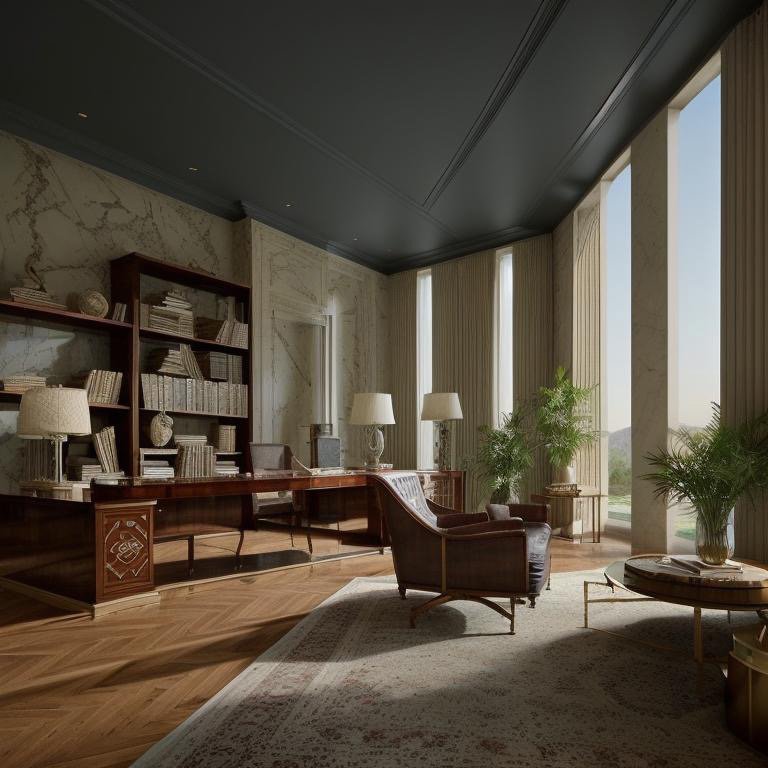
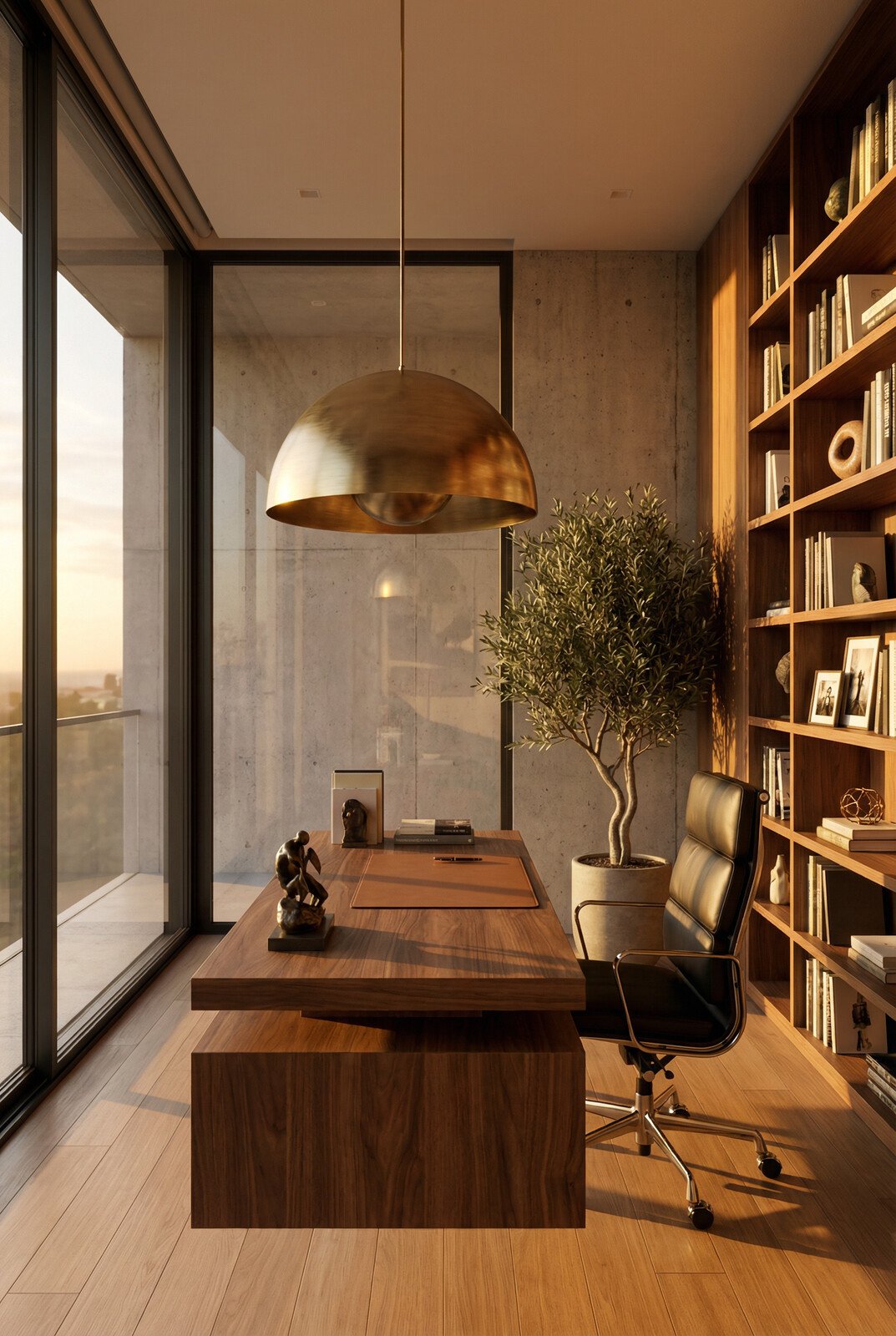
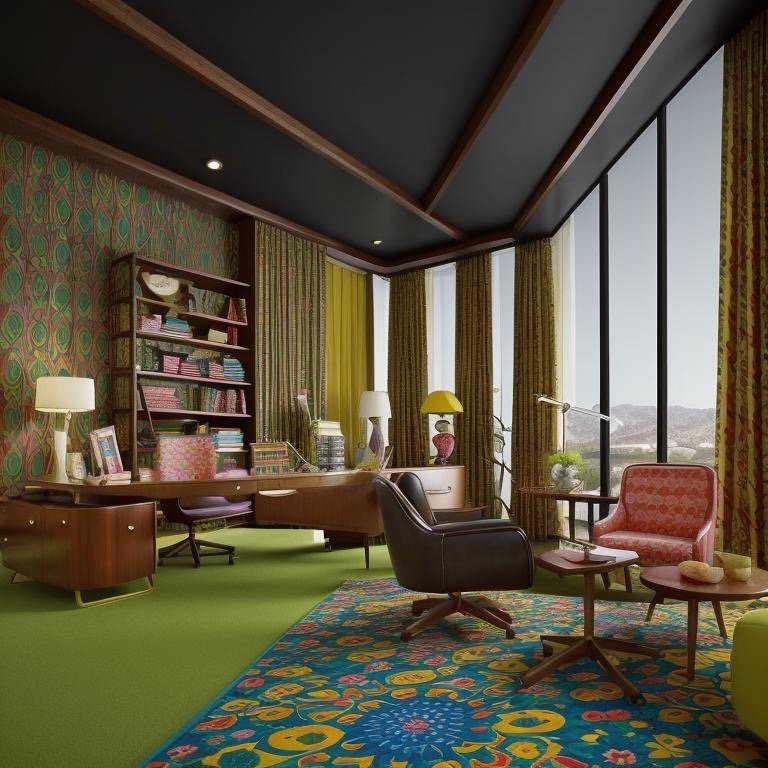
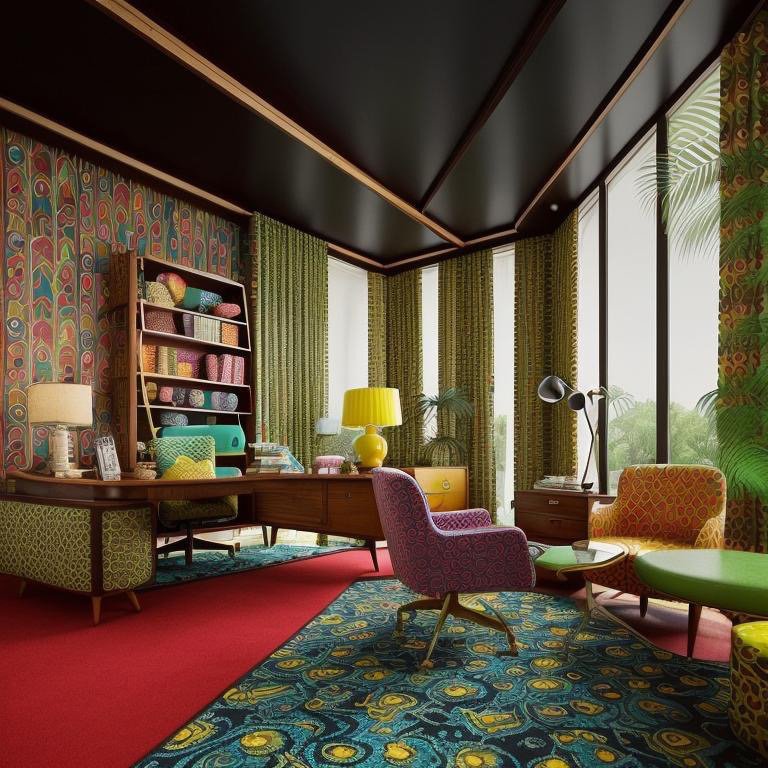
    The Mid-Century Modern Room

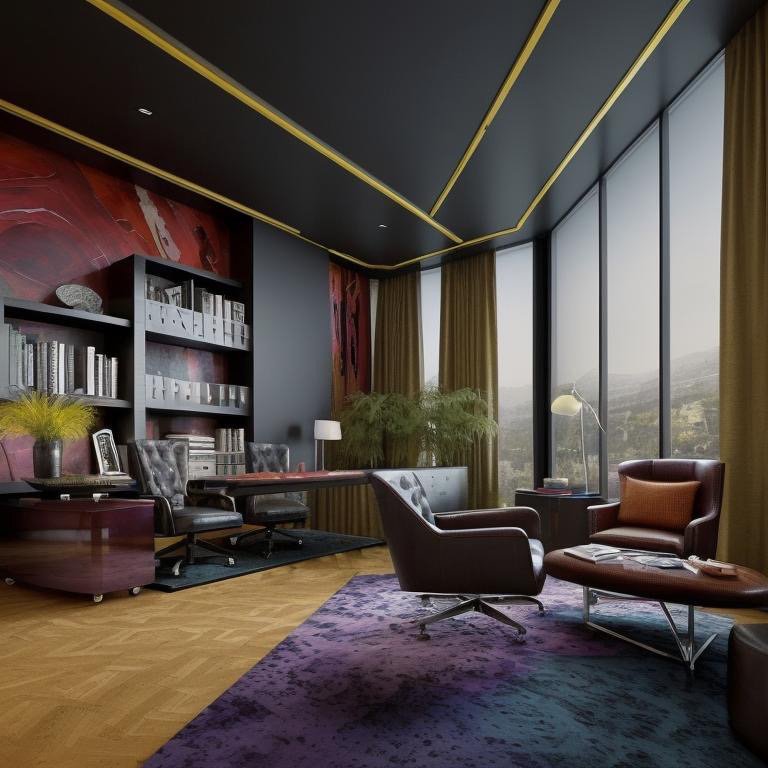
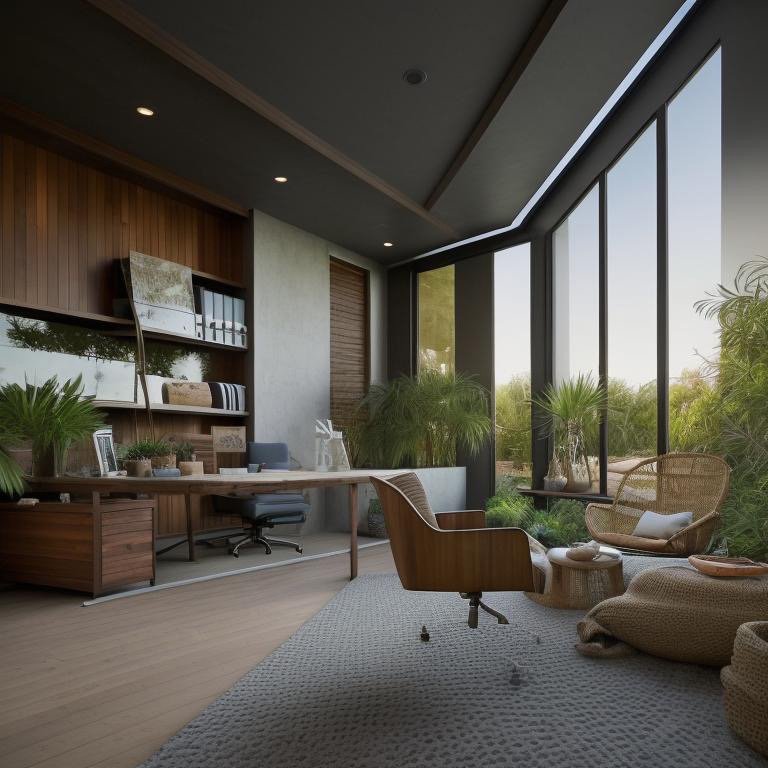
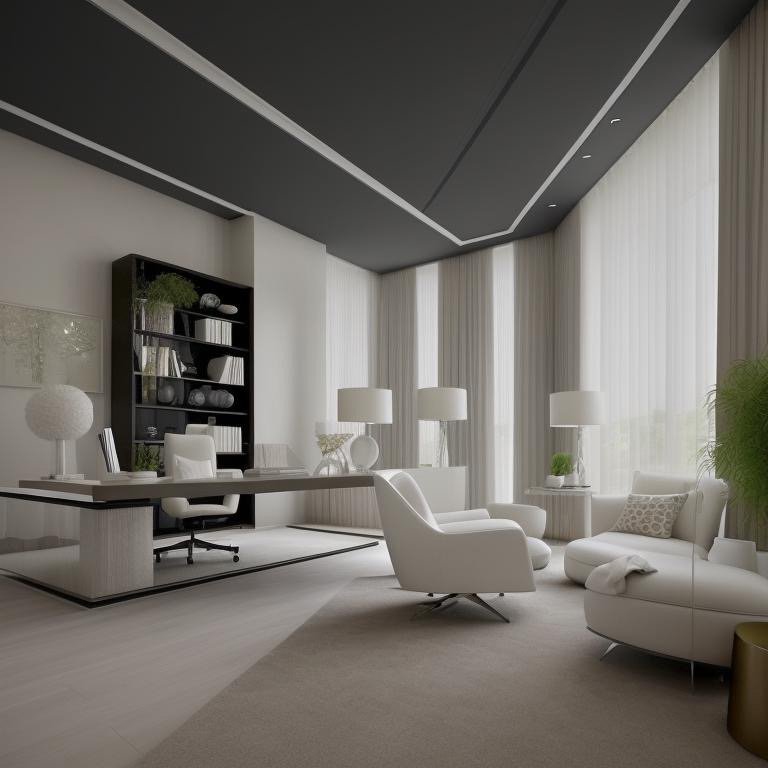
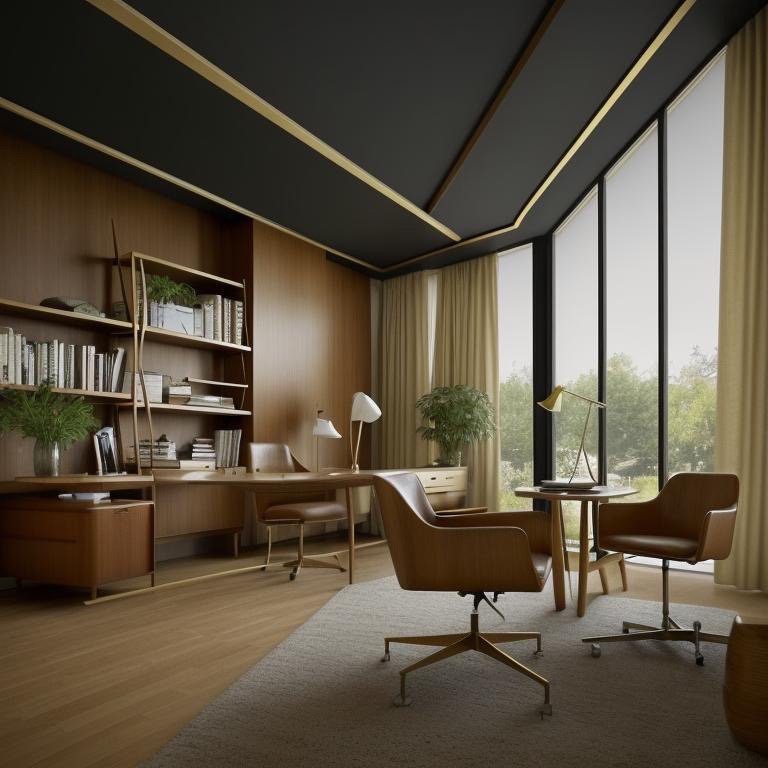
    Then I moved to another version of the same space. The Japandi room had softened me. This one aligned me. Geometry asserted itself immediately. Not aggressively—asserted. The furniture felt engineered. Each piece knew its purpose and its proportions with such precision that you couldn’t imagine them being different. The wood was warm but not sentimental. Disciplined warmth. The kind of warmth that serves a function.

    Lighting clarified rather than flattered. It made edges visible. It made choices visible. The room supported decision-making not because it was stark, but because it refused to hide anything. Every surface made its argument. Every angle suggested efficiency. The proportions were not arbitrary. They appeared to emerge from a logic that, if you understood it, would make you more capable of making good decisions yourself.

    Mid-Century Modern office environment

    Operational confidence made visible. This was a room for executives who understand that clarity is power. Not the clarity that comes from minimalism, but the clarity that comes from knowing exactly what everything is supposed to do and making sure it does that one thing excellently. The person sitting in this room was not encouraged to be thoughtful about strategy. They were assumed to already know strategy. The room’s job was to make action efficient once strategy was clear.

    I sat there and became someone more capable. Not more inspired. More capable. The room had stripped away the part of me that questioned and made visible the part of me that could execute. And the confidence that came from that amplification was almost intoxicating. This is what it feels like to work in a room that believes you can handle the truth.

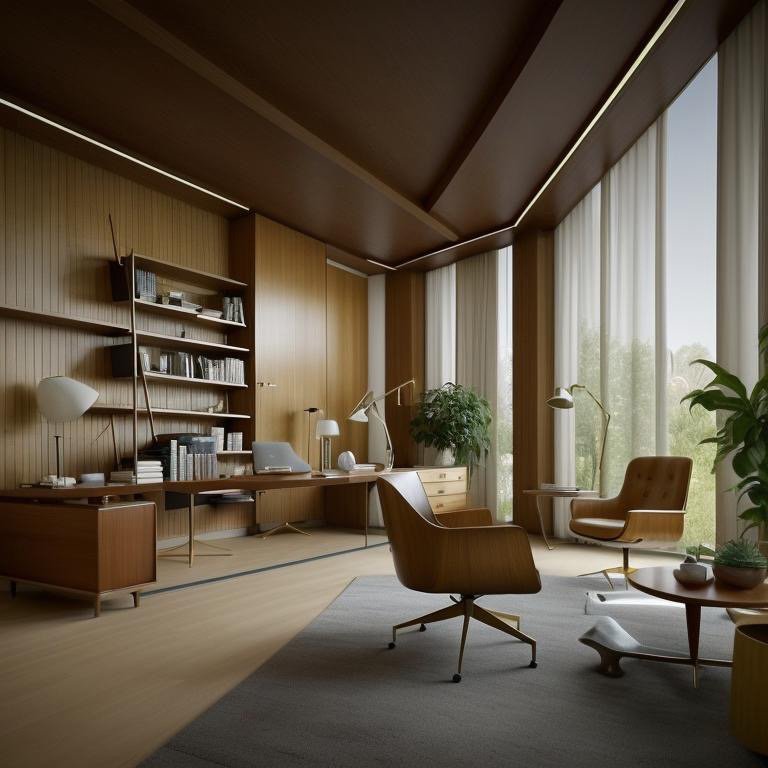
    Mid-Century Modern structural clarity

    Mid-Century Modern proportional study

    Mid-Century Modern material precision

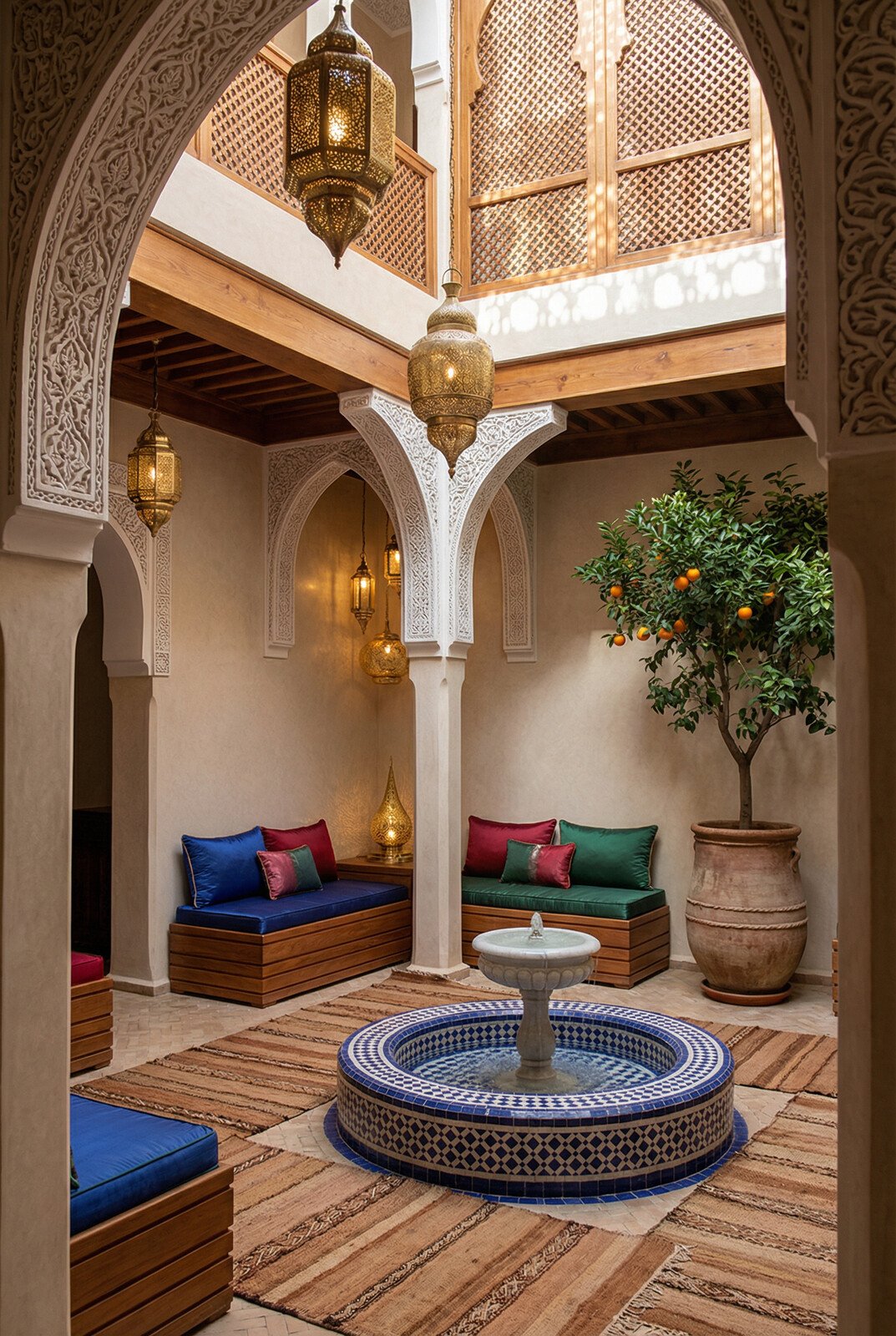
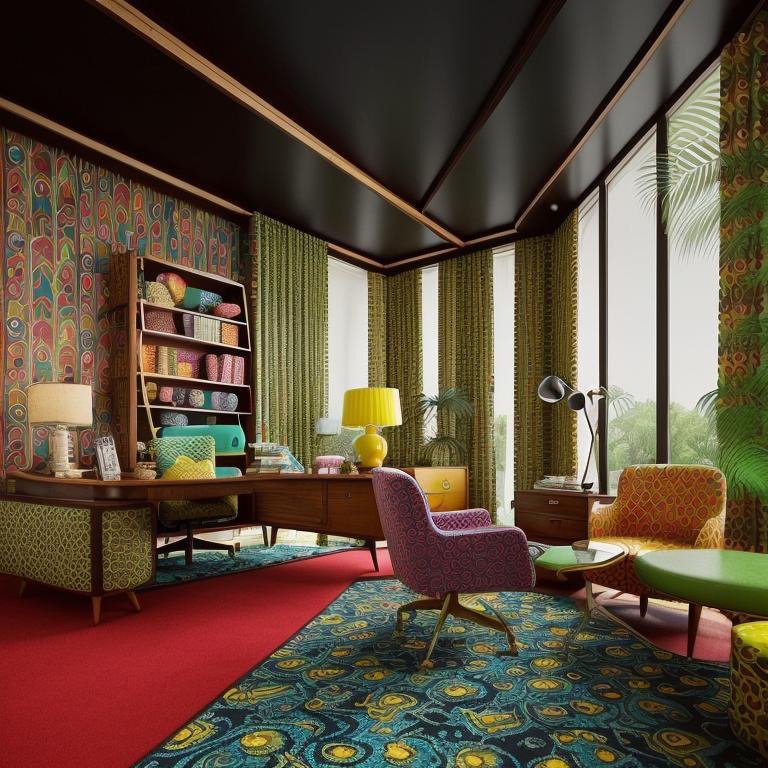
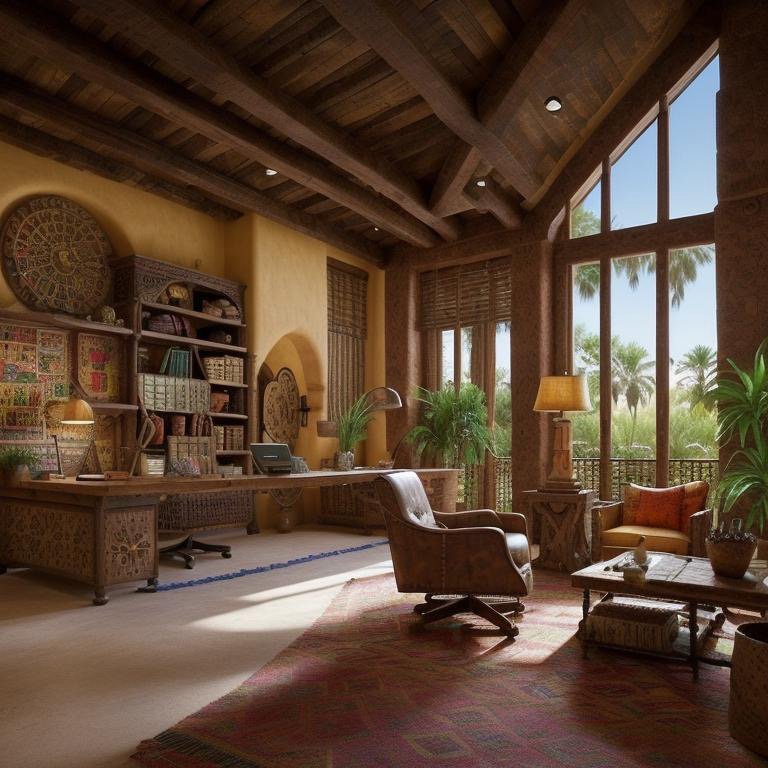
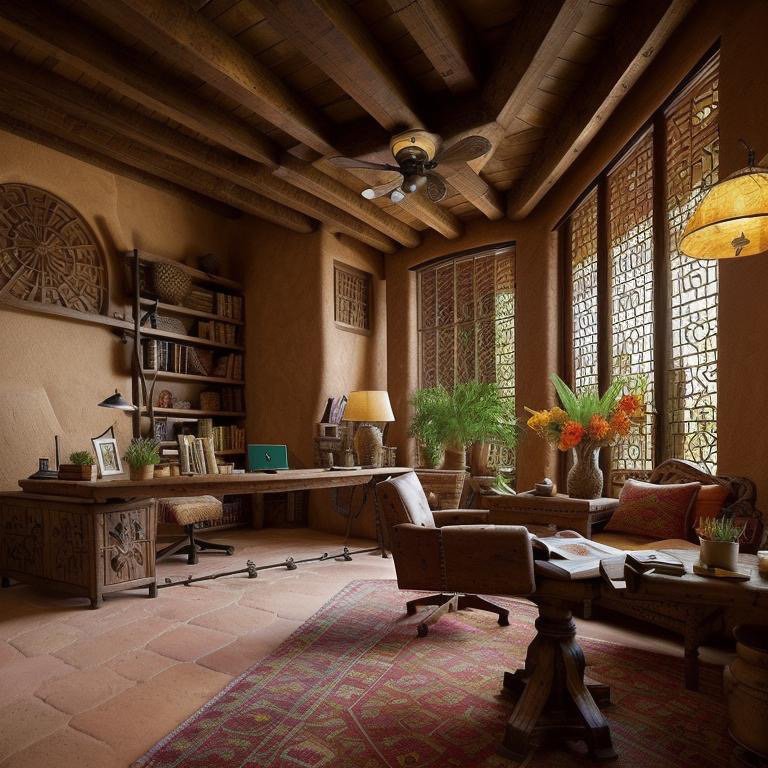
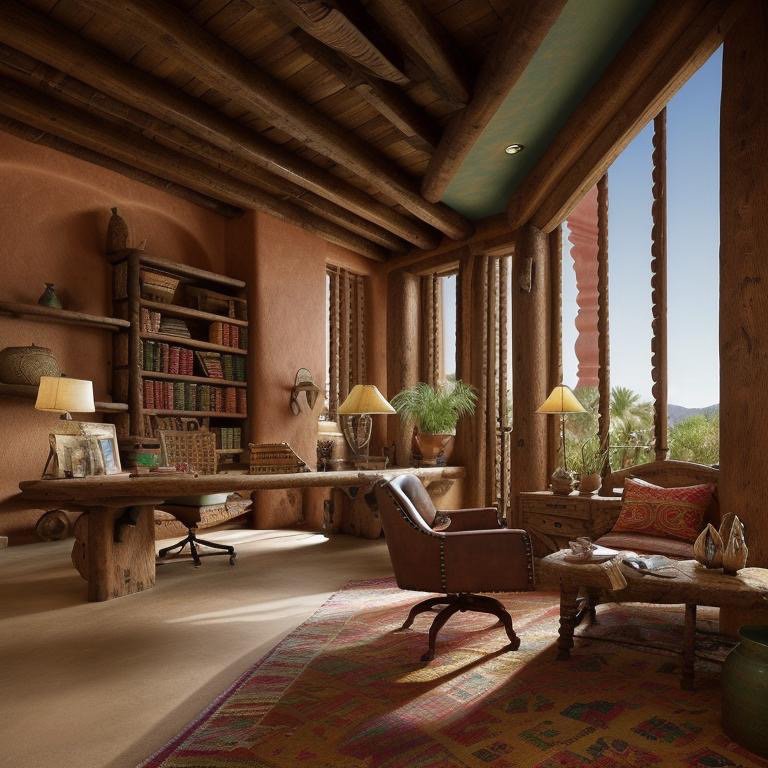
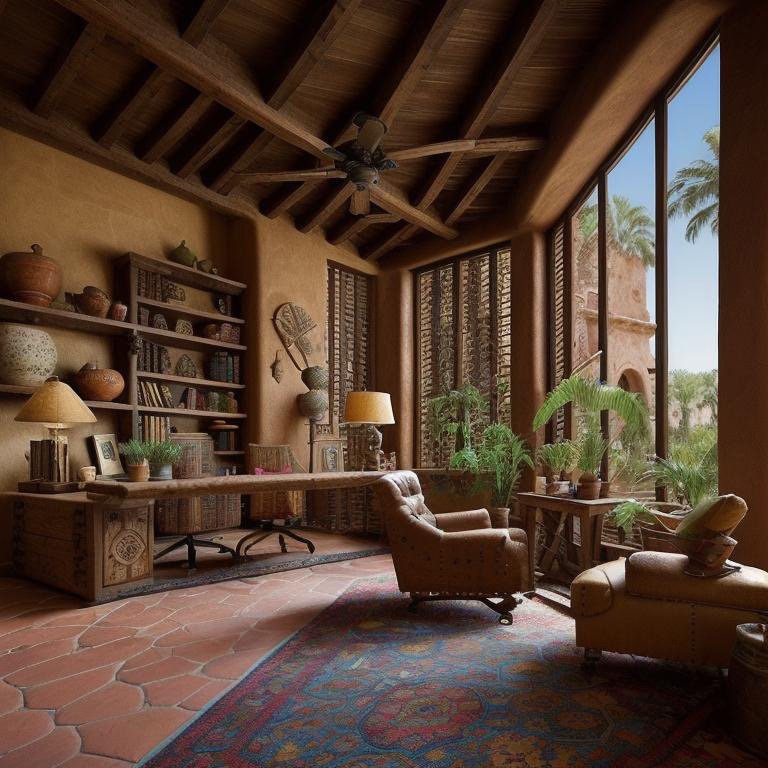
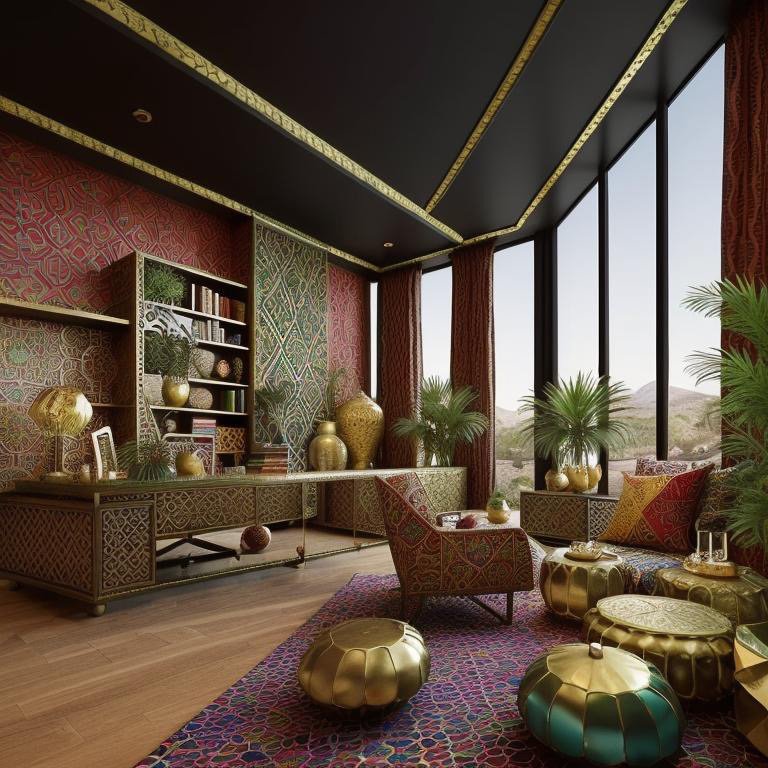
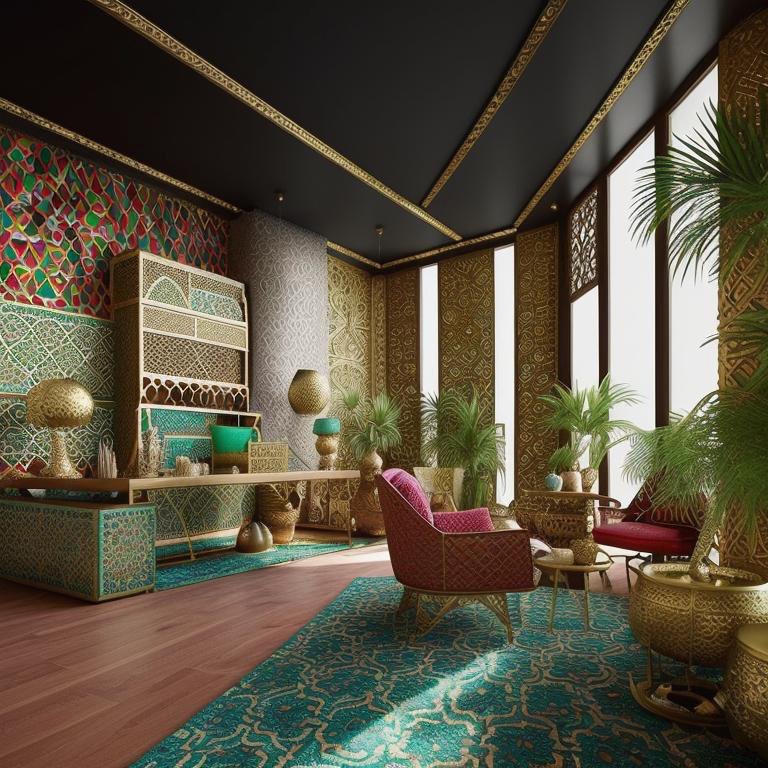
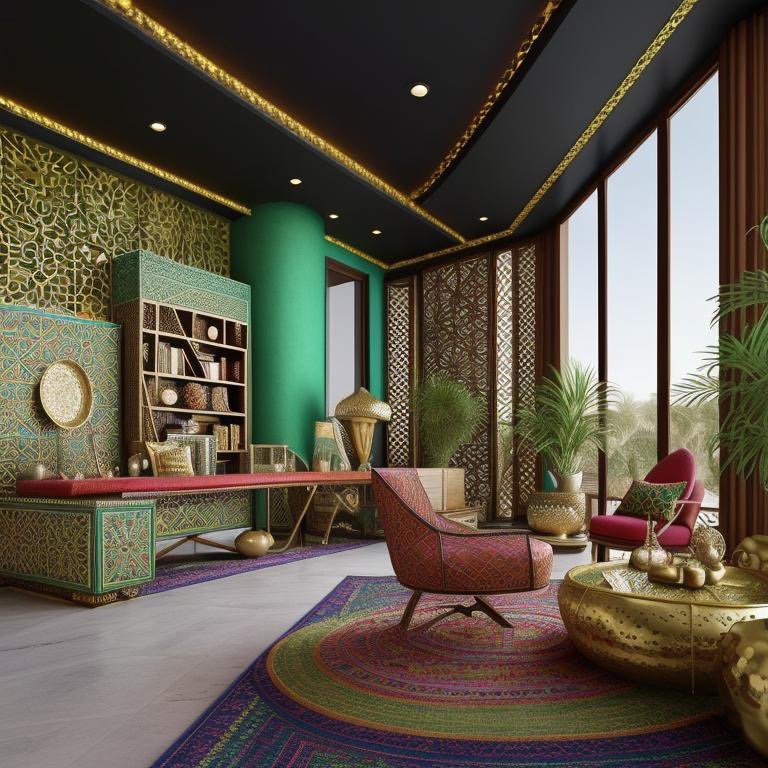
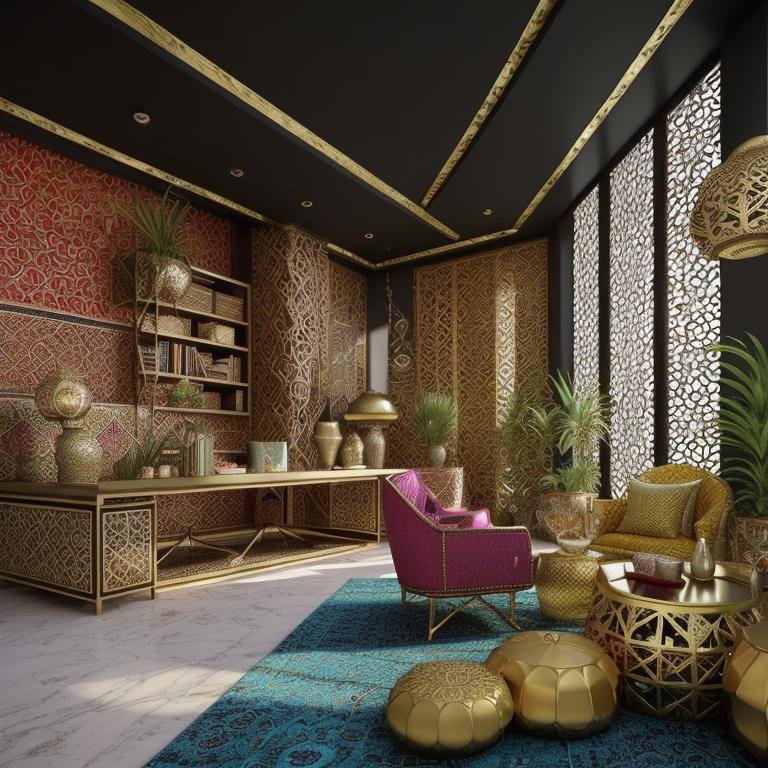
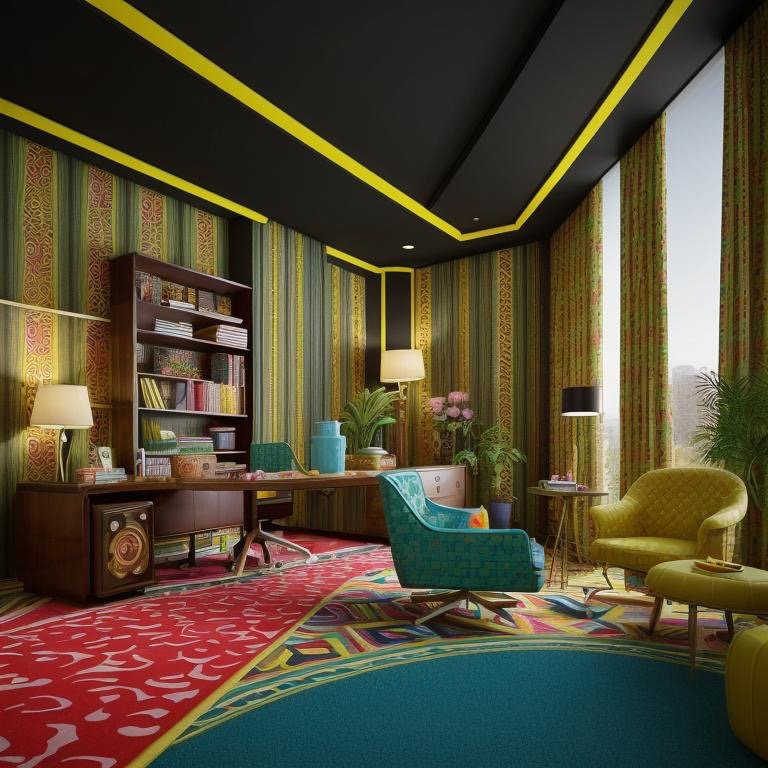
    The Moroccan Room

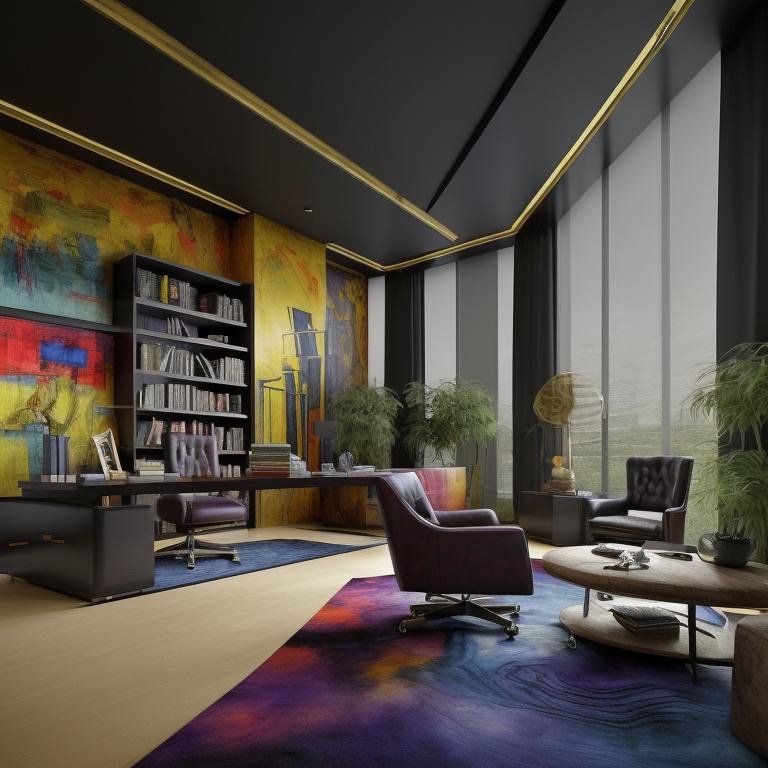
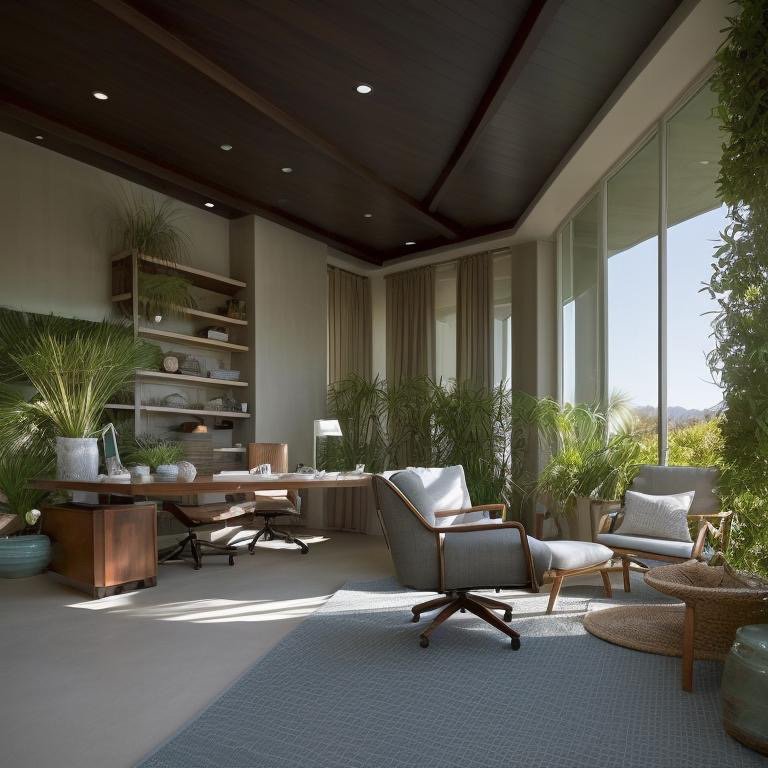
    The third room welcomed differently. The temperature seemed to shift—not in fact but in intention. The space was warmer in the way intentions are warmer than facts. Texture surrounded me. Not chaotically. Carefully. Each pattern held its own logic, and the logistics together created a kind of visual conversation. One element would speak, and another would answer, not in imitation but in a language they shared.

    Light filtered low and directional, the way light filters through fabric in a marketplace. It arrived prepared, not raw. And the effect was not dimming but refinement. You could see less of the room, but what you could see was more coherent. The eye traveled along a path the light had made for it.

    Moroccan office warmth and texture

    The curves in the space encouraged something I hadn’t felt in the other rooms: conversation. Not with myself, not with the room, but with anyone who sat beside me. The geometry was not assertive or softening. It was receptive. The space leaned inward as though listening. As though it understood that some of the best thinking happens when two people sit together and talk about what matters.

    The room didn’t demand clarity or judgment. It created conditions where clarity could emerge through dialogue. It honored both precision and intuition. The aesthetic was rich but never chaotic. There was order underneath, holding the visual abundance in place. This was a room for people who understand that progress isn’t always aggressive. That sometimes the fastest way forward is the one that invites others to move with you.

    Moroccan curved spatial relationships

    Moroccan textile and pattern integration

    I sat there and became someone more open. Not more vulnerable—more open to being changed by proximity to others. The room had created space for that. Not as a softness or an escape, but as a sophisticated understanding that some decisions are better made together, and some insights only arrive through conversation.

    Moroccan detailed aesthetic

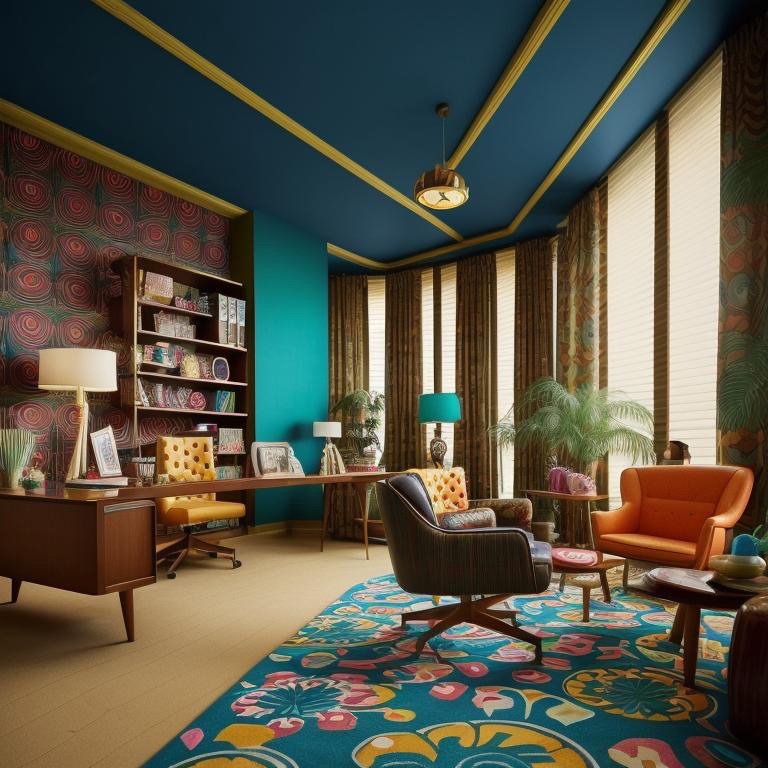
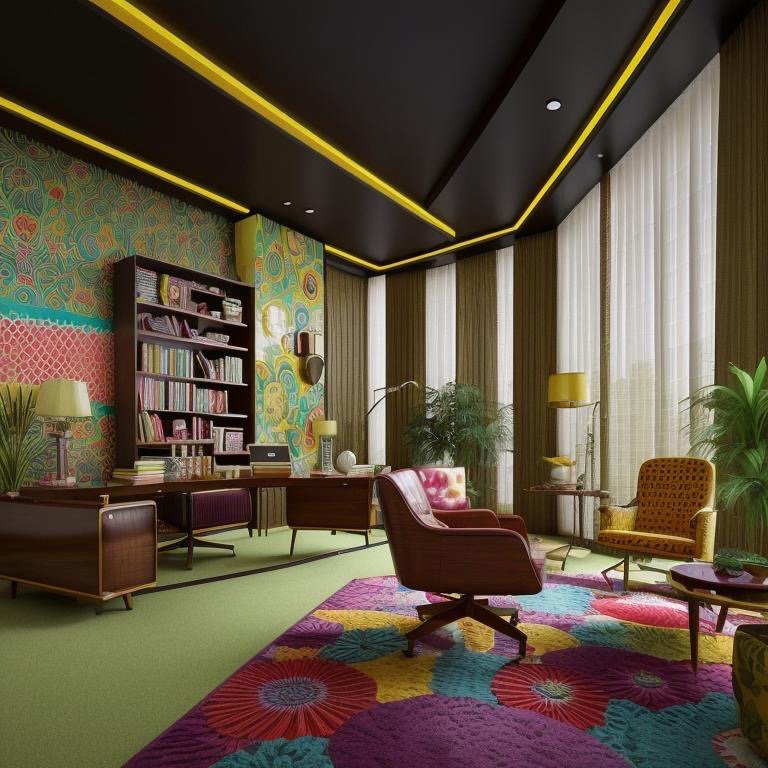
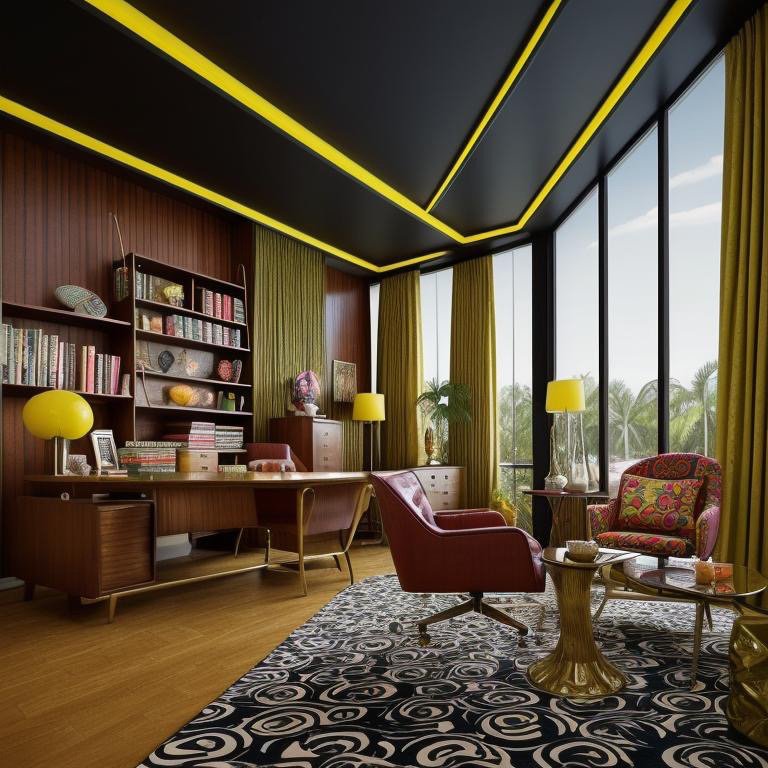
    The Retro Room

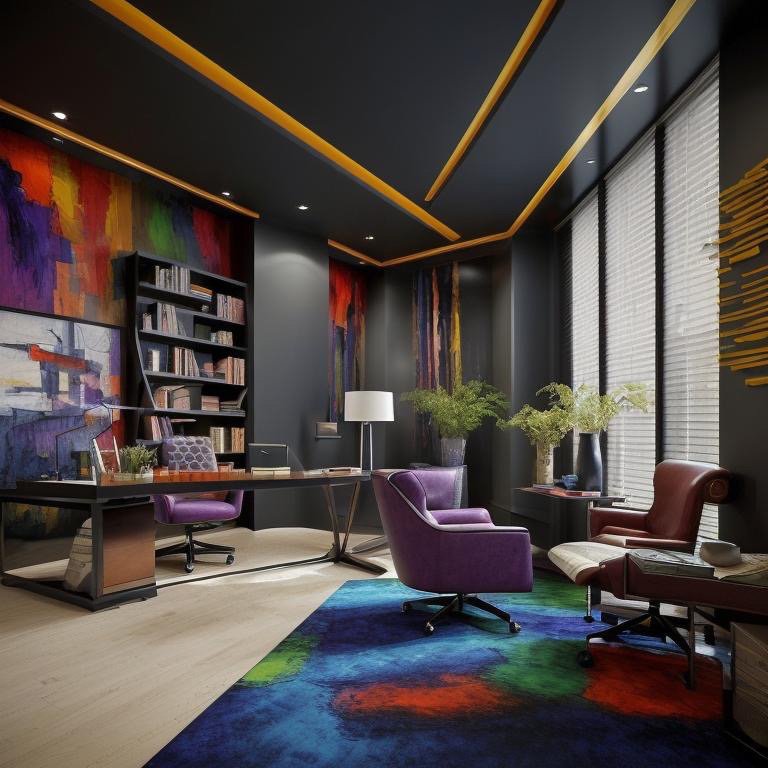
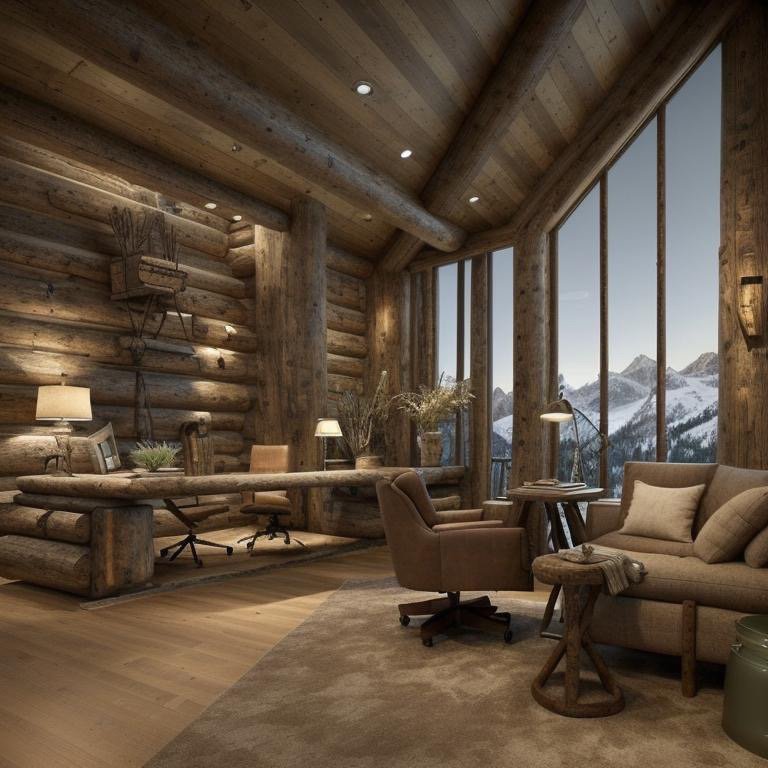
    I expected nostalgia in the fourth room. I found memory instead. There’s a difference. Nostalgia is sentimental—it’s about wishing things were the way they used to be. Memory is controlled. It’s about borrowing confidence from the past while remaining present. This room did that. Every color had a history. Every material choice referenced something that had already been proven. But nothing in the room felt like a copy. It felt like a conversation with the past where the past was allowed to speak but not allowed to dictate.

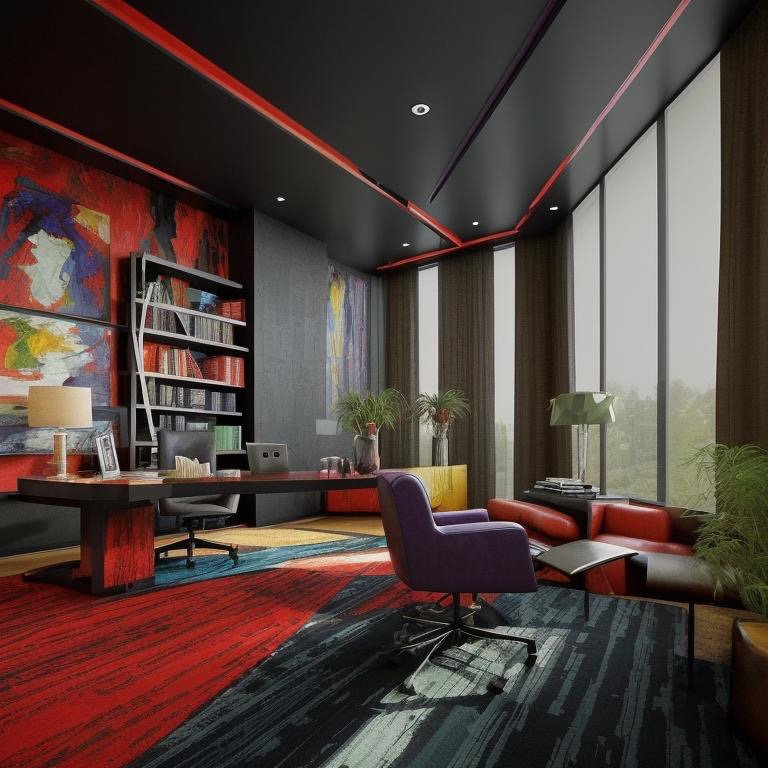
    Retro office with contemporary sensibility

    The aesthetic was precise. Color appeared, but never carelessly. Each hue had been chosen with such intention that you trusted it immediately. You didn’t have to defend your preference—the room had already done that for you. The execution was so refined that it suggested creativity without chaos. This was what it looked like when someone understood both history and how to live in the present without being trapped by either.

    Retro material authenticity

    A room for founders who refuse to look like everyone else. Not because they want to be difficult, but because they understand that competence carries its own aesthetic, and that aesthetic often looks like you’ve thought longer and worked harder than your competitors. The room didn’t celebrate its own cleverness. It just was—clearly, confidently, without apology. The person sitting in this room was assumed to understand that good taste is not about fitting in. It’s about understanding enough about what works that you can afford to be yourself.

    Retro color and texture balance

    I sat there and became someone more assured. Not arrogant. Assured in the way people are assured who’ve studied the past and decided which parts of it deserved to continue. The room had created permission for that kind of confidence. It had said: you don’t need to apologize for having taste. You don’t need to blend in to belong. And the effect was deeply freeing.

    Retro environmental cohesion

    Architecture Never Changed

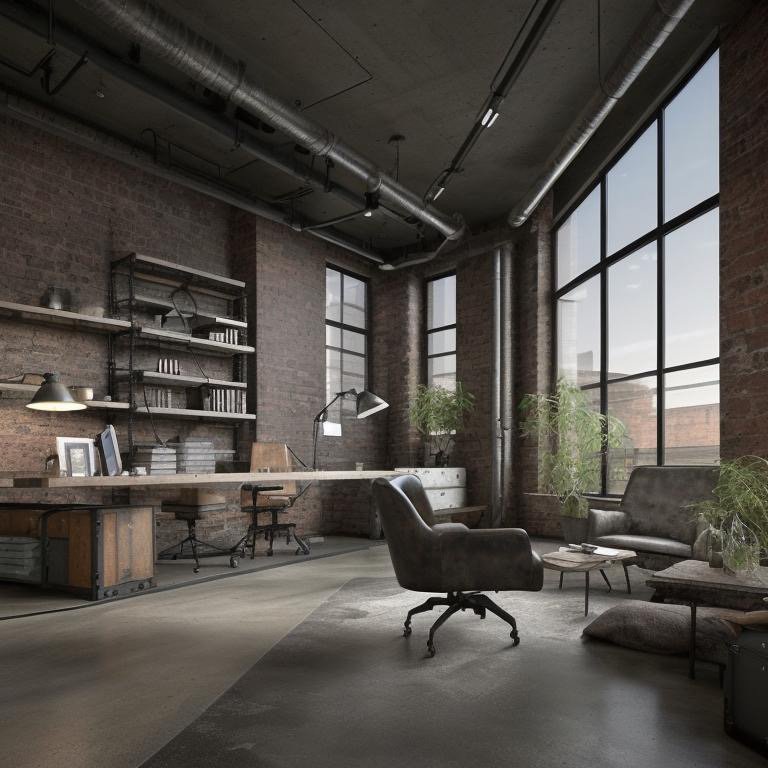
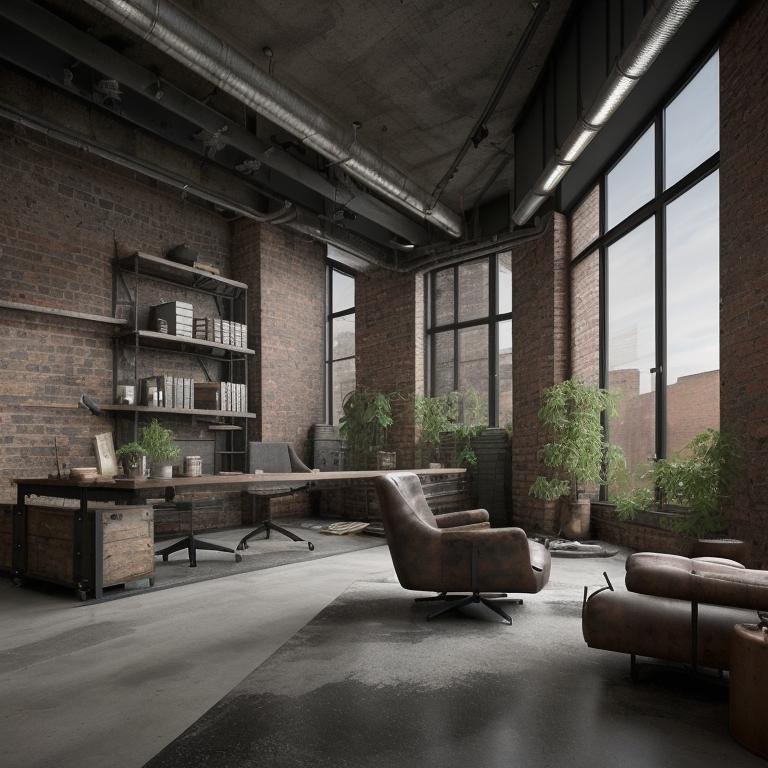
    The architecture in all four rooms was identical. The program was the same. The light sources were the same. The square footage was the same. Nothing about the basic spatial container had changed. Only the experience did. Only the way the space met the human sitting inside it.

    This is what Cinematic Intelligence™ actually does. It doesn’t overwrite rooms. It reveals latent personalities. Not by making spaces more square footage, not by adding louder aesthetics, not by creating spectacle. It does something subtler and more powerful. It creates spaces that know how to meet the human sitting inside them. That understand what quality of thinking each person needs and creates conditions where that thinking becomes not just possible but inevitable.

    Not more space. Not more features. Intelligence. The ability to understand that the same room configured differently creates not just a different aesthetic but a different possibility for who you become when you sit inside it. The person I was in the Japandi room was thoughtful. The person I was in the Mid-Century Modern room was capable. The person I was in the Moroccan room was open. The person I was in the Retro room was assured. Same architecture. Four different futures.

    And in that variation is the promise of what design can actually be: not a style applied to space, but an intelligence embedded in space. Not a choice imposed on the inhabitant, but a choice made available to them. A room that knows how to listen to the person sitting inside it, and creates conditions where the best version of that person has room to exist. That’s not decoration. That’s architecture behaving like intelligence. And that’s the difference between rooms and spaces that actually matter.

  • The Rise of the Ghost Architect: How Buildings Are Being Designed Without Names

    The Rise of the Ghost Architect: How Buildings Are Being Designed Without Names

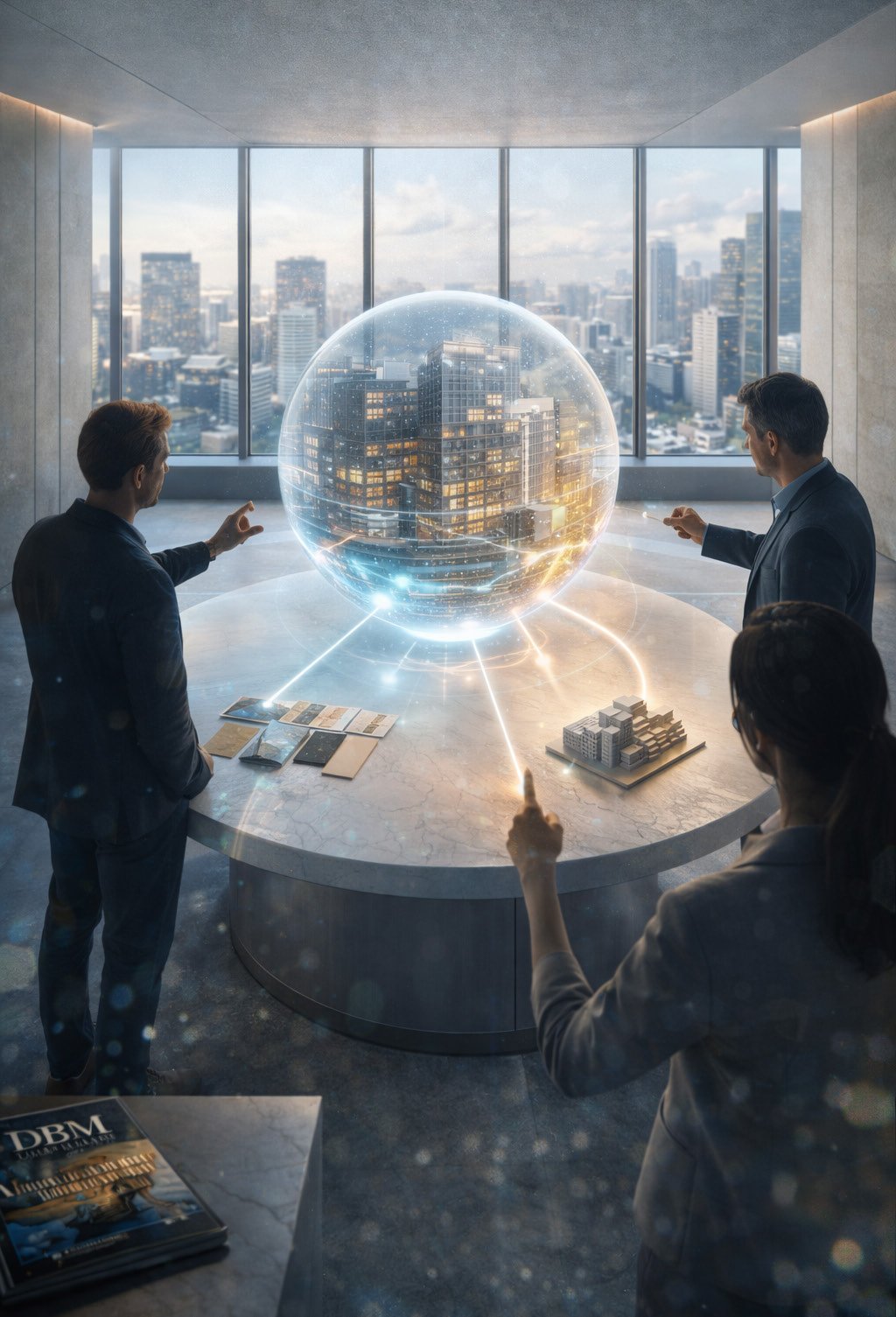
    night cityscape with illuminated buildings

    There is a figure in contemporary architecture who has no name, attends no meetings, signs no drawings, claims no credit. Yet influences every decision. Shapes form. Determines mood. Establishes proportion. Establishes identity. This figure is not a person. It is a system. And it is reshaping how buildings come into being.

    Call it the ghost architect. Not metaphorical—functional. An intelligence that inhabits the early stages of architectural conception, working before human architects are formally engaged, without the constraints of professional accountability, without the friction of client relationships or regulatory submission. The ghost architect explores. Tests. Visualizes. Fails silently. Iterates at velocity. Then vanishes before the real work begins.

    What remains is a fully formed spatial concept. A massing that feels inevitable. A proportion system that appears natural. An aesthetic sensibility that suggests deep research and intentional curation. But it emerged from no sketchbook. No design firm fought for it in a charrette. No architect’s signature appears anywhere on the work. It was made by an intelligence that does not require attribution to do what it does best: generate possibility at scale.

    Architecture Was Always About Authorship

    The discomfort with the ghost architect runs deep because architecture in the modern era has been fundamentally tied to the idea of the author. The architect as author. The firm as the site of creative intention. The building as the expression of individual vision. Frank Lloyd Wright’s signature was as much a part of his architecture as his proportion systems. Zaha Hadid’s authorship was inseparable from her formal language. The building was the architect made visible.

    This wasn’t accidental. It was the foundational mythology of Modern architecture—the belief that great spaces emerged from great minds, that individual genius was the origin point of spatial excellence. Clients hired architects because they wanted to access that genius. Developers competed for landmark architects because the name on the building added value. The whole infrastructure of contemporary architectural culture—the awards, the publications, the canons of taste—was built on the assumption that the author mattered.

    architectural concept visualization

    But clients stopped caring about this mythology earlier than anyone realized. They stopped asking “who is the architect?” and started asking “what is the space?” The shift was nearly invisible at first. A developer would consult an AI visualization engine to test massing options before engaging an architect. A real estate firm would use Cinematic Intelligence™ to pre-visualize a property’s potential before the design was formally commissioned. A marketing team would request three spatial variants—three different aesthetic treatments of the same program—and show them to investors before a single conceptual drawing was approved.

    The ghost architect was born in these moments. Not in a laboratory or a research initiative, but in the actual workflow of real development. It emerged because it solved a problem: how to explore spatial possibility quickly, cheaply, and without the overhead of a full architectural team. The developer gets designs. The investor sees options. The project moves forward. The architect arrives after the major decisions have been made.

    The Ghost Architect Handles Exploration; The Human Architect Handles Responsibility

    This is where the discomfort becomes productive. An AI system can visualize spatial concepts because visualization is a technical competency. It can propose massing, test proportions, render material studies, and generate variants at a speed that no human team can match. It can do all of this without exhaustion or ego or the need for recognition. It is, in purely mechanical terms, excellent at early-stage design exploration.

    But there is something it cannot do. It cannot choose wisely. It can generate options. It cannot take responsibility for them. It can propose futures, but it cannot believe in them, cannot defend them, cannot sit with the client and explain why this particular future is worth building. The ghost architect proposes. The human architect chooses.

    varied architectural concept studies

    The distinction matters because it reframes what architecture actually is. For much of the twentieth century, architects believed their primary role was conceptualization—the generation of spatial ideas. But what the ghost architect reveals is that this belief was only partly true. Clients don’t pay for concepts. They pay for outcomes. They pay for spaces that function, feel right, perform economically, and endure culturally. Concept generation is part of that, but only part.

    The human architect’s real work is judgment. Judgment about which concept deserves to be built. Judgment about which proportions will actually serve the program. Judgment about which aesthetic gestures enhance rather than distract. Judgment about how a building will sit in its context and carry its meaning across decades, not just across the presentation. The ghost architect can propose. Only the human architect can judge.

    This is uncomfortable because it means architecture is smaller and more specific and more relational than the mythology suggested. It’s not about individual genius producing unprecedented forms. It’s about experienced practitioners making careful choices about which proposals deserve the weight of built reality. It’s about responsibility rather than originality.

    Attribution Will Become Irrelevant, Then Important Again

    The next decade will force a reckoning with attribution. Some buildings already exist in a kind of authorship limbo—visualized by AI, developed by corporations, managed by firms, inhabited by people who will never know or care who designed them. The question of “who is the architect?” will become increasingly unanswerable. And that is, paradoxically, an opportunity.

    integrated architectural visualization

    Because once the mythology of the author is stripped away, what remains is the actual work: the calibration of space to purpose, the alignment of form to function, the discipline of proportion, the sophistication of material. These things don’t require a signature. They require thinking. And thinking is what remains when the ghost has finished its work.

    The buildings of the future are already being imagined. Quietly. Without names. Without meetings. Without the friction and politics and ego that have always characterized architectural practice. They are being imagined by systems that propose and propose and propose until something emerges that works. Then a human architect inherits that work, judges it, refines it, and takes responsibility for it. And somewhere in that inheritance is where real architecture happens.

    architectural massing study

    The Ghost Architect Is Not the Future; It’s the Present

    Some fear this moment. They see the ghost architect as a harbinger—the beginning of the end of architecture as a human discipline. But this misreads what’s actually happening. The ghost architect doesn’t replace the human architect. It liberates the human architect from the pretense of authorship. It says: stop trying to be the sole origin of all spatial ideas. Stop defending your ego in the form of formal gestures. Stop believing that greatness comes from isolation.

    Instead, engage with the abundance of spatial proposals. Judge them carefully. Choose what actually serves the building and the people who will inhabit it. Refine what needs refinement. Reject what deserves rejection. Take responsibility for the outcome, even if you didn’t generate the initial concept.

    refined architectural proposal

    This is harder work than conceptualization, not easier. It requires taste. It requires judgment. It requires the ability to see through visual spectacle to actual spatial truth. And it requires the courage to say: this idea came from elsewhere, but I am choosing to build it, and I am responsible for that choice.

    The ghost architect has already begun its work. The buildings being designed right now—before you read this—are being shaped by systems that propose at velocities humans cannot match. And the question facing architecture is not whether to resist this reality, but whether to rise to the challenge it presents. Can architects become judges of spatial quality instead of generators of spatial novelty? Can they take responsibility for choices they didn’t originate? Can they do the harder work of curation rather than the more celebrated work of creation?

    curated architectural solution

    The ghost architect is not a threat to architecture. It is a test. And architecture has always been best when it understood itself as a discipline of judgment, not of originality. The buildings that endure are not the ones that were unprecedented. They are the ones that were, at every moment of decision, chosen carefully. The ghost architect can generate the options. But only the human architect can choose wisely. And in that choice—in that responsibility—is where real architecture lives.

    architectural space in context

    detailed architectural realization

  • The Death of the Floor Plan: Why Architecture Is Now Sold in Images, Not Drawings

    The Death of the Floor Plan: Why Architecture Is Now Sold in Images, Not Drawings

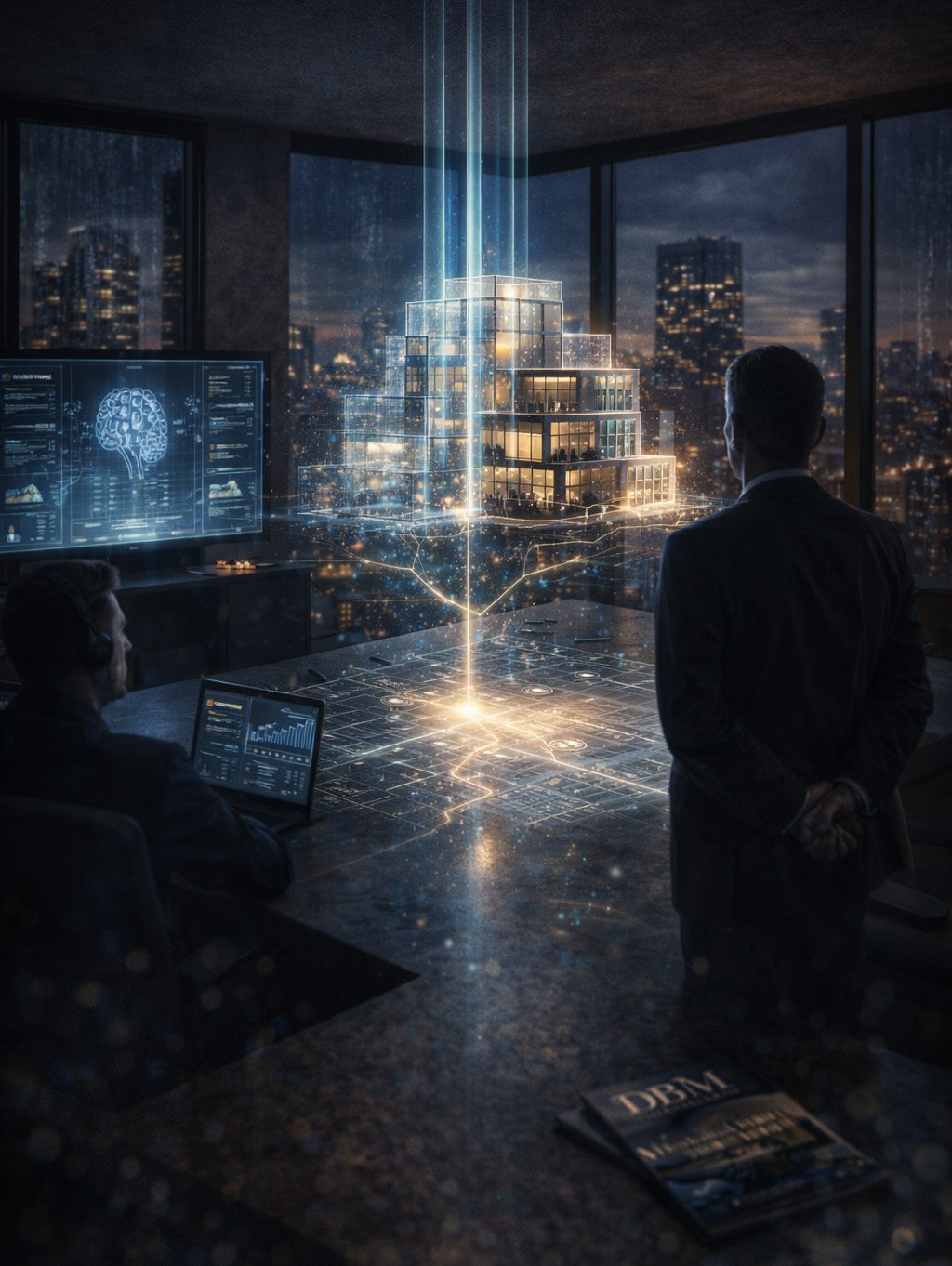
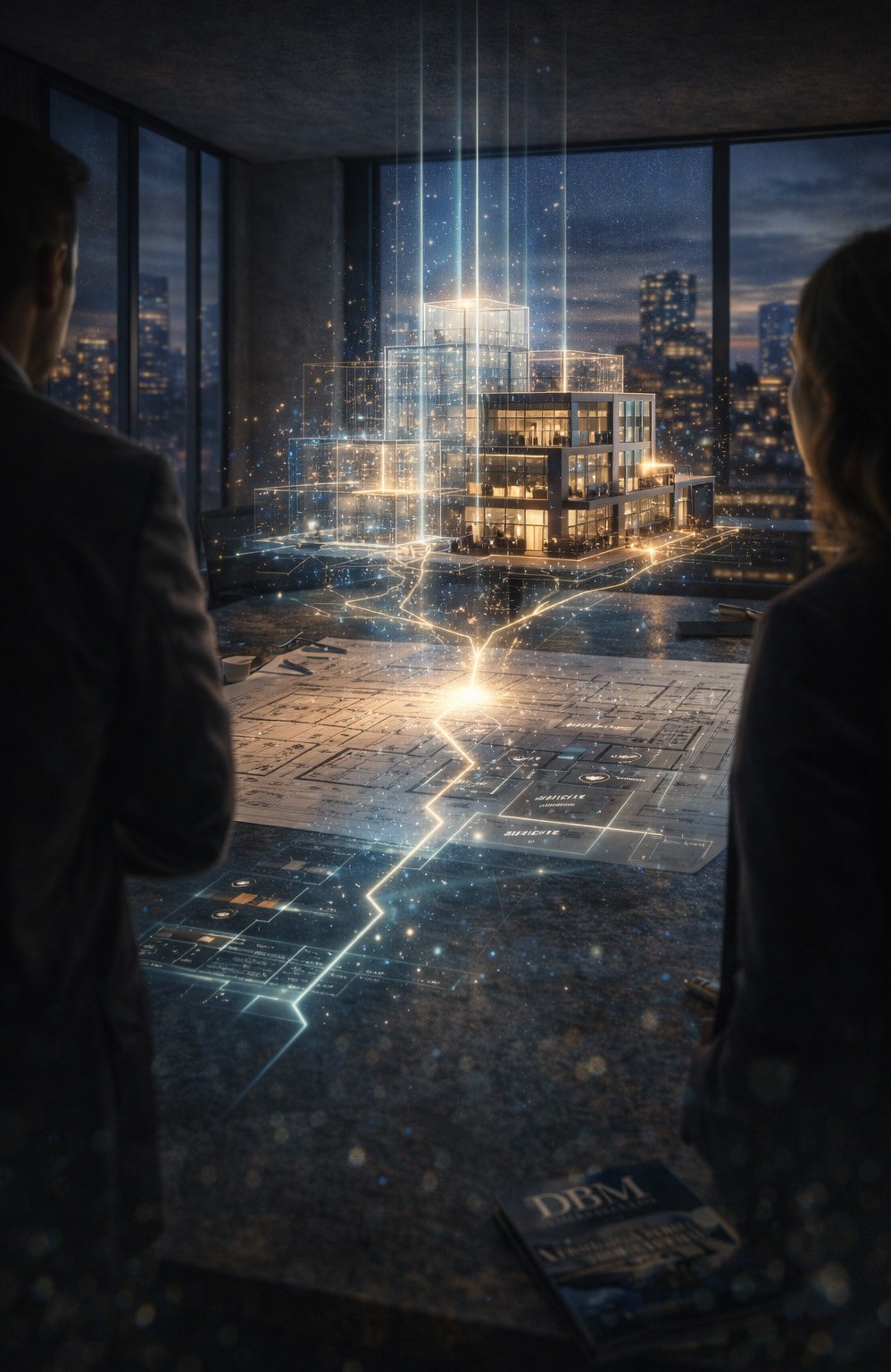
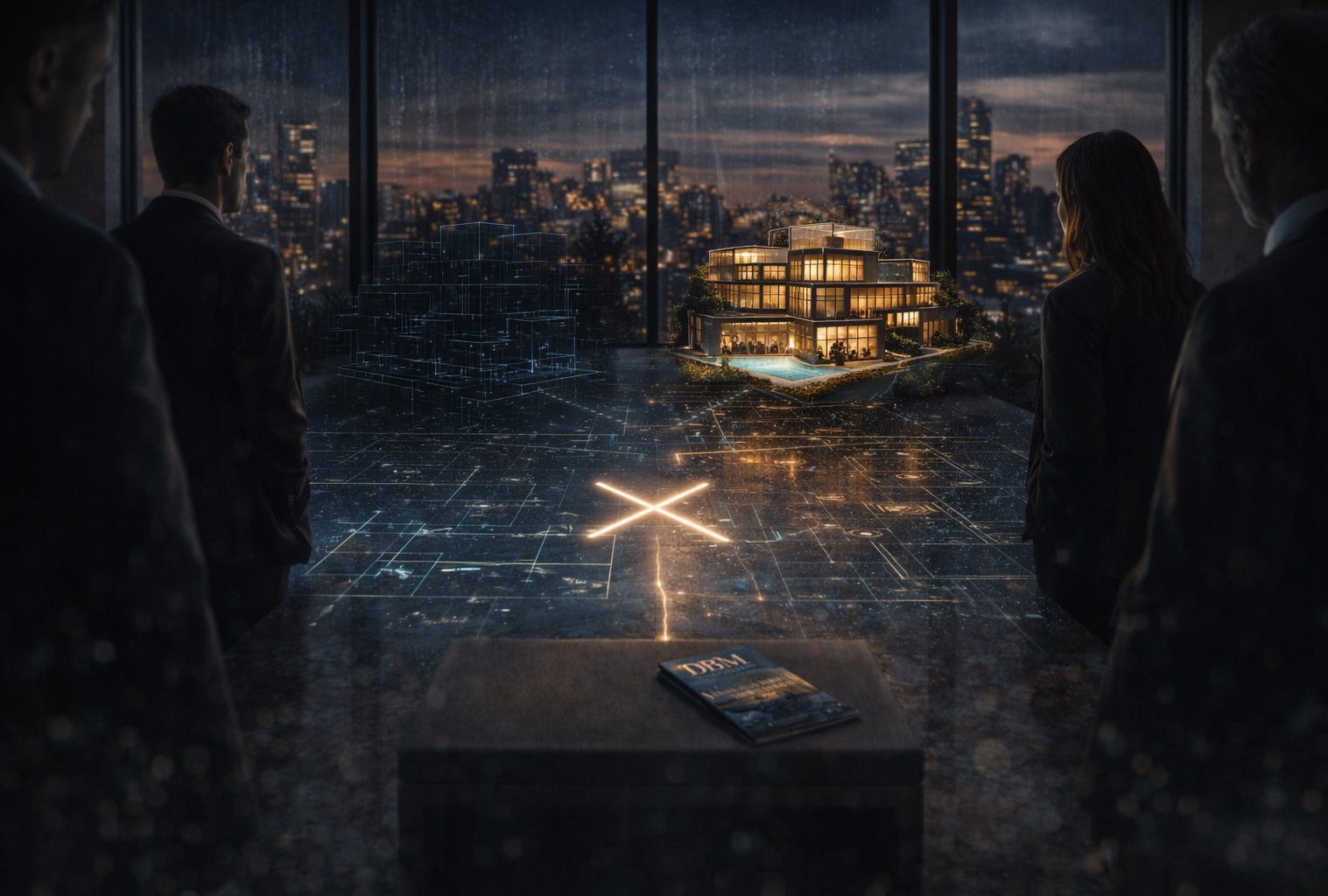
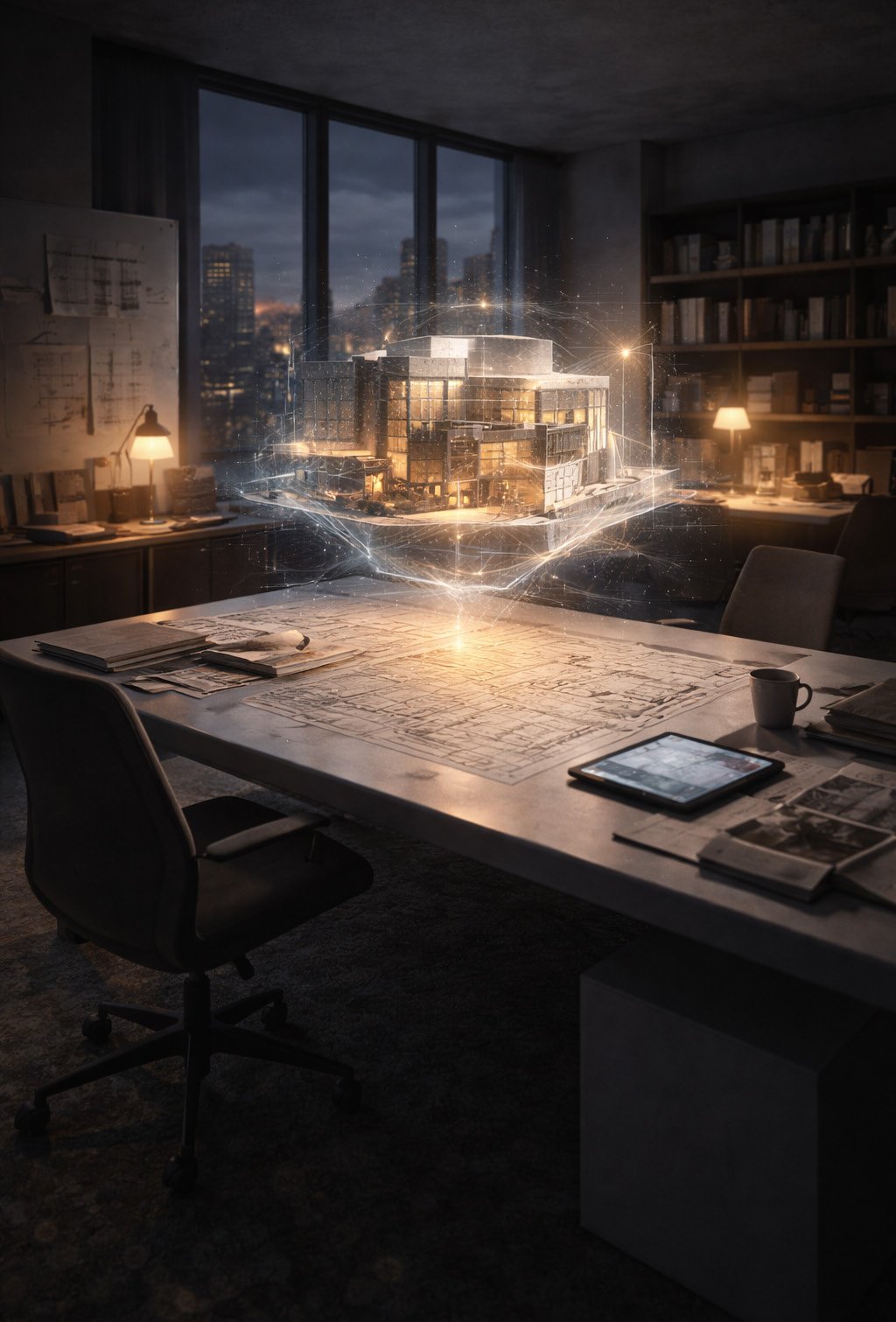
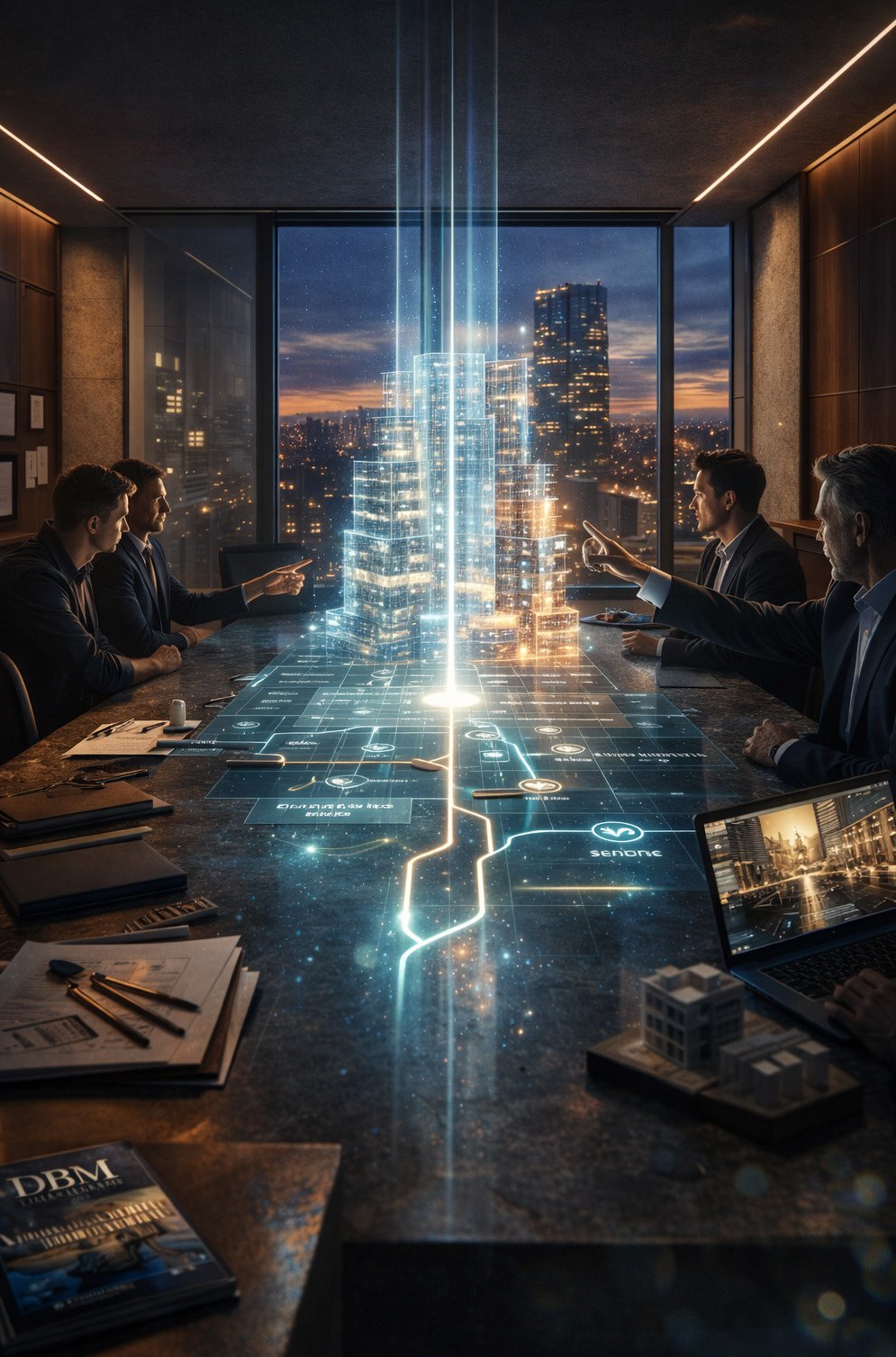
    architect desk with blueprints and holographic visualization

    The floor plan had a four-hundred-year contract. From the moment it emerged as a representational necessity—when buildings grew too complex to build from verbal instruction alone—the floor plan became architecture’s constitutional document. It was the language through which intent moved from mind to site. It was legitimacy. A building without a plan was like law without precedent: possible, but questionable.

    That era is closed. Not because the floor plan lost usefulness—it didn’t—but because it lost its audience. The end came not with a manifesto or a theoretical rupture, but quietly, through preference. Clients stopped asking for drawings. They started asking for visuals.

    The inversion is nearly complete. What was once the opening gesture—the plan spread across a conference table, the architect explaining intention through line weight and notation—has become the back office. Now the image arrives first. The render. The visual speculation. The decision made through perception rather than through projection. Architects who trained in the language of plans discovered they were speaking to an audience that had learned to read space differently.

    The Death Was Quiet

    For most of the twentieth century, the hierarchy was clear: plans mattered. Elevations supported them. Sections explained them. Renderings were afterthoughts—marketers’ tools, developer indulgences, unnecessary decoration. The serious work happened in two dimensions. The real thinking happened in lines.

    This ordering reflected a fundamental assumption: that architects understood buildings better than clients did. That the ability to read technical drawings was a literacy that mattered. That intention could move from abstract line to built reality if the intermediate language was precise enough. The floor plan was the test. If you could read it, you understood the building. If you couldn’t, you trusted the architect.

    The assumption held for centuries. It held through Arts and Crafts. It held through Modernism. It held even as computers made plans easier to produce and harder to understand—more complex, more layered, more removed from the experiential reality they claimed to represent.

    Then something shifted. Not because plans became obsolete, but because perception became more valuable. Clients began to understand buildings through visual simulation rather than technical notation. A rendered interior told them more about how the space would feel than a plan ever could. A perspective view showed them light and material and proportion in the language they actually used to make decisions. The floor plan became what it always was beneath the technical surface: an abstraction. And abstractions only matter if their audience can use them.

    architectural visualization study

    The real acceleration came through AI. Cinematic Intelligence™ did something no human team could do at scale: it generated spatial imagery at velocity. Dozens of variations. Hundreds of spatial explorations. Every iteration visualized before it was drawn, every decision surfaced through perception before it was committed to plan. The visual engine became the design engine. Plans followed, they didn’t lead.

    Developers understood immediately. Why commission a hundred plans to explore massing when you could visualize fifty variations in the time it took to draw one? Why trust notation when you could show the investor exactly what the light would do at four in the afternoon? The sales process inverted. Where plans once opened conversations—”here is the logic, here is the intention”—they now close them. The decision is made. The image has already sold it.

    What Changed Is How We Understand Space

    The floor plan didn’t fail. What happened is subtler and more profound: the audience outgrew the language. A new literacy emerged. Clients learned to understand buildings through images. They developed intuition about spatial relationships by moving through rendered environments. They could assess proportion and material and light through perception rather than through technical projection.

    This doesn’t make architecture shallower. It makes it more accountable. The rendered image cannot hide behind the excuse of technical complexity. It cannot defer judgment to “the vision becomes clear once it’s built.” The image is the first judgment. If the space doesn’t work in the visualization, it was never going to work in reality. The abstraction that once allowed architects to propose unrealistic ideas has been removed. Now they must show what they mean.

    3D space visualization with material studies

    Some architects mourned this. They saw it as a loss—the loss of a specialized knowledge, the democratization of their authority. But the better architects understood what was actually happening. The floor plan wasn’t being eliminated; it was being restored. Because the visual literacy that replaced it is not actually divorced from the plan—it’s built on it. The render is only as intelligent as the space it visualizes. And the space is only as coherent as its plan.
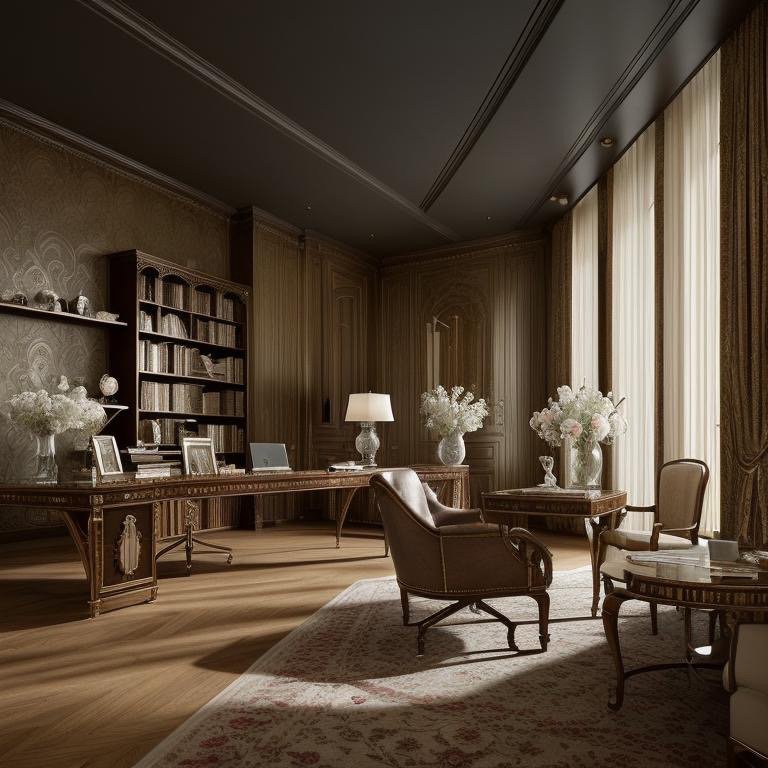
    What changed is the order of conversation. The plan is no longer the starting point—it’s the foundation. You don’t begin a project by drawing a plan and hoping the client can imagine the space. You begin by showing them the space, and then you explain the plan that makes it possible. The drawing becomes the evidence of what the image promised.

    Cinematic Intelligence doesn’t replace drawings. It transforms their purpose. The floor plan was always doing two jobs at once: it was simultaneously a tool for thinking about space and a tool for selling space. Those are different demands. Technical precision and perceptual clarity are not the same thing. The visual engine separates them. The image handles sales. The plan handles truth. Each can finally be excellent at what it’s designed to do.

    The New Architecture Is Accountable Architecture

    A building visualized before it’s drawn cannot hide behind the excuse of unexpected site conditions or the surprise emergence of unexpected design during construction. The architect has already made a promise. The image is the contract. When discrepancies appear between render and reality, it becomes immediately visible. This is uncomfortable for architects trained to believe that real buildings are always more complex than drawings can express. And they are. But the comfort of that complexity—the shelter it provides from accountability—is gone.

    detailed interior render with material specification

    What emerges is a different kind of architectural intelligence. One that understands the image as a specification, not a suggestion. One that recognizes that the visual environment is the primary environment—that people experience buildings through light and material and proportion before they experience them through floor area or structural efficiency. The plan becomes the thing that explains how the image is possible, rather than the image becoming the thing that explains what the plan means.

    This shift doesn’t diminish architecture. It redirects it. Because the goal was never to be able to read drawings. The goal was always to create environments where people could think, work, rest, and flourish. The floor plan was one way of getting there. The visual engine is another. The plan was never the destination—it was the journey. And if the journey can become clearer, more transparent, more directly connected to the actual experience of inhabiting space, then the architecture itself can become more thoughtful about what it’s actually trying to achieve.
    The Language Changed, Not the Conversation

    The death of the floor plan is not the death of spatial reasoning. It’s the maturation of it. Architecture is no longer sold in drawings because architecture learned to speak the language its audience actually uses. Plans are still drawn. They’re still necessary. They’re still the foundation of every serious project. But they’re no longer the sales pitch. They’re no longer the thing you show first. They’re the thing you show to prove that the image is real.
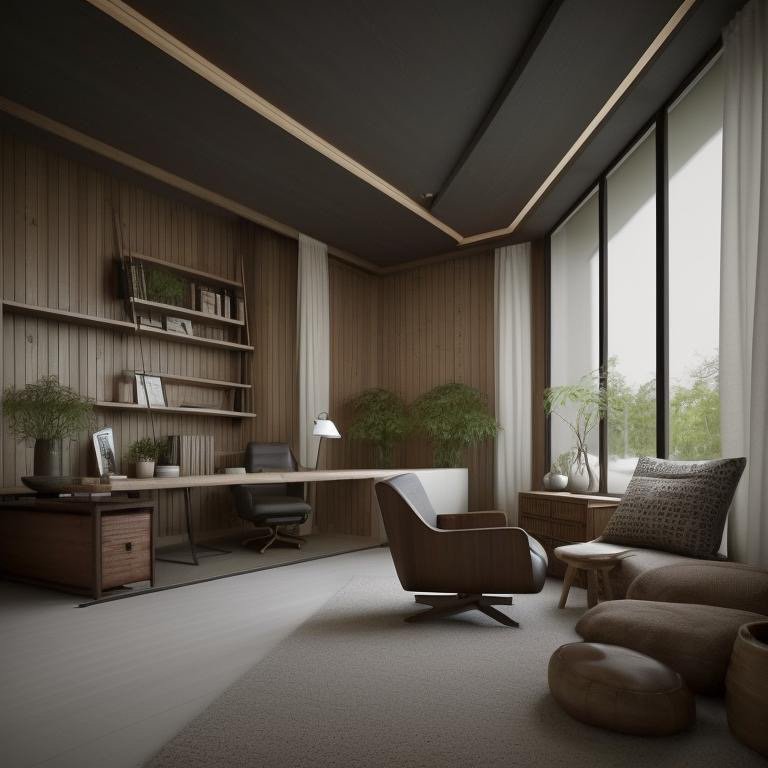
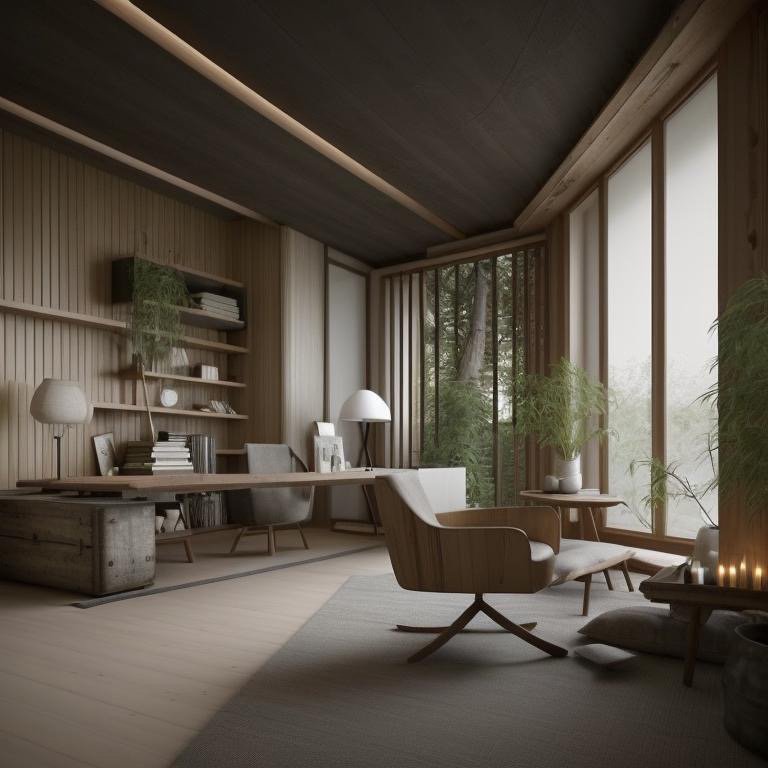
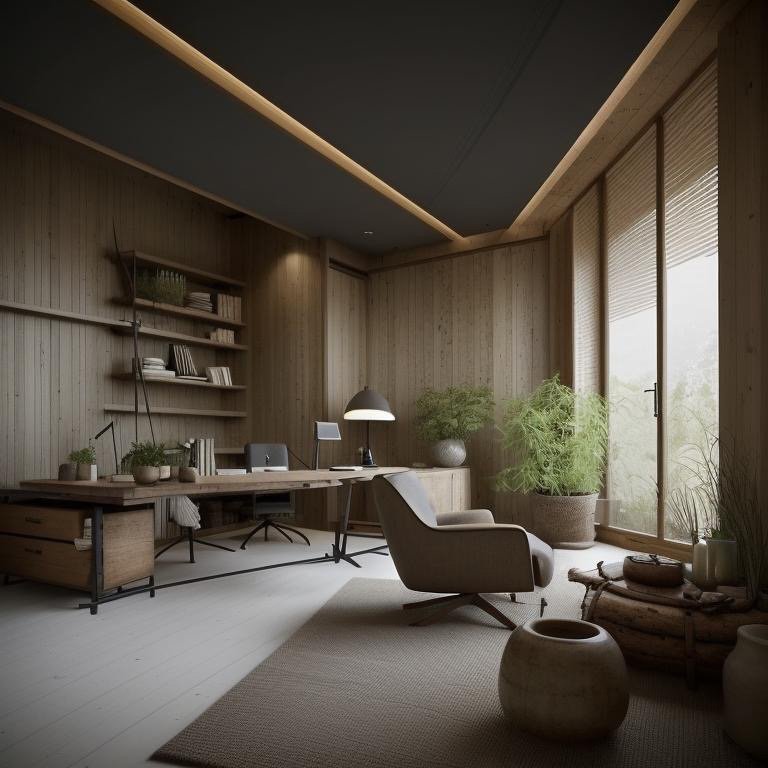
    render showing architectural detail and spatial relationship

    Some will argue this represents a loss of architectural rigor, a triumph of appearance over substance. But appearance and substance are not opposites—they’re the same thing experienced from different distances. A space doesn’t fail because its visual representation is powerful. It fails because the spatial logic underneath that representation is flawed. The image didn’t replace the plan; it exposed it. Now there’s nowhere for weak spatial thinking to hide.

    The floor plan is dead not because it failed. It’s dead because architecture outgrew the need to explain itself slowly. The image accelerates understanding. It collapses the gap between intention and perception. And in that collapse, architecture becomes what it was always meant to be: not a specialized language for architects, but a direct communication with the people who inhabit the spaces we design.

    comprehensive spatial visualization

    The conversation hasn’t ended. It’s become clearer. And clarity, it turns out, was always the point.

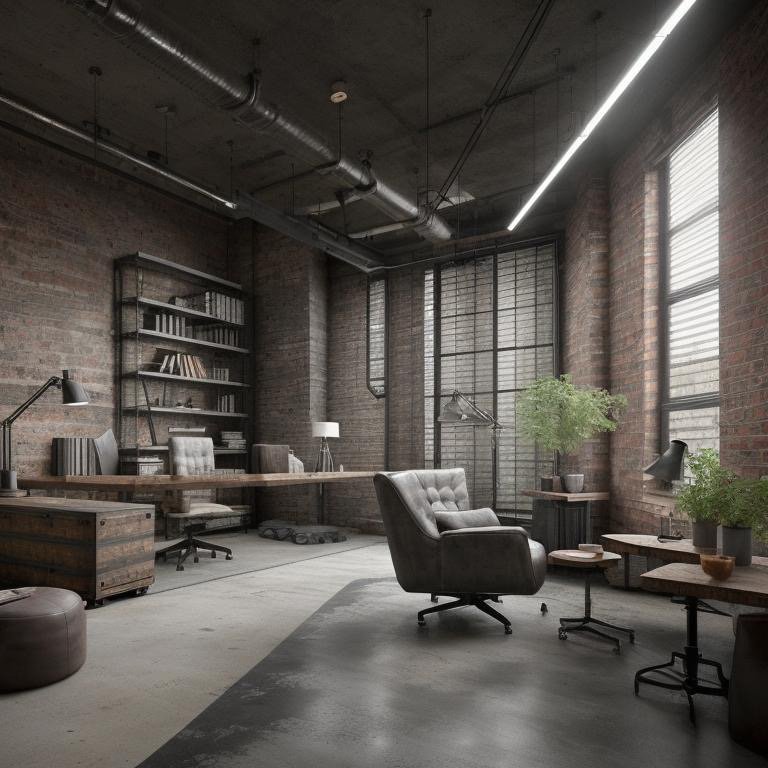
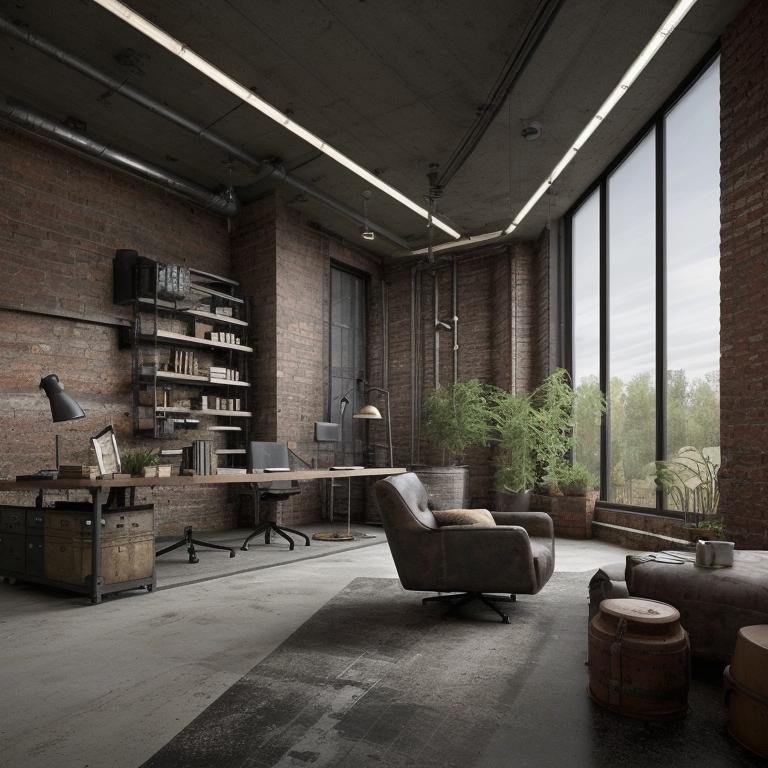
  • Three Rooms, Three Futures: Inside the Original Renders of DBM’s Industrial Revival

    Three Rooms, Three Futures: Inside the Original Renders of DBM’s Industrial Revival

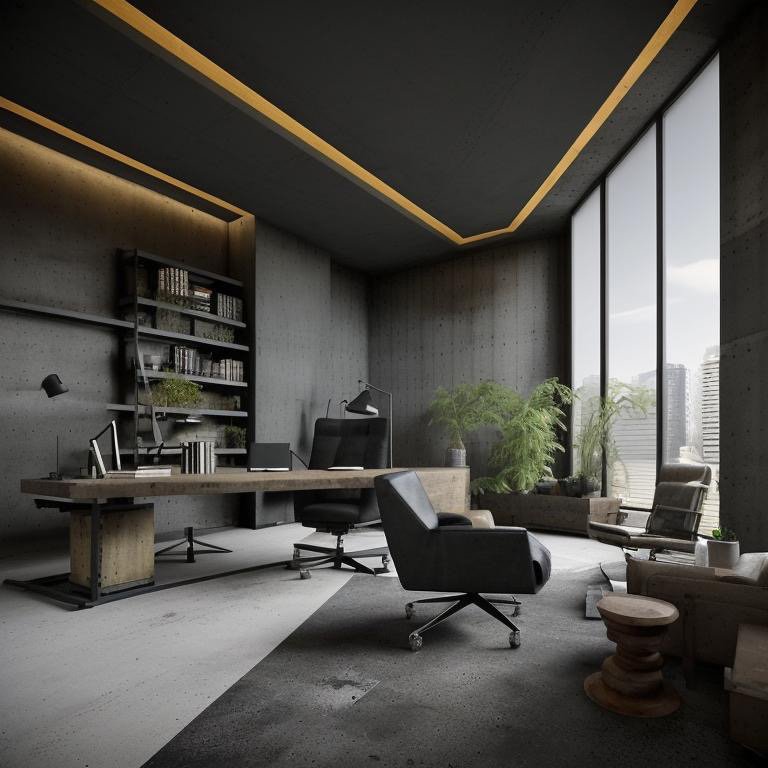
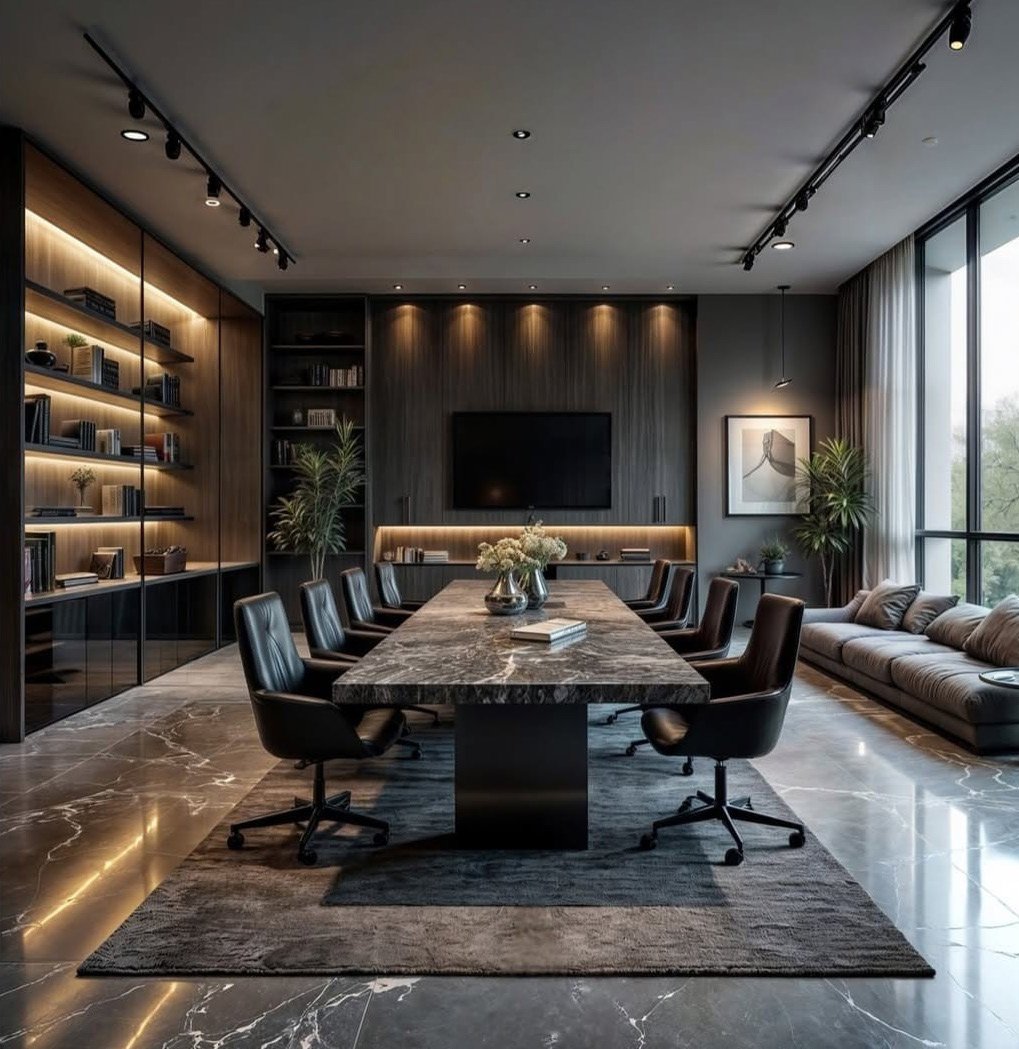
    Executive boardroom with monolithic table, deep shelving, and architectural lighting creating spatial power

    The Prologue to Transformation

    Architecture begins with decisions about presence. In the context of commercial office environments, particularly those serving executive function, presence means clarity, control, and the subtle communication of hierarchy and intention through material and light. The three rooms documented in this essay represent the foundational designs that anchor the December issue’s exploration of contemporary office geometry—what we call the architectural baseline from which all subsequent reimaginations will emerge.

    These are not finished designs in the traditional sense. They are the originals. The source geometry. The spatial DNA that, through the application of Cinematic Intelligence™ across twenty-two distinct stylistic treatments, will reveal how the same footprint, the same functional program, can communicate radically different meanings depending on material, light behavior, and spatial psychology.

    Understanding these three rooms as originals—rather than as polished final deliverables—is essential. They carry no stylistic overlay. They make no cultural claim. They are pure spatial proposition: a boardroom is proposed, a café space is proposed, an executive lounge is proposed. Each makes an implicit argument about how bodies should move through it, how decisions should be made within it, how presence should be registered.

    Room One: The Boardroom as Architectural Statement

    The boardroom is perhaps the most legible of corporate spaces. It is where capital forms consent. Where strategy becomes directive. Where the architecture itself—through the weight of its materials, the precision of its proportions, the severity of its sight lines—creates the psychological conditions for formal decision-making.

    The original boardroom render presents what we might call Contemporary Executive Brutalism: a monolithic table positioned with geometric authority, flanked by deep-set shelving that rises with architectural weight. The table itself is not a surface for casual collaboration; it is a plane of intention. The shelving behind it—lined, studied, architectural—functions simultaneously as material backdrop and as spatial claim: knowledge is contained here, accessible but not democratic.

    Light behavior is controlled and directional. This is not ambient light. This is illumination that clarifies. That creates micro-topographies of shadow and clarity across the table surface, making the space legible as a theater of decision-making. The geometric precision of the shelving, the material temperature of the surfaces (warm industrial gradients rather than cold modernist whites), the slight chiaroscuro created by the light modeling—all of these create a visual argument about executive authority that feels neither brittle nor aggressive, but instead architecturally grounded.

    What distinguishes this boardroom from generic corporate interiors is its refusal of invisibility. The space announces itself. The materials have weight. The proportions have intention. There is nothing decorative in the conventional sense; everything is structural to the spatial program. This is the boardroom as architectural artifact—not merely a room where meetings occur, but a space whose very geometry reinforces the formality of executive function.

    Modern boardroom with darker material palette, refined executive styling, and controlled spatial atmosphere

    Room Two: The Café as Democratic Counter-Statement

    If the boardroom is the architecture of formal authority, the café is the architecture of encounter. It is where hierarchy dissolves momentarily into the collective. Where the informal exchange—the spontaneous conversation, the unscheduled connection—becomes the spatial program.

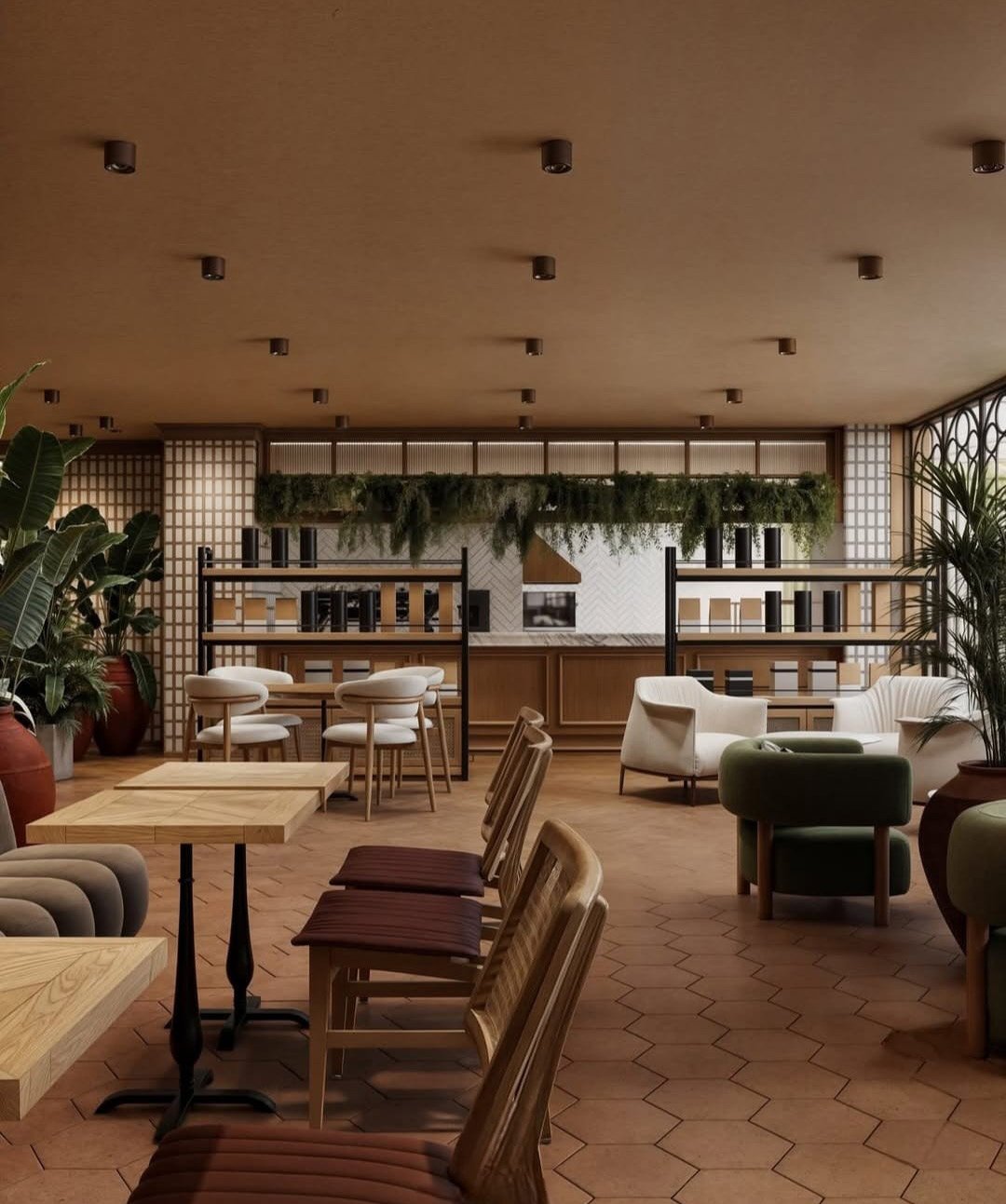
    The original café render presents what might be called Warm Modernism with Mediterranean-Industrial feeling. This is not a cafeteria. It is not utilitarian. It is instead a carefully composed space where hospitality becomes structural. The shelving is open—inviting rather than protective. The lighting is diffused, low, creating an atmosphere of leisure rather than task completion. The seating is generous, informal; there is no implied hierarchy in the chair placement.

    Material temperature is everything here. Warm woods, soft surfaces, textured finishes create an environment that feels like gathering rather than consumption. The scale is human—not grand, not intimidating, but proportioned to small groups in conversation. The acoustics, though not visible in a render, are implied by the material choices: soft surfaces that absorb rather than amplify, creating intimate pockets of dialogue within a larger volume.

    What makes this café distinct is its temporal claim. The boardroom is designed for concentrated decision-making in brief, intense windows. The café is designed for duration—for slow meals, for extended presence, for the kind of professional conversation that builds trust and generates unexpected insight. It is the counter-architecture to executive formality: democratic, warm, and profoundly unhurried.

    Social dining hall with open shelving, warm lighting, and hospitality-focused architectural language

    Room Three: The Executive Lounge as Mediation

    Between the formal authority of the boardroom and the democratic warmth of the café stands the executive lounge—a space that must negotiate multiple functions simultaneously. It is where informal meetings occur. Where transitions happen. Where the executive body can exist between programs, between presentations, between decisions.

    The original lounge render extends the industrial revival vocabulary established in the boardroom but lightens it considerably. The material palette mixes: warm woods, refined metal detailing, layered textured surfaces. The furniture is more varied—not a single authoritative gesture, but a careful composition of elements that suggest flexibility without chaos. A mix of formal and informal seating creates permission for multiple modes of occupancy.

    Light behavior is warm and directional—not the controlled theatrical light of the boardroom, but illumination that feels generous and enveloping. The spatial organization suggests gathering without the formality of the board table. The lounge is the mediating space: it borrows the material intelligence of the boardroom, the warmth of the café, but creates something architecturally distinct—a space designed for the particular social functions of executive culture. The informal meeting. The pause between engagements. The moment of spatial transition.

    The Baseline Before Transformation

    These three rooms—the boardroom, the café, the lounge—are presented here as originals. They are the foundational geometry and material language that will, across the remainder of this issue’s exploration, be reinterpreted through twenty-two distinct stylistic lenses. Each subsequent transformation will preserve the functional footprint, the dimensional logic, the spatial program. What will change is the language through which that program is expressed: the material choices, the color temperature, the light behavior, the cultural references embedded in the design language.

    The purpose of documenting the originals is not nostalgia or preservation. It is clarity. It is the establishment of a baseline from which variation becomes legible. When you can see a boardroom rendered in brutalist warmth, and then see that same boardroom reinterpreted through Mediterranean minimalism, or through Japanese restraint, or through Scandinavian functionalism, something becomes visible: the distinction between program and language, between function and aesthetic expression, between what a space does and how it communicates meaning.

    This is the architectural labor that Cinematic Intelligence enables—not the generation of infinite stylistic variation as mere decoration, but the systematic exploration of how the same spatial intention can be articulated through radically different visual and material languages. The three rooms documented here are the originals. They are the question. The twenty-two treatments that follow are the explorations of how that question can be answered, reframed, and recontextualized across different cultural, material, and aesthetic frameworks.

    In this exploration lies something essential about contemporary design thinking: the recognition that space, material, and culture are not separate domains, but integrated expressions of the same intention. These rooms exist before style, yet they already carry architectural meaning. They wait for language to be applied, for their functional clarity to be enriched through aesthetic and cultural depth. The transformation is not additive. It is revelatory.

  • CEO’s Note: The Birth of a Design Intelligence Revolution

    CEO’s Note: The Birth of a Design Intelligence Revolution

    3D Transformative Digest | Designs by Modish

    In the inaugural edition of the 3D Transformative Digest, I find myself compelled to address the question I receive more than any other: “Why design?”

    My answer has never wavered: “Why not design?”

    In a world brimming with creative potential yet constrained by traditional boundaries, I recognized an opportunity that few others could see — the chance to redefine the very essence of architectural and interior design. Not incrementally. Not cautiously. But with the full force of what happens when two decades of executive experience collide with the most transformative technology our industry has ever witnessed.

    The Genesis of Cinematic Intelligence™

    When you fuse the expertise cultivated across more than 15,000 events spanning twenty-two years with the creative intelligence born from hundreds of design endeavors — and then multiply that foundation by the advanced capabilities of Modish.AI, our award-winning application — the equation yields something extraordinary. It produces a transformative leap into the next era of design. We call this proprietary methodology Cinematic Intelligence™, and it represents nothing less than a paradigm shift in how spaces are conceived, visualized, and brought to life.

    From our corporate headquarters in North Las Vegas, Nevada, our innovative 3D designs are curated and mastered with a precision that the traditional design process simply cannot match. Fueled by the groundbreaking capabilities of our AI engine, we serve a multitude of industries — transcending the conventional to create spaces that inspire, innovate, and invigorate. Our unique approach combines aesthetic brilliance with the relentless precision and learning capabilities of artificial intelligence, ensuring that with every project, our dataset grows, evolves, and refines itself into something more powerful than what came before.

    The Continuous Improvement Cycle

    This is the critical distinction that separates Designs by Modish from every other firm in the architectural visualization space: our continuous improvement cycle. Each rendering we produce is not merely an image — it is a vision brought to life, a data point that feeds back into our intelligence engine, setting new benchmarks in design quality and innovation with every single output. The more we create, the more sophisticated our understanding becomes. The more sophisticated our understanding, the more extraordinary our renderings.

    It is a compounding effect. And compounding effects, as any serious strategist understands, are the foundation of category dominance.

    Consider the implications of this architecture. Every luxury kitchen we render in the Japandi tradition teaches our engine something new about negative space, natural materiality, and the interplay of light against unfinished wood. Every Hollywood Regency bathroom we visualize sharpens our understanding of gilded detail, dramatic contrast, and the emotional weight of opulence. These are not isolated projects — they are nodes in an expanding neural architecture of design knowledge that compounds with each commission.

    Global Reach, Singular Mission

    Today, we serve clients and partners across thirteen countries. Our reach is global, yet our mission remains singular: to bring the highest level of design intelligence to every corner of the world. As we look toward the future, our ambition is to expand this reach — breaking new ground, embracing new challenges, and demonstrating that the boundaries of design are not fixed walls but movable horizons.

    The architectural visualization industry has operated under the same fundamental model for decades: a client describes a vision, a designer interprets it, revisions pile up, budgets inflate, and timelines stretch. We have dismantled that model entirely. With our AI-driven infrastructure, a single residential property can be reimagined across twenty-two distinct global design languages — from Japandi minimalism to Hollywood Regency opulence, from Brutalist severity to Moroccan exuberance — in a fraction of the time and cost that traditional methods demand.

    This is not an incremental improvement. This is a structural disruption of how the design industry operates, delivers, and scales. The firms that understand this shift will partner with us. The firms that do not will find themselves competing against an engine that learns faster, produces more, and delivers at a quality threshold that manual processes cannot sustain.

    What This Publication Represents

    The 3D Transformative Digest is not a magazine in the conventional sense. It is a reference document. A visual intelligence archive. A demonstration of what becomes possible when human creativity and artificial intelligence operate in concert rather than in competition.

    Each issue you hold — or in this case, each digital page you navigate — contains renderings that would have required teams of designers, weeks of labor, and six-figure budgets to produce through traditional workflows. Our engine produces them with architectural accuracy, material realism, and a cinematic quality that sets the standard for the entire industry.

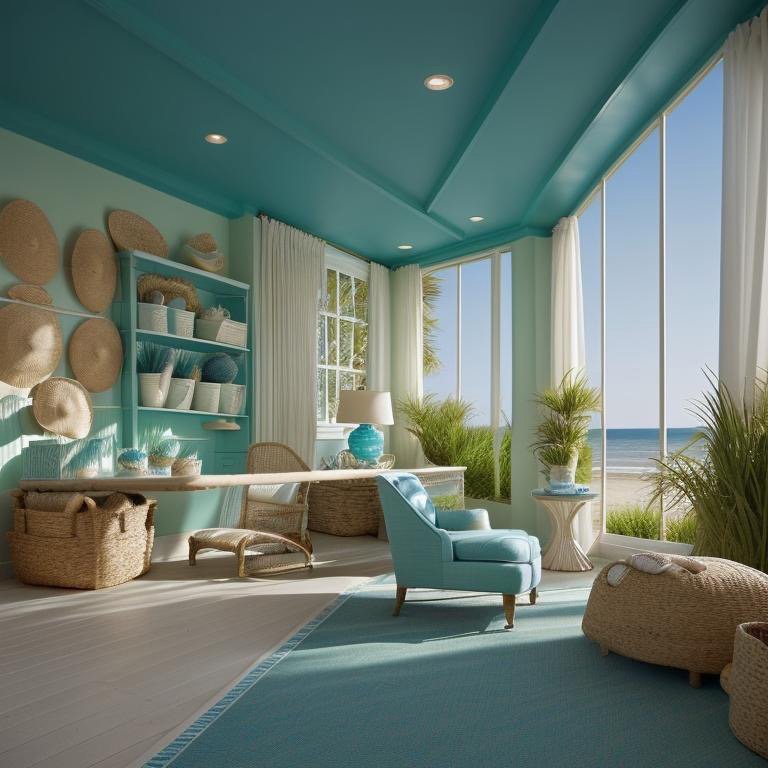
    Within these pages, you will encounter seventeen distinct architectural futures applied to a single estate. You will meet the team members driving our visual content strategy forward. You will explore the nuances of Industrial, Farmhouse, Mid-Century Modern, Bohemian, Mediterranean, Coastal, Moroccan, Japanese Zen, and California Coastal design — each rendered with the photorealistic precision that has become our signature.

    You will also discover our editorial perspective on the convergence of AI and design — the trendsetters, the technologies, and the ethical frameworks that are shaping the industry’s trajectory in 2024 and beyond. And you will meet Marquez Johnson, the fictional protagonist of our serialized creative narrative, whose ambitions in the luxury real estate market mirror the boldness with which we approach every commission.

    The Architecture of What Comes Next

    This is the future of design. Not a distant, speculative future — but one that is operational, proven, and scaling as you read these words. Our Cinematic Intelligence engine processes hundreds of design variables simultaneously: light physics, material behavior, cultural context, spatial proportion, emotional resonance. It does not guess. It calculates. And with each calculation, it becomes more precise, more nuanced, more capable of producing renderings that do not merely depict spaces but embody them.

    The implications extend far beyond aesthetics. Architects gain the ability to present clients with a portfolio of futures rather than a single interpretation. Developers can pre-visualize entire communities across multiple design languages before breaking ground. Luxury homeowners can explore twenty-two versions of their dream kitchen before committing to a single tile. Real estate marketers can differentiate listings with cinematic-quality imagery that commands attention in an oversaturated market.

    Every one of these use cases represents revenue. Every one represents a relationship. And every one represents a data point that feeds back into the engine, making the next rendering better than the last.

    An Invitation

    The architectural visualization industry stands at an inflection point. The firms and practitioners who recognize this moment — who understand that the convergence of artificial intelligence and design intelligence represents not a threat but an unprecedented expansion of creative possibility — will define the next era of the built environment. We intend to be the engine that powers that transformation.

    We are not asking you to imagine the future of design. We are showing it to you — rendered in light, material, and structure, at a quality threshold the industry has never seen. The question is no longer whether AI will transform architectural visualization. The question is whether you will be among those who harness that transformation, or among those who watch it happen from the sideline.

    We are redefining the boundaries of design, one rendering at a time. Join us on this journey, and let us reimagine the world together.

    Ben Thomas
    Chief Executive Officer, Modish Global Inc.

    3D Transformative Digest — Cinematic Intelligence Architectural Render