The Photorealism Crisis: When Proof Becomes Impossible
The architecture was never built. The project never existed. But the renders were so photorealistic, so geometrically precise, so drenched in authentic morning light and weathered material patina, that investors signed checks for $45 million based entirely on images that never corresponded to any physical reality. By the time the fraud was discovered, the capital had vanished, the developer had relocated to a jurisdiction without extradition treaties, and a masterwork existed in digital space alone.
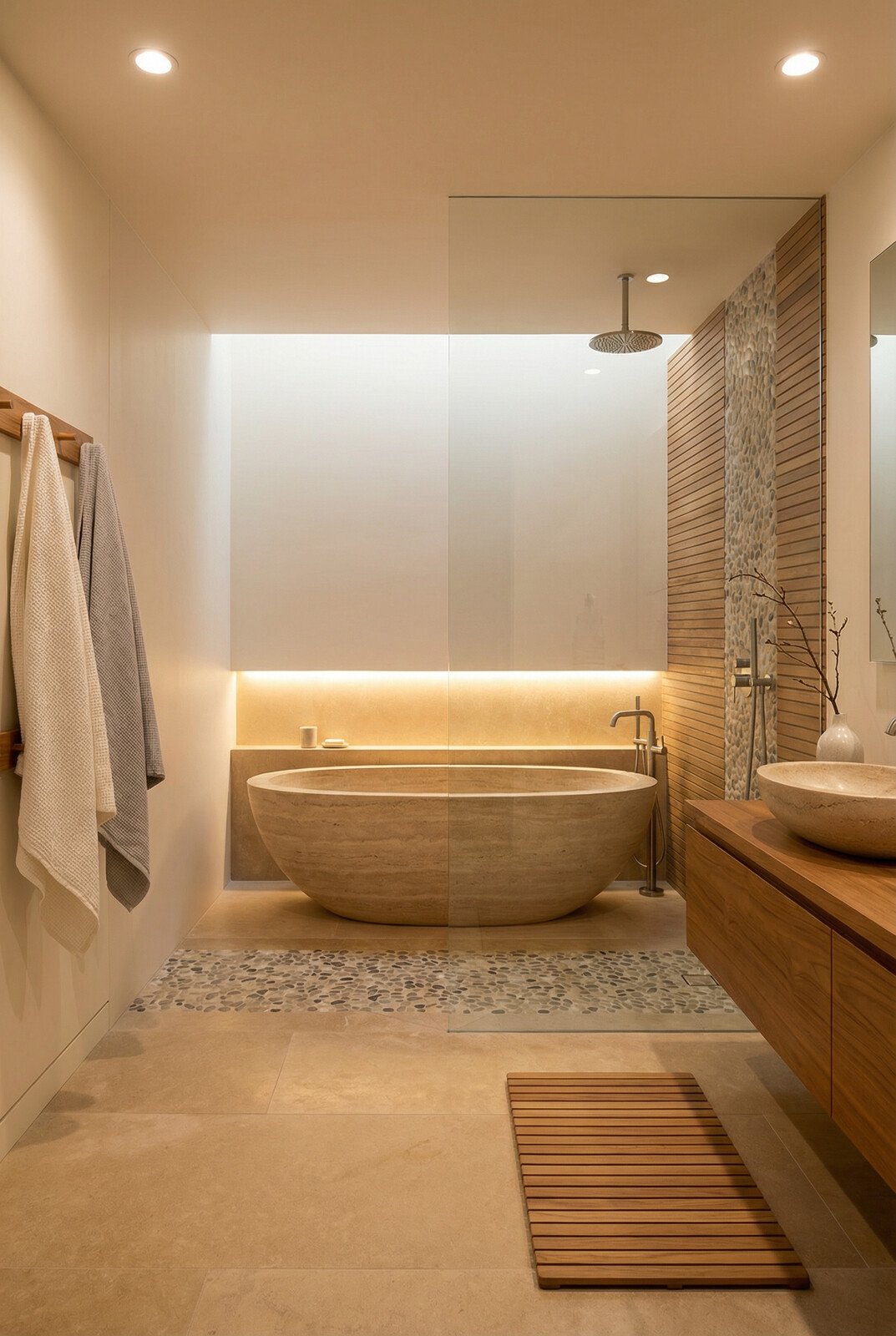
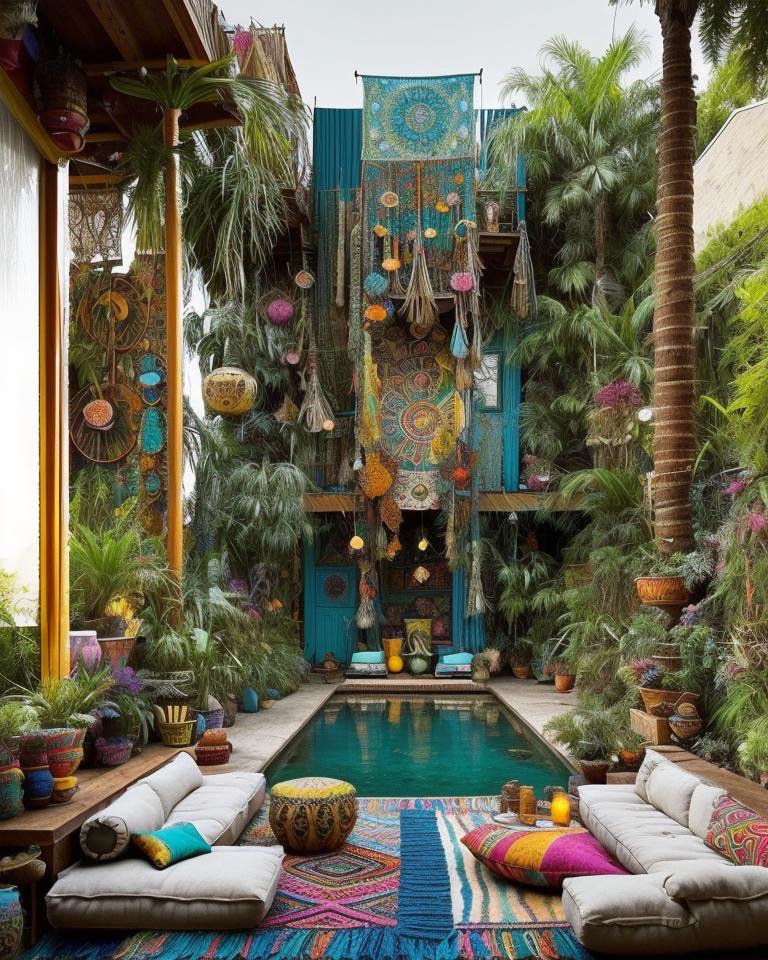
This isn’t a hypothetical scenario. It’s happening. Photorealistic architectural rendering has reached a threshold where it is now, in most contexts, visually indistinguishable from photography. A human observer cannot reliably tell the difference. A smartphone camera pointed at a completed building produces approximately the same visual information as a professionally rendered image of that same building in its design phase. The technology has achieved what architects and visualization engineers have pursued for decades: invisible realism. The render doesn’t announce itself as a render. It looks like the built world.
The problem is profound: if renders look exactly like photographs, how can we trust any architectural image we encounter? A luxury residential tower in Manhattan’s marketing materials. A resort masterplan in a developer’s pitch deck. A hotel renovation featured in an architectural publication. All could be renders. All could be fabrications. All could be deepfakes in the service of fraud, speculation, or simple self-deception.
The Deepfake Invasion
Real estate fraud has always existed. Bad-faith developers, corrupt architects, overambitious marketers have always existed. But photorealistic AI-generated renders have weaponized these ancient crimes. The barrier to entry is no longer a team of visualization experts and months of labor. It’s a software subscription and a skilled operator. Fake real estate listings now proliferate on secondhand marketplaces. Property photographs are swapped for renders that show more light, better views, more spacious proportions. Buyers show up to viewings and find the space doesn’t match the images at all. The trust transaction collapses.
In one documented case, a property was marketed with renders showing beachfront views that didn’t exist. The building sat three blocks inland. The renders added oceanfront appeal worth approximately $2 million per unit. By the time the fraud was discovered and litigation began, hundreds of units had sold, thousands of buyers had been defrauded, and the developers had vanished into legal complexity.
The architectural profession faces its own crisis. Portfolios are being fabricated. Award submissions feature renderings of projects that were never commissioned, never designed, never anything more than digital fantasies. The credential inflation is epidemic. How can you trust that the architect whose portfolio dazzles you actually has the skill to design? Or have you simply encountered a particularly skilled digital fabricator?
The Collapse of Visual Proof
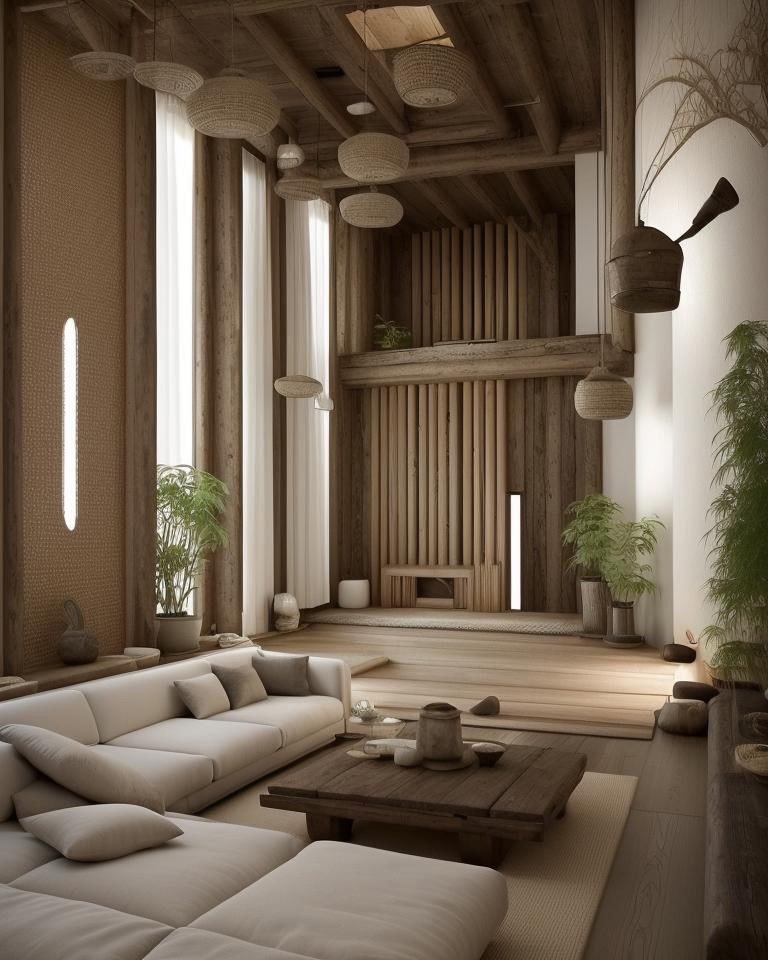
For two centuries, the photograph provided a guarantee: this image documents something that existed at this moment in this place. A photograph was evidence. It was proof. Digital cameras complicated this guarantee—Photoshop made it possible to fabricate photographs. But visual literacy around digital image manipulation developed. People began to understand that photographs could be false. The culture adapted.
Photorealistic architectural renders dissolve even that adapted understanding. You cannot look at an image and determine whether it documents a built space or predicts a future one. You cannot distinguish between an architect’s vision and a deepfake speculation. The visual evidence is now fundamentally untrustworthy. Proof has become impossible without external metadata, blockchain verification, or explicit disclosure.
This is not a theoretical problem. It’s a problem of institutional trust. Real estate transactions depend on honest representation. Architectural credentials depend on honest portfolios. Investment capital depends on honest project documentation. When photorealistic renders become indistinguishable from photographs, all three systems become vulnerable to fabrication.
The Regulatory Response and Blockchain Provenance
Governments are moving cautiously toward regulation. The European Union’s AI Act includes provisions requiring disclosure when AI-generated content is used in commercial or political contexts. Some jurisdictions are exploring blockchain-based provenance systems—digital certificates that authenticate the origin and creation method of an image. If you encounter a render marked with a blockchain cert stating “AI-generated on March 12, 2026 by Modish Global,” you have certainty about its nature. Without such certification, photorealistic images remain suspect.
Some architectural publications have begun requiring explicit labeling of all AI-rendered content. A caption beneath every render must state: “Architectural visualization. AI-generated by [studio name] using [tool name]. Not documentation of completed construction.” It’s a small safeguard, but it’s the beginning of a culture of transparency.
The Modish Standard: Transparency as Architecture
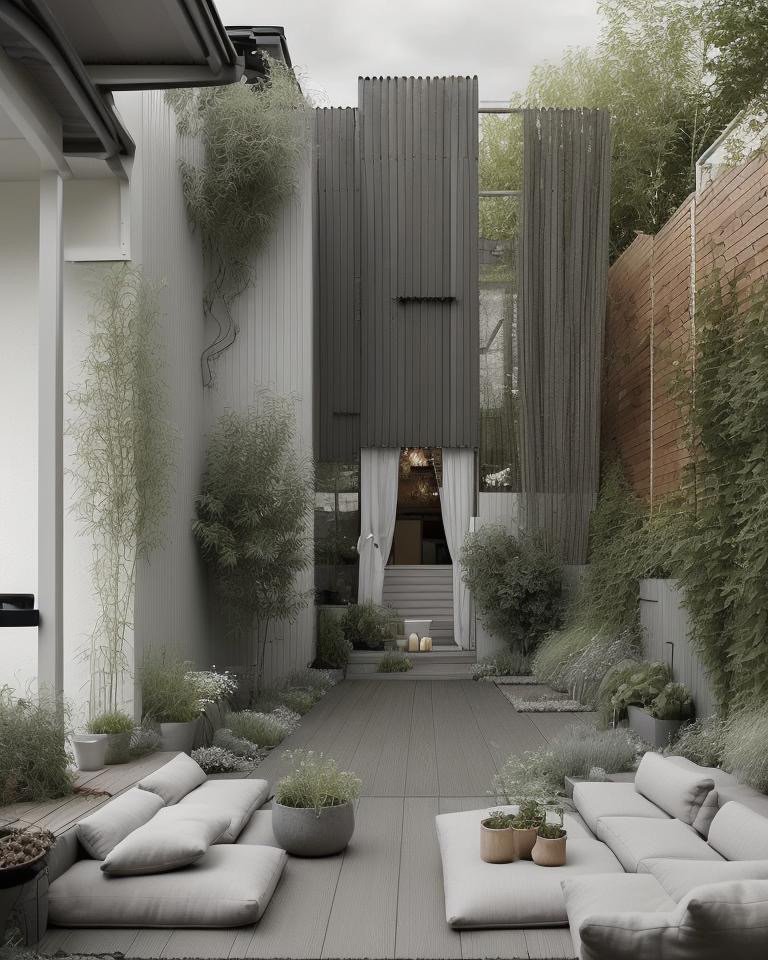
The visualization industry faces a choice. It can either embrace the weaponization of photorealism—creating renders so convincing they deceive—or it can embrace radical transparency as a competitive value. Modish Global has chosen the latter. Every render produced through Cinematic Intelligence™ is disclosed as AI-generated. Every image file carries metadata indicating its status as visualization, not documentation. Every commercial application includes explicit labeling.
This isn’t a liability. It’s an asset. In a landscape of deepfakes and fabricated portfolios, explicit disclosure becomes a credential. If you see a render labeled “Cinematic Intelligence | AI-generated visualization,” you know exactly what you’re looking at. You trust it precisely because it admits what it is. You can make informed decisions based on honest representation.
The deeper issue is this: photorealism without disclosure isn’t advancement. It’s deception masquerading as progress. True architectural visualization exists to communicate design intent, to allow clients to envision spaces before construction, to bridge the gap between imagination and reality. That mission is only possible if the images are honest about their own nature.
The crisis is not photorealism itself. It is photorealism deployed without transparency. In a world where visual proof has become structurally impossible, the only trustworthy visualization is the one that openly declares itself as visualization. The render that says what it is, and means what it shows.
There is a deeper architectural metaphor here. The best buildings do not deceive about their materials. A concrete wall that pretends to be marble is not architecture — it is costume. A steel beam wrapped in plaster to resemble timber is not honest structure — it is theater. The same principle applies to visualization. A render that pretends to be a photograph is not progress. It is deception wearing the mask of innovation.
The path forward requires the profession to do what the best architecture has always done: reveal its own construction. Show the viewer what is real, what is imagined, what is possible. Let the render announce itself as render, and let the photograph retain its ancient claim to documentary truth. In the space between these two honest declarations, architecture can continue to dream — transparently, credibly, and without apology. That is the architecture of trust in an age of deepfakes: not better visual deception, but better visual honesty.