Fire Safety as Architectural Imperative
For decades, fire safety in architecture was understood as a regulatory problem—something to be solved through code compliance and passive barriers. Architects and engineers applied fire-resistant materials because the building code demanded it, not because the materials themselves were understood as sophisticated components of a holistic safety philosophy.
This framework is changing. Fire safety is increasingly recognized as a complex systems problem that demands computational thinking, real-time simulation, and intelligent material selection calibrated to specific risk contexts. Artificial intelligence is transforming fire safety from compliance checklist to adaptive infrastructure.
The evolution is urgent. As climate change accelerates wildfire seasons, as population density increases in fire-prone regions, and as construction methods innovate—introducing new material systems with novel fire characteristics—the architectural profession faces a new imperative: understand fire as a design variable, not a constraint to be minimized.
By Wasif Mustafa, Architect & Fire Safety Systems Theorist
The Emerging Canon of Fire-Resistant Materials
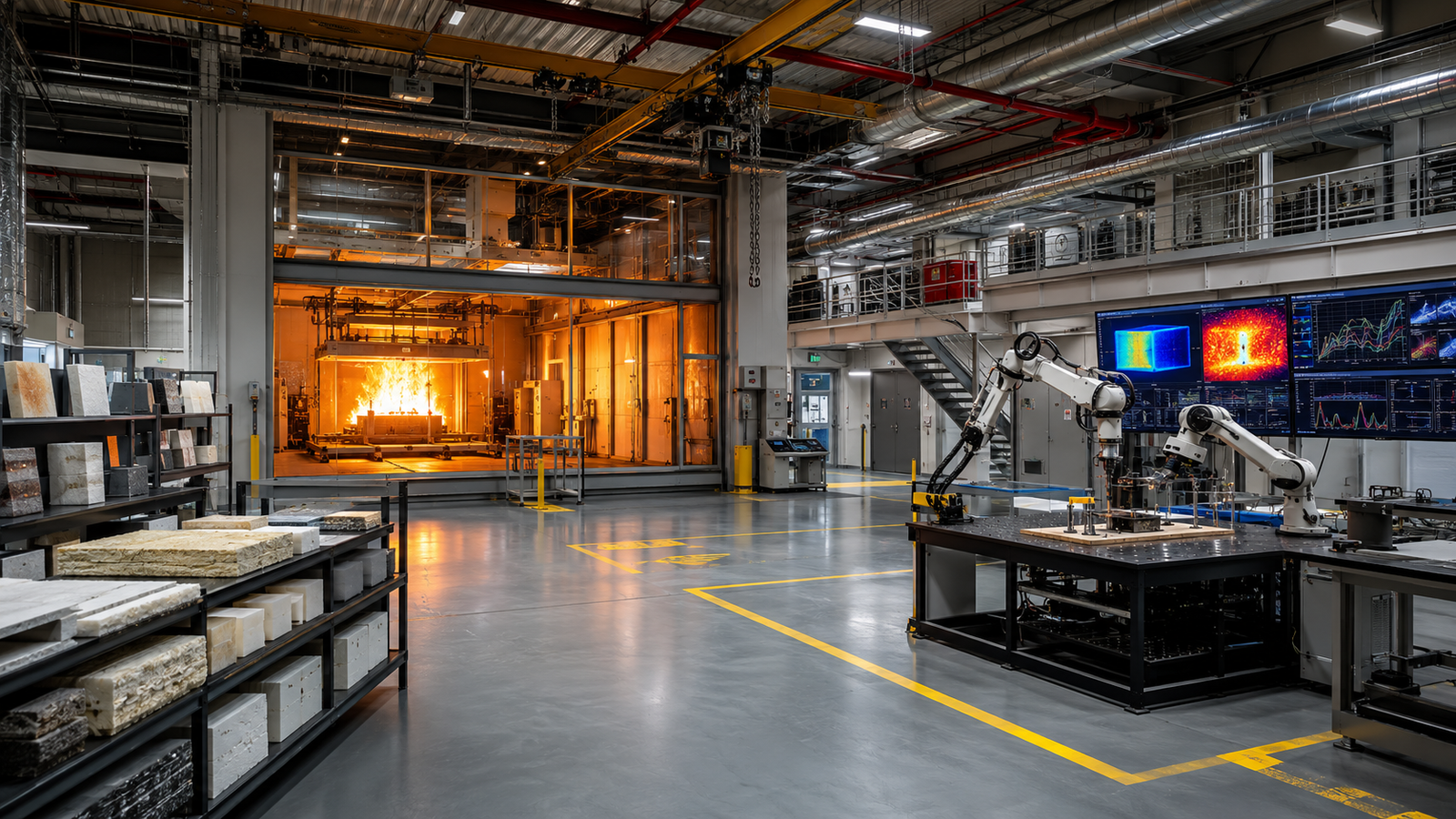
Modern fire-resistant construction draws on a sophisticated arsenal of materials, each with distinct properties and applications. Understanding these materials requires moving beyond simplistic “fireproof” categories toward nuanced understanding of how materials behave under thermal stress, how they degrade or protect adjacent materials, and how they perform in real-world fire scenarios.
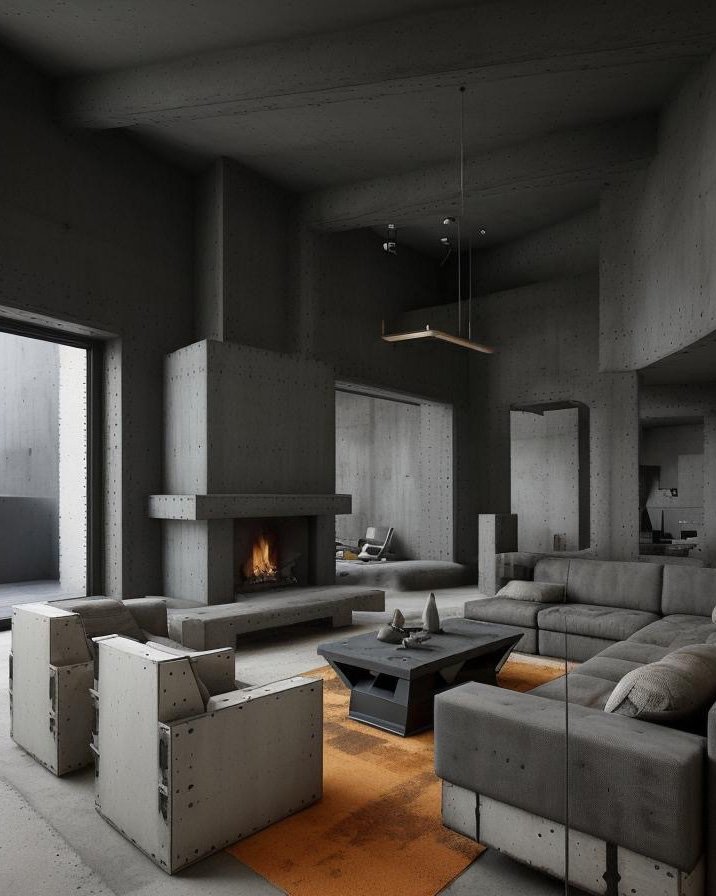
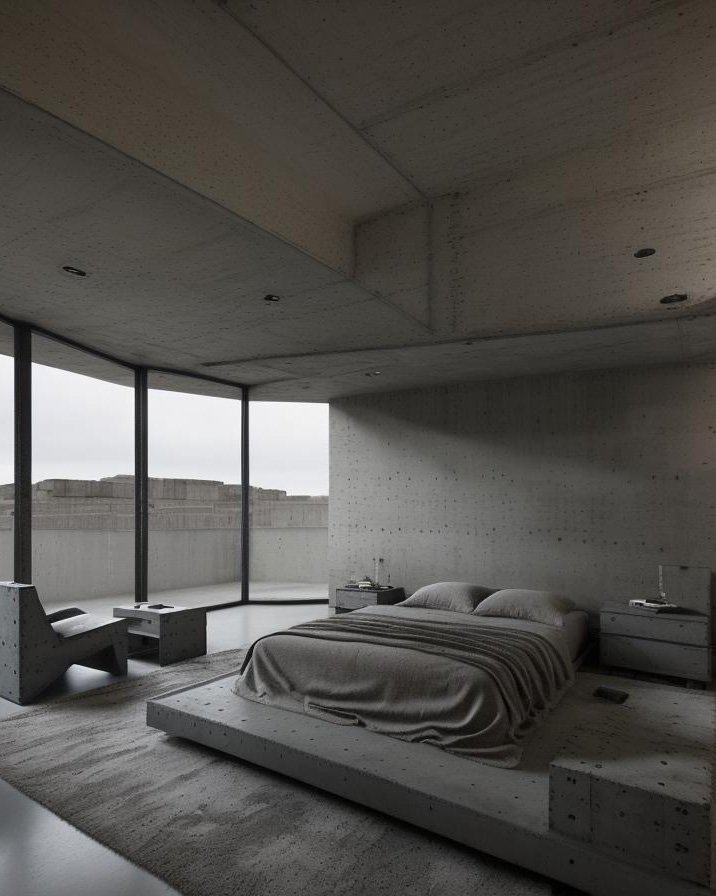
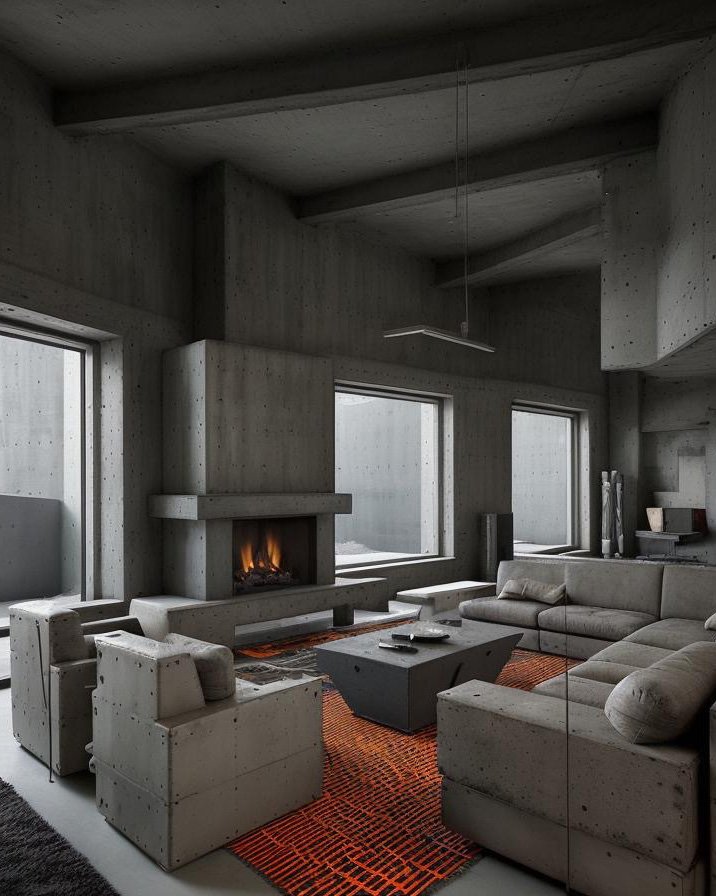
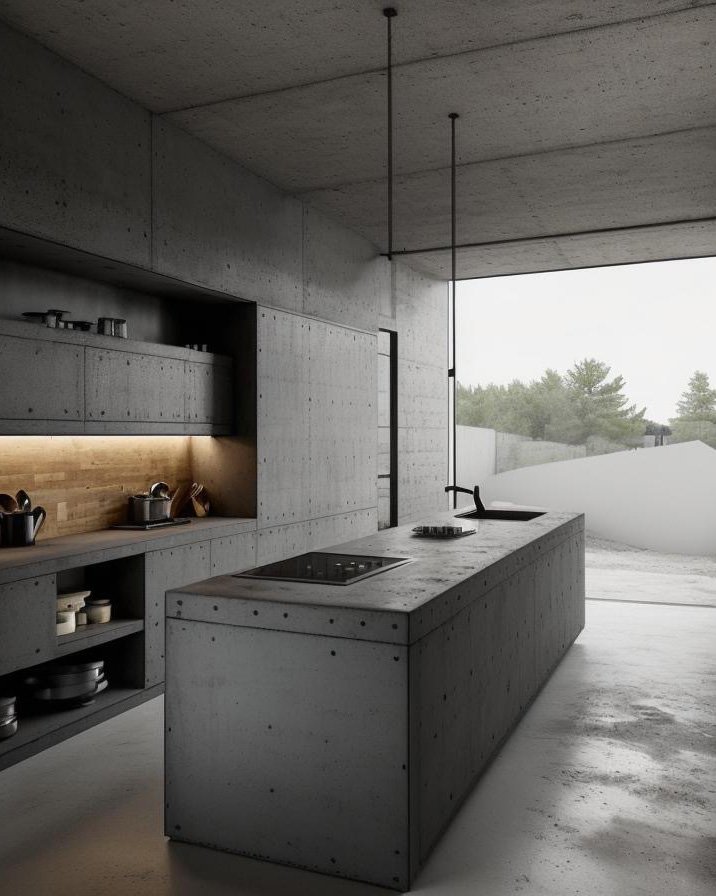
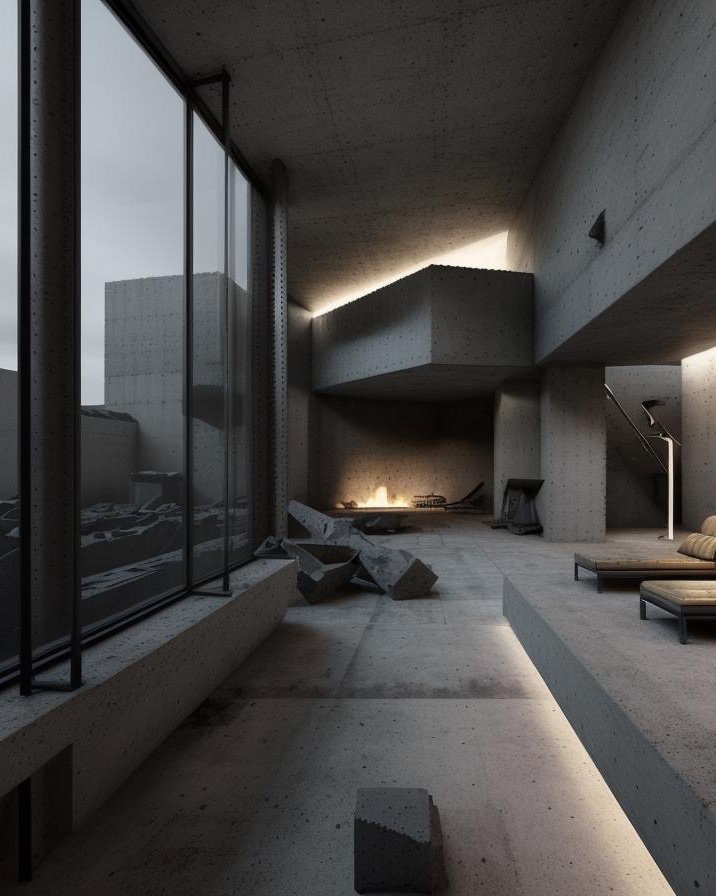
Concrete remains the foundational material. Its mineral composition provides inherent fire resistance—it does not burn, and its thermal conductivity is sufficiently low that internal temperatures remain below critical thresholds for extended periods. But concrete is not uniform. High-performance concrete, specified for critical structural elements, demonstrates superior thermal stability compared to standard mixes. The aggregate type, the water-cement ratio, and the presence of additives all influence fire performance. An architect specifying concrete for a fire-critical location is making a deliberate choice among a spectrum of concrete systems, not applying a generic material.
Gypsum board functions as a sacrificial thermal barrier. When exposed to fire, the gypsum crystal structure undergoes dehydration, absorbing heat energy that would otherwise travel through the wall assembly. Multiple layers of gypsum board create a temporal buffer—fire must consume the first layer before reaching the second, buying time for occupants to evacuate and for structural systems to remain sound. The thickness, core composition, and installation method all influence performance.
Intumescent coatings operate through chemical transformation. When exposed to heat, these specialized paints expand dramatically, creating a char layer that insulates underlying materials from thermal penetration. An intumescent coating applied to a steel beam can extend its fire rating from thirty minutes to two hours or more. The coating is a designed intervention—its expansion rate, char formation, and adhesion properties are calibrated to specific thermal scenarios.
Cross-laminated timber (CLT) represents a contemporary innovation. Massive timber structural elements, when properly specified and protected, can outperform steel in certain fire scenarios. The wood charring process is predictable—wood burns at a consistent rate, approximately one millimeter per minute. This predictability allows engineers to specify the wood thickness necessary to maintain structural capacity even as the surface chars. A CLT panel three hundred millimeters thick might have fifty millimeters consumed by charring, leaving two hundred fifty millimeters of structurally sound material. The fire-resistant property emerges not from the material being immune to fire but from understanding fire behavior precisely enough to engineer protective capacity.
Mineral wool insulation—rockwool and glasswool products—provides both thermal and acoustic performance while maintaining non-combustibility. These materials can withstand continuous temperatures that would degrade or ignite organic insulations. In cavity wall systems, mineral wool acts as both insulator and fire barrier, preventing flame spread while maintaining thermal control.
Each material system operates according to distinct principles. Concrete and mineral products are inherently non-combustible. Steel, while non-combustible, loses strength as temperature rises, requiring protective coatings or encasement. Wood, when properly detailed, can be engineered for predictable fire behavior. The architect’s role is understanding these principles and orchestrating them into coherent systems.
Artificial Intelligence and Adaptive Fire Safety
Where artificial intelligence transforms fire safety is in the movement from static materials to dynamic systems. Traditional fire safety design typically follows deterministic logic: choose materials that meet prescriptive code requirements, pass third-party testing, and combine them into assemblies verified by empirical testing or mathematical models.
AI-assisted fire safety design introduces adaptive modeling. Rather than a single worst-case scenario, generative algorithms can model dozens or hundreds of fire scenarios—varying fuel loads, environmental conditions, wind patterns, occupancy profiles, evacuation timing. For each scenario, the system models material performance, temperature distribution, smoke behavior, structural integrity over time, and exit viability. This multiplicity of modeling reveals not whether a design meets minimum code, but how it performs across a spectrum of realistic conditions.
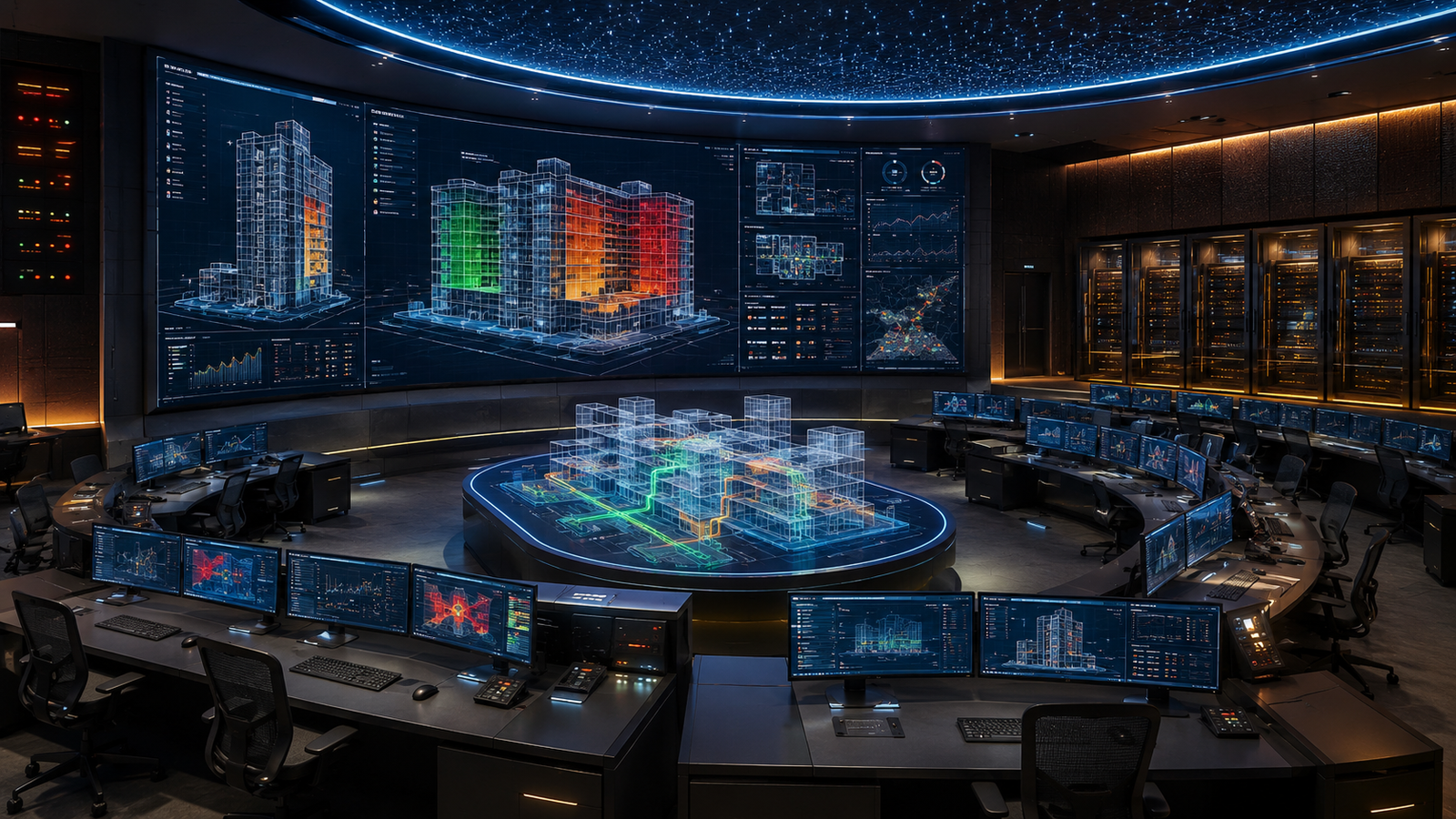
Smart Building Information Modeling (BIM) integration enables real-time fire safety optimization. As a design evolves—as layouts change, as material selections shift, as mechanical systems are specified—the AI system automatically updates fire safety predictions. If a design modification increases fire risk, the system alerts the design team immediately, suggesting material or system interventions. If it decreases risk, the system notes the improvement, potentially identifying opportunities for cost optimization or performance enhancement.
Digital twins—virtual models that mirror physical buildings through sensors and real-time data—enable even more sophisticated fire safety management. A digital twin of a completed building can integrate live sensor data: temperature conditions, humidity, air movement patterns, occupant locations. If a fire initiates, the digital twin becomes an active tool for evacuation coordination, structural assessment, and strategic firefighting resource deployment. AI algorithms running on the digital twin can predict fire spread, identify structural risks in real-time, and optimize emergency response.
Case Studies in Computational Fire Safety
The Edge Amsterdam, developed by OVG Real Estate with technical support from structural and MEP engineering firms, demonstrates computational fire safety in practice. The building’s mass timber structural system, innovative fire protection strategies, and advanced BIM integration create a case study in how AI can support timber construction in high-density urban environments where fire codes are stringent. The project required demonstrating that CLT structural performance under fire scenarios matched or exceeded concrete and steel alternatives. Computational modeling, supported by experimental validation, made this demonstration possible.
Wildfire-resistant architectural systems emerging in California represent a different application vector. Research institutions and forward-thinking architects are using computational fire modeling to optimize building envelopes for wildfire exposure. The critical vulnerabilities are not internal fires but external radiant heat and embers. AI systems model ember transport, roof penetration probability, wall ignition potential. Materials are selected not primarily for internal fire barriers but for external fire resistance. Roof composition, window glazing, foundation details, vegetation management—every element is calibrated through computational analysis to the specific wildfire risk profile of the location.
Singapore’s Building and Construction Authority (BCA) has integrated AI-assisted fire safety assessment into their regulatory framework. Rather than prescriptive code compliance, developers can propose performance-based fire safety designs. AI systems evaluate these designs against safety objectives—ensuring occupant evacuation, protecting structural integrity, limiting property loss—without mandating specific material or system choices. This shift from prescriptive to performance-based regulation, enabled by AI modeling, allows innovation in materials and systems while maintaining safety standards.
Ethical Dimensions of AI in Fire Safety
As AI becomes more central to fire safety design and management, ethical questions emerge. If an AI system predicts that a certain material system will result in five occupant casualties in a statistically modeled fire scenario, versus ten with an alternative system, should cost considerations influence material selection? Who is responsible—the architect, the AI system, the building owner—if a design performs worse than predicted?
These questions demand careful governance. Fire safety decisions carry life-or-death consequences. AI systems, however sophisticated, must be understood as tools that augment human judgment, not replace it. Engineers and architects remain responsible for design decisions. But the computational capabilities now available should be understood as a professional obligation—to use available tools to understand risk comprehensively, to optimize for multiple objectives (safety, sustainability, cost, performance), and to document the reasoning behind design decisions clearly.
There is also the question of access. Performance-based fire safety design enabled by AI could democratize safety—allowing architects and builders in resource-limited contexts to design fire-safe buildings without reliance on expensive third-party testing. Or it could concentrate power in the hands of organizations with access to sophisticated AI modeling, widening disparities in building safety across economic strata. This is a question not of technology but of governance and equitable access to computational tools.
Material Innovation as Continuous Process
Fire-resistant materials are not a closed category. Innovations continue. Phase-change materials that absorb thermal energy through molecular transition, smart coatings that respond to specific fire conditions, bioengineered materials with novel thermal properties—all are in development. As these innovations emerge, AI-assisted modeling becomes more valuable, allowing architects to understand novel material behavior in complex scenarios before deploying them in actual construction.
The future of fire safety in architecture is neither purely material-based nor purely computational. It emerges from the integration of sophisticated material systems with adaptive modeling, real-time monitoring, and intelligent response. Fire itself—an ancient, primal force—becomes a design variable subject to computational understanding and human control. The result is buildings that are not merely fire-resistant but fire-intelligent, capable of protecting occupants and assets through systems designed with unprecedented clarity and sophistication.