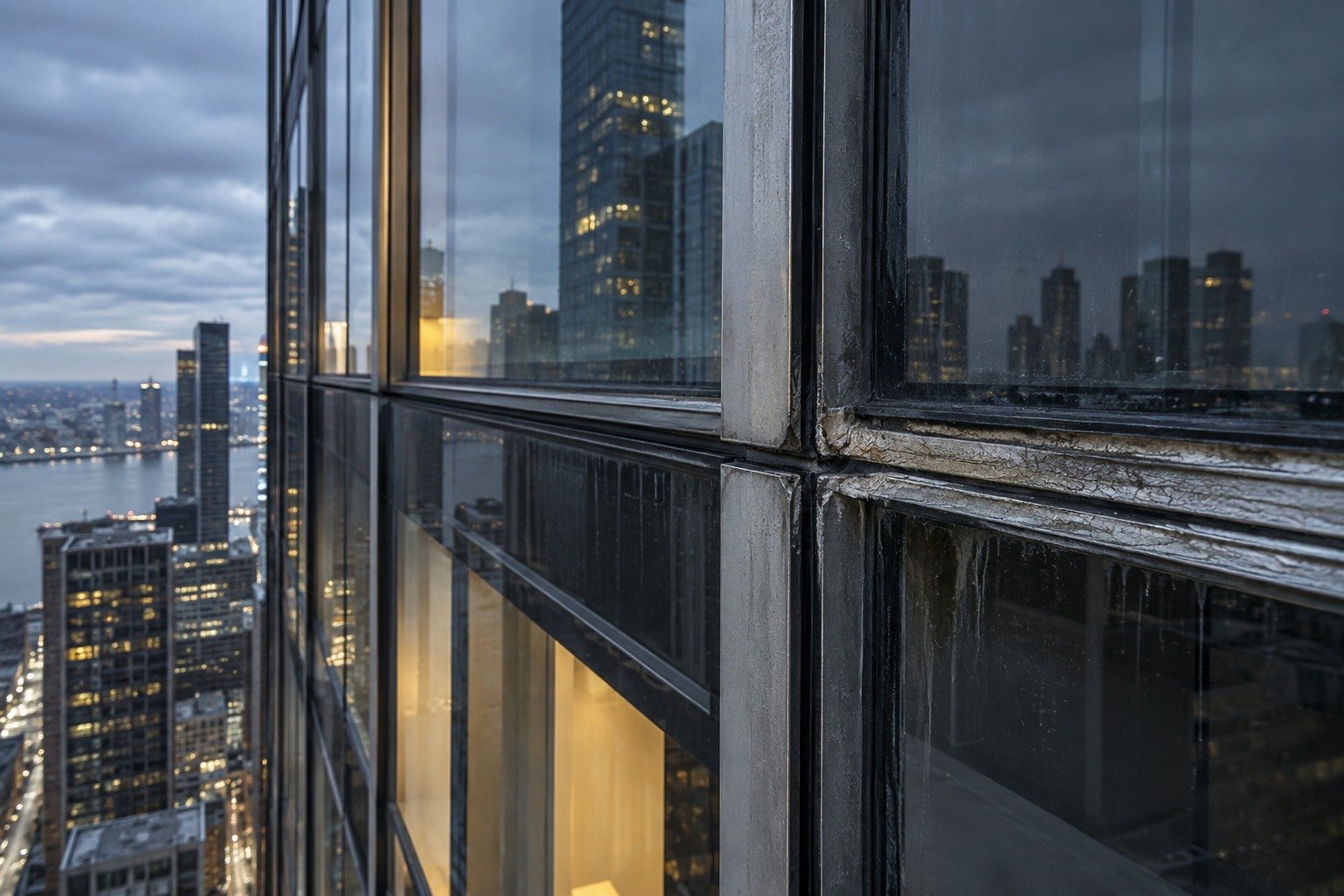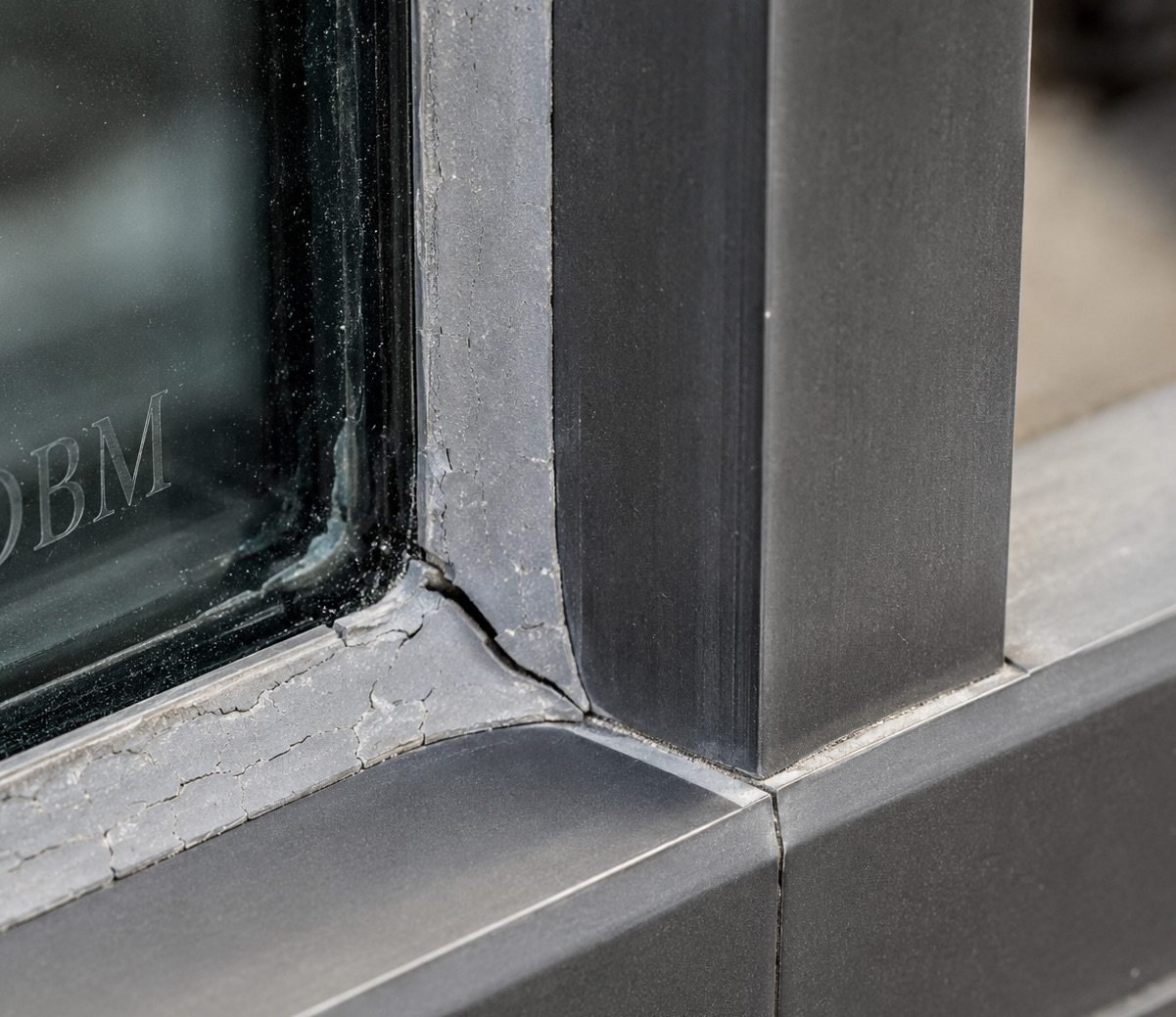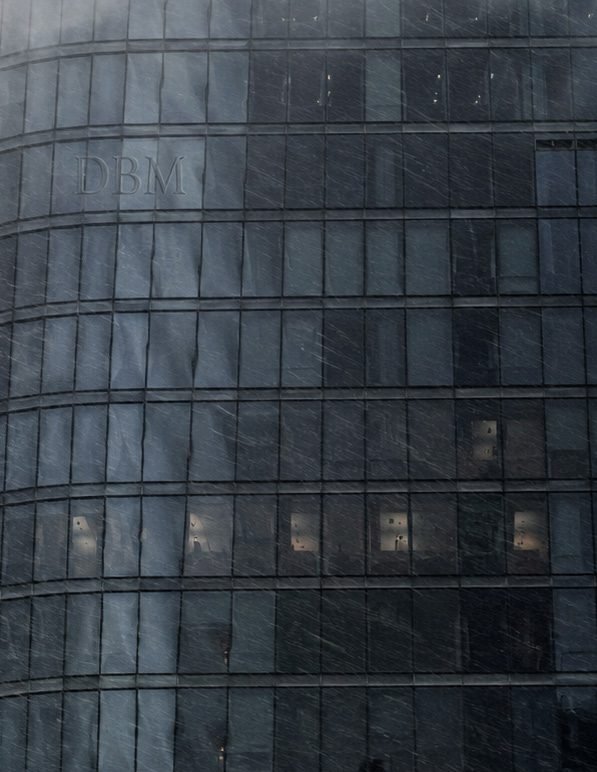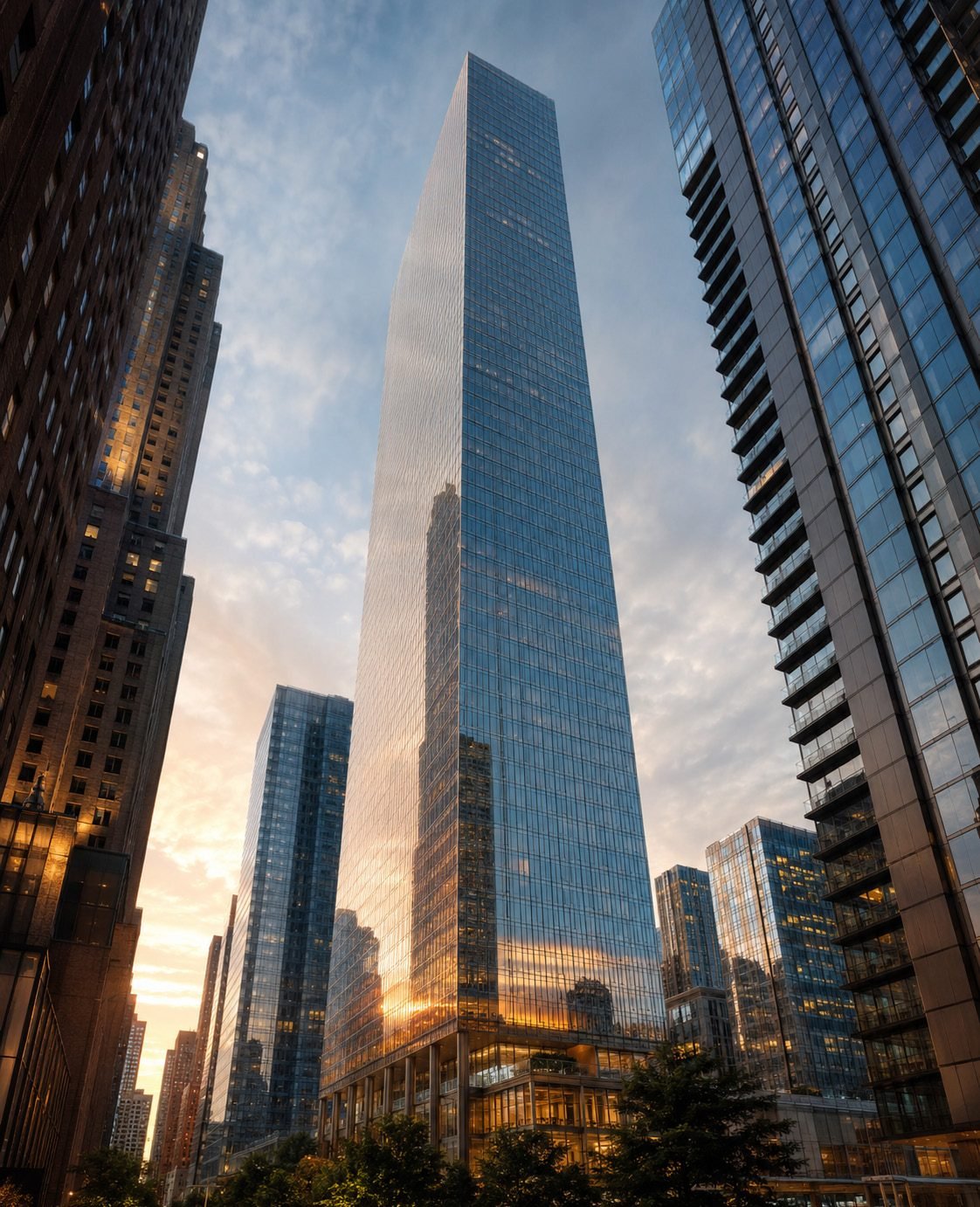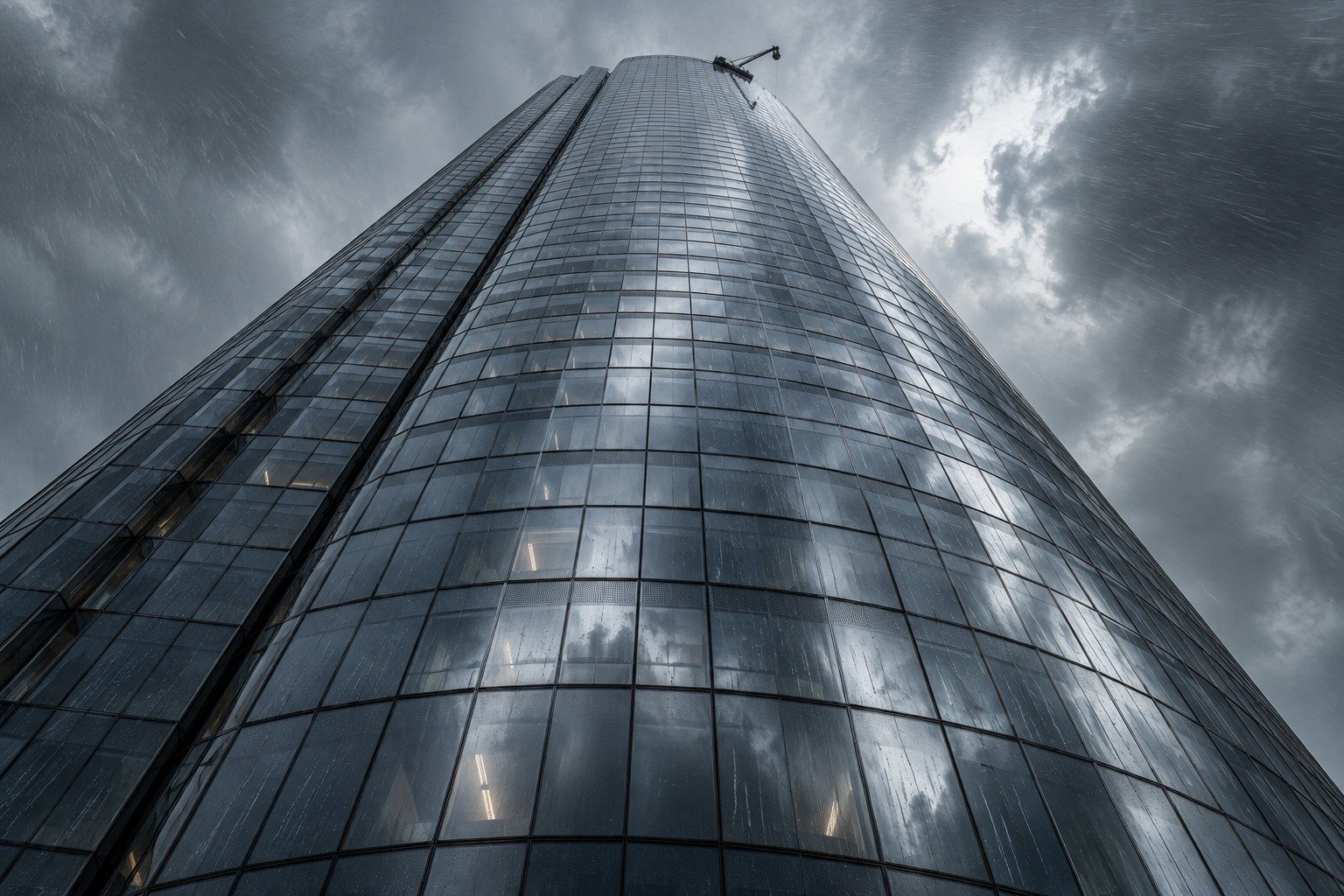
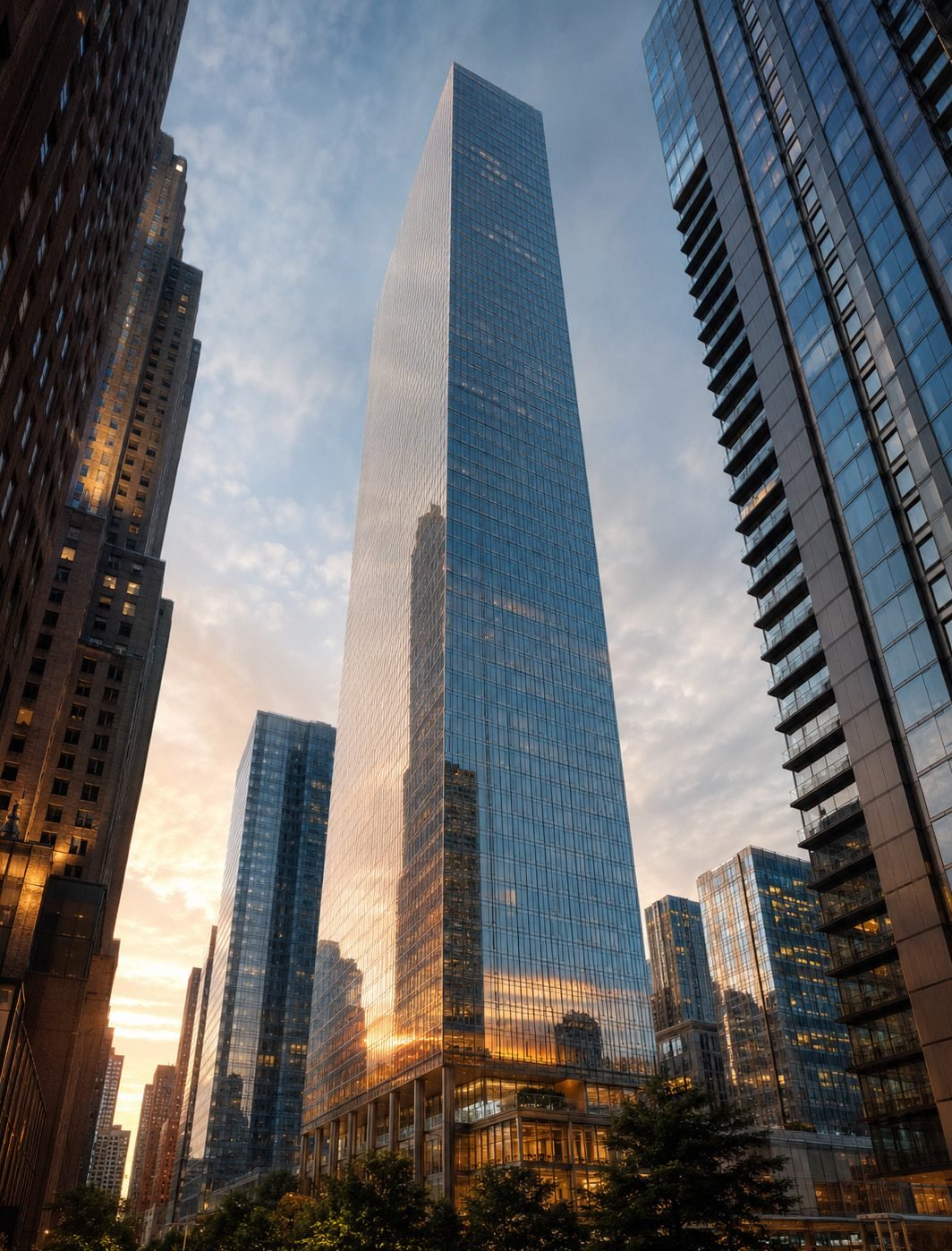
I have spent twenty-three years listening to buildings speak. Not metaphorically. Concrete talks. Steel hums. Glass vibrates at frequencies most engineers never learn to hear, because they stopped listening the moment they left the lecture hall. I am a structural forensics engineer, and I tell you this not to burnish credentials but to establish a single unambiguous fact. When I say a building is in distress, it is not opinion. It is diagnosis. And 432 Park Avenue, that impossibly slender column of white concrete rising 1,396 feet above Midtown Manhattan, is a building in profound and systemic distress. What follows is not a news report. It is a forensic meditation, a clinical examination of how one of the most expensive residential towers ever constructed became, arguably, the most expensive cautionary tale in modern architectural history.
The Geometry of Ambition
To understand what went wrong at 432 Park Avenue, you must first understand what was attempted. Rafael Vinoly, the Uruguayan-born architect who died in 2023 at the age of seventy-eight, designed the tower as a radical exercise in geometric purity. The concept was deceptively simple, a perfect square extrusion, 93.5 feet on each side, rising ninety-six stories into the Manhattan sky. The facade is an uninterrupted grid of ten-square-meter openings, windows so large they read as voids, as absences, as negative space punched into a concrete lattice. From a distance the building resembles a Josef Albers painting stretched vertically beyond all reasonable proportion. And proportion is precisely the word that matters here.
The slenderness ratio of 432 Park Avenue is approximately one to fifteen. For every foot of width, the building rises fifteen feet. Most structural engineering textbooks describe a ratio of one to seven as aggressive. The Empire State Building sits at roughly one to four. At one to fifteen, 432 Park Avenue is not merely slender. It is, by the standards of conventional structural engineering, an anomaly, a provocation, a dare. The dare was answered by developers who saw in the vision not architectural risk but marketing gold. Units were listed between sixteen million and ninety-five million dollars. The ninety-sixth-floor penthouse eventually traded for one hundred eighty million. Total development cost approached 3.1 billion dollars. The marketing worked. The engineering did not.
The Catalog of Failures
In my career I have encountered buildings with singular problems, a foundation settlement here, a curtain wall failure there. 432 Park Avenue is exceptional in that its failures are plural, simultaneous, and cascading. The condo board’s independent engineering assessment identified approximately fifteen hundred construction and design defects. That number bears repeating. Fifteen hundred. Let me walk through the primary categories as I would in a deposition.
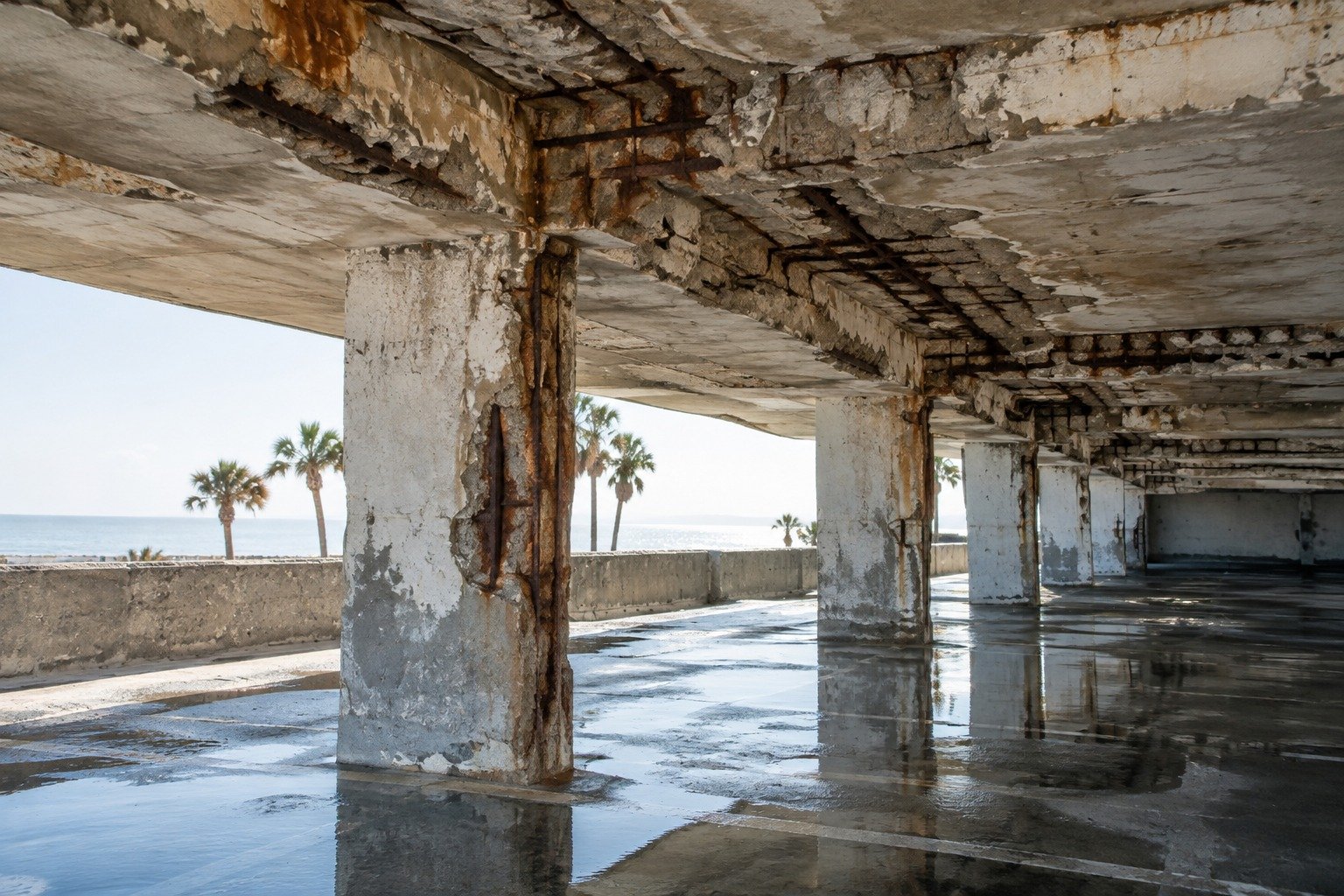
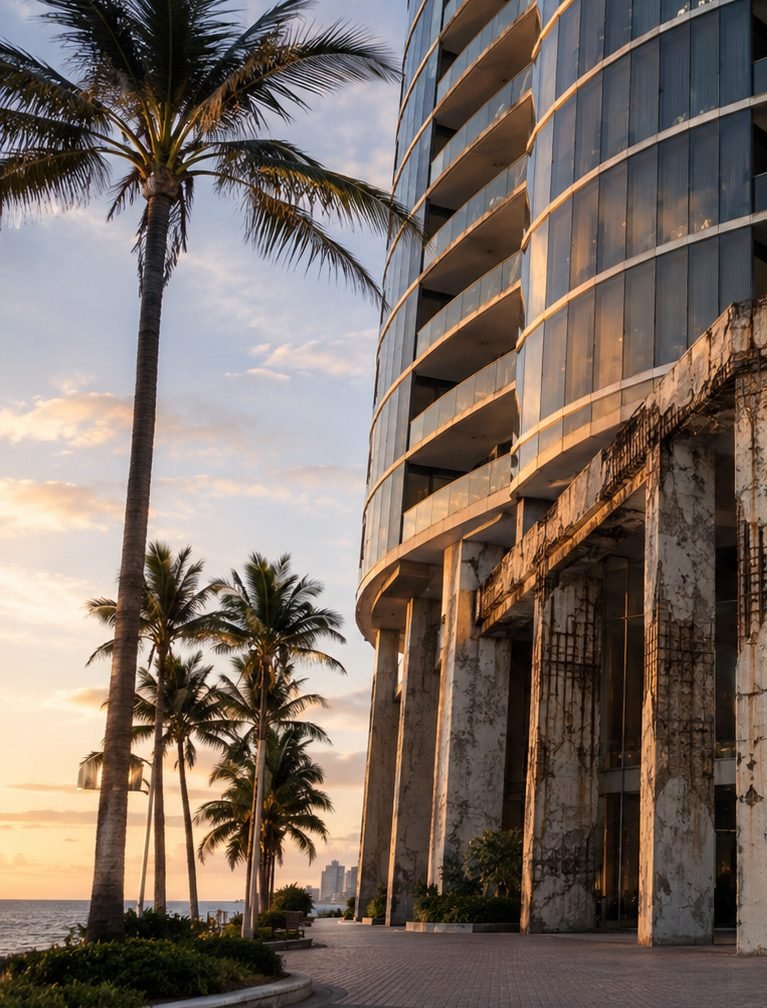
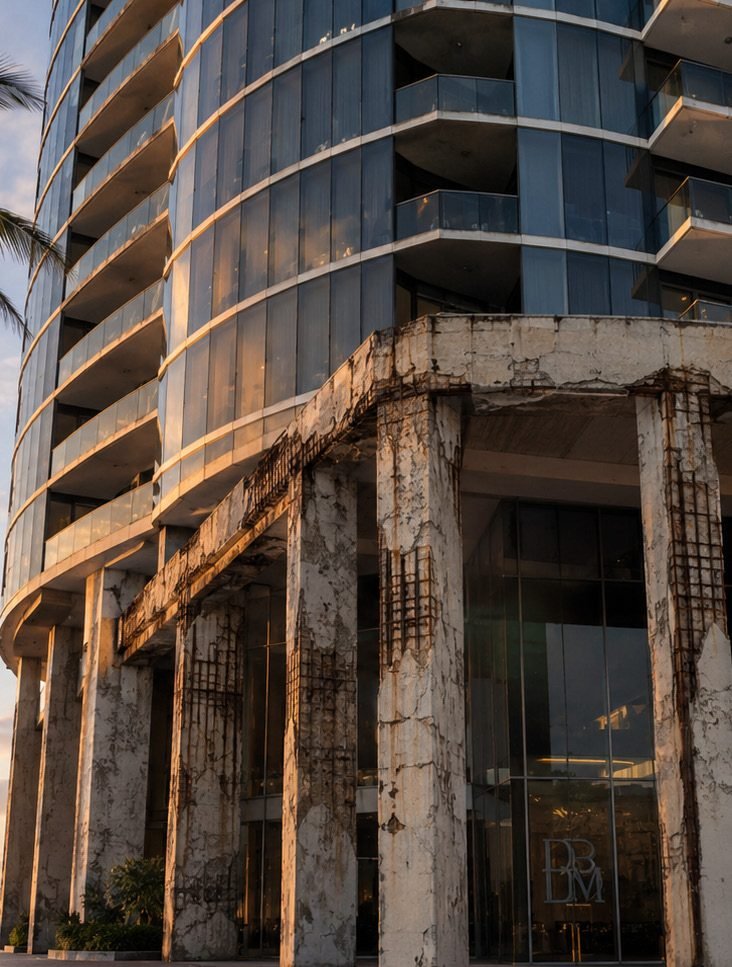
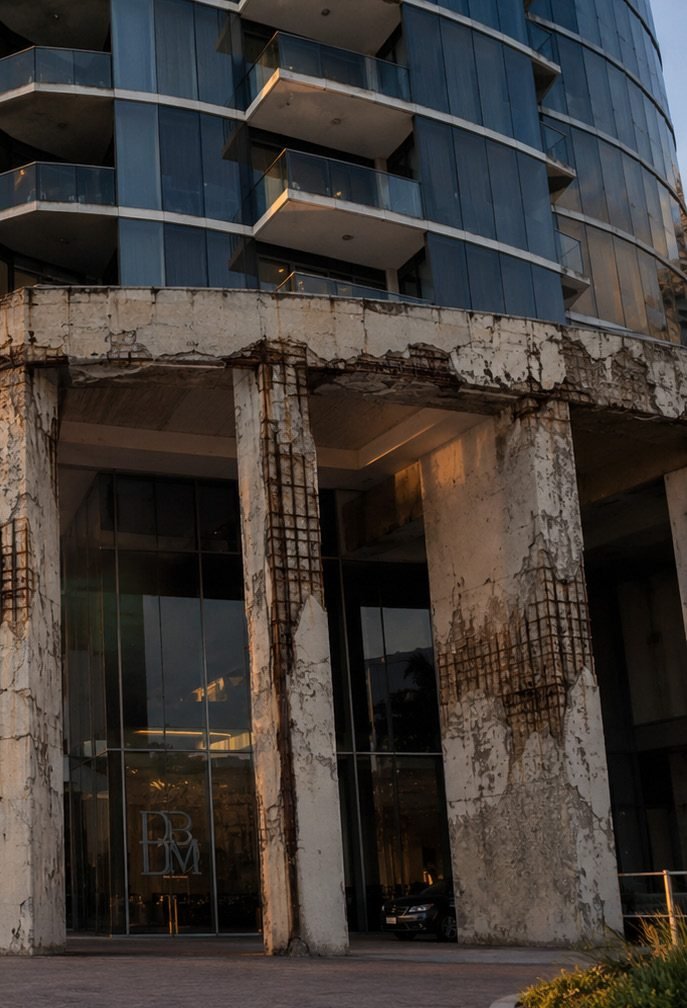
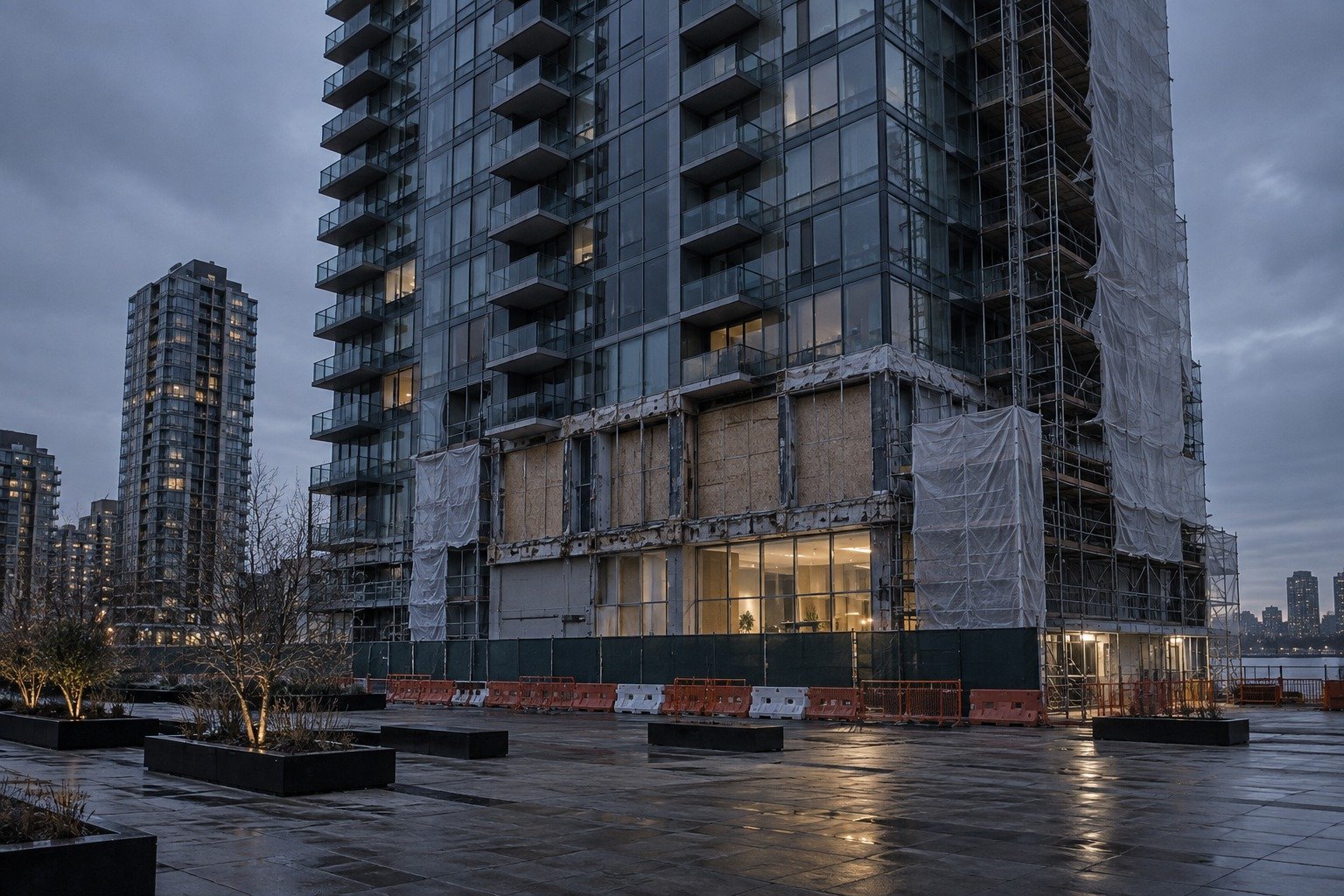
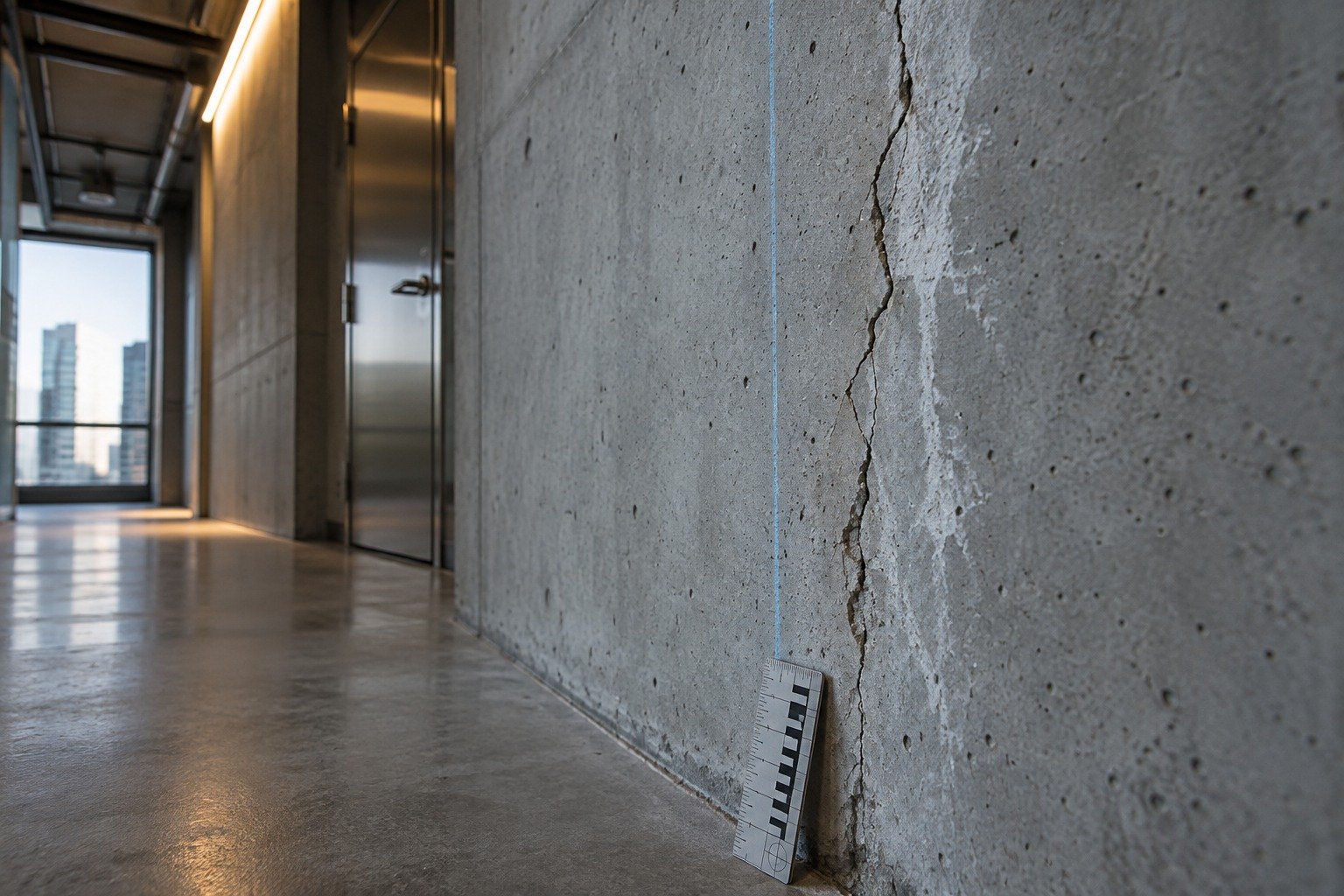
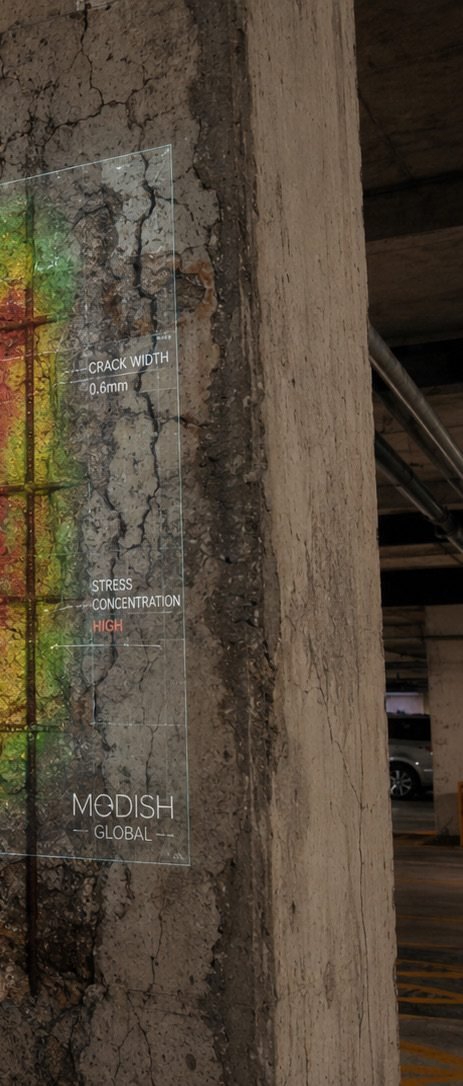
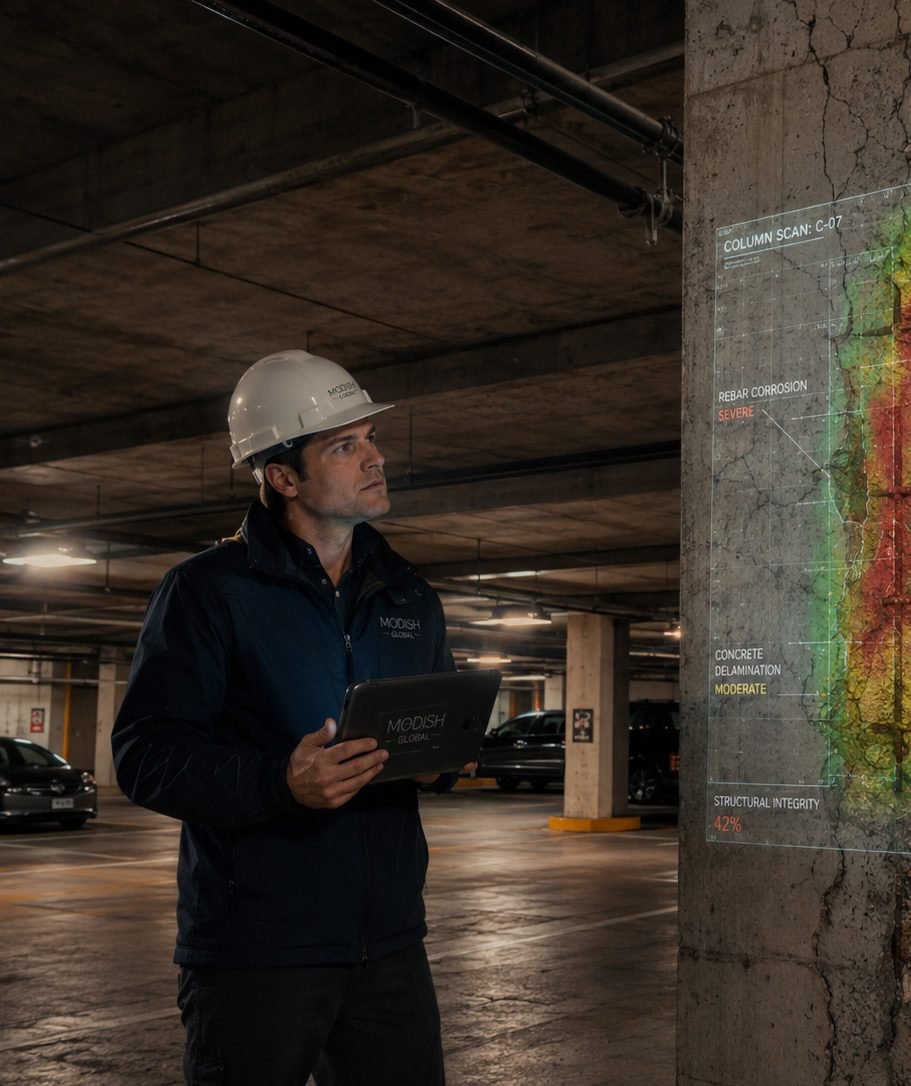
The white concrete facade, the building’s defining aesthetic element, has developed thousands of severe cracks, including spalling and missing chunks across multiple elevations. Most critically, investigators documented a crack measuring ten inches deep in the building’s structural core. Corroded steel reinforcement has been found in concrete columns, an indication that moisture infiltration has been ongoing for years, accelerating carbonation and compromising the rebar’s protective alkaline environment. In a building of this height, where every structural member carries extraordinary loads, corrosion-induced section loss is not an aesthetic issue. It is a safety issue.
Water intrusion is chronic. More than twenty significant leak events have been documented since occupancy. A failed flange and water line rupture caused flooding into elevator shafts, and one residential unit sustained an estimated five hundred thousand dollars in water damage alone. That intrusion removed two of the building’s four residential elevators from service for extended periods. In a ninety-six-story tower with no viable stair alternative for daily use, the loss of half the vertical transportation is not an inconvenience. It is a functional collapse of the building’s core purpose. Two electrical explosions knocked out power to residents. These are not brownouts. These are explosions.
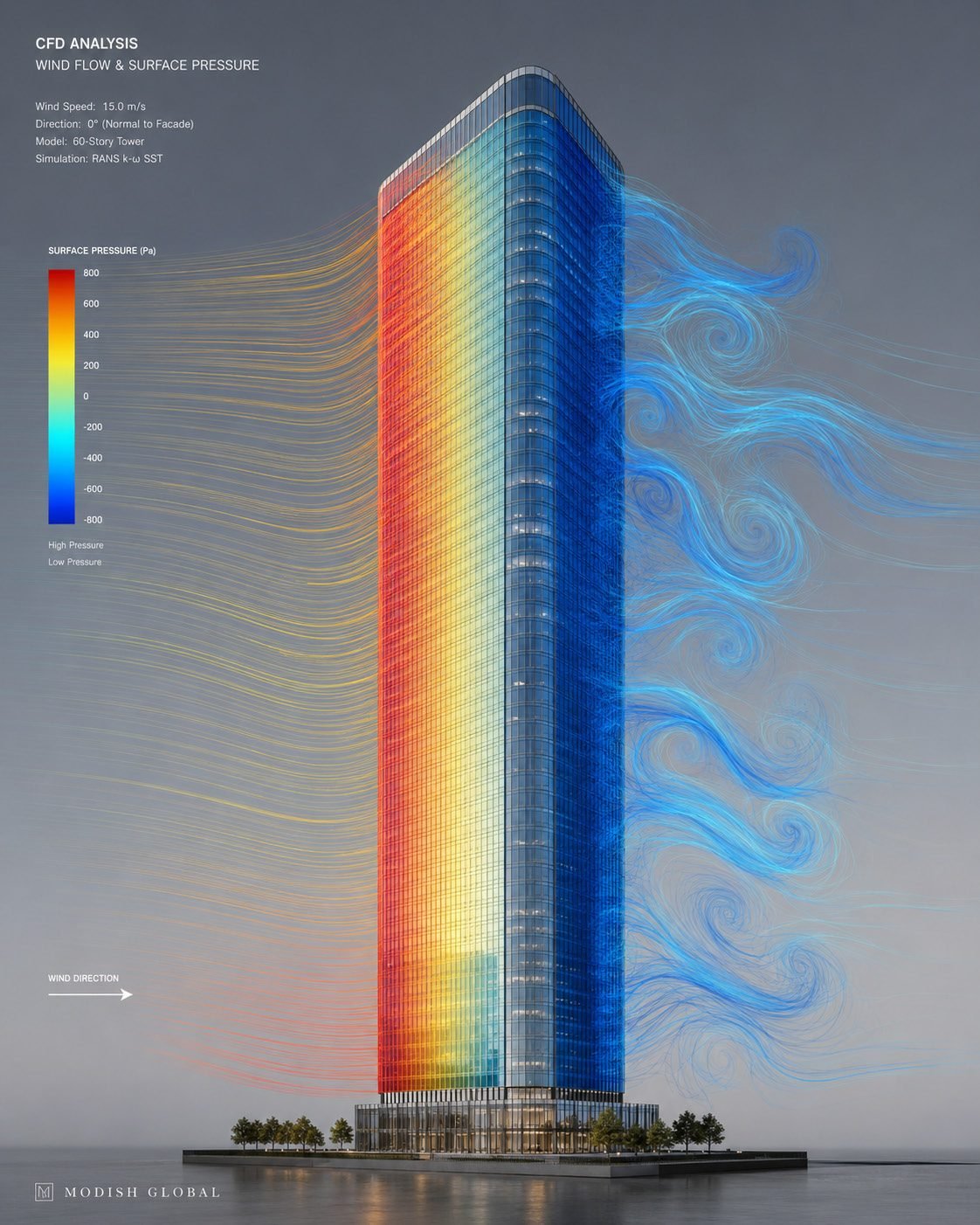
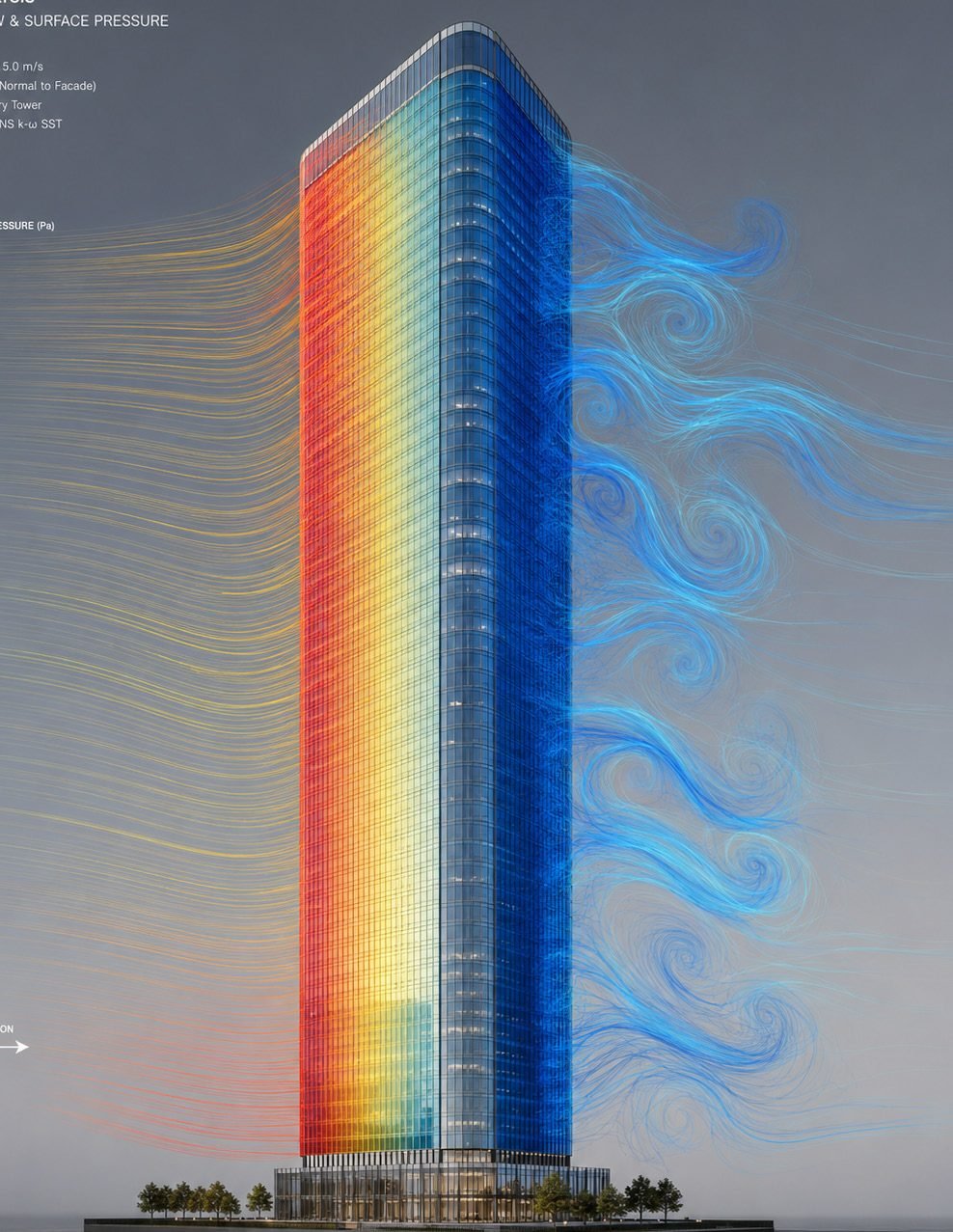
At 1,396 feet, with a slenderness ratio of one to fifteen, the building’s dynamic response to wind loading is extreme. Residents have reported vibrations severe enough to cause physical discomfort, a sensation described as seasickness, and what occupants call a ghostly whistle during high winds, an acoustic phenomenon caused by vortex shedding around the facade grid. Two six-hundred-ton tuned mass dampers sit between the eighty-sixth and eighty-ninth floors to mitigate sway, and by multiple accounts they are insufficient. Then there is the trash chute, which extends more than a thousand vertical feet. When refuse is dropped from upper floors, the air pressure differential creates impacts at the base that residents describe as sounding like a bomb, a thermodynamic problem any competent building systems engineer should have anticipated at this height.
A Pattern in the Portfolio
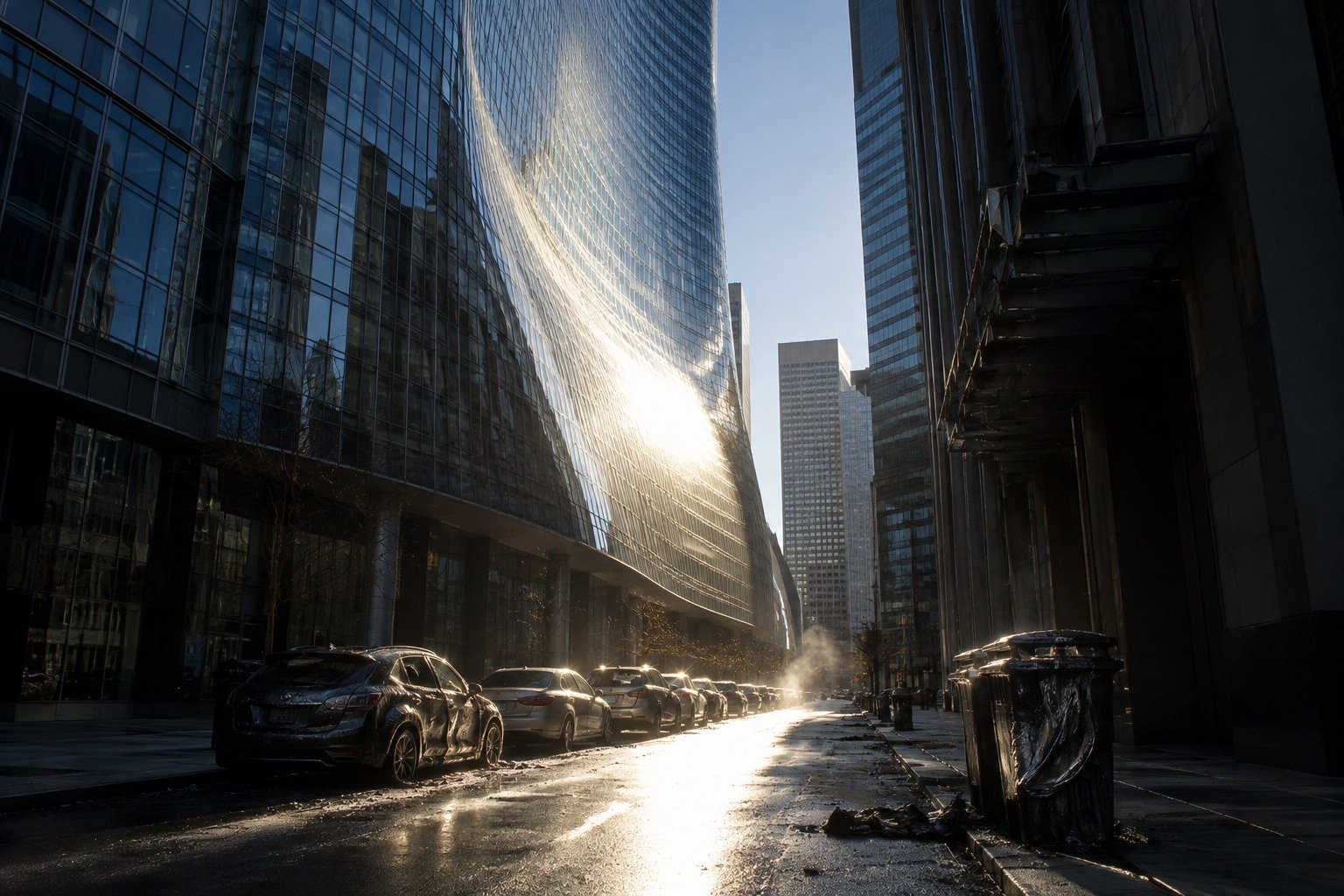
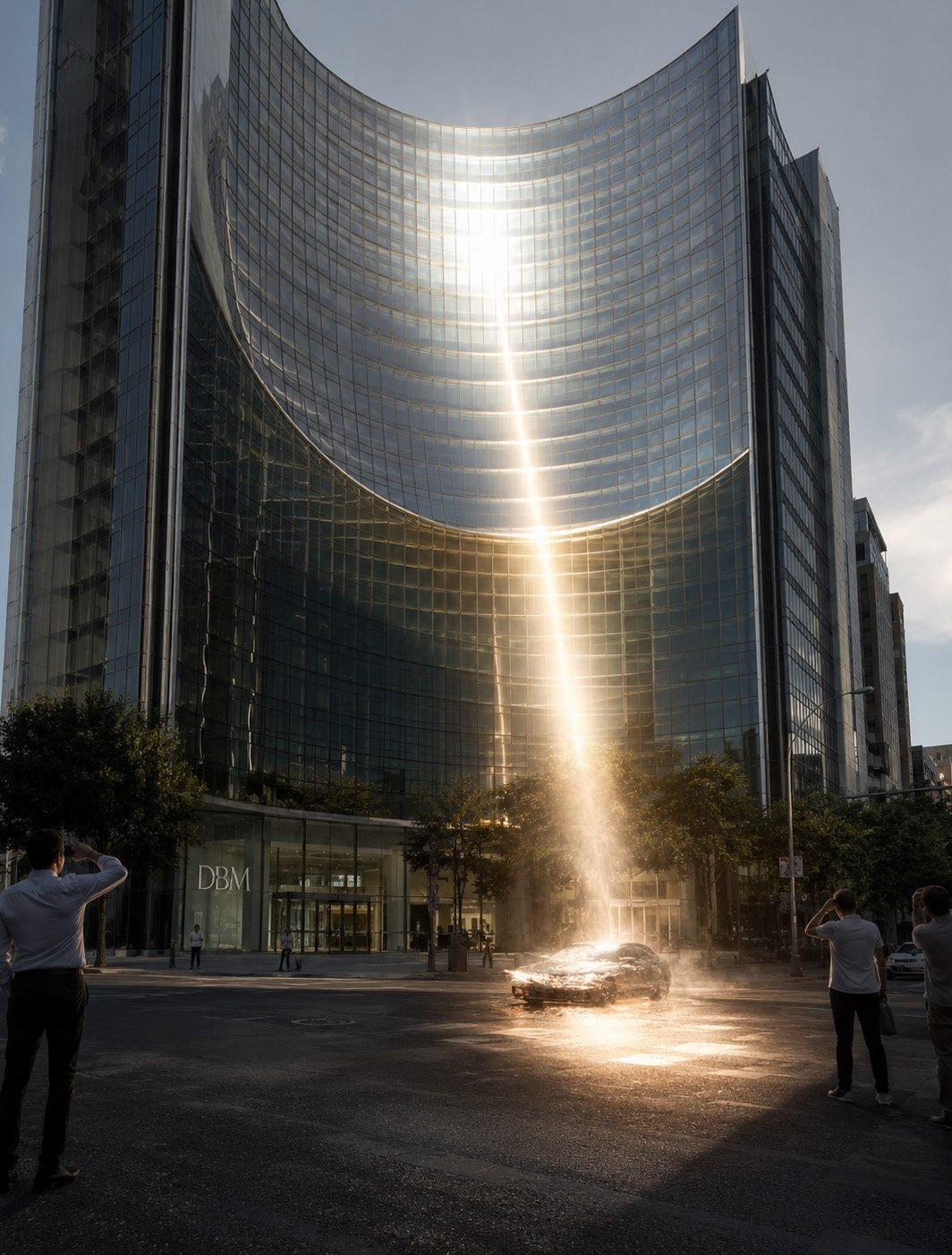
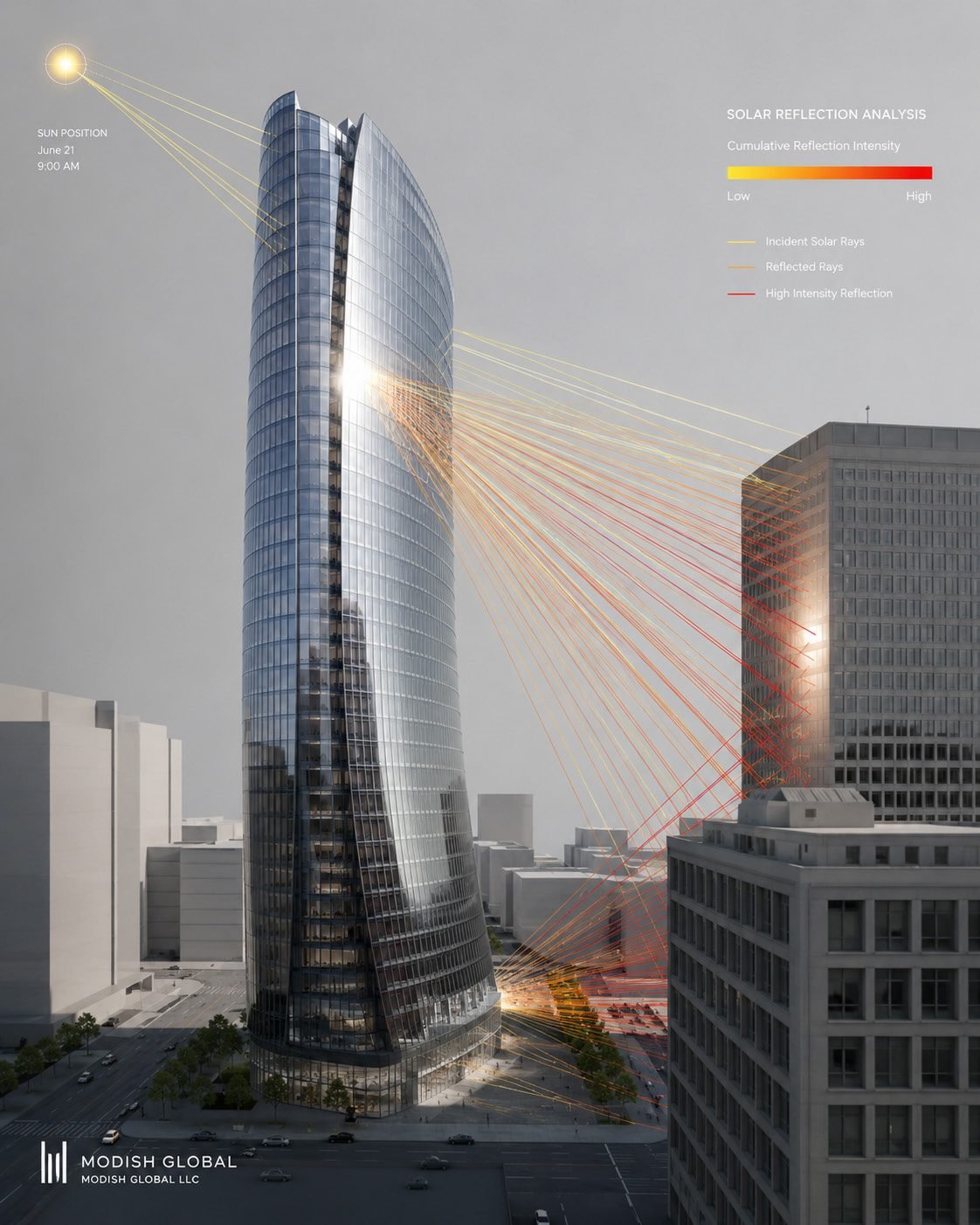
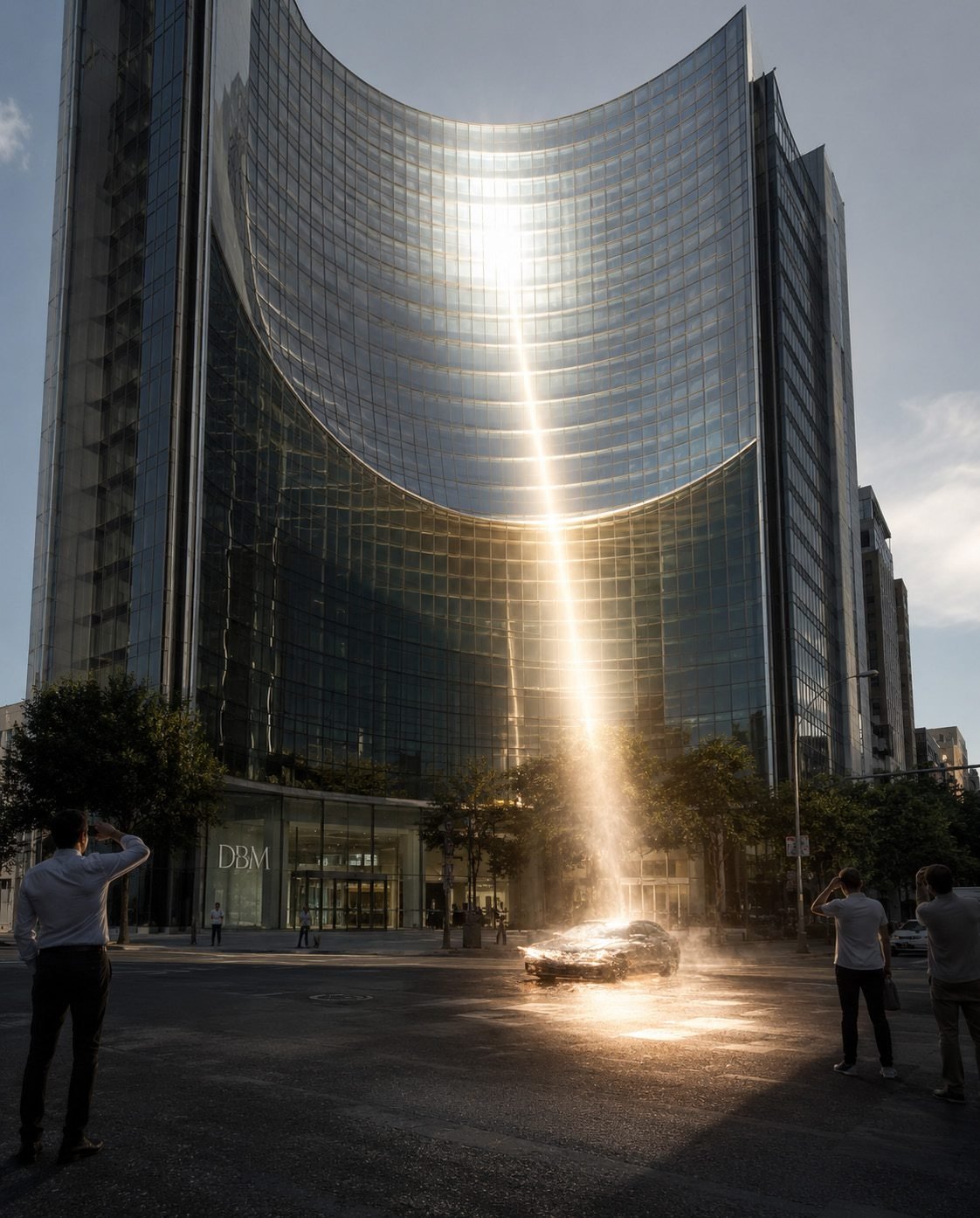
Here I must address a subject the architectural press has handled with more deference than the facts warrant. Rafael Vinoly was, by any measure, an extraordinarily talented designer, his formal vocabulary bold, his spatial instincts remarkable. But talent and rigor are not the same thing, and the portfolio contains a pattern no honest forensic assessment can overlook. The Vdara Hotel in Las Vegas, another Vinoly design, features a curved glass facade that concentrated reflected solar radiation onto the pool deck with enough intensity to melt plastic and singe hair, a phenomenon staff came to call the death ray. Twenty Fenchurch Street in London, the building known as the Walkie-Talkie, has a concave facade that focused sunlight onto the street below with enough energy to damage a parked car. Three buildings, three instances of foreseeable physical phenomena, solar concentration, wind effects, structural dynamics, either inadequately modeled or inadequately addressed. This is not bad luck. It is a design philosophy that prioritizes formal gesture over environmental performance, treating the building as a sculptural object rather than a physical system embedded in atmospheric conditions.
The Litigation
The legal proceedings surrounding 432 Park Avenue have unfolded in two principal actions, and they read less like construction litigation than like a slow-motion indictment of how ultra-luxury development operates. In September 2021 the condo board filed suit against the developers seeking one hundred twenty-five million dollars, describing the building’s condition as one of the worst examples of sponsor malfeasance in the history of New York City. That is not the language of a routine defect claim. It is the language of institutional betrayal. A second action, filed in April 2025, escalated the claims to one hundred sixty-five million and introduced allegations of deliberate and far-reaching fraud. The board contends the developers not only failed to address defects during construction but actively concealed facade cracking from buyers and city inspectors, and that warnings from concrete consultants were ignored while construction proceeded. A New York appellate court later rejected a bid for indemnification, establishing that the developer cannot force the condo board to cover his legal costs or any resulting judgments. What these filings reveal, beyond the specific defects, is a development culture in which the imperative to sell overrode the imperative to build correctly.
The Diagnostic Deficit
Here is where my professional frustration becomes most acute. Every failure at 432 Park Avenue was detectable, not in hindsight, in real time. The technology to monitor a supertall building’s structural health continuously has existed for years, networks of strain gauges, accelerometers, fiber-optic sensors, and environmental monitors that can detect microcracking before it becomes macro-cracking, identify moisture infiltration before it reaches elevator shafts, and measure sway floor by floor. For a 3.1 billion dollar building, a comprehensive monitoring system might cost three to five million dollars. The emergency repair estimate is one hundred sixty million. The arithmetic is not subtle. But monitoring alone is insufficient if its data is never visualized, interpreted, and acted upon. The capacity to render a building’s structural performance as a three-dimensional diagnostic model, to see stress concentrations, moisture migration, and dynamic displacement mapped onto the actual geometry, changes the relationship between engineers and the structures they are responsible for. When you can see a crack propagating through a concrete core in a volumetric rendering, you respond differently than when you read a number on a sensor log. The concealment becomes impossible. The urgency becomes undeniable.
What the Concrete Remembers
I return, as I always do, to the material itself. Concrete is not inert. It is a living matrix that continues to hydrate, carbonate, and evolve for decades after placement. It remembers its curing conditions, its mix design, whether it was vibrated properly, whether its formwork was stripped too early. Every crack is a confession. The cracks at 432 Park Avenue are speaking, and they are saying that moisture has been migrating through the facade for years, finding the reinforcing steel, initiating corrosion, and expanding the very cracks that admitted the moisture, a feedback loop that accelerates with every year of inaction. The question this building forces us to confront is not whether supertall residential towers can be built safely. They can. The engineering knowledge exists, the materials science is mature, the monitoring technology is available. The question is whether the development model can produce buildings worthy of the prices they command and the lives they contain. The view from fifteen hundred feet is magnificent. But you cannot live in a view. You live in a structure, and the structure must be worthy of the trust placed in it. Beauty without rigor is not architecture. It is sculpture, and sculpture does not have to keep anyone safe. The concrete remembers everything. The only question left is whether we are finally ready to listen.
3D Transformative Digest — ISSN 3067-5510. Published by Modish Global Inc. © 2026 Modish Global Inc. All rights reserved. Licensed distribution only.