Eight Cinematic Expressions of Domestic Culture
The kitchen is the space where culture becomes daily practice. It is where ingredients—themselves often chosen for cultural significance—are transformed into sustenance and ceremony. More than any other room in the home, the kitchen embodies what it means to belong to a particular place, a particular tradition, a particular way of understanding nourishment and family.
Yet kitchens are rarely designed with attention to these cultural dimensions. They are often treated as generic utility spaces—optimized for workflow, equipped with standardized appliances, finished in commercially safe materials and colors. This approach abandons what could be the kitchen’s most profound function: the daily performance of cultural identity.
The Vervaine Estate’s eight additional kitchen transformations—beyond the ten documented in the primary kitchen odyssey—represent a deliberate departure from this generic paradigm. Each expression was designed not to maximize functionality alone, but to honor the cultural logic embedded in specific culinary traditions and domestic practices. Cinematic Intelligence™ modeling allowed designers to iterate across these distinct cultural languages, rendering each with sufficient richness that the spatial logic, material character, and psychological effect of each approach becomes legible.
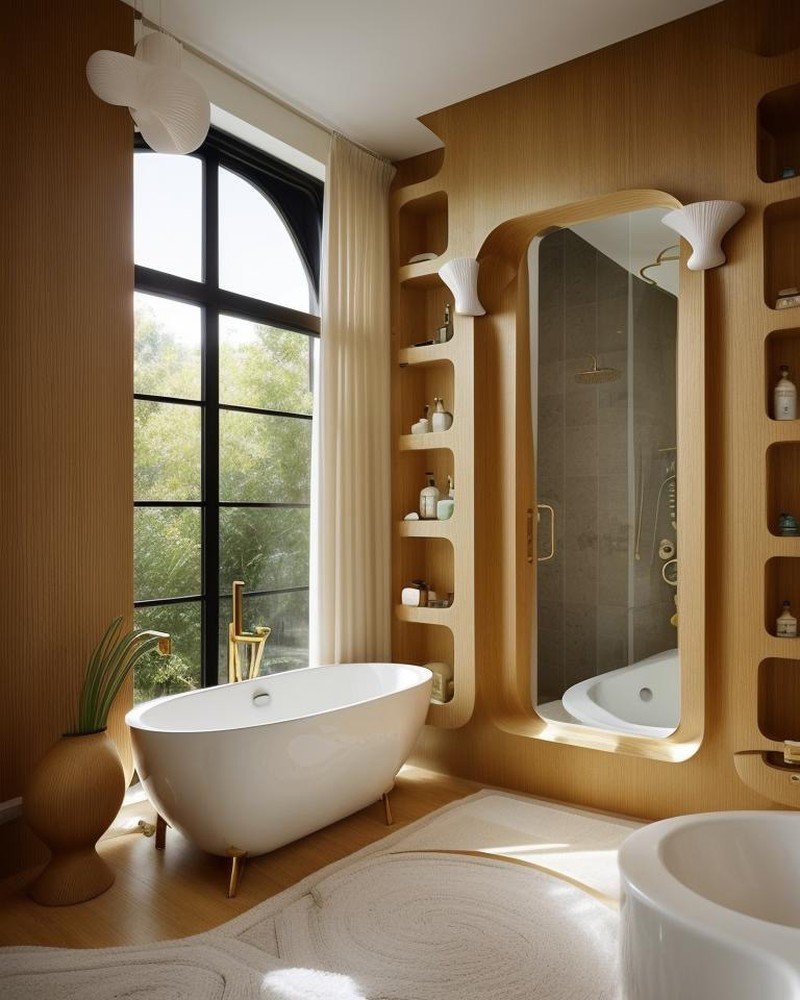
Scandinavian: The Ethics of Clarity
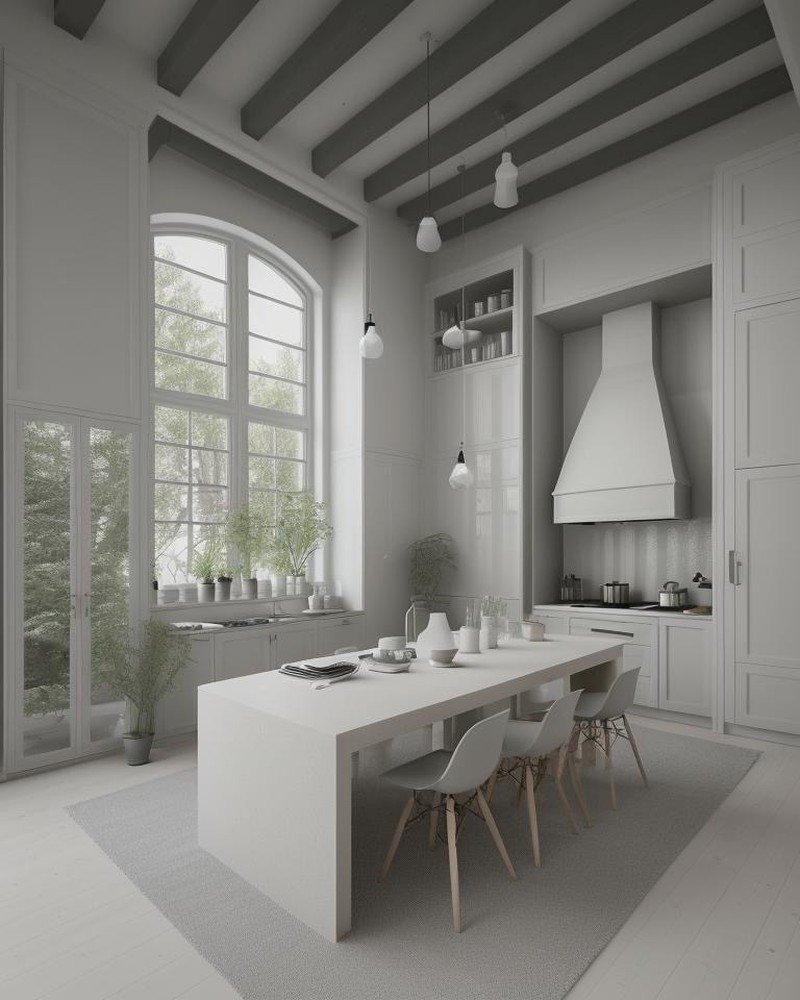
The Scandinavian kitchen expresses a distinct philosophy: restraint, functionality, and the celebration of natural materials in their most honest form. Light wood—perhaps white-stained oak or birch—covers cabinetry. Countertops are natural stone or solid wood, chosen for durability and aging character. Hardware is minimal, integrated seamlessly. The material palette is deliberately limited: natural wood tones, whites, warm grays. The critical element is light. The Scandinavian kitchen prioritizes natural illumination, with generous windows and careful placement of artificial light that mimics daylight color temperature.
The ritual embedded in this expression is efficiency without waste, beauty without ornament, functionality elevated to philosophical principle. The kitchen is not a stage for culinary performance. It is a workspace designed for clarity and ease. Every element serves a purpose. Nothing is merely decorative. Yet through this restraint, beauty emerges—the warmth of wood, the precision of joinery, the subtle play of light on natural surfaces.
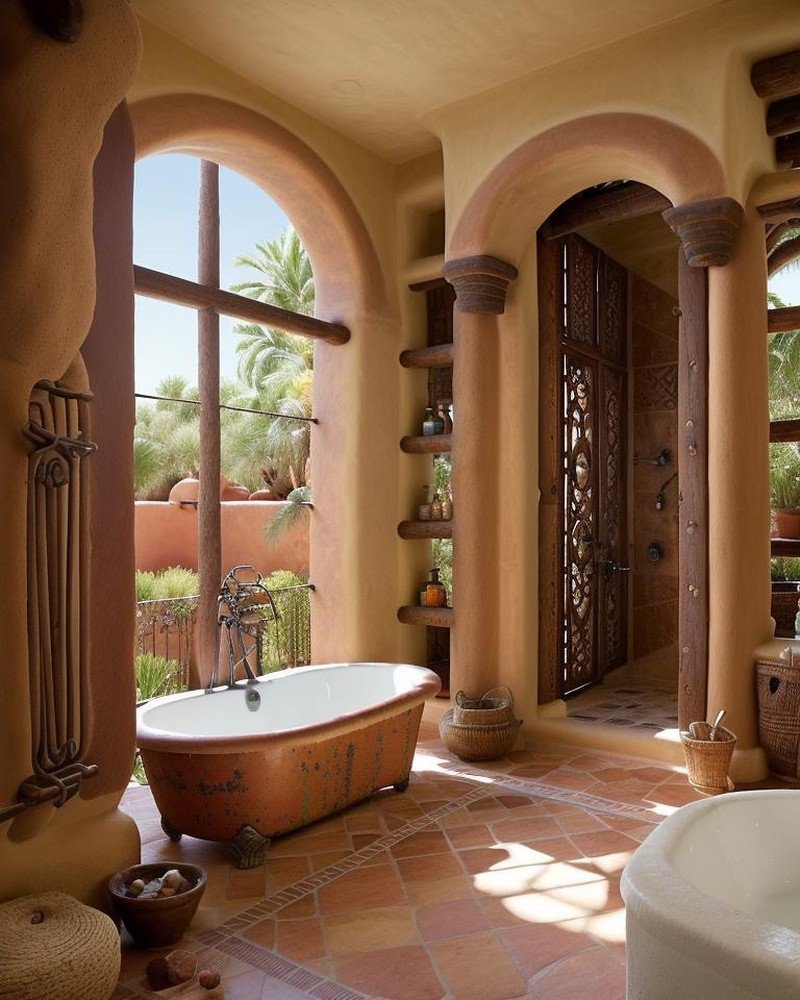
Moroccan: Sensory Abundance and Spice Culture
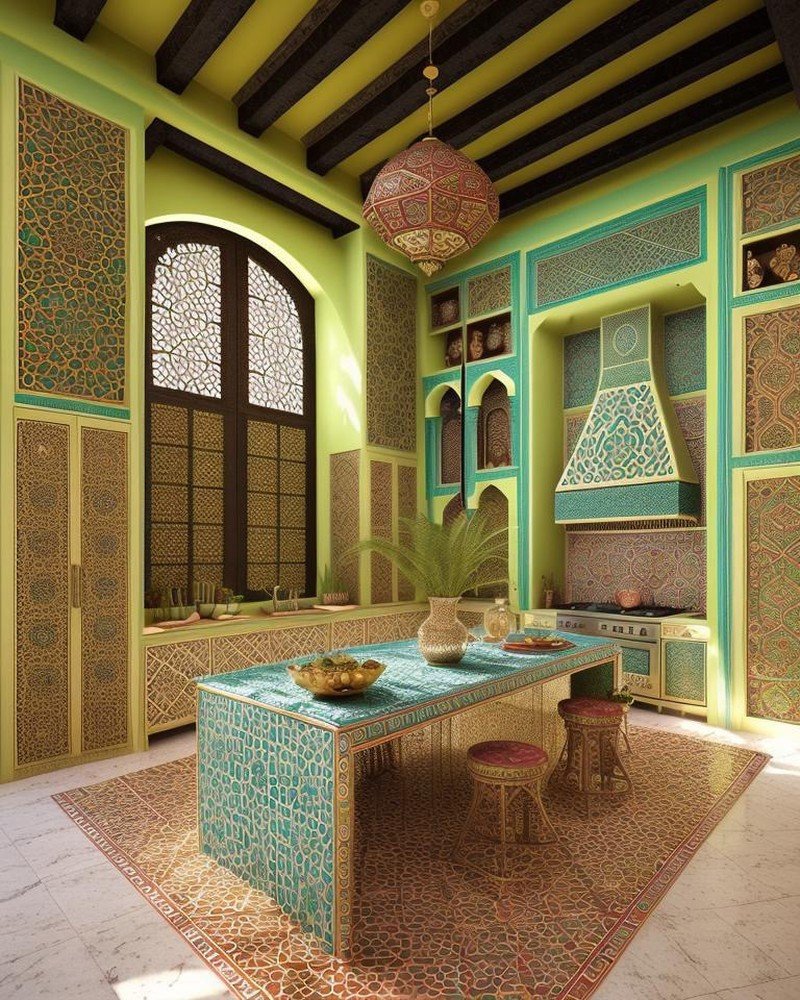
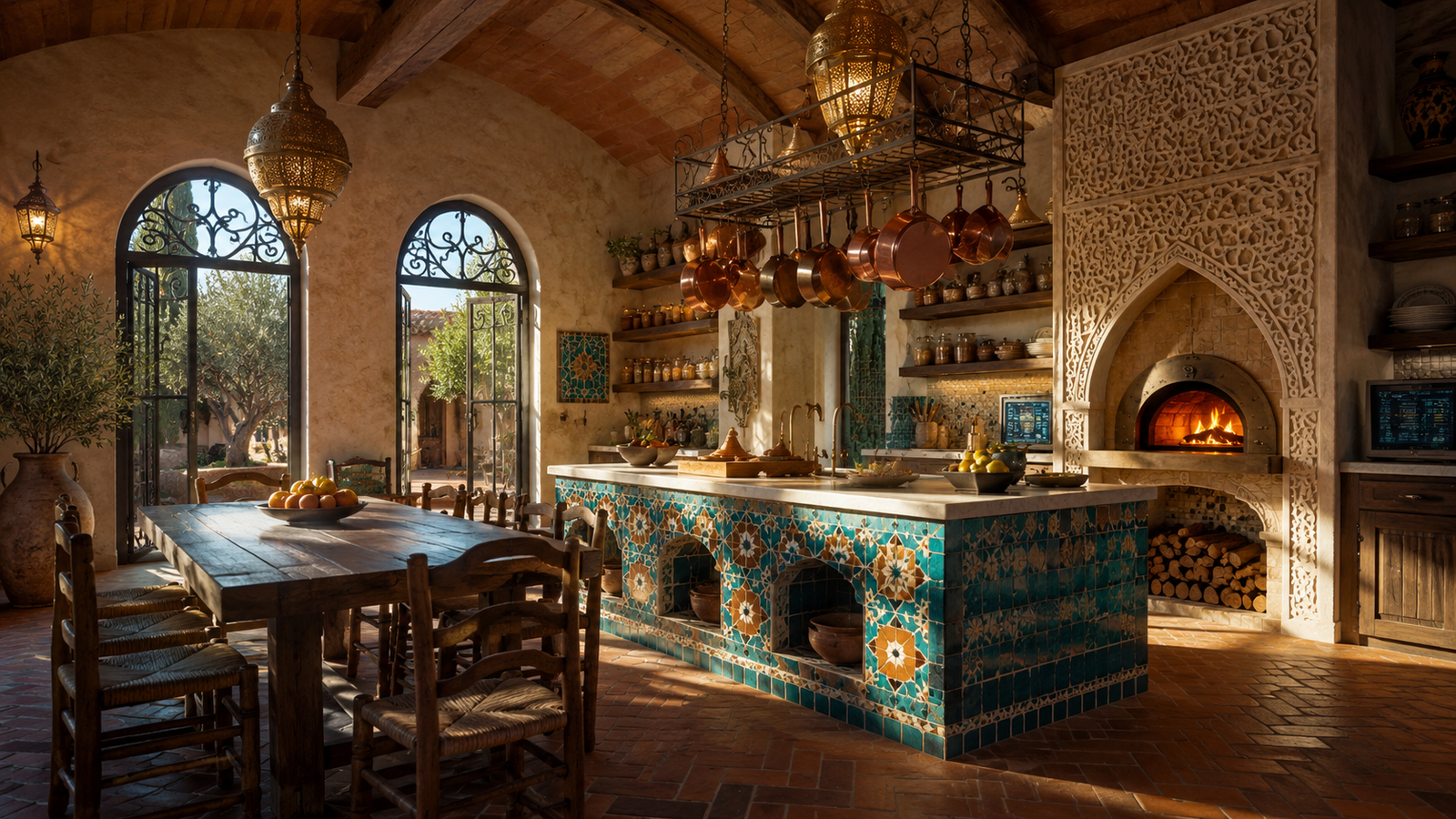
The Moroccan kitchen celebrates sensory richness and the complex spice-forward traditions of North African cuisine. Zellige tilework—hand-cut geometric patterns in jewel tones—covers walls and possibly floors. These tiles are often custom-made, each piece slightly irregular, creating visual dynamism and the aesthetic of traditional craftsmanship. Cabinetry features carved wood details, possibly cedar or argan wood. Brass or copper fixtures and hardware introduce gleaming accents. The color palette is rich: deep blues, teals, burnt oranges, warm golds.
This kitchen celebrates the ingredients themselves—spices, aromatics, the layered flavors of Moroccan cuisine. Open shelving displays jars of saffron, dried roses, cinnamon sticks, dried chilies—transforming raw materials into visual elements. The kitchen becomes a gallery of ingredients, a space where the sensory and culinary dimensions of food are inseparable from its visual presentation.
Japanese Zen: Precision and Seasonal Simplicity
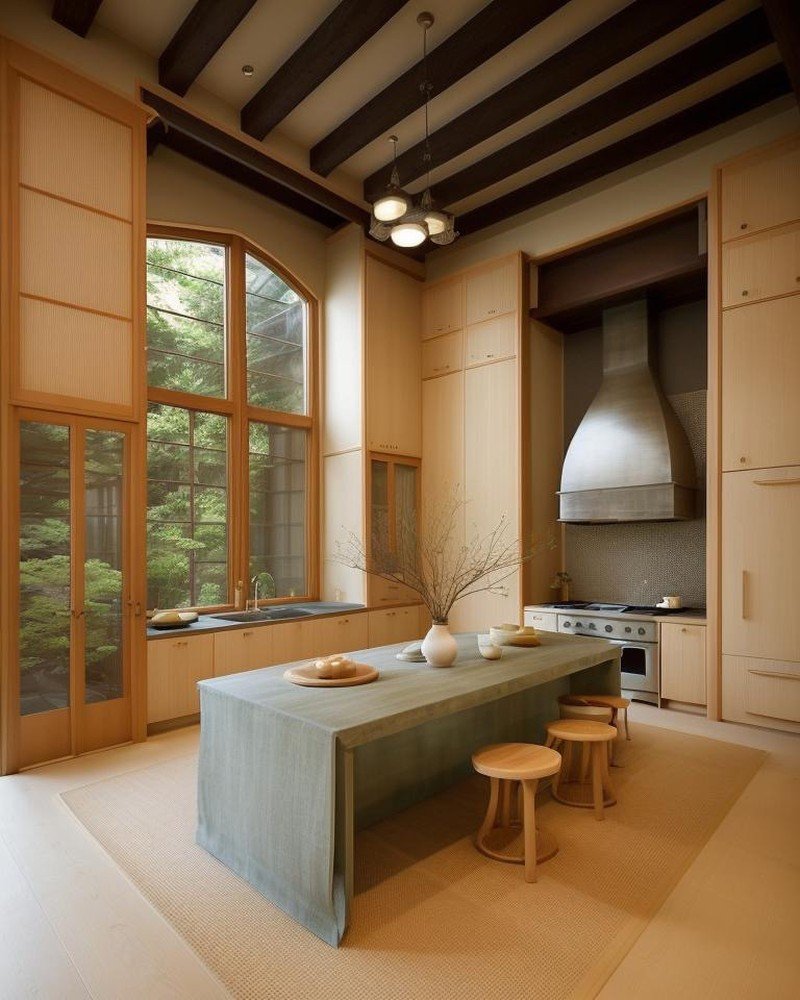
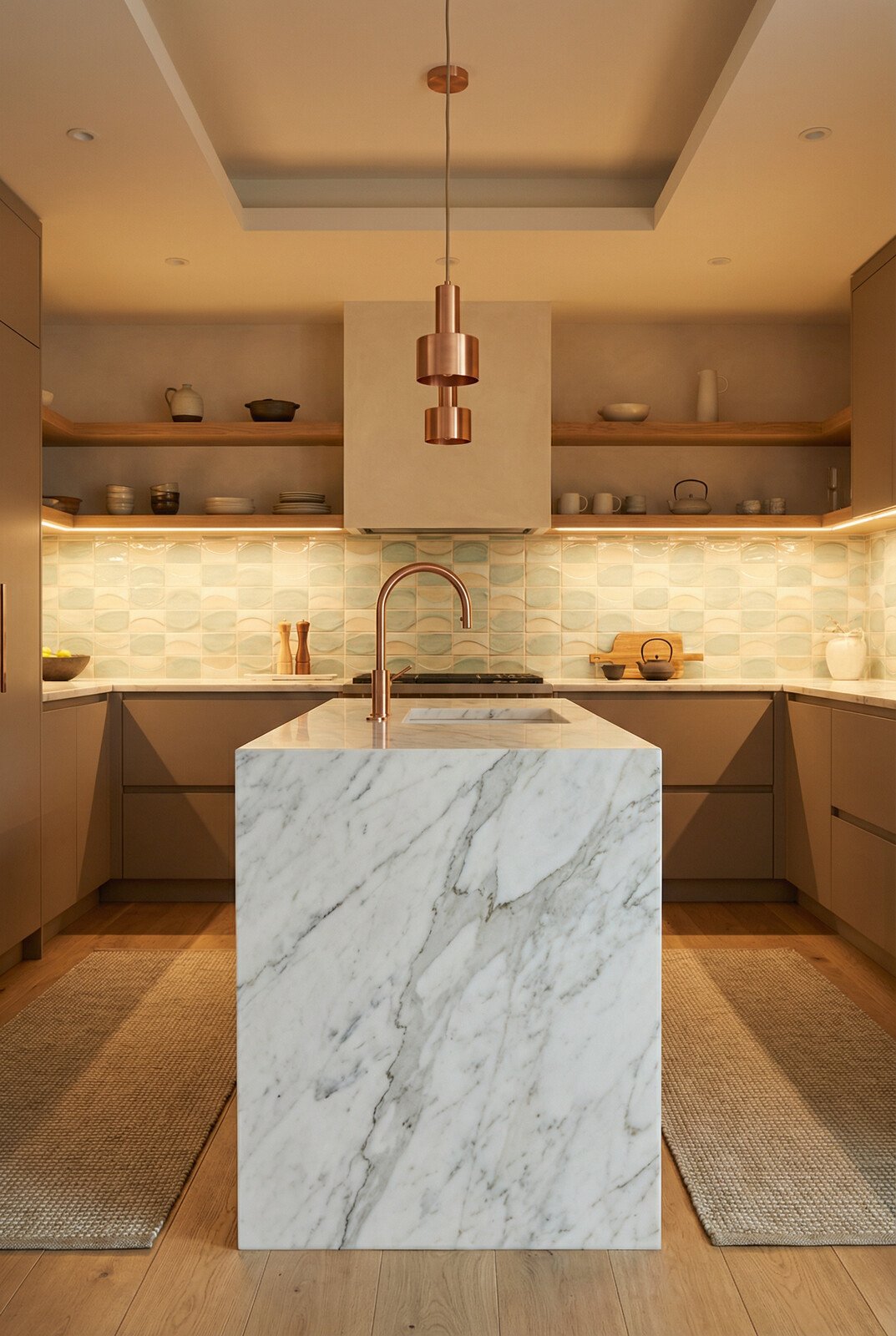
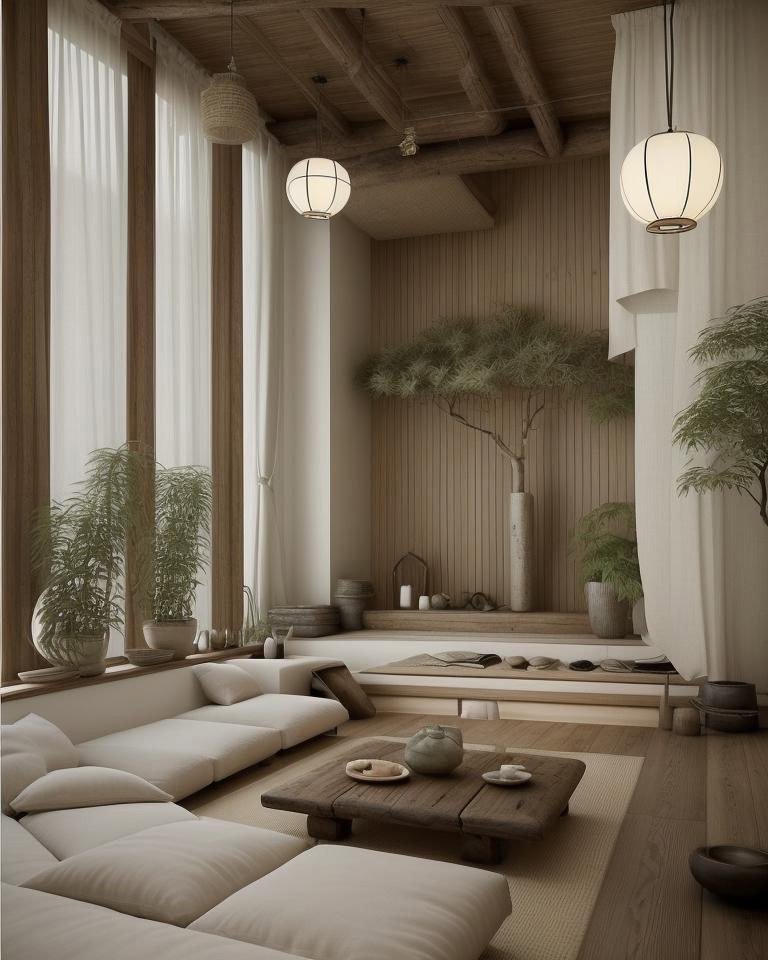
The Japanese Zen kitchen strips cooking to its essential gestures. Cabinetry is minimalist, often featuring open shelving that displays only essential tools—knives, a few ceramic bowls, perhaps a cutting board. Materials are natural: hinoki wood, stone, ceramic. The color palette is monochromatic or near-monochromatic: grays, blacks, warm neutrals. The workspace features clean lines and careful proportions. Lighting is precise and controlled, positioned to focus on the work surface.
Japanese cuisine—from kaiseki fine dining to home cooking—is predicated on respect for ingredients in their most fundamental form. The kitchen architecture reflects this philosophy. Every element serves the cook’s encounter with raw materials. The beauty emerges from simplicity, precision, and the honest expression of materials.
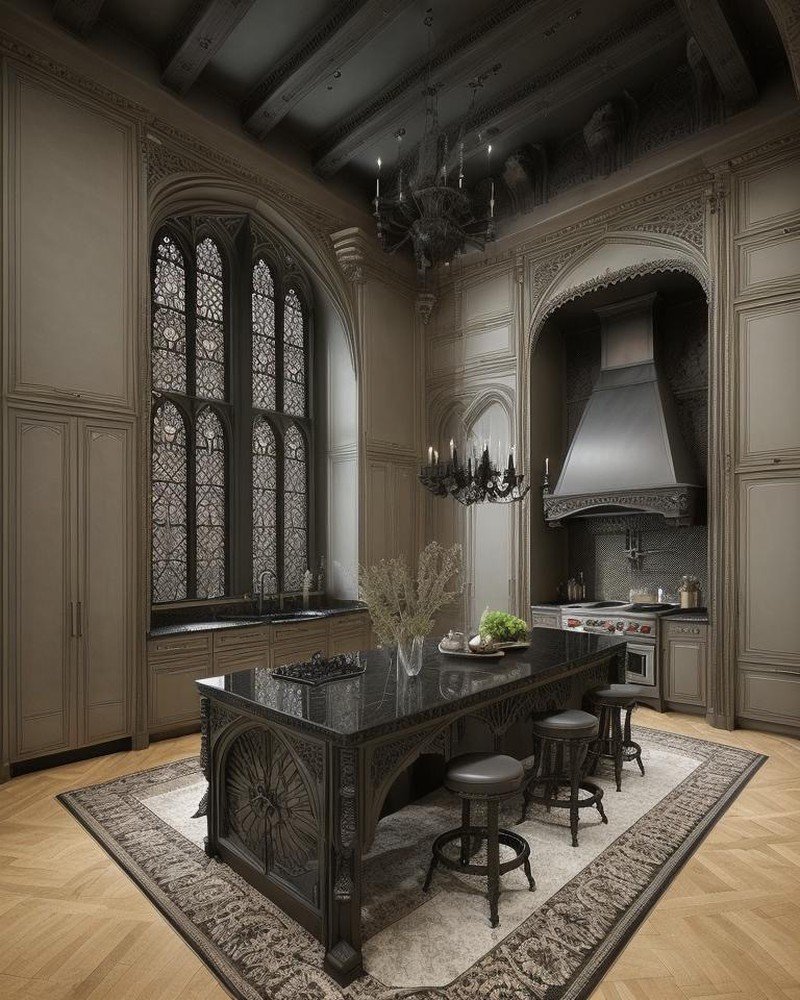
Gothic Revival: Historical Grandeur and Narrative
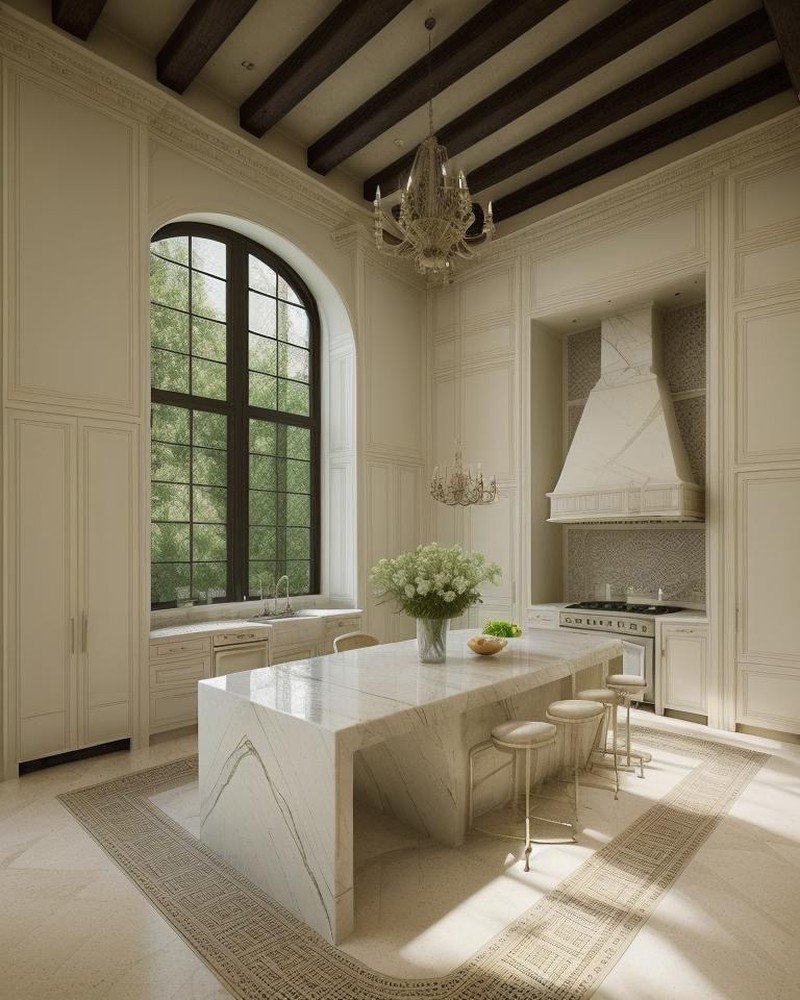
Gothic Revival draws on medieval and Victorian architectural language, translating it into contemporary domestic space. Cabinetry features pointed arch details, possibly hand-carved woodwork. Walls might incorporate stone or expose timber beaming. Lighting arrives via statement fixtures inspired by historical forms—perhaps wrought iron sconces or a dramatic pendant. The color palette is darker and richer: deep greens, burgundies, charcoal, possibly with gilt accents. Tile work or mosaic details add narrative richness.
This approach treats the kitchen as a historical narrative space. It asserts that domestic life has depth, tradition, and connection to historical continuity. The kitchen becomes a room where the past is not rejected but honored, where architectural forms from previous eras are understood as repositories of meaning and beauty worthy of contemporary adoption.
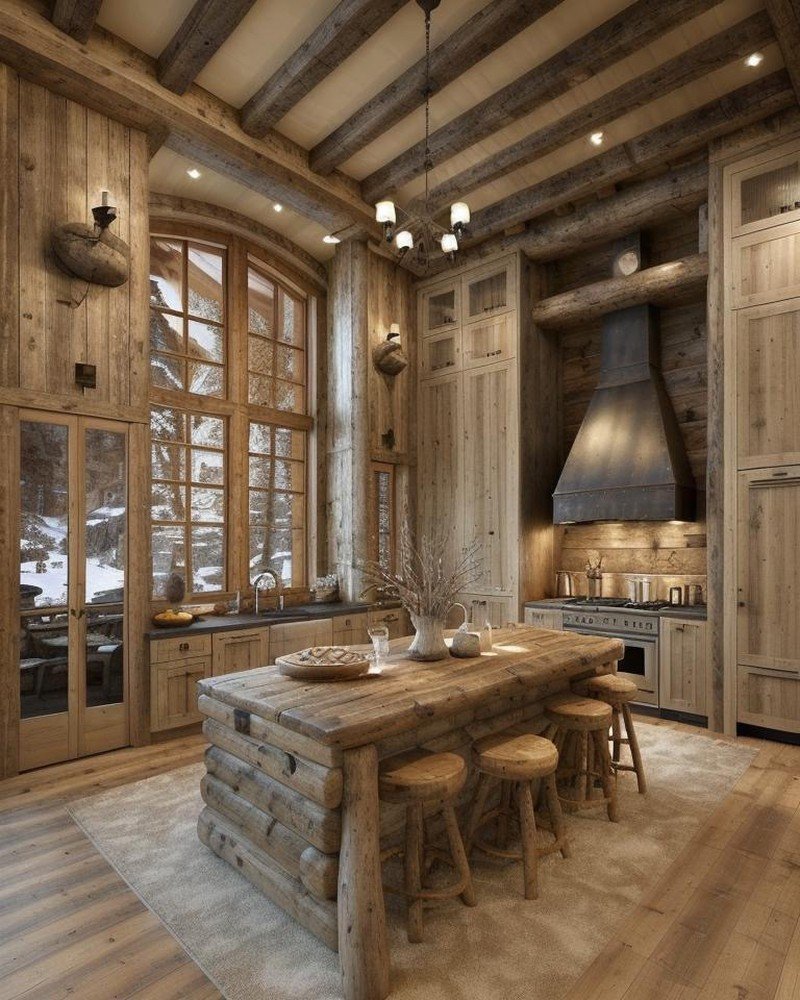
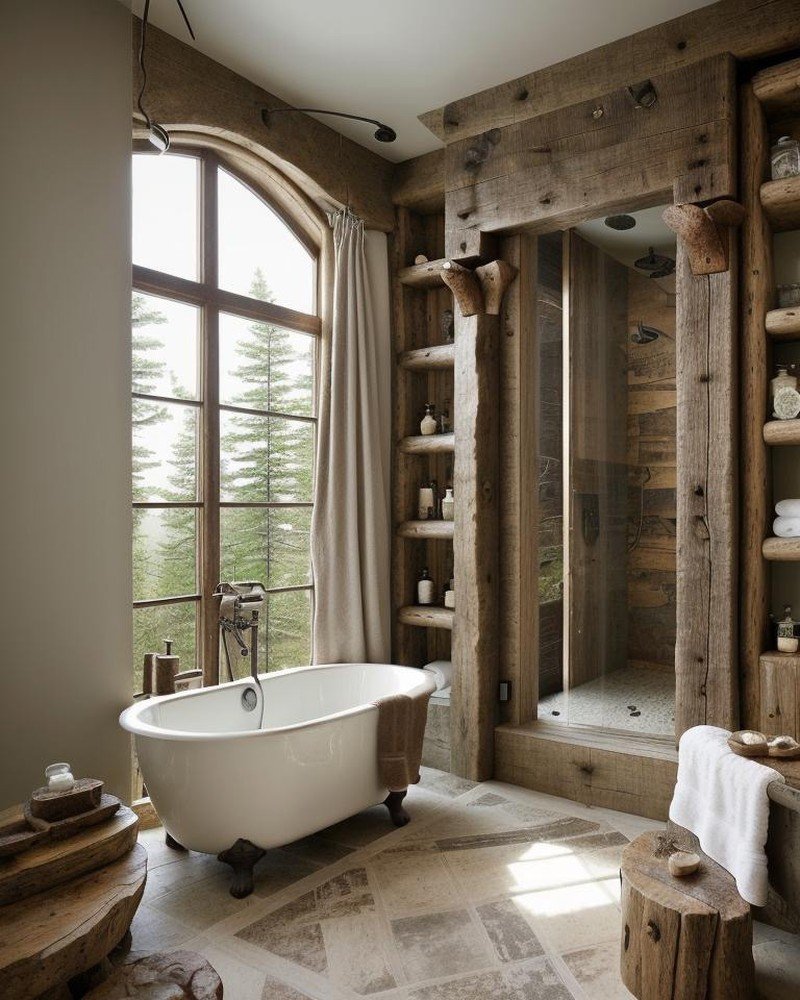
Chalet: Mountain Vernacular and Hearth Culture
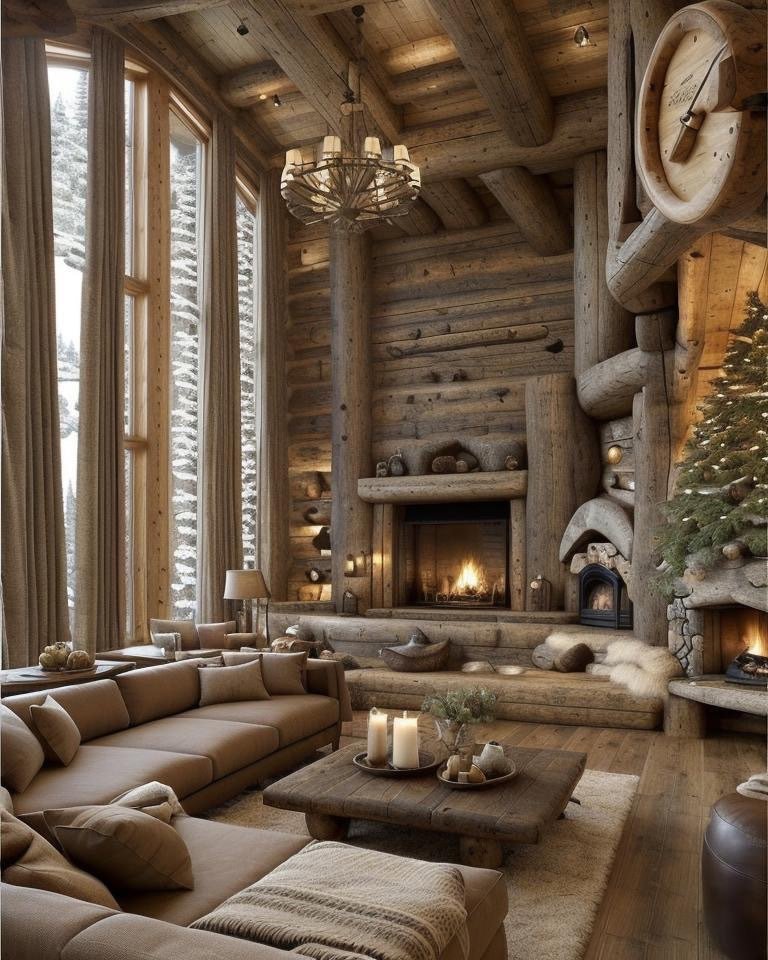
The Chalet kitchen emphasizes the material and spatial logic of Alpine vernacular architecture. Heavy timber construction—substantial wooden posts and beams—becomes visible structural language. Stone or large-format tile flooring establishes a grounded base. Cabinetry is often darker wood, possibly stained or left in natural color. A central feature—perhaps a large stone or brick cooking surface, a warming hearth-like element—anchors the space. Lighting is warm and layered, possibly featuring open flames (candles or even a small hearth fire, if circumstances permit).
The Chalet kitchen speaks to a particular cultural understanding of food preparation: not as specialized activity isolated from family life, but as a gathering point. The hearth is real or symbolic, but its presence asserts that cooking is a communal ritual where family and guests congregate, where warmth and nourishment are literally and figuratively generated.
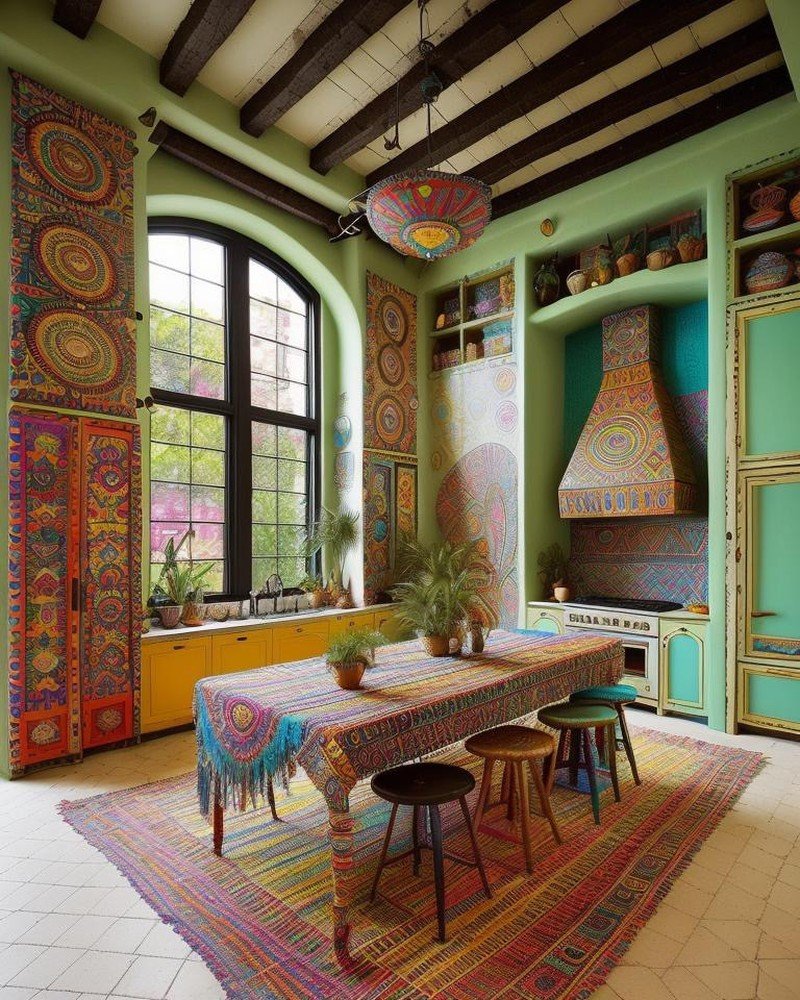
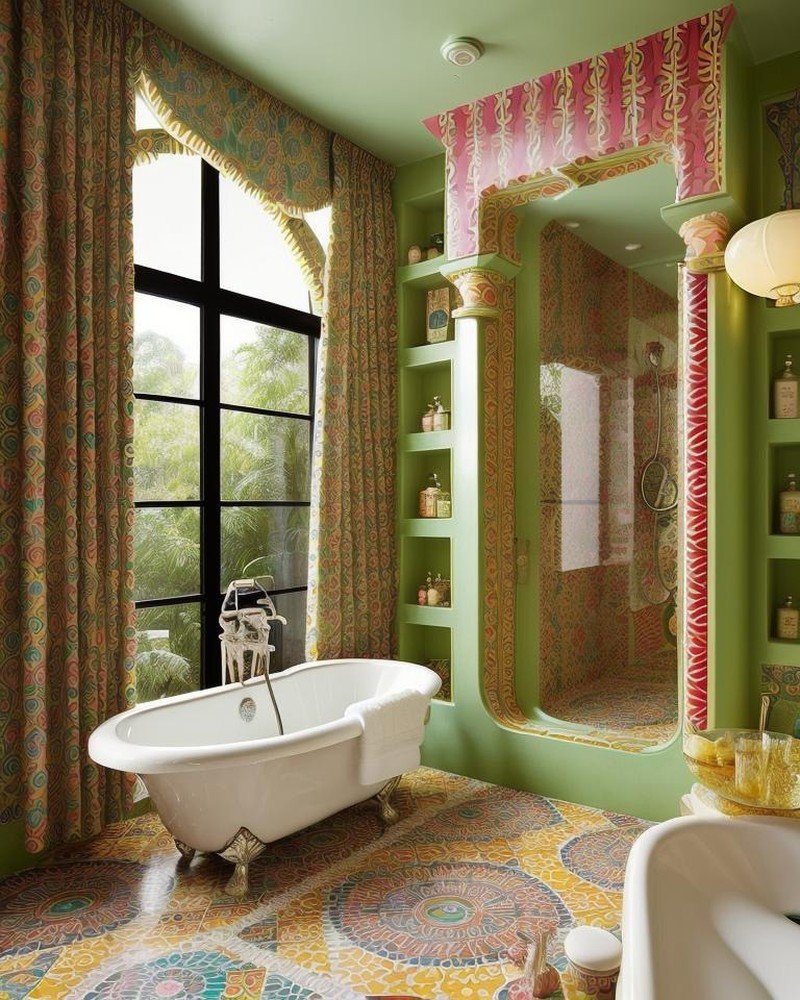
Bohemian: Eclecticism and Personal Narrative
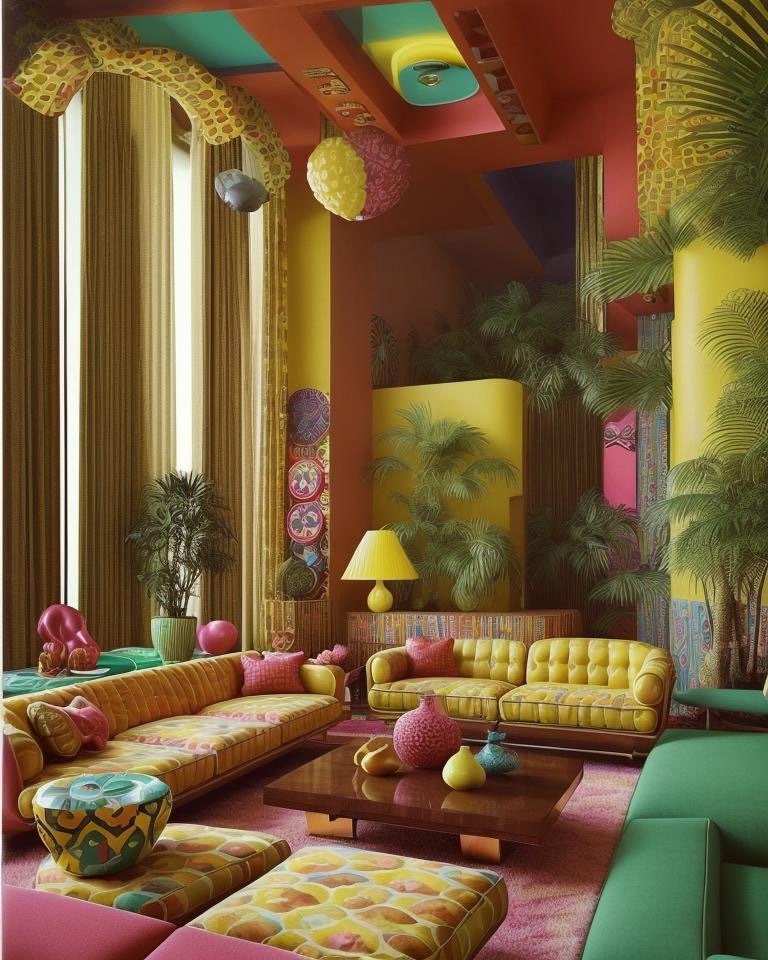
The Bohemian kitchen celebrates personal expression and the eclectic accumulation of objects and materials chosen for their emotional resonance rather than stylistic coherence. Cabinetry might combine painted wood with open shelving displaying collected ceramics, textiles, and found objects. Walls might feature wallpaper in bold patterns, painted murals, or mixed finishes. Lighting is non-uniform—perhaps a vintage chandelier alongside contemporary pendants and string lights. The color palette is rich and varied: earth tones, jewel tones, possibly pops of bright color.
This kitchen is unabashedly personal. It is filled with meaning-bearing objects accumulated through travel, inheritance, or personal discovery. The kitchen becomes a gallery of the inhabitant’s aesthetics, values, and experiences. Every object tells a story. The space is intentionally imperfect, resistant to commercial standardization, deliberately idiosyncratic.
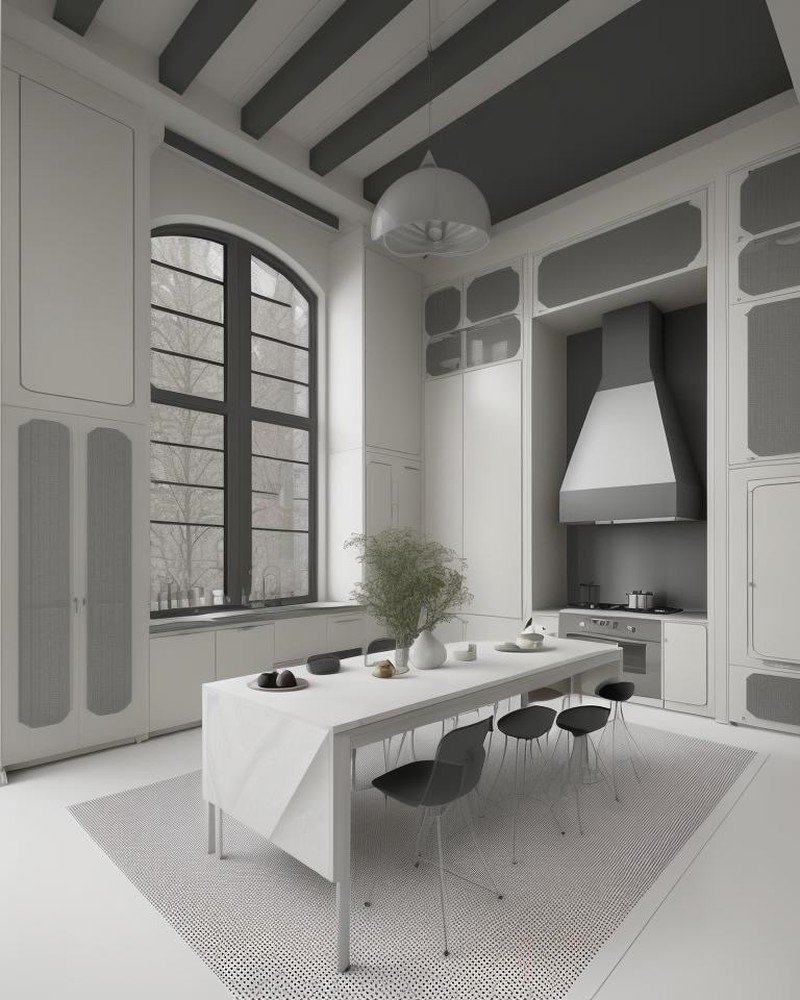
Bauhaus: Form Follows Function, Elevated
Bauhaus design philosophy—that form follows function and that beauty emerges from honest expression of materials and purpose—translates into a kitchen of extraordinary clarity. Cabinetry features geometric forms, handles-free doors (or minimal hardware), smooth surfaces. Materials are primary: natural wood veneer, polished metal, possibly concrete or steel. The color palette is restrained: whites, grays, natural wood tones. Every design element serves a functional purpose. Nothing is merely decorative. Yet through this discipline, a powerful aesthetic emerges—the beauty of proportion, clarity, and purposeful design.
The Bauhaus kitchen reflects a democratic ideal: good design should be accessible, not exclusive. The space is legible, efficient, and beautiful without relying on ornament or expensive materials. The beauty is in the thinking, in the clarity of proportion and function.
The Kitchen as Cultural Text
These eight expressions—added to the original ten—represent not a comprehensive taxonomy of global kitchen design but rather a demonstration of a fundamental principle: kitchens are not culturally neutral spaces. They embody the values, aesthetics, and spatial logic of particular traditions. A Scandinavian kitchen embodies different principles than a Moroccan kitchen. A Japanese Zen kitchen articulates different understanding of space and function than a Gothic Revival kitchen.
The design methodology that enabled these transformations—Cinematic Intelligence rendering with computational iteration across multiplicity of forms—allows architects to render these distinct cultural expressions with sufficient fidelity that clients and designers can inhabit each space imaginatively, understanding not merely its appearance but its underlying logic, its material honesty, its psychological and cultural significance.
Toward Culturally Authentic Design
In an era of globalized commerce and standardized design solutions, the capacity to design kitchens—and indeed all domestic spaces—that honor cultural specificity becomes increasingly valuable. Not as tourism or superficial decoration, but as genuine engagement with the spatial and material logic embedded in particular culinary and domestic traditions.
The kitchen remains what it has always been: the room where daily survival transforms into culture, where ingredients become nourishment, where ritual and sustenance are inseparable. The Vervaine Estate’s eighteen kitchen expressions demonstrate that when design methodology honors this depth—when architects engage not merely with ergonomic efficiency but with the cultural dimensions of domestic life—the result is a space of extraordinary power. The kitchen becomes not merely functional but meaningful, a daily performance of identity, tradition, and belonging.