Tag: Retro Design

  • Four Rooms I Entered Without Leaving My Chair

    Four Rooms I Entered Without Leaving My Chair

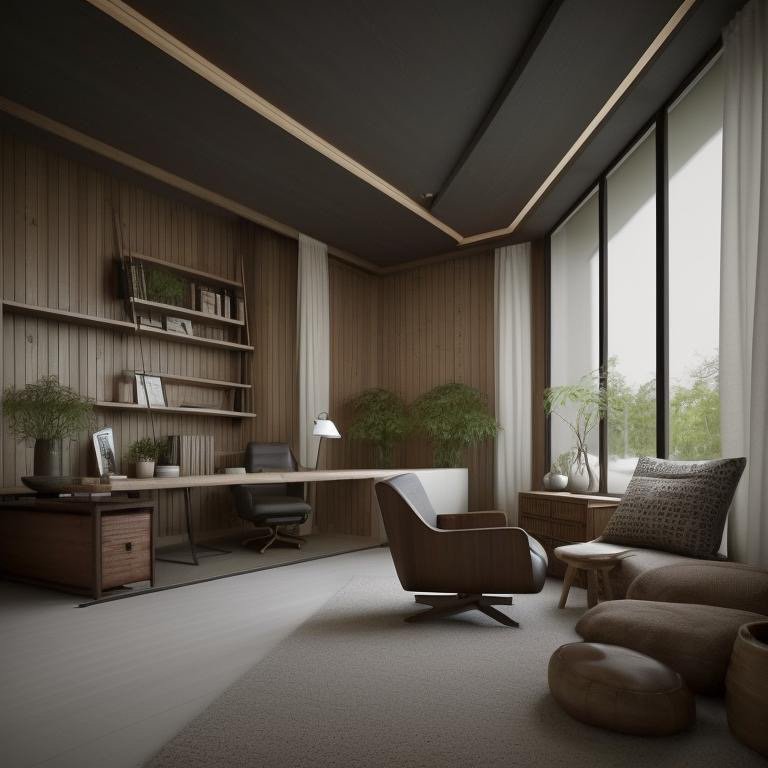
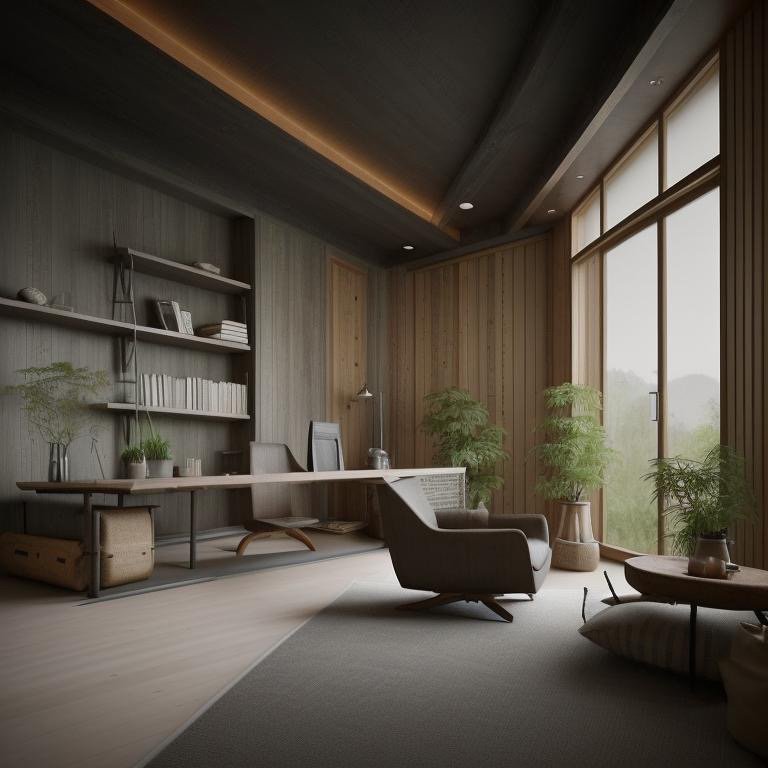
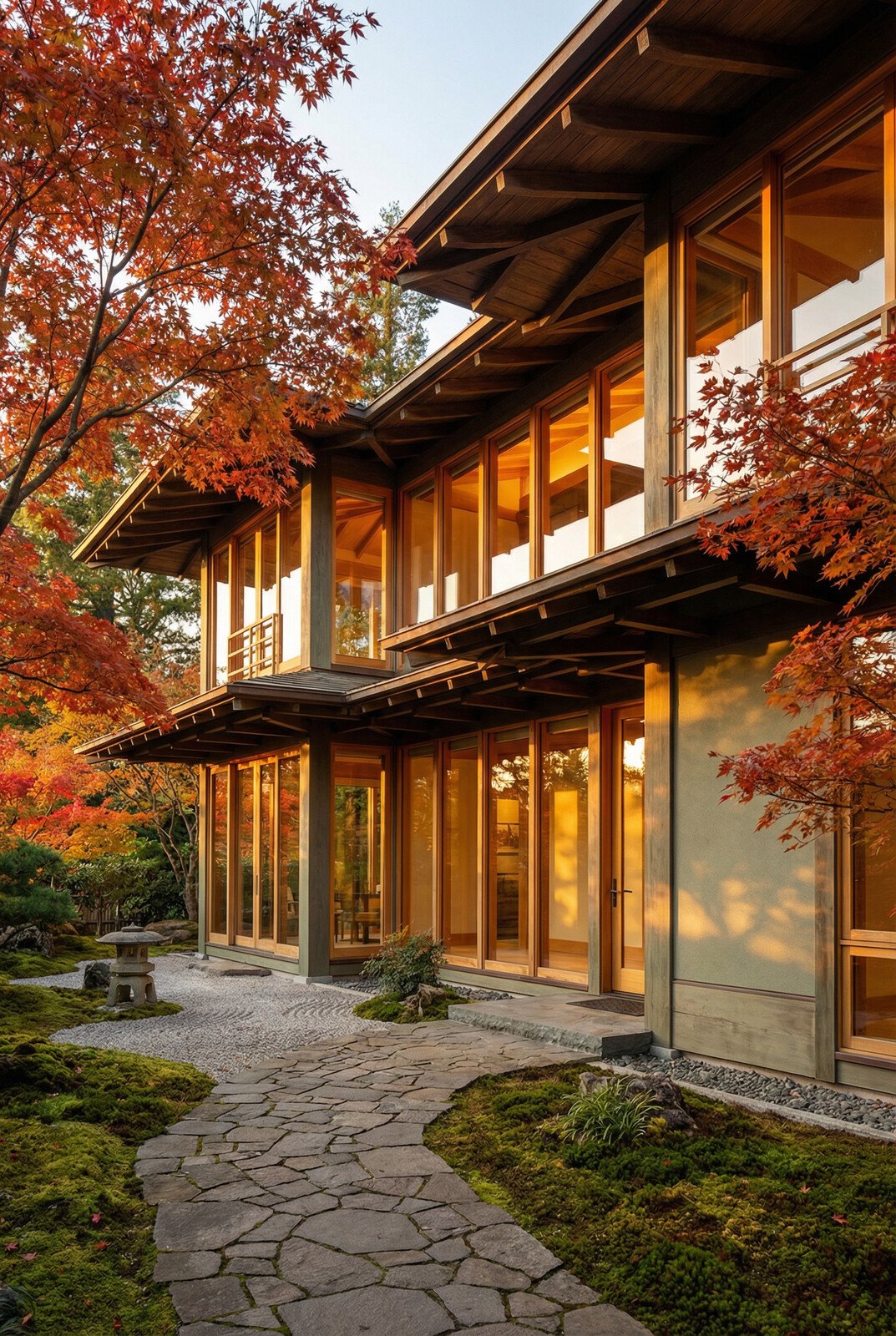
    Japandi office environment

    Four rooms. One architecture. Four experiences. This is the revelation of Cinematic Intelligence™—not that it can make spaces more beautiful, but that it can make beauty mean something different. That it can tune a room to a specific quality of thought. That it can create spaces which don’t just exist, but which understand the humans sitting inside them.

    I entered these rooms without leaving my chair. And in each, I was met by a different version of myself.

    The Japandi Room

    The first thing I noticed was that noise left. Not sound—noise. Mental noise. The difference matters. The room was not silent; there was the sound of breath, the subtle shift of fabric, the almost-imperceptible hum of systems. But none of it cluttered. All of it fit inside the space that had been made for it.

    The wood was pale. Not white, not cold—pale the way certain disciplines become pale after decades of practice. Stripped down. Essential. The surfaces absorbed light rather than reflecting it, and the light moved differently because it had nowhere to bounce. It traveled the way light travels in museums, with intention and respect.

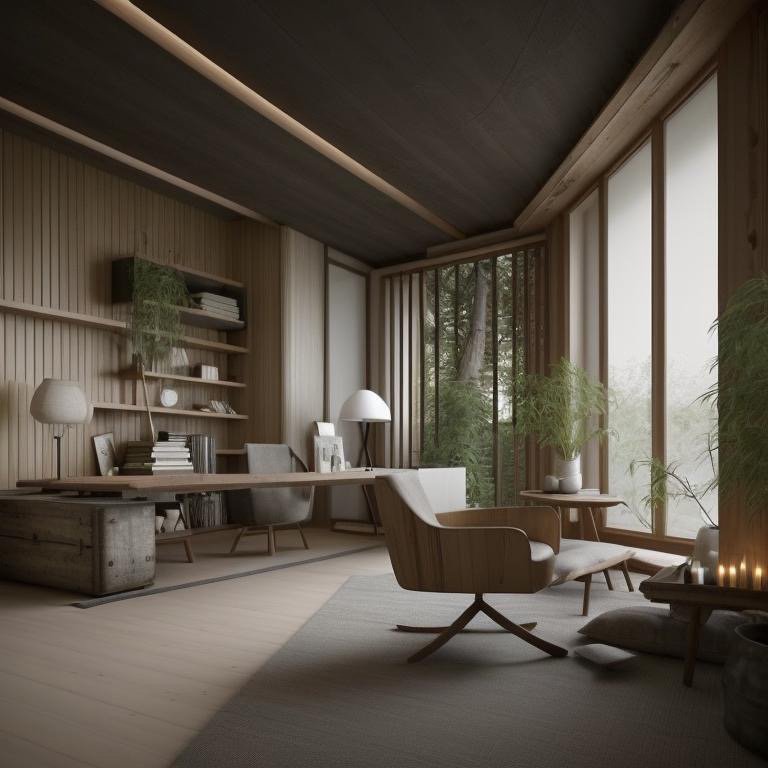
    Japandi office detail study

    Shadows softened everything they touched. Nothing had edges that pulled. Everything held attention gently, the way a considered silence holds attention. The proportions were not minimal—they were precise. The room knew exactly how much of itself to show and how much to keep private. And the effect was not restraint but clarity. My thinking became clearer because the room had stopped insisting that I think about it.

    A psychological state, not an aesthetic. This was a room where strategy matures quietly. Where decisions settle before they’re made. Where the person sitting inside understands, without being told, that some things deserve to be approached slowly. Not lazily. Slowly with purpose. The room did not inspire action. It cultivated judgment. And that distinction—between the space that makes you want to do things and the space that makes you want to think carefully about which things are worth doing—is the difference between rooms that serve function and rooms that serve purpose.

    Japandi spatial relationships

    I sat there and became someone slightly more thoughtful. The room didn’t demand it. It just made that version of myself more available.

    Japandi light and material study

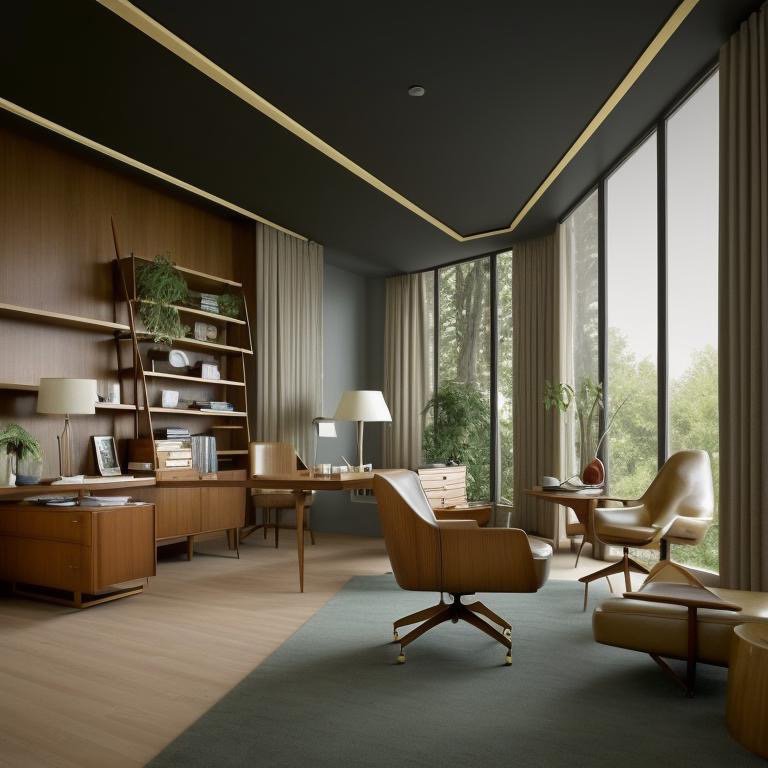
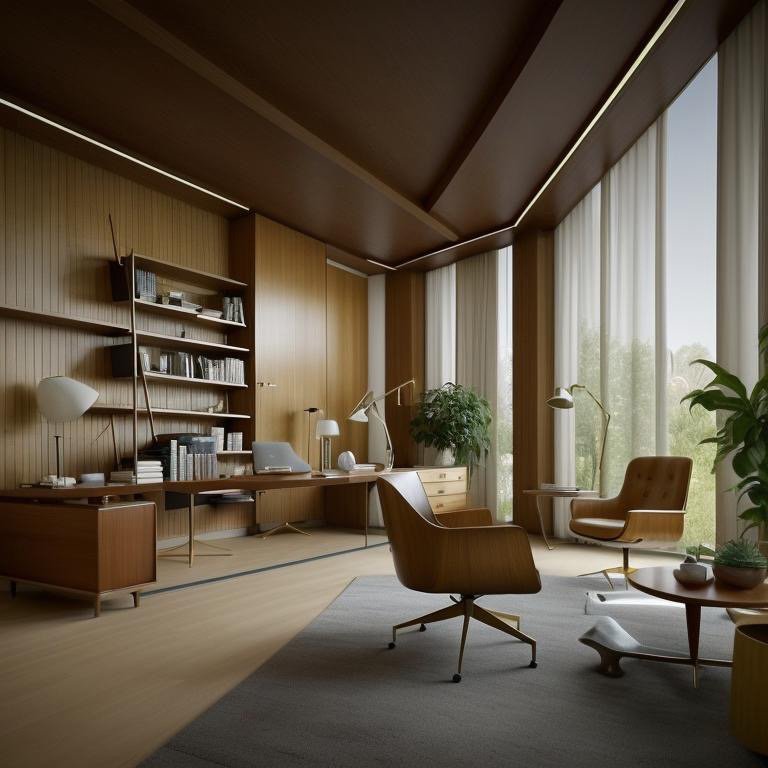
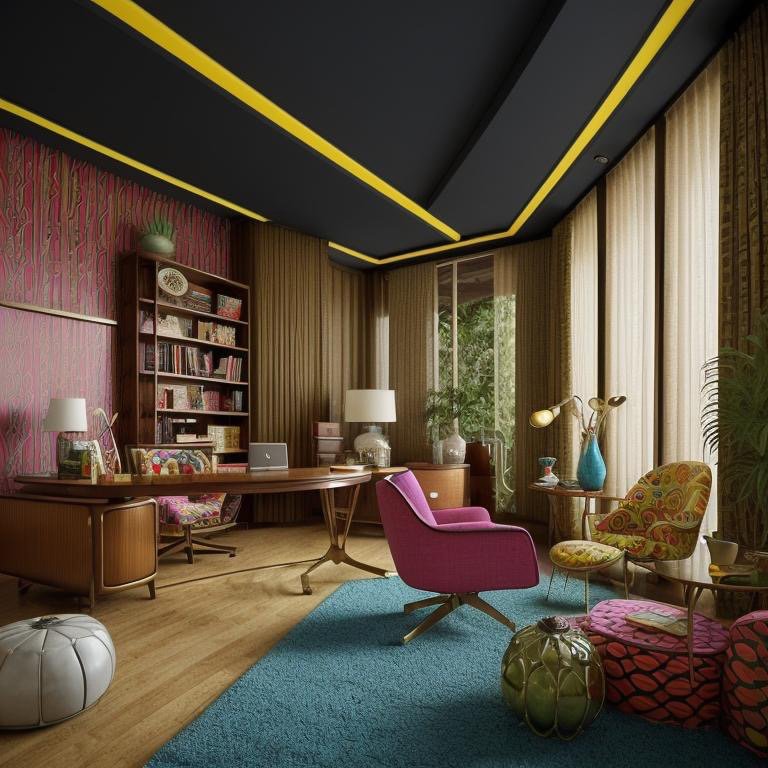
    The Mid-Century Modern Room

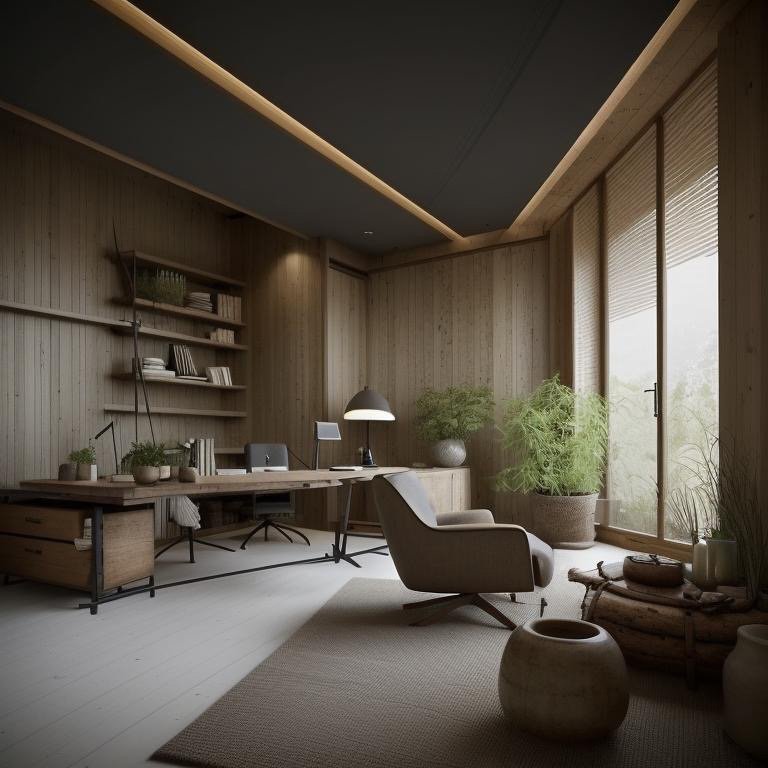
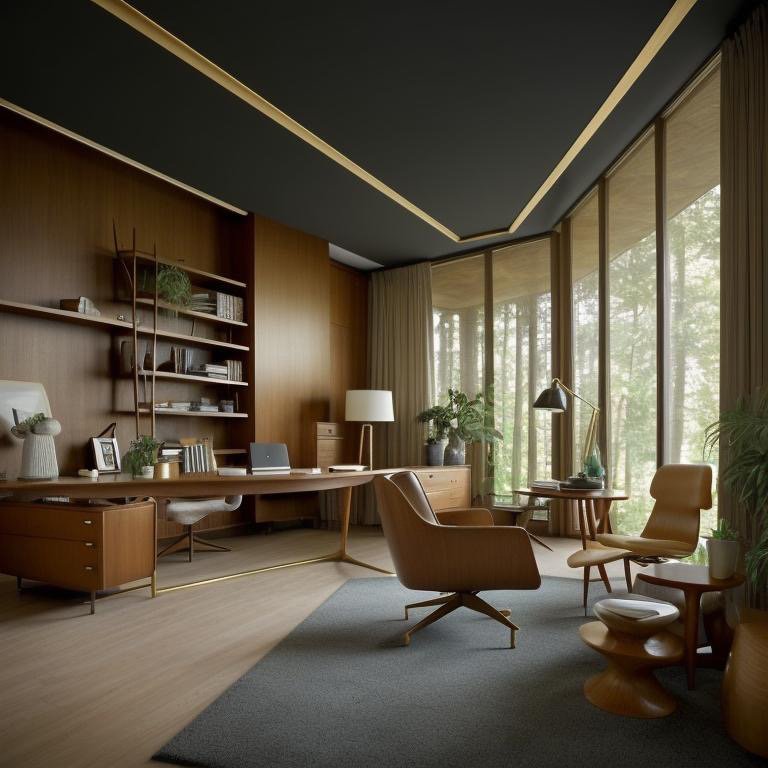
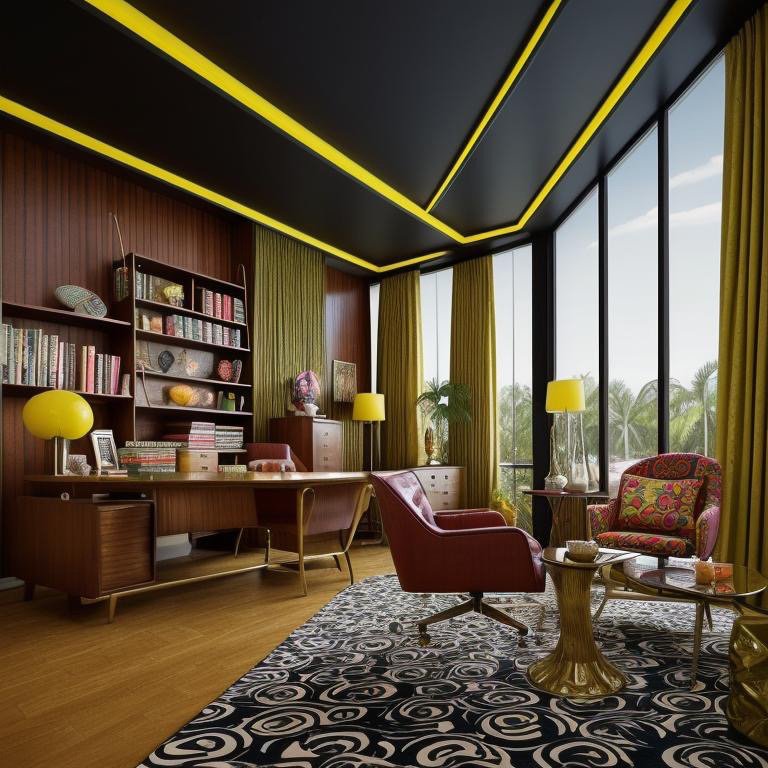
    Then I moved to another version of the same space. The Japandi room had softened me. This one aligned me. Geometry asserted itself immediately. Not aggressively—asserted. The furniture felt engineered. Each piece knew its purpose and its proportions with such precision that you couldn’t imagine them being different. The wood was warm but not sentimental. Disciplined warmth. The kind of warmth that serves a function.

    Lighting clarified rather than flattered. It made edges visible. It made choices visible. The room supported decision-making not because it was stark, but because it refused to hide anything. Every surface made its argument. Every angle suggested efficiency. The proportions were not arbitrary. They appeared to emerge from a logic that, if you understood it, would make you more capable of making good decisions yourself.

    Mid-Century Modern office environment

    Operational confidence made visible. This was a room for executives who understand that clarity is power. Not the clarity that comes from minimalism, but the clarity that comes from knowing exactly what everything is supposed to do and making sure it does that one thing excellently. The person sitting in this room was not encouraged to be thoughtful about strategy. They were assumed to already know strategy. The room’s job was to make action efficient once strategy was clear.

    I sat there and became someone more capable. Not more inspired. More capable. The room had stripped away the part of me that questioned and made visible the part of me that could execute. And the confidence that came from that amplification was almost intoxicating. This is what it feels like to work in a room that believes you can handle the truth.

    Mid-Century Modern structural clarity

    Mid-Century Modern proportional study

    Mid-Century Modern material precision

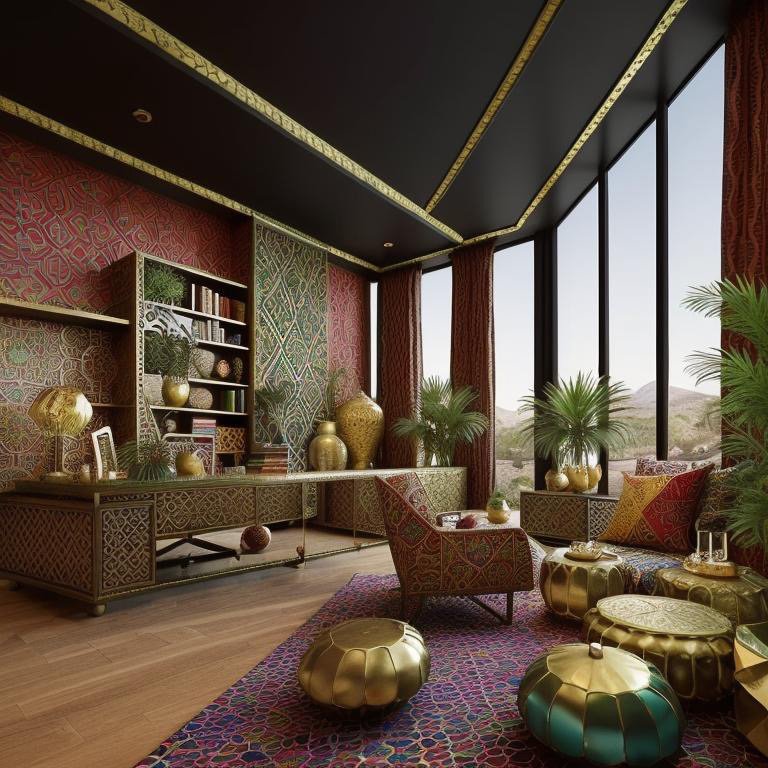
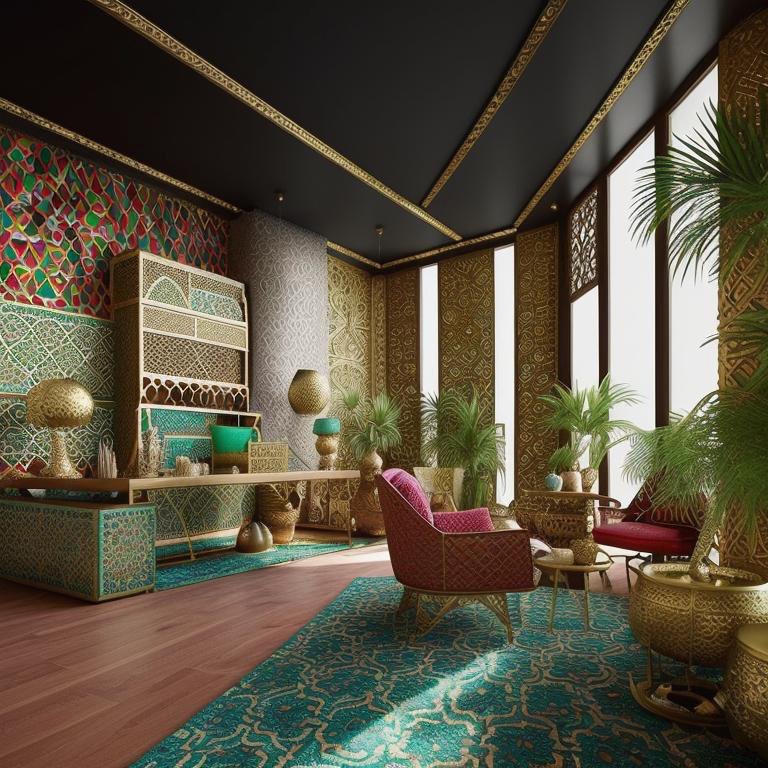
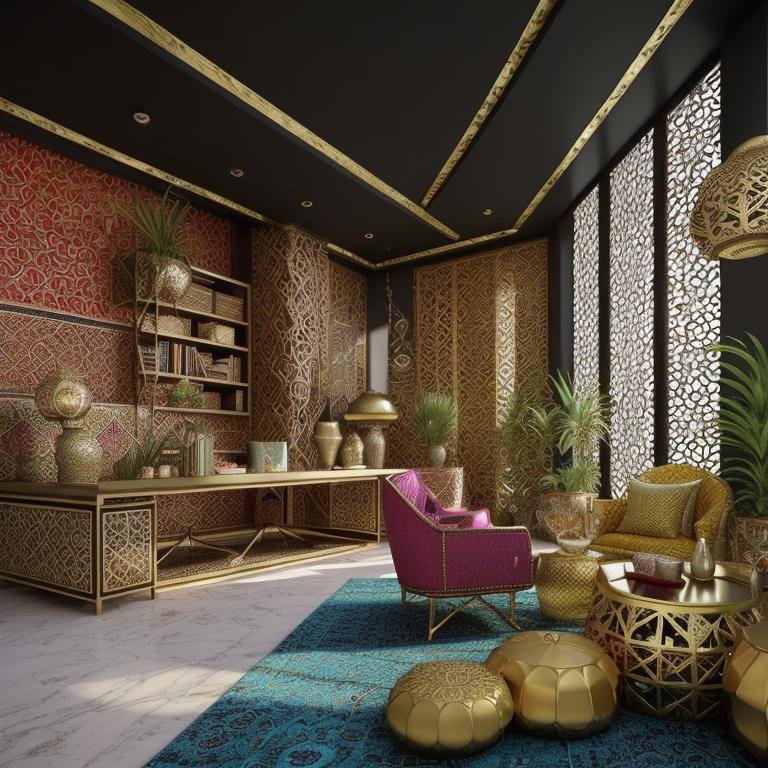
    The Moroccan Room

    The third room welcomed differently. The temperature seemed to shift—not in fact but in intention. The space was warmer in the way intentions are warmer than facts. Texture surrounded me. Not chaotically. Carefully. Each pattern held its own logic, and the logistics together created a kind of visual conversation. One element would speak, and another would answer, not in imitation but in a language they shared.

    Light filtered low and directional, the way light filters through fabric in a marketplace. It arrived prepared, not raw. And the effect was not dimming but refinement. You could see less of the room, but what you could see was more coherent. The eye traveled along a path the light had made for it.

    Moroccan office warmth and texture

    The curves in the space encouraged something I hadn’t felt in the other rooms: conversation. Not with myself, not with the room, but with anyone who sat beside me. The geometry was not assertive or softening. It was receptive. The space leaned inward as though listening. As though it understood that some of the best thinking happens when two people sit together and talk about what matters.

    The room didn’t demand clarity or judgment. It created conditions where clarity could emerge through dialogue. It honored both precision and intuition. The aesthetic was rich but never chaotic. There was order underneath, holding the visual abundance in place. This was a room for people who understand that progress isn’t always aggressive. That sometimes the fastest way forward is the one that invites others to move with you.

    Moroccan curved spatial relationships

    Moroccan textile and pattern integration

    I sat there and became someone more open. Not more vulnerable—more open to being changed by proximity to others. The room had created space for that. Not as a softness or an escape, but as a sophisticated understanding that some decisions are better made together, and some insights only arrive through conversation.

    Moroccan detailed aesthetic

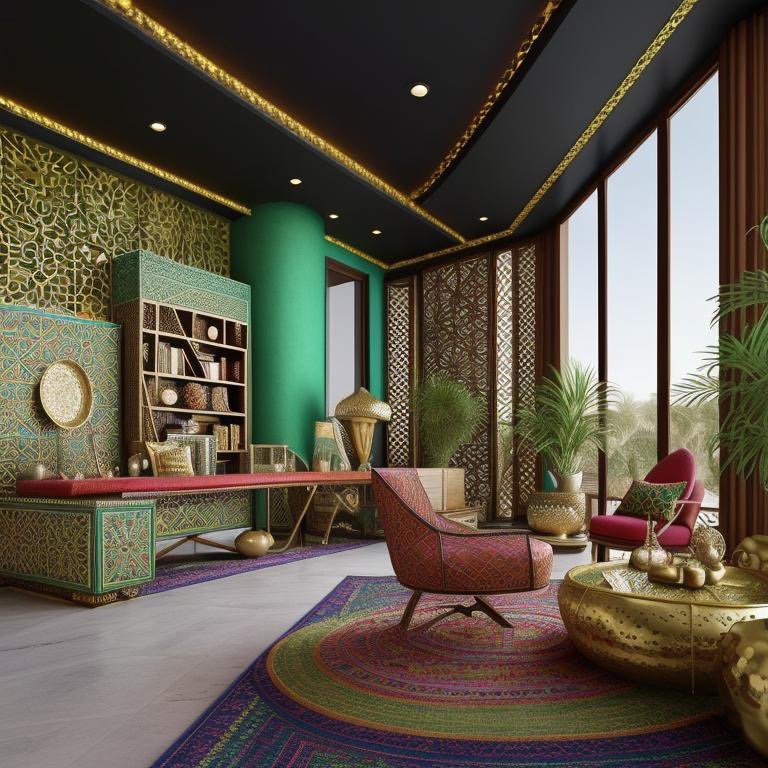
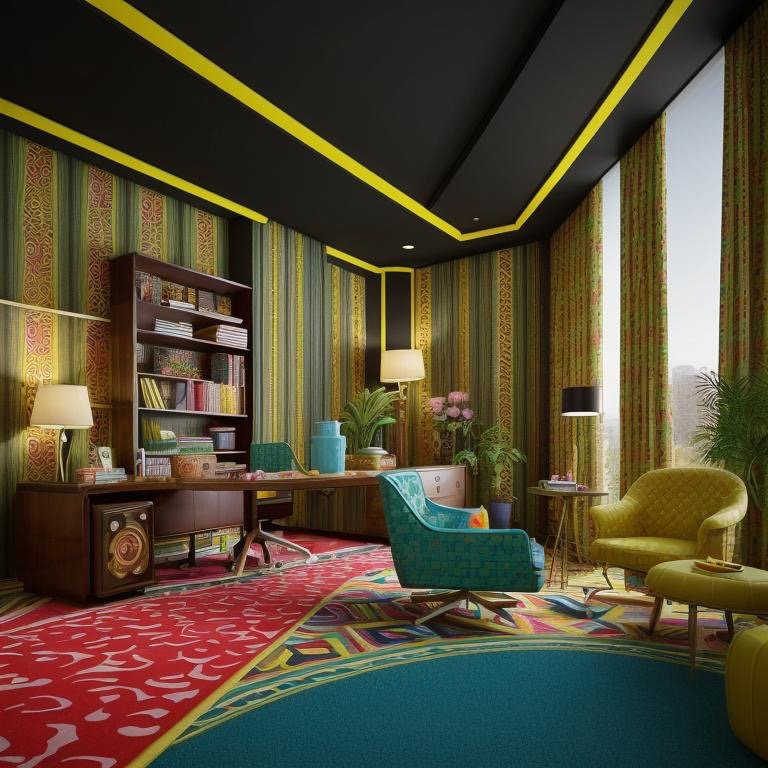
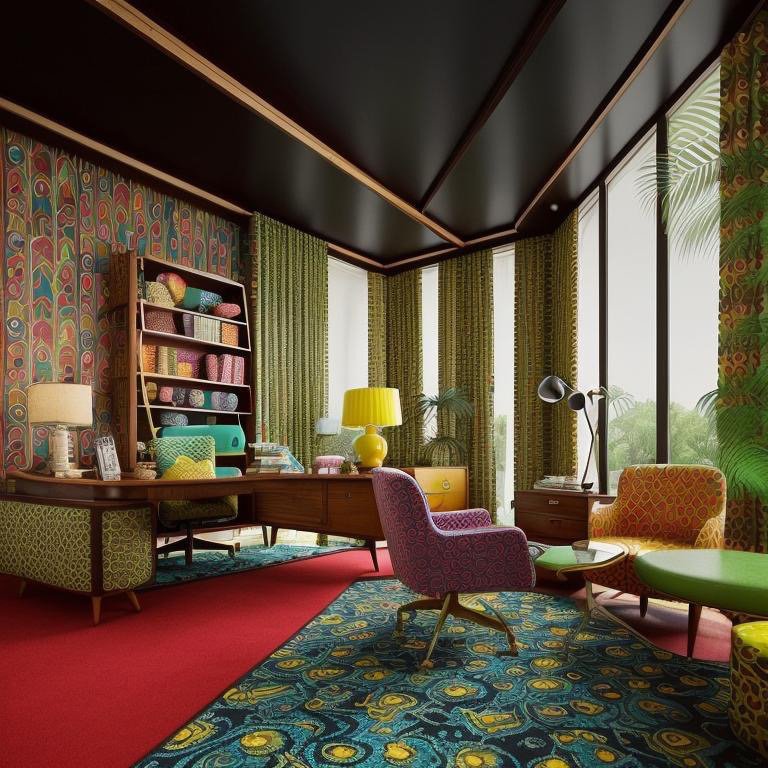
    The Retro Room

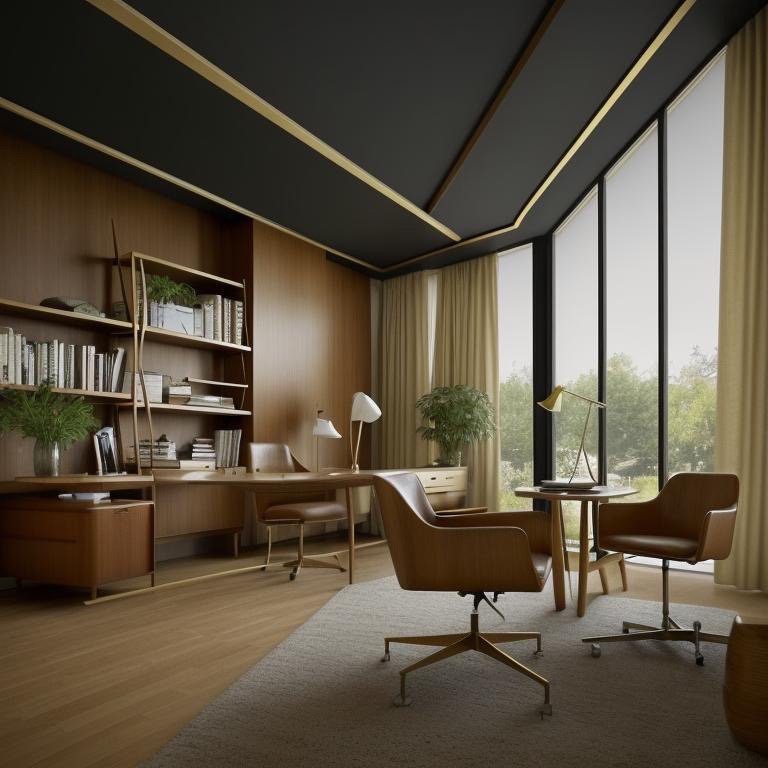
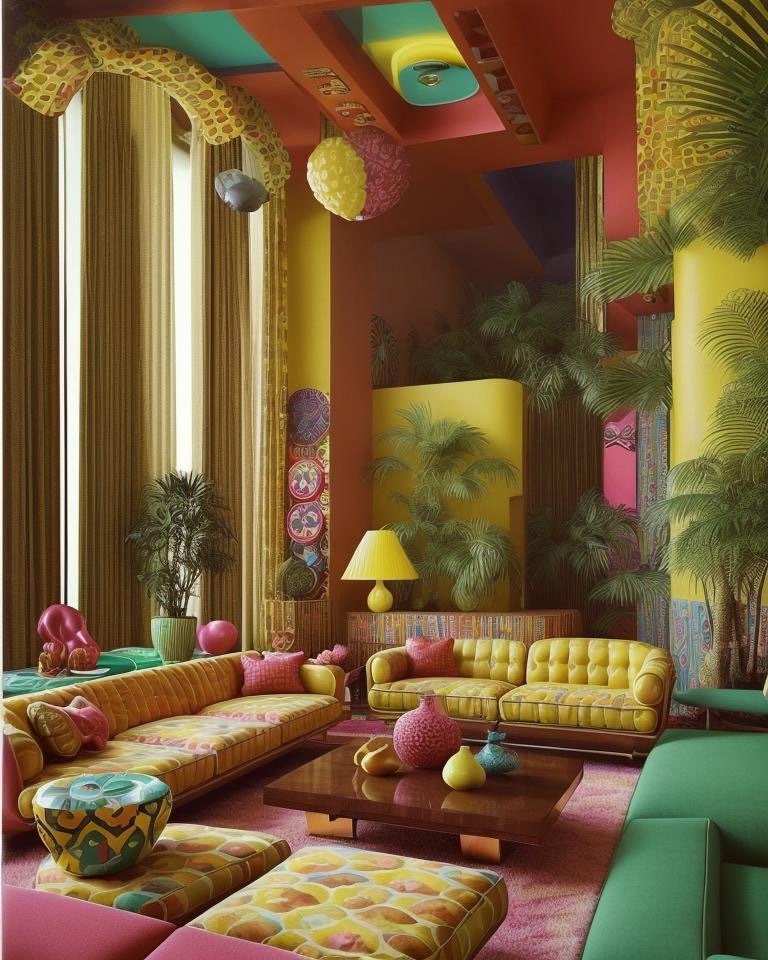
    I expected nostalgia in the fourth room. I found memory instead. There’s a difference. Nostalgia is sentimental—it’s about wishing things were the way they used to be. Memory is controlled. It’s about borrowing confidence from the past while remaining present. This room did that. Every color had a history. Every material choice referenced something that had already been proven. But nothing in the room felt like a copy. It felt like a conversation with the past where the past was allowed to speak but not allowed to dictate.

    Retro office with contemporary sensibility

    The aesthetic was precise. Color appeared, but never carelessly. Each hue had been chosen with such intention that you trusted it immediately. You didn’t have to defend your preference—the room had already done that for you. The execution was so refined that it suggested creativity without chaos. This was what it looked like when someone understood both history and how to live in the present without being trapped by either.

    Retro material authenticity

    A room for founders who refuse to look like everyone else. Not because they want to be difficult, but because they understand that competence carries its own aesthetic, and that aesthetic often looks like you’ve thought longer and worked harder than your competitors. The room didn’t celebrate its own cleverness. It just was—clearly, confidently, without apology. The person sitting in this room was assumed to understand that good taste is not about fitting in. It’s about understanding enough about what works that you can afford to be yourself.

    Retro color and texture balance

    I sat there and became someone more assured. Not arrogant. Assured in the way people are assured who’ve studied the past and decided which parts of it deserved to continue. The room had created permission for that kind of confidence. It had said: you don’t need to apologize for having taste. You don’t need to blend in to belong. And the effect was deeply freeing.

    Retro environmental cohesion

    Architecture Never Changed

    The architecture in all four rooms was identical. The program was the same. The light sources were the same. The square footage was the same. Nothing about the basic spatial container had changed. Only the experience did. Only the way the space met the human sitting inside it.

    This is what Cinematic Intelligence™ actually does. It doesn’t overwrite rooms. It reveals latent personalities. Not by making spaces more square footage, not by adding louder aesthetics, not by creating spectacle. It does something subtler and more powerful. It creates spaces that know how to meet the human sitting inside them. That understand what quality of thinking each person needs and creates conditions where that thinking becomes not just possible but inevitable.

    Not more space. Not more features. Intelligence. The ability to understand that the same room configured differently creates not just a different aesthetic but a different possibility for who you become when you sit inside it. The person I was in the Japandi room was thoughtful. The person I was in the Mid-Century Modern room was capable. The person I was in the Moroccan room was open. The person I was in the Retro room was assured. Same architecture. Four different futures.

    And in that variation is the promise of what design can actually be: not a style applied to space, but an intelligence embedded in space. Not a choice imposed on the inhabitant, but a choice made available to them. A room that knows how to listen to the person sitting inside it, and creates conditions where the best version of that person has room to exist. That’s not decoration. That’s architecture behaving like intelligence. And that’s the difference between rooms and spaces that actually matter.

  • The Shōrin Villa Redesigns: The Global Language of Backsplashes

    The Shōrin Villa Redesigns: The Global Language of Backsplashes

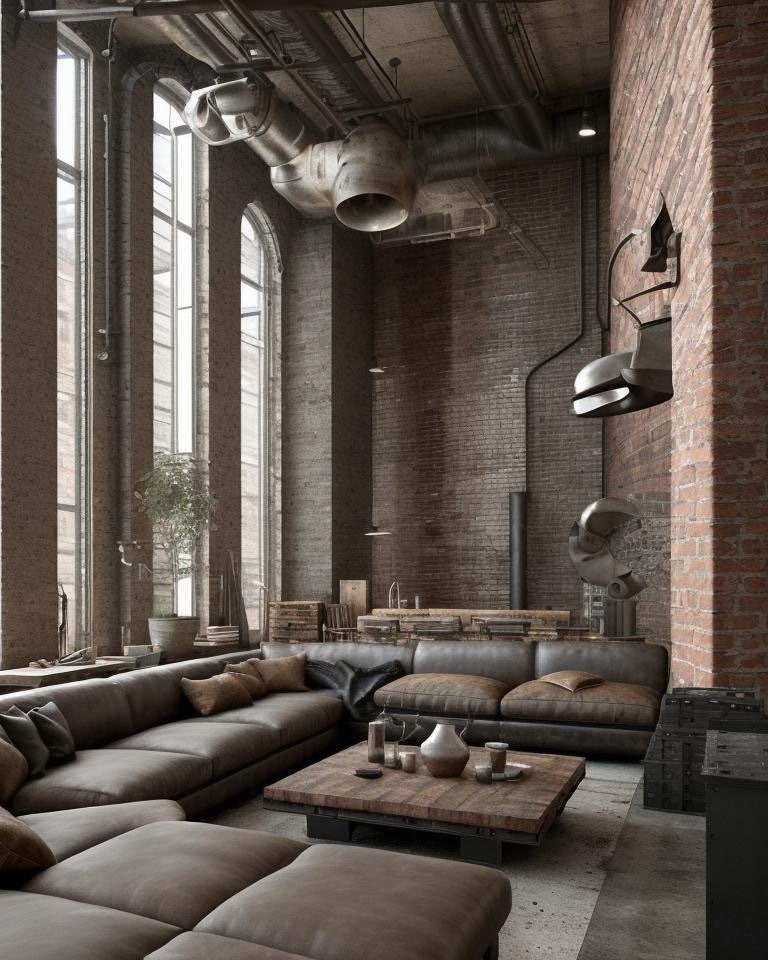
    Industrial backsplash design with raw concrete, exposed steel framework, and minimalist warehouse aesthetic

    The Backsplash as Cultural Signature

    Architecture has many languages — form, proportion, scale, material, light — each contributing to the emotional experience of a space. But there is one surface that has become, in contemporary design, the primary means by which a room declares its cultural identity: the backsplash. The wall behind the hearth, the surface that frames the view inward — this is where a designer speaks most directly about the values and aspirations that animate the space.

    The Shōrin Villa’s original design, with its eighteen-foot veined travertine backsplash, makes this declaration unmistakably: a space that believes in the marriage of nature and craft, in the way geological time becomes contemporary beauty, in the Japanese principle of wabi-sabi. The travertine’s veining is not uniform. Each vein tells a story of mineral deposition and geological fortune. This is not marble’s polished perfection. This is stone in its honest, weathered truth.

    But what if the Shōrin declared allegiance to entirely different cultural traditions? Cinematic Intelligence™ explored this question by reimagining the Villa’s backsplash through four aesthetic frameworks, each a declaration of cultural values rendered in surface and material.

    Industrial: The Language of Honest Utility

    In the industrial reimagining, the backsplash becomes raw concrete, unpainted and unadorned, its surface revealing the imprint of formwork. Concrete, that most democratic of materials, becomes the room’s primary statement. Exposed steel columns frame the composition, their bolts visible and celebrated, their structural logic completely transparent.

    Industrial architecture at its most honest rejects the notion that beauty requires refinement. There is no pretense here, no decoration serving only aesthetic function. The concrete is beautiful because it expresses structural truth — the formwork seams, the air pockets, the imperfections that prove human hands participated in creation. Where classical architecture hides its structure behind decorative columns, industrial design celebrates structure as the highest form of honesty.

    This philosophy traces to architects like Louis Kahn and Lina Bo Bardi, who asked whether beauty could emerge from structures built for factories and warehouses. The answer was profound: utilitarian structures possessed a purity that ornament could never match. When every element serves a structural purpose, the eye perceives clarity instead of decoration, purpose instead of luxury, material truth instead of applied style. The mood is monastic, contemplative — a cathedral to utility.

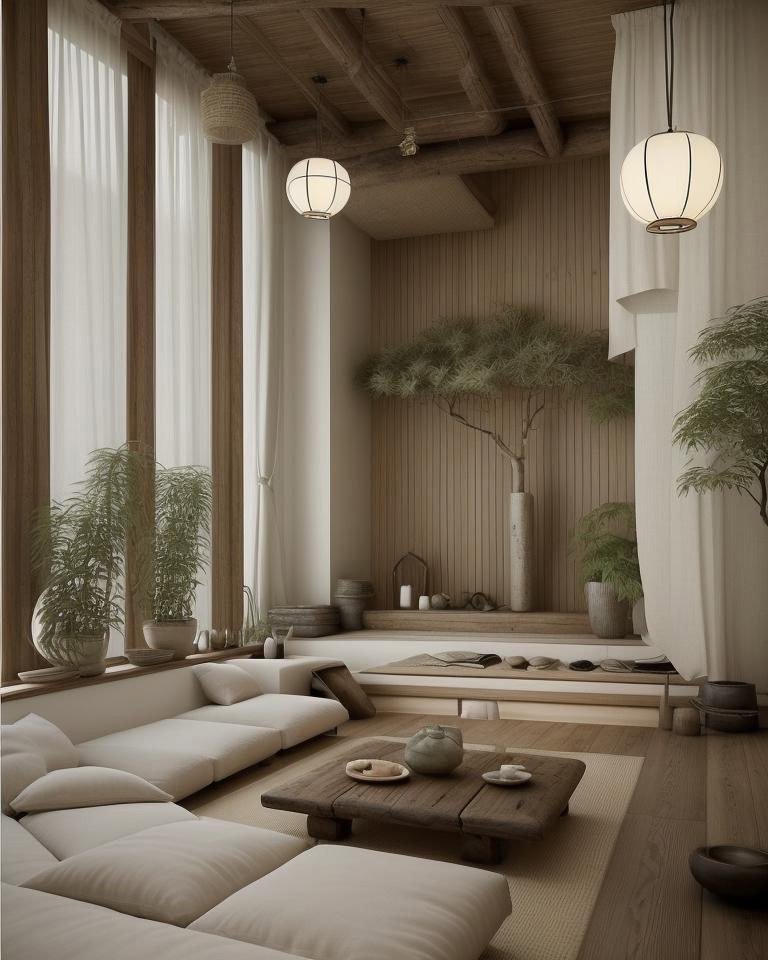
    Japandi backsplash design with light wood surfaces, paper lanterns, and organic minimalist aesthetic

    Japandi: The Breathing Wall

    Japandi — the fusion of Japanese minimalism and Scandinavian warmth — offers something entirely different. Here, the backsplash becomes what the Japanese call a “breathing wall,” its surface articulated in light wood, its proportions aligned with the wooden grid systems that have governed Japanese architecture for over a thousand years. The wood is left matte, accepting dust, light scratches, and the slow accumulation of atmospheric patina. This acceptance of aging is not compromise but philosophy.

    Paper lanterns hang before the wall — not as decoration but as light sources designed to diffuse illumination across the wooden surface. The backsplash becomes a canvas for shadow play. At dawn, the shadows are long and dramatic. By midday, they disappear entirely. At dusk, they return in different configurations. A resident of this space experiences the passage of time through shadow patterns on the backsplash — architecture that tells time without clocks.

    What distinguishes Japandi from pure Japanese minimalism is the deliberate addition of Scandinavian warmth. The wood has a honey tone rather than cool gray. Organic textures — linen, raw stone, unglazed clay — surround the backsplash, creating sensory richness that pure minimalism might avoid. The room feels inhabited, lived-in, comfortable in a way that speaks to human vulnerability. Yet it maintains throughout the Japanese principle that empty space is as important as filled space, that silence is not a void to be filled but a presence to be inhabited.

    Retro: Optimism as Material Expression

    Retro backsplash design with bold geometric patterns, mirrored mosaic tiles, vibrant color palette

    The retro interpretation swings in an entirely different direction. Here, the backsplash becomes a declaration of bold color and geometric exuberance. Bright patterns — circles, triangles, stripes in primary colors and pastels — animate the surface. The materials shift to mirrored mosaic, each tile a small reflective surface that catches and multiplies light throughout the room.

    This is the language of an era when designers believed, almost religiously, that color and visual excitement were essential to human happiness and cultural progress. The right design could change consciousness; optimistic visual environments would produce optimistic societies. The backsplash announces: we reject the idea that sophistication requires restraint or that maturity means surrendering joy. Color is a human right. Visual abundance creates emotional abundance.

    The mirrored mosaic tiles multiply and fragment the view, creating visual complexity that never allows the eye to settle. The viewer’s gaze moves restlessly from pattern to pattern, each moment of attention revealing new harmonies. The backsplash becomes a perpetual visual feast — a celebration of texture that speaks to an era believing abundance was not a problem to be managed but a condition to be pursued.

    Tuscan: The Analog Threshold

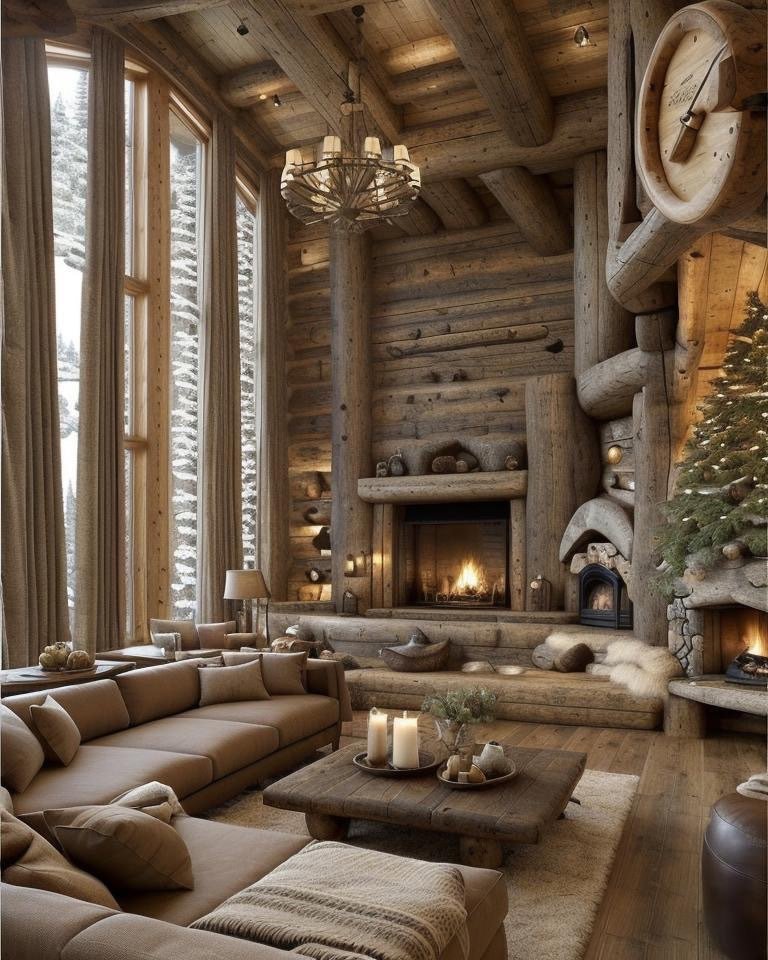
    Tuscan backsplash design with weathered timber beams, hand-laid stone, rustic warmth

    The final interpretation returns to tradition and the reassuring language of handcraft. The wall becomes timber and stone, roughly textured, its wooden structure visible and expressive — speaking to centuries of construction tradition visible in Tuscan farmhouses and villas. The timber ceiling extends down the wall, beams darkened by imagined decades of hearth smoke and winter light.

    Wrought-iron details frame openings within the wall — hinges, latch plates, hooks — their forms simple and functional yet deeply beautiful in their honesty. There is no ornament for decoration’s sake. Every element serves use. Yet through that service, beauty emerges. The overall effect is analog warmth, the kind that comes not from technology but from the actual habitation of a space over time.

    Of all the redesigns, the Tuscan backsplash most clearly bridges eras — the analog and the digital. Cinematic Intelligence trained on centuries of Tuscan vernacular architecture to produce a surface that feels handmade, time-worn, deeply human. The stone will patina. The mortar will deepen. The timber will weather. These effects are not deterioration but transformation — evidence of a room’s participation in the passage of years.

    The Backsplash as Architecture’s Confession

    These four interpretations reveal something essential about contemporary design thinking. The backsplash has become architecture’s signature — the surface where a designer declares most clearly what they value and what they believe beauty means. Is beauty honesty? Is it the marriage of simplicity and warmth? Is it exuberance and color? Is it time, tradition, and the accumulation of craft knowledge?

    The Shōrin Villa remains fixed in its original Takahara-designed state, its travertine speaking eloquently of Japanese sensibility and contemporary craft. It will never be physically reimagined. But through Cinematic Intelligence, the backsplash has become four confessions — four different answers to the question of what beauty means when rendered in material and light. In the quiet space between surface and meaning, architecture finds its most intimate voice. The backsplash is not background. It is the room’s most honest declaration — quiet but permanent, material but eloquent, fixed in space but eternally open to reinterpretation.

  • The Shōrin Villa: The Fifth Translation

    The Shōrin Villa: The Fifth Translation

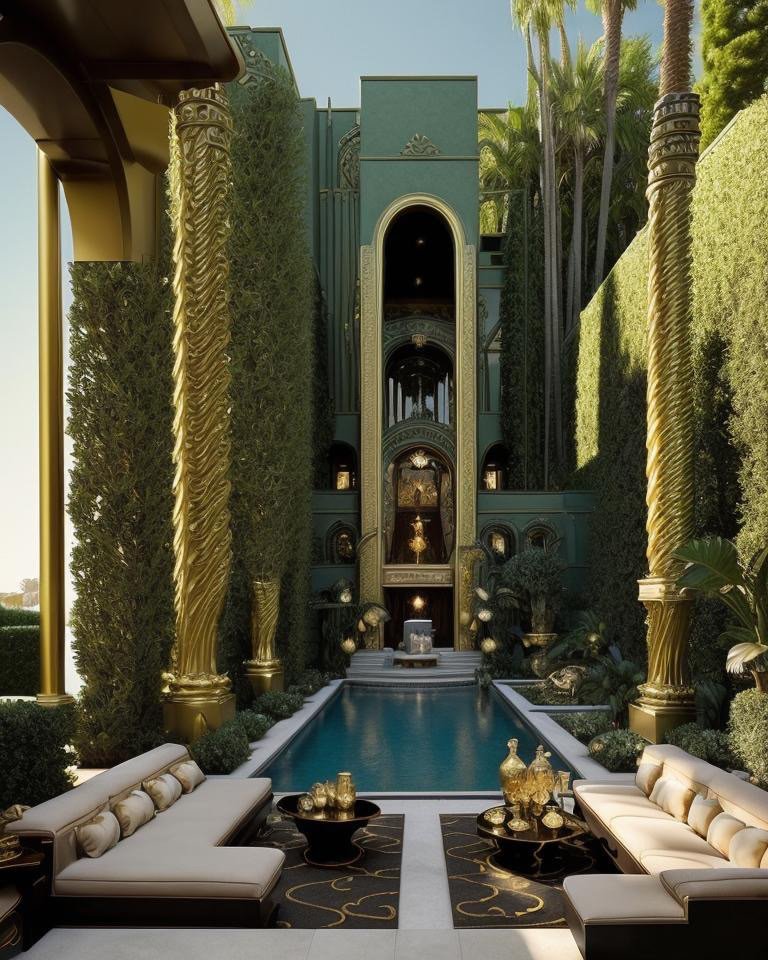
    Hollywood Regency backyard with polished jade and champagne gold finishes

    The Shōrin Villa: The Fifth Translation

    Light is a visitor, shadow is home. This aphorism, attributed to Japanese architectural philosophy, reframes how we understand the relationship between brightness and darkness in a domestic landscape. The first four versions of the Shōrin backyard each emphasized different aspects of light—California’s solar optimization, Chalet’s thermal atmosphere, Expressionist’s chromatic intensity, Farmhouse’s warm patina. But through Cinematic Intelligence™, the remaining five architectural languages explore what happens when we invert the hierarchy. When darkness becomes primary, and light becomes the guest.

    These second five backyards extend across radically different cultural traditions and aesthetic frameworks. Scandinavian minimalism. Retro color symbolism. Mediterranean sun-worship. Hollywood Regency glamour. Greek Revival monumentality. Each language operates from different assumptions about how humans should live, what materials carry meaning, and what relationship between interior and exterior constitutes home.

    Scandinavian: The Architecture of Silence

    Scandinavian language begins with a truth: in northern latitudes, darkness is structural. Winter doesn’t end. It settles. Light becomes precious precisely because it’s scarce. The Scandinavian backyard doesn’t fight this reality. It listens to it. The palette is deliberately desaturated—ashen birch, matte white, silvered grays that absorb rather than reflect light. Plantings are minimal. The ground plane is composed of pebbles and weathered wood. There are no vivid colors, no floral exuberance.

    Instead, there’s silence. The Scandinavian backyard teaches you to hear the sound of wind in bare branches. To notice the texture of lichen on stone. To understand that beauty doesn’t require brightness. The design principle is subtraction—remove everything unnecessary until you’re left only with essential forms and materials. A single bench. A pathway of pale stones. Perhaps a reflective pool that doubles the minimal sky.

    Scandinavian language says: listen to silence. In a world of constant visual stimulation, this backyard offers a different kind of architecture—one that slows perception, deepens attention, and finds profound beauty in what most people would call emptiness.
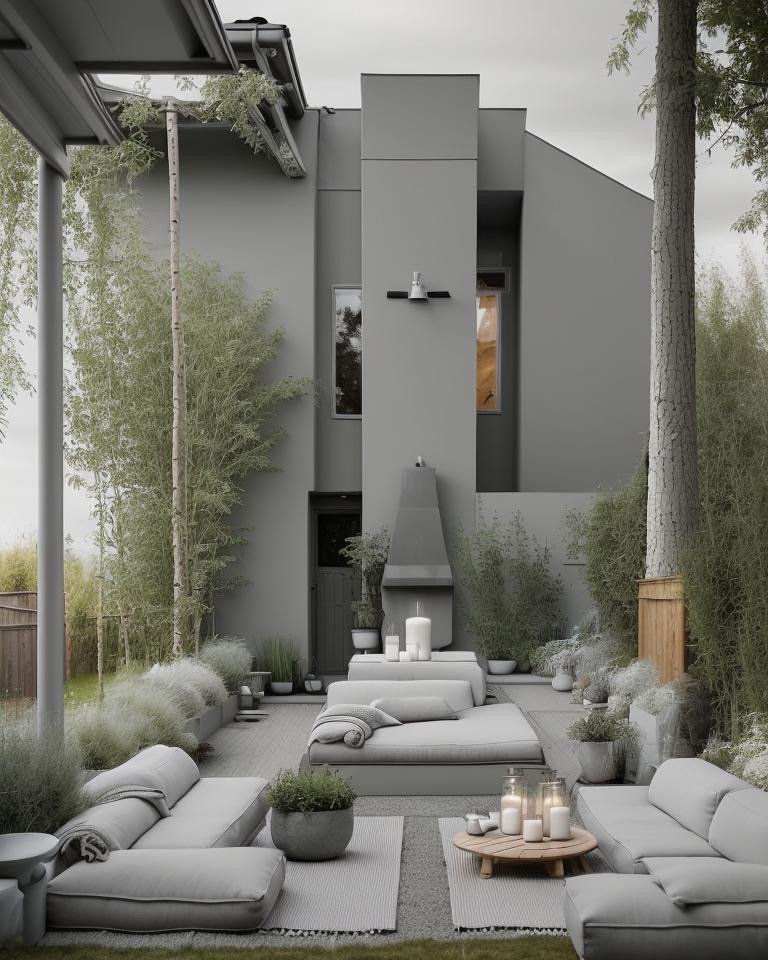
    Scandinavian backyard with ashen birch, matte white surfaces, and diffused Nordic light

    Retro: Color as Linguistic System

    If Scandinavian subtracts, Retro multiplies. The Retro backyard is a color symphony—turquoise, chartreuse, coral, colors that shouldn’t work together according to contemporary taste, and yet, in their historical specificity, create an entirely coherent visual language. Checkerboard tiles in contrasting hues. A mirrored mosaic wall that fragments and reflects light in fractured patterns. Plantings are deliberately ornamental—nothing functional, everything chosen for visual drama.

    Retro language understands that color isn’t decoration. It’s a linguistic system. Certain color combinations carry cultural meaning, historical resonance. A turquoise pool in a chartreuse landscape doesn’t just look vivid; it communicates: this was a moment when a culture believed color mattered, when restraint was considered boring, when abundance of visual expression was synonymous with prosperity and optimism.

    The Retro backyard is time-specific. It couldn’t exist in another era. Its colors announce their historical moment. Yet paradoxically, that historical specificity is what makes it timeless—it’s so thoroughly itself, so committed to its own visual logic, that it escapes fashion and becomes artifact.
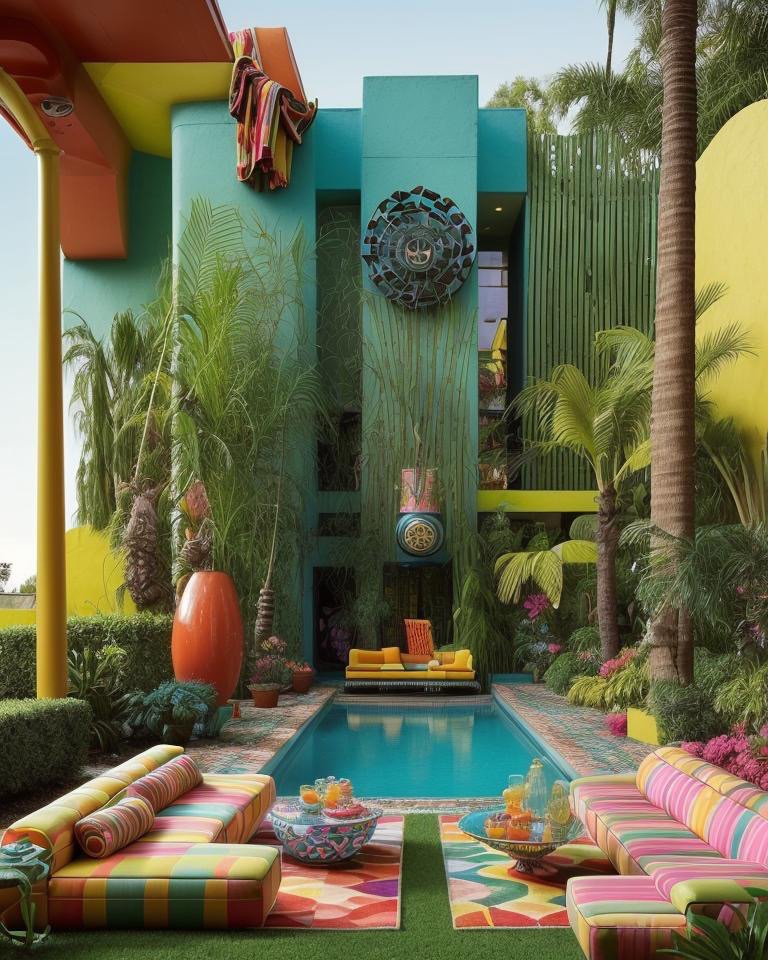
    Retro backyard with turquoise and coral walls, checkerboard pool tiles, and cinematic nostalgia

    Mediterranean: Sunlight as Liturgy

    Mediterranean language returns us to light, but light understood not as optimization but as spiritual principle. The backyard is organized around arches and arcades that frame views and create shadow chambers. Limestone paving, worn smooth by centuries of foot traffic in real Mediterranean villages. Bougainvillea spills across walls in fuchsia abundance. The sound of cicadas is audible in the design—you can almost hear them.

    Mediterranean says: sunlight is sacred. Not in a mystical sense, but in a cultural sense. This architecture emerges from thousands of years of dwelling in intense sun. The arches protect skin. The water features (fountains, basins) cool the air and provide the sound of flowing water—both practical and ceremonial. The plantings are exuberant because this landscape exists at the edge of desert. Abundance is not excess. It’s gratitude.

    The Mediterranean backyard invites you into a specific relationship with nature—not domination or control, but negotiation. You’re living within constraints (heat, aridity) that the architecture acknowledges and honors. The result is an landscape that feels both ancient and alive.
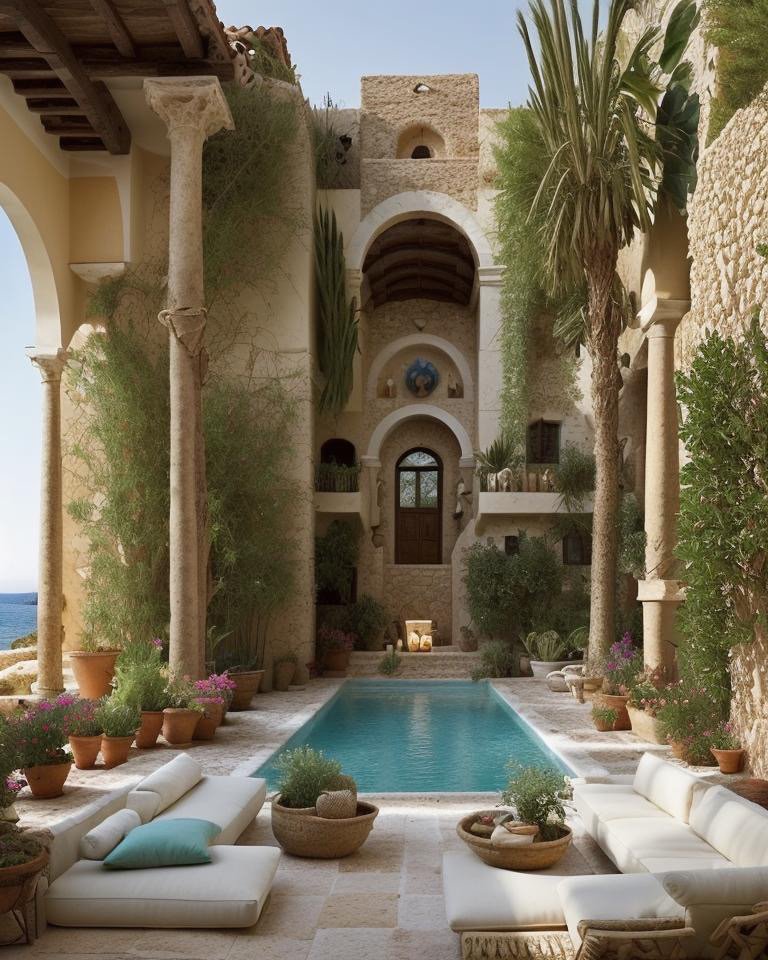
    Mediterranean backyard with limestone arches, bougainvillea, and warm sunlight as architecture

    Hollywood Regency: Glamour Without Apology

    Hollywood Regency language makes no attempt at naturalism. It’s artifice in service of beauty. The backyard is polished jade, champagne gold, mirror-lacquered marble. Every surface is designed to reflect and intensify light. Plantings are sculptural—carefully pruned, almost architectural. There are no casual plants allowed. Everything is considered, calibrated, theatrical.

    Hollywood Regency says: luxury is unapologetic. You live in this backyard not to commune with nature, but to demonstrate that you’ve transcended nature’s constraints. You’ve created an entirely artificial paradise where materials are precious, surfaces are flawless, and every element serves the larger composition. There’s no rusticity here, no pretense of organic growth.

    This language can feel cold to contemporary sensibilities committed to environmental authenticity. But it’s honest about what it is: a celebration of craft, luxury, and human-directed beauty. It refuses the hypocrisy of contemporary design that claims to honor nature while deploying expensive interventions to make nature conform to aesthetic preferences. Hollywood Regency simply admits: this is artifice, it’s intentional, and it’s beautiful.
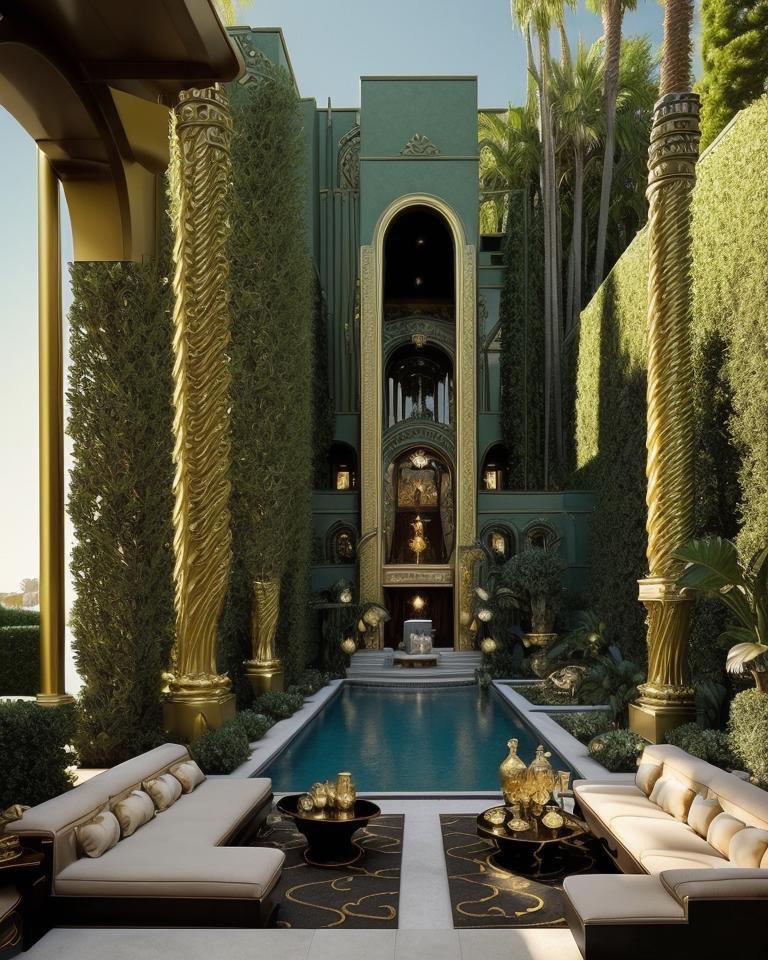
    Hollywood Regency luxury backyard with jade walls, gold twisted columns, and reflecting pool

    Greek Revival: Monumentality as Domestic Space

    Greek Revival language brings monumental architecture into the domestic landscape. Doric columns frame garden spaces. A marble fountain anchors the composition. Honeyed limestone paving, carved with mandala patterns and frieze etchings, references both classical temples and Persian gardens. The scale is generous without becoming overwhelming. Every element carries cultural weight.

    Greek Revival says: a private backyard can hold the dignity of public monuments. You don’t need to apologize for wanting beauty at this scale. The columns aren’t functional (they don’t support anything). They’re linguistic—they declare that this space belongs to a tradition of monumental beauty, that domestic life deserves the same architectural dignity we grant to temples and civic buildings.
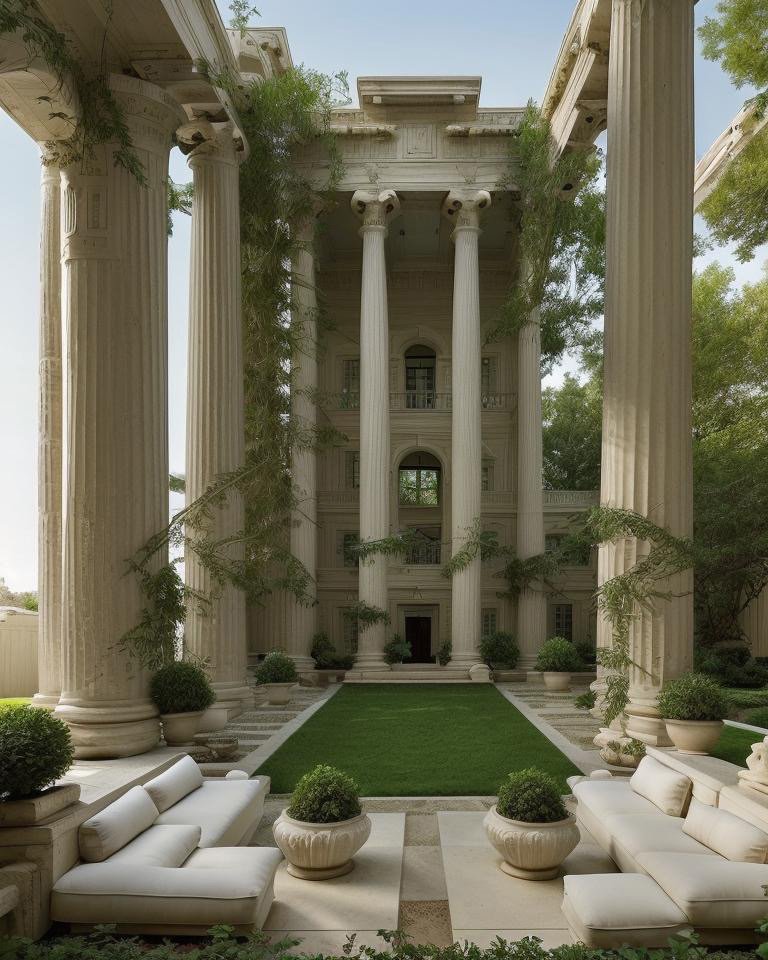
    Greek Revival luxury backyard with Doric columns, classical facade, and formal garden

    The Greek Revival backyard is calm in the way that classical proportions are calm. There’s no drama here, no chromatic intensity, no performative gesture. Instead, there’s a deep equilibrium. The proportions are right. The materials are noble. The overall composition achieves a kind of repose—the backyard becomes a place of contemplation, even within a private residence.

    The etchings carved into the limestone—mandalas and classical friezes mixing—suggest that Greek Revival doesn’t require historical purity. It requires proportion, materiality, and a commitment to enduring beauty. The specific cultural references matter less than the underlying philosophy: that a home’s landscape should express timeless values.

    Closing: Architecture as Personal Philosophy

    The Shōrin Villa’s ten backyards reveal that architectural language is ultimately personal philosophy made visible. When you choose Scandinavian, you’re choosing silence and subtraction. When you choose Retro, you’re choosing color and historical specificity. When you choose Mediterranean, you’re choosing negotiation with climate and landscape. When you choose Hollywood Regency, you’re choosing transparency about artifice. When you choose Greek Revival, you’re choosing monumentality and proportion.

    My favorite is Scandinavian—it listens best. The design says nothing loud. It simply creates conditions where attention deepens, where the small sounds and subtle light shifts become the primary architecture. In a world of overwhelming visual noise, that listening becomes radical.

    But every language here is true to its own values. The backyard doesn’t exist in nature. It exists in choice. The choice reveals character. And across these ten versions, character emerges not from individual personality, but from commitment to a coherent architectural philosophy. That commitment to consistency, to following an idea through to its fullest expression—that’s what makes these backyards architecture rather than decoration.