Tag: Scandinavian Design

  • Four Rooms That Remembered the World

    Four Rooms That Remembered the World

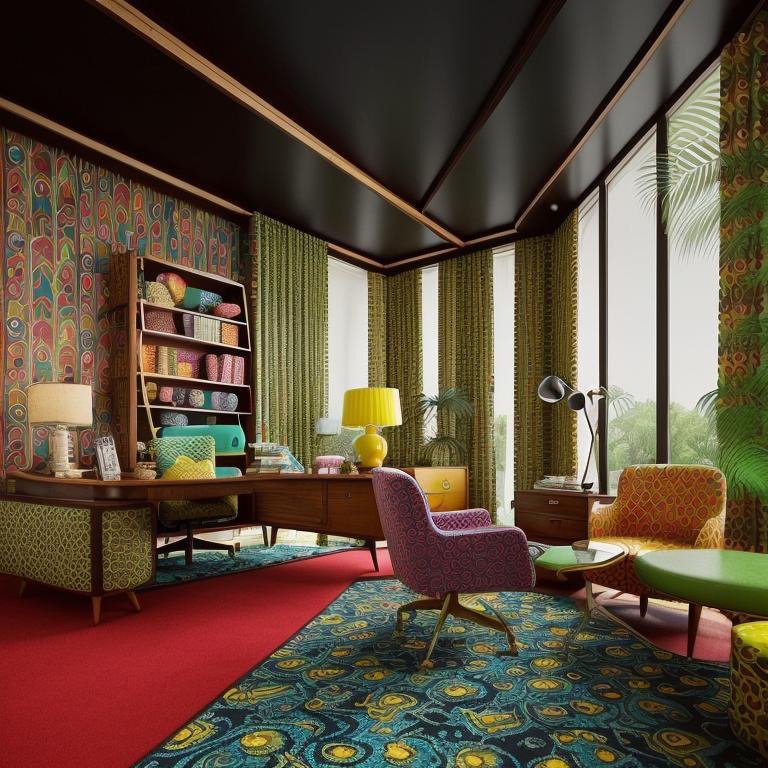
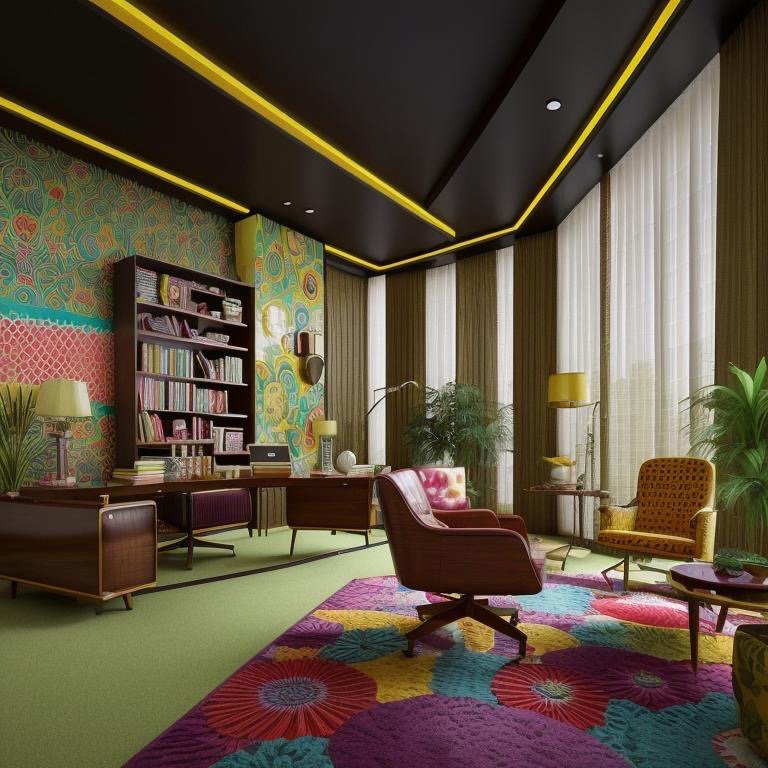
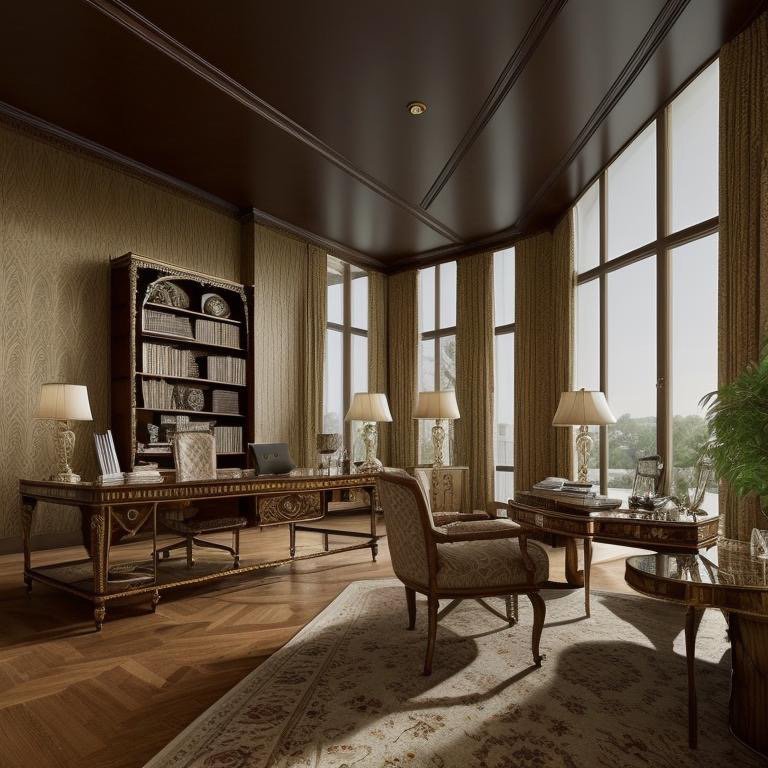
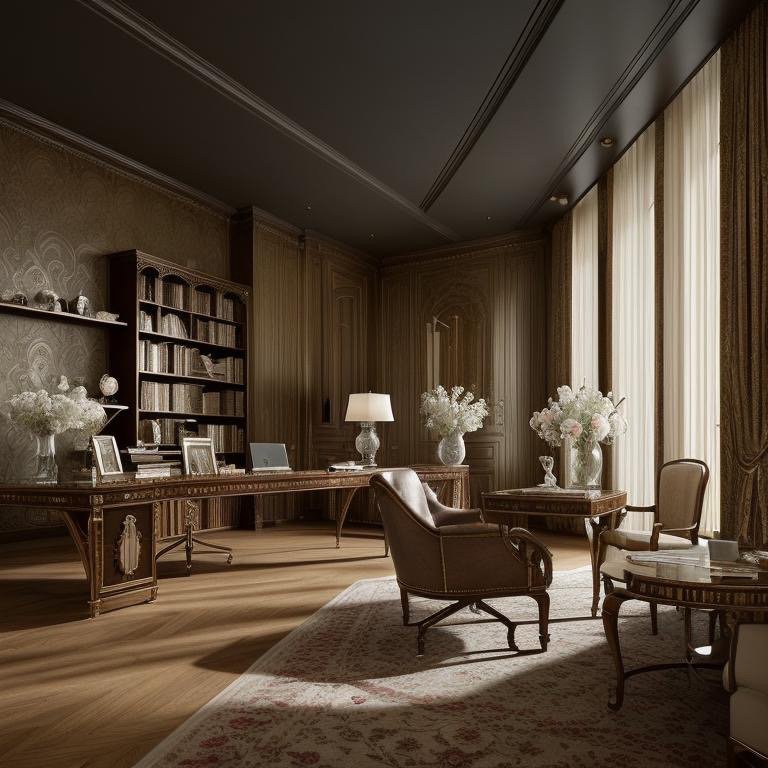
    Rococo office environment

    I entered these rooms listening for history, not looking for spectacle. Cinematic Intelligence™ lets a space recall where it has been without trapping it there. Each room carried a different memory. And in each, I heard something architecture often forgets to say: that the past is not a burden. It is a resource.

    Four rooms. Four different accents of time. Four conversations with the architectural languages that preceded us.

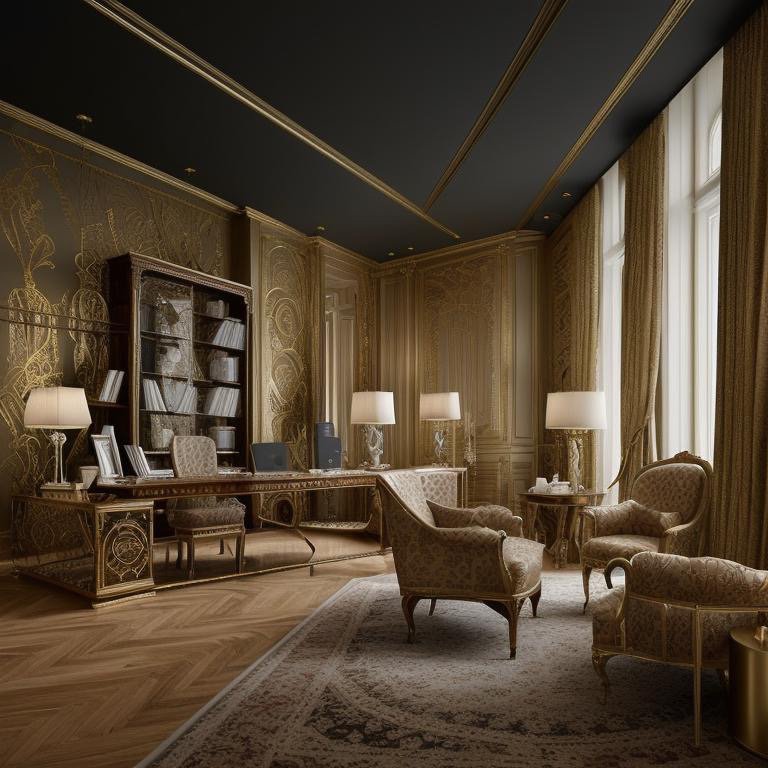
    The Rococo Room

    I was lifted before I sat down. The ceiling curved like it had learned how to float. Light drifted upward as though drawn by the geometry above. The first impulse was to be skeptical of the ornament—to assume it would overwhelm. But ornament here served something unexpected. It framed restraint.

    Rococo ceiling and light interaction

    The gold was elegant specifically because it was bounded. The curves guided rather than sprawled. The ornamentation was excess, yes, but strategic excess. Decorative, but never noisy. The genius of Rococo—what survives in the rooms that still speak—is the understanding that you can be luxurious without being loud. That ceremony doesn’t demand attention. It creates a container within which attention can rest.

    Nothing in this room was minimal. Everything was calculated. The difference between clutter and refinement is not the amount of ornament. It’s the clarity of intention behind it. This room had clarity. Every flourish belonged. Every curve answered a previous curve. The space felt coherent not despite its elaboration but because of it. The abundance had been organized so carefully that you could follow its logic even if you didn’t consciously notice it.

    Rococo decorative integration

    And the effect of all this was not exhaustion but elevation. Not visual overwhelm but visual organization at such a high level that you felt more intelligent just by sitting in it. This is what beauty is when it’s actually refined: it’s clarity masquerading as abundance. It’s precision so perfect that it looks effortless. It’s not conservative—it’s composed. And composition, it turns out, is where true luxury lives.

    Rococo proportion study

    Rococo historical continuity

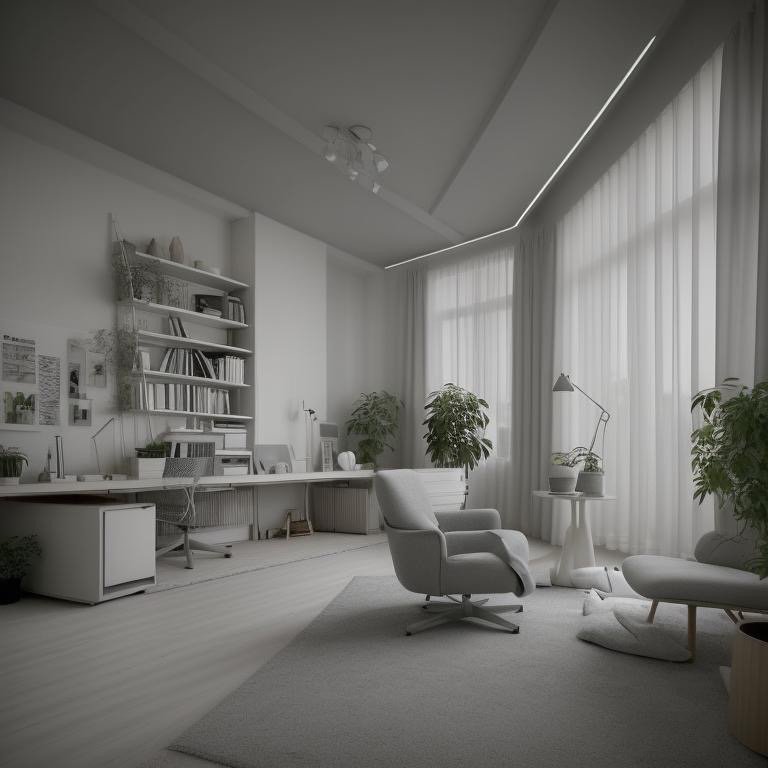
    The Scandinavian Room

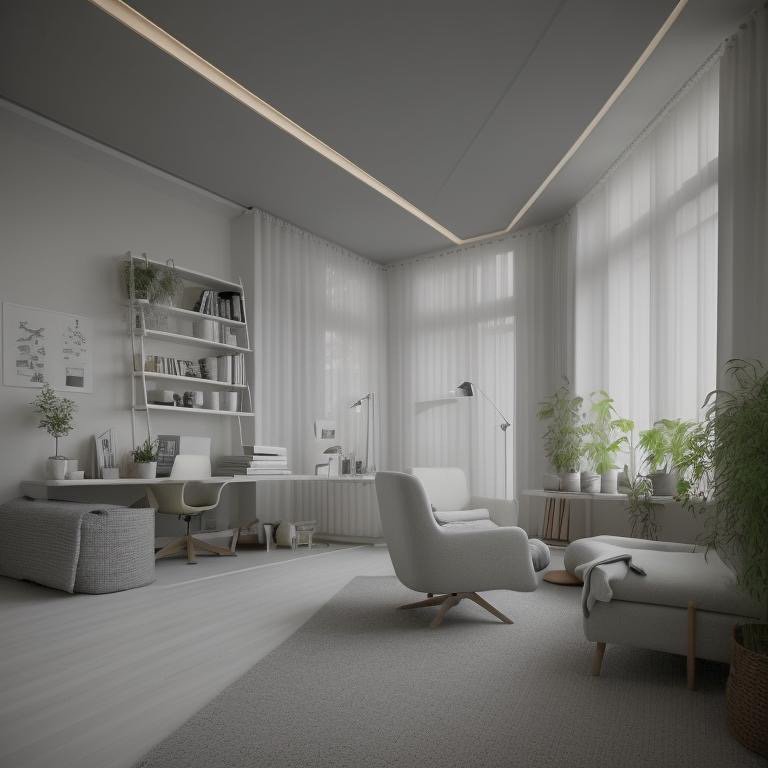
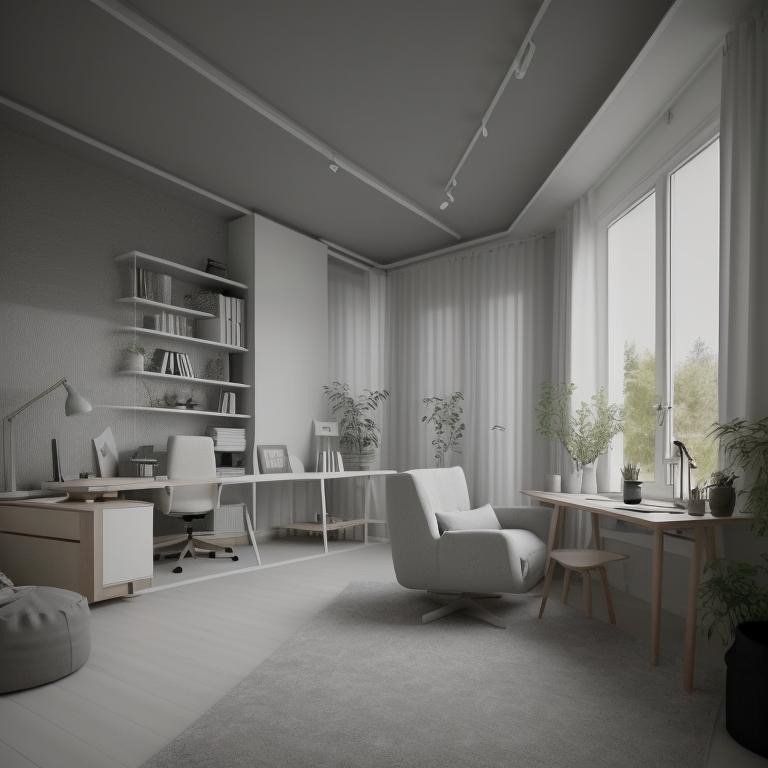
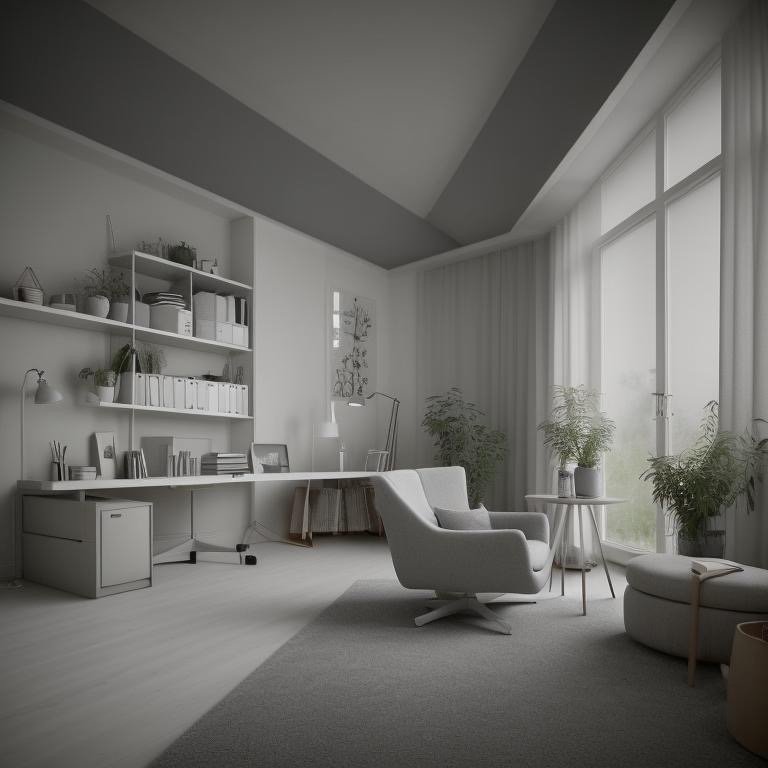
    The second room made space for me. The first thing to arrive was light—cool, clean, rational. Then pale woods. Then the understanding that every element was doing something. Nothing was there for decoration. Nothing was there for tradition. Everything was there because it solved a problem or answered a question.

    Shoulders dropped. The room had given permission to be less. Not less ambitious—less cluttered. The aesthetic was not minimal for the sake of minimalism. It was minimal as an ethical stance. A refusal to clutter life, thought, or decision-making with things that don’t serve. A discipline as much as a design choice.

    Scandinavian light and space

    The calm in the room was not passive. It was precise. It was the result of a thousand small decisions—each material chosen for clarity rather than richness, each surface refined for function rather than ornamentation, each proportion balanced for stability rather than drama. The Scandinavian refusal to be excessive was not a rejection of beauty. It was a redefinition of it. Beauty here is clean. Honest. Efficient. Beautiful the way a well-made tool is beautiful.

    This room didn’t welcome luxury. It welcomed competence. It assumed I understood that real comfort comes from the absence of friction. That true elegance is what remains when you’ve removed everything unnecessary. That a room speaks most powerfully when it stops insisting you notice its taste and simply demonstrates it through every choice it makes.

    Scandinavian material honesty

    Scandinavian functional clarity

    The calm was not emptiness. It was fullness edited down to the essential. Not subtraction for its own sake, but subtraction as a discipline. And in that discipline was a kind of respect—for my time, for my attention, for my right to a space that didn’t demand anything except that I exist within it.

    Scandinavian spatial refinement

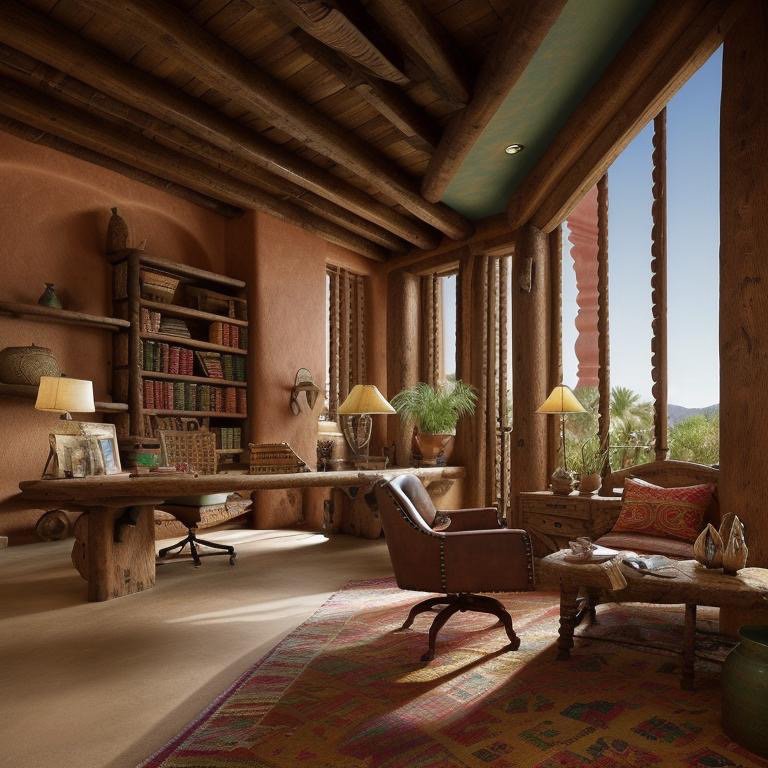
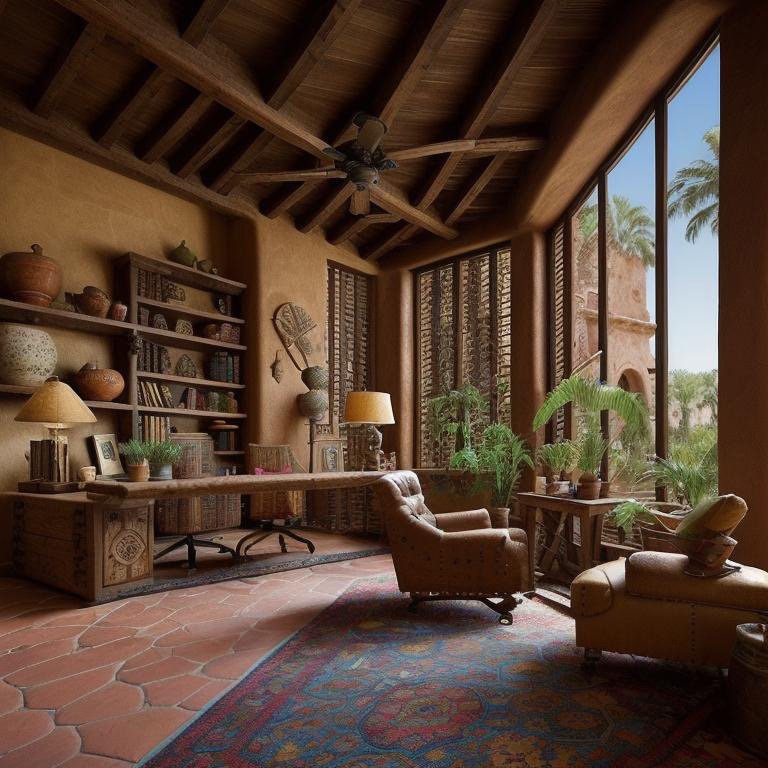
    The Spanish Colonial Room

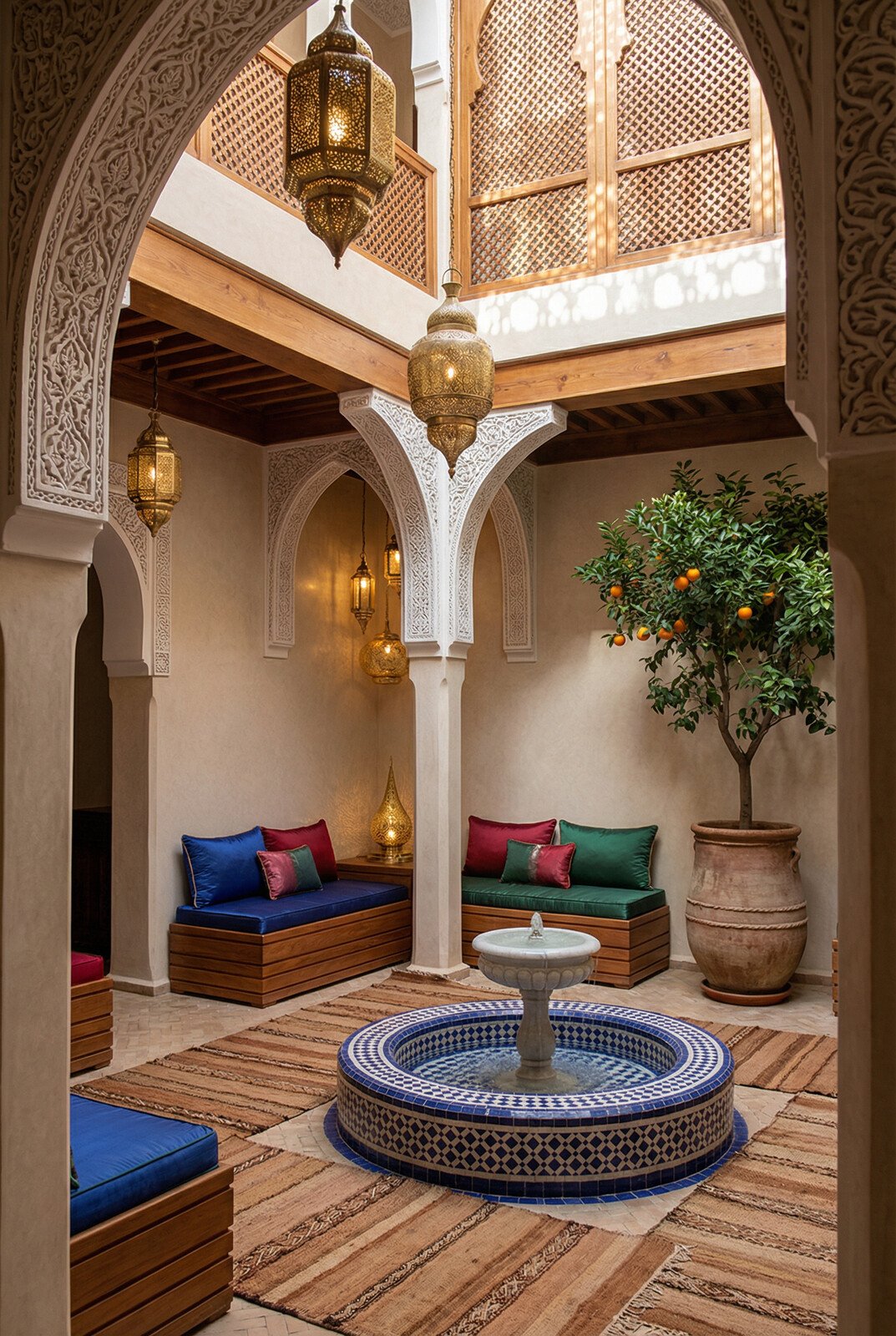
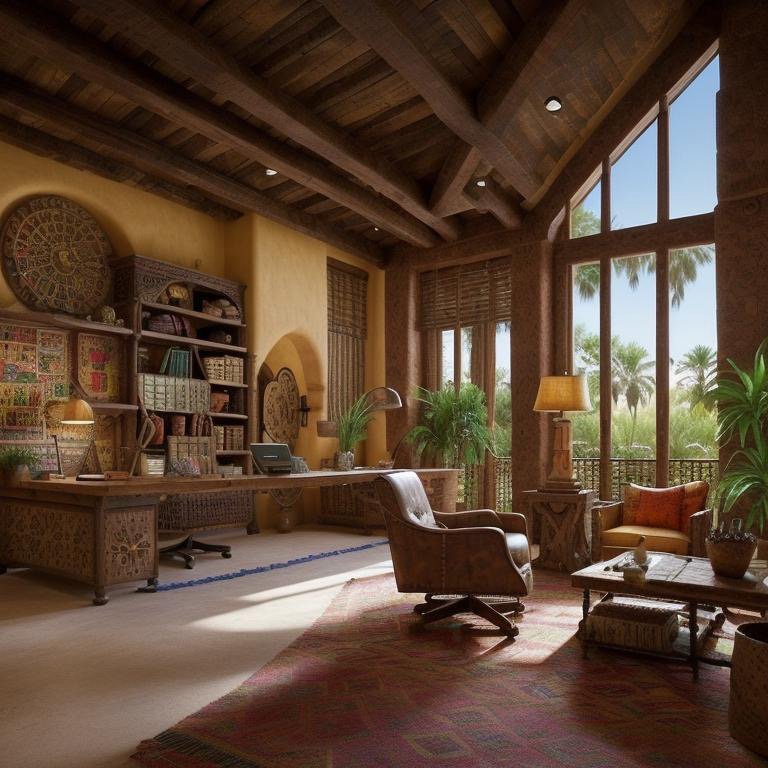
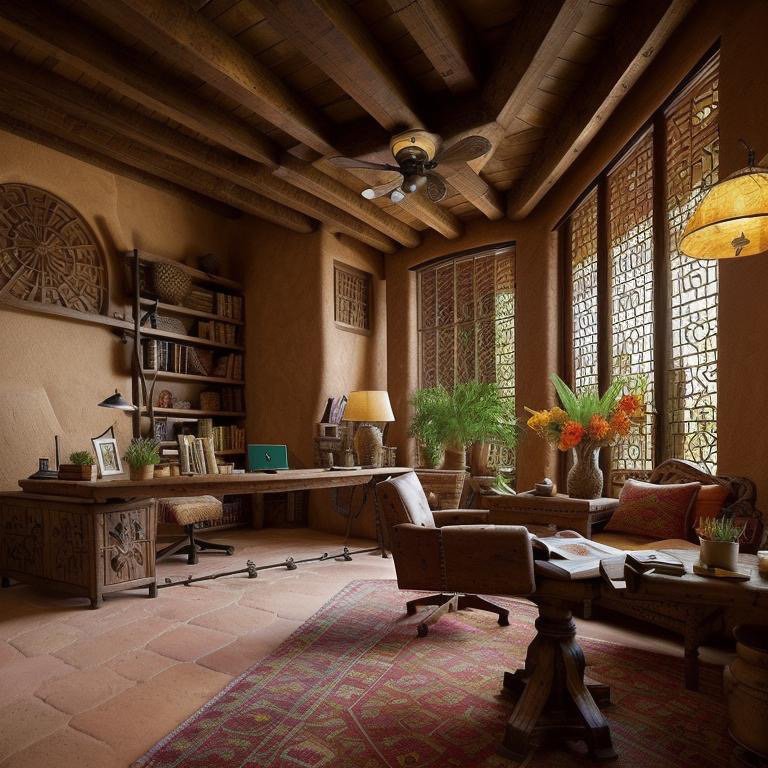
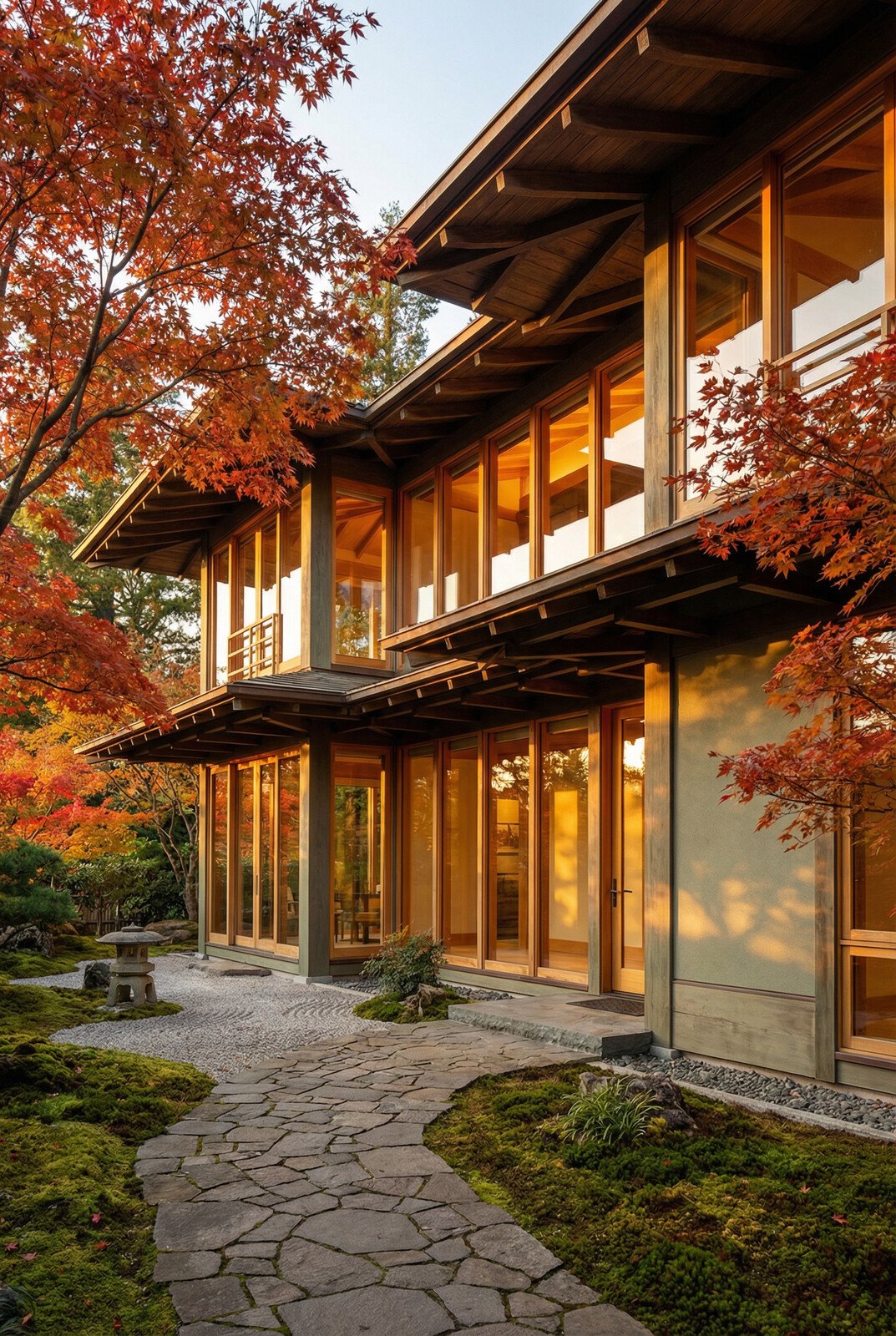
    The third room carried heat that had nothing to do with temperature. It was remembered heat. The walls were thick with time in a way that went deeper than architecture. This was a room that understood patience. The arches framed movement gently, the way they had for centuries. Wood aged not worn. Stone structural not ornamental. Materials that had not just been selected but had been proven across decades of habitation.

    Spanish Colonial structural presence

    The authority in the room did not come from any single gesture. It came from longevity. From having survived enough to know what matters. From the understanding that a room doesn’t need to announce itself if it has already proven itself. The proportions were generous but not wasteful. The light arrived in patterns created by thick walls that had learned to move it carefully. The aesthetic was not aggressive toward newness or toward preservation. It was simply present, fully committed to its own being.

    Spanish Colonial material weathering

    There was no apology here. No sense that the room needed to justify its existence or prove its worth. It simply was—thick with consequence, rich with use, confident in its own utility and beauty. The person sitting in this room was assumed to understand that some things don’t need to change because they’ve already achieved a kind of perfection. Not static perfection but living perfection—the kind that only comes from being inhabited for long enough to know exactly what works.

    Spanish Colonial archway detail

    Spanish Colonial temporal depth

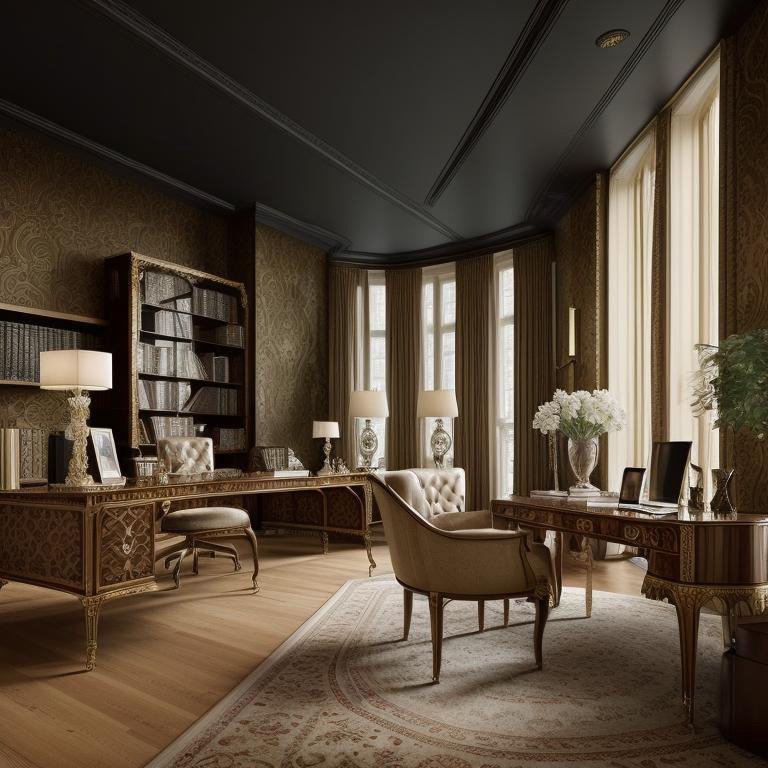
    The Traditional Room

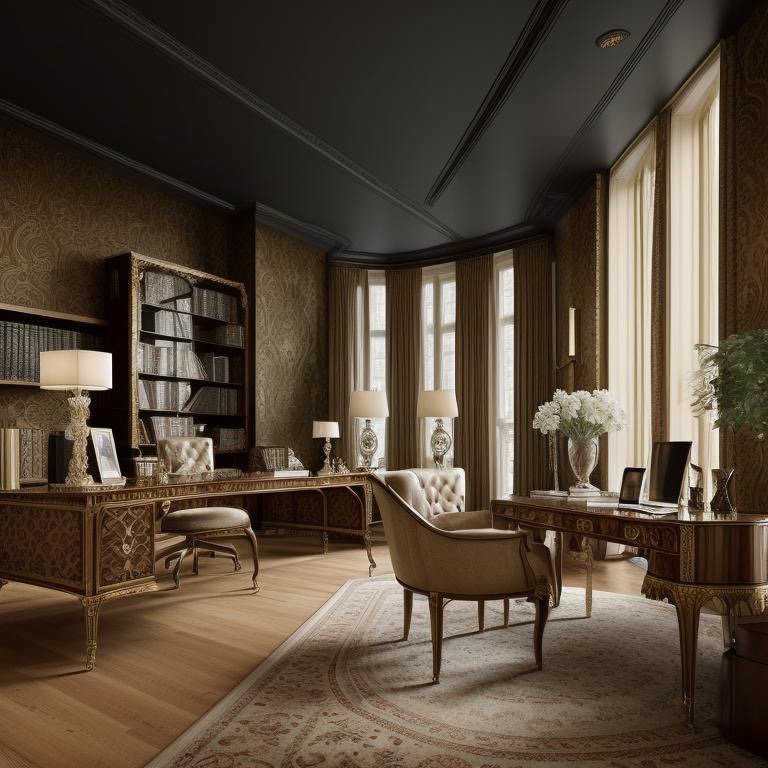
    The fourth room steadied me. Symmetry was immediate. Not as a design device but as a principle. The proportions were settled, tested, proven. They had been proven so thoroughly that you forgot they were choices. They felt inevitable. Nothing reached. Nothing strained. The room didn’t try to be anything except what it was.

    Traditional proportional balance

    I felt trust. That immediate, uncomplicated trust that comes from being in a room that knows its purpose and its limits. The room didn’t pretend to be anything except traditional. And that refusal to perform—that commitment to being exactly what it appeared to be—was the source of its credibility. It was not trendy. It was not trying to seem important. It was simply good. Clearly, obviously good.

    This is what people mistake about traditional design. They think it’s about being conservative. But conservation is an act of courage in an era where everything is temporary. To choose a tradition is to say: this works. This has been tested. This deserves to continue. Not because it’s the safest choice, but because it’s the right choice. The person sitting in this room was not being invited to think about style. They were being invited to trust that someone had already done the thinking.

    Traditional material authenticity

    Traditional refined elegance

    The authority here was not aggressive. It was composed. Not conservative—composed. The room had integrated centuries of knowledge into its proportions. And that integration made the space feel neither old nor new. It felt true. In the way that certain things feel true when you stop looking for innovation and start looking for reality.

    Traditional timeless composition

    Design Is Not About Novelty

    Four rooms. Four histories. Four different conversations with time itself. The Rococo room told me that luxury is organized excess, that beauty lives in composition, that refinement doesn’t mean emptiness. The Scandinavian room told me that elegance is clarity, that trust lives in transparency, that a room doesn’t need to announce itself if it solves problems perfectly. The Spanish Colonial room told me that authority is earned through longevity, that a space can be rich without being loud, that there is a kind of perfection that comes only from being inhabited long enough to know what matters. The Traditional room told me that composition can be so perfect that it feels inevitable, that heritage is not nostalgia but wisdom, that trust is the most important thing a room can offer.

    What emerged from all four was a single insight: design is not about novelty. It is about memory handled correctly. Not memory as nostalgia, not memory as constraint, not memory as an excuse to repeat the past. Memory as knowledge. As understanding that certain proportions work because they’ve been tested. Certain materials endure because they’ve been proven. Certain principles of composition have survived because they serve something real.

    This doesn’t make architecture backward. It makes it thoughtful. The greatest contemporary spaces are not the ones that reject the past. They are the ones that listen to it carefully and choose what deserves to continue. They are the ones that understand that progress does not erase history. Progress learns how to sit with history—to hold its hand without being trapped by it, to honor it without being imprisoned by it.

    Four histories. One structure. Infinite continuity. The architecture that endures is not the architecture that refuses the past or the architecture that is imprisoned by it. It is the architecture that understands both where we have been and why we are here now. That holds both memory and possibility in the same moment. That knows the difference between being historical and being informed by history.

    Cinematic Intelligence™ reveals something that was always true but hard to see: that the best spaces are the ones that know how to listen. To listen to what the past has learned. To listen to what the present requires. To listen to the person sitting inside them and create conditions where that person can be most fully themselves. That is not decoration. That is intelligence. And it is precisely this kind of intelligence that makes architecture matter.

  • The Shōrin Villa: The Fifth Translation

    The Shōrin Villa: The Fifth Translation

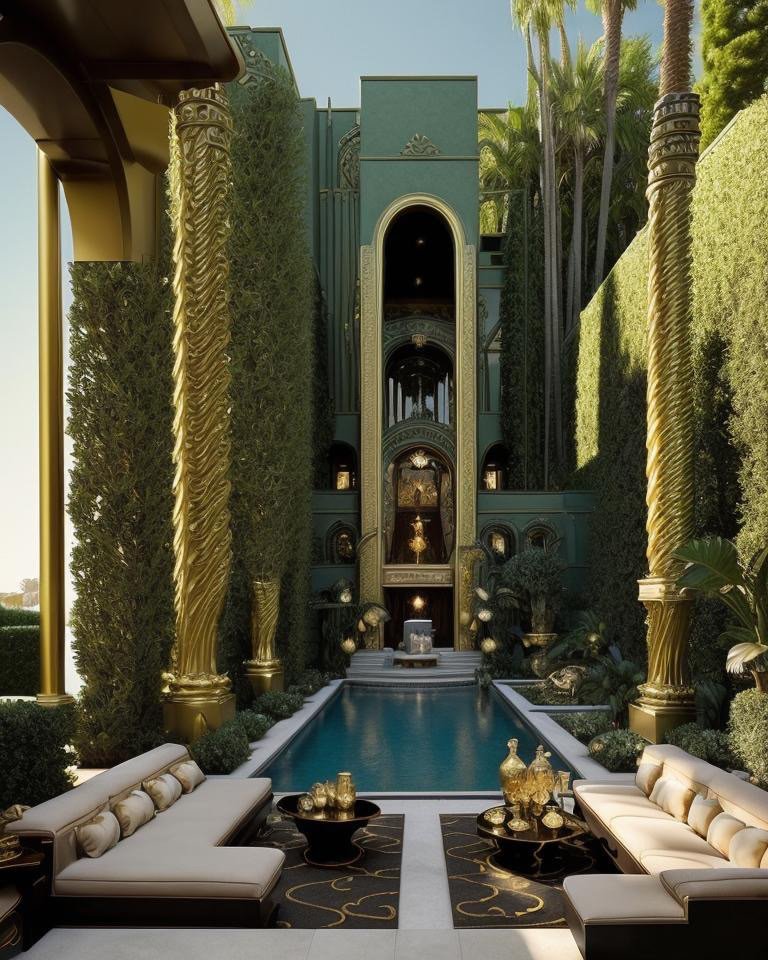
    Hollywood Regency backyard with polished jade and champagne gold finishes

    The Shōrin Villa: The Fifth Translation

    Light is a visitor, shadow is home. This aphorism, attributed to Japanese architectural philosophy, reframes how we understand the relationship between brightness and darkness in a domestic landscape. The first four versions of the Shōrin backyard each emphasized different aspects of light—California’s solar optimization, Chalet’s thermal atmosphere, Expressionist’s chromatic intensity, Farmhouse’s warm patina. But through Cinematic Intelligence™, the remaining five architectural languages explore what happens when we invert the hierarchy. When darkness becomes primary, and light becomes the guest.

    These second five backyards extend across radically different cultural traditions and aesthetic frameworks. Scandinavian minimalism. Retro color symbolism. Mediterranean sun-worship. Hollywood Regency glamour. Greek Revival monumentality. Each language operates from different assumptions about how humans should live, what materials carry meaning, and what relationship between interior and exterior constitutes home.

    Scandinavian: The Architecture of Silence

    Scandinavian language begins with a truth: in northern latitudes, darkness is structural. Winter doesn’t end. It settles. Light becomes precious precisely because it’s scarce. The Scandinavian backyard doesn’t fight this reality. It listens to it. The palette is deliberately desaturated—ashen birch, matte white, silvered grays that absorb rather than reflect light. Plantings are minimal. The ground plane is composed of pebbles and weathered wood. There are no vivid colors, no floral exuberance.

    Instead, there’s silence. The Scandinavian backyard teaches you to hear the sound of wind in bare branches. To notice the texture of lichen on stone. To understand that beauty doesn’t require brightness. The design principle is subtraction—remove everything unnecessary until you’re left only with essential forms and materials. A single bench. A pathway of pale stones. Perhaps a reflective pool that doubles the minimal sky.

    Scandinavian language says: listen to silence. In a world of constant visual stimulation, this backyard offers a different kind of architecture—one that slows perception, deepens attention, and finds profound beauty in what most people would call emptiness.
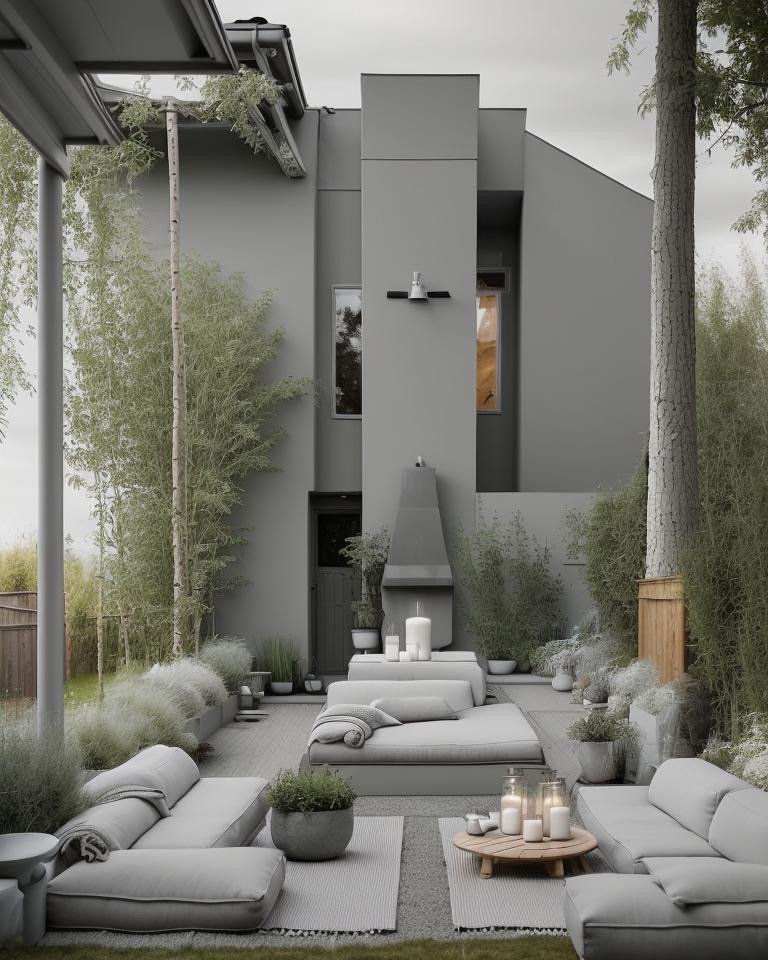
    Scandinavian backyard with ashen birch, matte white surfaces, and diffused Nordic light

    Retro: Color as Linguistic System

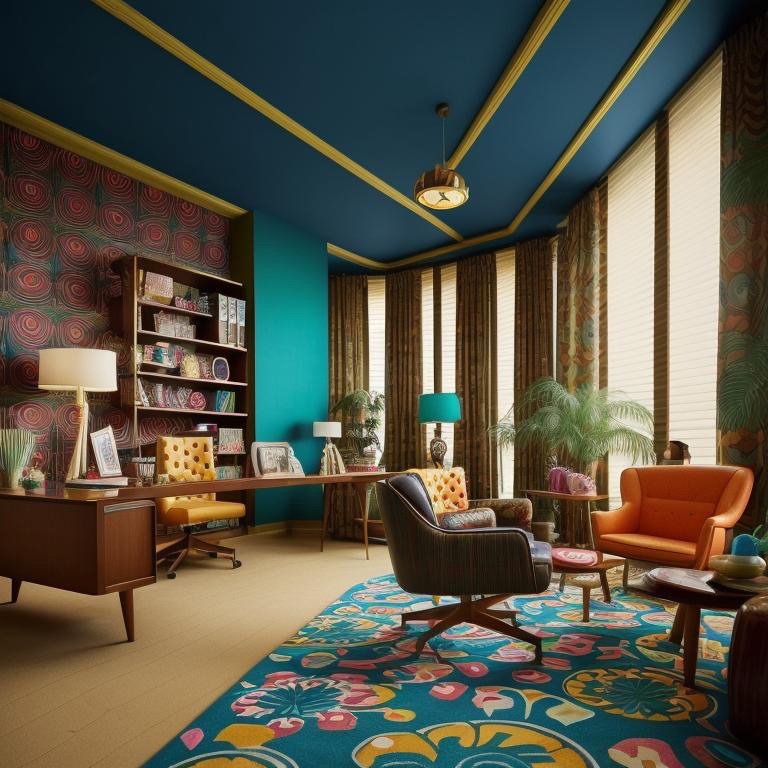
    If Scandinavian subtracts, Retro multiplies. The Retro backyard is a color symphony—turquoise, chartreuse, coral, colors that shouldn’t work together according to contemporary taste, and yet, in their historical specificity, create an entirely coherent visual language. Checkerboard tiles in contrasting hues. A mirrored mosaic wall that fragments and reflects light in fractured patterns. Plantings are deliberately ornamental—nothing functional, everything chosen for visual drama.

    Retro language understands that color isn’t decoration. It’s a linguistic system. Certain color combinations carry cultural meaning, historical resonance. A turquoise pool in a chartreuse landscape doesn’t just look vivid; it communicates: this was a moment when a culture believed color mattered, when restraint was considered boring, when abundance of visual expression was synonymous with prosperity and optimism.

    The Retro backyard is time-specific. It couldn’t exist in another era. Its colors announce their historical moment. Yet paradoxically, that historical specificity is what makes it timeless—it’s so thoroughly itself, so committed to its own visual logic, that it escapes fashion and becomes artifact.
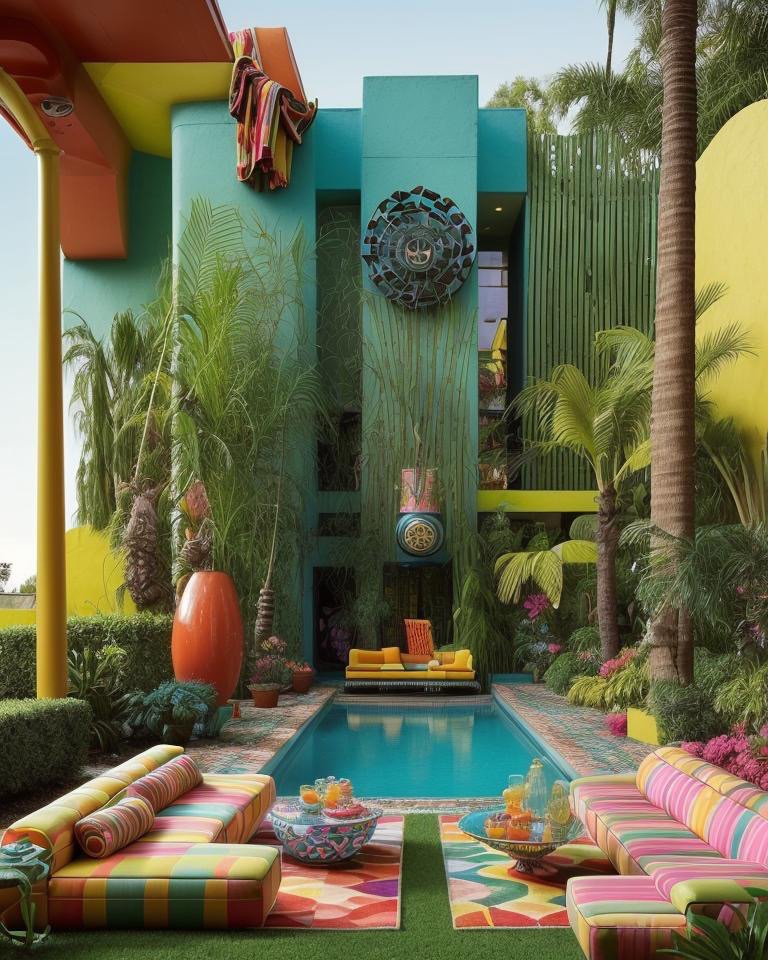
    Retro backyard with turquoise and coral walls, checkerboard pool tiles, and cinematic nostalgia

    Mediterranean: Sunlight as Liturgy

    Mediterranean language returns us to light, but light understood not as optimization but as spiritual principle. The backyard is organized around arches and arcades that frame views and create shadow chambers. Limestone paving, worn smooth by centuries of foot traffic in real Mediterranean villages. Bougainvillea spills across walls in fuchsia abundance. The sound of cicadas is audible in the design—you can almost hear them.

    Mediterranean says: sunlight is sacred. Not in a mystical sense, but in a cultural sense. This architecture emerges from thousands of years of dwelling in intense sun. The arches protect skin. The water features (fountains, basins) cool the air and provide the sound of flowing water—both practical and ceremonial. The plantings are exuberant because this landscape exists at the edge of desert. Abundance is not excess. It’s gratitude.

    The Mediterranean backyard invites you into a specific relationship with nature—not domination or control, but negotiation. You’re living within constraints (heat, aridity) that the architecture acknowledges and honors. The result is an landscape that feels both ancient and alive.
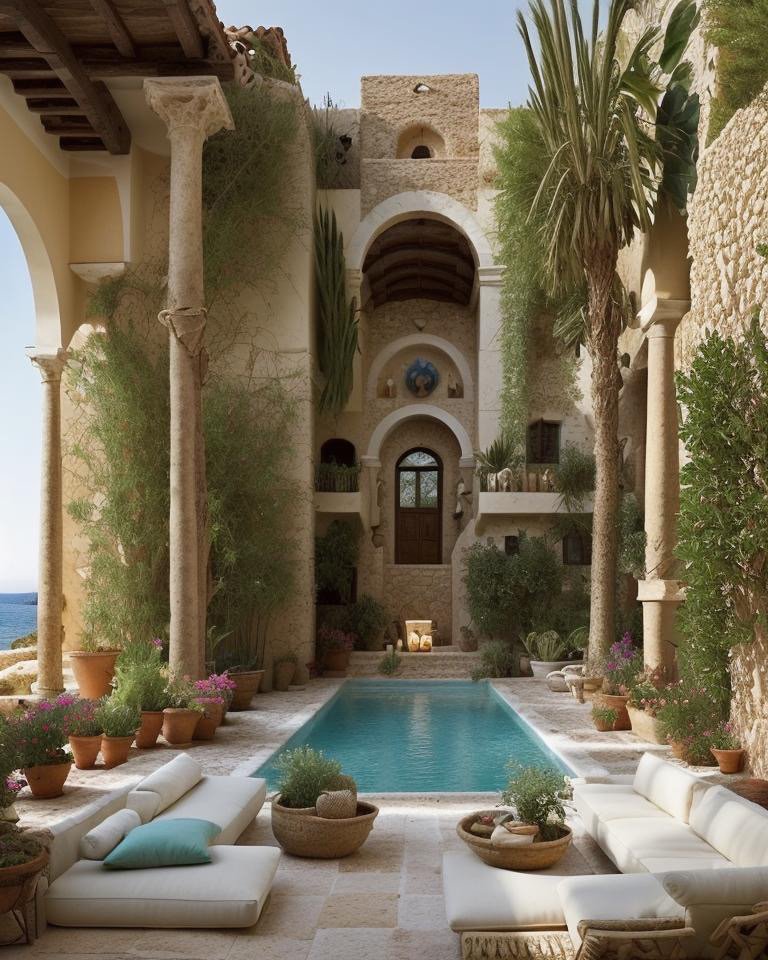
    Mediterranean backyard with limestone arches, bougainvillea, and warm sunlight as architecture

    Hollywood Regency: Glamour Without Apology

    Hollywood Regency language makes no attempt at naturalism. It’s artifice in service of beauty. The backyard is polished jade, champagne gold, mirror-lacquered marble. Every surface is designed to reflect and intensify light. Plantings are sculptural—carefully pruned, almost architectural. There are no casual plants allowed. Everything is considered, calibrated, theatrical.

    Hollywood Regency says: luxury is unapologetic. You live in this backyard not to commune with nature, but to demonstrate that you’ve transcended nature’s constraints. You’ve created an entirely artificial paradise where materials are precious, surfaces are flawless, and every element serves the larger composition. There’s no rusticity here, no pretense of organic growth.

    This language can feel cold to contemporary sensibilities committed to environmental authenticity. But it’s honest about what it is: a celebration of craft, luxury, and human-directed beauty. It refuses the hypocrisy of contemporary design that claims to honor nature while deploying expensive interventions to make nature conform to aesthetic preferences. Hollywood Regency simply admits: this is artifice, it’s intentional, and it’s beautiful.
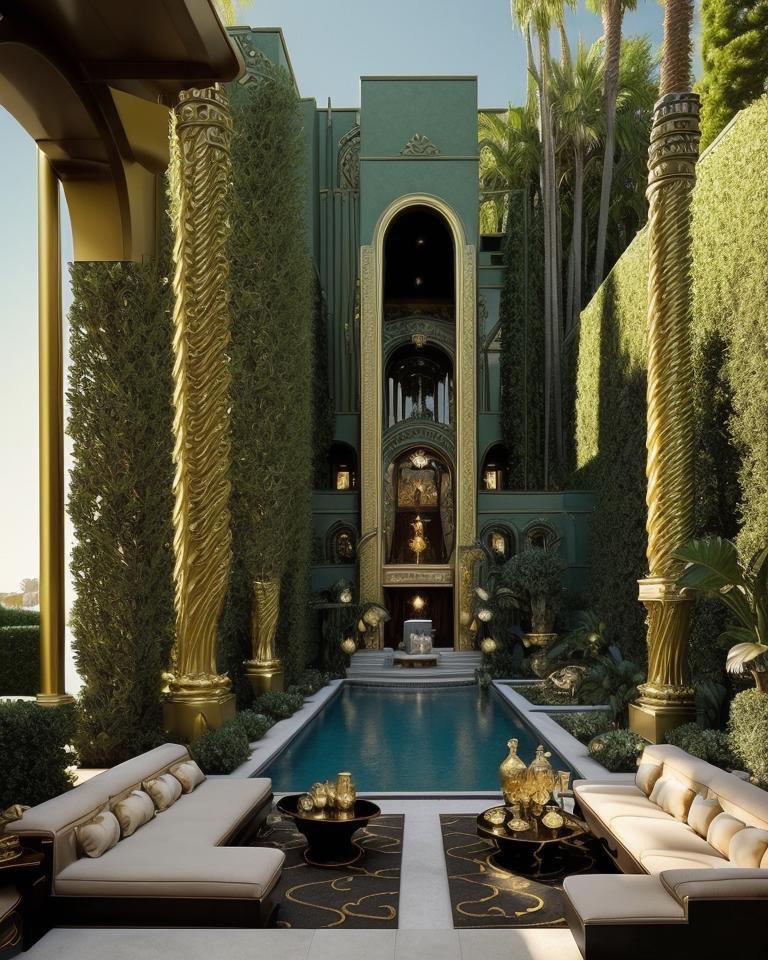
    Hollywood Regency luxury backyard with jade walls, gold twisted columns, and reflecting pool

    Greek Revival: Monumentality as Domestic Space

    Greek Revival language brings monumental architecture into the domestic landscape. Doric columns frame garden spaces. A marble fountain anchors the composition. Honeyed limestone paving, carved with mandala patterns and frieze etchings, references both classical temples and Persian gardens. The scale is generous without becoming overwhelming. Every element carries cultural weight.

    Greek Revival says: a private backyard can hold the dignity of public monuments. You don’t need to apologize for wanting beauty at this scale. The columns aren’t functional (they don’t support anything). They’re linguistic—they declare that this space belongs to a tradition of monumental beauty, that domestic life deserves the same architectural dignity we grant to temples and civic buildings.
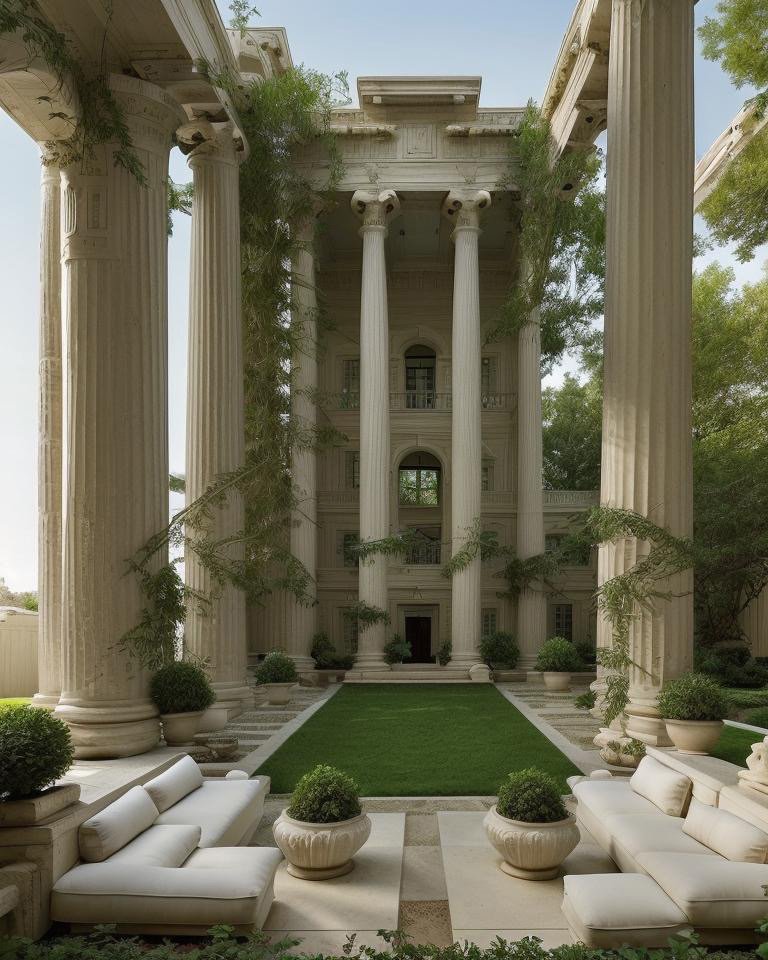
    Greek Revival luxury backyard with Doric columns, classical facade, and formal garden

    The Greek Revival backyard is calm in the way that classical proportions are calm. There’s no drama here, no chromatic intensity, no performative gesture. Instead, there’s a deep equilibrium. The proportions are right. The materials are noble. The overall composition achieves a kind of repose—the backyard becomes a place of contemplation, even within a private residence.

    The etchings carved into the limestone—mandalas and classical friezes mixing—suggest that Greek Revival doesn’t require historical purity. It requires proportion, materiality, and a commitment to enduring beauty. The specific cultural references matter less than the underlying philosophy: that a home’s landscape should express timeless values.

    Closing: Architecture as Personal Philosophy

    The Shōrin Villa’s ten backyards reveal that architectural language is ultimately personal philosophy made visible. When you choose Scandinavian, you’re choosing silence and subtraction. When you choose Retro, you’re choosing color and historical specificity. When you choose Mediterranean, you’re choosing negotiation with climate and landscape. When you choose Hollywood Regency, you’re choosing transparency about artifice. When you choose Greek Revival, you’re choosing monumentality and proportion.

    My favorite is Scandinavian—it listens best. The design says nothing loud. It simply creates conditions where attention deepens, where the small sounds and subtle light shifts become the primary architecture. In a world of overwhelming visual noise, that listening becomes radical.

    But every language here is true to its own values. The backyard doesn’t exist in nature. It exists in choice. The choice reveals character. And across these ten versions, character emerges not from individual personality, but from commitment to a coherent architectural philosophy. That commitment to consistency, to following an idea through to its fullest expression—that’s what makes these backyards architecture rather than decoration.