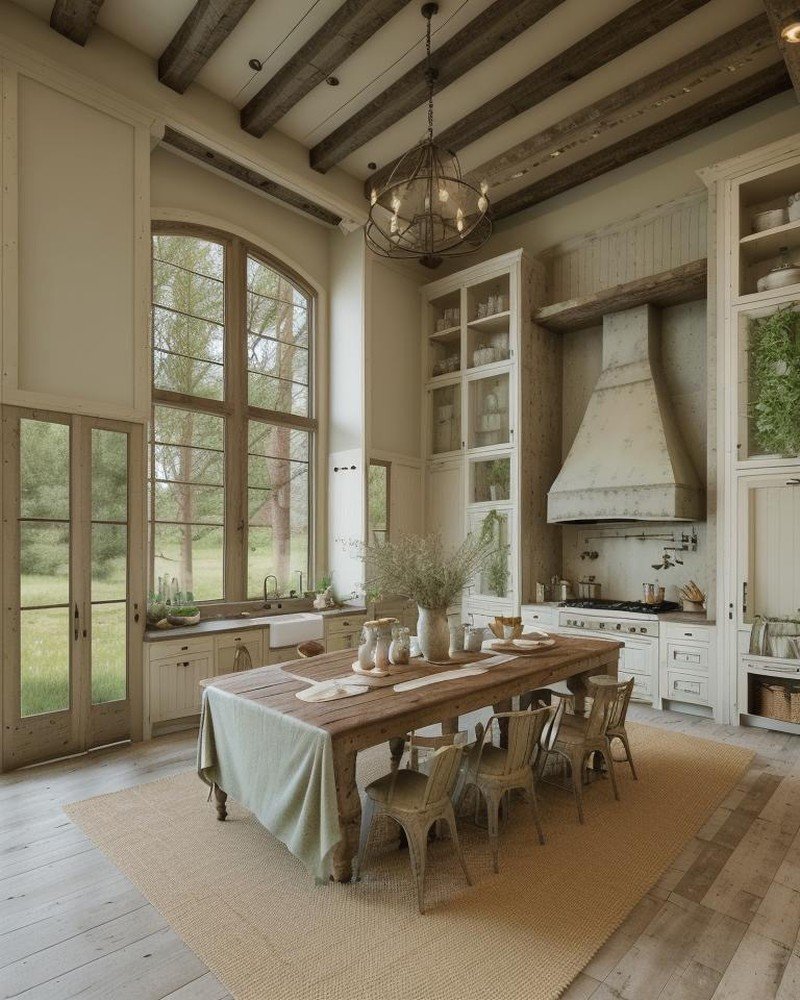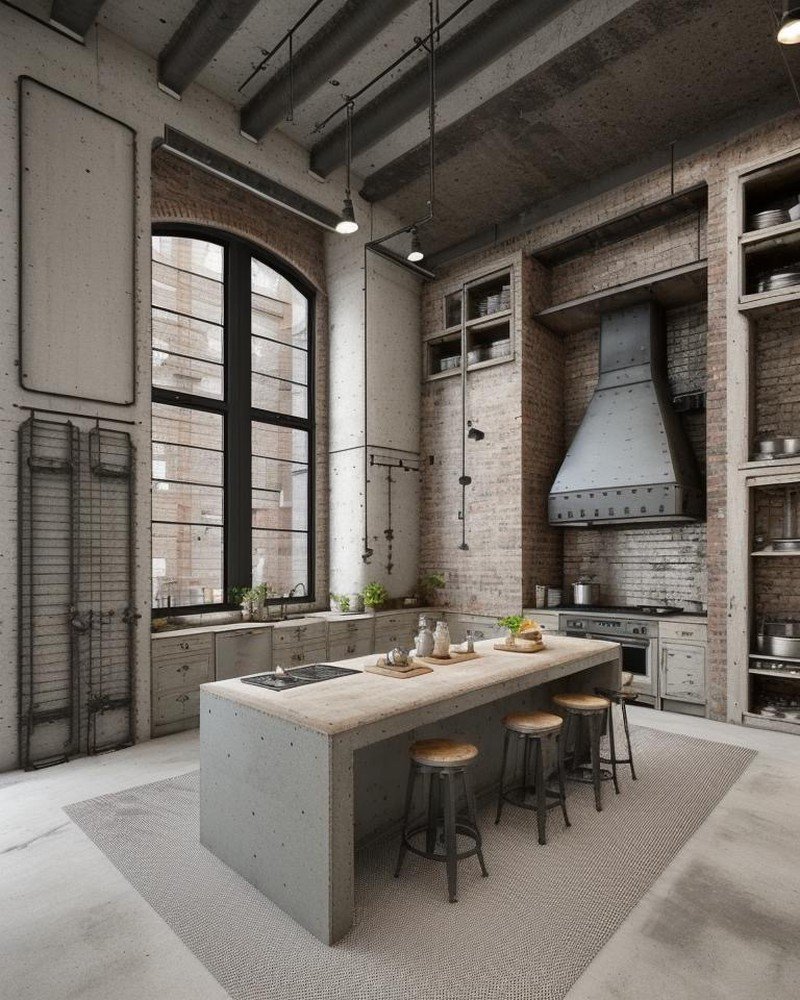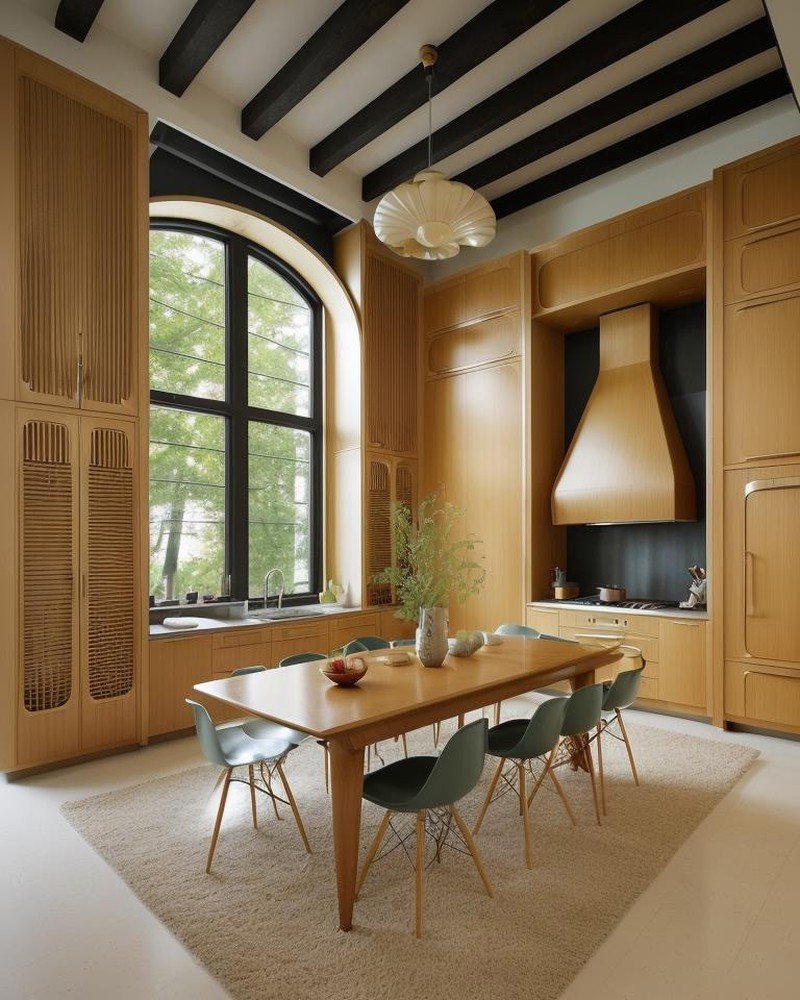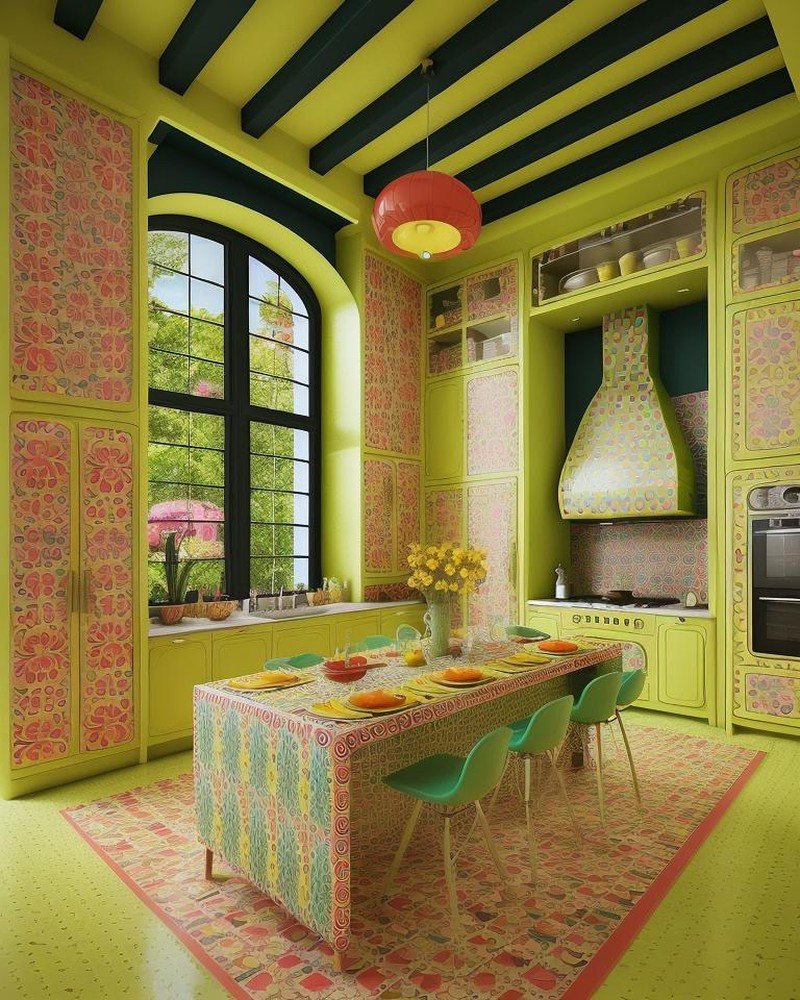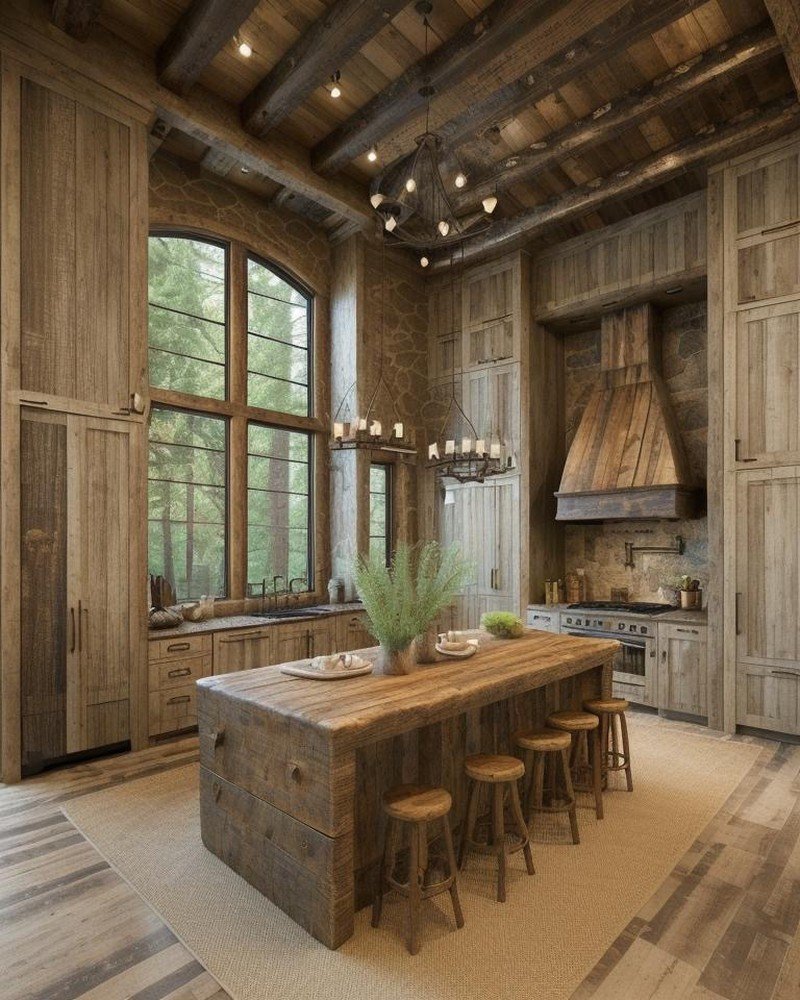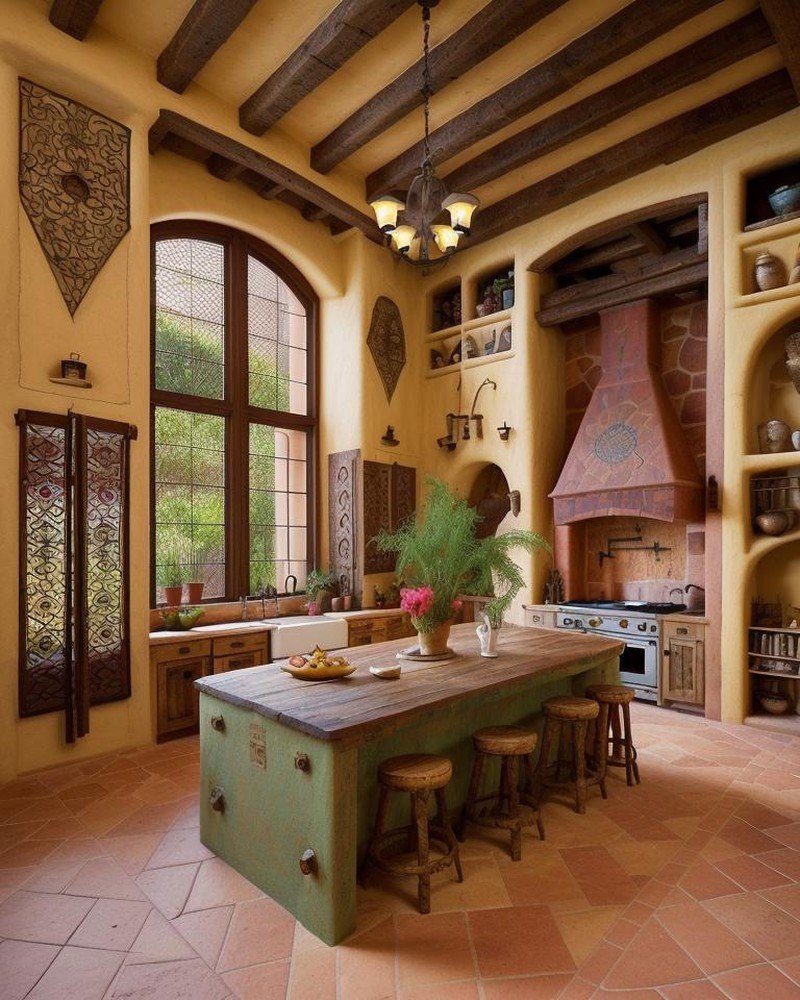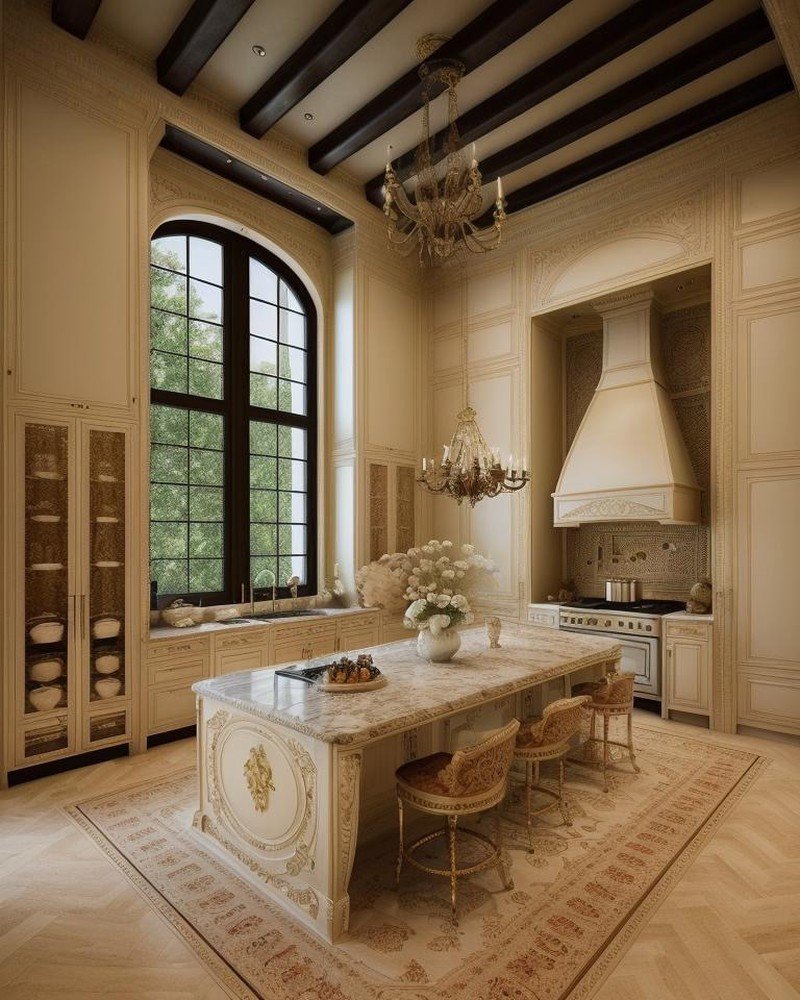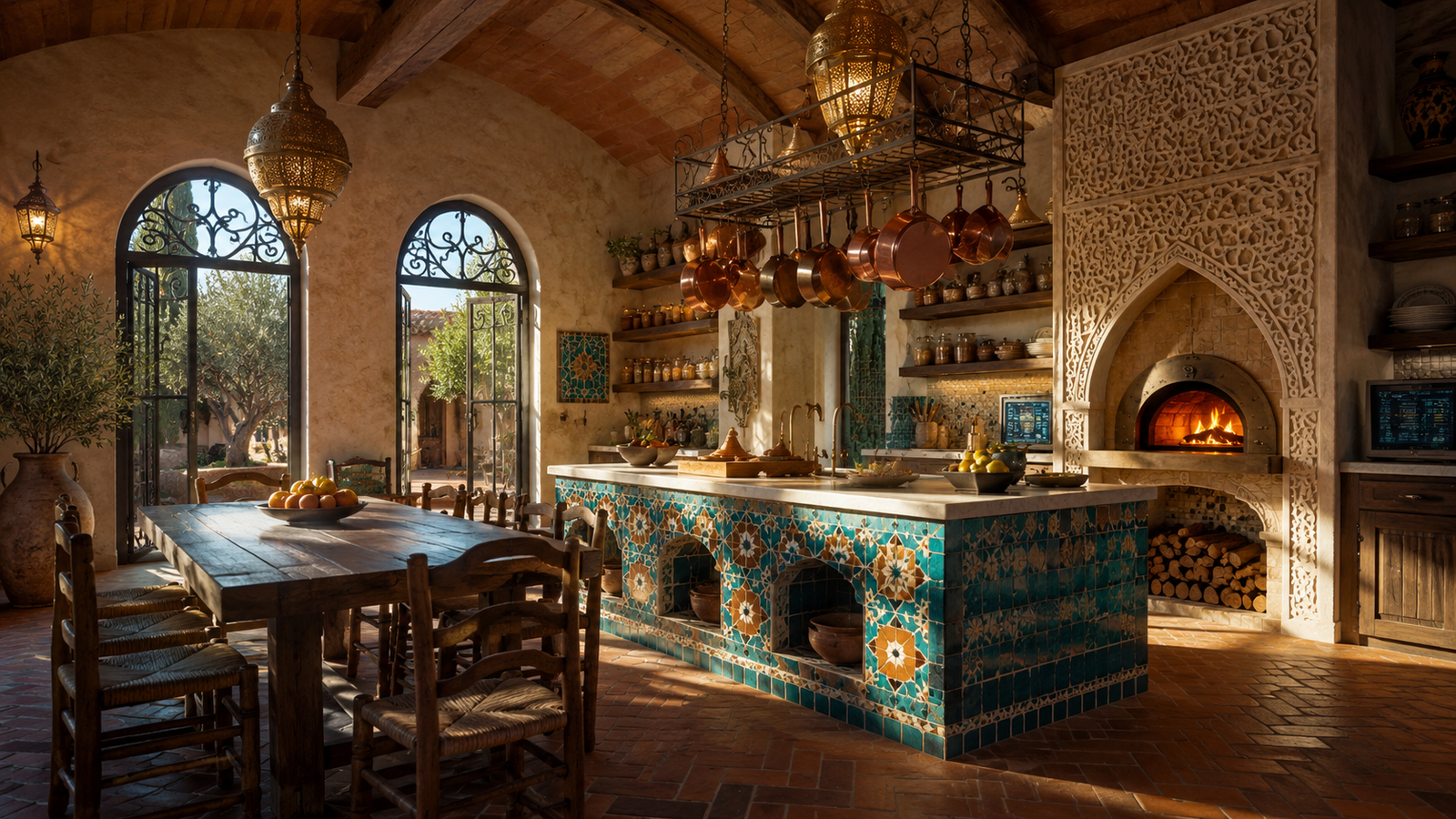
The Kitchen as Cultural Manifesto
Kitchens are never merely functional. They are laboratories of identity. They are the spaces where ingredient-to-sustenance transformation occurs, where family rituals unfold, where cultural memory is literally consumed. The kitchen encodes an entire civilization’s understanding of nourishment, beauty, family structure, and the relationship between work and joy.
Yet this depth is often invisible in global design discourse. Contemporary kitchen design trends—minimalism, open-plan integration, appliance-forward planning—are treated as universal ideals, as though the most sophisticated approach to kitchen design transcends cultural particularity. This represents a fundamental misunderstanding of what kitchens mean.
The reality is far more complex and far more interesting: different global regions have developed radically distinct approaches to kitchen design, each one rooted in particular ingredients, particular cooking techniques, particular understandings of family and community. When examined closely, these regional traditions reveal how architecture encodes cultural values, how space and material become the language through which a civilization expresses what it considers beautiful, efficient, and meaningful about the daily practice of feeding oneself and one’s family.
European Sculptural Kitchens: Milan and the Culture of Craft
Milan has emerged as a global center of kitchen innovation, precisely because Italian design culture understands the kitchen as worthy of the same artistic and intellectual attention lavished on furniture, fashion, or automotive design. The Italian kitchen philosophy starts from a fundamental premise: the kitchen is not a utility space but a room for daily living, deserving of sculptural form and material sophistication.
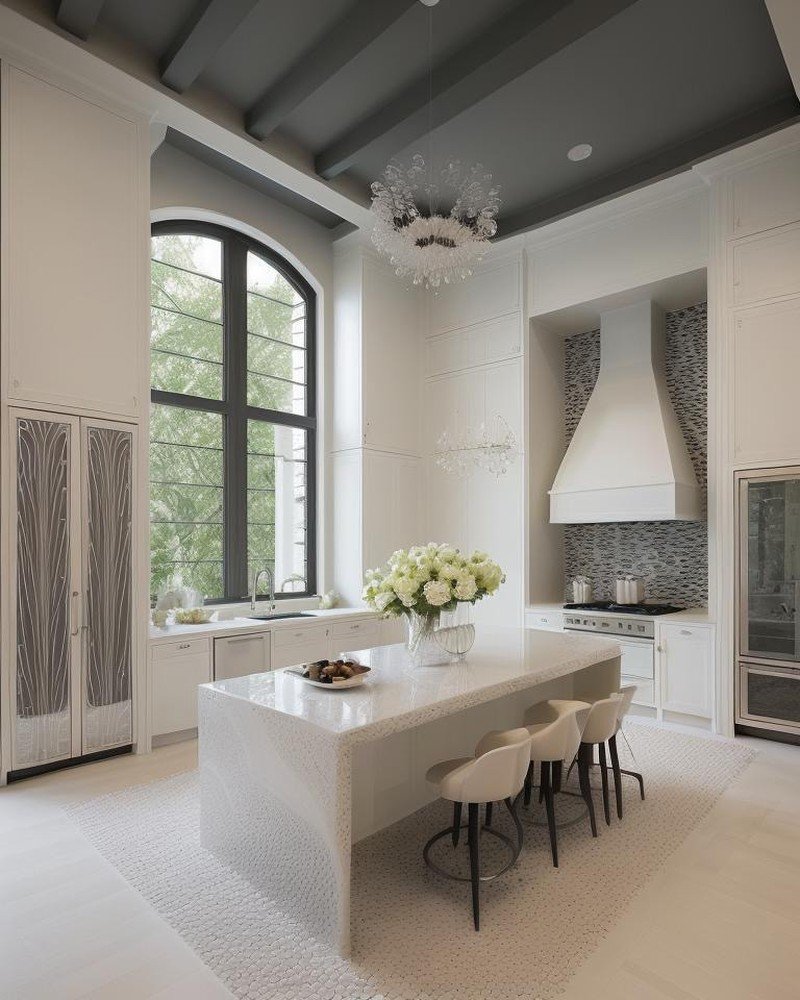
Contemporary Milan kitchens often feature sculptural cabinetry—forms that express material properties through extrusion, curve, or unexpected proportion. Islands might float without visible support, or feature sculptural bases in marble or painted metal. Countertops are material statements: perhaps single slabs of marble or granite, emphasizing the material’s scale and visual power. Hardware disappears into seamless joinery. Lighting is integrated, allowing the cabinetry forms to read as pure sculpture.
The philosophical foundation is the understanding that functional excellence and artistic expression are not in tension but are mutually reinforcing. A beautifully proportioned cabinet door is more efficient to use than poorly proportioned geometry. A well-designed handle ergonomically superior to a clumsily conceived one. The Italian approach elevates this understanding to principle: that attention to form and material in the kitchen is an investment not merely in beauty but in the daily quality of life, in the pleasure that derives from living in carefully designed space.
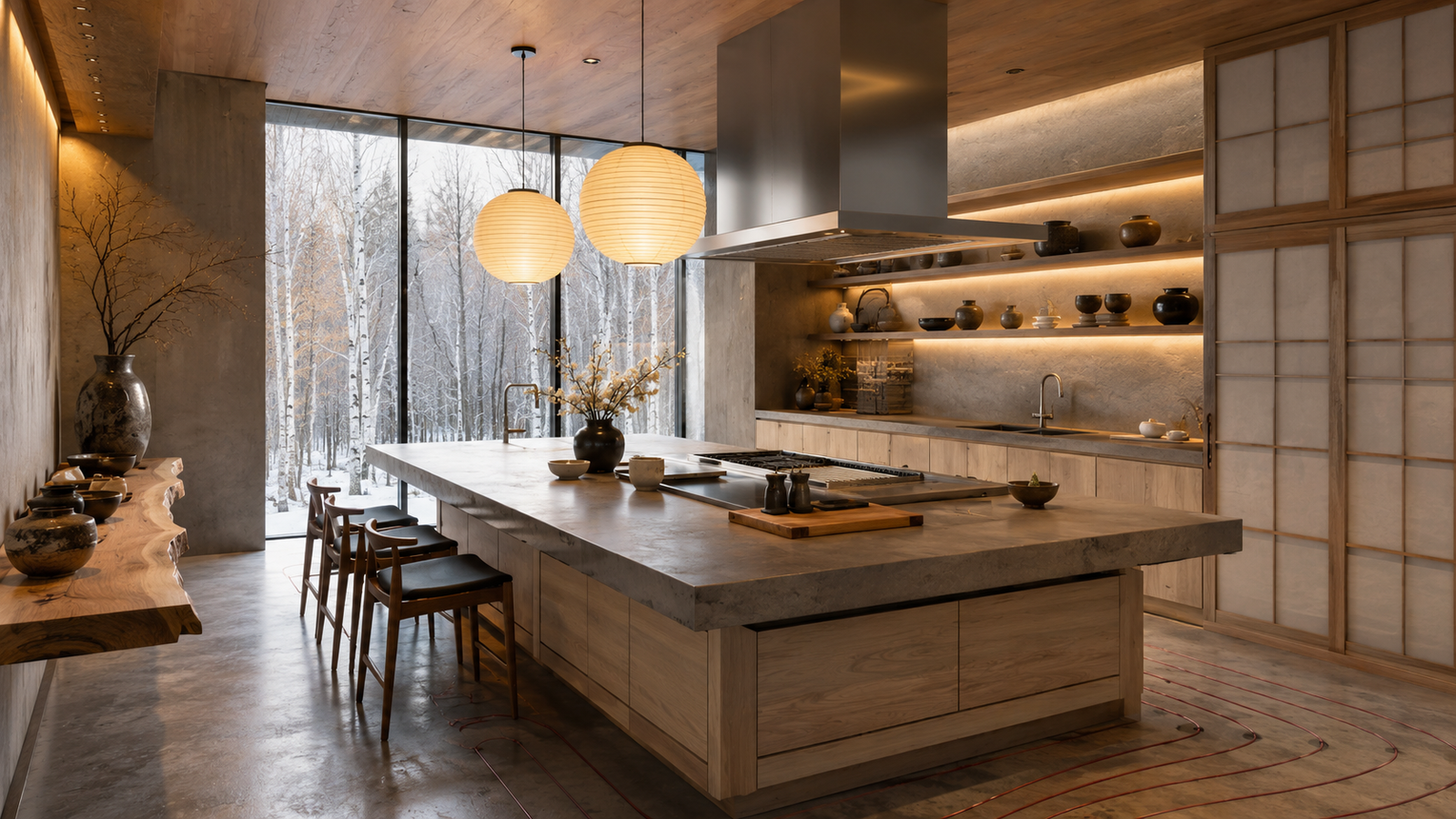
Asian Kitchen Philosophy: Tokyo and Seoul’s Kitchen-as-Ethics
In Tokyo and Seoul, kitchen design is understood through an entirely different philosophical framework. The emphasis is not on sculptural form or material opulence but on spatial efficiency, functional clarity, and the ethical principles embedded in material selection and craft.
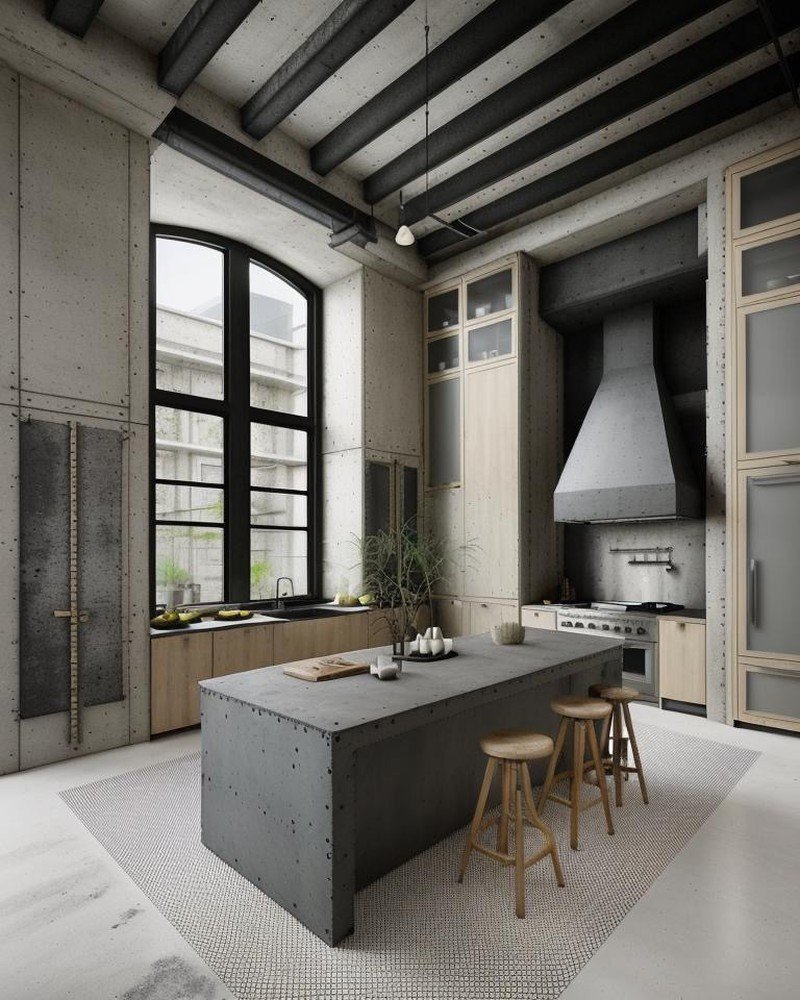
Japanese kitchen tradition, rooted in centuries of design philosophy, prioritizes transparency of function. Every element should be legible—its purpose understood instantly. Cabinetry is often minimalist, sometimes featuring open shelving that displays tools and ingredients as functional elements. The layout is organized according to precise workflows—preparation, cooking, plating—with minimal wasted motion. Materials are chosen for durability and aging characteristics: wood that will patina, metal that will develop patina, stone that will weather gracefully.
Korean kitchen design, influenced by Japanese principles but distinct in emphasis, celebrates the centrality of the meal in family life. Recent innovation in Korean kitchen design has emphasized flexible spatial organization that supports multiple cooks working simultaneously. Multi-station cooking infrastructure—multiple cooktops, multiple prep surfaces—allows family members to participate in meal preparation as a communal activity. The kitchen becomes an expression of family structure and values.
Both approaches reflect a philosophical position: that the kitchen is a space of daily ethics, where material honesty, functional clarity, and attention to craft are not optional refinements but core values. The kitchen becomes a place where habitually practicing good design—through attention to material, proportion, and functional logic—cultivates ethical character.
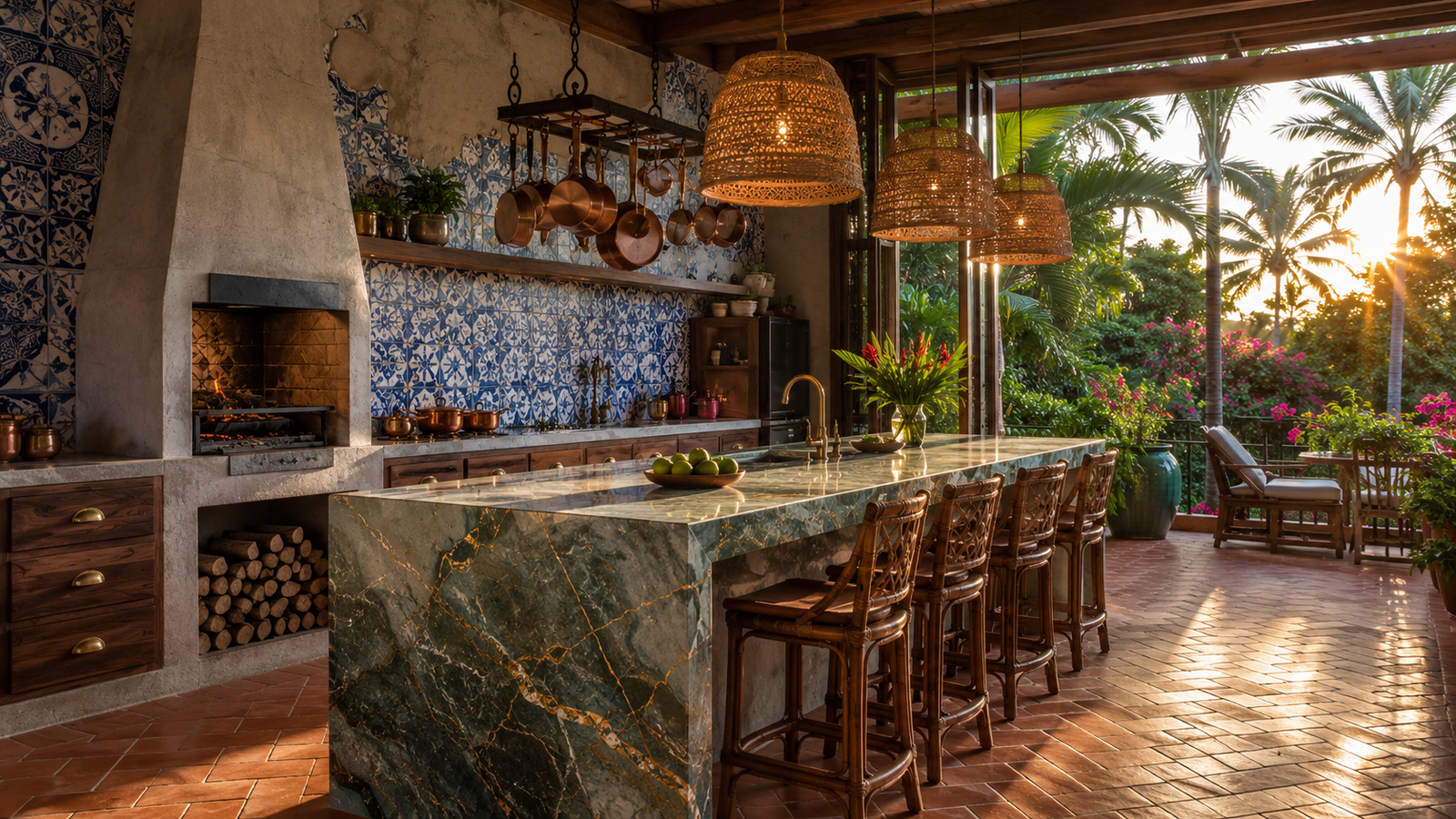
American Kitchen-as-Theater: LA, Miami, and NYC’s Performative Domesticity
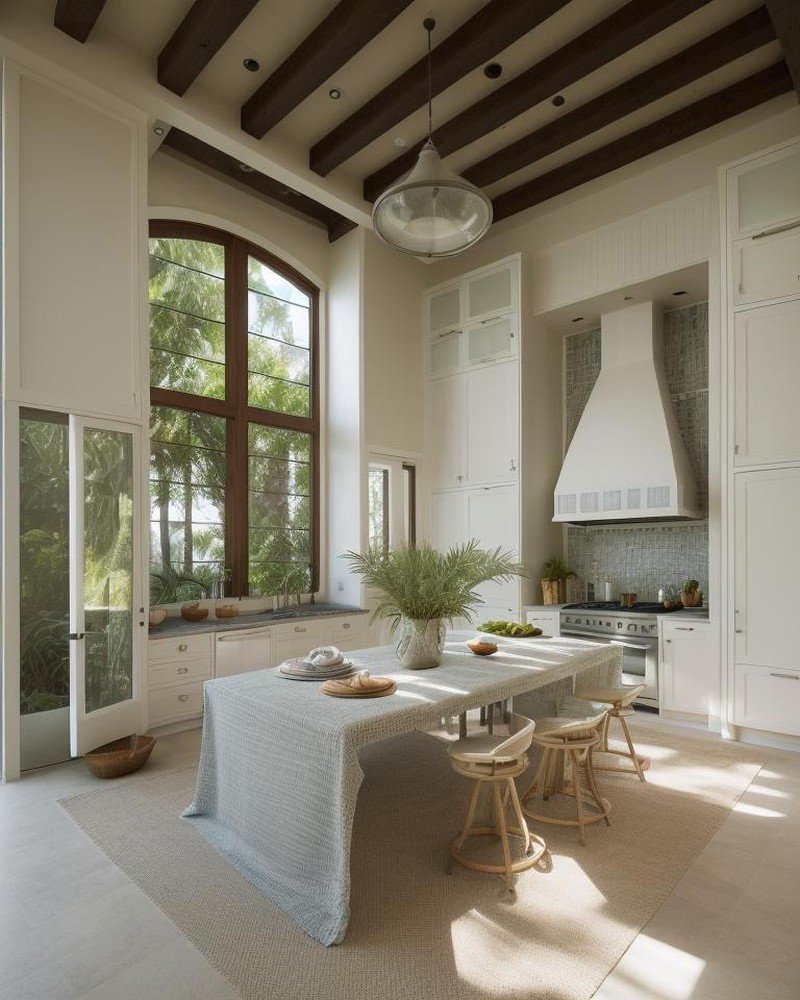
American kitchen design, particularly as it has evolved in aesthetic-forward cities like Los Angeles, Miami, and New York, understands the kitchen as a performance space. The dominant contemporary American kitchen type is the open-plan kitchen—visually integrated with living and dining spaces, designed to be inhabited not merely during meal preparation but as a social gathering point throughout the day.
The American kitchen-as-theater philosophy emphasizes the island as performance stage. The island becomes a focal point where hosts can prepare food while conversing with guests, where the kitchen’s activities are choreographed as visible performance rather than hidden labor. This architectural choice reflects particular cultural values: the separation between labor and leisure is minimized; cooking is elevated to entertainment; the kitchen’s operations are meant to be observed and appreciated.
Contemporary American kitchen design also emphasizes customization and personalization at a scale unparalleled globally. High-end kitchens in American cities often feature bespoke cabinetry, custom surfaces, and specification of appliances and fixtures curated to individual preference. The kitchen becomes an expression of the inhabitant’s aesthetic vision—a stage where personal taste is performed and visible to others.
This approach has both strengths and limitations. It creates kitchens of extraordinary visual sophistication and functional flexibility. But it can also result in kitchens disconnected from cultural tradition, designed primarily for visual impact rather than for the daily practice of cooking substantial meals. The American kitchen’s emphasis on open performance and visual integration can actually hinder certain types of cooking that require isolation from distractions, concentration, and the acceptance of kitchen space as deliberately separate from social zones.
Middle Eastern Ceremonial Kitchens: Dubai and Riyadh’s Luxury Domestic Architecture
In the Gulf region, kitchen design is undergoing rapid evolution, reflecting both traditional Islamic domestic architecture and contemporary global design trends. Traditional Islamic domestic architecture typically positioned kitchens as service spaces—efficient but not prominent. The harem (private family spaces) was organized around courtyards, with kitchens as functional support to this central gathering place.
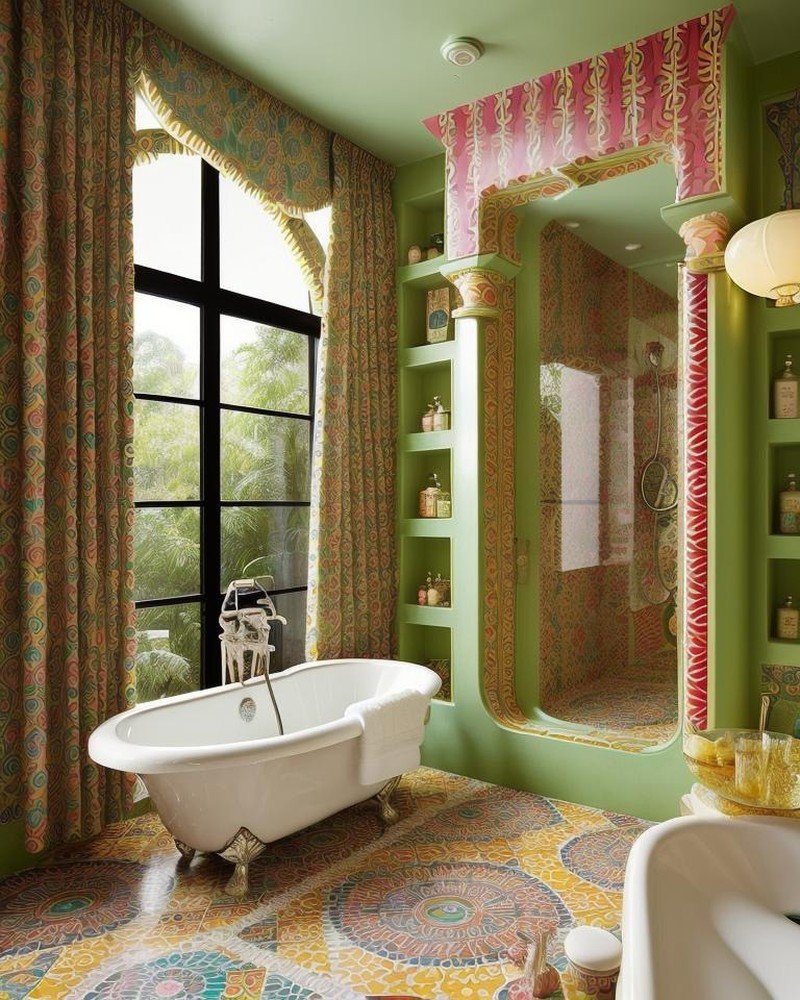
Contemporary high-end kitchens in Dubai and Riyadh are repositioning this relationship. The modern Gulf kitchen is increasingly understood as a luxury domestic space, designed with material richness and visual prominence comparable to living rooms. This represents a significant cultural shift—the assertion that the kitchen is not merely functional support but a space worthy of aesthetic investment and ceremonial attention.
These contemporary Gulf kitchens often feature dramatic material statements: marble countertops, ornate cabinetry, integrated beverage systems with elaborate detailing, and architectural elements that command visual attention. The kitchen is positioned as a statement of sophisticated taste and material investment. Importantly, these kitchens are often situated where they are visually integrated with entertaining spaces—reflecting the reality that in contemporary Gulf culture, the kitchen is no longer hidden but is integrated into the social presentation of the home.
The Role of AI in Translating Cultural Kitchen Identity
What Cinematic Intelligence™ modeling enables is the capacity to design kitchens that honor these distinct global and cultural approaches while adapting them to contemporary technology, regulatory environments, and individual client preferences. An AI-assisted design engine can maintain the philosophical coherence of a Tokyo kitchen-as-ethics while incorporating contemporary appliance technology. It can achieve the American kitchen’s performative openness while preserving the spatial separation necessary for certain cooking traditions. It can bring the material richness of Gulf luxury aesthetics to a European market while respecting different understandings of domestic privacy and family structure.
This is not merely about applying superficial cultural references. It is about understanding the underlying spatial logic, material principles, and philosophical frameworks that govern distinct regional approaches, then orchestrating these principles with new technologies and contemporary functional requirements.
The Kitchen as Articulation of National Values
These global case studies reveal something fundamental: the kitchen is not culturally neutral. Each region’s dominant kitchen type articulates distinct values about family, work, nourishment, beauty, and the role of the home in social life.
The Italian sculptural kitchen asserts that material and form are worthy of artistic attention in quotidian domestic space. The Japanese kitchen embodies philosophical principles of clarity, craft, and ethical practice. The American kitchen claims that cooking is entertainment, that functional beauty is performative, that the home is a stage. The Gulf kitchen asserts that domestic luxury is not merely acceptable but aspirational, that material richness declares cultural identity and social position.
None of these approaches is universally correct. Each is culturally specific, rooted in particular histories and values. The sophistication lies in understanding what each approach expresses, what values it encodes, and how those values might be adapted, combined, or transformed to create kitchens that honor both global design principles and local or personal cultural identity.
Toward Global Kitchen Literacy
The future of kitchen design lies in moving beyond the assumption that contemporary minimalism or American open-plan kitchens represent universal ideals. Instead, architects and designers should develop literacy in global kitchen traditions, understanding the spatial logic, material principles, and philosophical frameworks that govern distinct regional approaches.
This deeper literacy allows for more sophisticated design—kitchens that can honor cultural identity while embracing contemporary technology, that can learn from global traditions while remaining responsive to particular place and circumstance. It moves kitchen design from applied styling toward genuine cultural expression, from trend-chasing toward grounded architectural thinking.
The Vervaine Estate case studies—spanning European, Asian, American, and Middle Eastern approaches—demonstrate that when architects and designers engage deeply with cultural kitchen traditions, when they understand that the kitchen is not merely functional but philosophical, the result is a domestic space of extraordinary richness. The kitchen becomes what it has always been meant to be: a room where culture is daily performed, where the work of sustenance becomes the expression of identity, beauty, and belonging.