Tag: Brutalism

  • Brutalism Reimagined: When Mass, Light, and Silence Become Luxury

    Brutalism Reimagined: When Mass, Light, and Silence Become Luxury

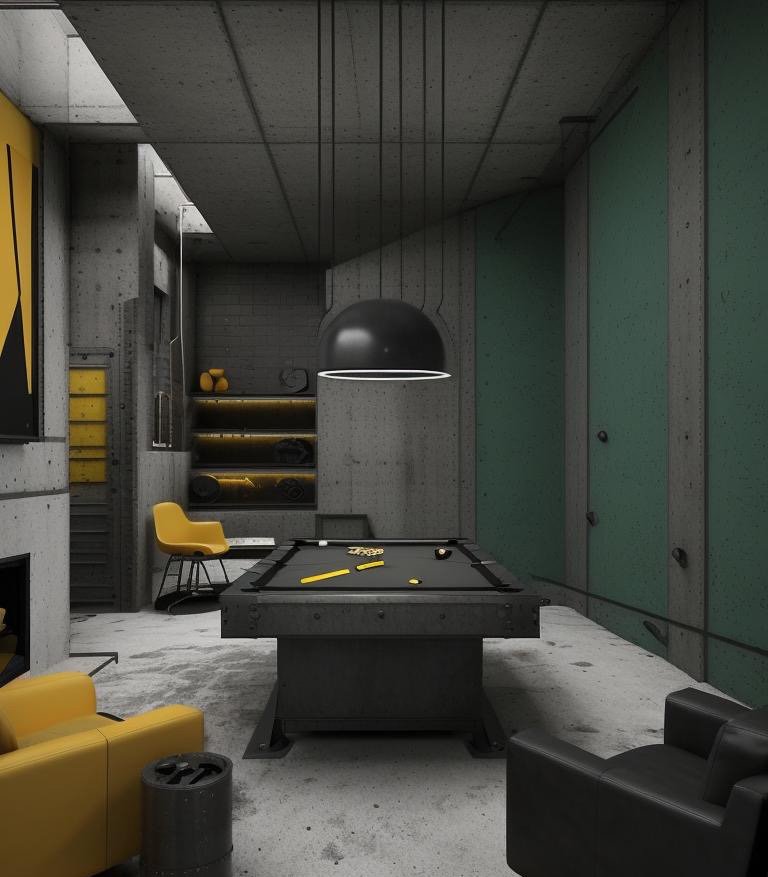
    Brutalist interior detail with exposed concrete and architectural precision

    There are moments in design when restraint speaks louder than ornament. Brutalism, long misunderstood as severe or unforgiving, has quietly returned to the global design conversation—not as a rebellion, but as a refinement. What we are witnessing now is not the revival of Brutalism as it once was, but its elevation into something far more intentional, far more human.

    The contemporary discourse around luxury has fundamentally shifted. Where once the signature of affluence lay in abundance—in ornamentation, in surface, in the accumulation of visible refinement—it now resides in something far more elusive: the courage to let architecture breathe. This philosophical turning point has created fertile ground for Brutalism’s return, transformed through the lens of Cinematic Intelligence™, a design methodology that reads buildings as living systems rather than blank canvases awaiting decoration.

    This residence—originally conceived as a fluid, submerged architectural composition—offered an ideal foundation for such a transformation. Its bones were already honest. Its geometry already disciplined. Cinematic Intelligence did not impose Brutalism onto this home; it revealed what was already waiting beneath the surface. That distinction matters profoundly: the finest contemporary luxury design is not about adding, but about uncovering.

    The Architecture of Weight

    In the Brutalist reimagination, the structure becomes the narrative. Walls are not decorated; they are respected. The concrete surfaces remain exposed, but never raw. Their texture is calibrated—smooth enough to invite touch, imperfect enough to feel alive. Every plane carries weight, not just visually, but emotionally. This is the paradox of modern Brutalism: it achieves warmth through honesty, comfort through structural integrity.

    The achievement lies in understanding that mass, when handled with precision, creates intimacy. Rather than feeling oppressive, the concrete walls establish a sense of enclosure—the architectural equivalent of being held by something substantial and true.
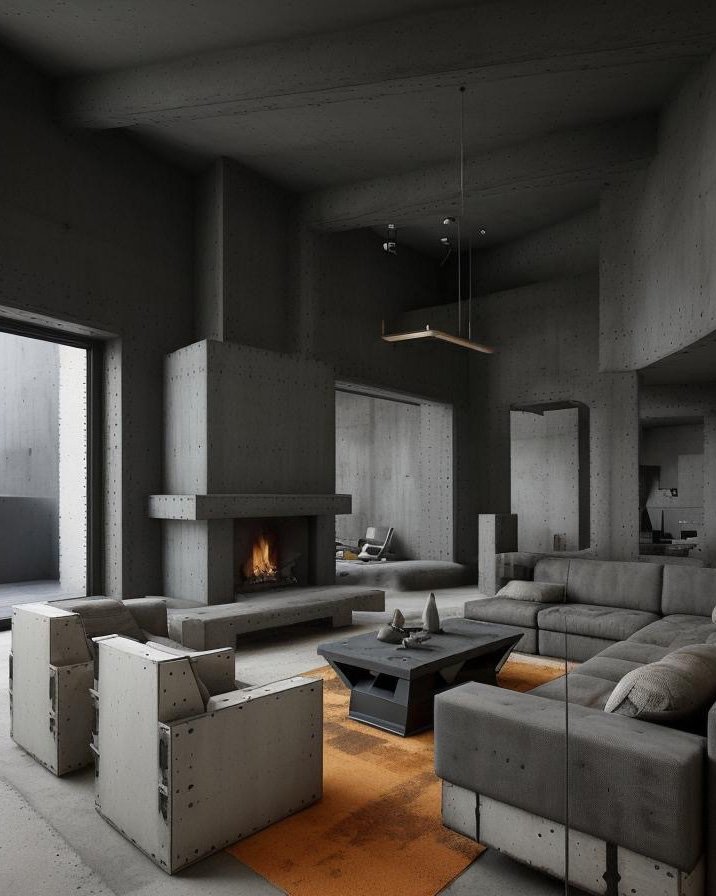
    Brutalist living room with exposed concrete walls, fireplace, and amber rug

    What Cinematic Intelligence accomplishes here is balance. The mass of the architecture is countered by precision lighting that traces edges rather than flooding space. Linear illumination slips into ceiling coves and wall recesses, allowing the structure to emerge gradually, almost ceremonially. Nothing shouts. Everything endures.

    Rooms That Hold Silence

    The living spaces feel composed rather than styled. Furniture appears sculpted from the same ideological material as the architecture itself—low, grounded, deliberate. Seating elements are broad and confident, echoing the geometry of the surrounding walls. The result is a space that feels calm not because it is minimal, but because nothing is unnecessary.

    Cinematic Intelligence enables this cohesion by reading spatial rhythm rather than simply applying a style preset. The engine interprets ceiling height, window placement, and structural cadence, then recalibrates proportion accordingly.
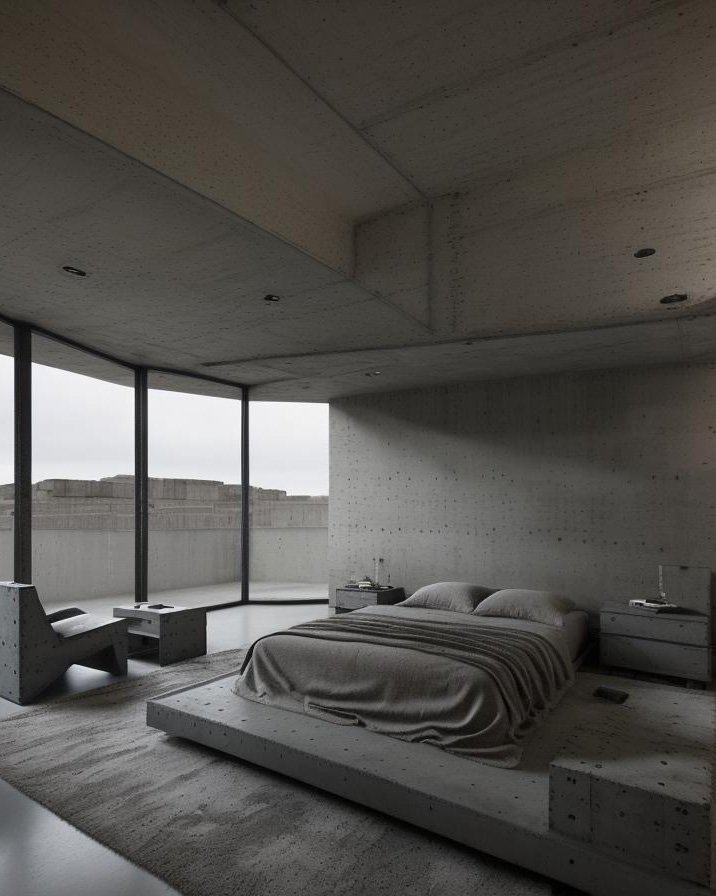
    Brutalist architectural details demonstrating material honesty

    In the bedrooms, the effect deepens. Platforms are low and expansive, anchoring the room in a way that feels both grounded and restful. Surfaces remain uninterrupted, creating a visual calm that extends to the nervous system.

    Light as a Structural Element

    Perhaps the most striking achievement lies in how light is treated within this transformation. In traditional Brutalist structures, light is often incidental—a byproduct of fenestration rather than a design strategy. Here, it is architectural. Soft amber illumination warms the concrete without softening its authority.
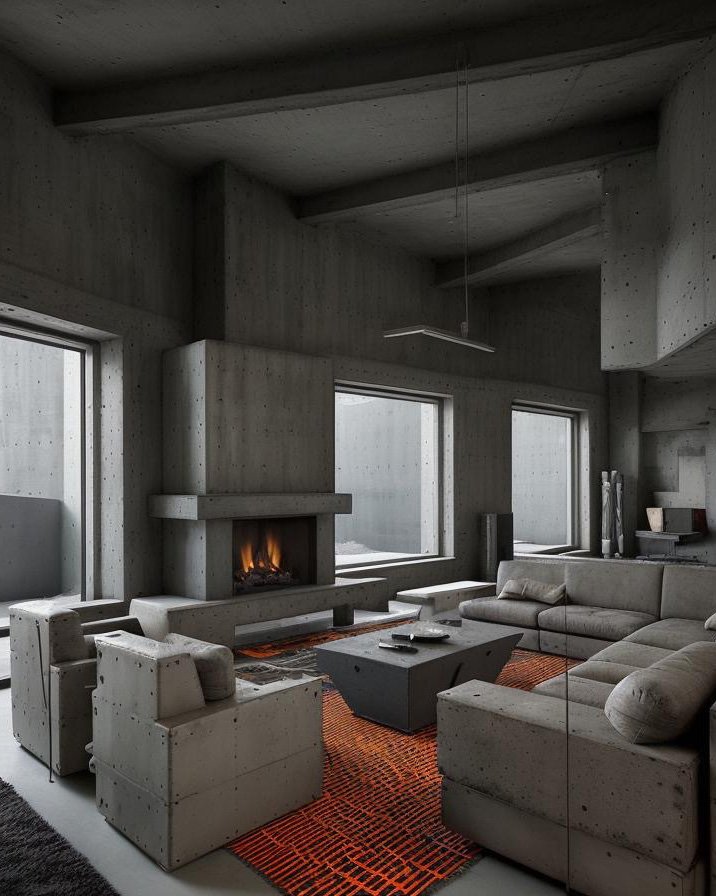
    Interior space showcasing concrete architecture and spatial composition

    The bedroom lighting strategy deserves particular attention. By introducing soft, warm amber tones, the design team has accomplished something that conventional wisdom suggests should be impossible: they have made brutalist severity feel welcoming.

    The Material Dialogue

    What elevates this transformation is the restraint shown in material contrast. Wood appears sparingly, but meaningfully—introduced where human interaction is most intimate. Textiles are tactile but subdued, chosen to complement the concrete rather than compete with it.
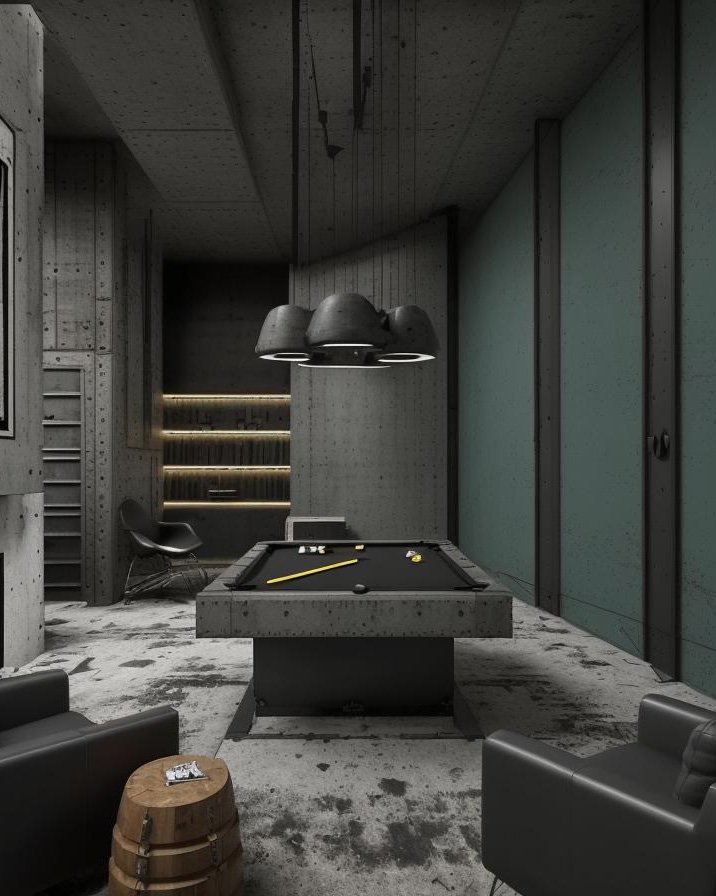
    Brutalist space demonstrating material restraint

    Cinematic Intelligence excels here by understanding that materials possess their own authority. The system does not layer materials arbitrarily; it assigns dominance and support roles, ensuring that concrete remains the protagonist while secondary materials serve the experience.

    Brutalism as Living Language

    The resurgence of Brutalism in contemporary luxury design reflects something deeper than stylistic oscillation. It signals a cultural moment in which authenticity has become the ultimate luxury.
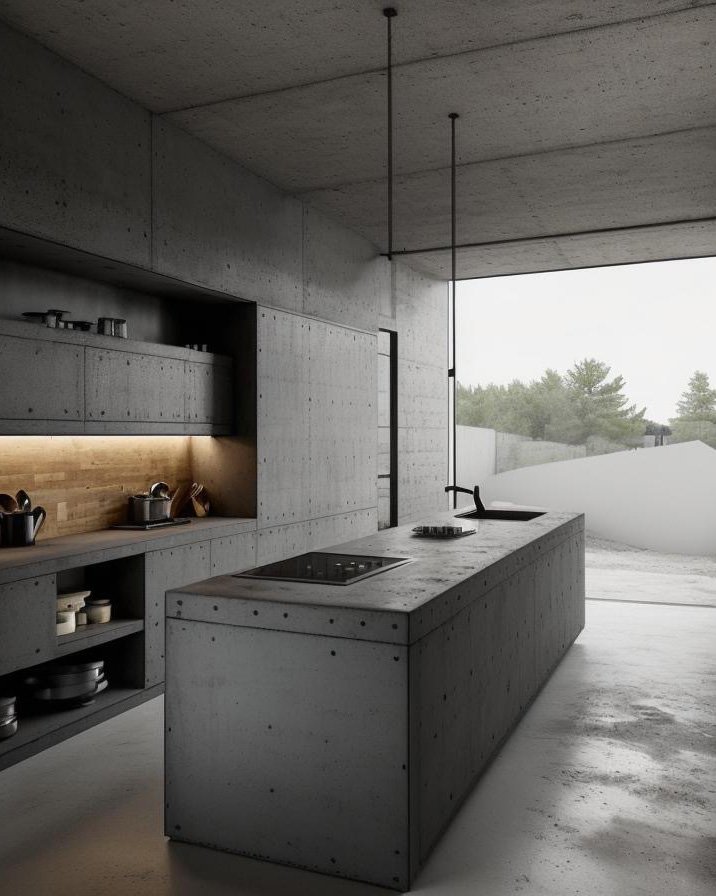
    Brutalist interior with carefully calibrated lighting design

    Across the design community, demand for Brutalist environments has intensified significantly. Clients and design enthusiasts alike are requesting more explorations of this language—not as historical reference, but as a contemporary framework.

    Cinematic Intelligence at Work

    What makes this transformation possible is not speed alone. What distinguishes this approach is precision. Cinematic Intelligence reads architecture as a living system. It respects load, volume, circulation, and light before ever considering aesthetics.
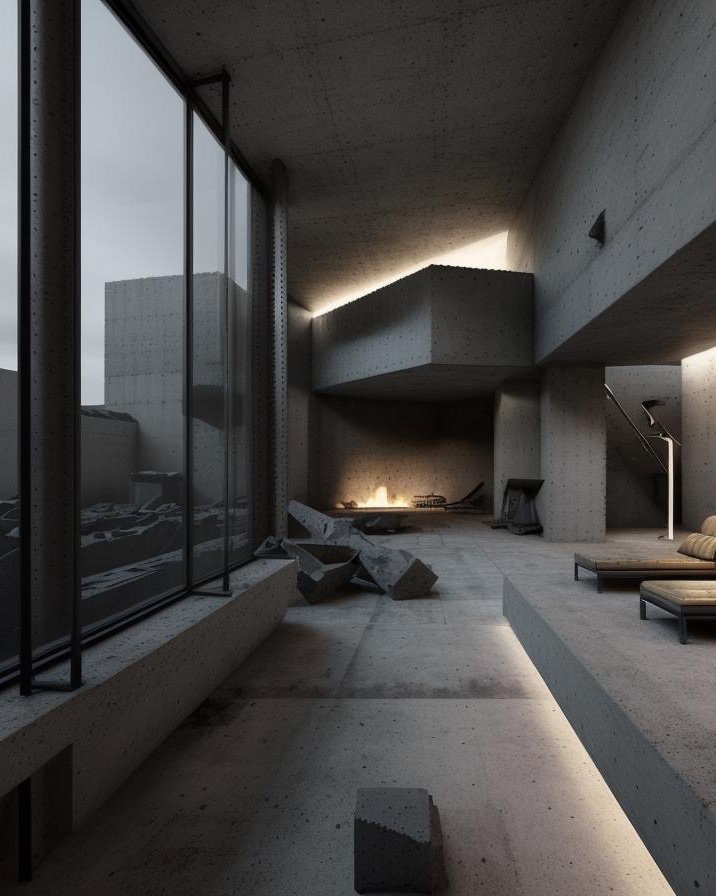
    Brutalist interior demonstrating precision in spatial recalibration

    Each room has been recalculated, not merely redesigned. The distinction is crucial. Redesign operates on the surface; recalculation operates on the deep structure.

    Toward an Architecture of Confidence

    This residence stands as a case study in what contemporary Brutalism can become when approached with both theoretical rigor and practical sophistication.
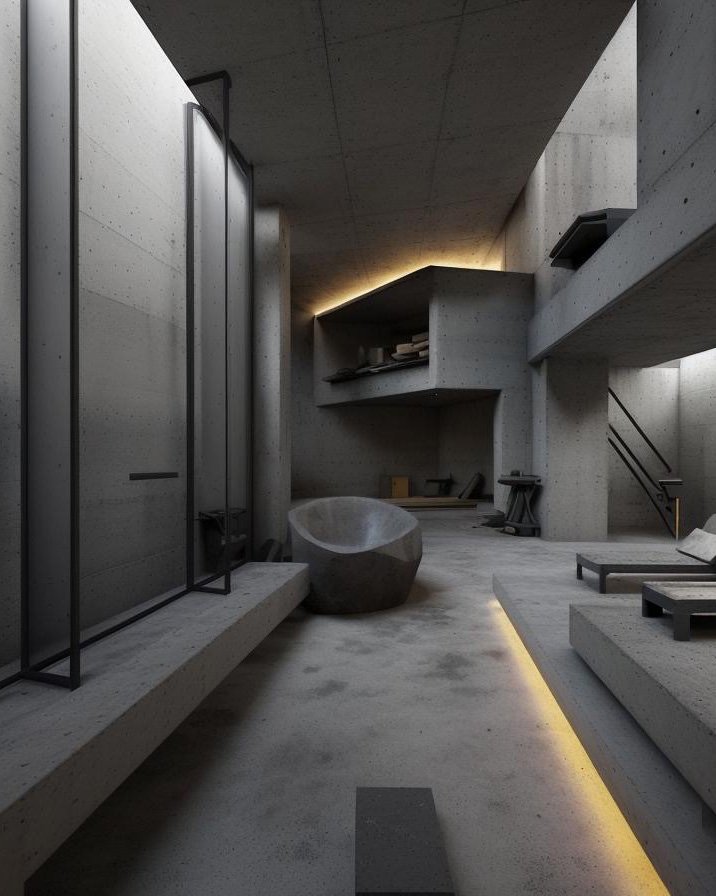
    Brutalist interior perspective demonstrating evolved luxury language

    The most powerful spaces, in the end, are not those that impress us immediately. They are those that stay with us—that reward long looking, that improve with familiarity, that feel as though they were always meant to be precisely as they are. This residence achieves that rare quality. It demonstrates that the most authentic luxury lies not in the accumulation of refinement, but in the courage to let structure, light, and silence speak for themselves.
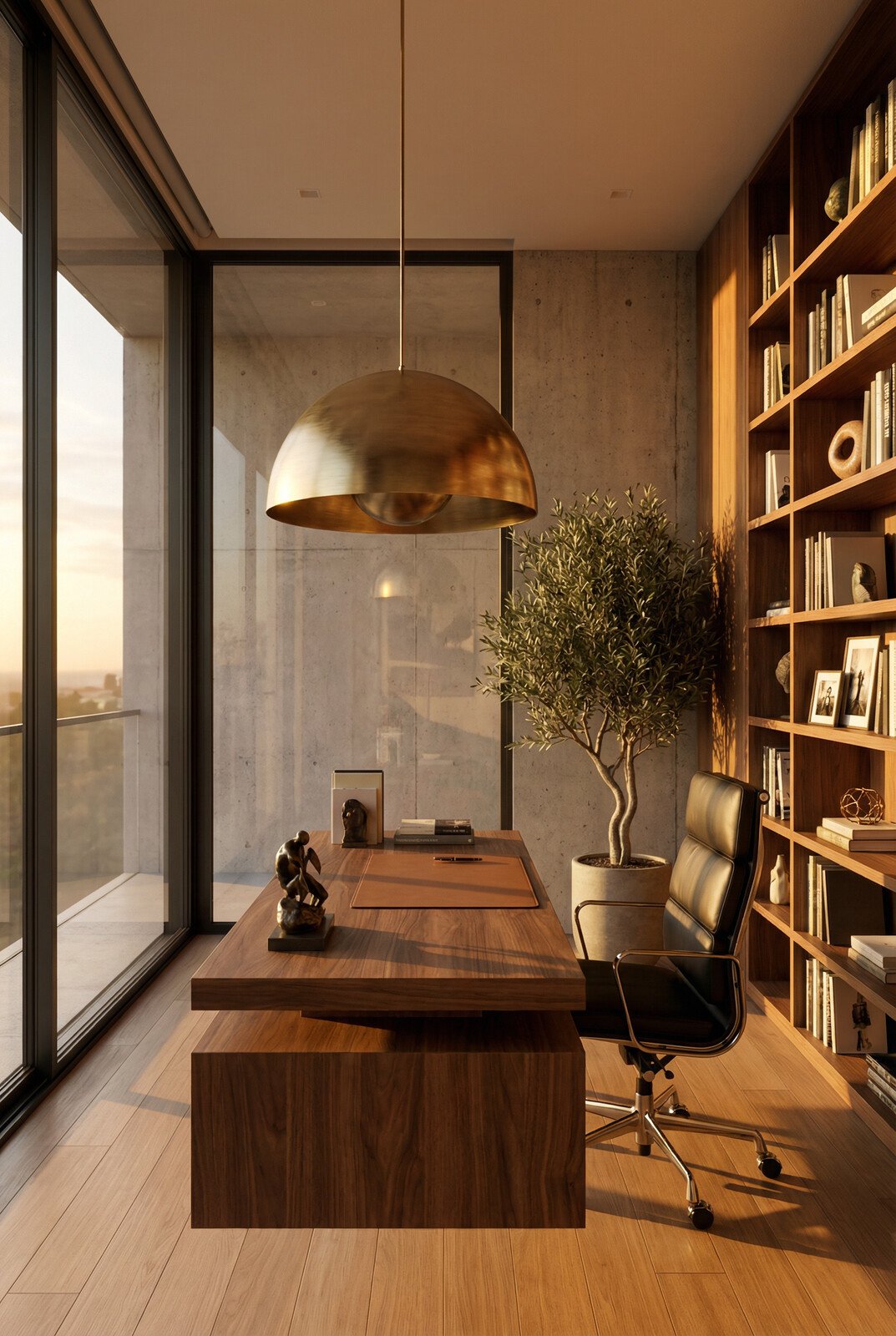
  • The Office Reimagined: How Cinematic Intelligence Is Redefining the Modern Workspace

    The Office Reimagined: How Cinematic Intelligence Is Redefining the Modern Workspace

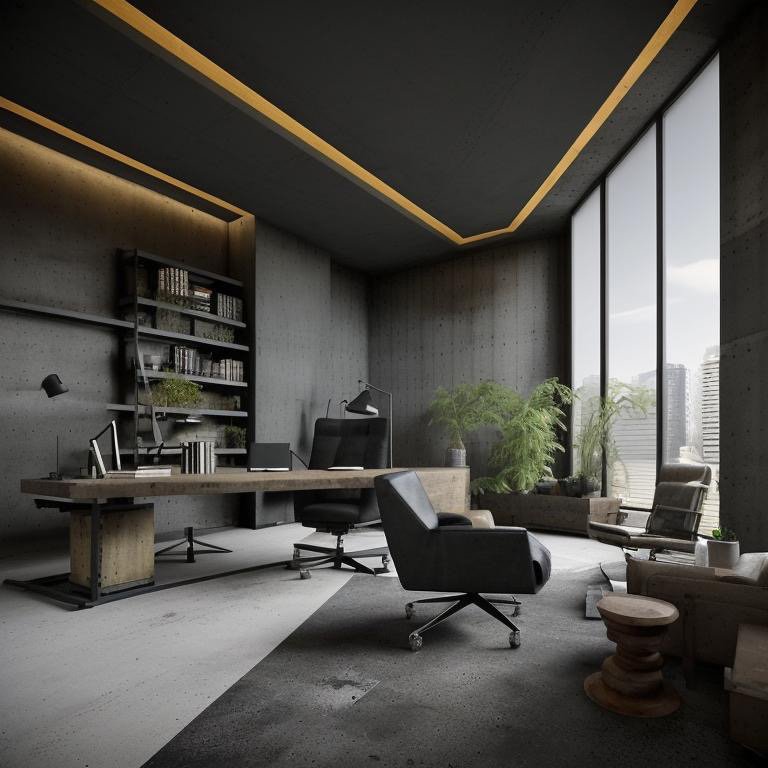
    Brutalist office with assertive geometry, deep shadows, and honest material expression

    Workspace design has been conducted in a language of constraints. You have a budget. You have a lease term. You have a floor plate. You design within the envelope. The result is inevitably a compromise—between what you wanted and what the space could accommodate, between aspiration and pragmatism, between the culture you imagined and the culture the architecture actually supported.

    A quiet revolution has begun that dismantles this compromise. Not through capital expense or structural intervention, but through something more powerful: clarity about intention and fidelity in its expression. The modern office no longer needs to choose between competing visions of workspace culture. Instead, Cinematic Intelligence™ allows a single spatial intelligence to be interpreted through multiple stylistic and experiential registers—each rendered with such photorealistic fidelity that you experience the space before committing to it.

    Consider a base office: clean geometry, generous glazing, disciplined material palette. It is architecturally neutral—the equivalent of white canvas. What makes it powerful is what comes next: the systematic reinterpretation of that neutral intelligence through four distinct aesthetic, material, and psychological frameworks.

    Brutalism: Architecture as Command

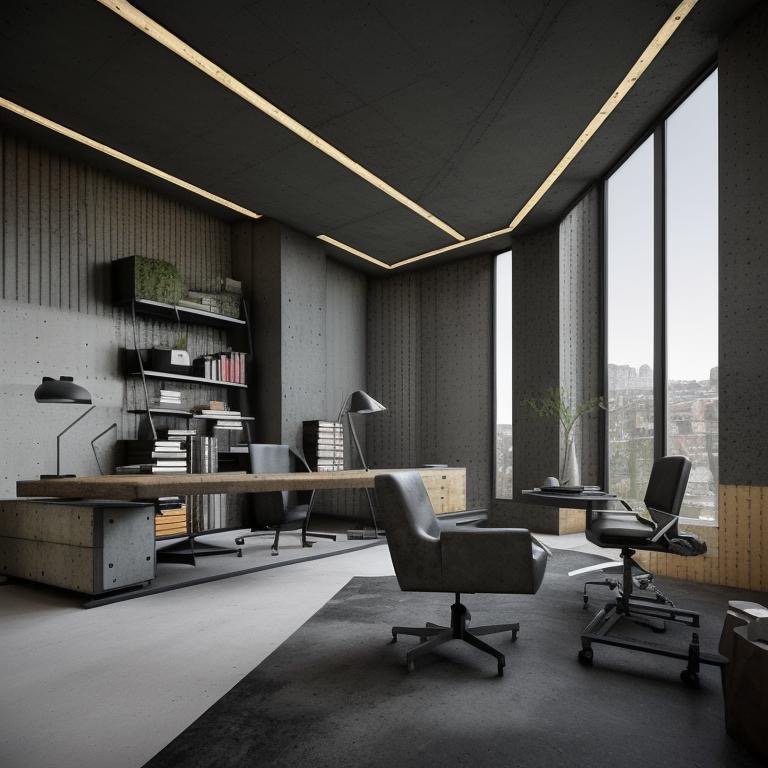
    The first interpretation is Brutalist. This is not brutalism as caricature—heavy, dominating, hostile. This is brutalism as philosophical stance: architecture that does not apologize for its materials or its directness. The clean geometry of the base office sharpens. The proportions become more assertive. Surfaces that were neutral become material declarations—concrete expressed with honesty, edges that do not soften, shadows that deepen the spatial experience.

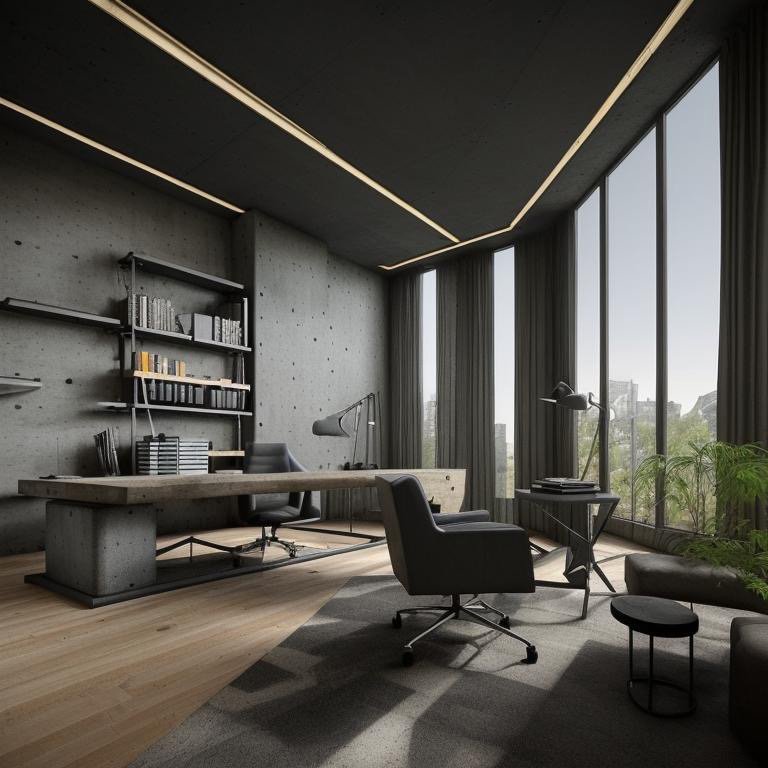
    A Brutalist office is not for everyone. It is for leaders and teams that value discipline, intellectual seriousness, and command presence. It signals that thinking here is rigorous. Decisions are made with gravity. The space does not coddle or distract. It contains and focuses. There is a severity to it—not in the sense of hostility, but in the sense of refusal to compromise on principle.

    Brutalist interpretation emphasizing concrete materiality and spatial discipline

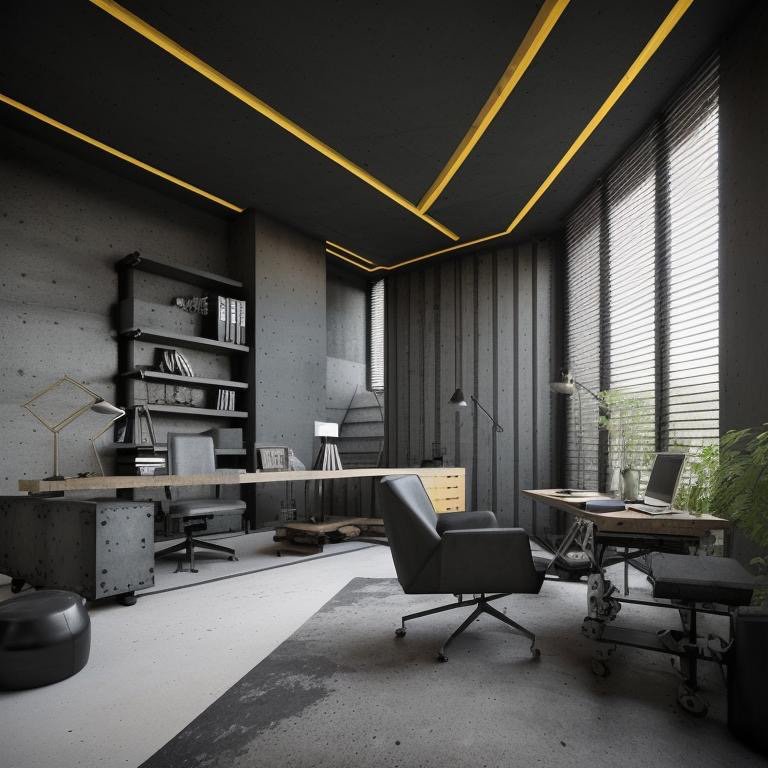
    The material palette deepens. Concrete moves from warm to assertive. Edges become articulated rather than dissolved. Lighting becomes directional, carving shadow into the space rather than eliminating it. The office becomes a vessel for serious work. Not fun. Not casual. Not designed to impress. Designed to clarify. It is the spatial equivalent of intellectual honesty.

    Brutalist space showing refined shadow and material articulation

    This is where many designers stop—presenting brutalism as severity for its own sake. But the intelligence goes deeper. In a Brutalist office, every line is justified. Every surface serves. The aesthetic discipline creates psychological discipline. Meetings conducted in a Brutalist space tend toward rigor. Decisions made there tend toward clarity. The space becomes a tool for the kind of thinking you want to cultivate.

    Brutalist office detail showing material honesty and refined proportion

    California Casual: Warmth Without Weakness

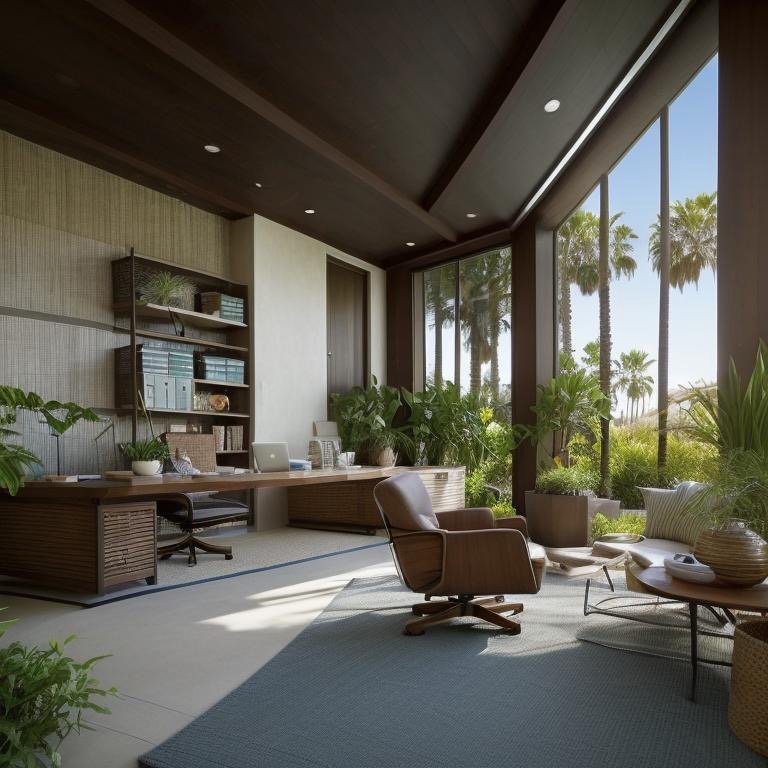
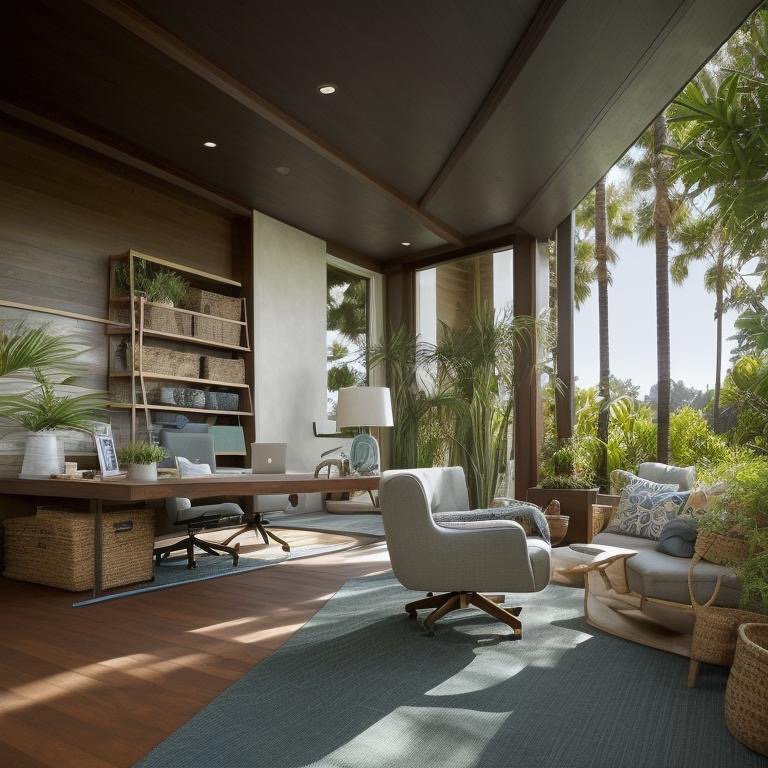
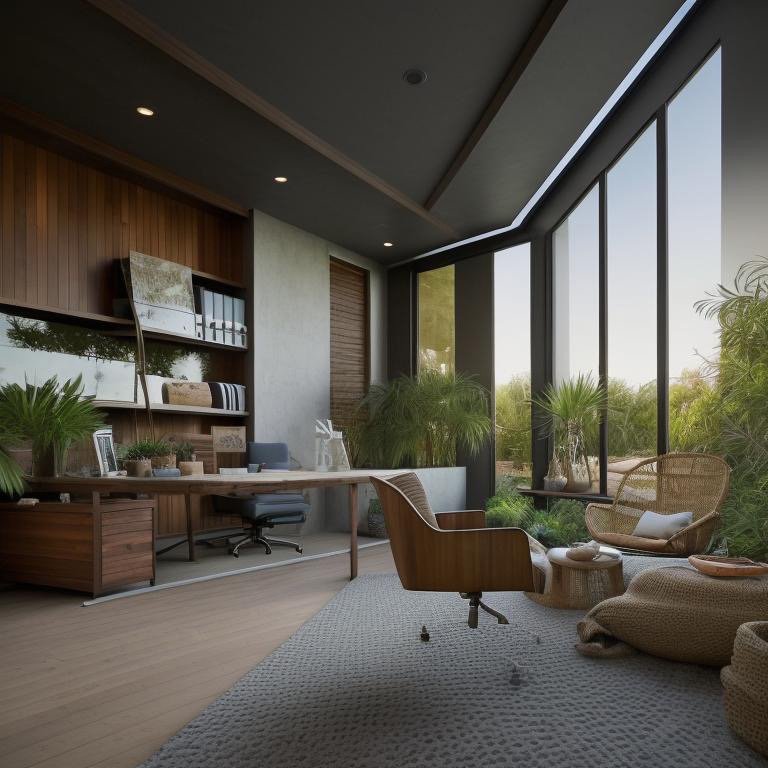
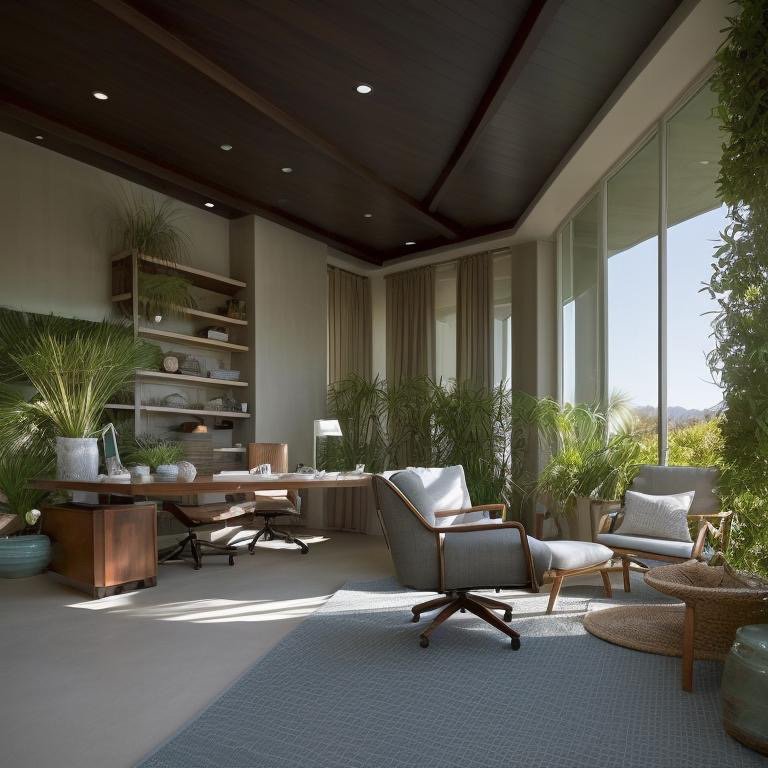
    The second interpretation releases the space without weakening it. California Casual is an aesthetic stance often misunderstood as informality for its own sake. But the intelligence operative here is far more sophisticated: how do you create warmth, flow, and natural rhythm while maintaining the spatial clarity and disciplined proportion of the base office?

    Materials soften. Wood—warm, natural, with visible grain—appears where concrete was severe. Light diffuses. Instead of sharp shadows, light moves through the space with a gentler hand. Proportions open slightly, suggesting ease without chaos. The office becomes breathing room. But breathing does not mean loose. Discipline remains, only now it expresses itself through restraint rather than assertion.

    California Casual interpretation with warm materials and diffused light

    A California Casual office is for founders and leaders who want command but not coldness. Discipline but not austerity. The teams that work here tend toward collaboration. The culture is ambitious but not brittle. The space does not announce its seriousness—it demonstrates it through craft and proportion. There is effortlessness here, but it is the effortlessness of control, not carelessness.

    Warm material palette showing natural wood tones and soft materiality

    The material vocabulary is key. Natural woods, warm neutrals, surfaces that reveal their honest age rather than demanding perfection. Light becomes a protagonist—softened, diffused, revealing texture and depth without creating sharp boundaries. The office feels larger, not because it is, but because the visual language suggests expansion rather than enclosure.

    California Casual space emphasizing open geometry and natural material warmth

    California Casual is the hardest aesthetic to execute poorly. It looks simple, which is why many designers treat it as simplistic. But true California Casual requires more discipline than brutalism. Every element must earn its place. There can be no applied decoration, no borrowed warmth. The warmth must come from honest materials, from light, from proportion. It is warmth as intelligence, not warmth as sentiment.

    California Casual office showing disciplined warmth and refined spatial flow

    Chalet: Enveloping Presence

    The third interpretation is perhaps the most emotionally resonant: Chalet. This is not a romanticization of alpine architecture—it is the extraction of what makes chalet design psychologically powerful and the deployment of that intelligence in a contemporary context.

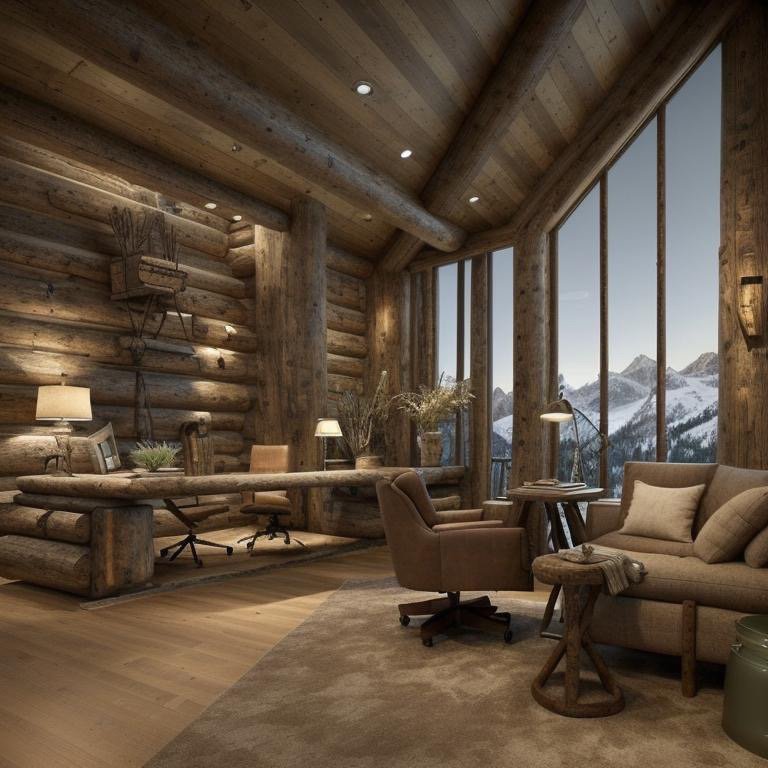
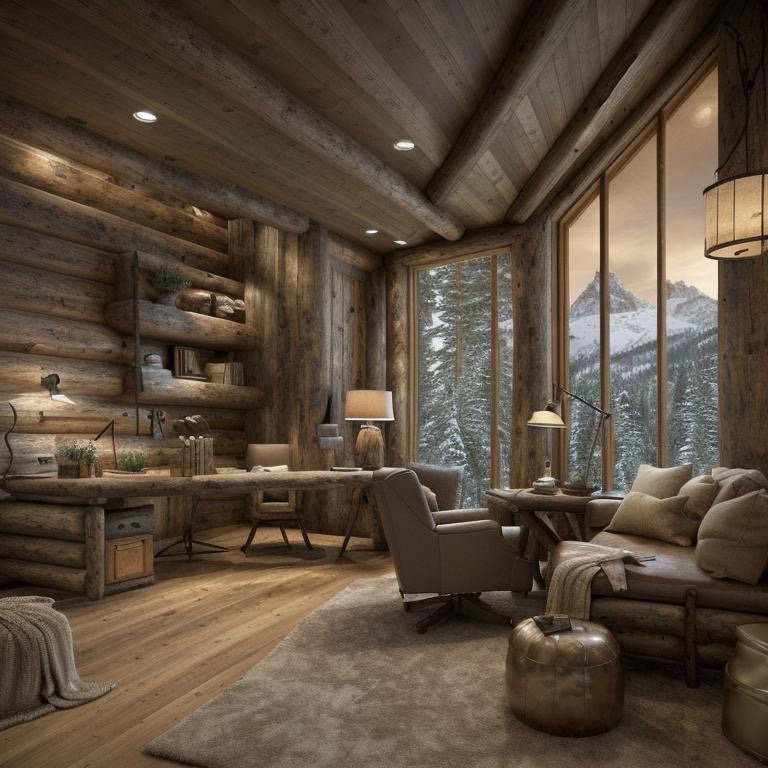
    Timber dominates. Not applied timber or decorative timber, but timber as primary material, as honest expression of construction, as the dominant voice in the spatial conversation. Texture becomes prominent. Surfaces reveal themselves—wood grain, the evidence of craft, the patina of use and age. Warmth becomes almost tactile. The eye wants to reach out and touch the surfaces.

    Chalet interpretation with prominent timber materiality and enveloping warmth

    But this is no rustic indulgence. A chalet office is an alpine lodge for modern leadership. It provides refuge and command simultaneously. The enveloping quality—high ceilings with timber structure revealed, warmth emanating from material and craft—creates a container that feels protective without being claustrophobic. You are held by the space but not constrained by it.

    Chalet space showing timber structure and enveloping spatial volume

    The psychological effect is profound. A chalet office asks a different question of its inhabitants. Instead of “what must I accomplish?” it asks “what am I capable of thinking?” The space encourages depth. Contemplation. Long-form thinking. The teams that thrive in chalet offices tend to be those engaged in strategy, vision, complex problem-solving. The space’s enveloping quality does not distract—it supports. Focuses. Enables.

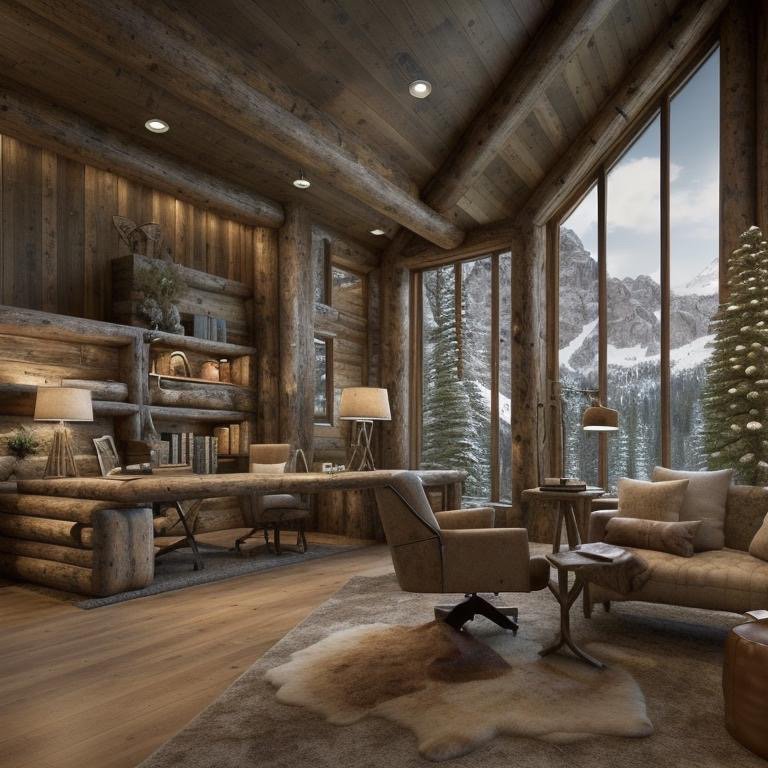
    Chalet office detail showing refined timber craftsmanship and spatial character

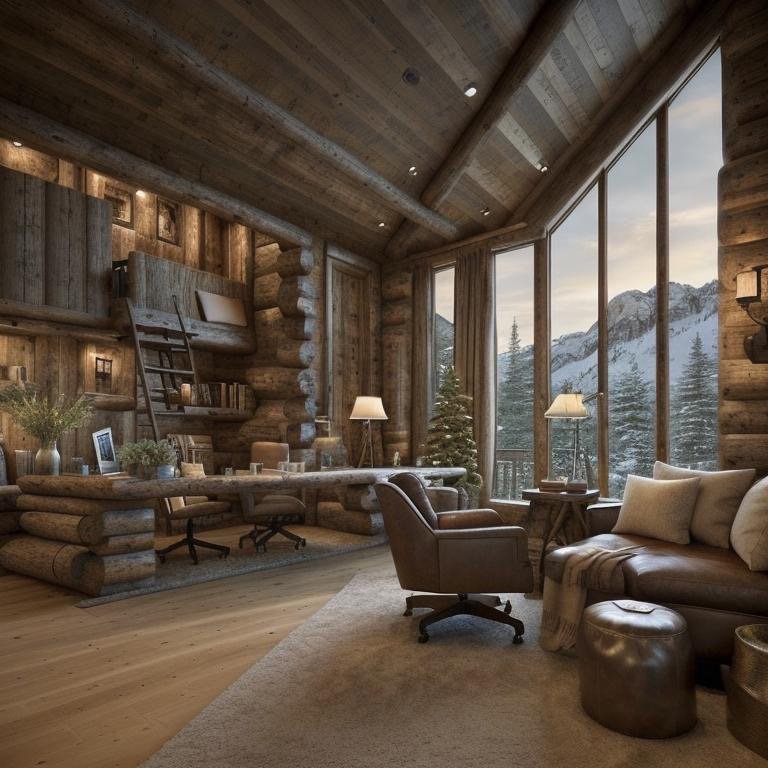
    Material honesty is paramount. Every timber member is structural or clearly justified. Proportions reflect traditional chalet geometry—high peaked volumes, human-scaled openings, clarity about how the space is built. There is no applied style here. The aesthetic emerges from the honest expression of how architecture is made.

    Chalet interior showing warm material density and thoughtful spatial proportion

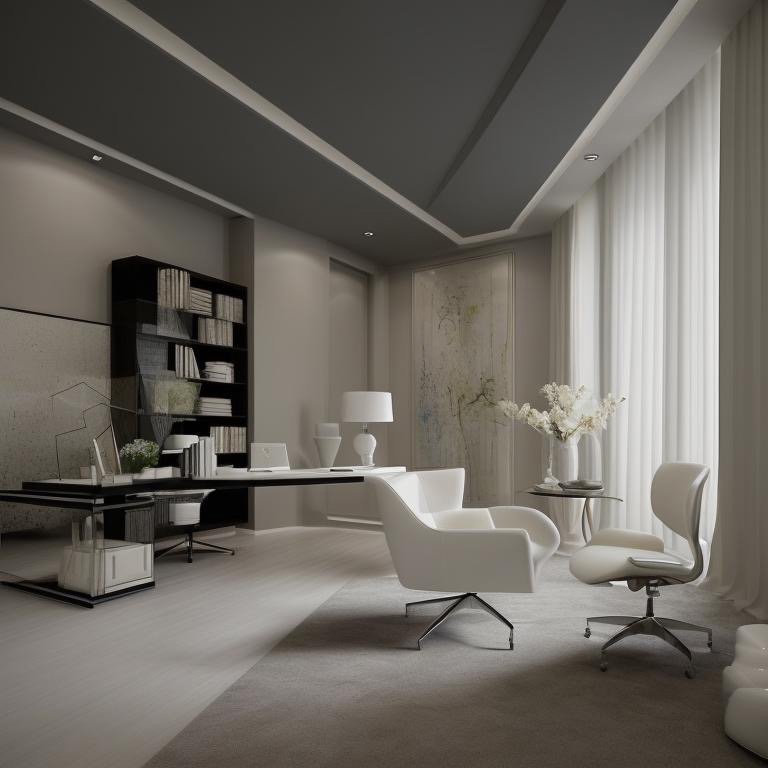
    Chic Contemporary: Discipline as Luxury

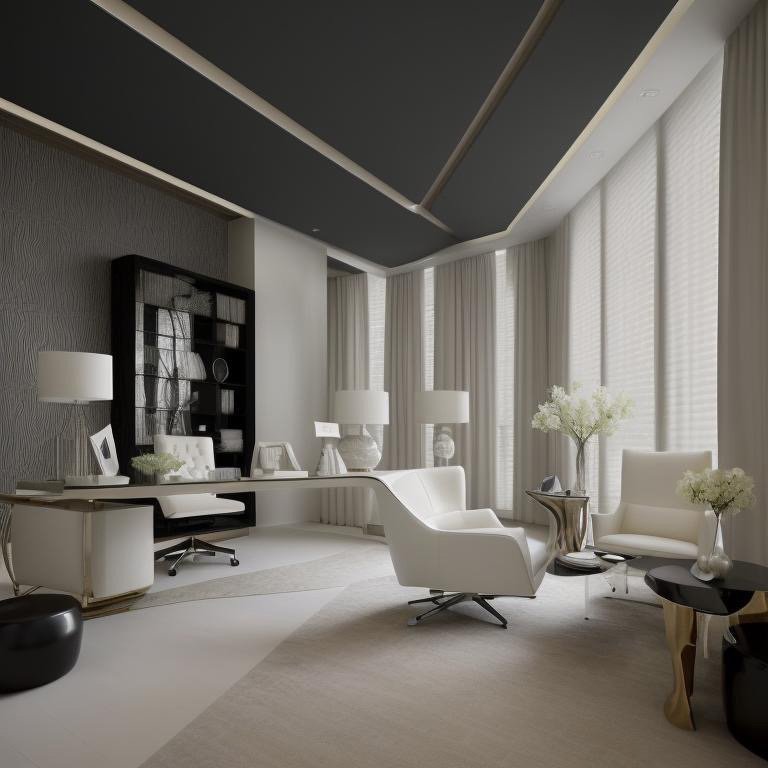
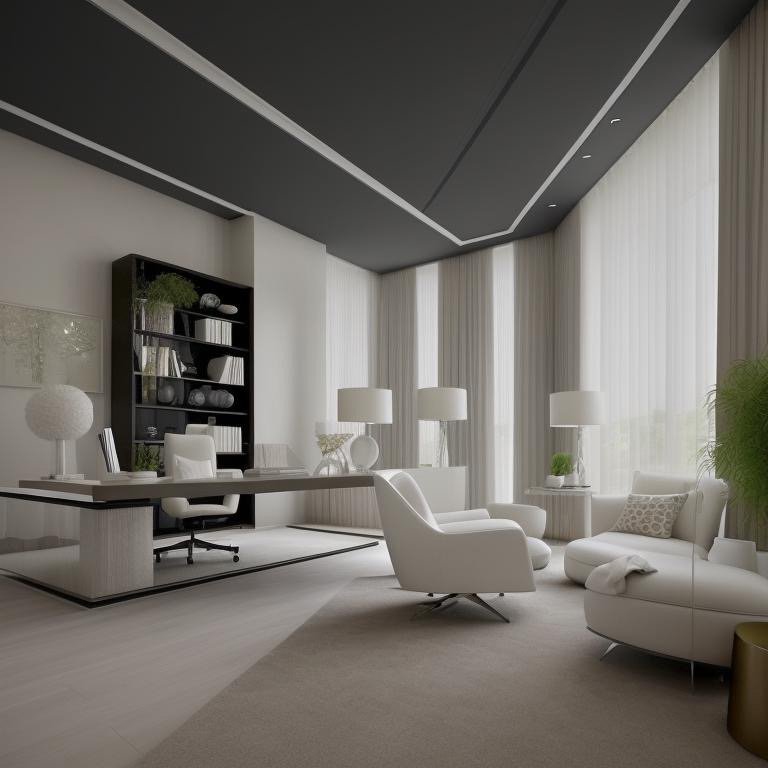
    The fourth interpretation demands the greatest discipline. Chic Contemporary is not minimalism for its own sake—it is minimalism as intellectual rigor. The palette tightens ruthlessly: whites, soft greys, warm neutrals with no saturation. Every line is intentional. Every surface is calibrated. Nothing is casual. Nothing is accidental.

    Chic Contemporary office showing refined neutrality and precise material calibration

    This is the most dangerous interpretation to deploy. Without rigor, it becomes cold. Without intention, it becomes empty. But when executed with intelligence, it becomes pure. The office becomes a space where attention can focus entirely on the work, on conversation, on thinking. The architecture does not demand attention—it surrenders it.

    Chic Contemporary space with precise geometry and neutral material restraint

    A Chic Contemporary office is for organizations that have nothing to prove through their space. They prove themselves through their work. The office is a tool, not a declaration. Materials are refined but never precious. Proportions are exact but never theatrical. The space communicates trust, stability, and intellectual seriousness through what it does not do, not through what it does.

    The teams that thrive in Chic Contemporary spaces tend to be those for whom the work speaks louder than the setting. Researchers. Technical specialists. Strategic thinkers. The space does not distract them with warmth or drama—it gets out of the way. Luxury, in this context, is not excess. It is precision as restraint.

    Chic Contemporary interior showing refined proportion and material subtlety

    Chic Contemporary office detail emphasizing discipline and material refinement

    One Space, Multiple Futures

    The profound insight is that a single office—with no structural change, no capital outlay, no renegotiation of lease terms—can hold four entirely distinct futures. Each interpretation is valid. Each serves different psychological, cultural, and organizational needs. The question is no longer “what office do we have?” but “what office do we want to become?”

    Cinematic Intelligence makes this question answerable not through speculation or imagination, but through fidelity. You do not imagine a brutalist office. You experience it. You do not hope a chalet interpretation might resonate with your team. You know it does, because you have seen it rendered with absolute precision. You do not wonder if chic contemporary might feel too cold. You see it and understand.

    The revolution is not in the renders. It is in the power they distribute. The authority to shape your office culture no longer rests exclusively with the licensed architect or the real estate team. It rests with you—with your clarity about what kind of thinking you want to cultivate, what signal you want to send, what future you want to inhabit. Cinematic Intelligence is simply the tool that makes that clarity actionable, that translates intention into experience, that protects you from committing capital or culture to a future you have not thoroughly understood.

    One office. Four aesthetic and psychological registers. Zero architectural compromise. That is the proposition. And what it reveals is something deeper: that great architecture is not about what you build, but about what you choose to become within the space you already occupy.