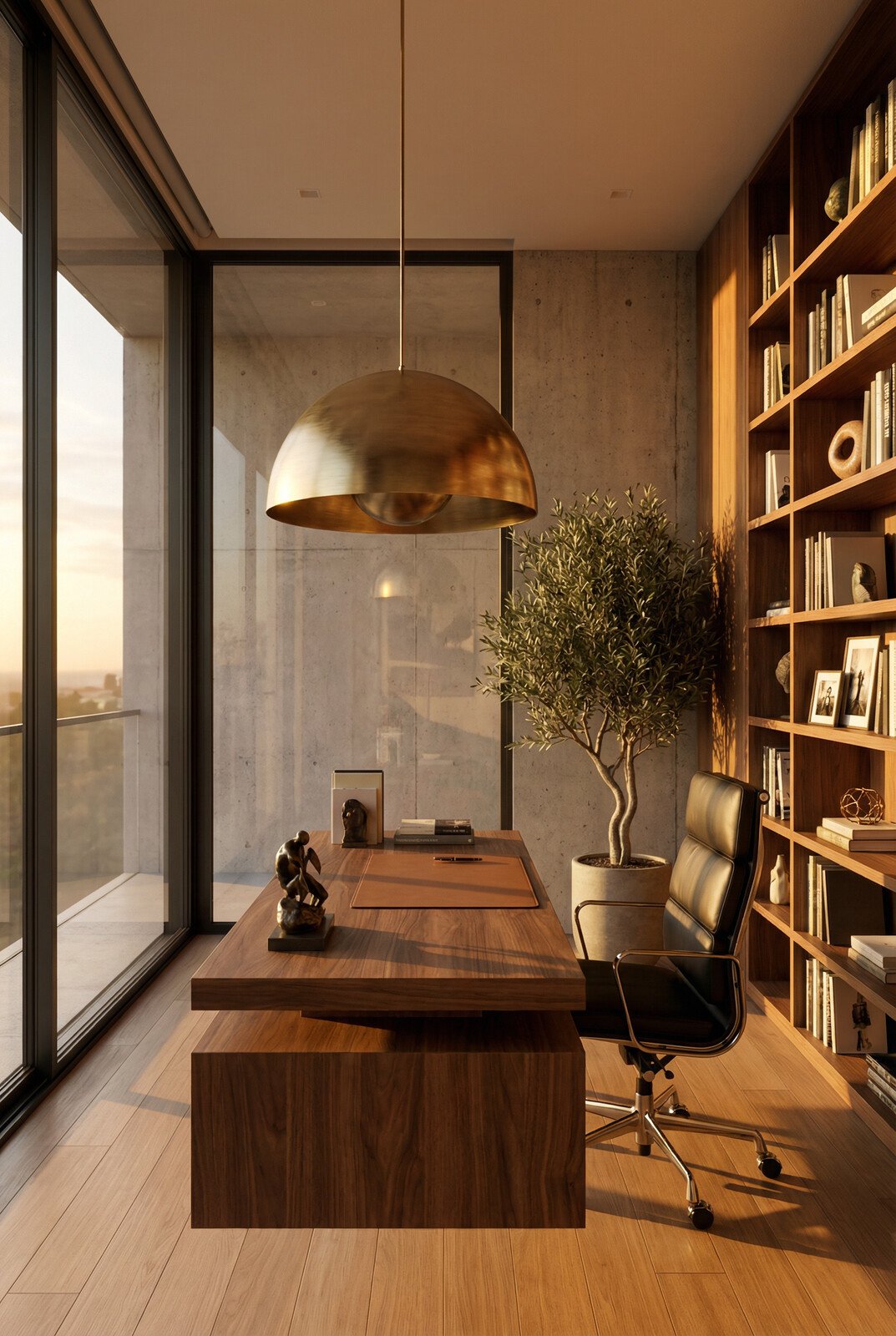

Workspace design has been conducted in a language of constraints. You have a budget. You have a lease term. You have a floor plate. You design within the envelope. The result is inevitably a compromise—between what you wanted and what the space could accommodate, between aspiration and pragmatism, between the culture you imagined and the culture the architecture actually supported.
A quiet revolution has begun that dismantles this compromise. Not through capital expense or structural intervention, but through something more powerful: clarity about intention and fidelity in its expression. The modern office no longer needs to choose between competing visions of workspace culture. Instead, Cinematic Intelligence™ allows a single spatial intelligence to be interpreted through multiple stylistic and experiential registers—each rendered with such photorealistic fidelity that you experience the space before committing to it.
Consider a base office: clean geometry, generous glazing, disciplined material palette. It is architecturally neutral—the equivalent of white canvas. What makes it powerful is what comes next: the systematic reinterpretation of that neutral intelligence through four distinct aesthetic, material, and psychological frameworks.
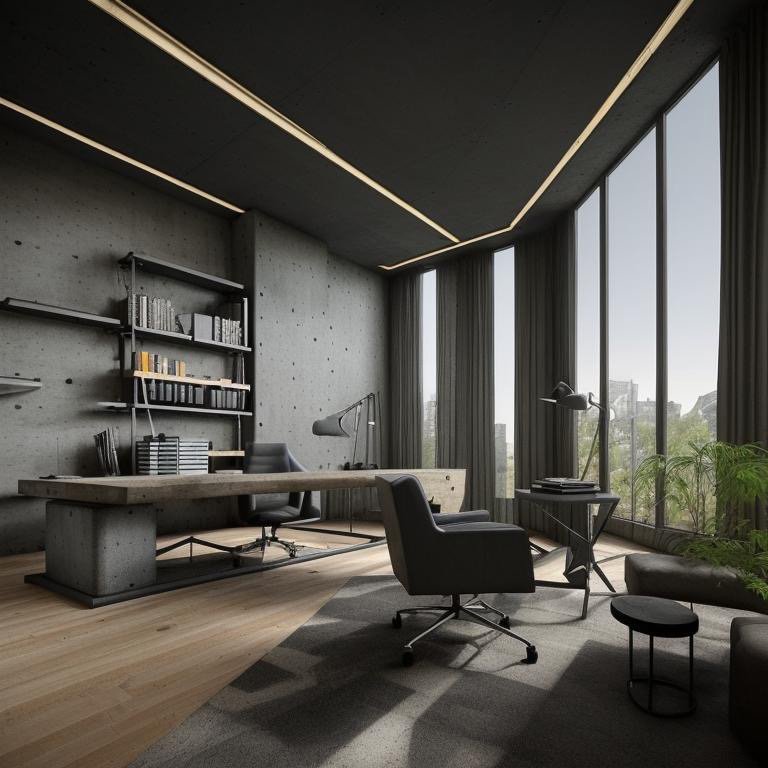
Brutalism: Architecture as Command
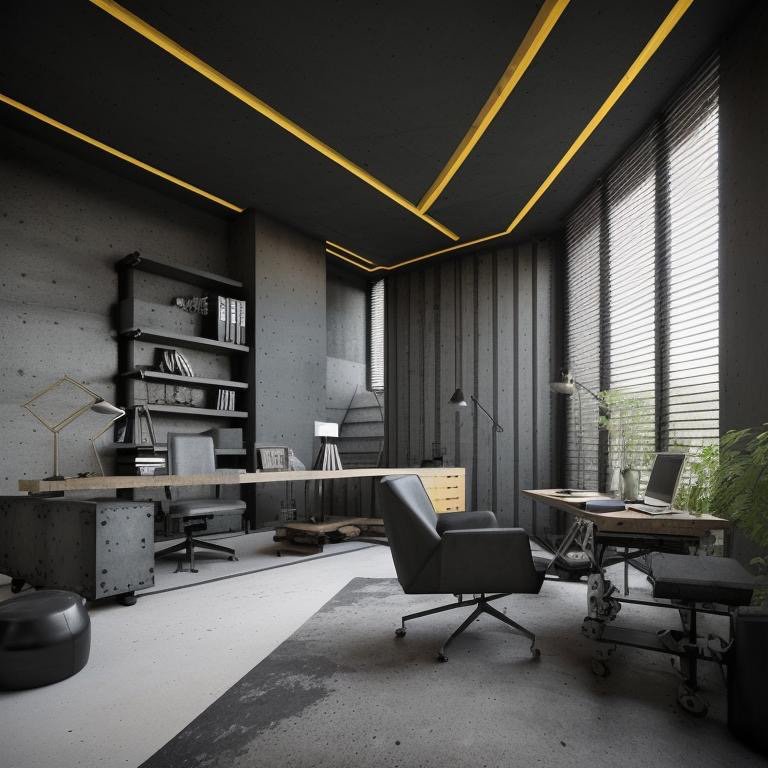
The first interpretation is Brutalist. This is not brutalism as caricature—heavy, dominating, hostile. This is brutalism as philosophical stance: architecture that does not apologize for its materials or its directness. The clean geometry of the base office sharpens. The proportions become more assertive. Surfaces that were neutral become material declarations—concrete expressed with honesty, edges that do not soften, shadows that deepen the spatial experience.
A Brutalist office is not for everyone. It is for leaders and teams that value discipline, intellectual seriousness, and command presence. It signals that thinking here is rigorous. Decisions are made with gravity. The space does not coddle or distract. It contains and focuses. There is a severity to it—not in the sense of hostility, but in the sense of refusal to compromise on principle.
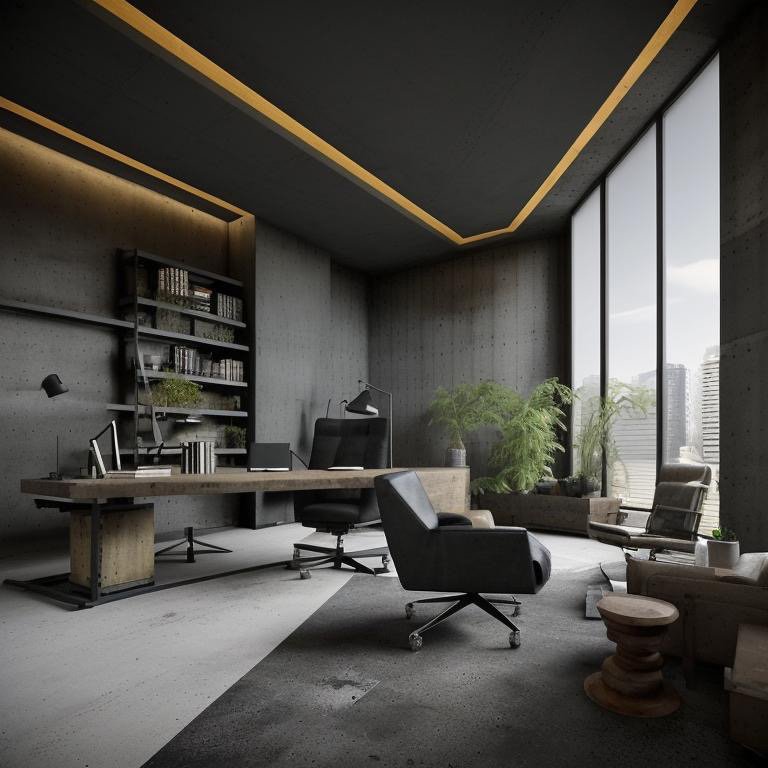
The material palette deepens. Concrete moves from warm to assertive. Edges become articulated rather than dissolved. Lighting becomes directional, carving shadow into the space rather than eliminating it. The office becomes a vessel for serious work. Not fun. Not casual. Not designed to impress. Designed to clarify. It is the spatial equivalent of intellectual honesty.
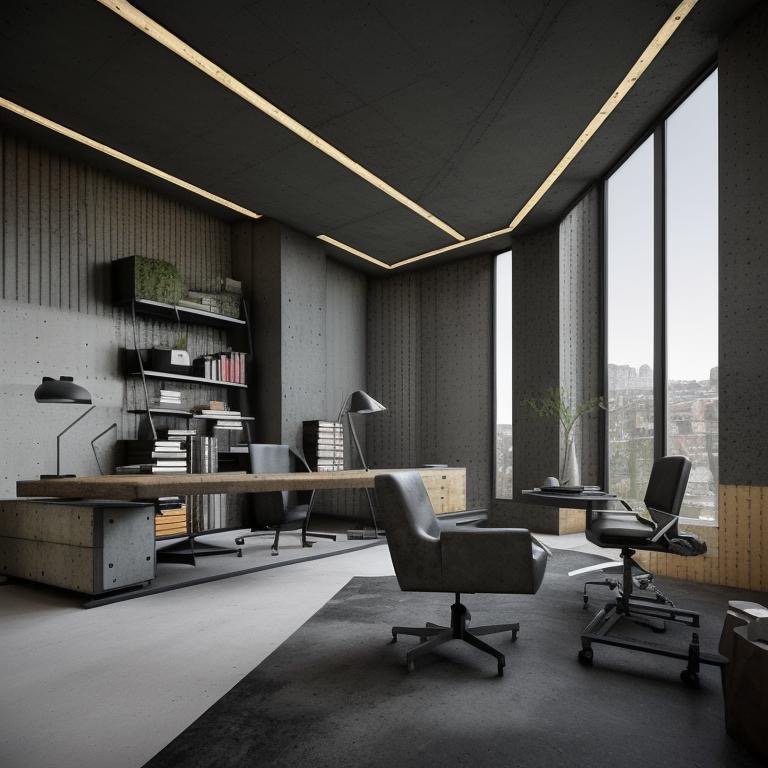
This is where many designers stop—presenting brutalism as severity for its own sake. But the intelligence goes deeper. In a Brutalist office, every line is justified. Every surface serves. The aesthetic discipline creates psychological discipline. Meetings conducted in a Brutalist space tend toward rigor. Decisions made there tend toward clarity. The space becomes a tool for the kind of thinking you want to cultivate.
California Casual: Warmth Without Weakness
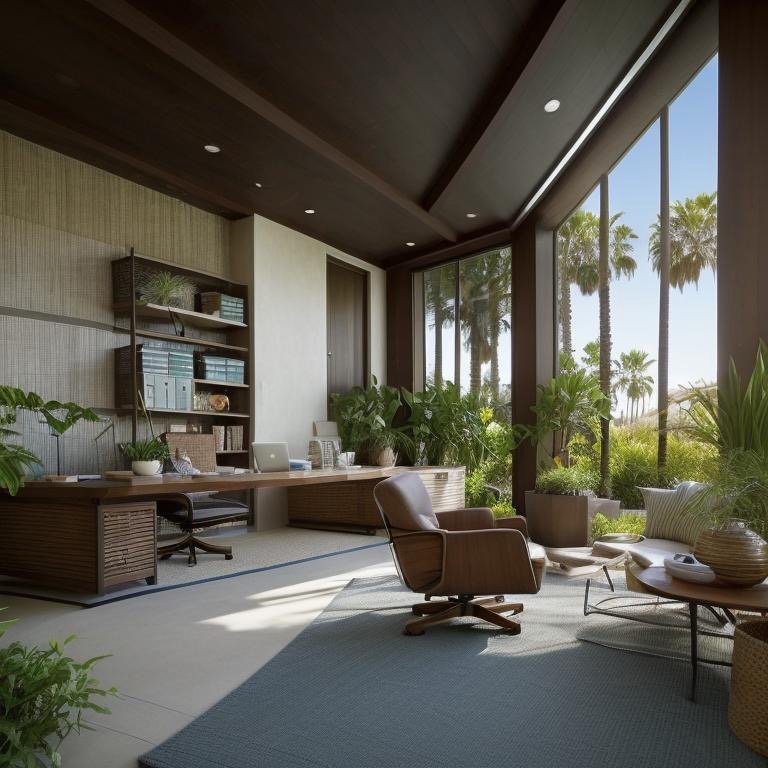
The second interpretation releases the space without weakening it. California Casual is an aesthetic stance often misunderstood as informality for its own sake. But the intelligence operative here is far more sophisticated: how do you create warmth, flow, and natural rhythm while maintaining the spatial clarity and disciplined proportion of the base office?
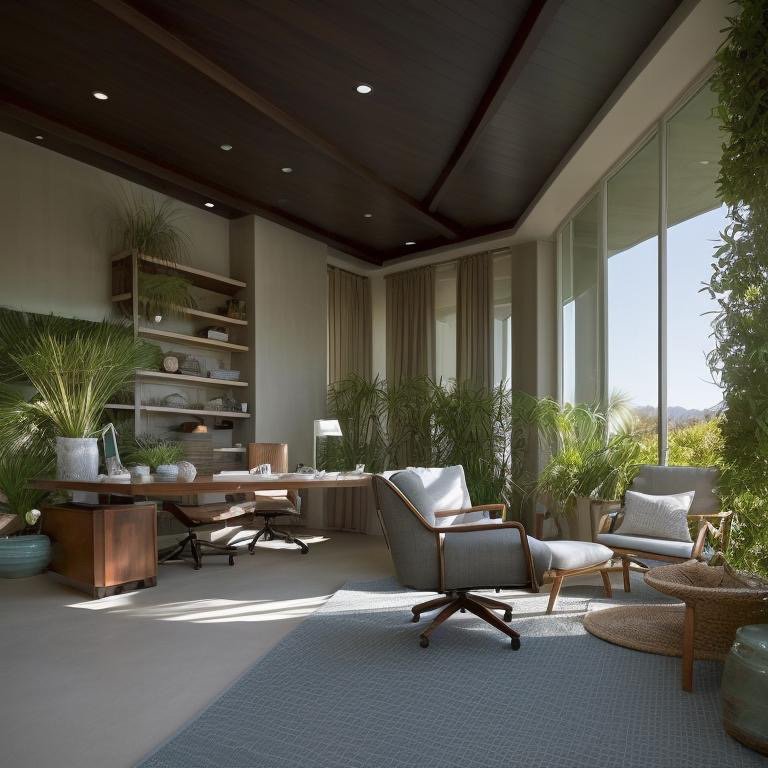
Materials soften. Wood—warm, natural, with visible grain—appears where concrete was severe. Light diffuses. Instead of sharp shadows, light moves through the space with a gentler hand. Proportions open slightly, suggesting ease without chaos. The office becomes breathing room. But breathing does not mean loose. Discipline remains, only now it expresses itself through restraint rather than assertion.
A California Casual office is for founders and leaders who want command but not coldness. Discipline but not austerity. The teams that work here tend toward collaboration. The culture is ambitious but not brittle. The space does not announce its seriousness—it demonstrates it through craft and proportion. There is effortlessness here, but it is the effortlessness of control, not carelessness.
The material vocabulary is key. Natural woods, warm neutrals, surfaces that reveal their honest age rather than demanding perfection. Light becomes a protagonist—softened, diffused, revealing texture and depth without creating sharp boundaries. The office feels larger, not because it is, but because the visual language suggests expansion rather than enclosure.
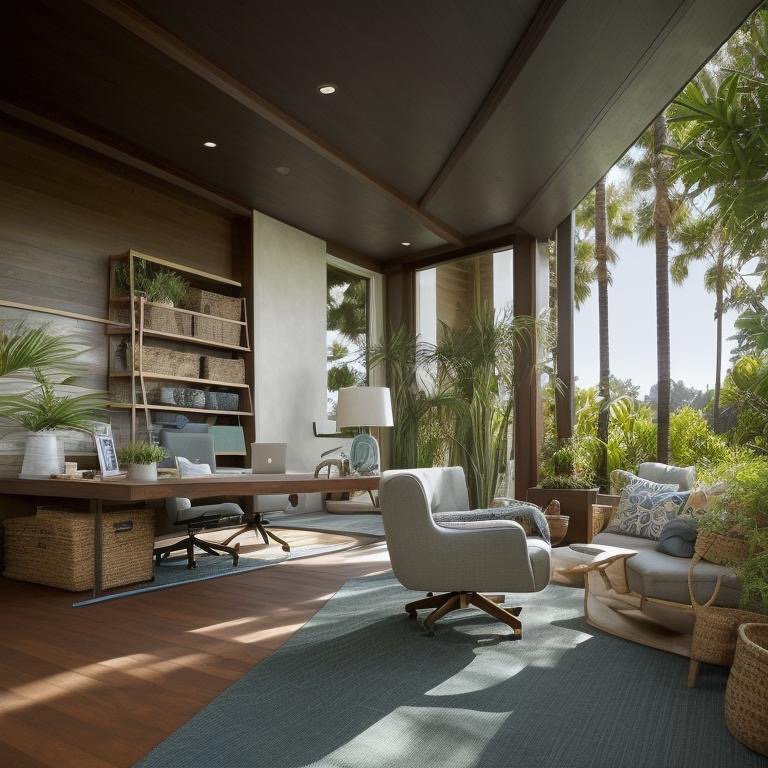
California Casual is the hardest aesthetic to execute poorly. It looks simple, which is why many designers treat it as simplistic. But true California Casual requires more discipline than brutalism. Every element must earn its place. There can be no applied decoration, no borrowed warmth. The warmth must come from honest materials, from light, from proportion. It is warmth as intelligence, not warmth as sentiment.
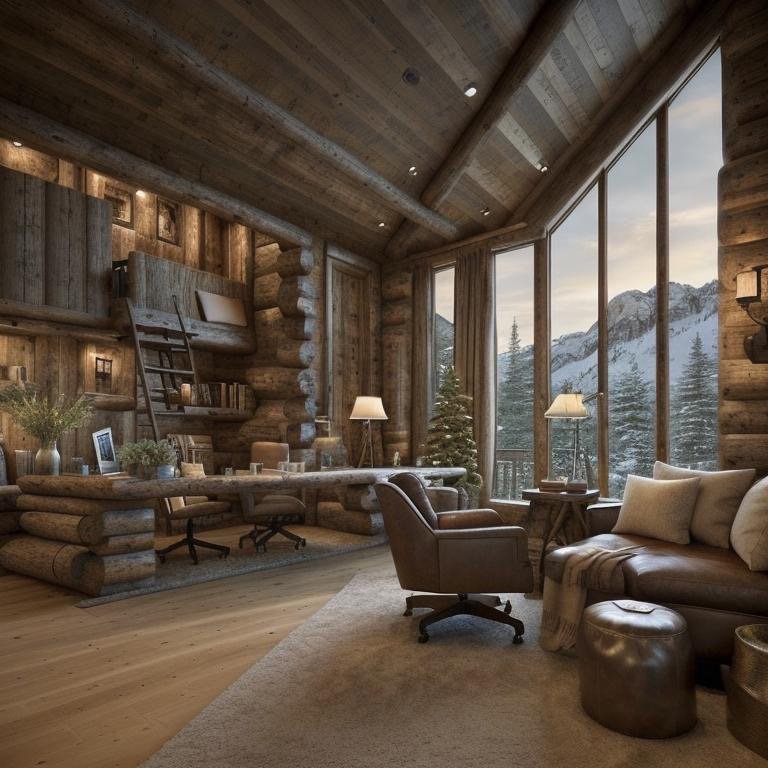
Chalet: Enveloping Presence
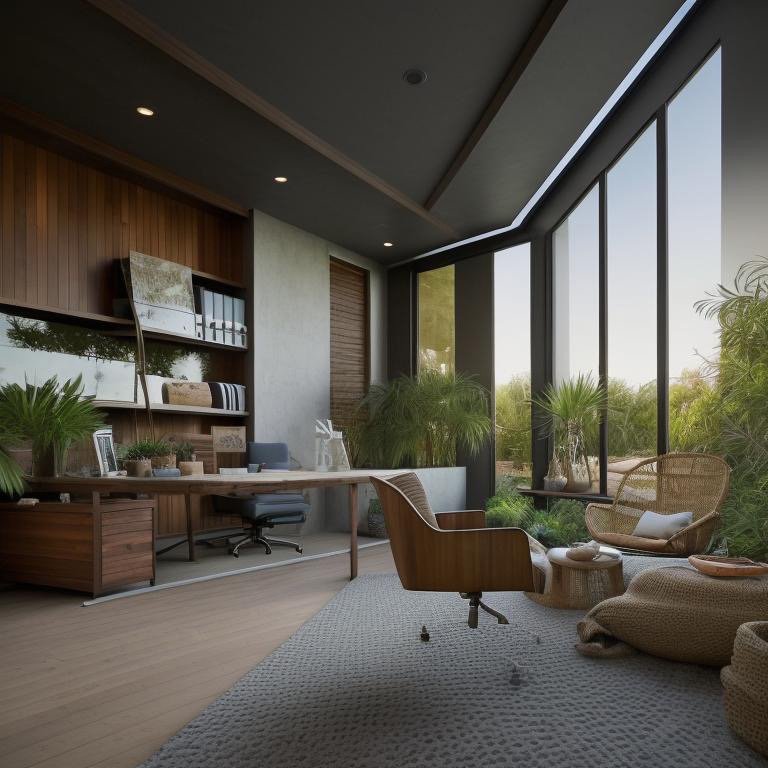
The third interpretation is perhaps the most emotionally resonant: Chalet. This is not a romanticization of alpine architecture—it is the extraction of what makes chalet design psychologically powerful and the deployment of that intelligence in a contemporary context.
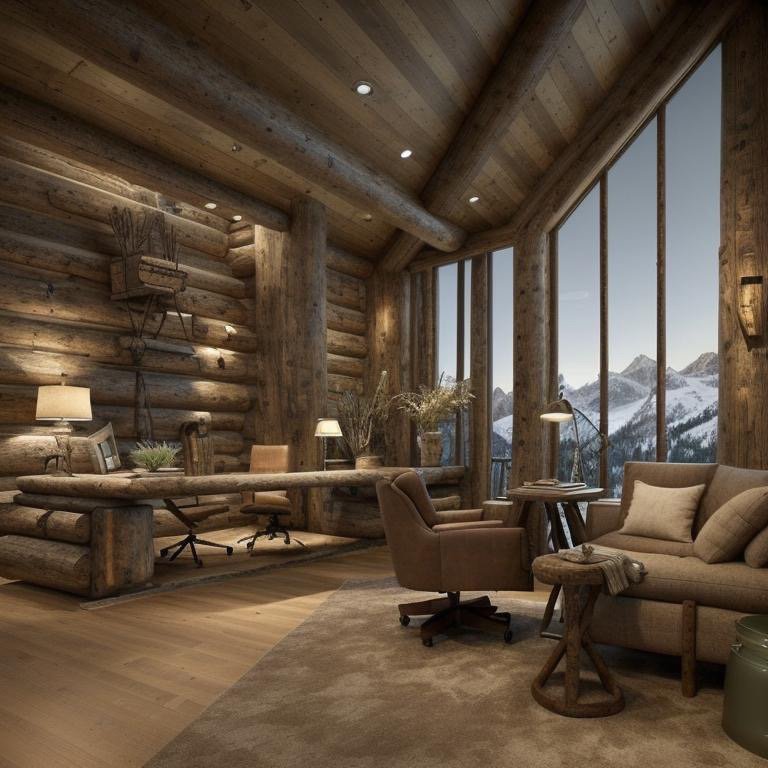
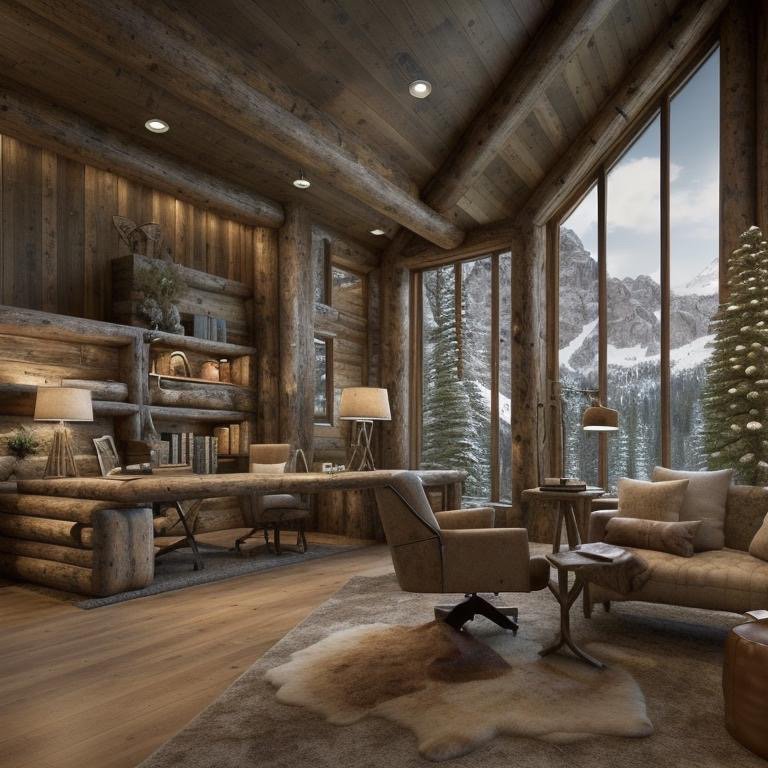
Timber dominates. Not applied timber or decorative timber, but timber as primary material, as honest expression of construction, as the dominant voice in the spatial conversation. Texture becomes prominent. Surfaces reveal themselves—wood grain, the evidence of craft, the patina of use and age. Warmth becomes almost tactile. The eye wants to reach out and touch the surfaces.
But this is no rustic indulgence. A chalet office is an alpine lodge for modern leadership. It provides refuge and command simultaneously. The enveloping quality—high ceilings with timber structure revealed, warmth emanating from material and craft—creates a container that feels protective without being claustrophobic. You are held by the space but not constrained by it.
The psychological effect is profound. A chalet office asks a different question of its inhabitants. Instead of “what must I accomplish?” it asks “what am I capable of thinking?” The space encourages depth. Contemplation. Long-form thinking. The teams that thrive in chalet offices tend to be those engaged in strategy, vision, complex problem-solving. The space’s enveloping quality does not distract—it supports. Focuses. Enables.
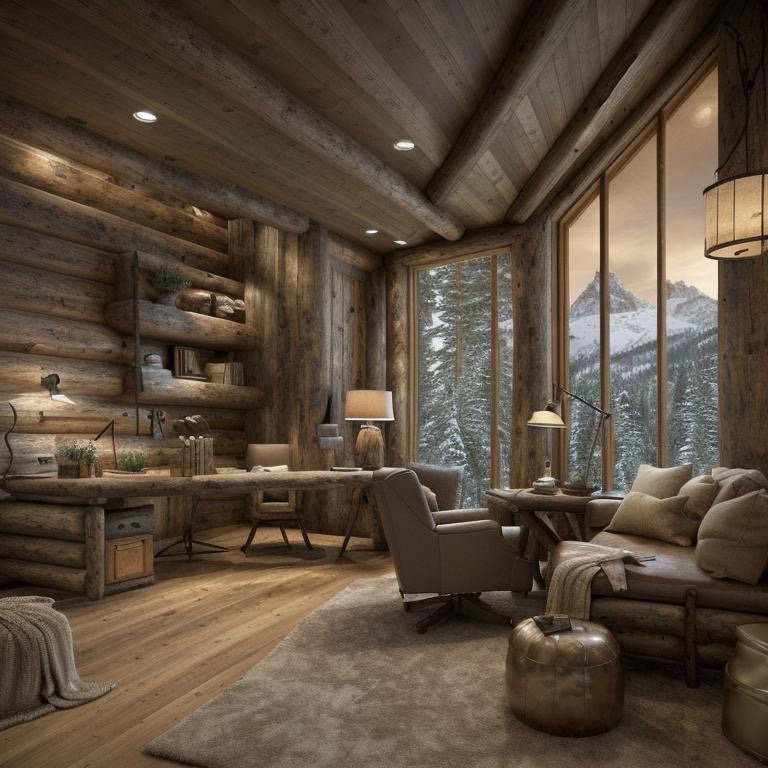
Material honesty is paramount. Every timber member is structural or clearly justified. Proportions reflect traditional chalet geometry—high peaked volumes, human-scaled openings, clarity about how the space is built. There is no applied style here. The aesthetic emerges from the honest expression of how architecture is made.
Chic Contemporary: Discipline as Luxury
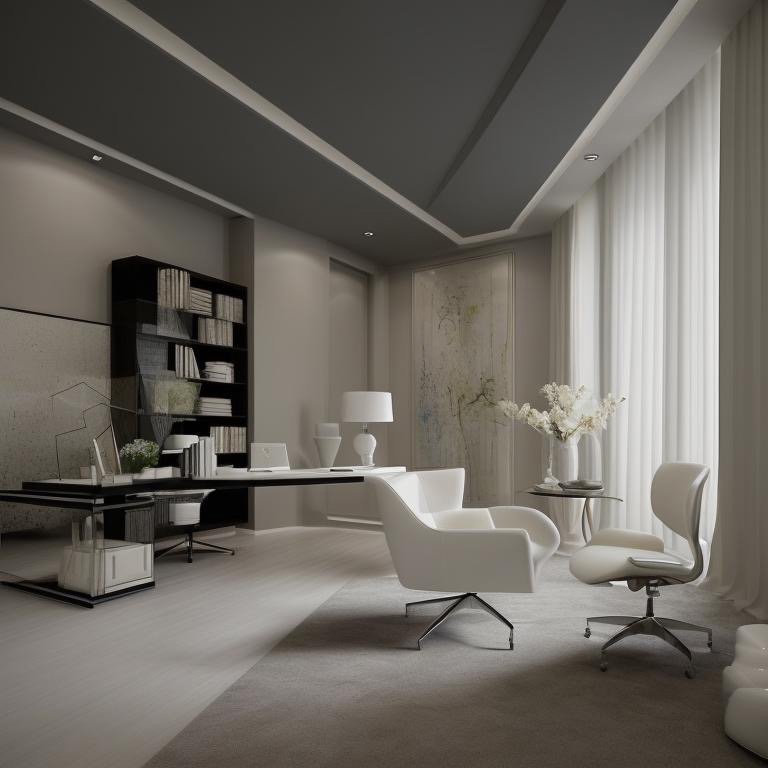
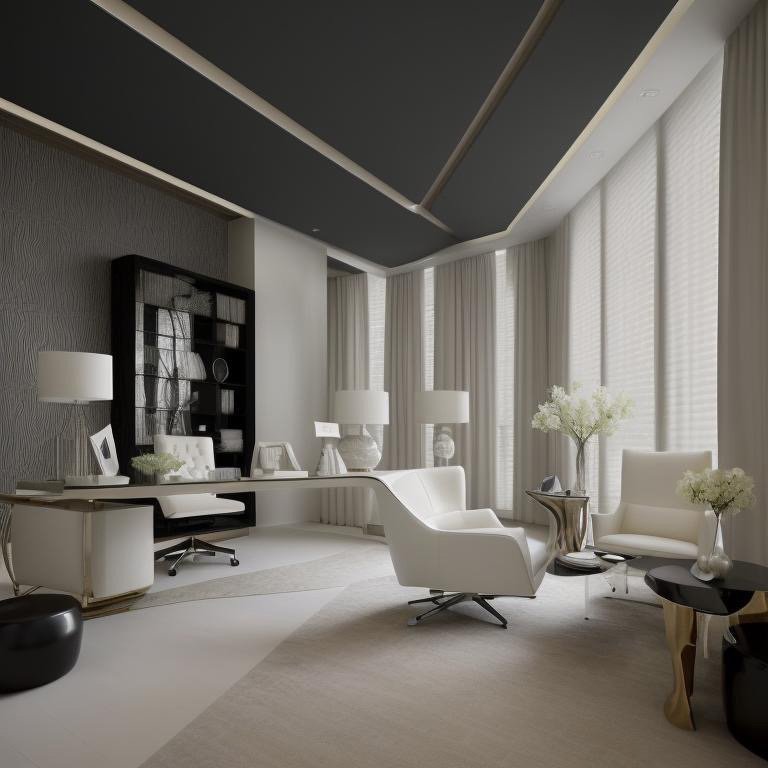
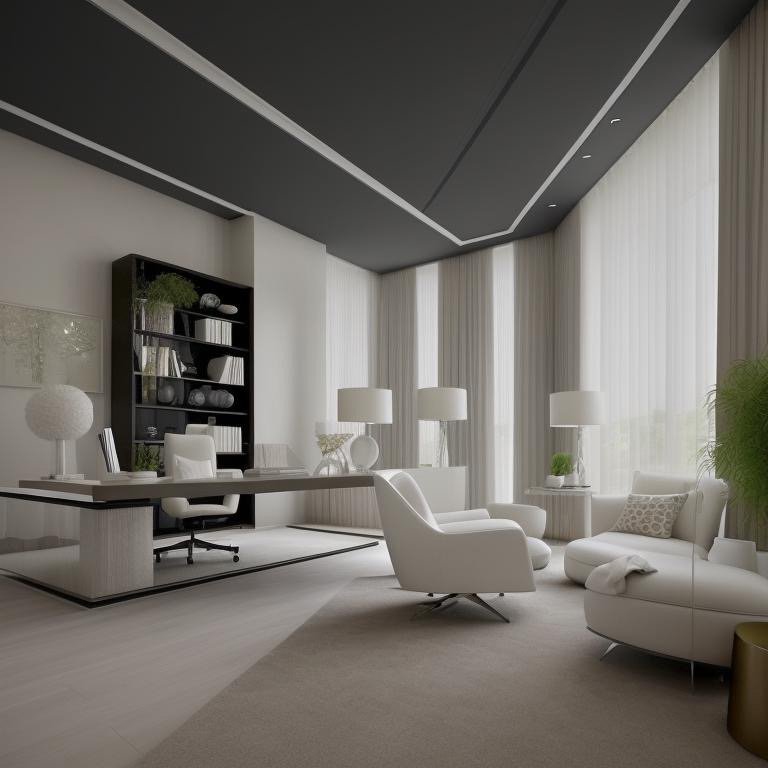
The fourth interpretation demands the greatest discipline. Chic Contemporary is not minimalism for its own sake—it is minimalism as intellectual rigor. The palette tightens ruthlessly: whites, soft greys, warm neutrals with no saturation. Every line is intentional. Every surface is calibrated. Nothing is casual. Nothing is accidental.
This is the most dangerous interpretation to deploy. Without rigor, it becomes cold. Without intention, it becomes empty. But when executed with intelligence, it becomes pure. The office becomes a space where attention can focus entirely on the work, on conversation, on thinking. The architecture does not demand attention—it surrenders it.
A Chic Contemporary office is for organizations that have nothing to prove through their space. They prove themselves through their work. The office is a tool, not a declaration. Materials are refined but never precious. Proportions are exact but never theatrical. The space communicates trust, stability, and intellectual seriousness through what it does not do, not through what it does.
The teams that thrive in Chic Contemporary spaces tend to be those for whom the work speaks louder than the setting. Researchers. Technical specialists. Strategic thinkers. The space does not distract them with warmth or drama—it gets out of the way. Luxury, in this context, is not excess. It is precision as restraint.
One Space, Multiple Futures
The profound insight is that a single office—with no structural change, no capital outlay, no renegotiation of lease terms—can hold four entirely distinct futures. Each interpretation is valid. Each serves different psychological, cultural, and organizational needs. The question is no longer “what office do we have?” but “what office do we want to become?”
Cinematic Intelligence makes this question answerable not through speculation or imagination, but through fidelity. You do not imagine a brutalist office. You experience it. You do not hope a chalet interpretation might resonate with your team. You know it does, because you have seen it rendered with absolute precision. You do not wonder if chic contemporary might feel too cold. You see it and understand.
The revolution is not in the renders. It is in the power they distribute. The authority to shape your office culture no longer rests exclusively with the licensed architect or the real estate team. It rests with you—with your clarity about what kind of thinking you want to cultivate, what signal you want to send, what future you want to inhabit. Cinematic Intelligence is simply the tool that makes that clarity actionable, that translates intention into experience, that protects you from committing capital or culture to a future you have not thoroughly understood.
One office. Four aesthetic and psychological registers. Zero architectural compromise. That is the proposition. And what it reveals is something deeper: that great architecture is not about what you build, but about what you choose to become within the space you already occupy.
Leave a Reply