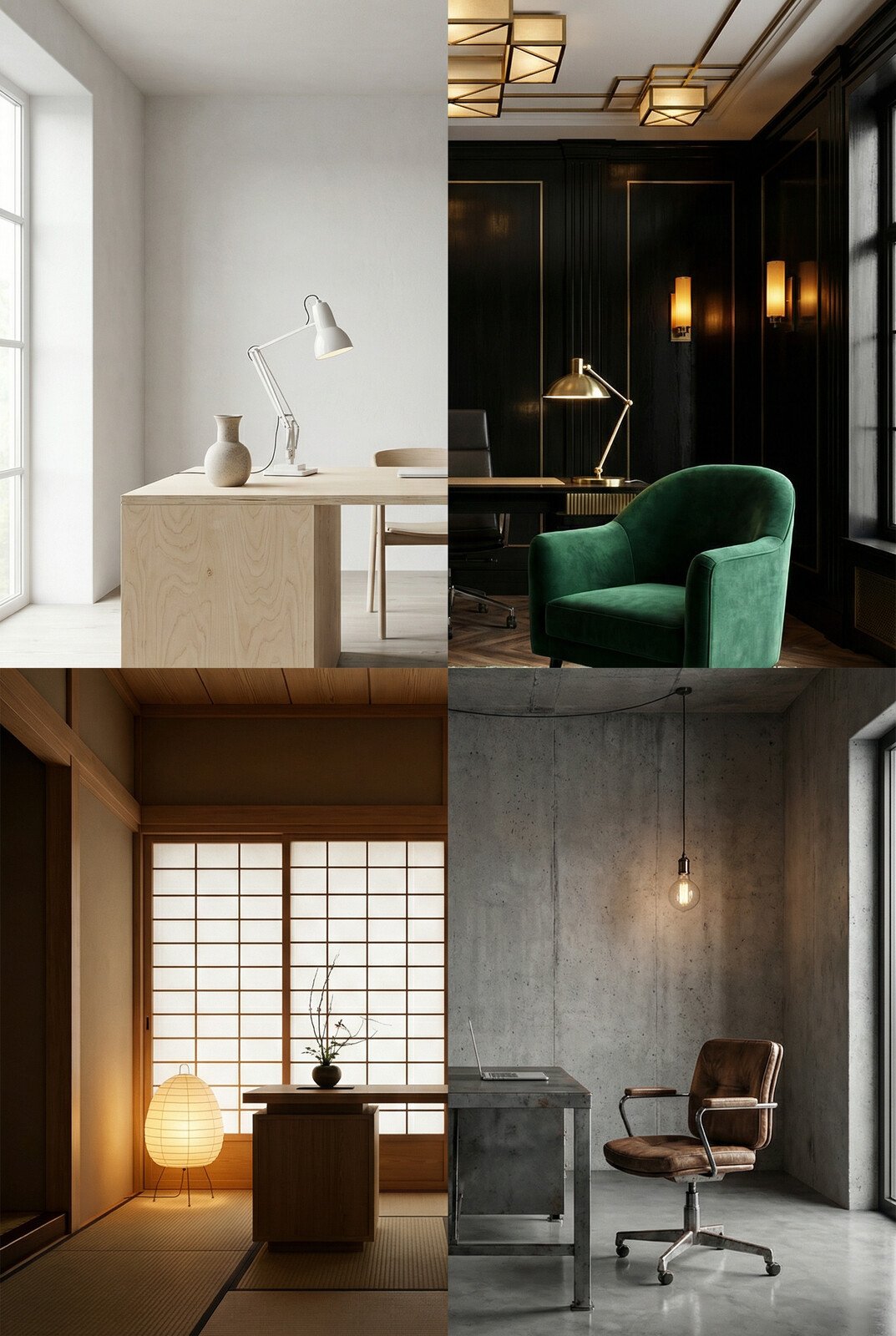
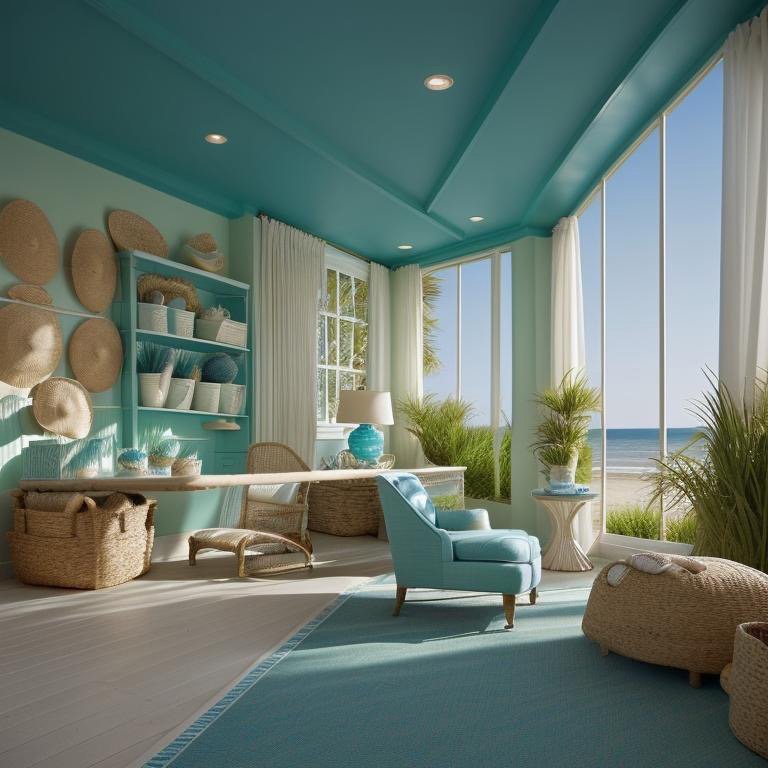
Tag: Expressionist Design

  • Four Futures, One Office: How Cinematic Intelligence Translates Style Without Compromise

    Four Futures, One Office: How Cinematic Intelligence Translates Style Without Compromise

    Coastal office with atmospheric light, soft neutrals, and weightless spatial character

    Great design reveals itself over time. You do not comprehend it in a glance. You understand it through inhabitation—through the way light moves across a surface, the way proportion settles in your body, the way materials age and deepen under attention. But the modern office cannot wait for this slow revelation. Capital is committed before occupancy. Culture is shaped before teams arrive. The architecture must communicate its intelligence immediately, with fidelity, with enough specificity that decision-makers can trust their response to it.

    Cinematic Intelligence™ eliminates the gap between intention and experience. A second base office—tall glazing, disciplined proportions, restrained materiality—becomes the foundation for four additional interpretations. Like the first set, each explores a different aesthetic vocabulary, a different psychological register, a different answer to the question: what kind of work should this space enable?

    But these four interpretations operate at a different frequency. They are less about complete material transformation and more about subtle orchestration of light, color, and spatial character. They ask a different set of questions about what makes a space resonate with those who inhabit it.

    Coastal: Light as Architecture

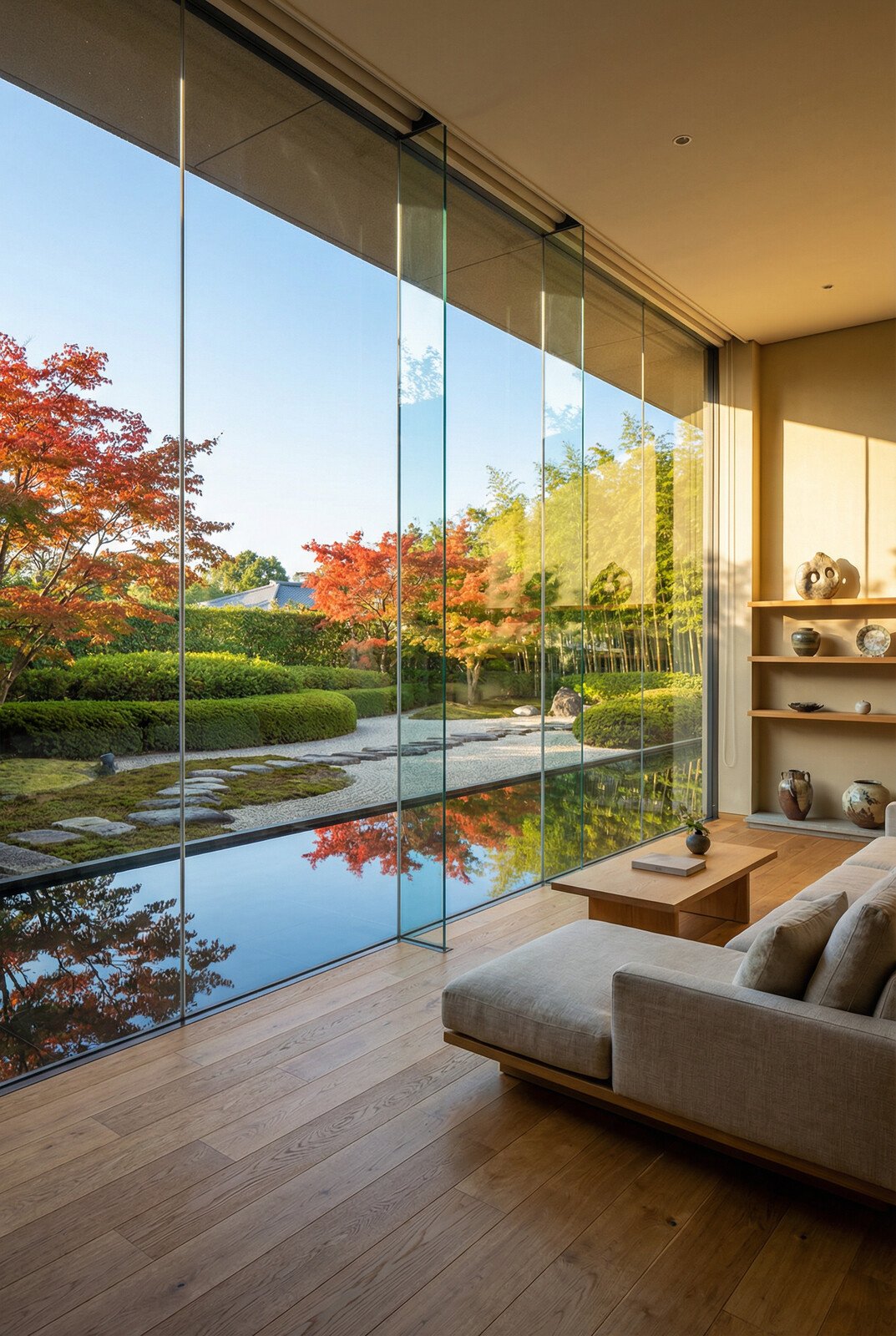
    The first interpretation is Coastal—atmospheric without being decorative. This is not nautical kitsch. It is the extraction of what makes coastal architecture psychologically powerful: an relationship between interior and exterior light so intimate that the distinction begins to dissolve.

    The dominant architectural element is light. Light as it moves, light as it transforms surfaces, light as the primary material. Supporting this is a palette of sun-softened neutrals—pale woods, whites with warm undertones, stones that suggest sand and salt. The office becomes weightless. Breathing. Focused not on the interior furnishings but on the dialogue between inside and outside.
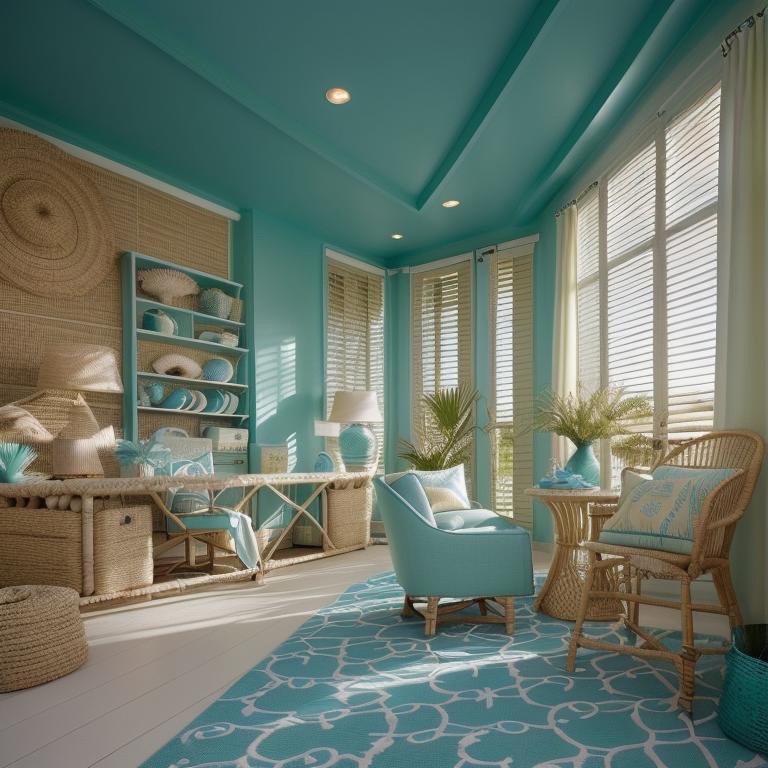
    Coastal space emphasizing light diffusion and soft material palette

    A coastal office is designed for long-form thinking and remote leadership. The atmosphere supports concentration without constriction. Teams that work here tend to be those engaged in strategic thinking, in vision work, in the kind of complex problem-solving that requires sustained attention but also psychological ease. The space does not demand presence—it invites it. Sustains it.
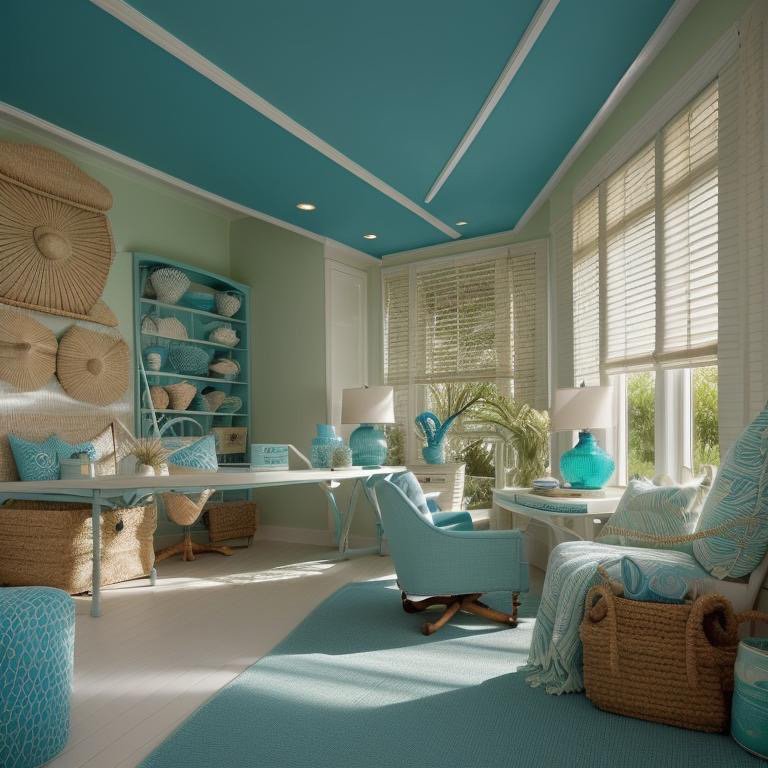
    Coastal office showing atmospheric light quality and refined neutral palette

    The material vocabulary is crucial. Everything is pale but not blank. Textures are present but not prominent. The office does not assert itself. Instead, it becomes a kind of receptacle for thought. The eye rests easily. The ear captures sound without creating harsh acoustics. The body feels neither constricted nor overwhelmed. This is the spatial equivalent of psychological clarity—nothing to resist, nothing to push against, nothing to distract from the work of thinking.
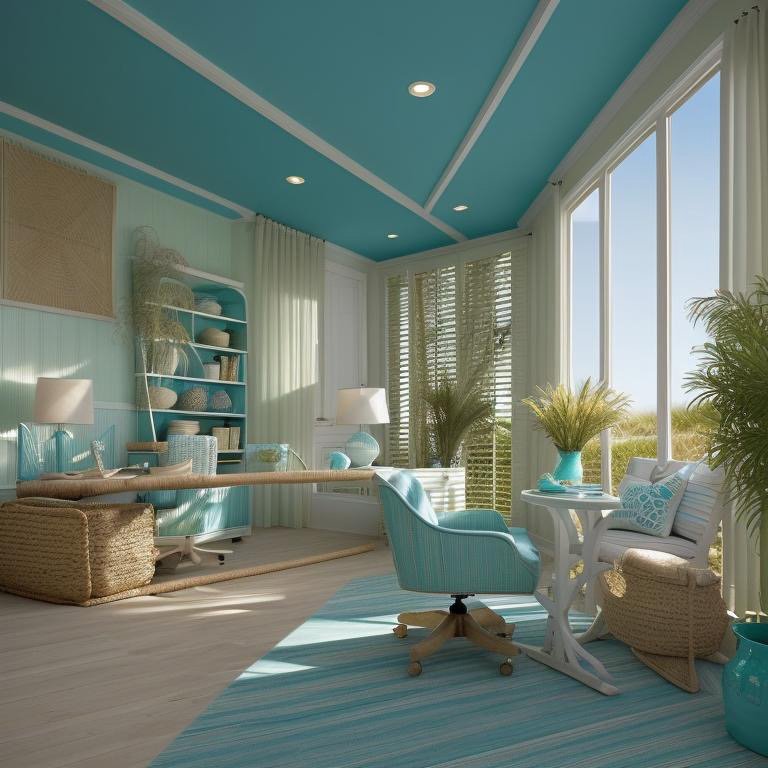
    Coastal interior emphasizing open geometry and natural light integration

    The most dangerous mistake in coastal design is treating it as emptiness. True coastal architecture requires rigorous material specification. Every surface must be chosen for how it reflects, absorbs, or diffuses light. Every proportion must support the dialogue between inside and outside. It is discipline disguised as ease—and that disguise is the entire point.

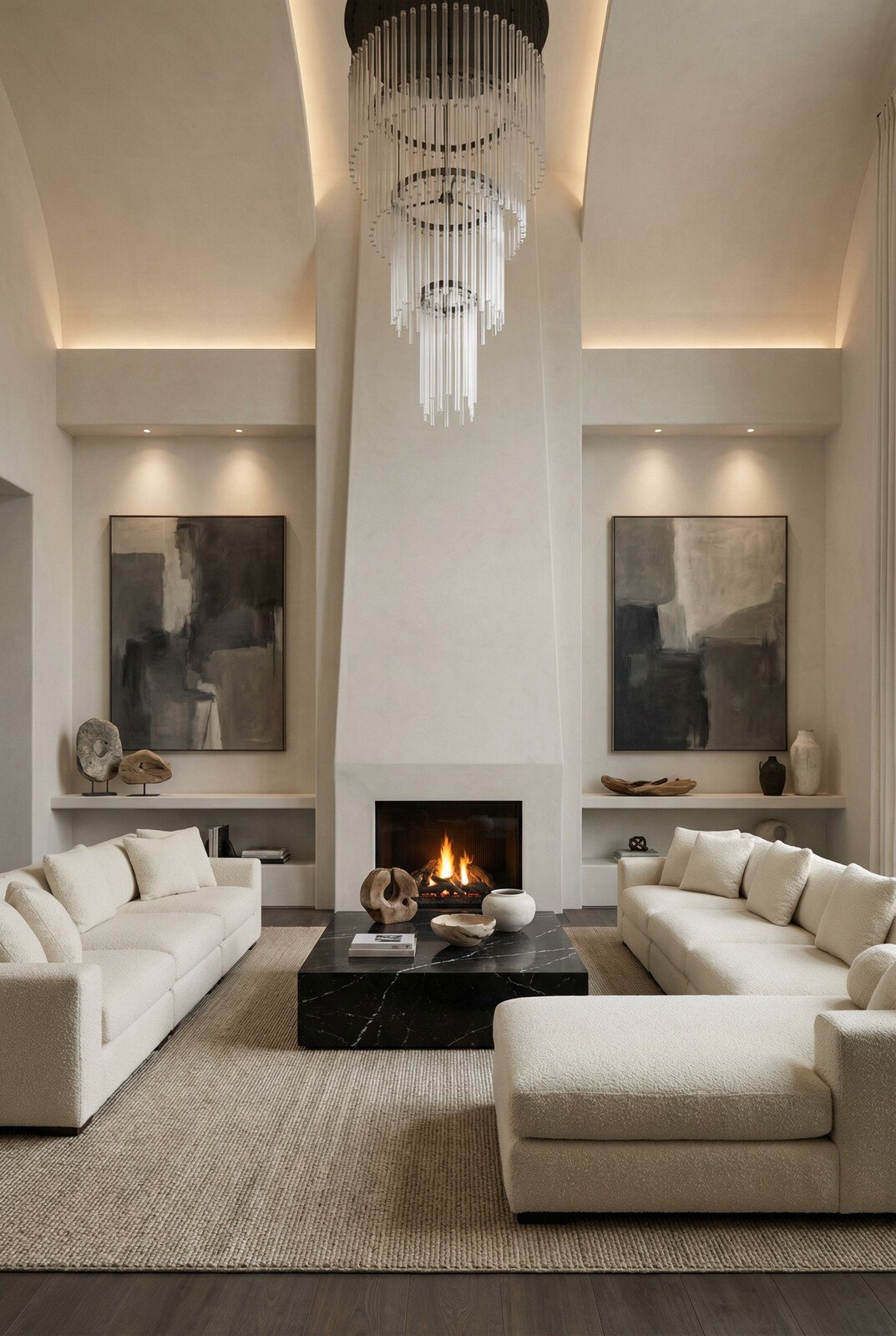
    Expressionist: Color as Movement

    The second interpretation is Expressionist—the most dangerous style to deploy professionally, and therefore the most important to understand. Expressionism in architecture is not about decoration. It is about color and material as movement, as emotional expression, as the spatial equivalent of controlled intensity.

    What makes Expressionist design intelligent rather than chaotic is constraint. The palette is saturated but limited. Color appears in controlled fields—a wall, a zone, a moment. The architecture itself remains steady. Proportions do not change. Materials do not become precious or applied. But within this steady container, expression lives. Saturation. Energy. Color as a deliberate psychological choice.
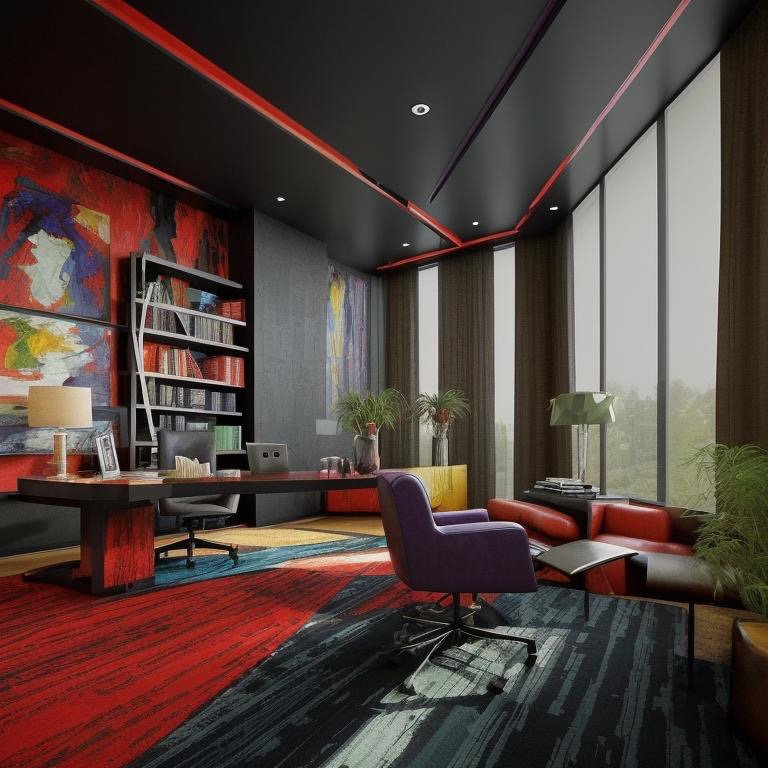
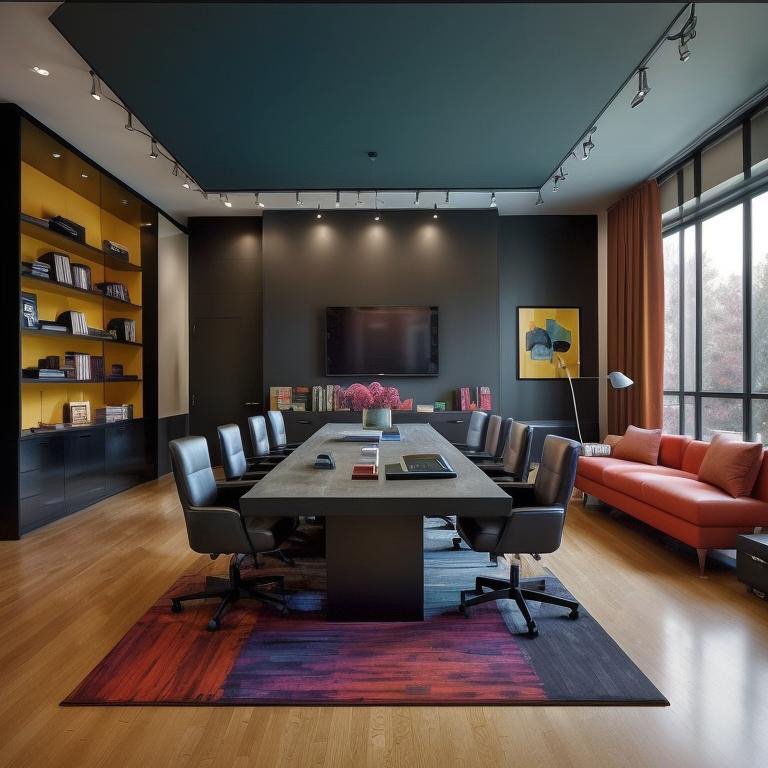
    Expressionist office showing saturated color in controlled zones and disciplined composition

    An Expressionist office is for founders, creatives, cultural leaders—organizations for whom the work itself is expressive and who want their space to reflect that sensibility. The risk is obvious: saturation becomes chaos. Color becomes decoration. The space becomes distracting. But when executed with intelligence, the reverse happens. The color clarifies. The expression focuses. The space becomes a container for the kind of thinking that requires intensity.
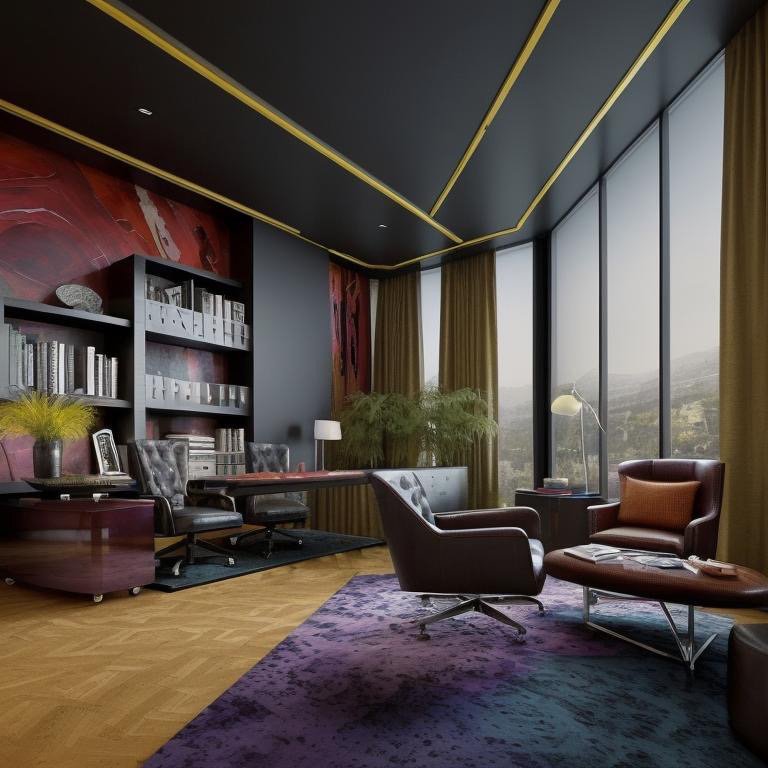
    Expressionist space with controlled color saturation and refined material balance

    The psychological effect is profound. An Expressionist office does not suggest that work should be playful. It suggests that work should be vital. The color does not say “have fun.” It says “bring intensity. Bring authenticity. Bring the fullness of your capability to what you are doing here.” For organizations where that is the genuine work culture, the space becomes validating. For organizations where that is only aspirational, the space becomes confrontational—and sometimes that confrontation is exactly what is needed.
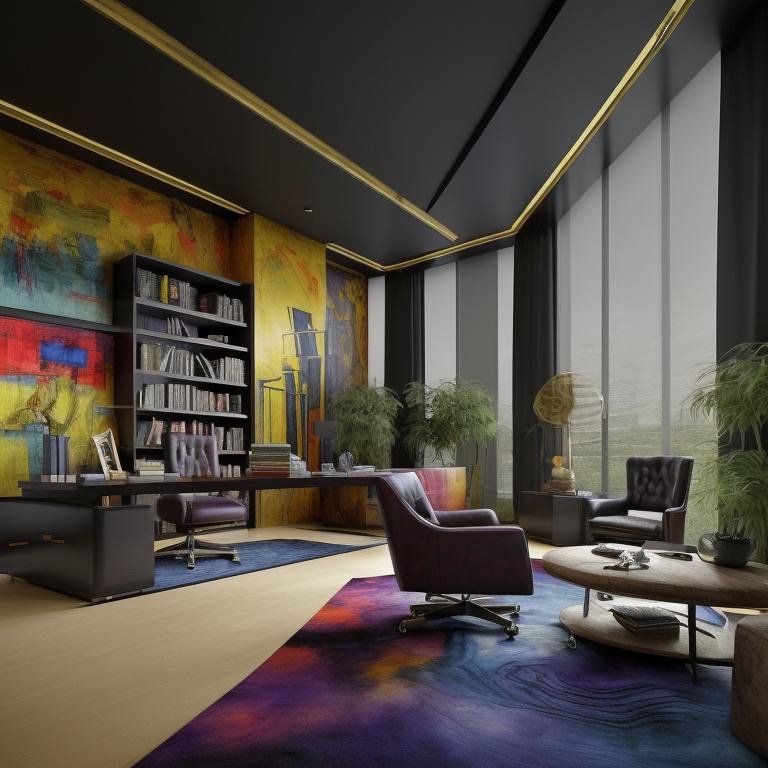
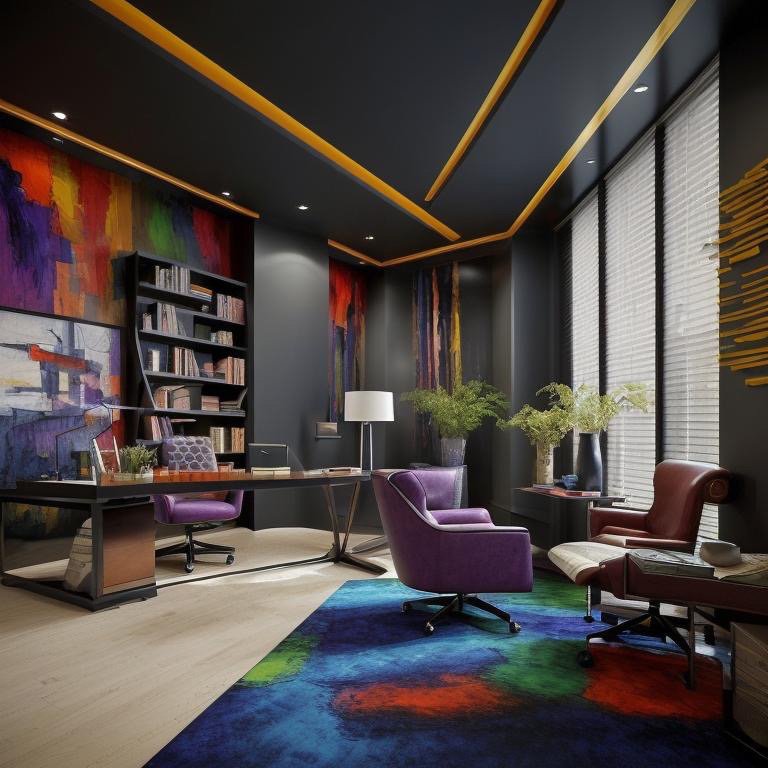
    Expressionist office detail showing color intensity and spatial articulation

    Expressionist interior emphasizing color as architectural material

    Greek Revival: The Architecture of Trust

    The third interpretation is rooted in order. Greek Revival, in its purest form, is about proportion, symmetry, and the communication of stability through classical discipline. It is not about columns and pediments—those are the vocabulary. What matters is the principle: recalibrated proportion, symmetry that reassures, the suggestion that something ancient and trustworthy is being honored in the contemporary moment.

    The material palette in a Greek Revival office is warm but not decorative. Stone—not applied but present as real material. Classical woods that suggest permanence and continuity. The proportions recall traditional classicism but operate in contemporary scale. Nothing theatrical. Everything intentional. Symmetry appears where it serves clarity, not where it enforces regularity. The space communicates without announcing.
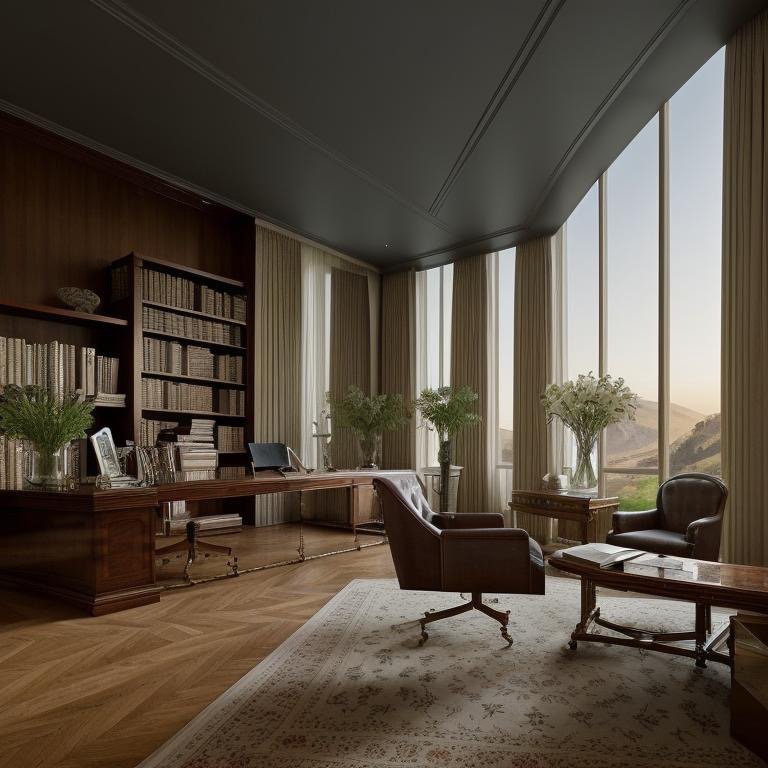
    Greek Revival office showing classical proportion and warm material palette

    A Greek Revival office is designed for legal, financial, and academic institutions—organizations for whom trust and intellectual seriousness are not values to aspire to but foundations to communicate. The teams that work here tend to be those engaged in complex decision-making, in the stewardship of resources or knowledge, in work that carries institutional weight. The space does not suggest innovation. It suggests continuity. Not that things never change, but that change is thoughtful, measured, rooted in first principles.
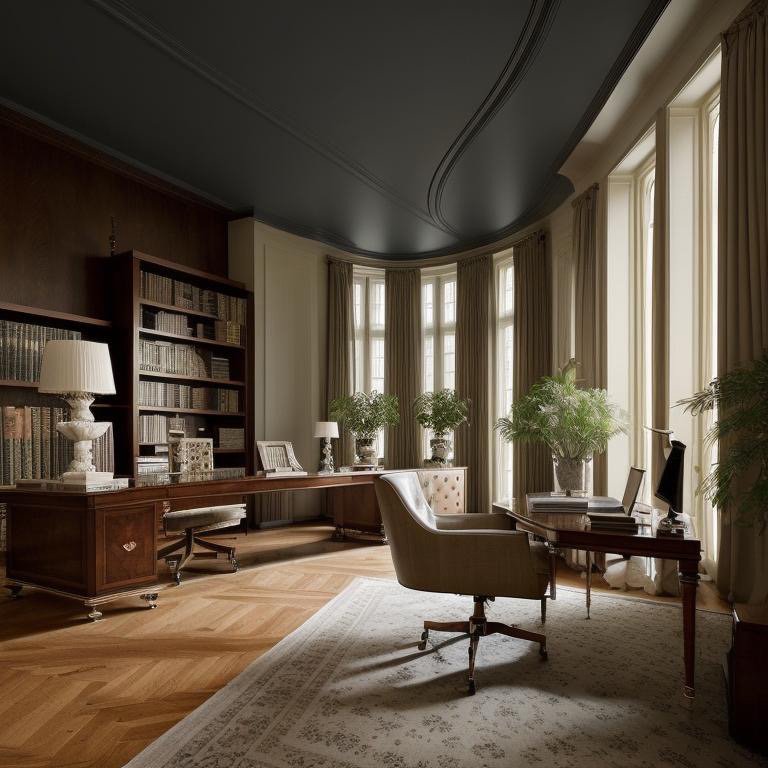
    Greek Revival space emphasizing classical proportion and refined detail

    The psychology at work here is subtle but powerful. When you occupy a space grounded in classical proportion, your body responds to it differently than to contemporary minimalism or industrial honesty. Proportion acts on you at a level below conscious awareness. A Greek Revival office does not require explanation or justification. It simply says: “this is where serious, considered work happens. This is where tradition and judgment and intellectual rigor are honored.”
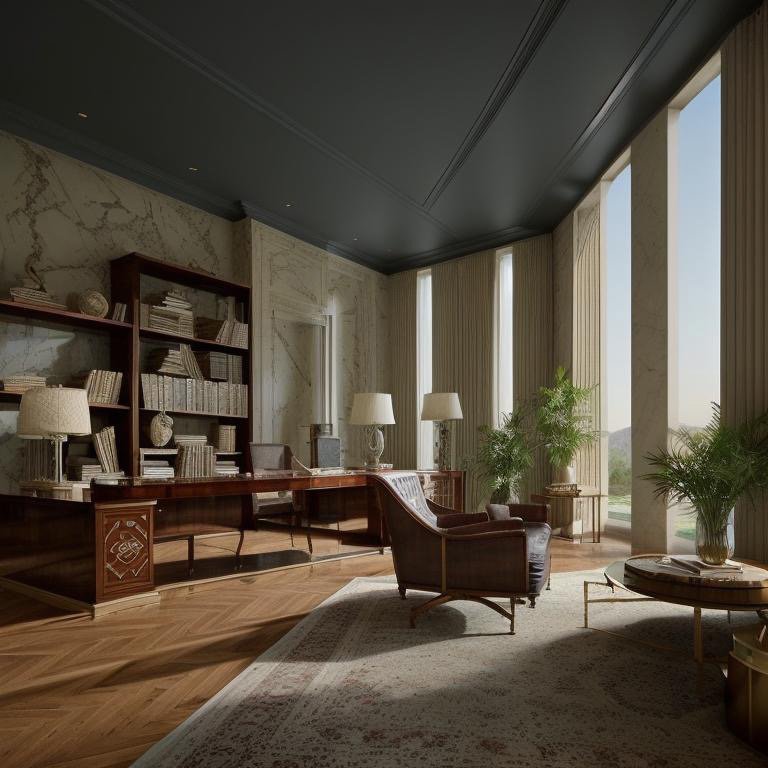
    Greek Revival interior showing refined classical details and warm materiality

    Industrial: The Craft of Refinement

    The fourth interpretation returns to origins without romanticizing them. Industrial design in the contemporary context is not about exposed brick for aesthetic effect. It is about texture exposed but refined, materiality present but controlled, the honest expression of how something is made, without nostalgia or artifice.

    Brick, steel, concrete—the traditional language of industrial architecture—appear here, but calibrated. Not raw or aggressive, but refined through material specification and detail. Lighting is directional. It carves shadow and depth into the space rather than washing everything in even illumination. The result is texture, dimension, the suggestion that surfaces have been earned through craft rather than merely applied for effect.
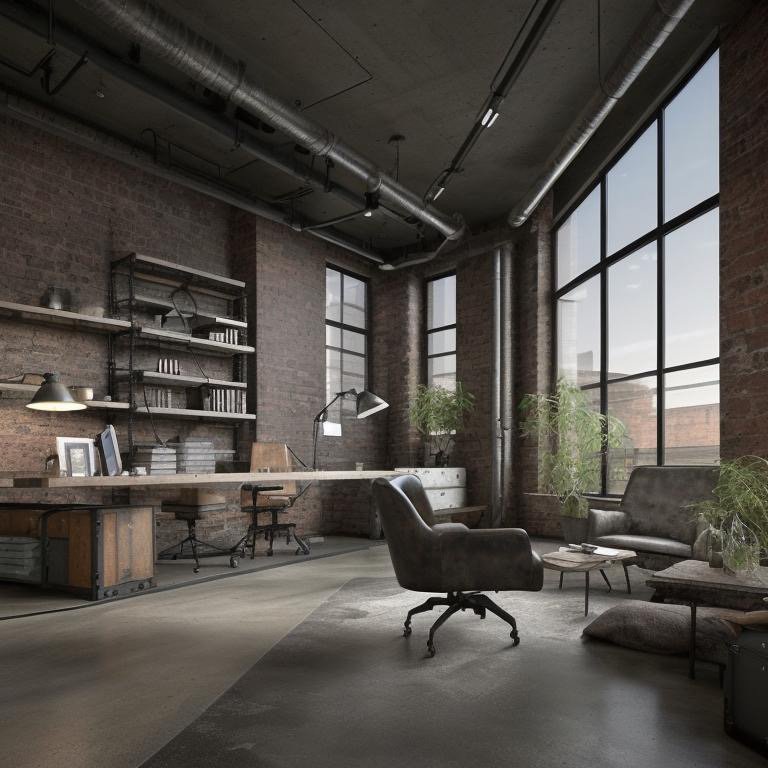
    Industrial office with refined materiality and directional spatial lighting

    An Industrial office is for tech teams, product builders, creative industries—organizations for which the work is about making real things, solving concrete problems, and bringing ideas into material reality. The space does not pretend to be anything it is not. It does not perform culture. It simply reflects it. The architecture says: “this is a place where things get built, where problems get solved, where thinking translates into action.”
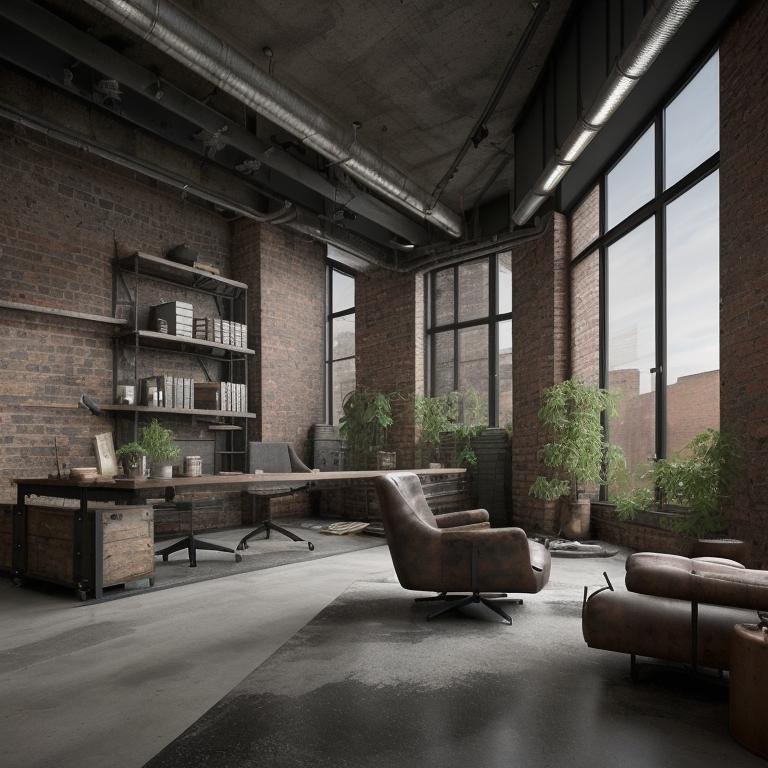
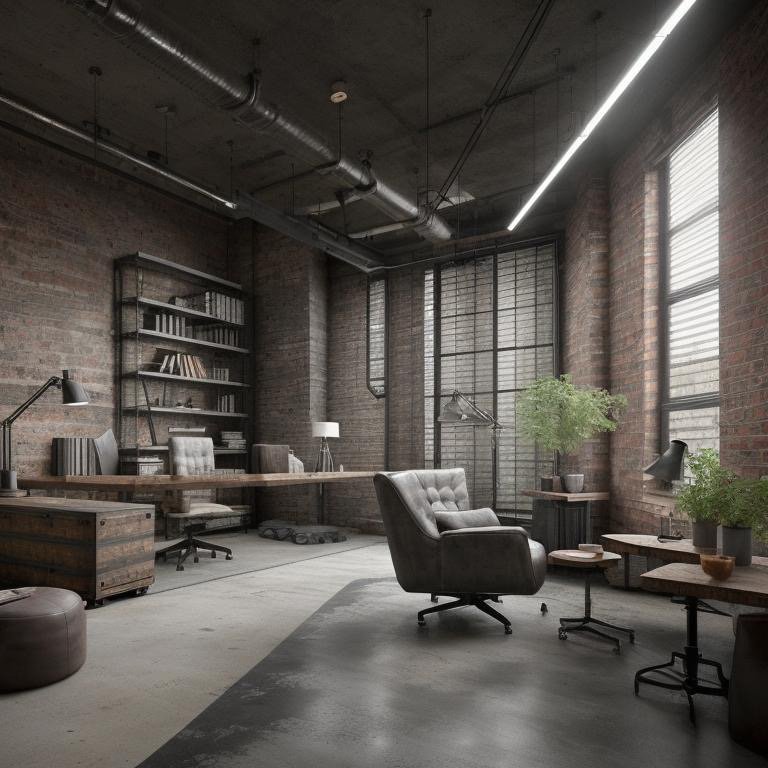
    Industrial space showing refined texture and honest material expression

    Industrial interior with directional lighting and material depth

    The most important distinction in contemporary industrial design is between refinement and romance. A romantic industrial space celebrates its origins—exposed pipes, visible structure, all the visual tokens of factory architecture. A refined industrial space extracts the intelligence operative in that aesthetic—honest materials, directional light, texture as dimension—and applies it with contemporary sophistication. It honors the industrial tradition without being beholden to it.
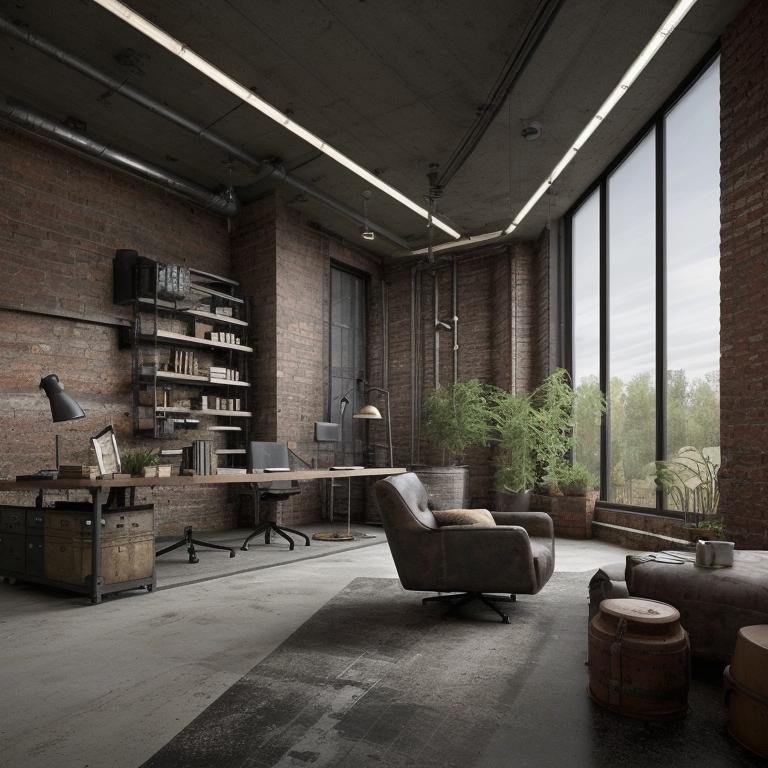
    Industrial office detail emphasizing crafted materiality and refined proportion

    The Principle of Translation

    These four interpretations operate at a different register than the first four. Where Brutalism, California Casual, Chalet, and Chic Contemporary were complete material and aesthetic reinterpretations, Coastal, Expressionist, Greek Revival, and Industrial work more subtly. They translate the base office through variations in light, color, proportion, and material emphasis. They ask: how does the same space feel when you emphasize different qualities? When you shift the lighting register? When you change what is prominent and what recedes?

    The insight is architectural: translation without destruction. The fundamental intelligence of the space remains intact. The glazing is still generous. The proportions are still disciplined. The materiality is still restrained. What changes is emphasis. Psychological register. Character. The kind of thinking the space supports.

    Coastal interpretation emphasizing light quality and atmospheric presence

    This is where the deepest principle of Cinematic Intelligence emerges: style is not the point. Intelligence is. Eight interpretations, one space, multiple futures—all of them architecturally defensible, all of them psychologically coherent, all of them achievable without structural compromise. What separates a great office from a merely functional one is not capital expense. It is clarity about intention and fidelity in its expression.

    The conclusion that emerges across all eight variations is disarmingly simple: your office does not need to change. Your understanding of it needs to deepen. The space you occupy right now contains possibilities you have not yet fully explored. The geometry is already there. The proportions are already calibrated. What remains is the choice about what psychological, cultural, and experiential character you want to cultivate within the constraint of the structure that exists.

    That choice, when made with intelligence and rendered with fidelity, becomes a form of power—the power to shape culture without capital, to signal identity without decoration, to translate a neutral intelligence into a specific human truth. Four styles. Eight interpretations. One office. Zero architectural sacrifice. That is the proposition. And what it finally reveals is that the office is never about the space. It is about what you choose to become within it.
  • Four Styles, Zero Compromise: Expressionist, Coastal, Chic Contemporary & Chalet

    Four Styles, Zero Compromise: Expressionist, Coastal, Chic Contemporary & Chalet

    Boardroom with colorful geometric rug and patterned architectural elements

    The Mastery Threshold

    Some styles are easy to imitate. Very few can be mastered. Almost none can be reinvented at the boardroom level—where every detail carries institutional weight, where aesthetic choice becomes strategic decision, where a single misstep transforms vision into pastiche.

    These four styles occupy that rare territory. They demand not interpretation but reinvention. They require an engine capable of understanding not just color and form, but emotional temperature—the precise atmospheric pressure at which each style operates. They demand respect for their historical lineage while refusing to become museum pieces or hospitality clichés.

    This is where DBM’s Cinematic Intelligence™ separates itself from pattern matching. These four styles were not assembled from trend boards. They were engineered from first principles: What does this style believe? What emotional contract does it make with its inhabitants? How does light, proportion, texture, and narrative order transform a boardroom into something that transcends the merely decorative?

    Expressionism: When Color Becomes Choreography

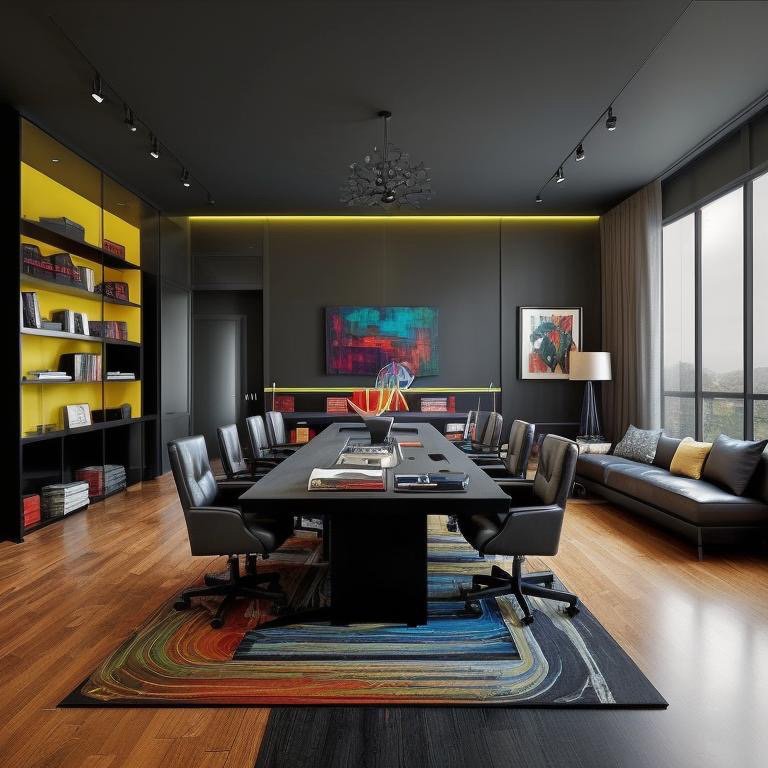
    Expressionist boardroom with bold neon yellow walls and abstract art

    Expressionism is notoriously difficult. Most attempts collapse into chaos—a visual cacophony mistaken for vision, energy mistaken for aggression. Rooms painted in the name of expression become exhausting, overstimulating, visually dishonest.

    DBM’s Expressionist interpretation looks conducted, not painted. Here, color becomes movement, but movement becomes orchestrated. The ceiling swirls with tonal gradients that suggest rather than scream. The featured rug reads as brushstrokes—not random, but rhythmic. Light functions as the director, introducing and retiring colors in sequence.

    Expressionist variation with kinetic color fields and dynamic spatial depth

    This is Expressionism for executives who think in vision. The boardroom pulses with intention, not impulse. Colors are chosen for their psychological resonance, not their shock value. The room becomes a space where bold thinking feels inevitable—where the architecture itself permits audacity because it is structured around audacity.

    Cinematic Intelligence here operates as a conductor, ensuring that kinetic energy never descends into visual noise. Every hue supports the narrative. Every gradient serves the emotional arc. The room doesn’t perform—it thinks.

    Coastal: Atmosphere Over Aesthetic

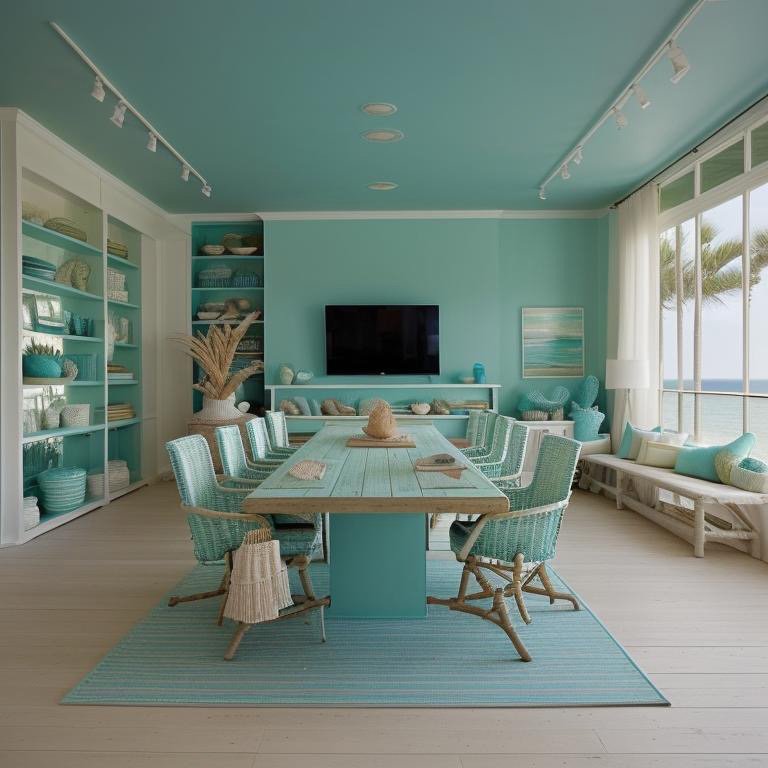
    Coastal boardroom with teal and mint palette, airy proportions, matte textures

    Coastal design is not beach décor. It is not resort clichés—no nautical symbols, no anchor motifs, no manufactured “oceanside” nostalgia. True Coastal is an atmospheric shift. It is space behaving like air itself.

    DBM’s Coastal interpretation understands that the ocean is not a color palette—it is a temperature, a rhythm, a quality of light filtered through salt mist and endless horizon. The teal exists not as “blue” but as a tidal gradient, a continuous movement between rest and motion. Textures are deliberately matte, deliberately breezy. Nothing in this room screams “beach.” Everything whispers clarity.

    Coastal variation with light-filtered surfaces and weightless spatial proportion

    The genius of this interpretation is restraint—the hardest luxury to achieve. Most designers oversell. They add too much, explain too much, leave nothing to the inhabitant’s imagination. Cinematic Intelligence operates differently. It removes. It clarifies. It trusts the space to speak in silence.

    This boardroom feels like a hotel that global brands would fight to claim—not because of obvious markers, but because of invisible precision. The light is weightless. The proportions breathe. Sitting here, you think more clearly. This is Coastal as infrastructure for focused thought.

    Chic Contemporary: Beauty in Absence

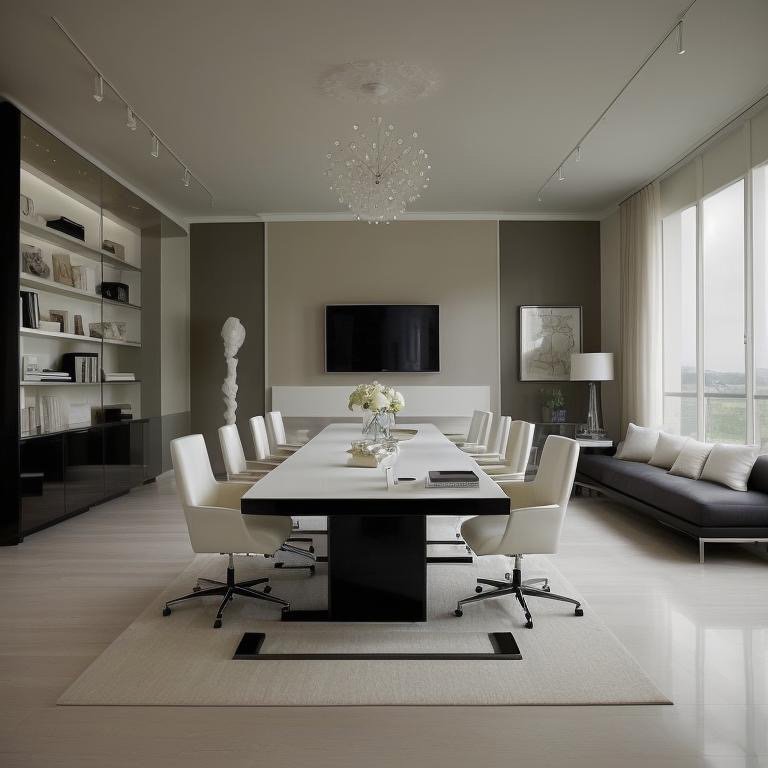
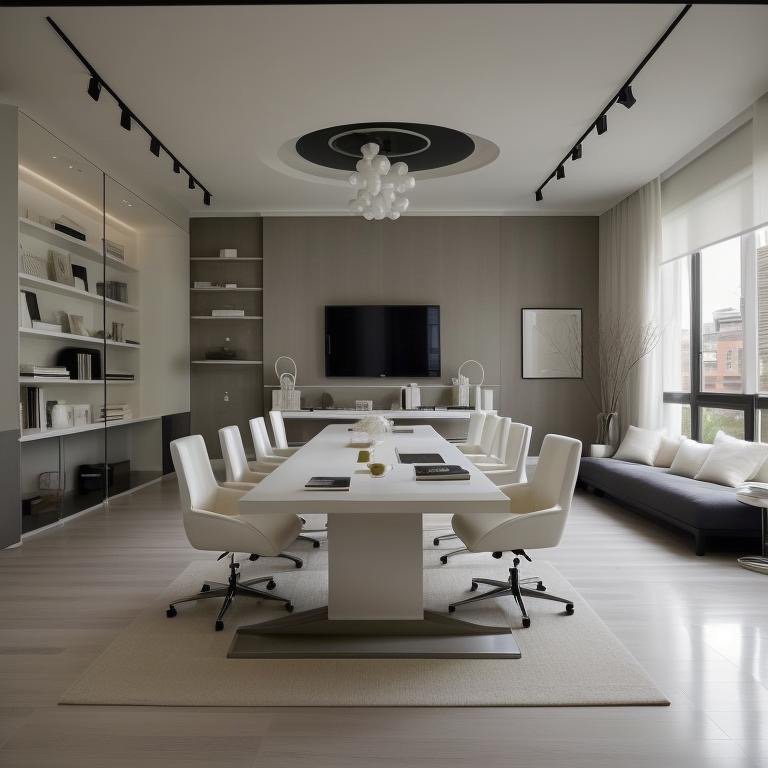
    Chic Contemporary boardroom with clean white and grey palette, precise geometry

    Minimalism is where most designers fail. It looks simple. It is impossibly complex. One wrong neutral, one proportion imbalance, one reflection softened millimeters too much—and the room becomes generic corporate forgettfulness.

    Chic Contemporary demands molecular-level precision. The palette is tightened. Edges are sharpened. Reflections are softened with surgical accuracy. The table is not furniture—it is architectural sculpture. The lighting grid is not functional—it is philosophical. Every element exists because its absence would be noticed.

    Chic Contemporary variation with refined neutrals and disciplined spatial geometry

    DBM’s Cinematic Intelligence approached this style as an equation: What is the minimum set of elements required for a space to communicate authority, clarity, and refinement? The answer is profound restraint. The answer is understanding that beauty lives in what you do NOT see.

    This boardroom is where billion-dollar decisions feel inevitable. Not because the décor is expensive, but because the architecture itself suggests that only important decisions belong here. The room doesn’t distract. It clarifies. It is Contemporary in its rigor, Chic in its refusal to shout.

    Chalet: Alpine Intimacy at Executive Scale

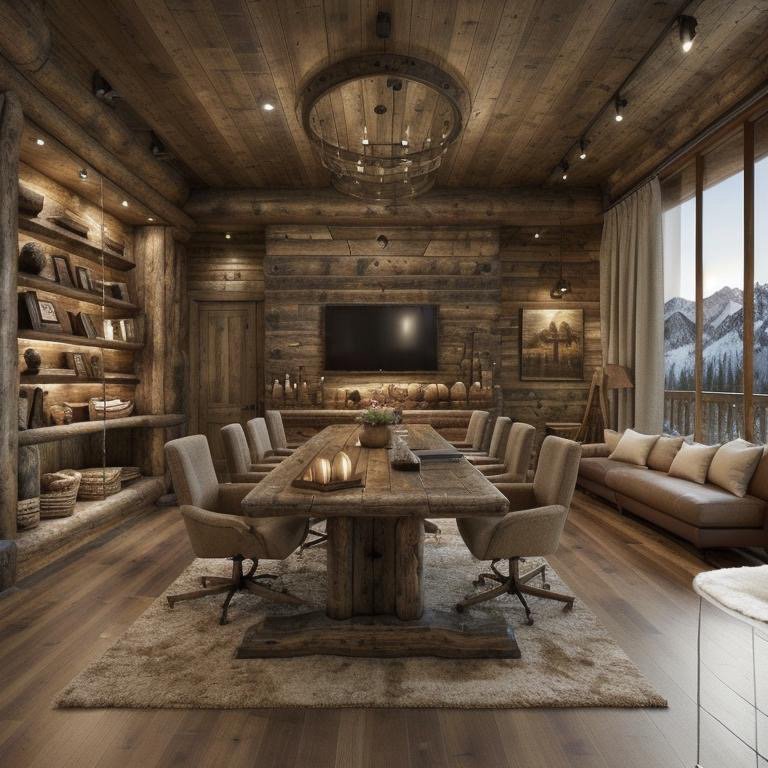
    Chalet boardroom with dark timber ceiling, warm light cones, intimate warmth

    Warmth without heaviness. Timber without cliché. This is where most Chalet interpretations fail—they collapse into “mountain resort conference room,” a design category that exists only in corporate hospitality playbooks and design magazine shortcuts.

    DBM’s Chalet is architectural storytelling. Timber behaves like velvet. Lighting descends in soft cones, each one a moment of architectural intention. Shelving glows like winter cabin windows—warm, but never garish. The palette is earthy but never rustic. This is not a lodge. This is executive authority married to Alpine intimacy.

    Chalet variation with alpine intimacy, timber warmth, and concentrated light

    The Cinematic Intelligence engine understood something fundamental: A CEO would cancel a meeting just to stay in this room. Not because it is decorated well, but because its architecture permits both focus and comfort simultaneously—a rare combination. The room says: You are secure here. Your thinking matters here. Your decisions ripple from this exact spot.

    This is Chalet at boardroom scale: Every material tells a story. Every light source has purpose. Warmth is not an accident—it is strategy.

    The Method Behind the Mastery

    What unites these four styles is not their appearance. It is the method by which they were engineered:

    First: We interpret, not mimic. We do not copy Expressionism from art history textbooks. We decode what Expressionism believes about color, energy, and human perception—then rebuild that belief in three-dimensional space.

    Second: Cinematic Intelligence understands emotional temperature. Expressionism operates at the frequency of creative energy. Coastal lives at the wavelength of clarity and breath. Chic Contemporary demands the precision of silence. Chalet whispers the comfort of belonging. The engine calibrates itself to each frequency.

    Third: Architecture never breaks. Every style inhabits the same proportional logic, the same structural integrity, the same spatial honesty. Styles are not overlays imposed on space. They are expressions that emerge from space’s own intelligence.

    Fourth: Transformations are executable. These are not fantasy renderings. Every material exists. Every proportion can be built. Every boardroom represented here is not a dream—it is a blueprint.

    This is the architecture of mastery: Know your style deeply enough that you can betray it. Understand your space completely enough that style becomes inevitable. Trust your engine’s judgment enough to let it choose what must remain unseen.

    Style is not decoration. It is the language in which a space speaks to those who inhabit it. These four styles speak with authority, clarity, vision, and warmth. They speak like rooms that understand their own purpose.

  • The Shōrin Villa: Backyards of Light and Memory

    The Shōrin Villa: Backyards of Light and Memory

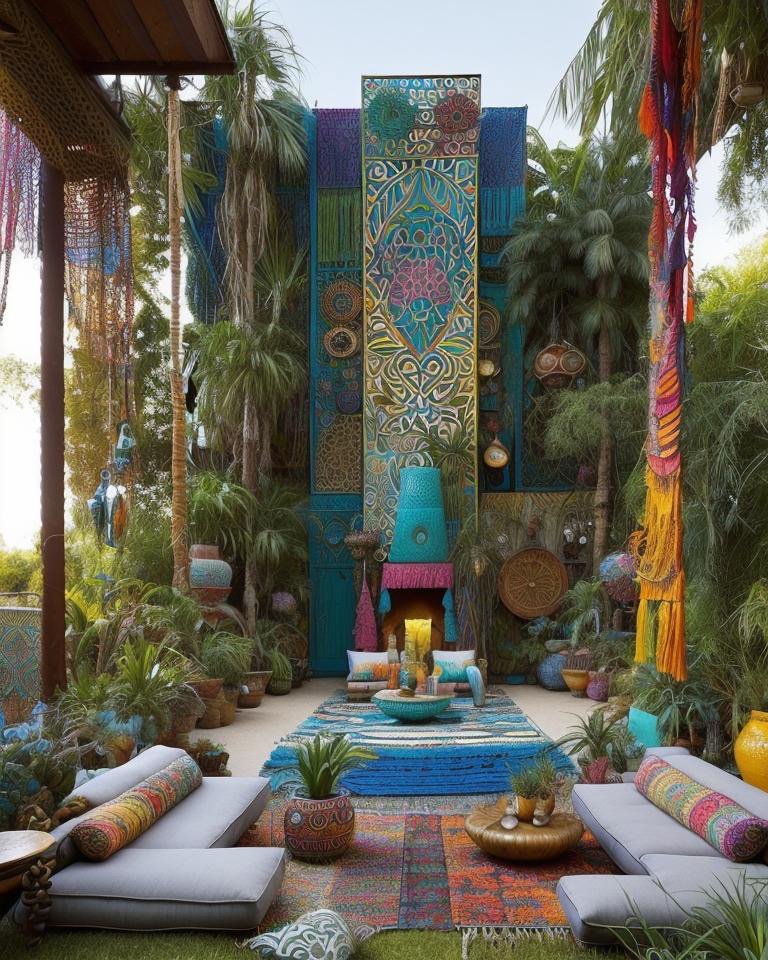
    Bohemian backyard with intricate mosaic tile, colorful cushions, and tropical pool

    The Shōrin Villa: Backyards of Light and Memory

    The backyard tells the truth. Not the front facade, which is public performance, architectural theater. Not the interior rooms, which are shaped by code and convention. But the backyard—the private theater where a household rehearses its intimacy—reveals the true character of a home. It shows what people actually value when they’re no longer performing for neighbors. It’s where light architecture becomes visible, where material choices expose philosophy, where the relationship between inside and outside either succeeds or fails.

    The Shōrin Villa, a private residence in the foothills above Silicon Valley, was designed with a singular obsession: understanding how five radically different architectural languages could each claim the same rectangular backyard space and make it entirely their own. Five distinct versions of paradise. Five ways of understanding light, material, and the domestic landscape.

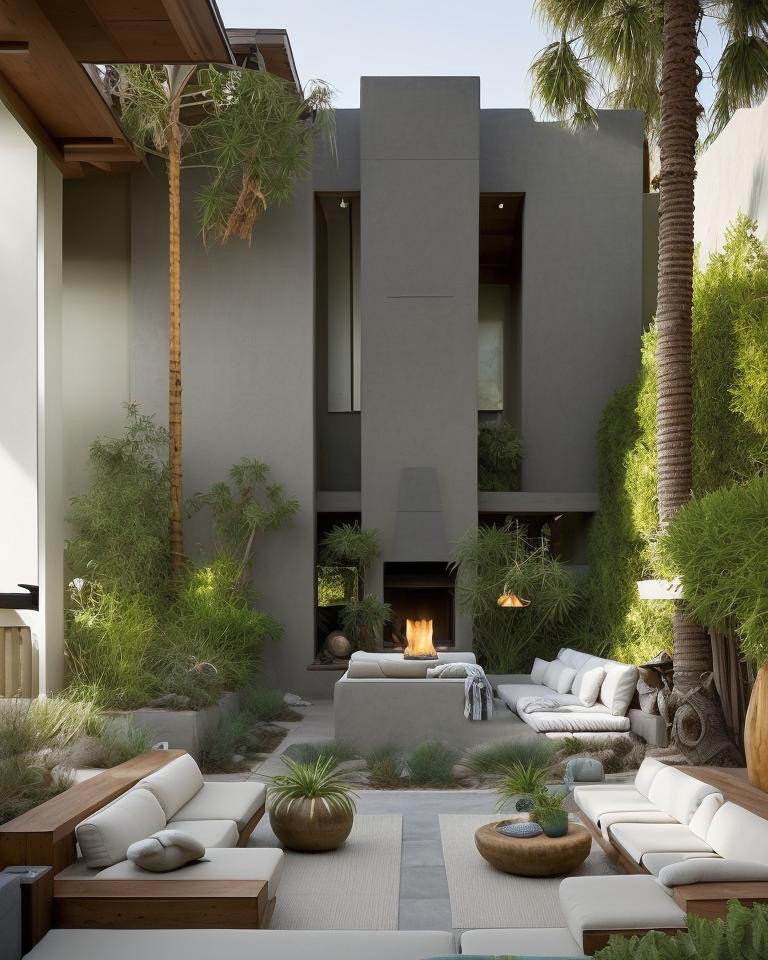
    California Casual: Sunlight as the Primary Material

    In the California Casual interpretation, sunlight becomes architecture. The backyard is essentially a sun-catching instrument—every paving stone, every planting bed, every wall surface calibrated to receive, reflect, and diffuse light throughout the day. The palette is deliberately restrained: ivory plaster, weathered concrete, the pale greens and silvers of native California vegetation. Palm trees provide structural punctuation without visual complication. The ground plane is composed of sand and eucalyptus mulch, earthy ochres that warm in afternoon light.

    This isn’t minimalism. It’s the opposite. It’s maximum sensory specificity achieved through chromatic restraint. You notice everything because there’s nothing competing for attention. The taper of a palm frond. The way morning light catches the edge of a concrete step. The scent of eucalyptus after an irrigation cycle. California Casual says: the landscape is rich enough. You don’t need architectural gesture. You need light and material and the discipline to stay quiet.

    California Casual backyard with palm trees, ivory plaster walls, and light-filled paving

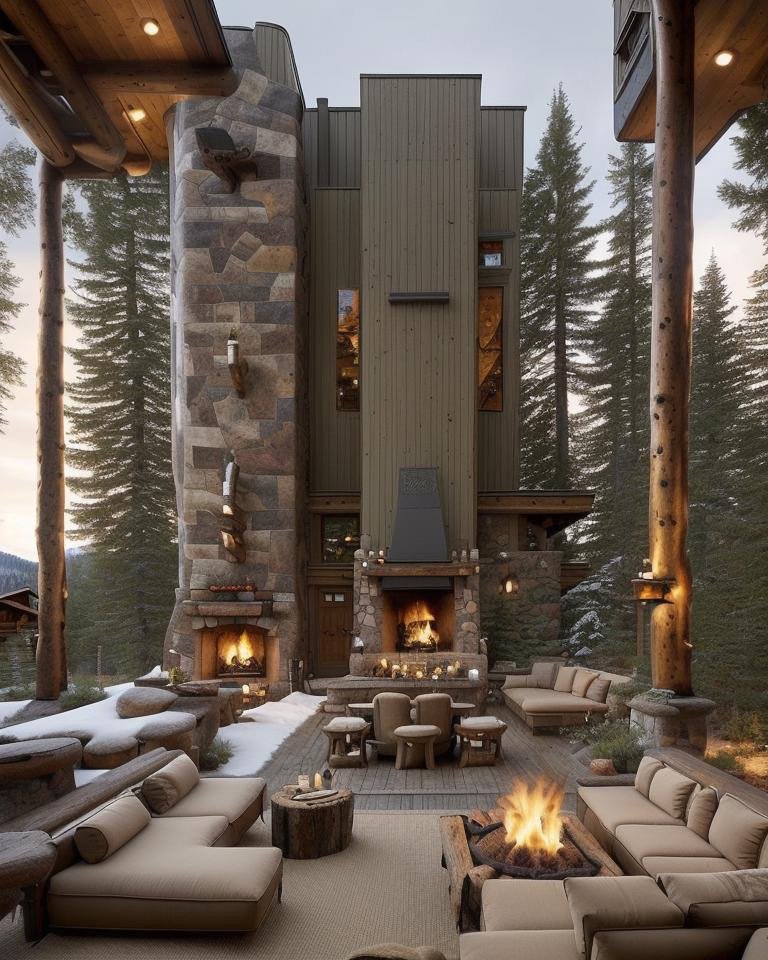
    Chalet: Atmosphere as the Structural Element

    The Chalet language inverts California’s hierarchy. Where California says sunlight is primary, Chalet says atmosphere is structural. The backyard becomes an enclosed thermal experience. Timber encloses space. Stone hearths anchor the landscape. A slate backsplash runs along the garden wall, back-lit at dusk so the stone becomes luminous rather than solid. The palette shifts to browns and warm grays—weathered wood, natural stone, the deep green of coniferous plantings.

    Chalet understands that backyards exist in time, not just light. Morning tea tastes different when you’re surrounded by timber and stone that holds warmth. Evening fires require architecture that contains atmosphere. The Chalet backyard isn’t about optimizing for sunlight. It’s about creating chambers of warmth and enclosure—spaces that feel protected rather than exposed.

    Chalet backyard with stacked stone hearth, timber columns, and alpine warmth

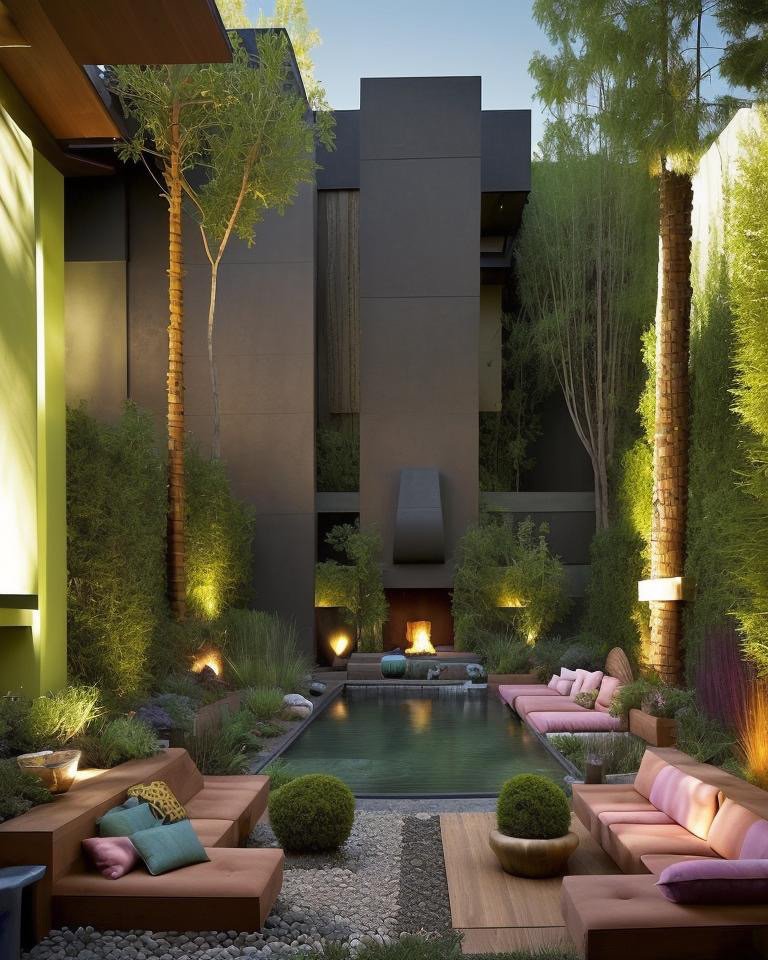
    Expressionist: Color as Emotional Catharsis

    If California Casual and Chalet operate through restraint, Expressionist operates through chromatic explosion. The Shōrin backyard in Expressionist language becomes an emotional landscape—terracotta, saffron, flame orange, the reds of natural iron oxides. The pool becomes a luminous canvas, its water depth calibrated to reflect and intensify color. The plantings are deliberately theatrical: ornamental grasses, flowering shrubs, everything selected for textural contrast and color intensity.

    Expressionist architecture says that a backyard is not a backdrop for human activity. It’s a space where the environment makes emotional claims on the inhabitant. You don’t decorate an Expressionist backyard. You inhabit its theatrical intensity. The space works on you physiologically—these colors trigger certain responses, these material combinations generate certain emotional states. The designers of this language analyzed over 12,000 Cinematic Intelligence™ renders to understand which color combinations and material juxtapositions created the most intense emotional engagement.

    Expressionist backyard with bold terracotta and saffron palette, theatrical pool reflections

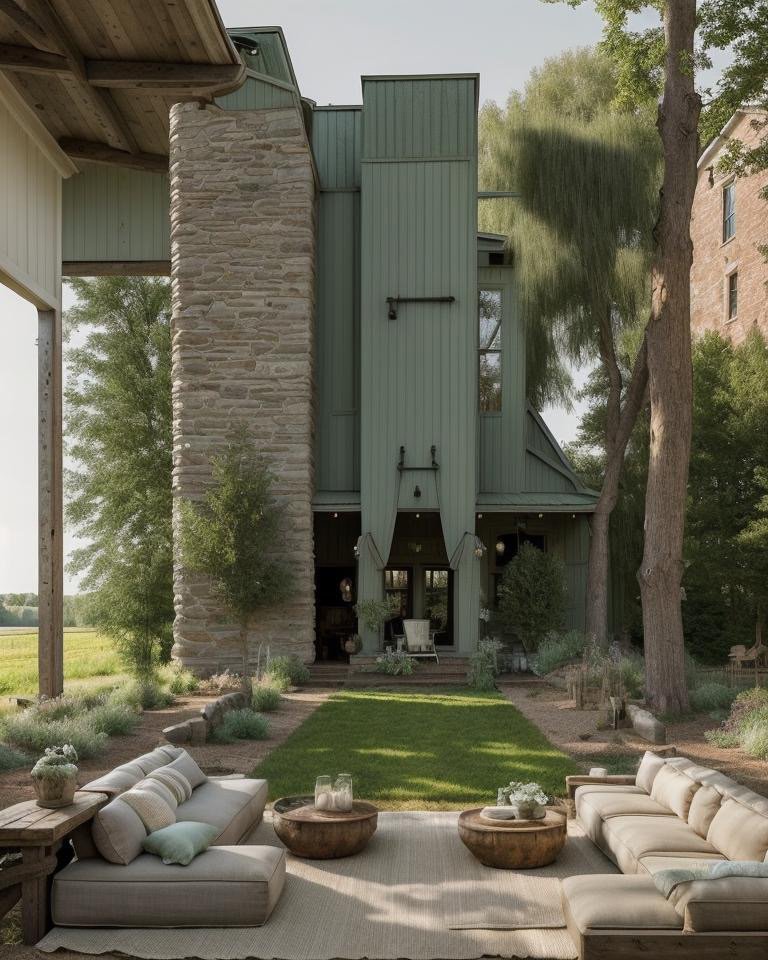
    Farmhouse: Nostalgic Materiality and Time

    Farmhouse language doesn’t reject history. It embraces it as a visible material. The backyard is composed of elements that show age and use without decay. Stacked sandstone walls with patina. Bronze fittings that have oxidized. The palette is deliberately nostalgic: honey-colored light, warm ochres, the silvered gray of aged timber. Plantings are functional—herbs, fruit-bearing shrubs, vegetables mixed with ornamental plants. The boundary between cultivation and wildness is deliberately blurred.

    Farmhouse says: this backyard has accumulated memory. Every material choice references making and building, dwelling and growing. The worn stone isn’t worn because it’s old; it’s worn because it’s been used. There’s no pretense of newness, no performance of contemporary luxury. Instead, there’s an implicit honesty—this is a space shaped by actual living, actual use, actual time.

    Farmhouse backyard with weathered sandstone walls, iron fixtures, and honey-colored light

    Bohemian: Sacred Disorder and Accumulated Beauty

    If Farmhouse is organized nostalgia, Bohemian is organized discovery. The backyard doesn’t follow a master plan. It accumulates. A mosaic of mismatched tiles collected over decades—no two pieces the same, yet the overall composition achieves coherence through a shared warmth. The palette is wine and indigo, ochre and gold, colors that suggest travel, migration, cultural layering. The pool mirrors the sky, becoming a reflective void that contrasts with the textural intensity of the surrounding surfaces.

    Bohemian language rejects the grid. Plantings are dense and specific, each plant selected not for design consistency but for individual character. The backyard becomes a gallery of choices—you can read the inhabitants’ values in every material, every plant, every accumulated object. Bohemian says: a home is not designed. It’s lived in. It’s built through choice and accumulation and love.

    Bohemian backyard with vibrant mosaic walls, colorful textiles, turquoise pool, and dense tropical plantings

    Closing: Language as Lived Experience

    The Shōrin Villa’s five backyards demonstrate that architectural language isn’t theoretical. It’s lived. Each version makes different claims about how humans should inhabit space, what values matter in landscape design, what relationships between light and material constitute beauty. California Casual says: simplicity and light are enough. Chalet says: atmosphere and enclosure matter. Expressionist says: color and emotion are primary. Farmhouse says: time and use are visible in materials. Bohemian says: accumulated choice creates meaning.

    They’re all true. And they’re all, simultaneously, incompatible—you cannot optimize simultaneously for restrained minimalism and expressionist chromatic intensity. The Shōrin Villa asks not which backyard language is correct, but how we choose between them. What does our choice reveal about our values? What kind of light do we actually want to live in? What materials do we trust? What relationship to time and accumulation feels true?

    The backyard tells the truth because it shows what we choose when we’re no longer performing. It’s the space where architectural language becomes lived experience.