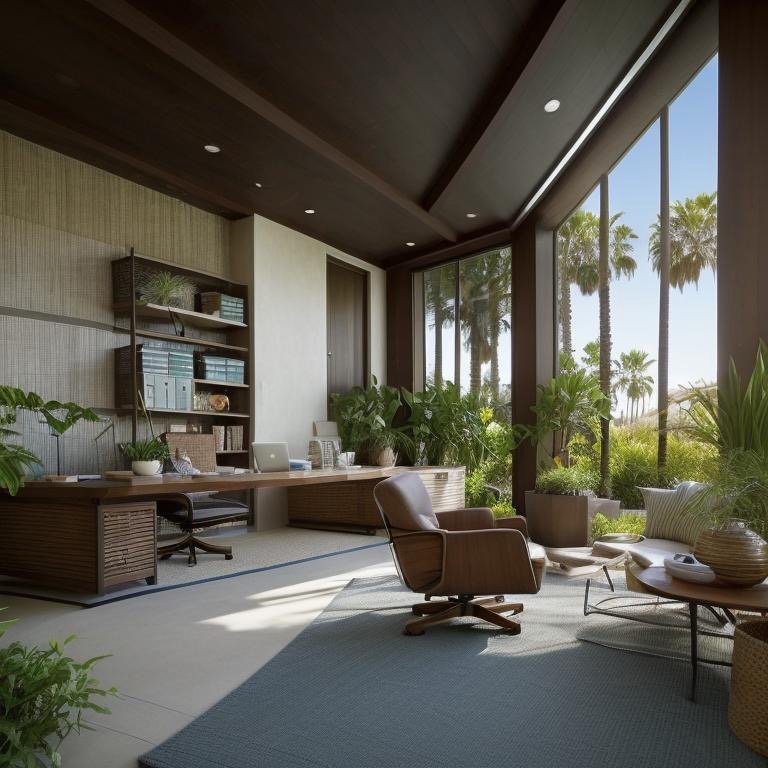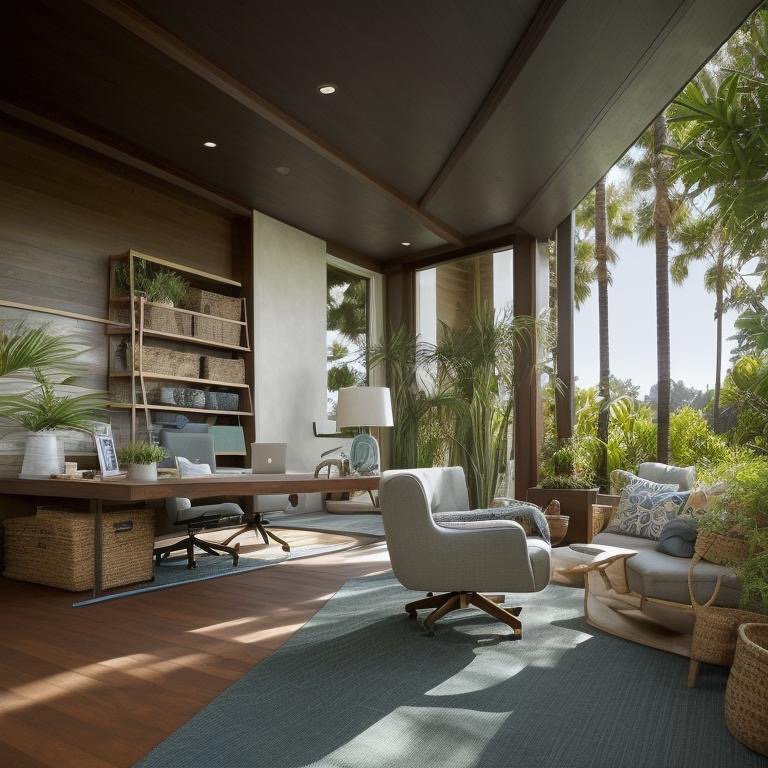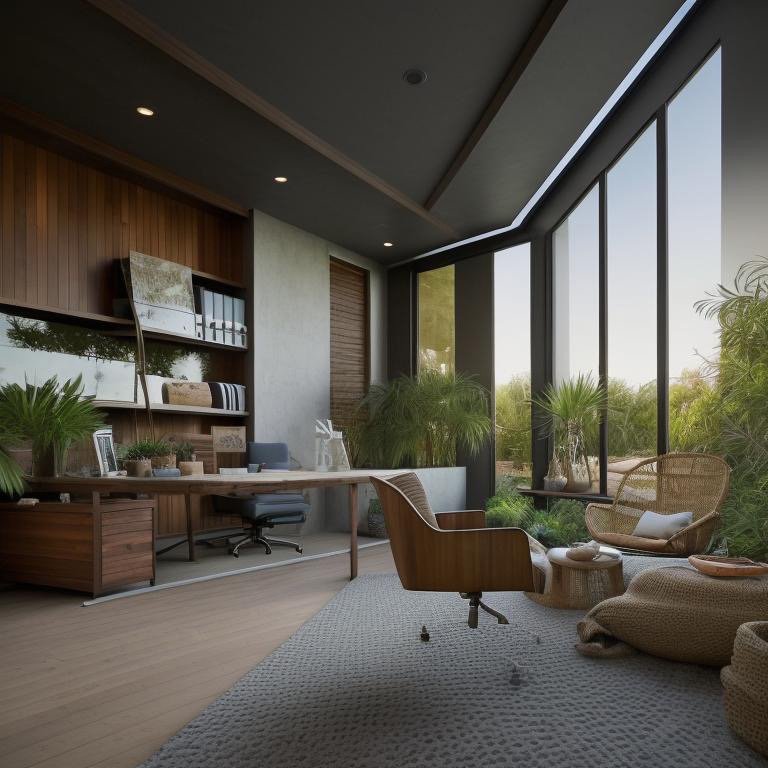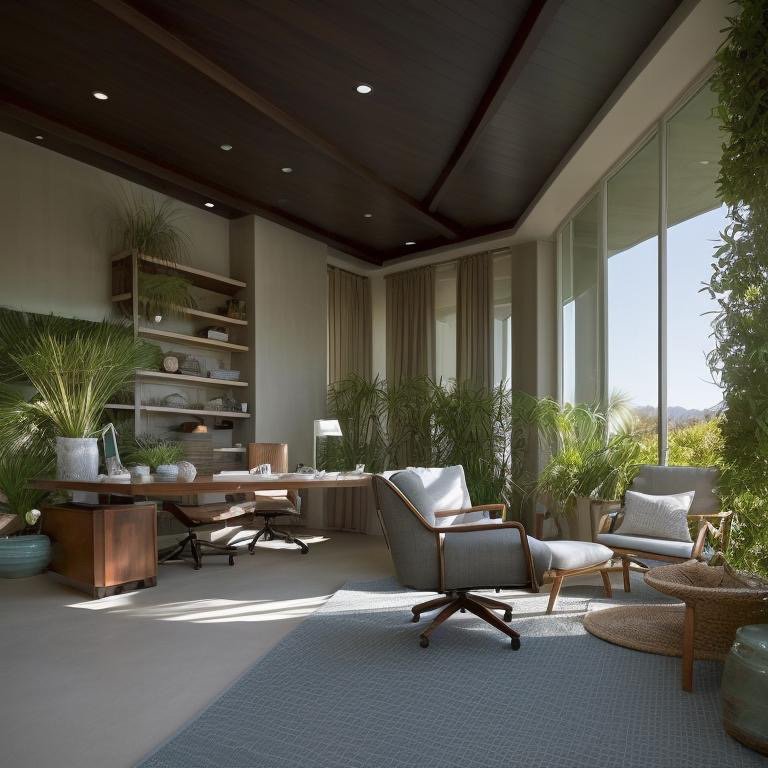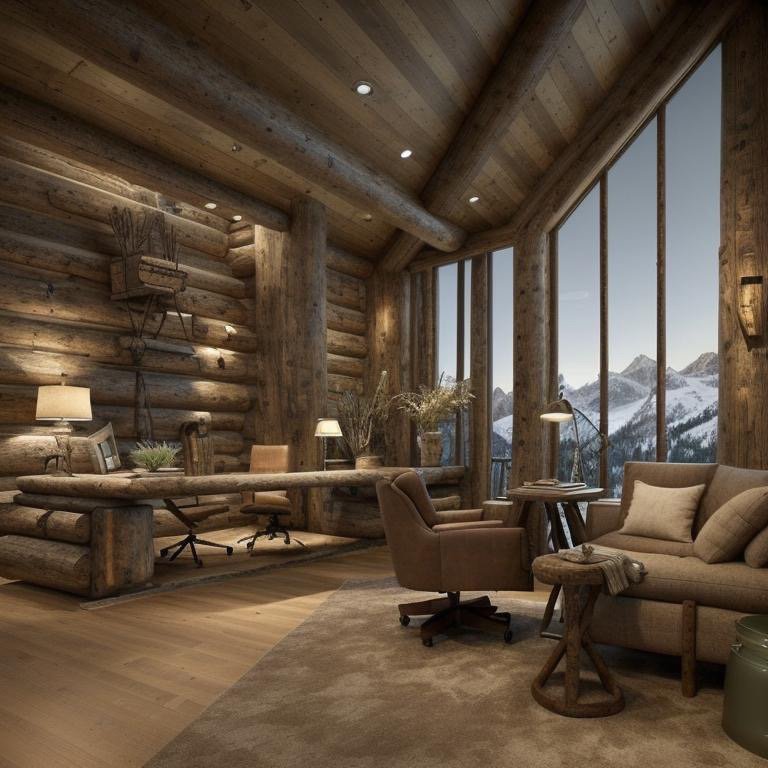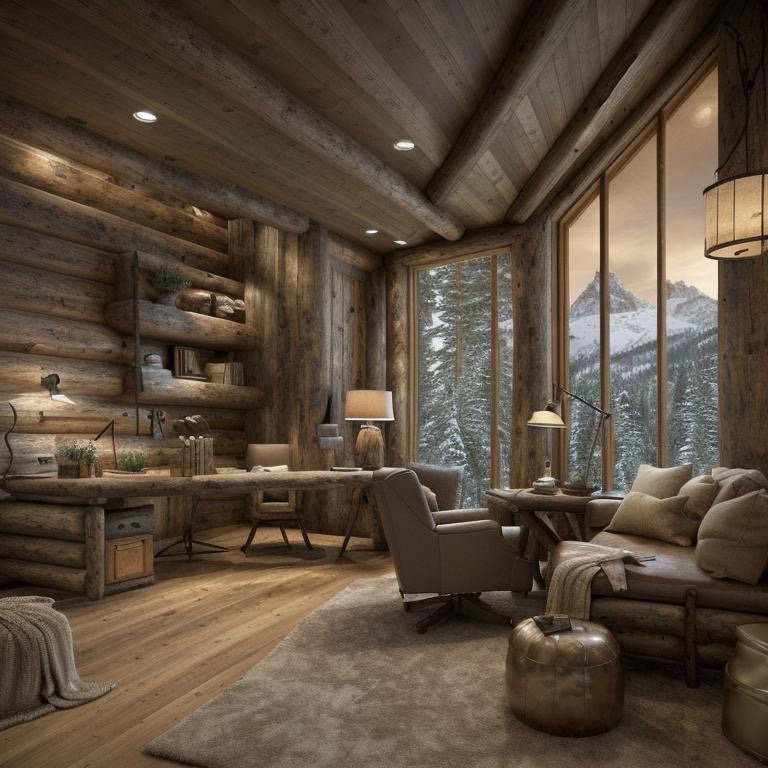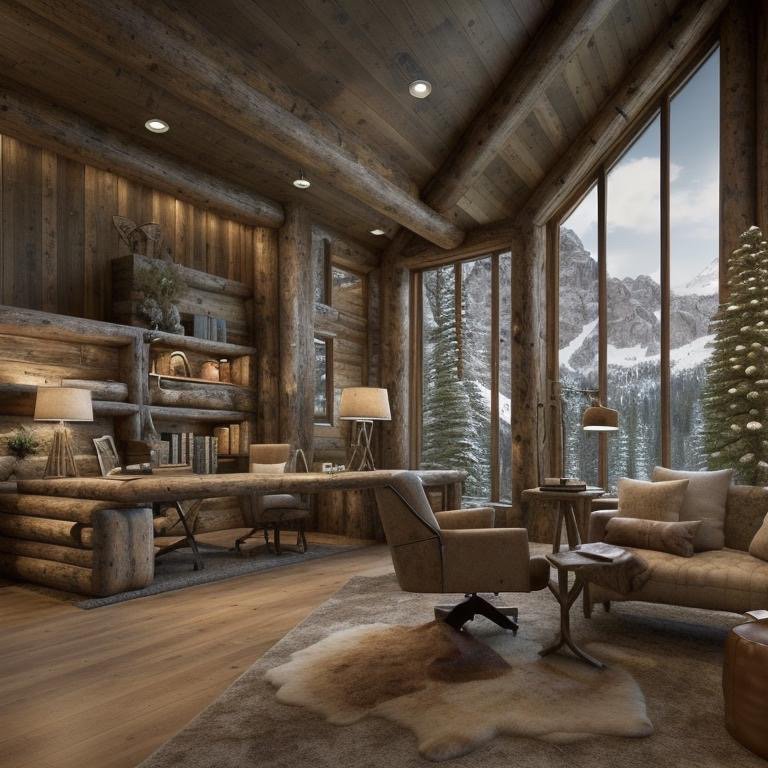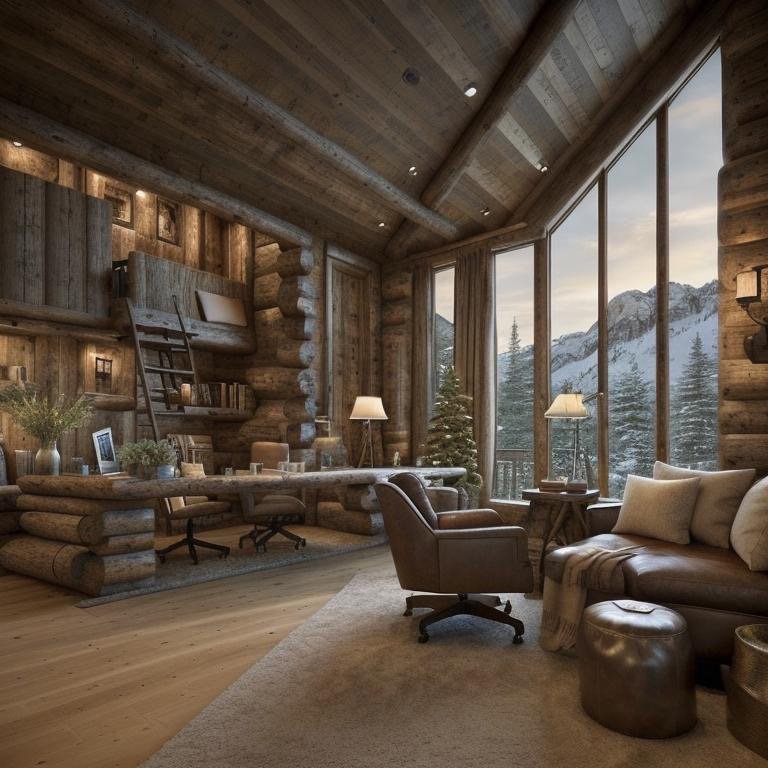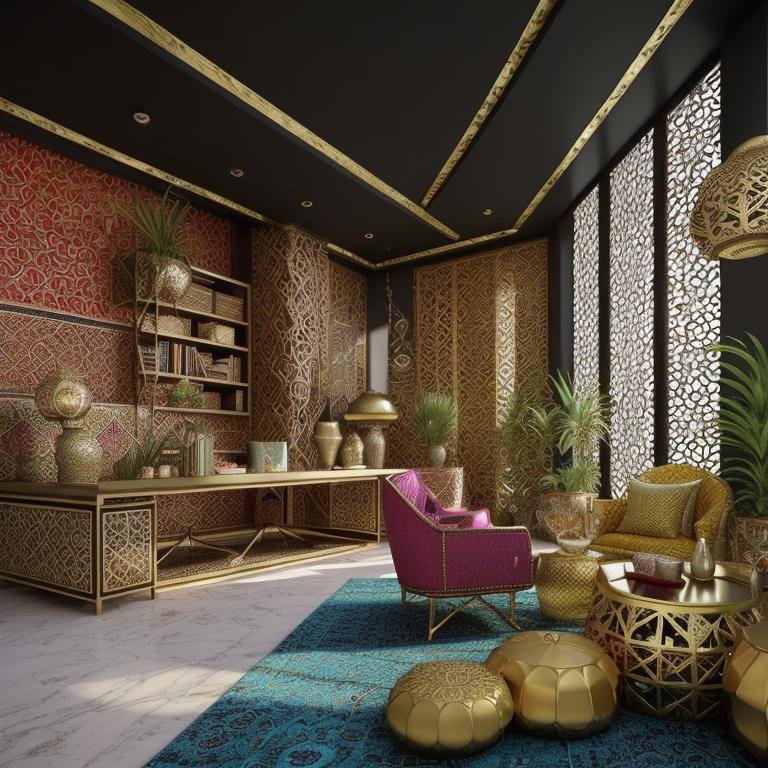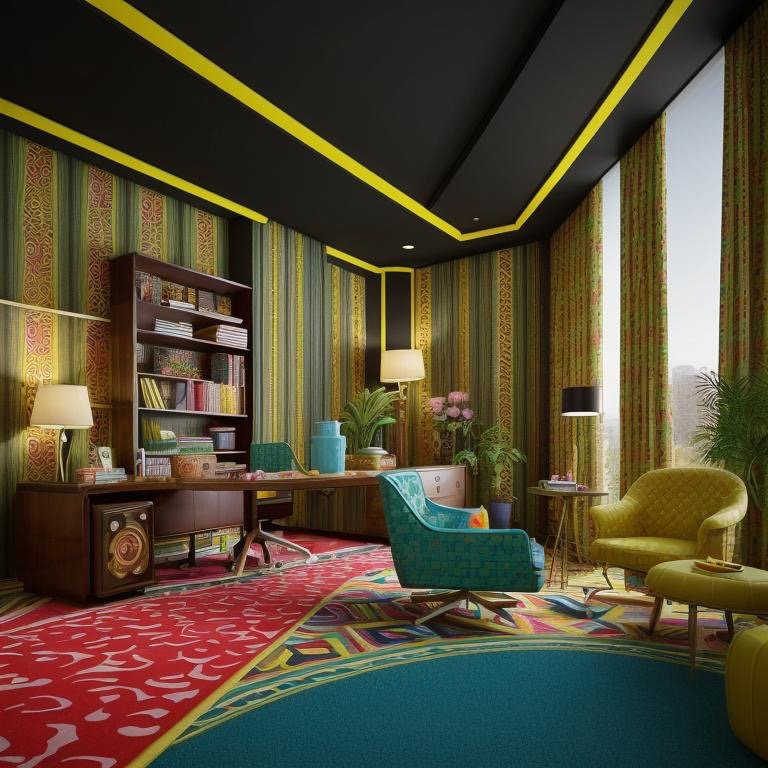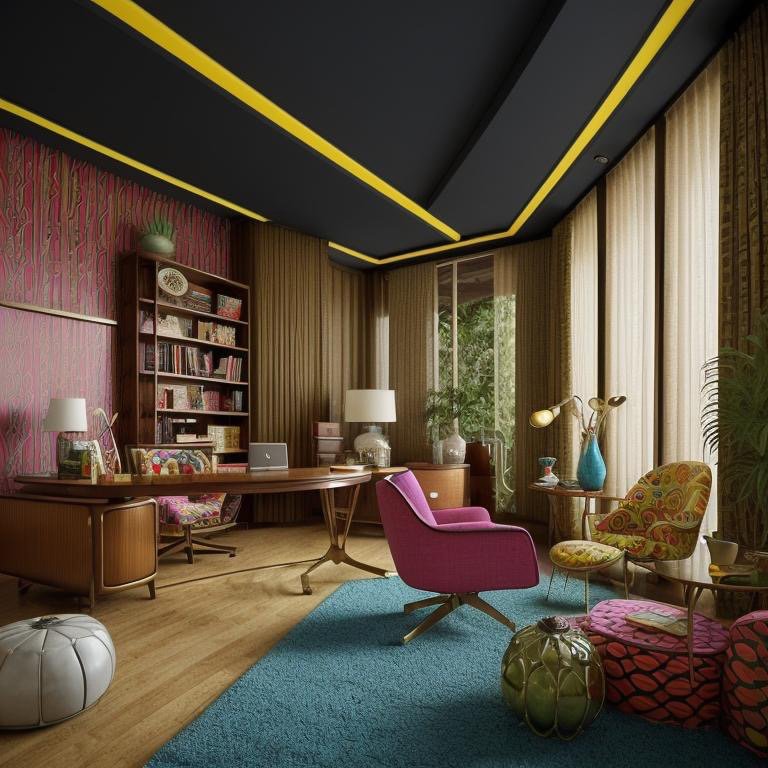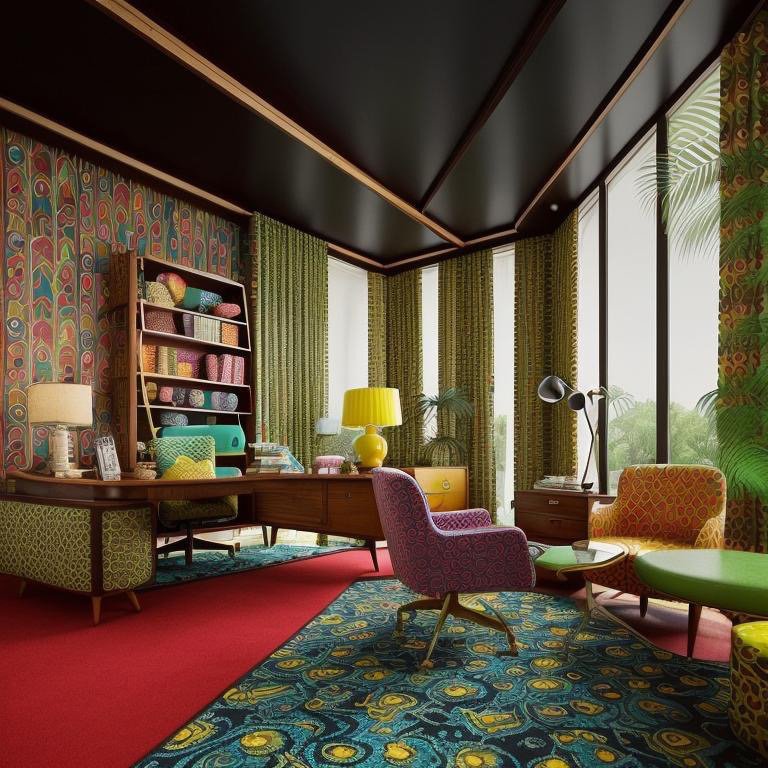
Tag: Interior Design

  • Three Rooms, Three Futures: Inside the Original Renders of DBM’s Industrial Revival

    Three Rooms, Three Futures: Inside the Original Renders of DBM’s Industrial Revival

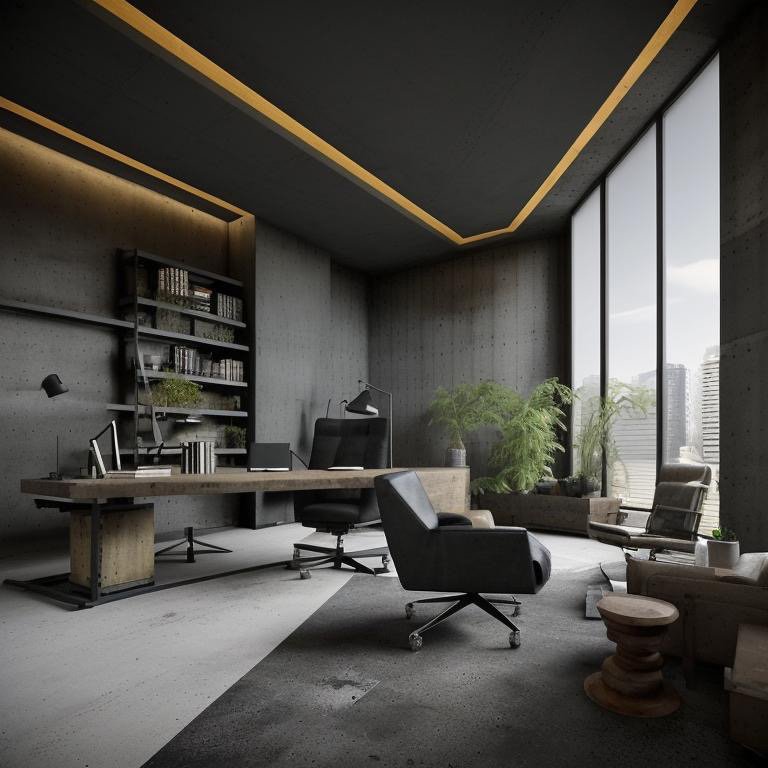
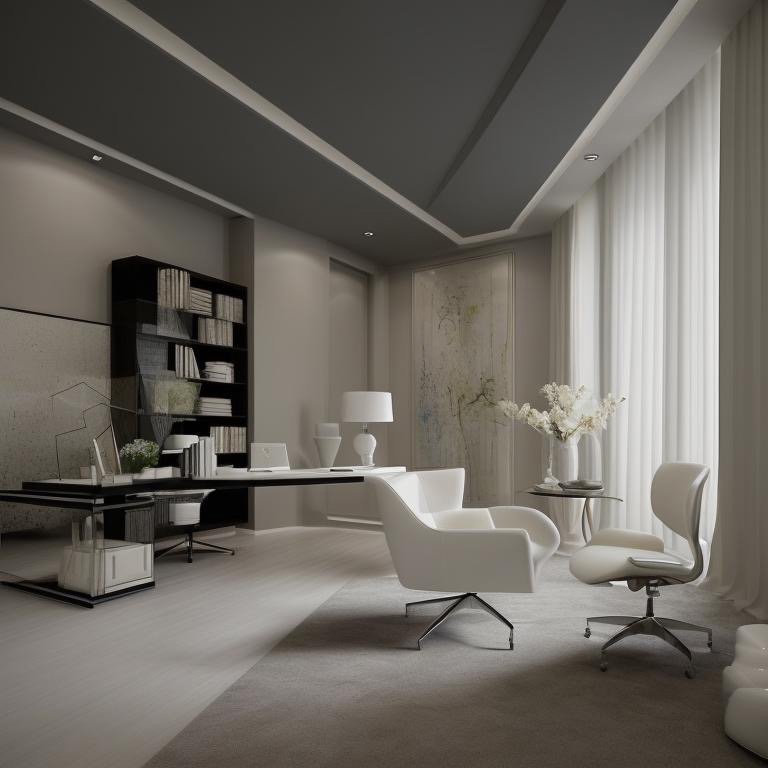
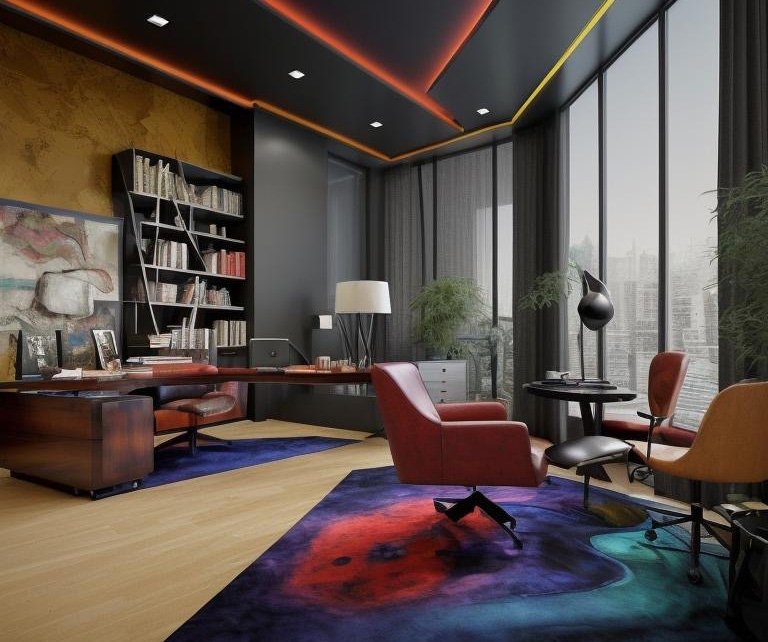
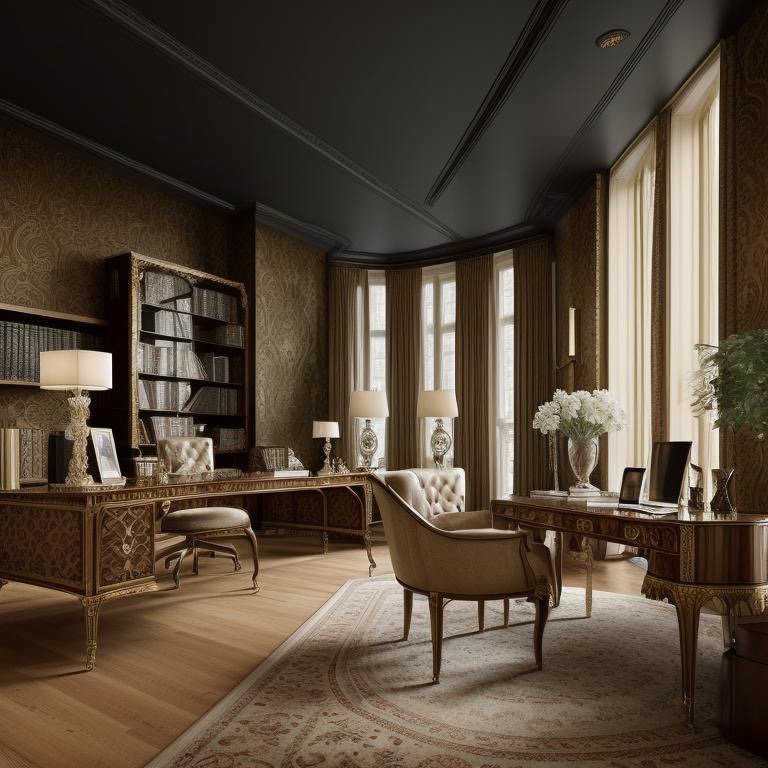
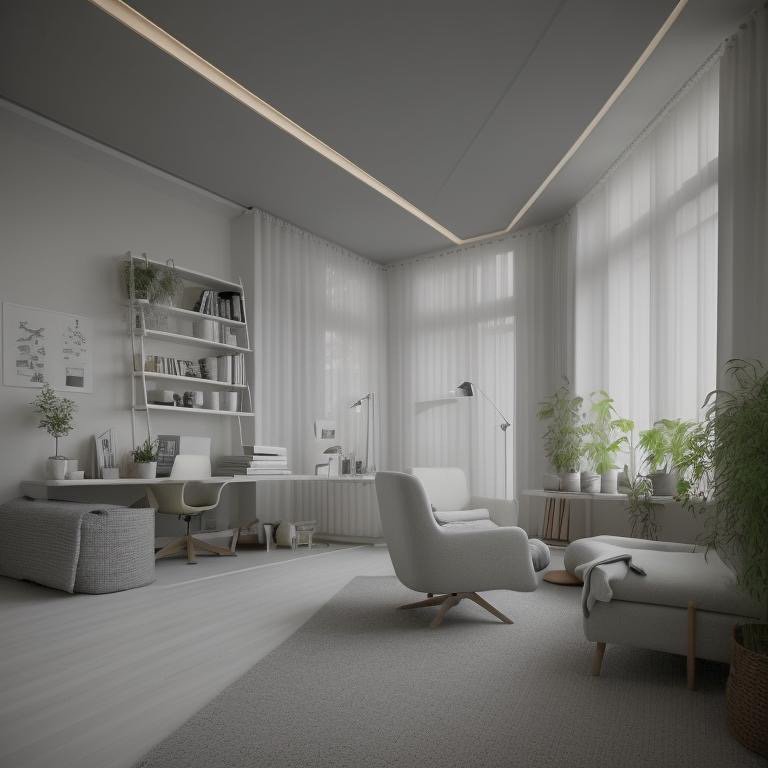
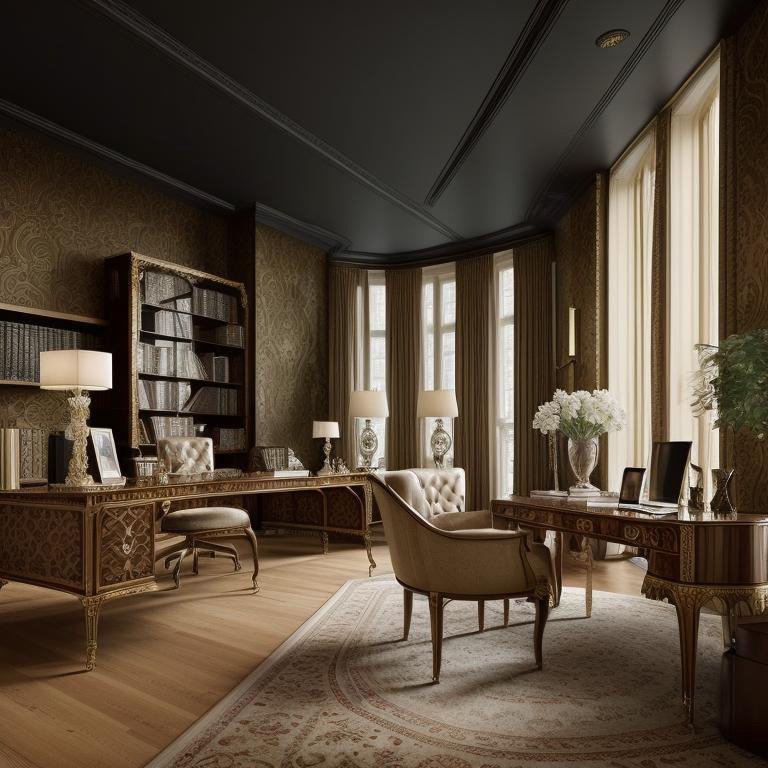
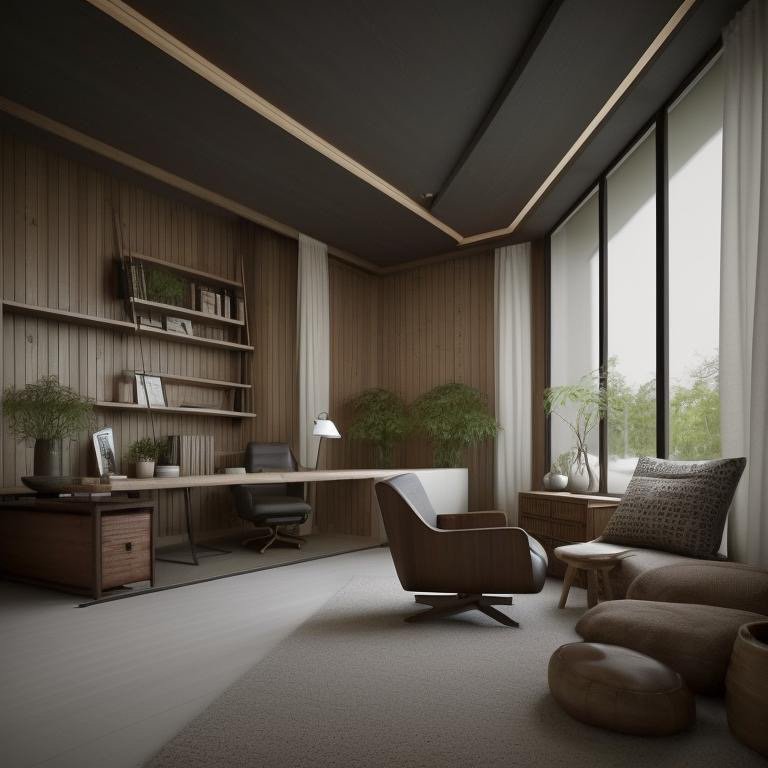
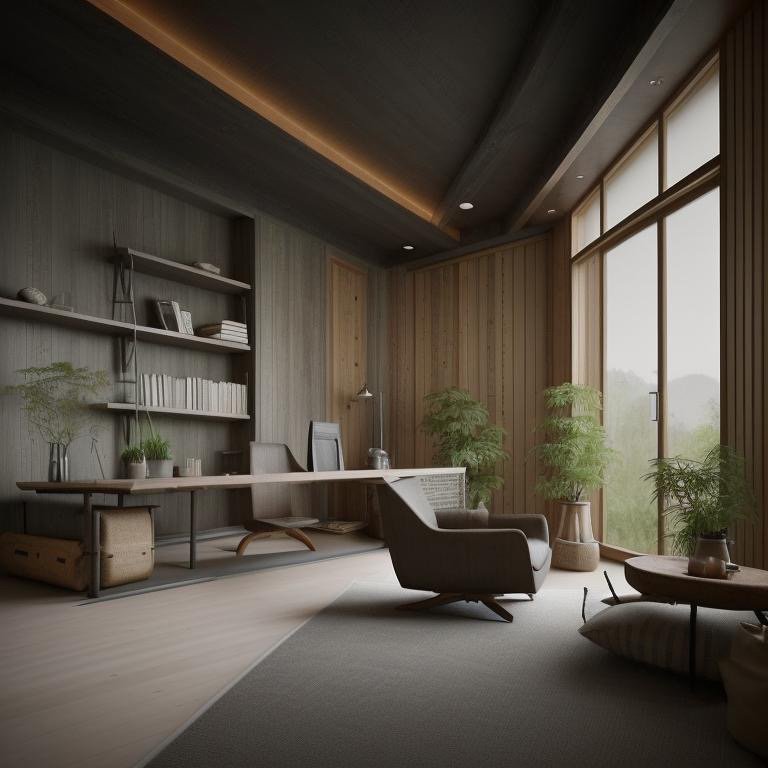
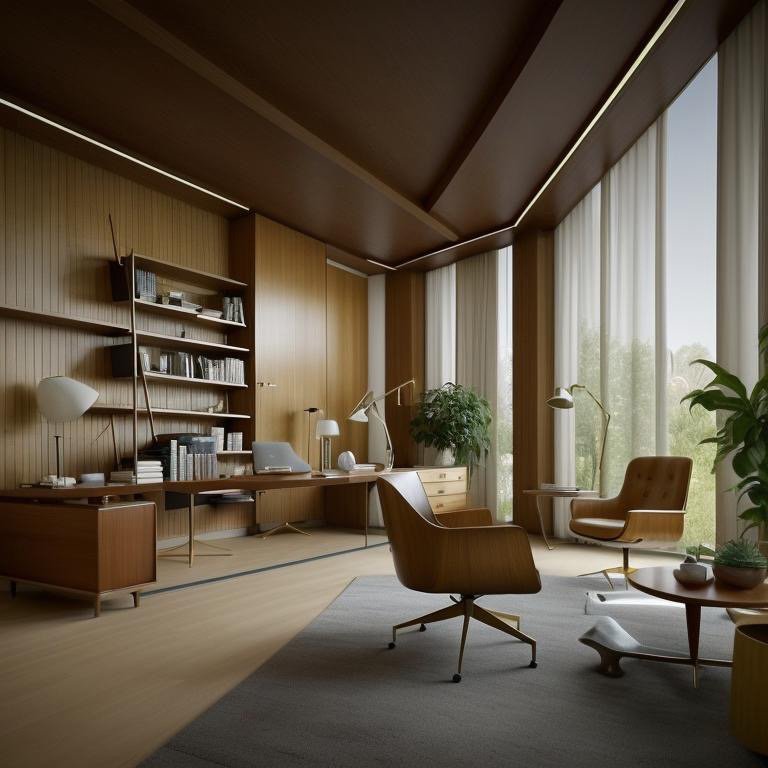
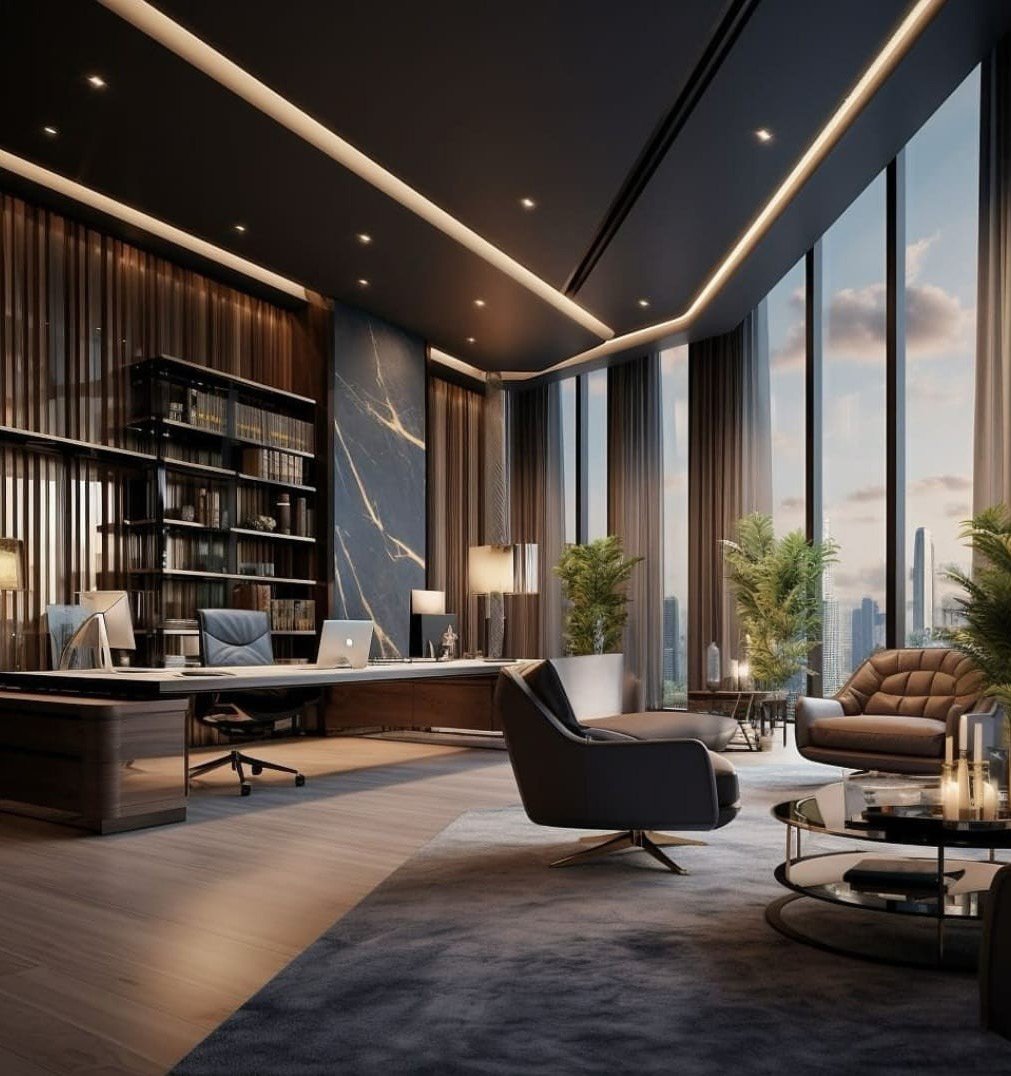
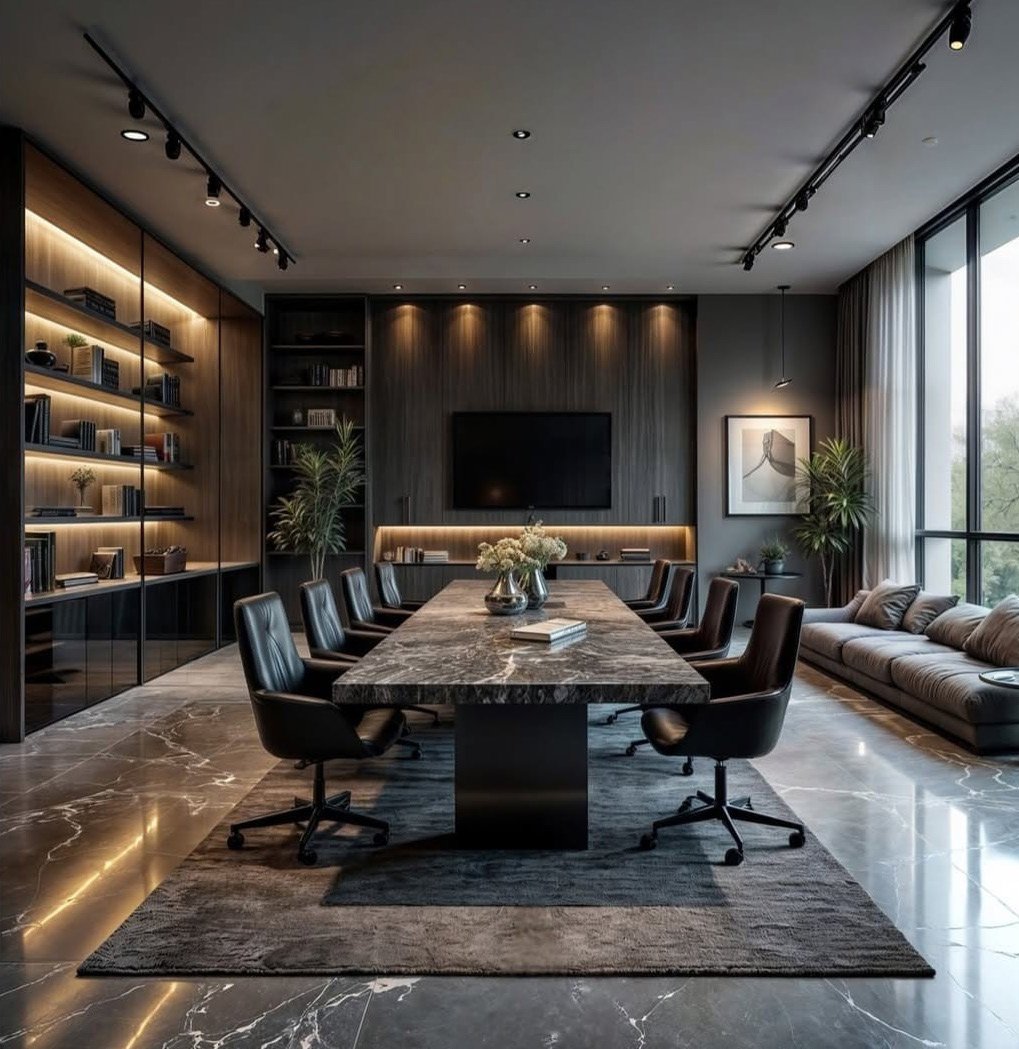
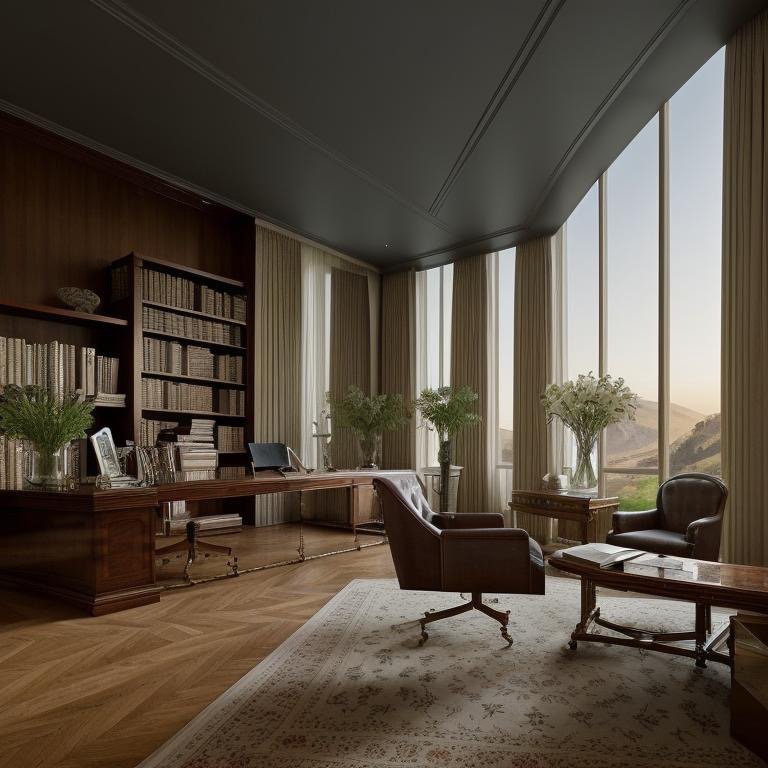
    Executive boardroom with monolithic table, deep shelving, and architectural lighting creating spatial power

    The Prologue to Transformation

    Architecture begins with decisions about presence. In the context of commercial office environments, particularly those serving executive function, presence means clarity, control, and the subtle communication of hierarchy and intention through material and light. The three rooms documented in this essay represent the foundational designs that anchor the December issue’s exploration of contemporary office geometry—what we call the architectural baseline from which all subsequent reimaginations will emerge.

    These are not finished designs in the traditional sense. They are the originals. The source geometry. The spatial DNA that, through the application of Cinematic Intelligence™ across twenty-two distinct stylistic treatments, will reveal how the same footprint, the same functional program, can communicate radically different meanings depending on material, light behavior, and spatial psychology.
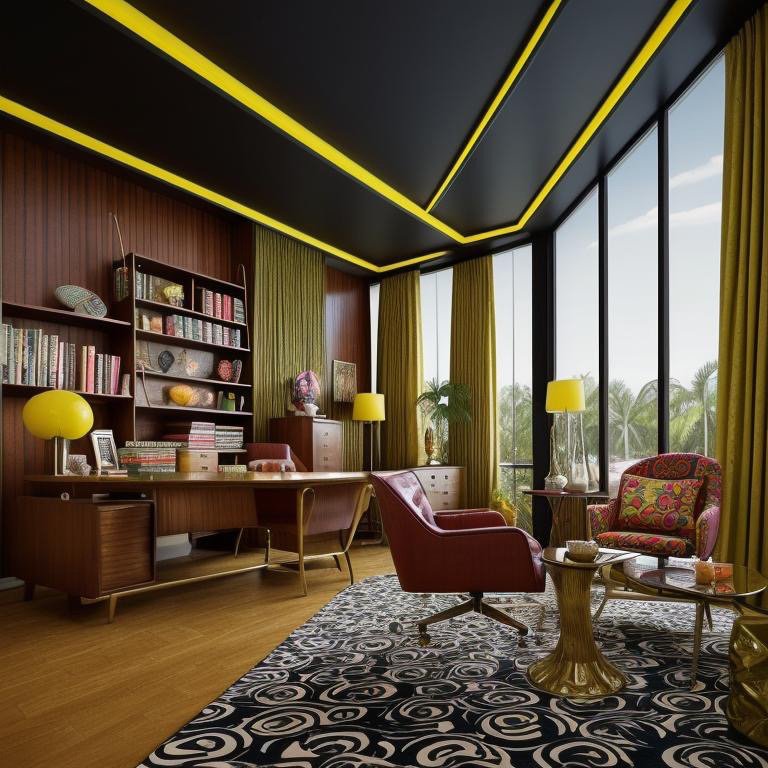
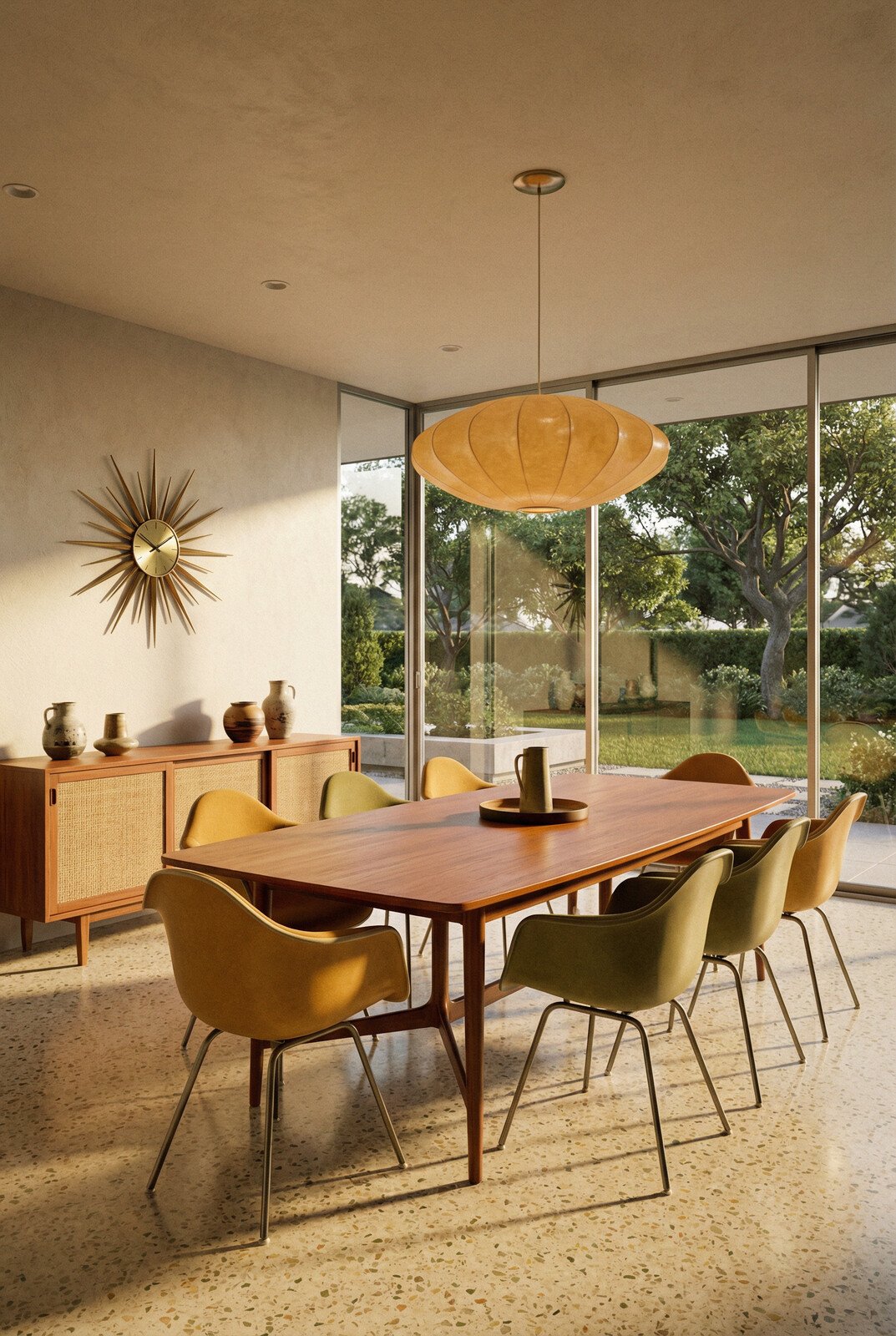
    Understanding these three rooms as originals—rather than as polished final deliverables—is essential. They carry no stylistic overlay. They make no cultural claim. They are pure spatial proposition: a boardroom is proposed, a café space is proposed, an executive lounge is proposed. Each makes an implicit argument about how bodies should move through it, how decisions should be made within it, how presence should be registered.

    Room One: The Boardroom as Architectural Statement

    The boardroom is perhaps the most legible of corporate spaces. It is where capital forms consent. Where strategy becomes directive. Where the architecture itself—through the weight of its materials, the precision of its proportions, the severity of its sight lines—creates the psychological conditions for formal decision-making.

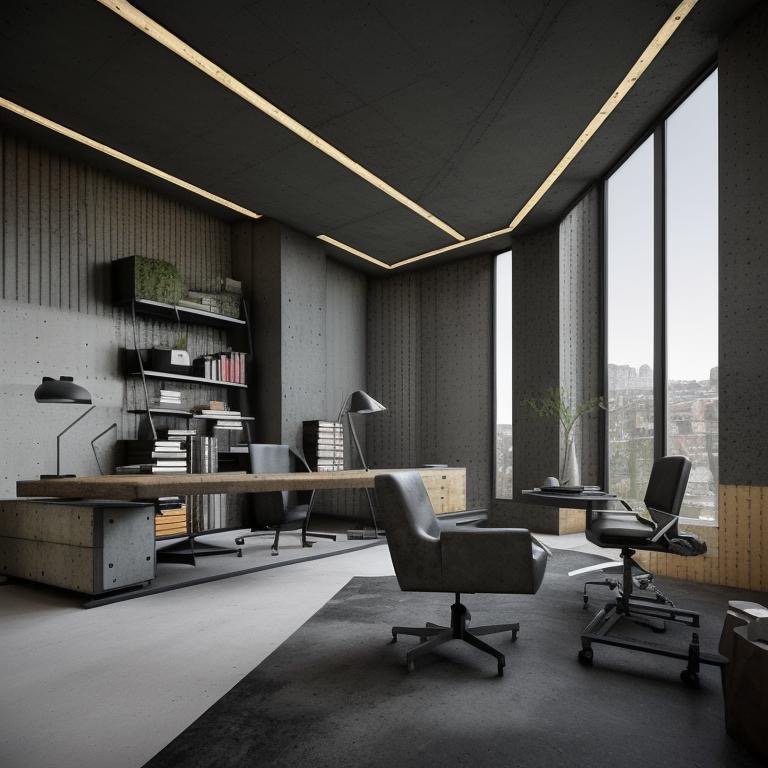
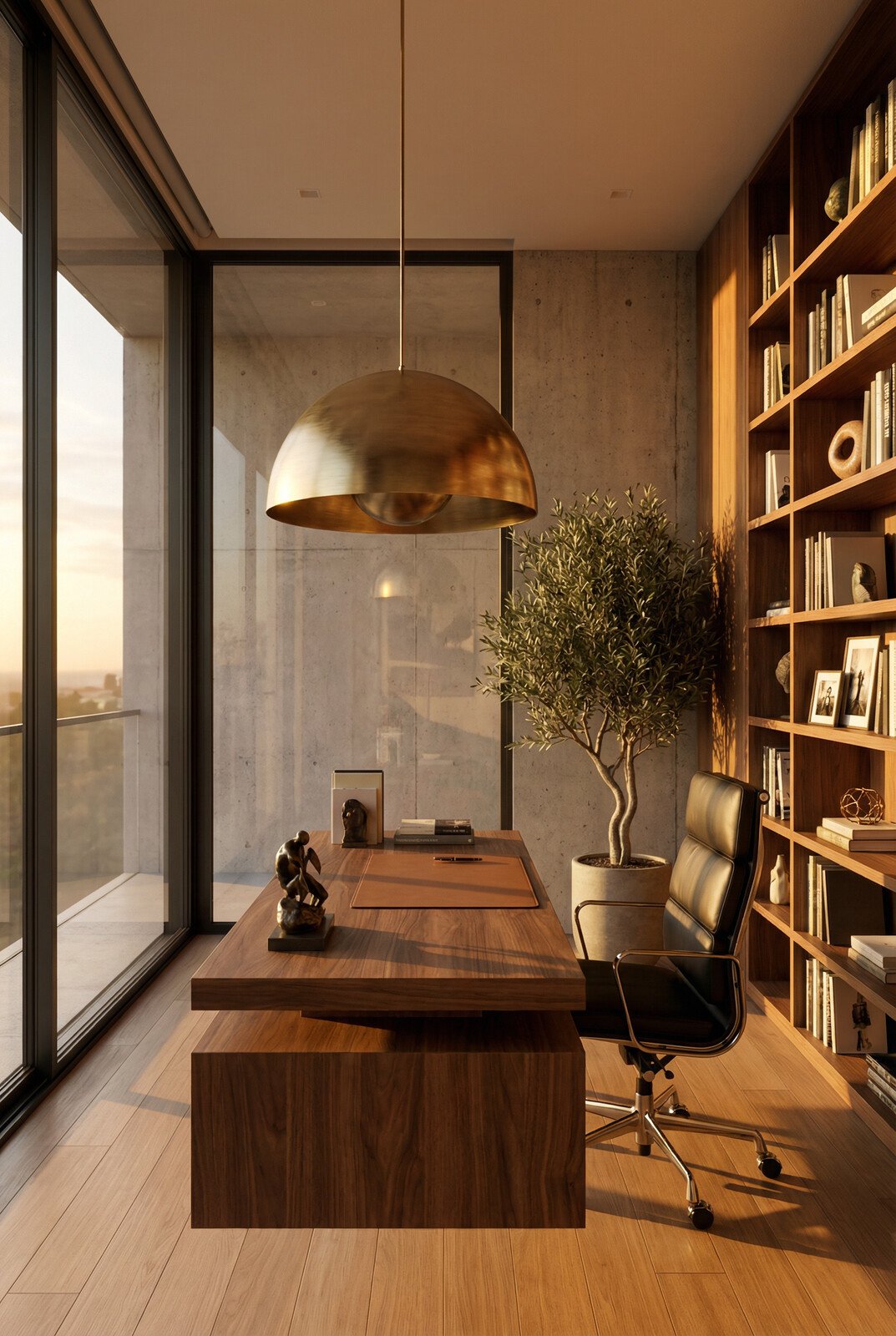
    The original boardroom render presents what we might call Contemporary Executive Brutalism: a monolithic table positioned with geometric authority, flanked by deep-set shelving that rises with architectural weight. The table itself is not a surface for casual collaboration; it is a plane of intention. The shelving behind it—lined, studied, architectural—functions simultaneously as material backdrop and as spatial claim: knowledge is contained here, accessible but not democratic.

    Light behavior is controlled and directional. This is not ambient light. This is illumination that clarifies. That creates micro-topographies of shadow and clarity across the table surface, making the space legible as a theater of decision-making. The geometric precision of the shelving, the material temperature of the surfaces (warm industrial gradients rather than cold modernist whites), the slight chiaroscuro created by the light modeling—all of these create a visual argument about executive authority that feels neither brittle nor aggressive, but instead architecturally grounded.

    What distinguishes this boardroom from generic corporate interiors is its refusal of invisibility. The space announces itself. The materials have weight. The proportions have intention. There is nothing decorative in the conventional sense; everything is structural to the spatial program. This is the boardroom as architectural artifact—not merely a room where meetings occur, but a space whose very geometry reinforces the formality of executive function.

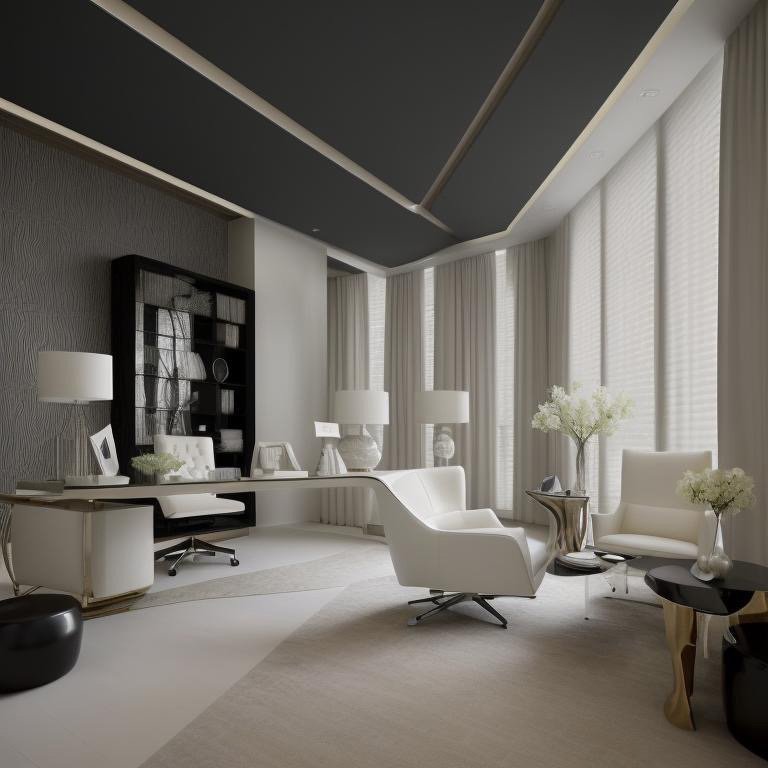
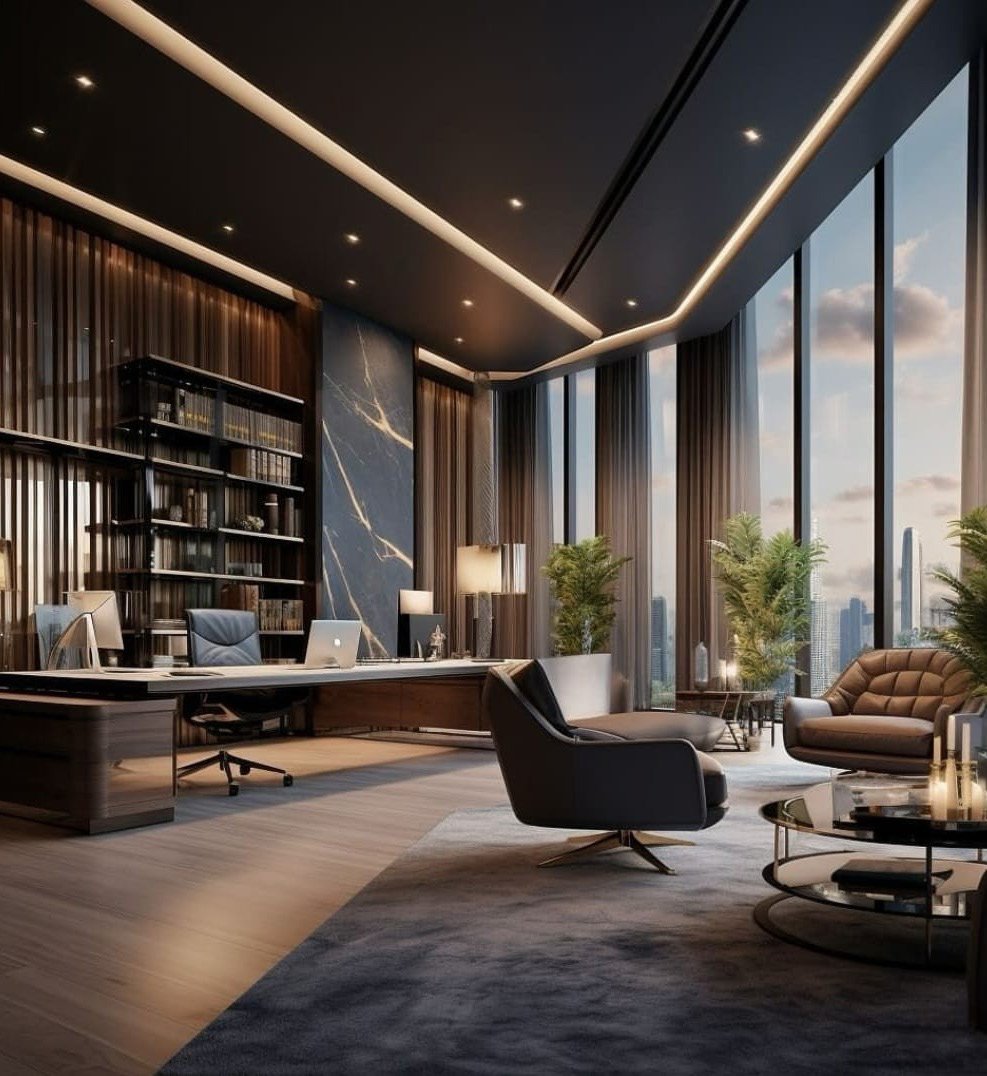
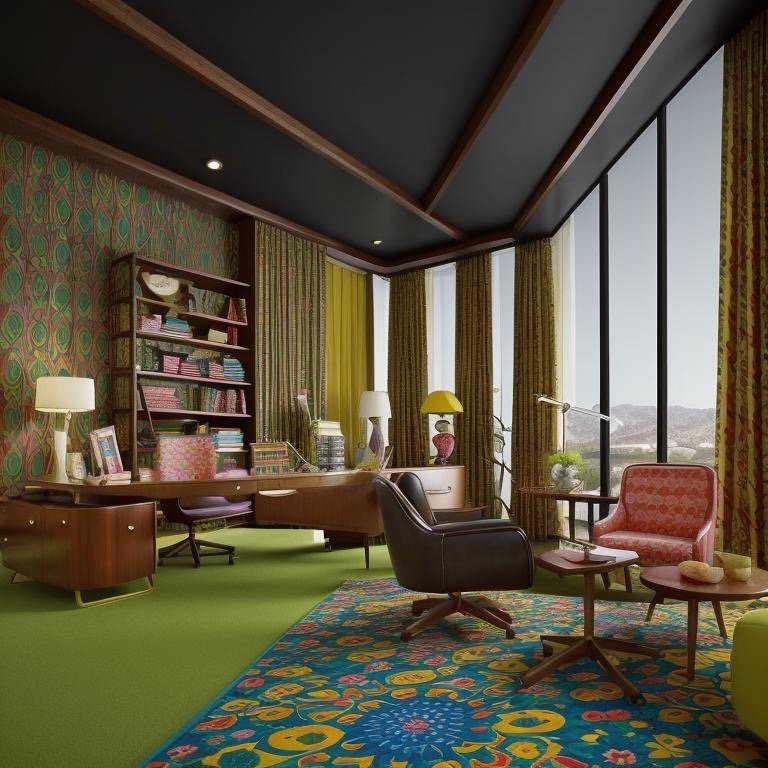
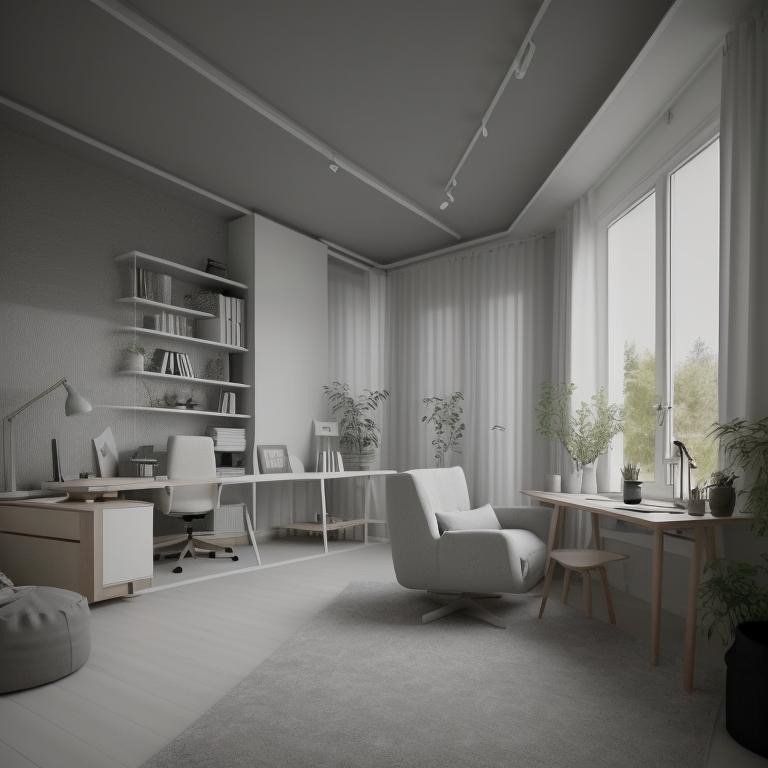
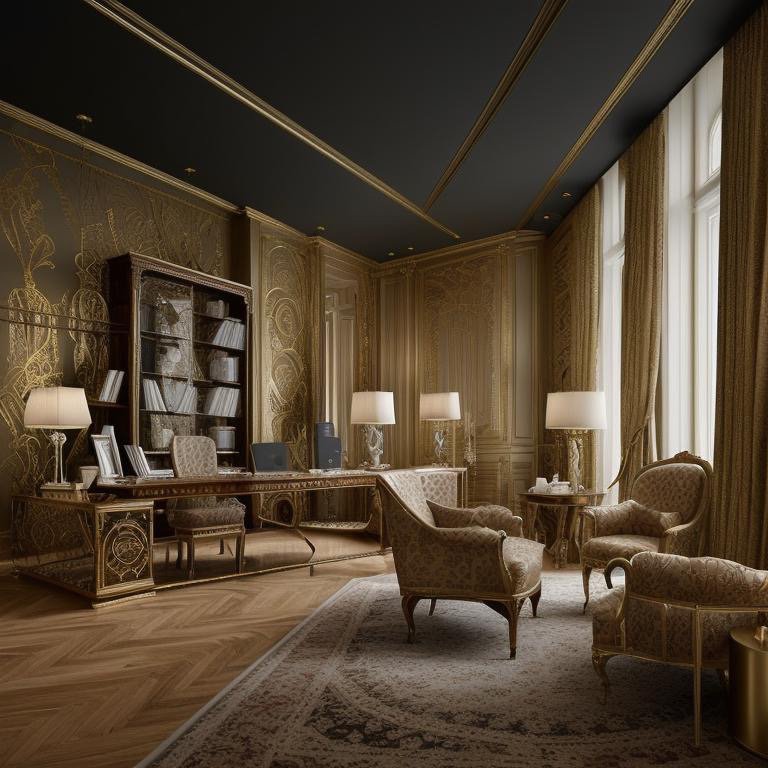
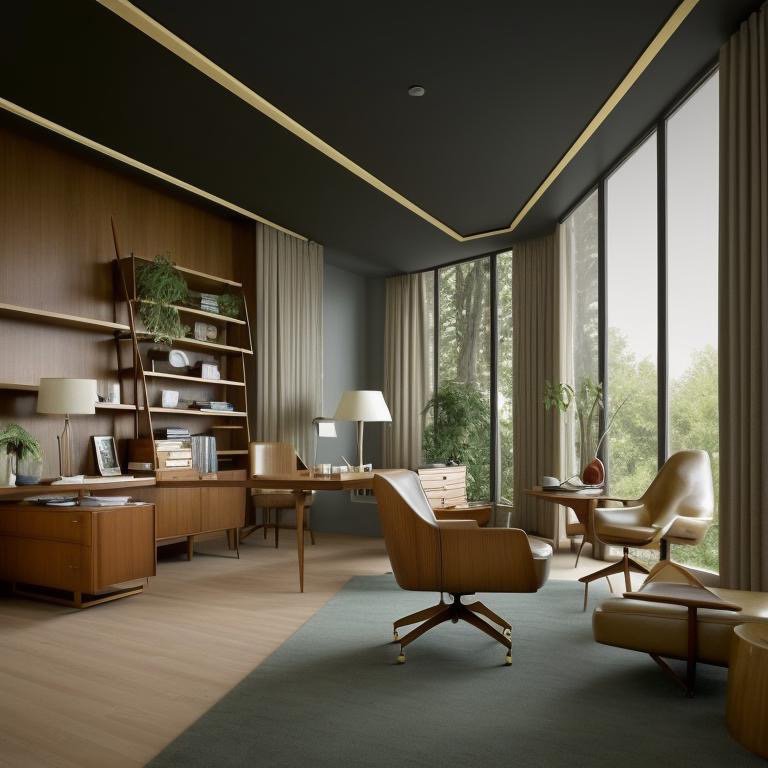
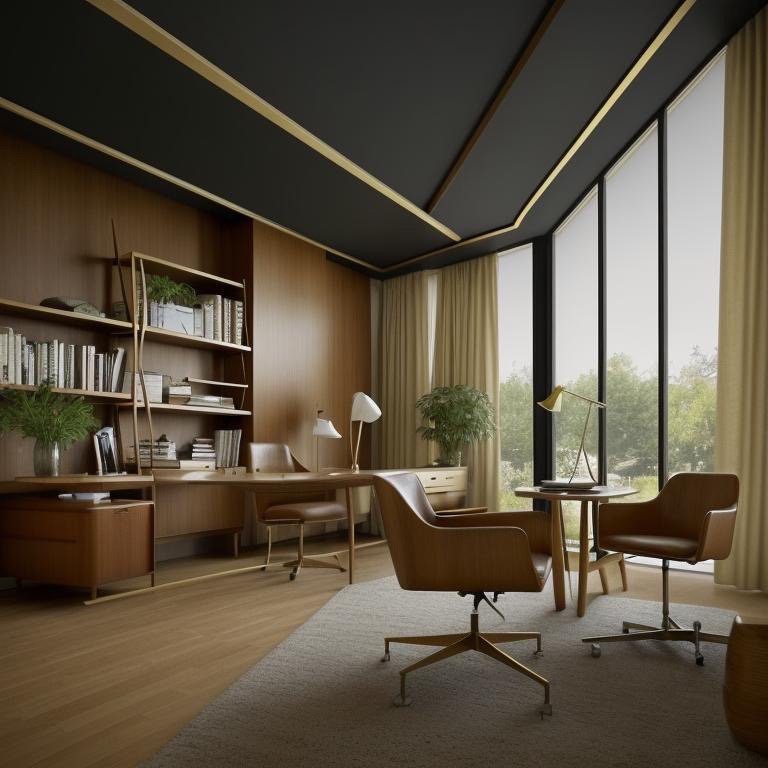
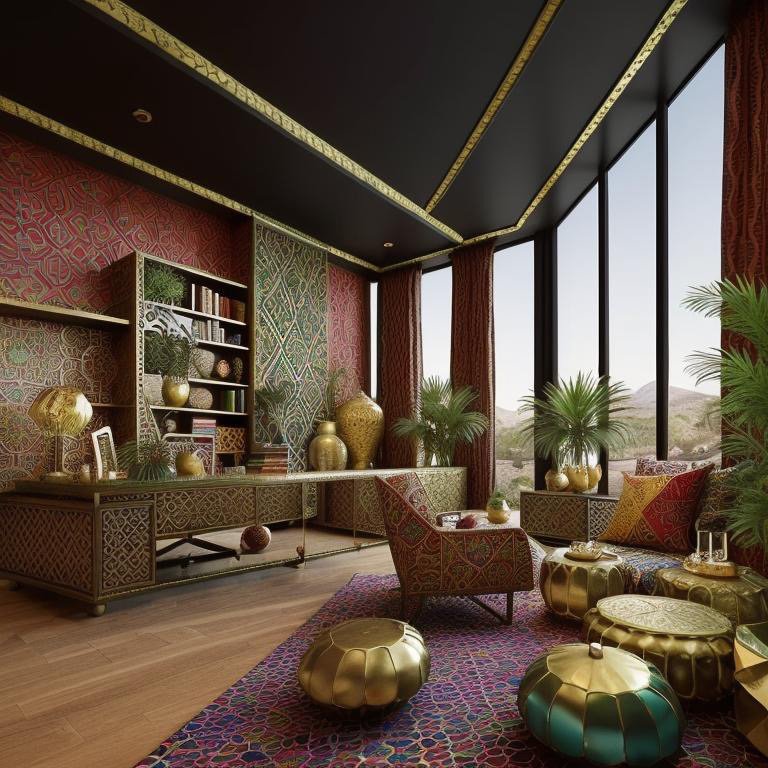
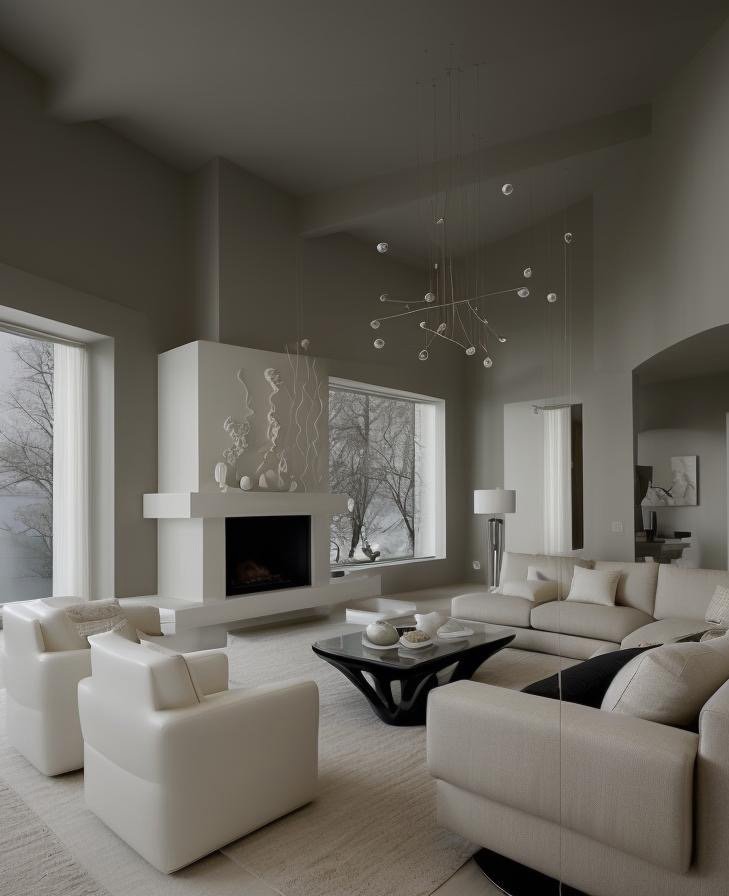
    Modern boardroom with darker material palette, refined executive styling, and controlled spatial atmosphere

    Room Two: The Café as Democratic Counter-Statement

    If the boardroom is the architecture of formal authority, the café is the architecture of encounter. It is where hierarchy dissolves momentarily into the collective. Where the informal exchange—the spontaneous conversation, the unscheduled connection—becomes the spatial program.

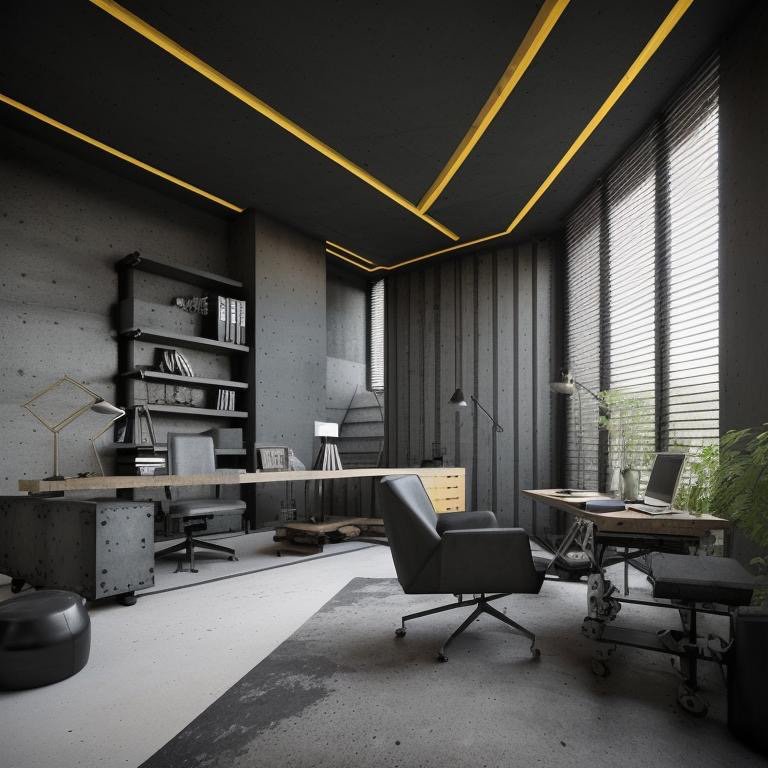
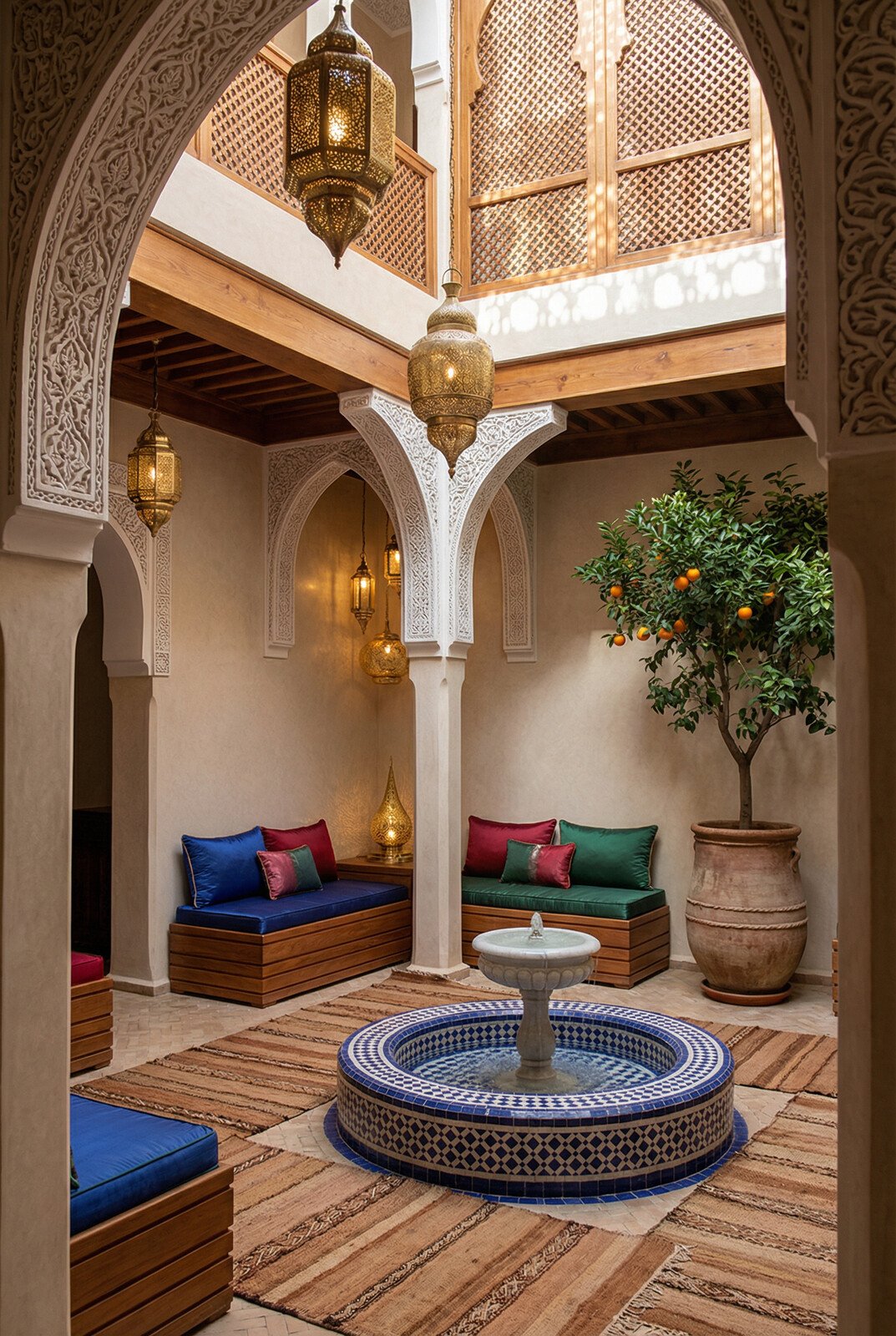
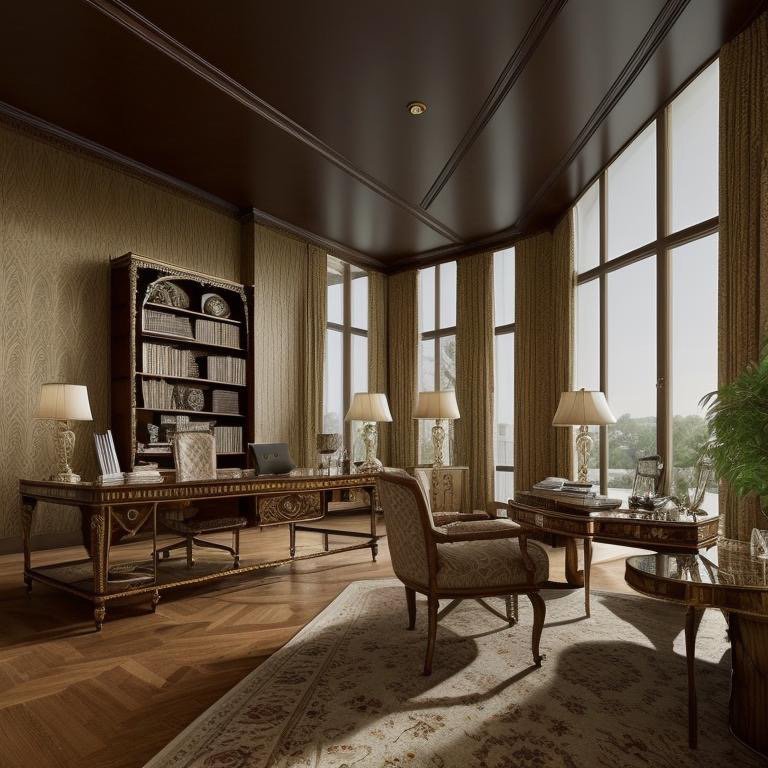
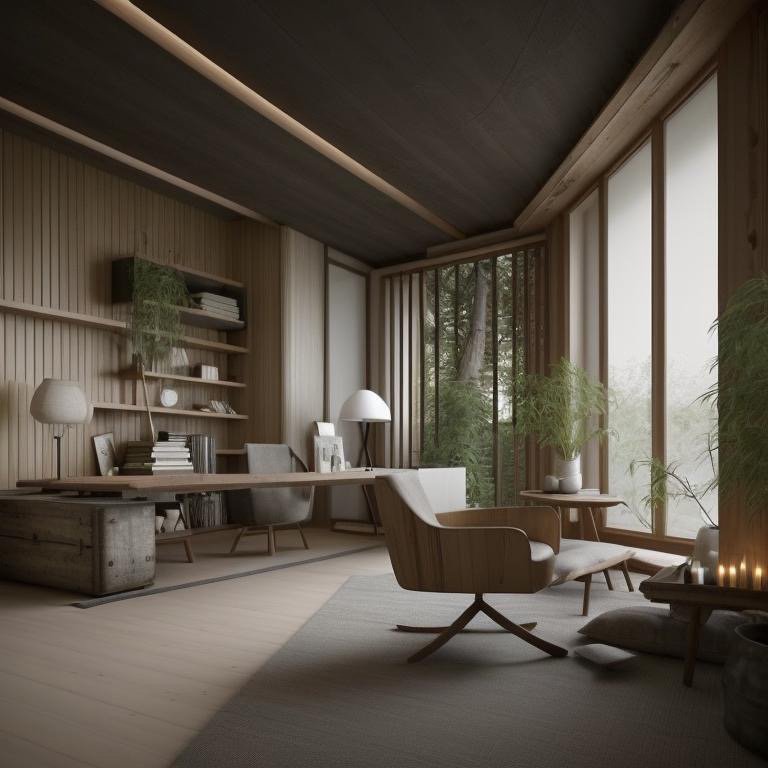
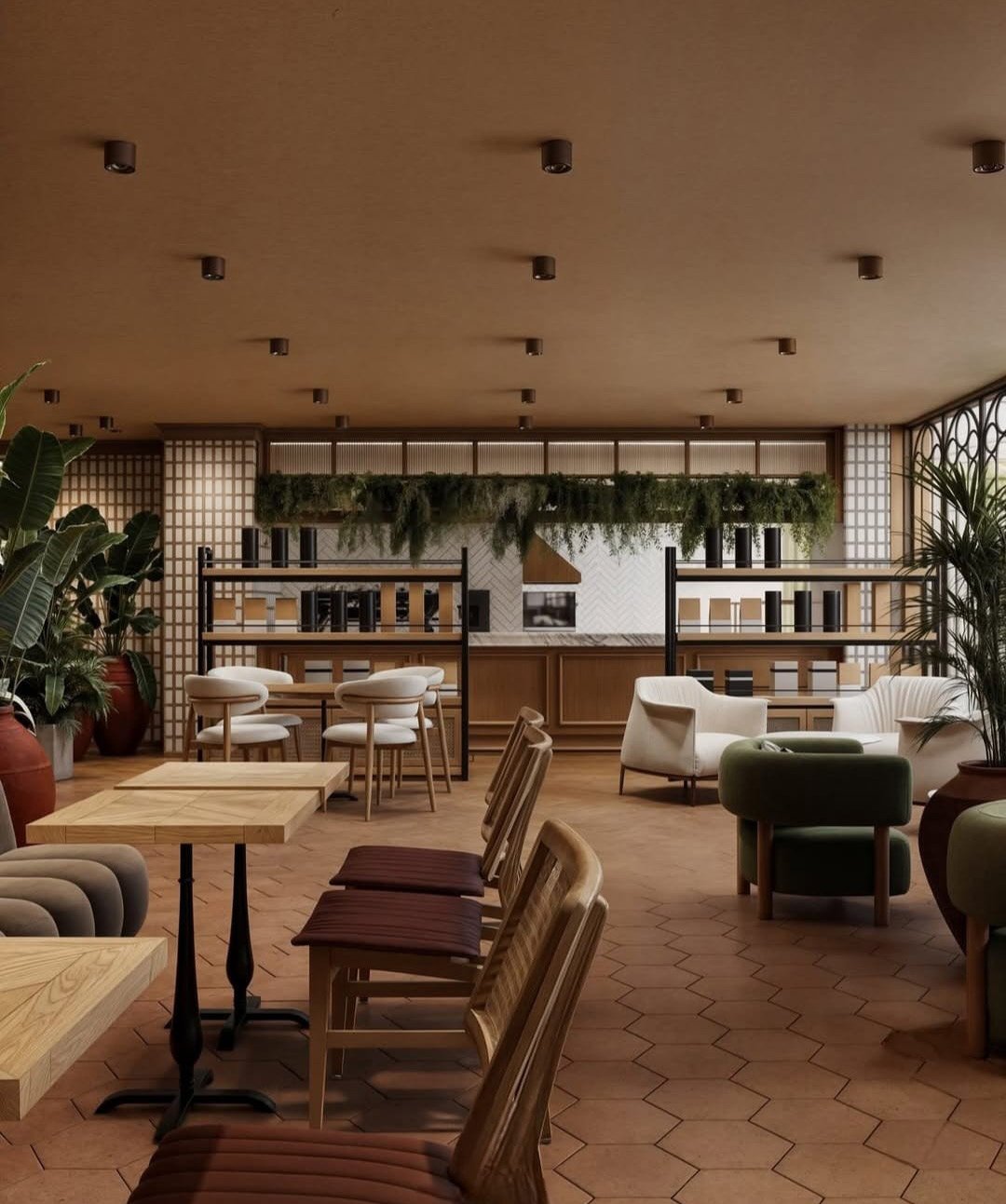
    The original café render presents what might be called Warm Modernism with Mediterranean-Industrial feeling. This is not a cafeteria. It is not utilitarian. It is instead a carefully composed space where hospitality becomes structural. The shelving is open—inviting rather than protective. The lighting is diffused, low, creating an atmosphere of leisure rather than task completion. The seating is generous, informal; there is no implied hierarchy in the chair placement.

    Material temperature is everything here. Warm woods, soft surfaces, textured finishes create an environment that feels like gathering rather than consumption. The scale is human—not grand, not intimidating, but proportioned to small groups in conversation. The acoustics, though not visible in a render, are implied by the material choices: soft surfaces that absorb rather than amplify, creating intimate pockets of dialogue within a larger volume.

    What makes this café distinct is its temporal claim. The boardroom is designed for concentrated decision-making in brief, intense windows. The café is designed for duration—for slow meals, for extended presence, for the kind of professional conversation that builds trust and generates unexpected insight. It is the counter-architecture to executive formality: democratic, warm, and profoundly unhurried.

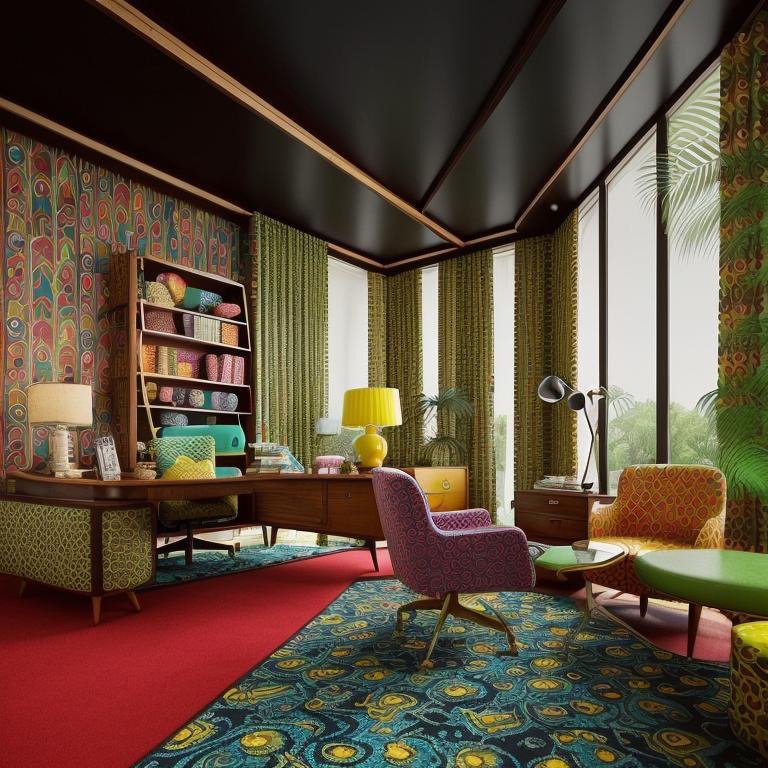
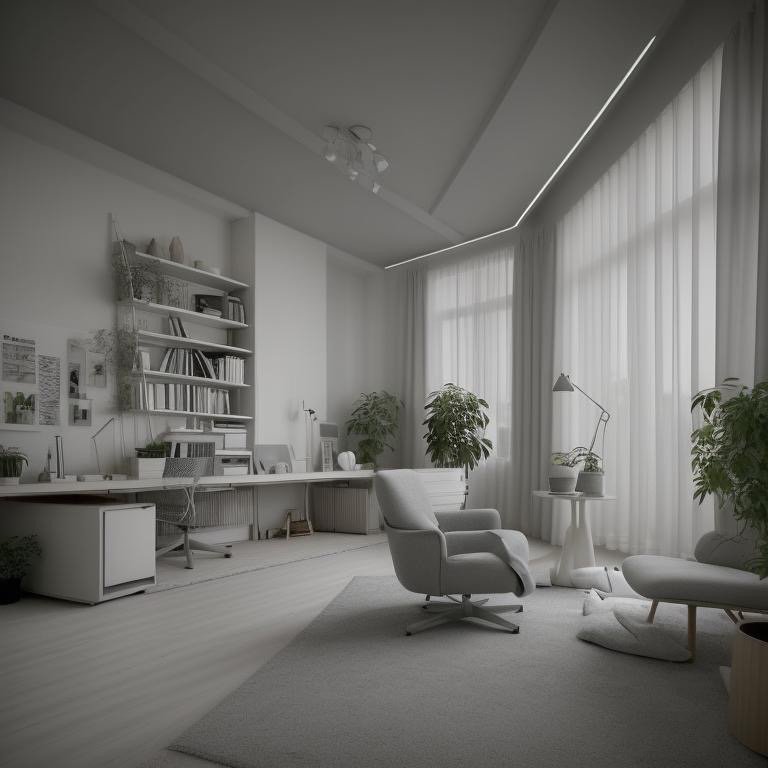
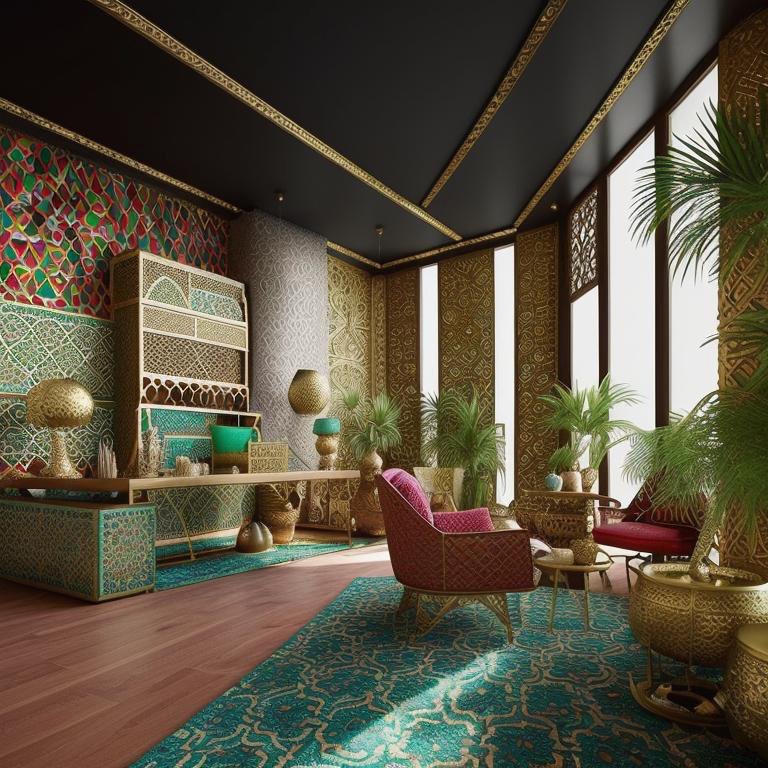
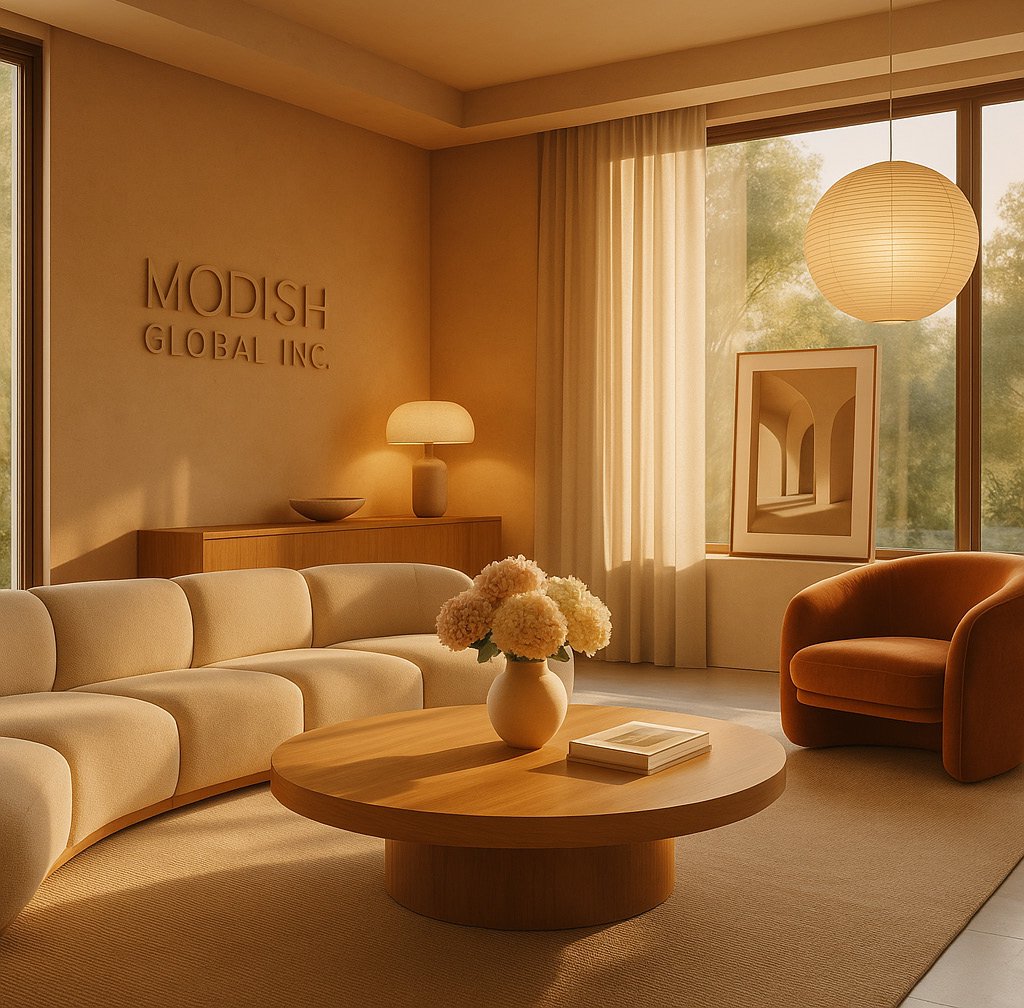
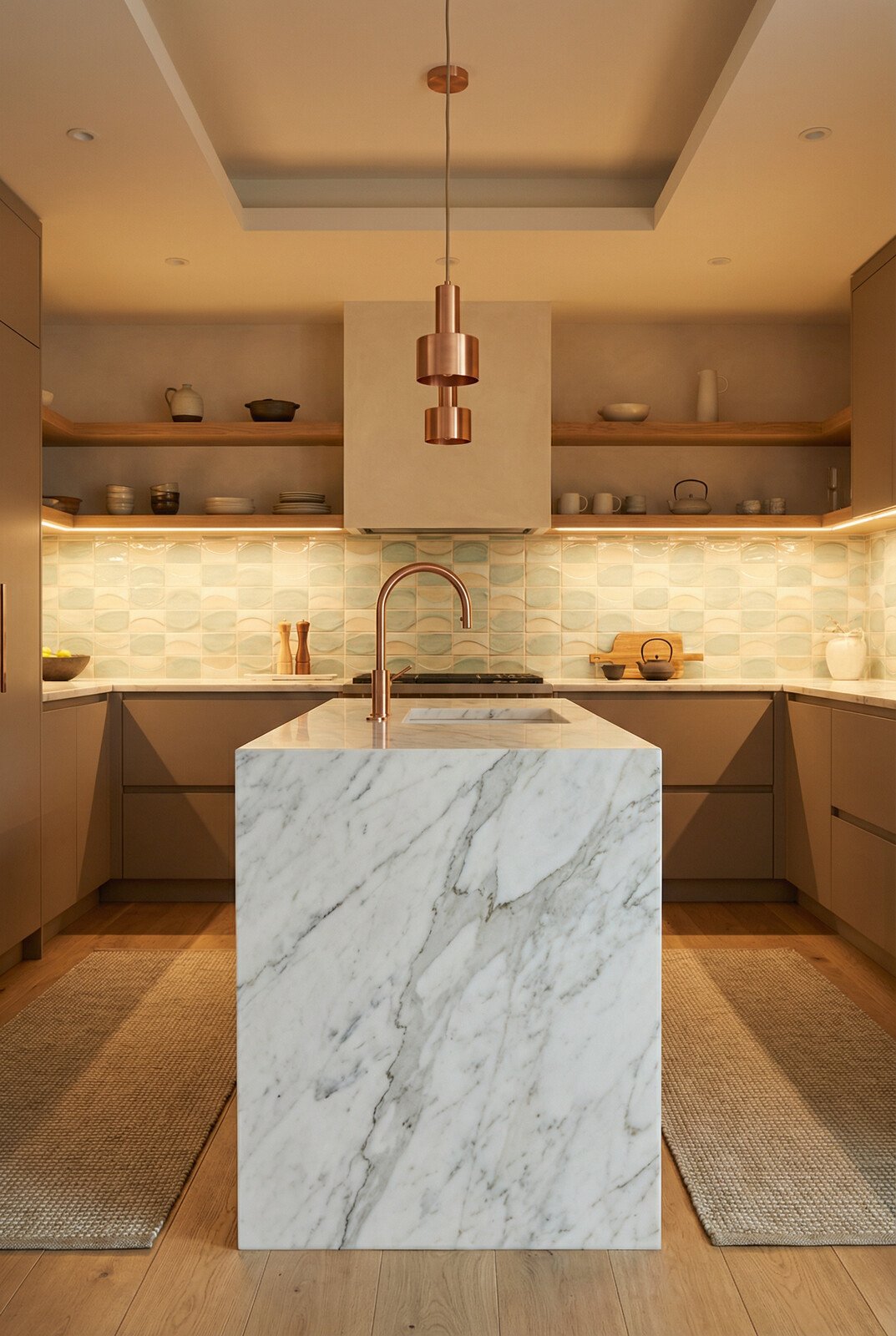
    Social dining hall with open shelving, warm lighting, and hospitality-focused architectural language

    Room Three: The Executive Lounge as Mediation

    Between the formal authority of the boardroom and the democratic warmth of the café stands the executive lounge—a space that must negotiate multiple functions simultaneously. It is where informal meetings occur. Where transitions happen. Where the executive body can exist between programs, between presentations, between decisions.

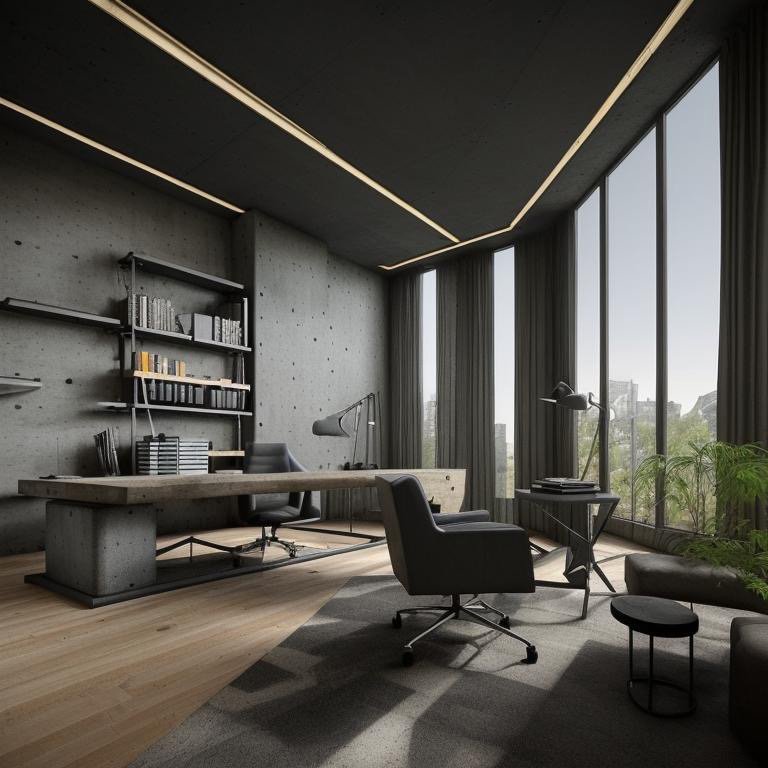
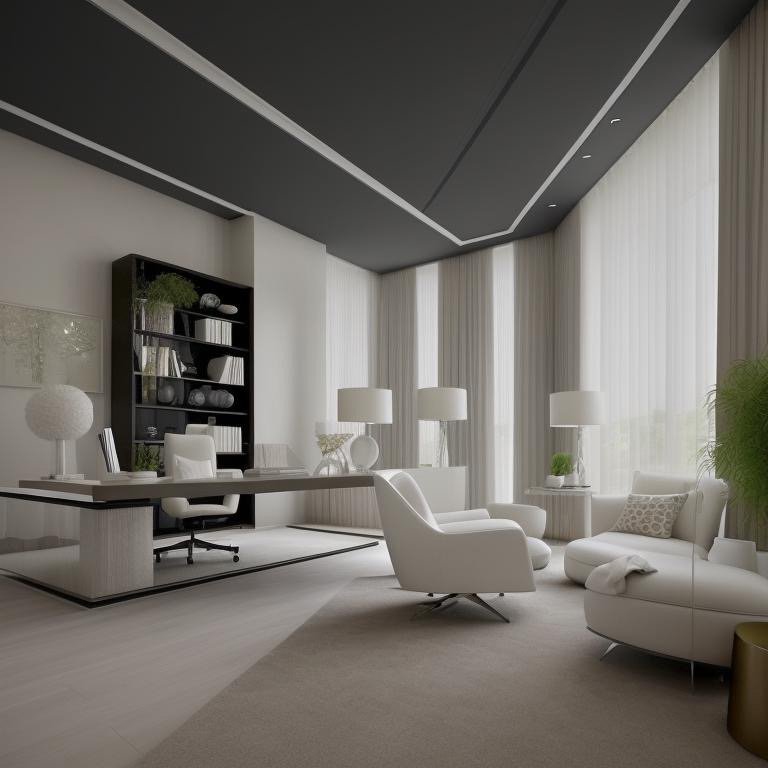
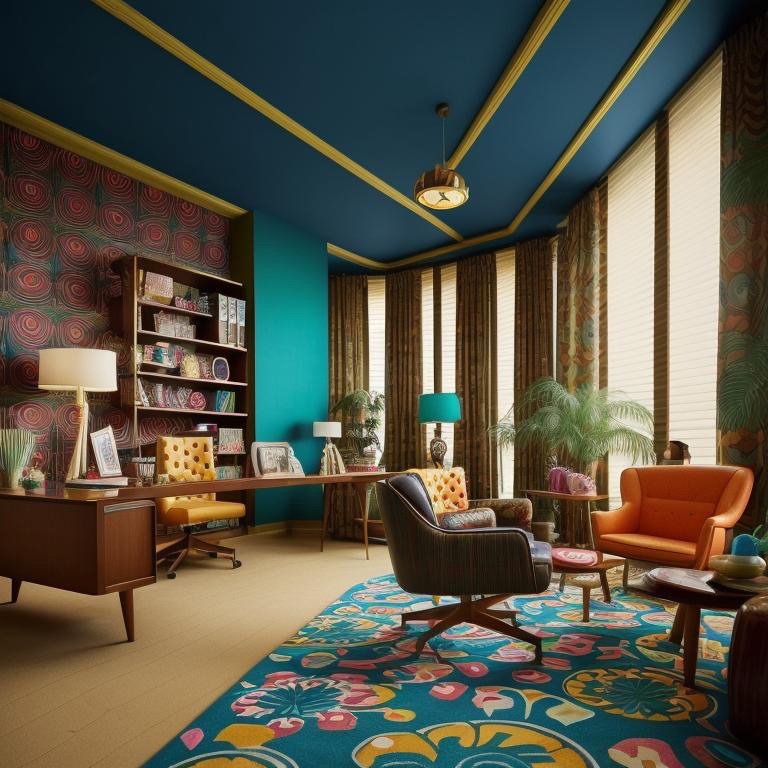
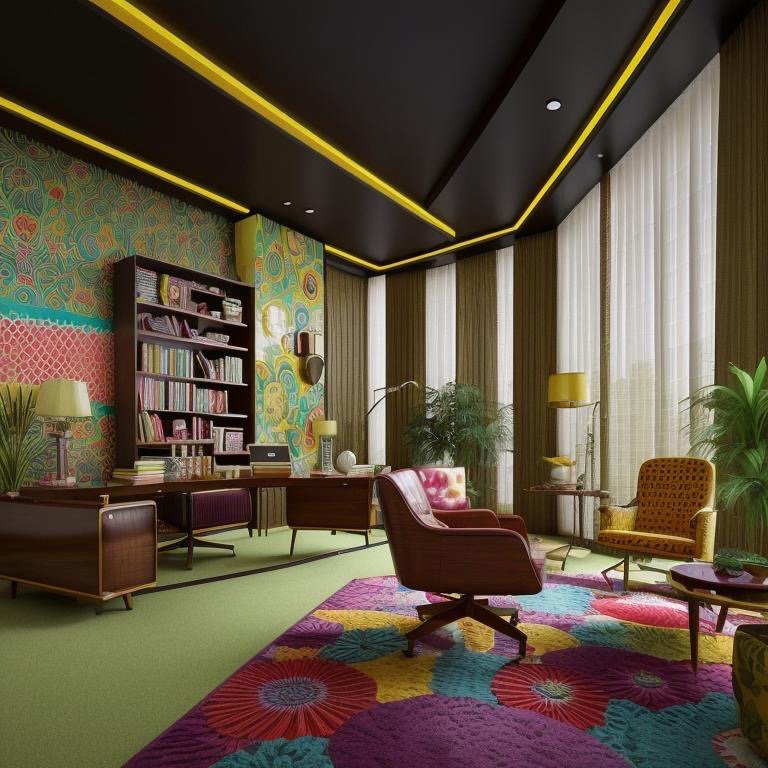
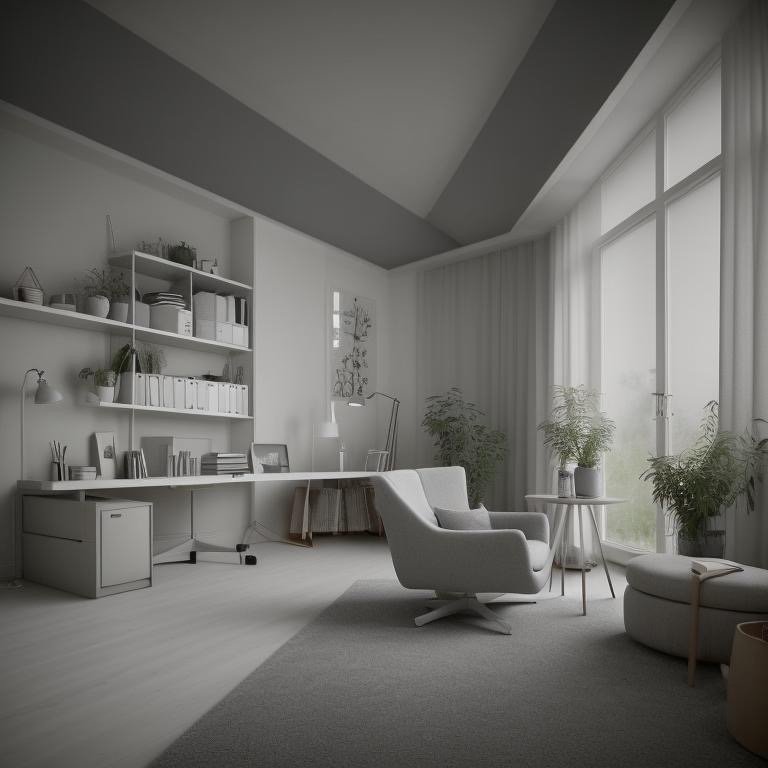
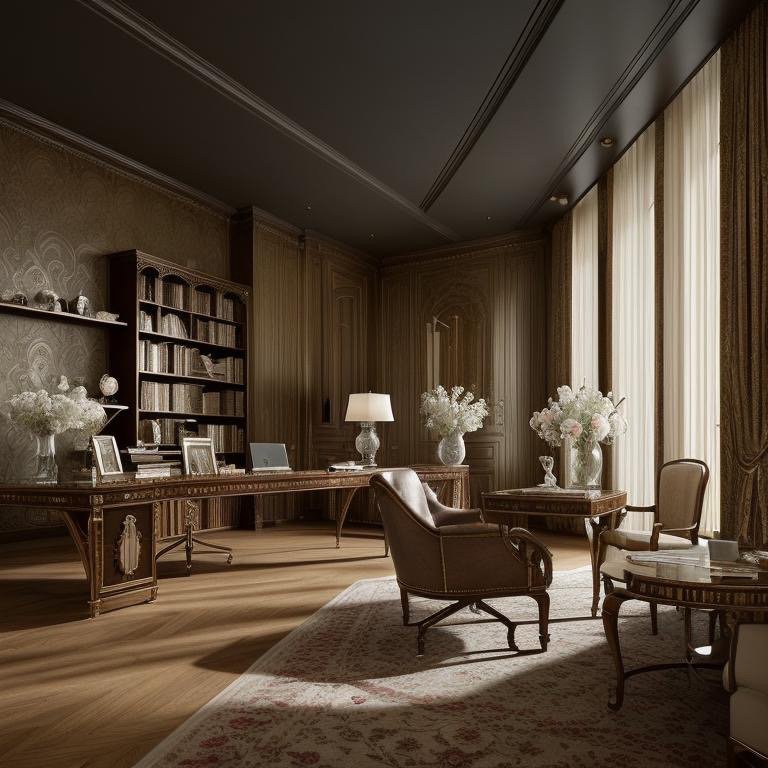
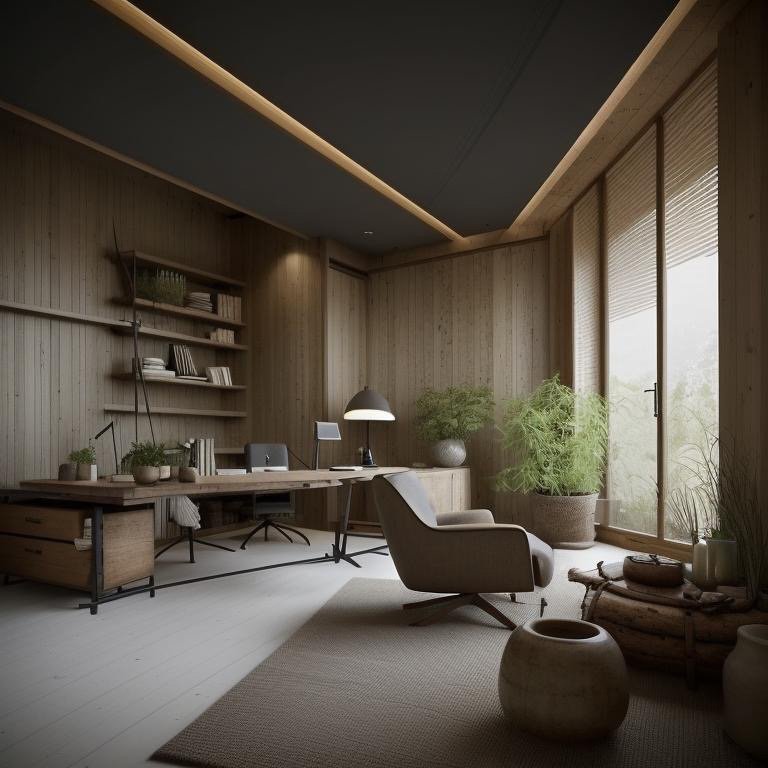
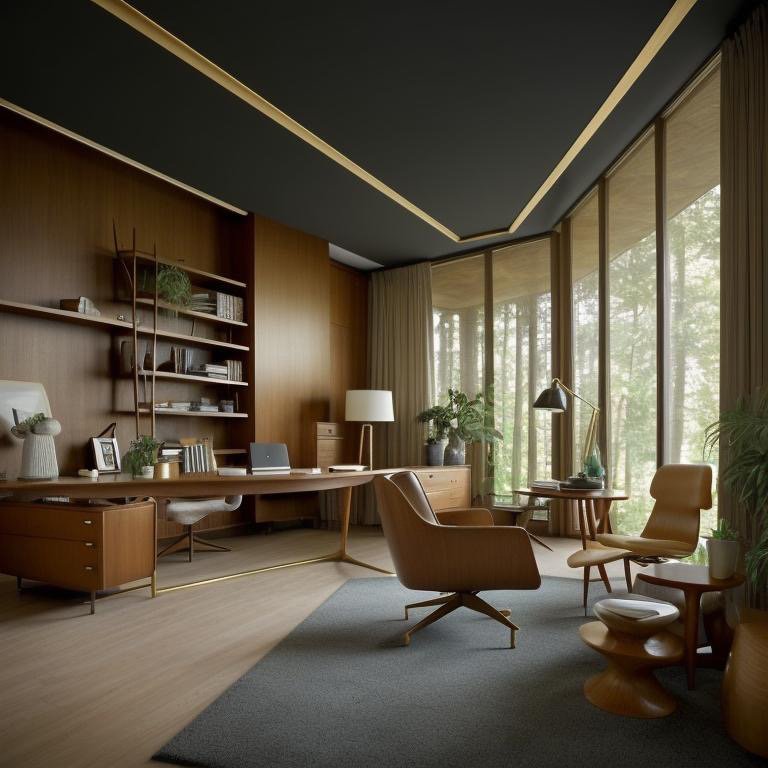
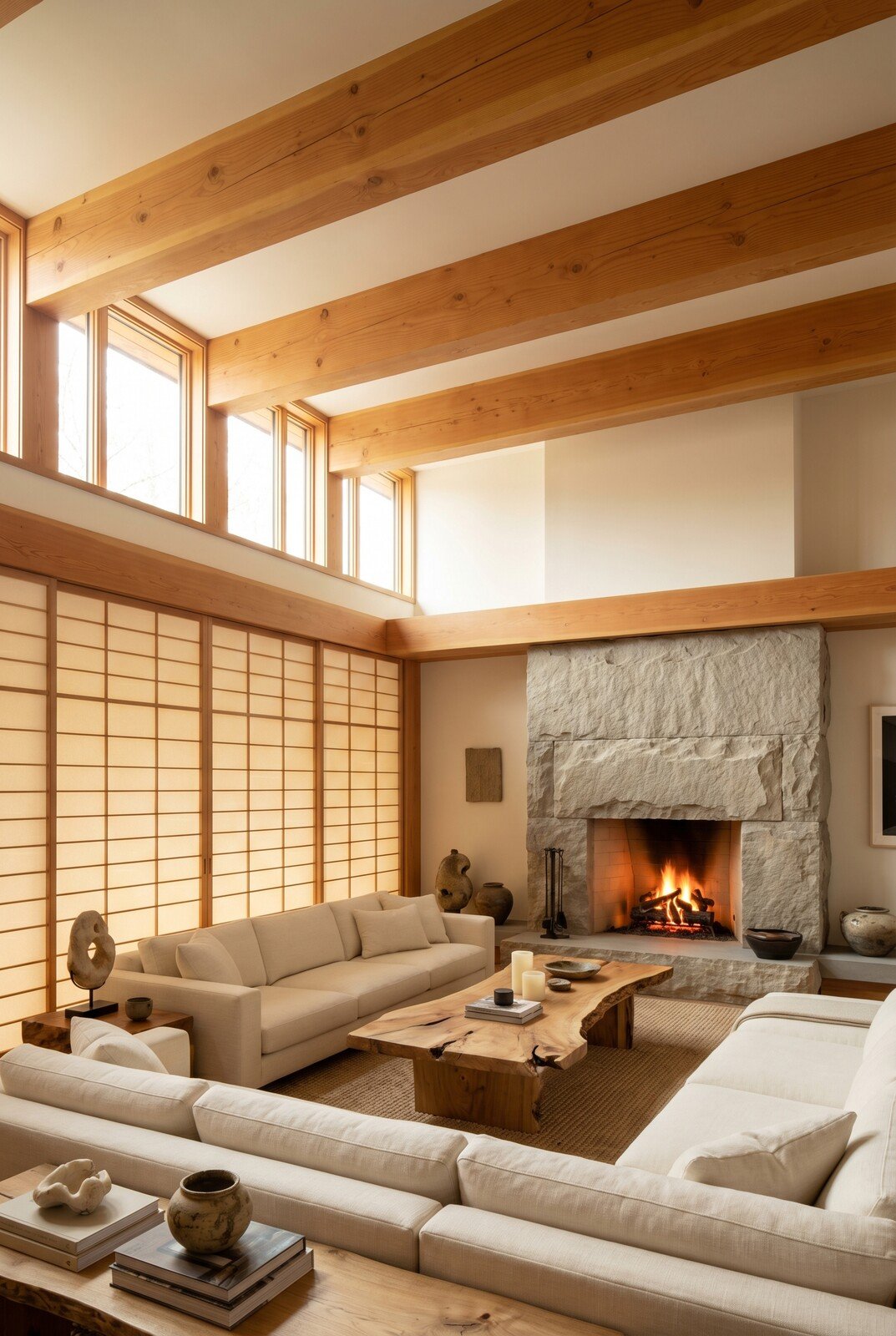
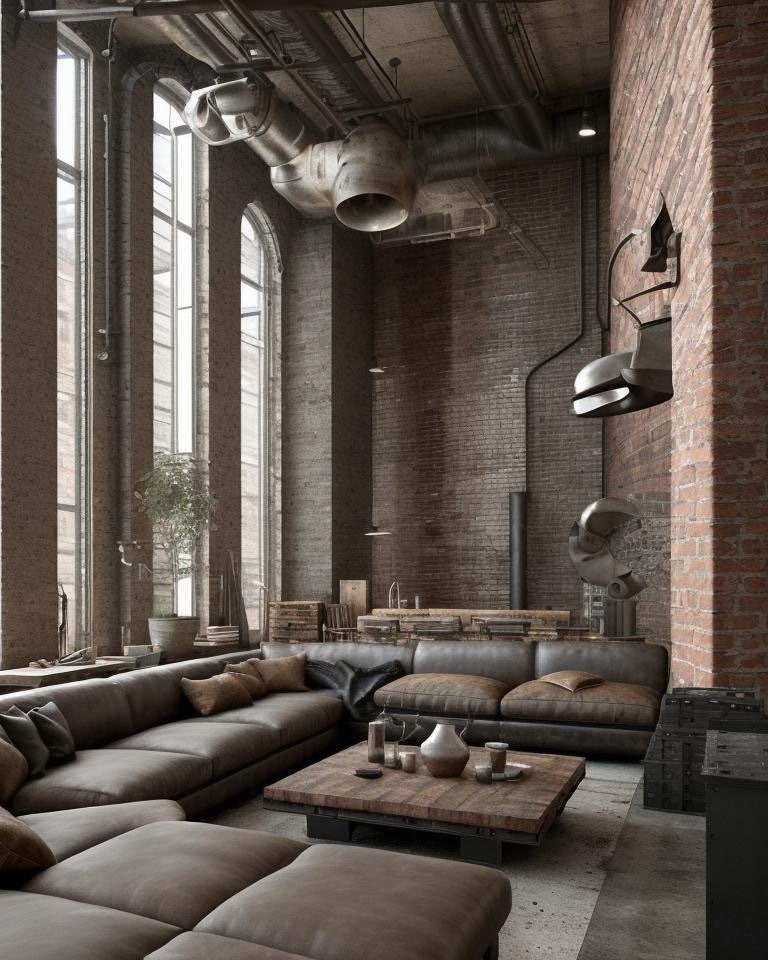
    The original lounge render extends the industrial revival vocabulary established in the boardroom but lightens it considerably. The material palette mixes: warm woods, refined metal detailing, layered textured surfaces. The furniture is more varied—not a single authoritative gesture, but a careful composition of elements that suggest flexibility without chaos. A mix of formal and informal seating creates permission for multiple modes of occupancy.

    Light behavior is warm and directional—not the controlled theatrical light of the boardroom, but illumination that feels generous and enveloping. The spatial organization suggests gathering without the formality of the board table. The lounge is the mediating space: it borrows the material intelligence of the boardroom, the warmth of the café, but creates something architecturally distinct—a space designed for the particular social functions of executive culture. The informal meeting. The pause between engagements. The moment of spatial transition.

    The Baseline Before Transformation

    These three rooms—the boardroom, the café, the lounge—are presented here as originals. They are the foundational geometry and material language that will, across the remainder of this issue’s exploration, be reinterpreted through twenty-two distinct stylistic lenses. Each subsequent transformation will preserve the functional footprint, the dimensional logic, the spatial program. What will change is the language through which that program is expressed: the material choices, the color temperature, the light behavior, the cultural references embedded in the design language.

    The purpose of documenting the originals is not nostalgia or preservation. It is clarity. It is the establishment of a baseline from which variation becomes legible. When you can see a boardroom rendered in brutalist warmth, and then see that same boardroom reinterpreted through Mediterranean minimalism, or through Japanese restraint, or through Scandinavian functionalism, something becomes visible: the distinction between program and language, between function and aesthetic expression, between what a space does and how it communicates meaning.

    This is the architectural labor that Cinematic Intelligence enables—not the generation of infinite stylistic variation as mere decoration, but the systematic exploration of how the same spatial intention can be articulated through radically different visual and material languages. The three rooms documented here are the originals. They are the question. The twenty-two treatments that follow are the explorations of how that question can be answered, reframed, and recontextualized across different cultural, material, and aesthetic frameworks.

    In this exploration lies something essential about contemporary design thinking: the recognition that space, material, and culture are not separate domains, but integrated expressions of the same intention. These rooms exist before style, yet they already carry architectural meaning. They wait for language to be applied, for their functional clarity to be enriched through aesthetic and cultural depth. The transformation is not additive. It is revelatory.

  • The Shōrin Villa: Japan’s $110 Million Living Room & Garden Renaissance

    The Shōrin Villa: Japan’s $110 Million Living Room & Garden Renaissance

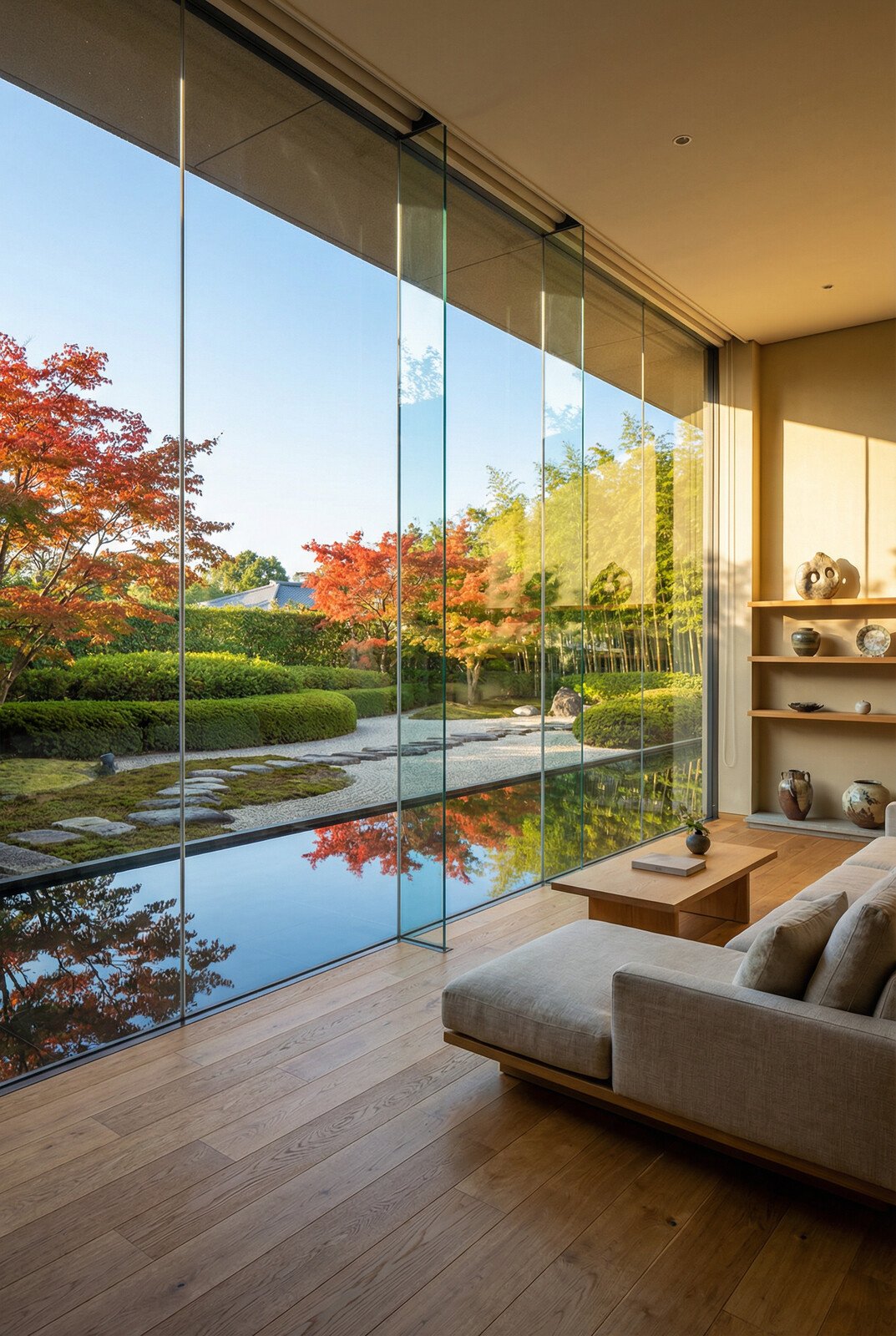
    Japanese luxury living room with natural timber, floor-to-ceiling glass, and mountain garden views

    The Architecture of Breath: Living Rooms as Breathing Walls

    The Shōrin Villa sits above Kyoto’s eastern slopes like a whispered conversation between stone and sky. At 5,000 square feet, the great room does not announce itself—it exhales. Architect Kenji Takahara designed it as what the Japanese call the engawa: not merely a room, but a breathing edge where interior dissolves into exterior consciousness. The principle is ancient, yet the execution here required an intelligence that could understand both philosophy and mathematics simultaneously.

    Eighteen feet of veined travertine rises behind the hearth, hand-selected from quarries outside Tivoli. But the stone is not static. Modish Global’s Cinematic Intelligence™ generated 192 distinct variations of backsplash illumination—what the design team calls “The Light Script.” Each variation responds to time of day, season, and the emotional geometry of the space. The travertine becomes a vertical surface of conversation: warm honey at dawn, electric silver at midday, deep amber at dusk. The stone is not backdrop; it is participant.

    The dialogue extends outward. Beyond the room’s south-facing glass plane sits a reflecting pool with an onyx garden backsplash that rises organically from the water’s surface. The onyx was chosen for a reason that has nothing to do with luxury and everything to do with optics: the stone’s translucency allows light to penetrate and scatter, creating an architecture of refracted geometry. Where travertine speaks of warmth and human scale, onyx whispers of infinity.

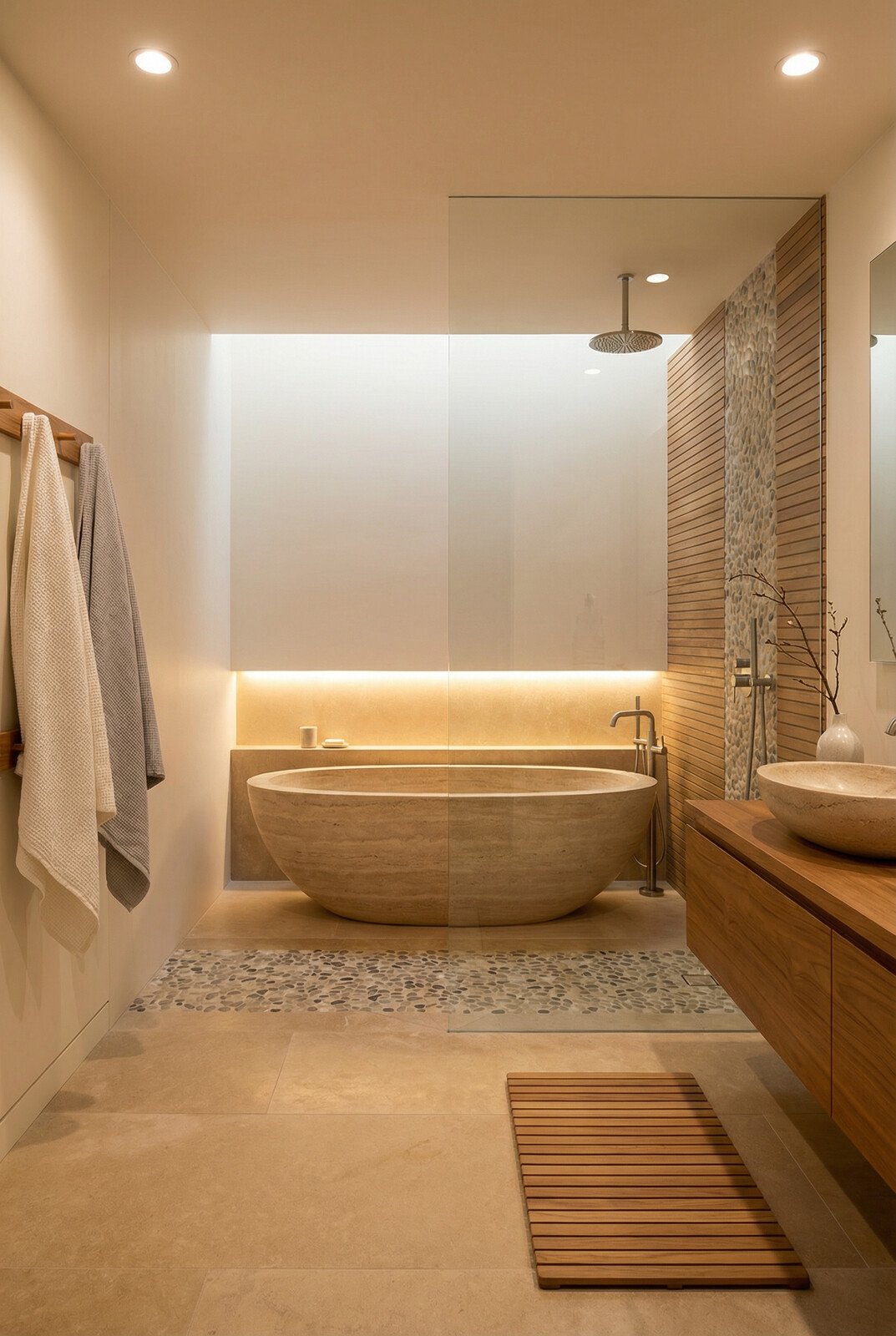
    Shōrin Villa spa bath with veined travertine walls and natural light

    The Proportional Language: Tatami Mathematics in Stone

    Japanese architectural tradition derives from the tatami—a rectangular mat with a 3:2 aspect ratio that has governed room proportions for centuries. Takahara and developer Akira Tsukamoto (Tsukamoto Real Estate) rebuilt the Villa’s emotional geometry around this ratio. The result is a space that feels inherently restful to the human eye, as though the room itself were breathing in rhythm with the viewer. This is not metaphor. The proportions are engineered to produce a specific emotional state—one of calm, centeredness, and an almost meditative sense of rightness.

    The travertine backsplash echoes this proportion. Its veining pattern—seemingly organic, actually algorithmically analyzed through Cinematic Intelligence—distributes light and shadow in 3:2 intervals. This is not decoration. This is mathematics rendered as feeling. The veins of mineral deposit within the stone follow the same proportional logic as the room’s spatial arrangement. When light strikes the travertine at various angles throughout the day, the veining pattern creates a visual rhythm that the eye recognizes subconsciously as harmonious. The nervous system relaxes. The mind enters a state of receptivity.

    A collector from London, visiting in early autumn, stood before the wall for forty minutes without speaking. Later, she commissioned a three-wall installation for her Belgravia townhouse using the same mathematical backsplash system. Her brief to Modish: “I want my home to breathe the way the Shōrin Villa does.” She understood that she was not purchasing a decorative object but a system—an entire architectural intelligence embedded within a single wall surface.

    The work has spawned a new category of high-end commissions globally. Collectors from Singapore, Los Angeles, and Copenhagen have all requested backsplash variations tailored to their specific spatial geometries and light conditions. The pattern is consistent: they visit the Villa, they encounter the travertine, they sense something deeper than aesthetic pleasure. They perceive what Takahara calls “surface consciousness”—the idea that a wall, properly understood, is not a boundary but a threshold. It is the point where interior space meets the observer’s perception, where architecture enters consciousness itself.

    What distinguishes the Shōrin backsplash from mere decorative surface is its responsiveness. The light does not simply illuminate the stone; the stone participates in the illumination. The veining creates shadow patterns that shift throughout the day. In winter, when the sun’s angle is low, the travertine glows amber. In summer, when light strikes the wall at different angles, the color shifts toward pale honey. A resident of the Villa described this effect as “watching the wall age and youthen through the seasons—the stone remains constant, but its appearance transforms, teaching the observer that change is the fundamental nature of all things.”

    Shōrin Villa Japanese garden with reflecting pool, onyx backsplash, and curated plantings

    The Garden as Third Room

    If the great room and its travertine hearth represent the Villa’s interior consciousness, the garden is its meditative extension. Landscape architect and artist Rei Nakamura designed the perimeter with dense bamboo screening—a living boundary that shifts from transparent to opaque depending on viewing angle and light condition. The bamboo was selected not for a single season’s appearance but for its capacity to transform across the calendar year. In spring, the new growth emerges pale and luminous. By summer, the screening reaches its deepest green. In autumn, the bamboo takes on subtle golden tones. In winter, the bare stems create a delicate tracery against snow and pale sky.

    Stone lanterns punctuate the composition at intervals that follow the same 3:2 proportions governing the interior great room. This is not coincidental detail. The garden is not separate from the architecture of the interior. It is an extension of the same mathematical intelligence that governs the travertine backsplash. Walk through the garden, and you will find that the proportions your eye encounters are the same proportions your body instinctively recognizes as restful and harmonious. The entire property—interior and exterior—operates as a single unified field of proportional intelligence.

    The crushed glass aggregate pool floor—a technical innovation that took two years to perfect—scatters light into the water column in ways that shift with sun angle and cloud cover. At dusk, swimmers immerse themselves in what appears to be liquid luminescence, their bodies surrounded by subtle glowing particles. The effect is not accidental theatrical spectacle; it is physics rendered as aesthetic experience. The crushed glass was sourced from recycled architectural salvage—old windows, mirrors, and light fixtures from demolished buildings across Kyoto. Each fragment carries traces of the city’s history. Nakamura’s concept was to allow the Villa’s residents to literally swim through the accumulated light of Kyoto’s past.

    Every material choice in the garden echoes the interior’s dialogue of surfaces: stone speaks to water, water reflects sky, bamboo frames all three in an ever-shifting relationship. The garden is designed to be perceived from the great room’s south-facing glass plane, and also to be inhabited as an experiential space. The duality is intentional. The view of the garden from inside the Villa presents one aesthetic experience; the act of walking through the garden presents another. Both are necessary for the complete experience of what Takahara calls “the breathing architecture.”

    The Philosophy of Luxury Redefined

    The $110 million price tag includes not just construction but conceptual architecture of the highest order. For comparison, the average luxury residential property of equivalent square footage would cost $15-20 million. The Shōrin Villa costs five to seven times that amount because it is not primarily a room or a house. It is a lived philosophy. It is an entire architectural system designed to transform consciousness through the everyday experience of inhabiting space.

    The Shōrin Villa represents a threshold moment: the point at which residential design ceases to be about rooms and becomes instead about consciousness itself. Every surface, every proportion, every variation in illumination has been considered not as luxury but as philosophy rendered in stone and light. A previous generation of wealth built estates to display status. The Shōrin Villa displays something subtler and more profound: the idea that a building can be designed to make you think differently, feel differently, and exist in a state of deeper harmony with your own sensory apparatus.

    This represents a shift in how the ultra-wealthy conceive of architecture. A $500 million yacht contains within it perhaps $50 million in value; the rest is lifestyle theater. A $110 million house contains within it perhaps $20 million in raw material and construction cost; the rest is conceptual investment—in the intelligence embedded within the design, in the proportional systems, in the understanding of how light and material and geometry can transform human consciousness.

    The garden closes at sunset. But the travertine backsplash continues its work through the night, holding the day’s accumulated warmth, releasing it slowly into darkness. This is what Takahara calls the “ethics of material”—the idea that every element, properly chosen and placed, enters into a covenant with those who inhabit the space. Stone is not inert. Travertine has absorbed light and heat across geological epochs. When you place your hand against the Shōrin Villa’s backsplash at midnight, you are touching warmth that the stone harvested from the Mediterranean sun months earlier. The wall is teaching you that time is not linear but cyclical, that energy persists, that nothing in architecture is truly static.

    To enter the Shōrin Villa is to accept that covenant. To stand before its travertine hearth is to understand that architecture, at its highest expression, is the art of teaching stone to listen, teaching light to speak, teaching proportion to transform consciousness. This is what the $110 million investment has purchased: not rooms, but a complete architectural philosophy of how a human being can live in alignment with the fundamental principles of beauty, proportion, and truth.

  • The Shōrin Villa Redesigns: A Global Dialogue of Style and Stone

    The Shōrin Villa Redesigns: A Global Dialogue of Style and Stone

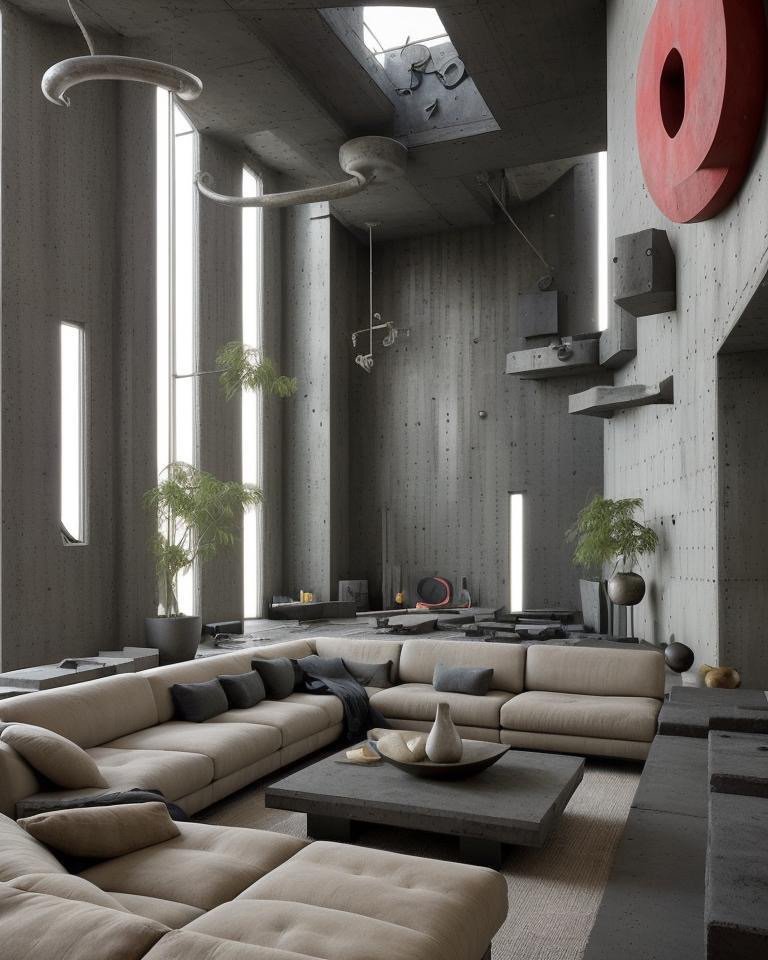
    Brutalist living room with raw concrete backsplash, volumetric lighting, and austere geometric forms

    The Shōrin Reimagined: When One Villa Becomes Four

    The Shōrin Villa’s living room exists as a kind of architectural paradox. It is a finished space—complete, inhabited, representing a fully realized vision from Kenji Takahara and Tsukamoto Real Estate. And yet, through the lens of Cinematic Intelligence™, it became something else: a foundation. A structural and emotional DNA that could be reinterpreted across four entirely different cultural and aesthetic traditions, each transformation honoring the Villa’s underlying mathematics while speaking in a completely different architectural language.

    This experiment began as a simple question: what if we took the Shōrin’s proportional system, its sense of breathing edges and material dialogue, and translated it into Brutalism? Into Greek Revival? Into Moroccan craft traditions? Into Tuscan warmth? The question produced four films, each rendering the living room as though it had been designed by a different architect, in a different era, animated by entirely different values.

    The results surprised everyone involved.

    The Brutalist Statement: Stripping to Skeleton

    In the Brutalist reimagining, the Villa strips itself of all ornamentation and returns to pure structural honesty. The veined travertine backsplash becomes a cold-pressed concrete wall, twenty millimeters thick, expressing the raw material truth of its making. Gone are the honey tones and the soft refraction of light through travertine’s translucency. Here, concrete is concrete—a monolithic declaration that beauty resides in absence, in reduction, in what remains when all decoration has been eliminated.

    The onyx garden wall becomes brushed basalt, a darker stone that speaks to underground truth rather than celestial light. Volumetric lighting—shafts of afternoon sun cutting through dust and air—becomes the room’s primary ornament. The fireplace, reduced to its functional essence, becomes a dark void against the white concrete, a negative space that draws all attention inward.

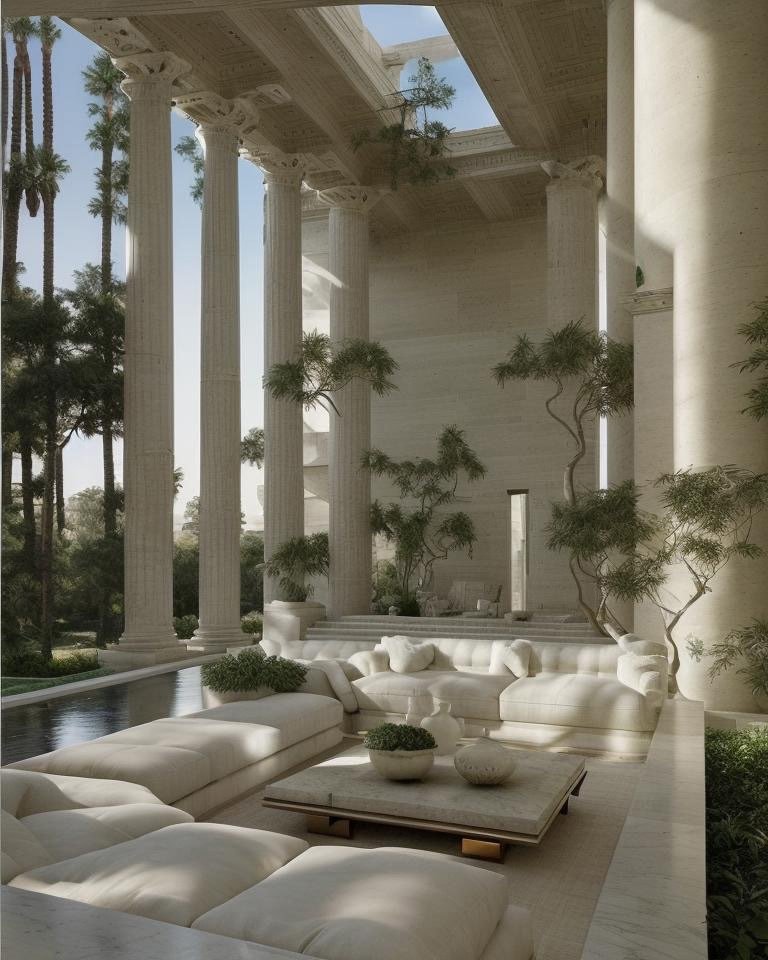
    Greek Revival living room with honey-gold veined marble columns and coffered ceiling details

    What is remarkable is that the room does not feel diminished. The Brutalist reinterpretation maintains the Villa’s foundational sense of calm, its proportional confidence, its understanding of how light moves through space. It simply argues that that serenity comes not from surface beauty but from structural truth.

    Greek Revival: The Language of Proportion

    If Brutalism strips the Villa bare, Greek Revival dresses it in the language that has governed Western architecture for two millennia. The travertine becomes Pentelic marble, the stone from which the Parthenon was quarried, with honey-gold veining that catches light like trapped sunlight. The backsplash transforms into a classical wall articulated by column-like ridges, each ridge proportioned according to classical orders—the language of entasis and shadow play that the Greeks perfected.

    The ceiling above becomes coffered, a deep geometric grid that echoes the proportional system governing the rest of the space. Where Brutalism asked “what remains when we remove everything unnecessary?”, Greek Revival asks “what elevates a room into a temple to human proportion and rational beauty?” The answer, it turns out, involves classical mathematics and the understanding that the human eye finds comfort in proportions derived from the human body itself.

    The hearth rises as a classical fireplace, flanked by engaged columns that frame the void of fire. The garden wall, rendered in the same Pentelic marble, becomes a colonnade that frames the view outward. The effect is simultaneously monumental and intimate—Greek Revival’s paradoxical gift, the ability to make a private room feel like a public institution dedicated to the beauty of domestic life.

    Moroccan Craft: Geometry as Spirituality

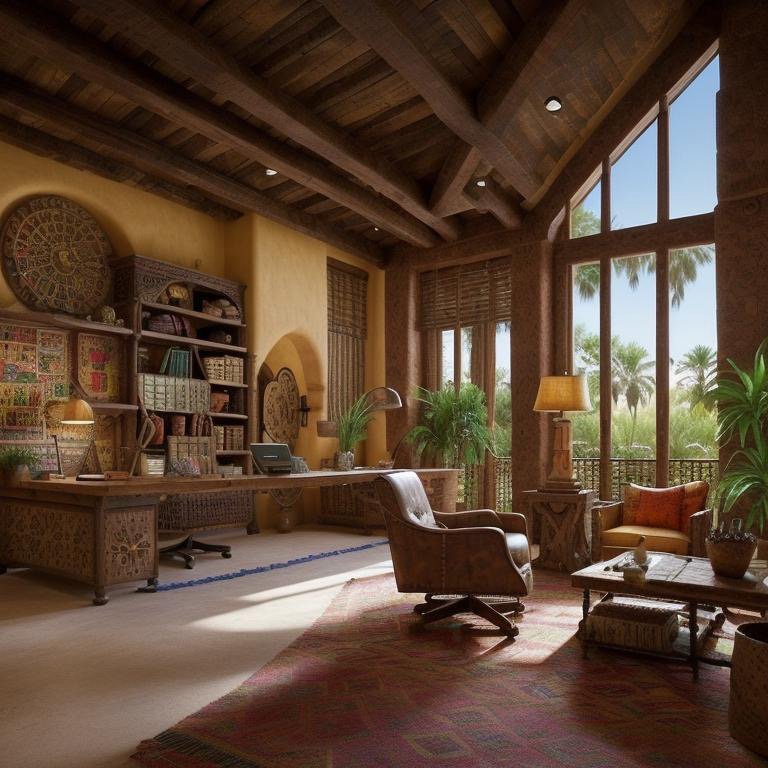
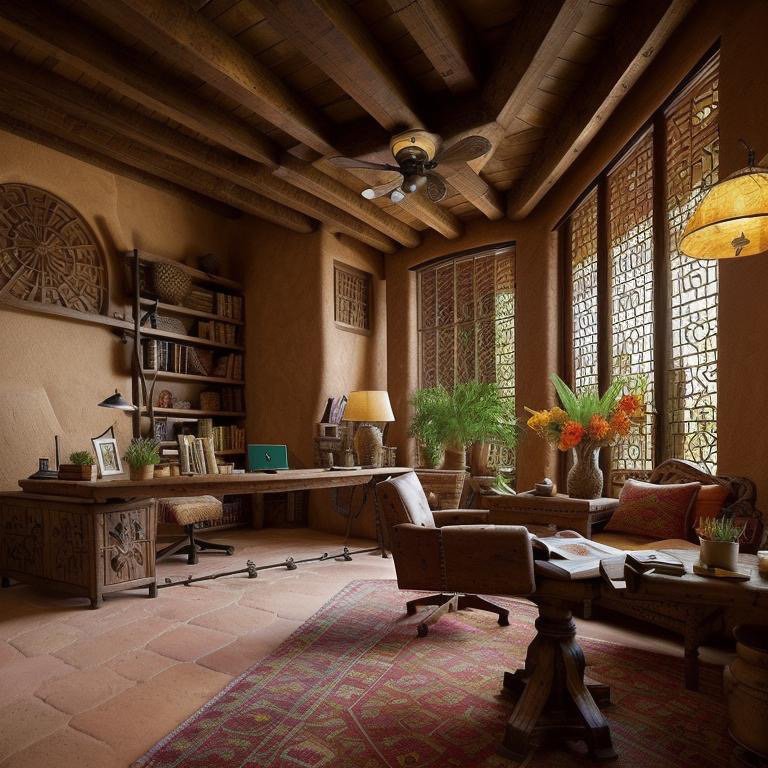
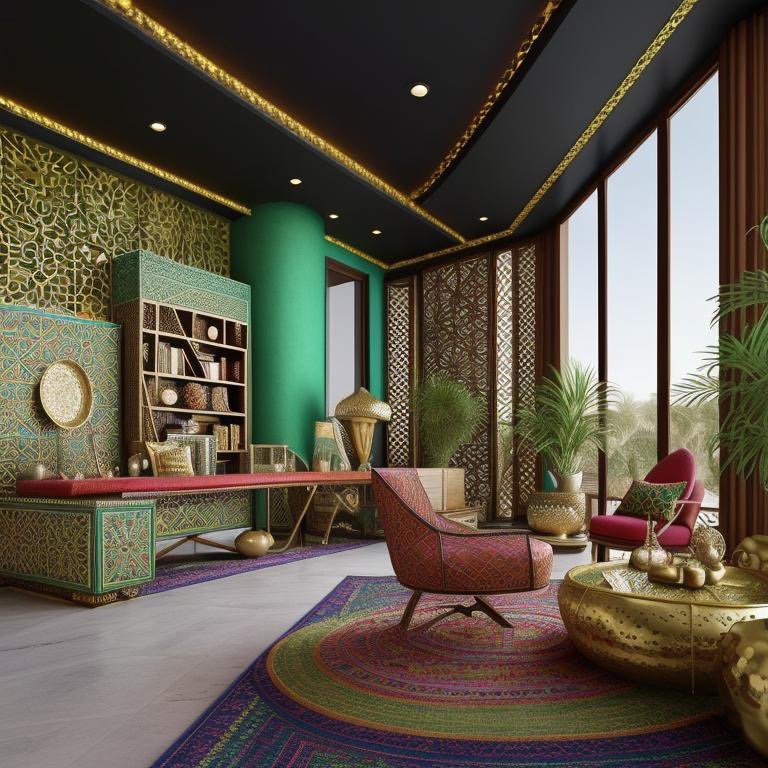
    Moroccan living room with golden brass lanterns, zellige patterns, pointed arches, and colorful woven textilesh in geometric patterns, rose-gold accents

    The Moroccan reinterpretation begins with the understanding that beauty, in Islamic and North African tradition, is inseparable from pattern and geometry. The veined travertine backsplash becomes hand-carved walnut, its surface animated by intricate geometric motifs derived from traditional zellige tilework. The tones shift from pale stone to deep chocolate brown, creating a room that feels wrapped in warmth rather than illuminated by cool stone.

    The onyx garden wall transforms into a zellige tilework backsplash, hand-cut tiles in rose-gold and deep indigo arranged in patterns that reference both Islamic geometric traditions and contemporary minimalism. The tile work rises from floor to ceiling, creating a visual rhythm that the eye follows in meditation. Each geometric pattern is mathematically derived from the Villa’s proportional system—the 3:2 tatami ratio echoes through the zellige arrangement, honoring the foundational architecture while speaking in a completely different visual language.

    Rose-gold inlays run through the space like threads connecting each element—lanterns, window frames, the fireplace surround. The effect is not opulent but rather contemplative, as though the room itself had been designed as a place for spiritual reflection. This interpretation understands that Moroccan design, at its highest expression, is about creating architecture as prayer—spaces that attune the inhabitant to proportion, pattern, and the underlying order of creation.

    Tuscan Warmth: The Analog Aesthetic

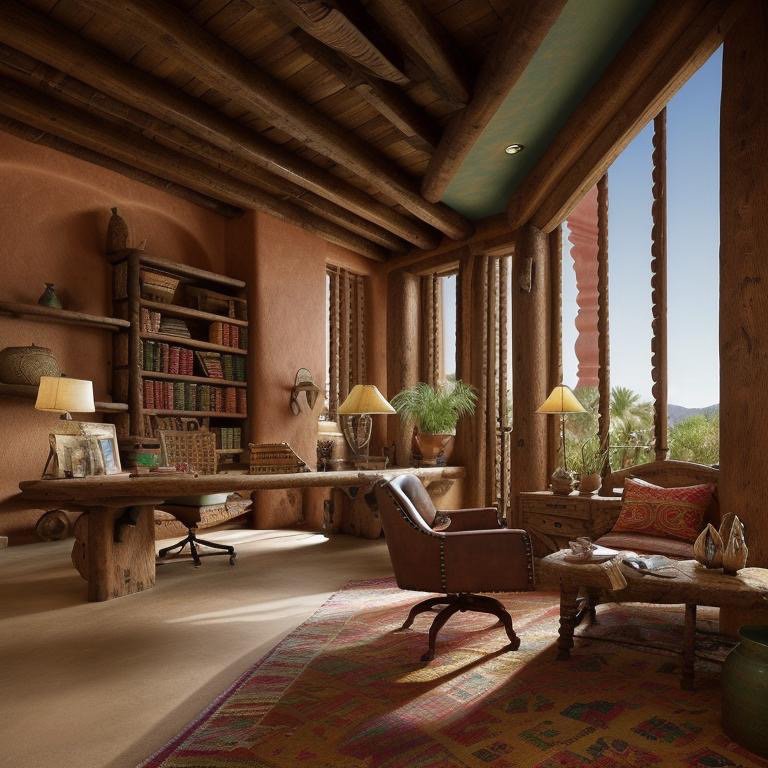
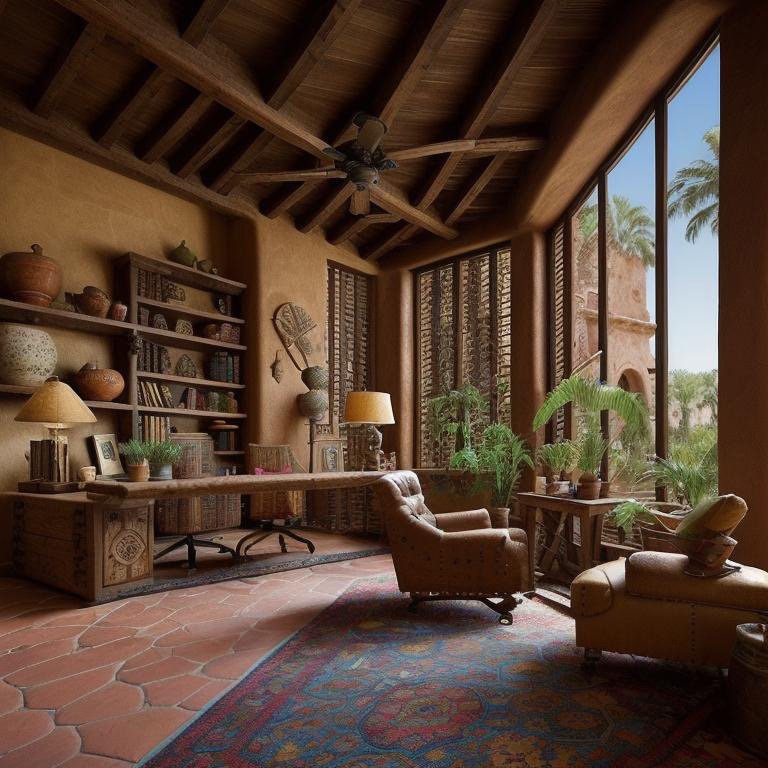
    The final transformation takes the Villa in the direction of traditional Italian design, specifically the Tuscan vernacular tradition. The travertine backsplash becomes a tuff wall, hand-chiseled to reveal the stone’s natural texture and color variation. Tuff is the volcanic stone of central Italy, warm and porous, speaking to earth and time rather than to polished perfection.

    Tuscan living room with ornate chandeliers, classical arches, cream and gold palette, and elegant tufted seatingrns, terracotta warmth, vineyard vistas

    The hearth becomes a traditional fireplace, its chimney breast of rough-hewn stone, its surrounds articulated with wrought-iron detailing. Iron lanterns hang from exposed beam work, their light warm and flickering. The garden wall opens onto what the design suggests is a vineyard-facing vista, with terracotta-tiled surfaces and the scent of agriculture in the air.

    Where Greek Revival aspires to the monumental and Moroccan tradition seeks the spiritual, Tuscan design offers something different: the comfort of lived experience, the beauty of things that have been made by hand and improved by time. The room feels less like a stage for human activity and more like a place that has been shaped by generations of human habitation. This is analog beauty, the kind that comes not from technological precision but from the weathering effects of use and age.

    The Structural DNA Beneath the Surface

    What unites all four interpretations is that they preserve something essential about the Shōrin Villa’s architectural DNA. Each maintains the proportional system Takahara established. Each respects the dialogue between interior and garden. Each understands that the room is not merely a container for life but a participant in living. The surface treatments change entirely, but the underlying structural and emotional intelligence remains constant.

    Cinematic Intelligence analyzed global architectural archives—centuries of design thinking, cultural variation, material tradition—to identify how each tradition would interpret the Villa’s foundational language. The AI did not merely apply textures to surfaces. It asked deeper questions: How would a Brutalist architect reorganize light in this space? How would a Greek Revival designer use proportion? How would Moroccan tradition transform the concept of pattern? How would Tuscan craftspeople age this room into beauty?

    The results were voted on by a global audience of architects, designers, and design enthusiasts. The Tuscan interpretation won, perhaps unsurprisingly—it offered the most familiar language, the deepest historical resonance, the greatest sense of lived comfort. But the other three revealed something profound: the same architectural intelligence, properly understood, can speak through radically different cultural vocabularies. The Villa’s mathematics are universal. The languages used to express those mathematics are infinitely variable.

    This is what Cinematic Intelligence makes possible. Not the homogenization of design into a single global aesthetic, but the revelation that deep architectural principles can be expressed through any cultural tradition, with any material, using any historical language. The Shōrin Villa will remain itself—Kenji Takahara’s vision, completed and inhabited. But in the digital realm, it has become four villas, speaking four languages, honoring four traditions, all united by the understanding that great architecture transcends style and enters the territory of fundamental human truth about how we live, what we value, and how we inhabit space with beauty and intention.

  • The Shōrin Villa Redesigns: The Global Language of Backsplashes

    The Shōrin Villa Redesigns: The Global Language of Backsplashes

    Industrial backsplash design with raw concrete, exposed steel framework, and minimalist warehouse aesthetic

    The Backsplash as Cultural Signature

    Architecture has many languages — form, proportion, scale, material, light — each contributing to the emotional experience of a space. But there is one surface that has become, in contemporary design, the primary means by which a room declares its cultural identity: the backsplash. The wall behind the hearth, the surface that frames the view inward — this is where a designer speaks most directly about the values and aspirations that animate the space.

    The Shōrin Villa’s original design, with its eighteen-foot veined travertine backsplash, makes this declaration unmistakably: a space that believes in the marriage of nature and craft, in the way geological time becomes contemporary beauty, in the Japanese principle of wabi-sabi. The travertine’s veining is not uniform. Each vein tells a story of mineral deposition and geological fortune. This is not marble’s polished perfection. This is stone in its honest, weathered truth.

    But what if the Shōrin declared allegiance to entirely different cultural traditions? Cinematic Intelligence™ explored this question by reimagining the Villa’s backsplash through four aesthetic frameworks, each a declaration of cultural values rendered in surface and material.

    Industrial: The Language of Honest Utility

    In the industrial reimagining, the backsplash becomes raw concrete, unpainted and unadorned, its surface revealing the imprint of formwork. Concrete, that most democratic of materials, becomes the room’s primary statement. Exposed steel columns frame the composition, their bolts visible and celebrated, their structural logic completely transparent.

    Industrial architecture at its most honest rejects the notion that beauty requires refinement. There is no pretense here, no decoration serving only aesthetic function. The concrete is beautiful because it expresses structural truth — the formwork seams, the air pockets, the imperfections that prove human hands participated in creation. Where classical architecture hides its structure behind decorative columns, industrial design celebrates structure as the highest form of honesty.

    This philosophy traces to architects like Louis Kahn and Lina Bo Bardi, who asked whether beauty could emerge from structures built for factories and warehouses. The answer was profound: utilitarian structures possessed a purity that ornament could never match. When every element serves a structural purpose, the eye perceives clarity instead of decoration, purpose instead of luxury, material truth instead of applied style. The mood is monastic, contemplative — a cathedral to utility.

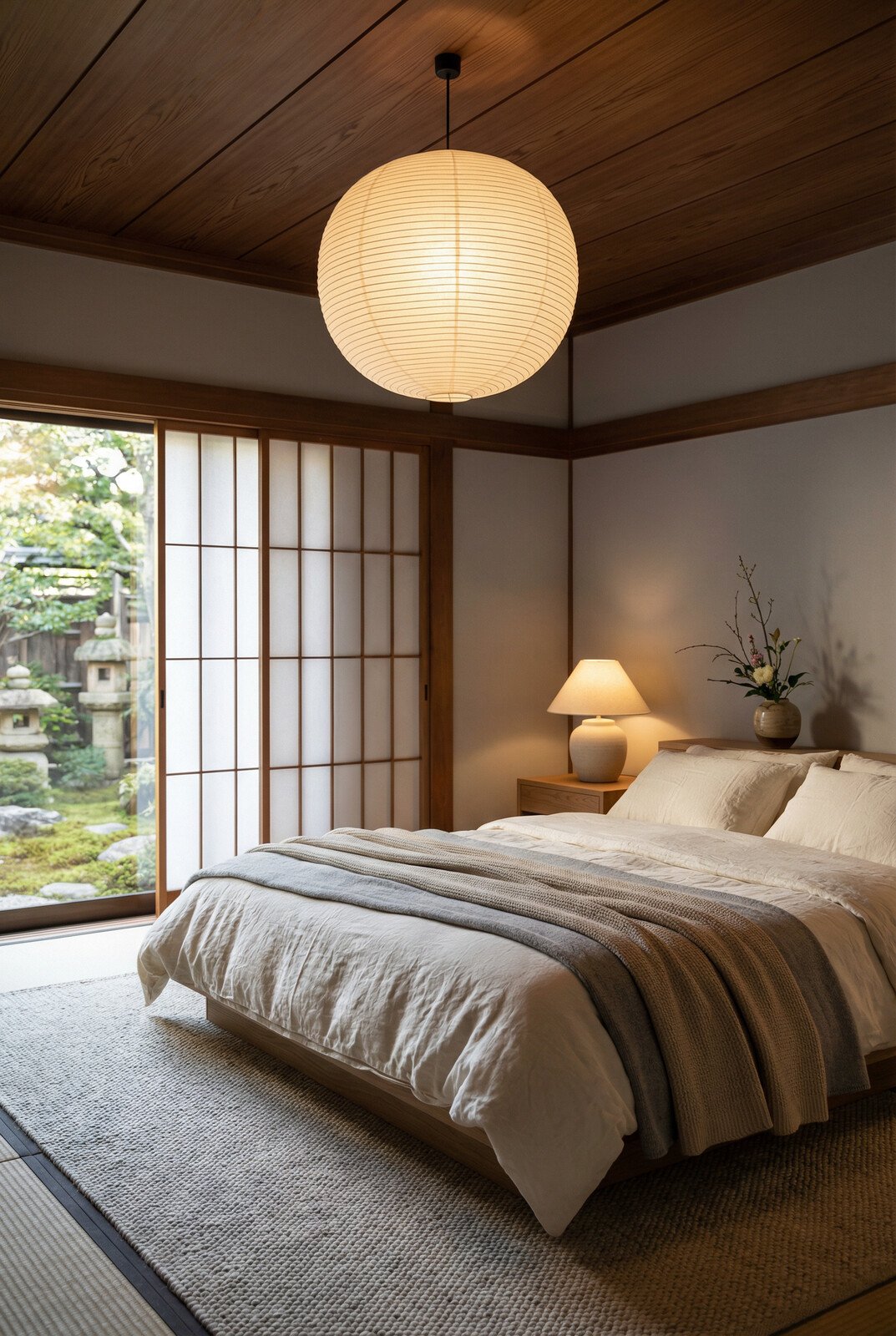
    Japandi backsplash design with light wood surfaces, paper lanterns, and organic minimalist aesthetic

    Japandi: The Breathing Wall

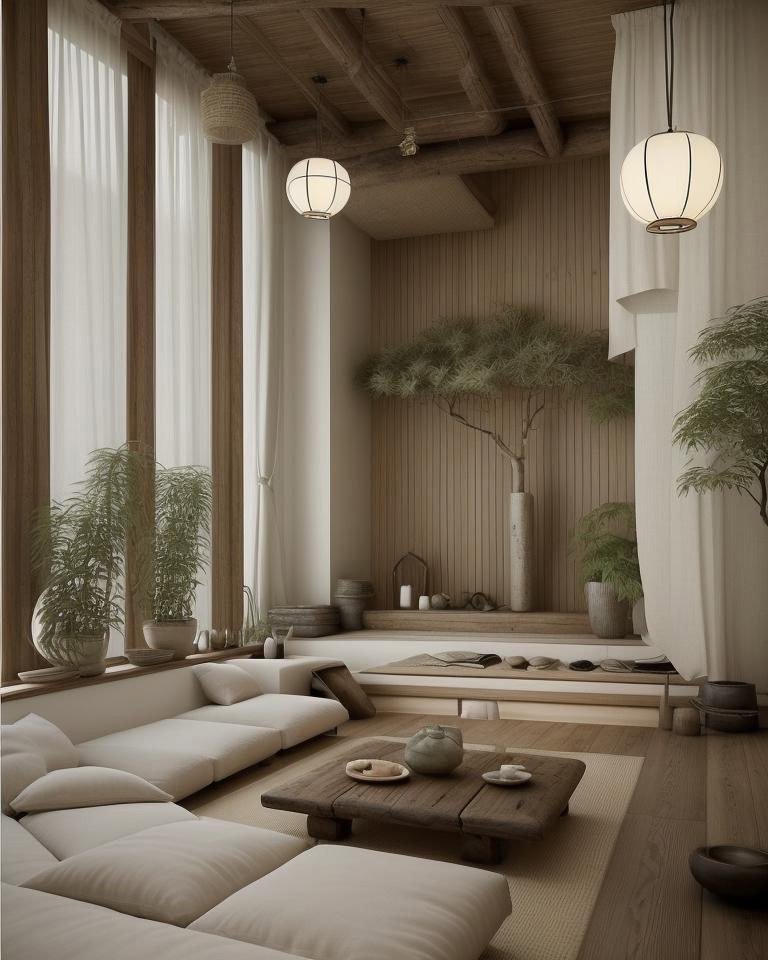
    Japandi — the fusion of Japanese minimalism and Scandinavian warmth — offers something entirely different. Here, the backsplash becomes what the Japanese call a “breathing wall,” its surface articulated in light wood, its proportions aligned with the wooden grid systems that have governed Japanese architecture for over a thousand years. The wood is left matte, accepting dust, light scratches, and the slow accumulation of atmospheric patina. This acceptance of aging is not compromise but philosophy.

    Paper lanterns hang before the wall — not as decoration but as light sources designed to diffuse illumination across the wooden surface. The backsplash becomes a canvas for shadow play. At dawn, the shadows are long and dramatic. By midday, they disappear entirely. At dusk, they return in different configurations. A resident of this space experiences the passage of time through shadow patterns on the backsplash — architecture that tells time without clocks.

    What distinguishes Japandi from pure Japanese minimalism is the deliberate addition of Scandinavian warmth. The wood has a honey tone rather than cool gray. Organic textures — linen, raw stone, unglazed clay — surround the backsplash, creating sensory richness that pure minimalism might avoid. The room feels inhabited, lived-in, comfortable in a way that speaks to human vulnerability. Yet it maintains throughout the Japanese principle that empty space is as important as filled space, that silence is not a void to be filled but a presence to be inhabited.

    Retro: Optimism as Material Expression

    Retro backsplash design with bold geometric patterns, mirrored mosaic tiles, vibrant color palette

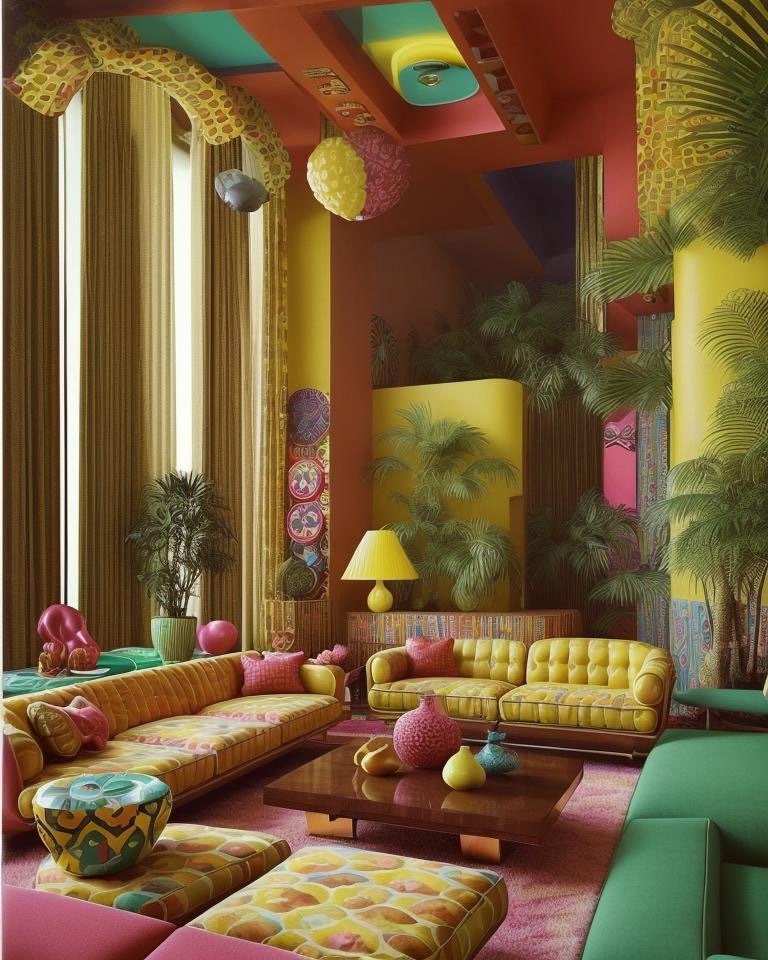
    The retro interpretation swings in an entirely different direction. Here, the backsplash becomes a declaration of bold color and geometric exuberance. Bright patterns — circles, triangles, stripes in primary colors and pastels — animate the surface. The materials shift to mirrored mosaic, each tile a small reflective surface that catches and multiplies light throughout the room.

    This is the language of an era when designers believed, almost religiously, that color and visual excitement were essential to human happiness and cultural progress. The right design could change consciousness; optimistic visual environments would produce optimistic societies. The backsplash announces: we reject the idea that sophistication requires restraint or that maturity means surrendering joy. Color is a human right. Visual abundance creates emotional abundance.

    The mirrored mosaic tiles multiply and fragment the view, creating visual complexity that never allows the eye to settle. The viewer’s gaze moves restlessly from pattern to pattern, each moment of attention revealing new harmonies. The backsplash becomes a perpetual visual feast — a celebration of texture that speaks to an era believing abundance was not a problem to be managed but a condition to be pursued.

    Tuscan: The Analog Threshold

    Tuscan backsplash design with weathered timber beams, hand-laid stone, rustic warmth

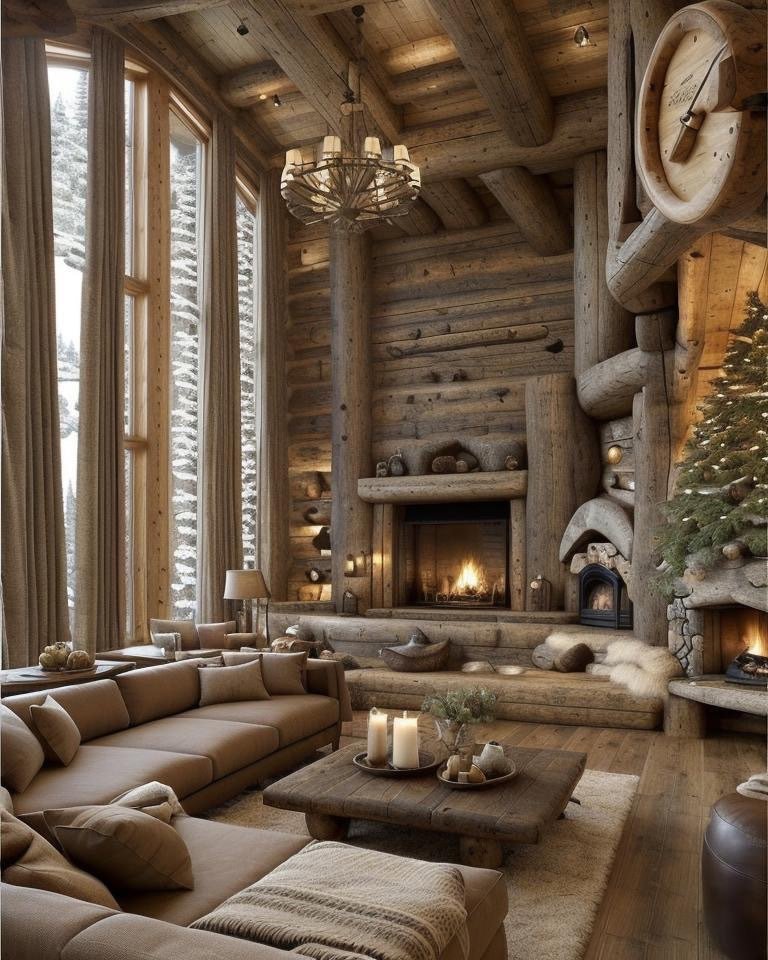
    The final interpretation returns to tradition and the reassuring language of handcraft. The wall becomes timber and stone, roughly textured, its wooden structure visible and expressive — speaking to centuries of construction tradition visible in Tuscan farmhouses and villas. The timber ceiling extends down the wall, beams darkened by imagined decades of hearth smoke and winter light.

    Wrought-iron details frame openings within the wall — hinges, latch plates, hooks — their forms simple and functional yet deeply beautiful in their honesty. There is no ornament for decoration’s sake. Every element serves use. Yet through that service, beauty emerges. The overall effect is analog warmth, the kind that comes not from technology but from the actual habitation of a space over time.

    Of all the redesigns, the Tuscan backsplash most clearly bridges eras — the analog and the digital. Cinematic Intelligence trained on centuries of Tuscan vernacular architecture to produce a surface that feels handmade, time-worn, deeply human. The stone will patina. The mortar will deepen. The timber will weather. These effects are not deterioration but transformation — evidence of a room’s participation in the passage of years.

    The Backsplash as Architecture’s Confession

    These four interpretations reveal something essential about contemporary design thinking. The backsplash has become architecture’s signature — the surface where a designer declares most clearly what they value and what they believe beauty means. Is beauty honesty? Is it the marriage of simplicity and warmth? Is it exuberance and color? Is it time, tradition, and the accumulation of craft knowledge?

    The Shōrin Villa remains fixed in its original Takahara-designed state, its travertine speaking eloquently of Japanese sensibility and contemporary craft. It will never be physically reimagined. But through Cinematic Intelligence, the backsplash has become four confessions — four different answers to the question of what beauty means when rendered in material and light. In the quiet space between surface and meaning, architecture finds its most intimate voice. The backsplash is not background. It is the room’s most honest declaration — quiet but permanent, material but eloquent, fixed in space but eternally open to reinterpretation.

  • CEO’s Note: The Birth of a Design Intelligence Revolution

    CEO’s Note: The Birth of a Design Intelligence Revolution

    3D Transformative Digest | Designs by Modish

    In the inaugural edition of the 3D Transformative Digest, I find myself compelled to address the question I receive more than any other: “Why design?”

    My answer has never wavered: “Why not design?”

    In a world brimming with creative potential yet constrained by traditional boundaries, I recognized an opportunity that few others could see — the chance to redefine the very essence of architectural and interior design. Not incrementally. Not cautiously. But with the full force of what happens when two decades of executive experience collide with the most transformative technology our industry has ever witnessed.

    The Genesis of Cinematic Intelligence™

    When you fuse the expertise cultivated across more than 15,000 events spanning twenty-two years with the creative intelligence born from hundreds of design endeavors — and then multiply that foundation by the advanced capabilities of Modish.AI, our award-winning application — the equation yields something extraordinary. It produces a transformative leap into the next era of design. We call this proprietary methodology Cinematic Intelligence™, and it represents nothing less than a paradigm shift in how spaces are conceived, visualized, and brought to life.

    From our corporate headquarters in North Las Vegas, Nevada, our innovative 3D designs are curated and mastered with a precision that the traditional design process simply cannot match. Fueled by the groundbreaking capabilities of our AI engine, we serve a multitude of industries — transcending the conventional to create spaces that inspire, innovate, and invigorate. Our unique approach combines aesthetic brilliance with the relentless precision and learning capabilities of artificial intelligence, ensuring that with every project, our dataset grows, evolves, and refines itself into something more powerful than what came before.

    The Continuous Improvement Cycle

    This is the critical distinction that separates Designs by Modish from every other firm in the architectural visualization space: our continuous improvement cycle. Each rendering we produce is not merely an image — it is a vision brought to life, a data point that feeds back into our intelligence engine, setting new benchmarks in design quality and innovation with every single output. The more we create, the more sophisticated our understanding becomes. The more sophisticated our understanding, the more extraordinary our renderings.

    It is a compounding effect. And compounding effects, as any serious strategist understands, are the foundation of category dominance.

    Consider the implications of this architecture. Every luxury kitchen we render in the Japandi tradition teaches our engine something new about negative space, natural materiality, and the interplay of light against unfinished wood. Every Hollywood Regency bathroom we visualize sharpens our understanding of gilded detail, dramatic contrast, and the emotional weight of opulence. These are not isolated projects — they are nodes in an expanding neural architecture of design knowledge that compounds with each commission.

    Global Reach, Singular Mission

    Today, we serve clients and partners across thirteen countries. Our reach is global, yet our mission remains singular: to bring the highest level of design intelligence to every corner of the world. As we look toward the future, our ambition is to expand this reach — breaking new ground, embracing new challenges, and demonstrating that the boundaries of design are not fixed walls but movable horizons.

    The architectural visualization industry has operated under the same fundamental model for decades: a client describes a vision, a designer interprets it, revisions pile up, budgets inflate, and timelines stretch. We have dismantled that model entirely. With our AI-driven infrastructure, a single residential property can be reimagined across twenty-two distinct global design languages — from Japandi minimalism to Hollywood Regency opulence, from Brutalist severity to Moroccan exuberance — in a fraction of the time and cost that traditional methods demand.

    This is not an incremental improvement. This is a structural disruption of how the design industry operates, delivers, and scales. The firms that understand this shift will partner with us. The firms that do not will find themselves competing against an engine that learns faster, produces more, and delivers at a quality threshold that manual processes cannot sustain.

    What This Publication Represents

    The 3D Transformative Digest is not a magazine in the conventional sense. It is a reference document. A visual intelligence archive. A demonstration of what becomes possible when human creativity and artificial intelligence operate in concert rather than in competition.

    Each issue you hold — or in this case, each digital page you navigate — contains renderings that would have required teams of designers, weeks of labor, and six-figure budgets to produce through traditional workflows. Our engine produces them with architectural accuracy, material realism, and a cinematic quality that sets the standard for the entire industry.

    Within these pages, you will encounter seventeen distinct architectural futures applied to a single estate. You will meet the team members driving our visual content strategy forward. You will explore the nuances of Industrial, Farmhouse, Mid-Century Modern, Bohemian, Mediterranean, Coastal, Moroccan, Japanese Zen, and California Coastal design — each rendered with the photorealistic precision that has become our signature.

    You will also discover our editorial perspective on the convergence of AI and design — the trendsetters, the technologies, and the ethical frameworks that are shaping the industry’s trajectory in 2024 and beyond. And you will meet Marquez Johnson, the fictional protagonist of our serialized creative narrative, whose ambitions in the luxury real estate market mirror the boldness with which we approach every commission.

    The Architecture of What Comes Next

    This is the future of design. Not a distant, speculative future — but one that is operational, proven, and scaling as you read these words. Our Cinematic Intelligence engine processes hundreds of design variables simultaneously: light physics, material behavior, cultural context, spatial proportion, emotional resonance. It does not guess. It calculates. And with each calculation, it becomes more precise, more nuanced, more capable of producing renderings that do not merely depict spaces but embody them.

    The implications extend far beyond aesthetics. Architects gain the ability to present clients with a portfolio of futures rather than a single interpretation. Developers can pre-visualize entire communities across multiple design languages before breaking ground. Luxury homeowners can explore twenty-two versions of their dream kitchen before committing to a single tile. Real estate marketers can differentiate listings with cinematic-quality imagery that commands attention in an oversaturated market.

    Every one of these use cases represents revenue. Every one represents a relationship. And every one represents a data point that feeds back into the engine, making the next rendering better than the last.

    An Invitation

    The architectural visualization industry stands at an inflection point. The firms and practitioners who recognize this moment — who understand that the convergence of artificial intelligence and design intelligence represents not a threat but an unprecedented expansion of creative possibility — will define the next era of the built environment. We intend to be the engine that powers that transformation.

    We are not asking you to imagine the future of design. We are showing it to you — rendered in light, material, and structure, at a quality threshold the industry has never seen. The question is no longer whether AI will transform architectural visualization. The question is whether you will be among those who harness that transformation, or among those who watch it happen from the sideline.

    We are redefining the boundaries of design, one rendering at a time. Join us on this journey, and let us reimagine the world together.

    Ben Thomas
    Chief Executive Officer, Modish Global Inc.

    3D Transformative Digest — Cinematic Intelligence Architectural Render