Tag: Design Technology

  • The Death of the Floor Plan: Why Architecture Is Now Sold in Images, Not Drawings

    The Death of the Floor Plan: Why Architecture Is Now Sold in Images, Not Drawings

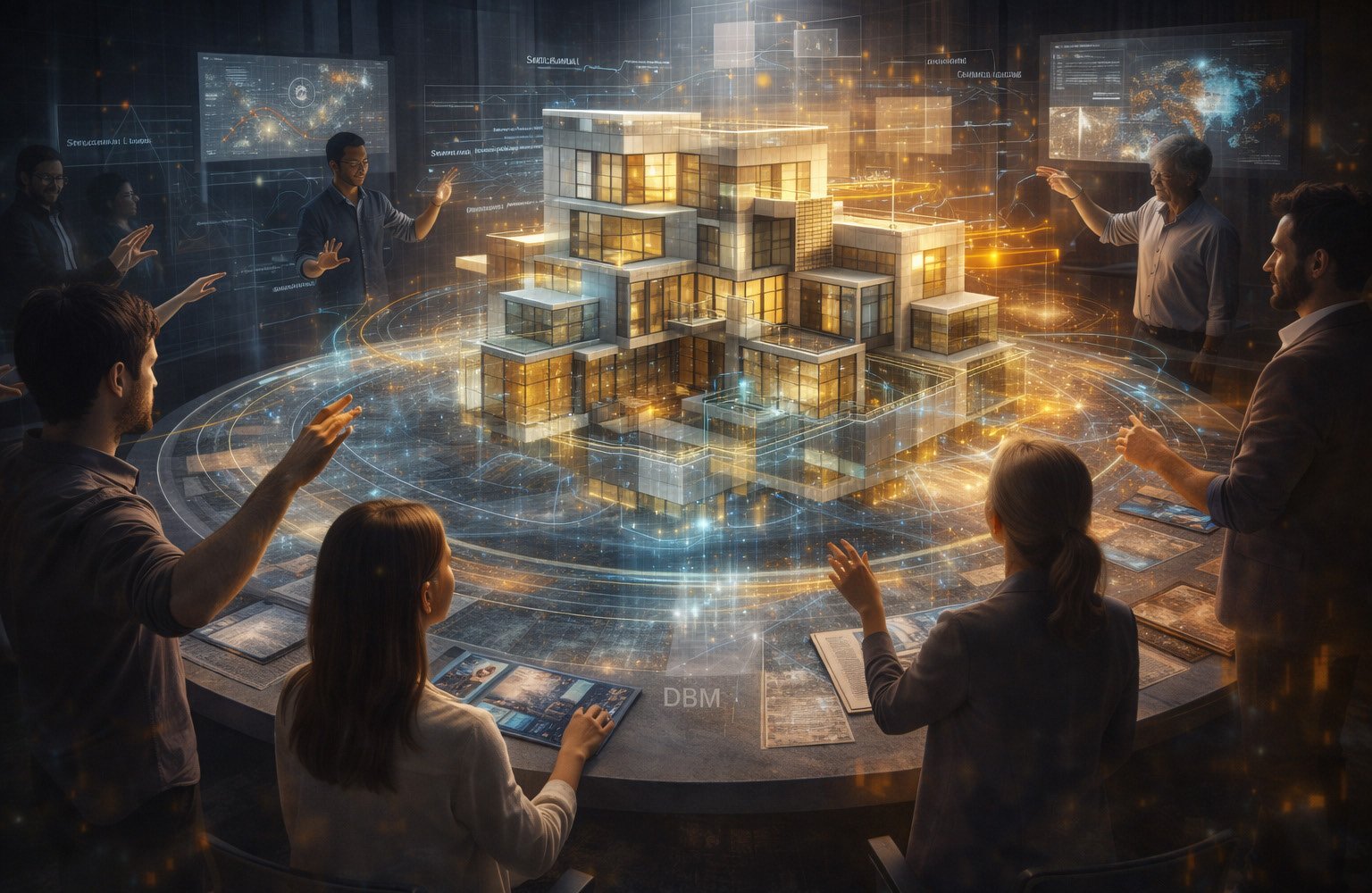
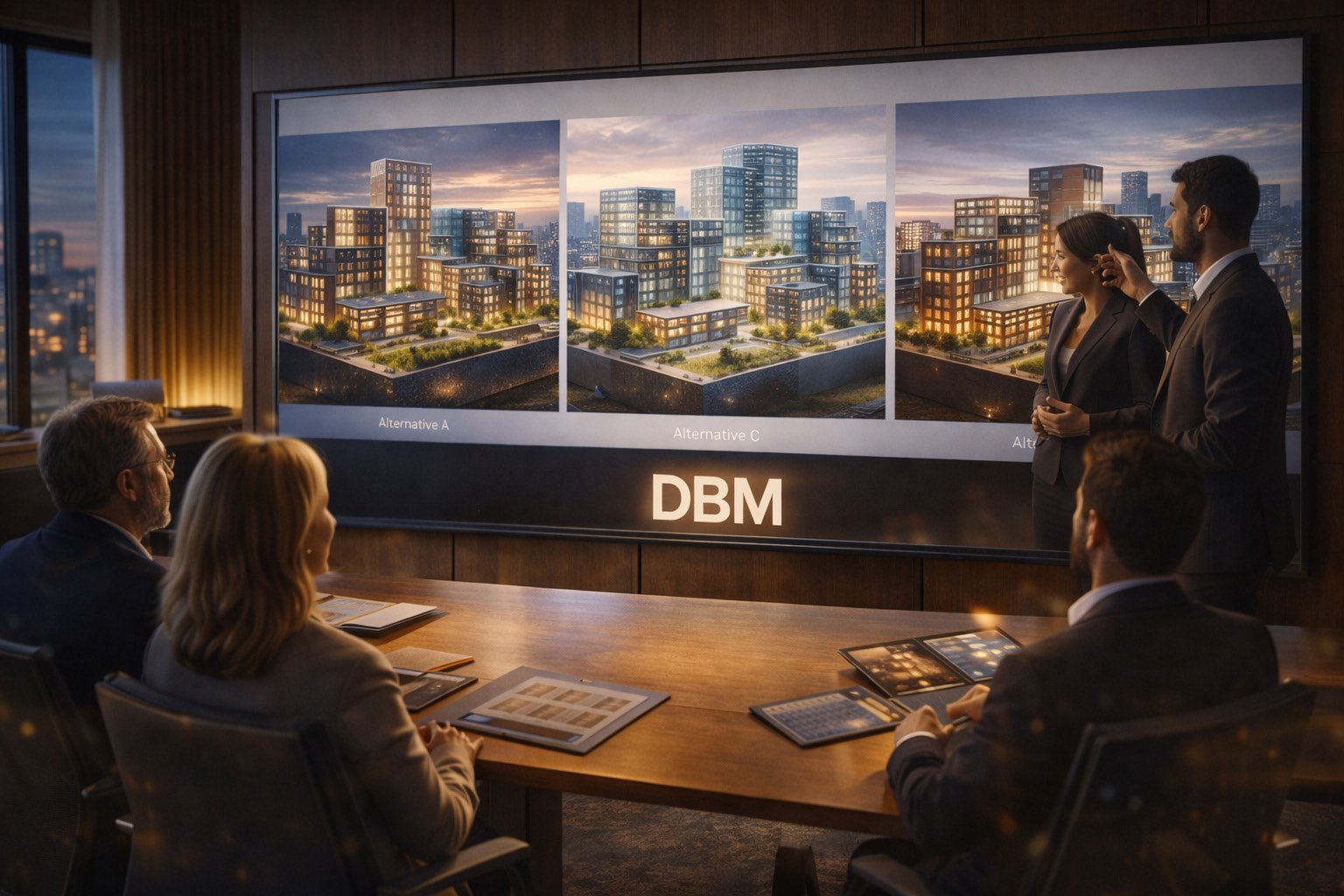
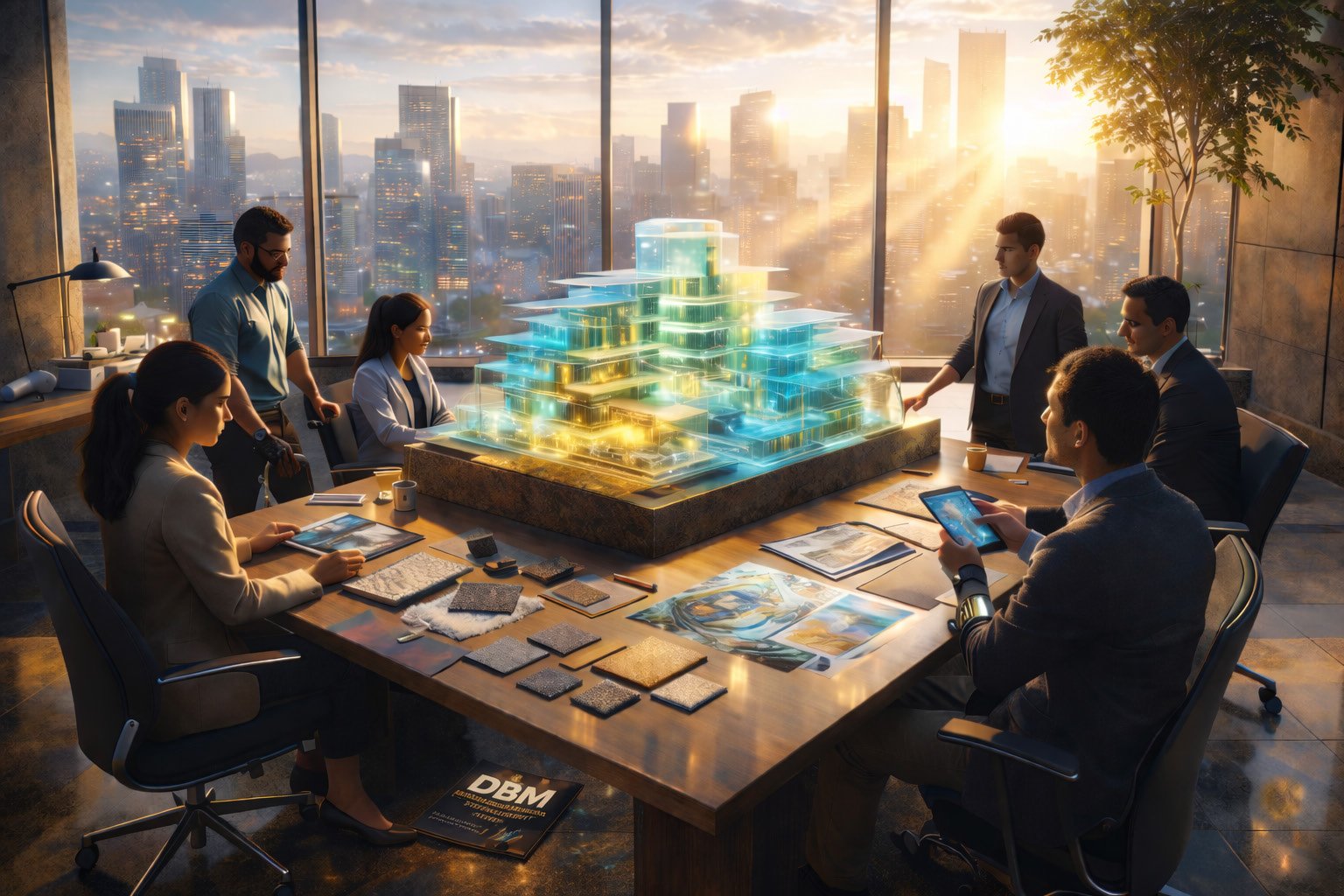
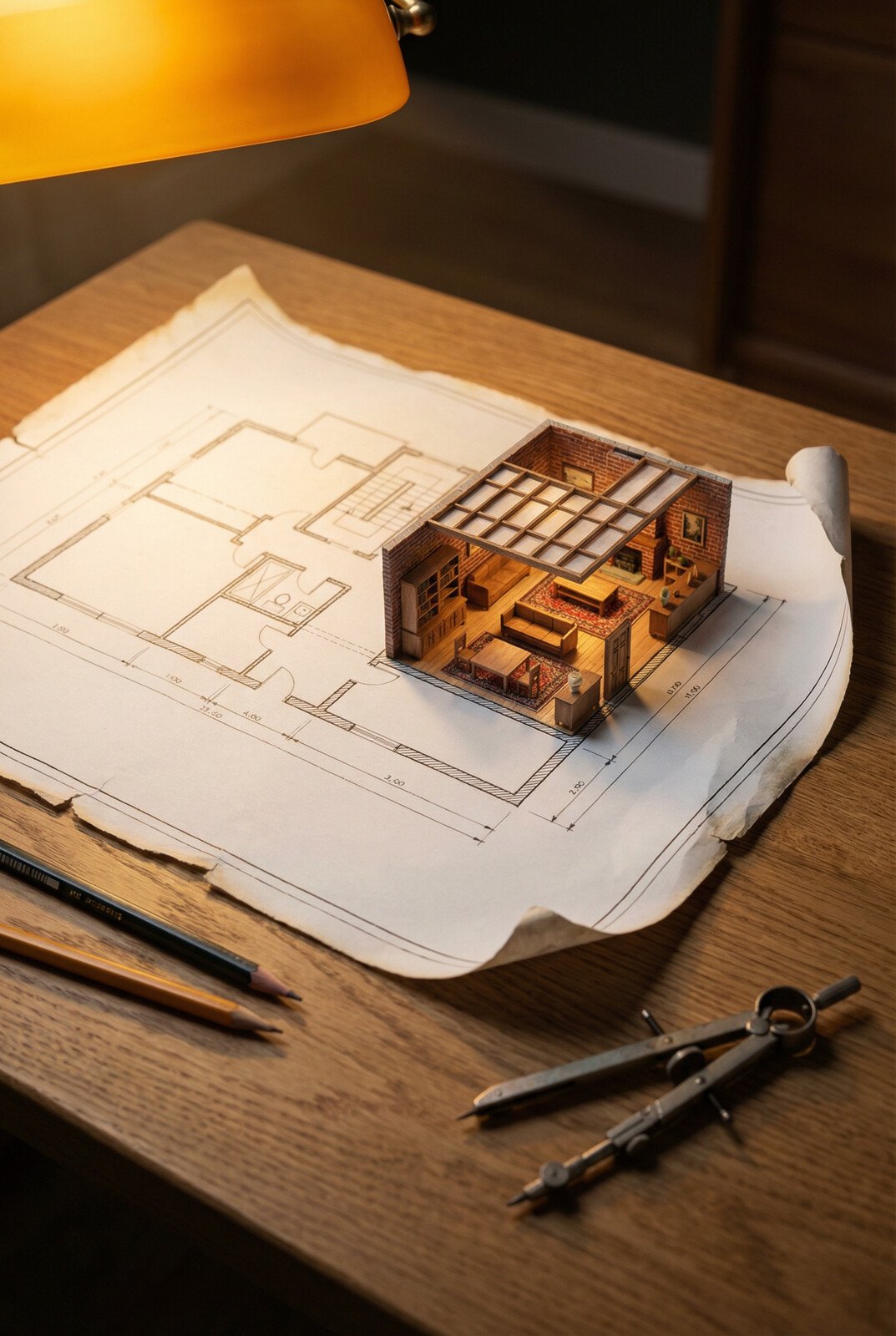
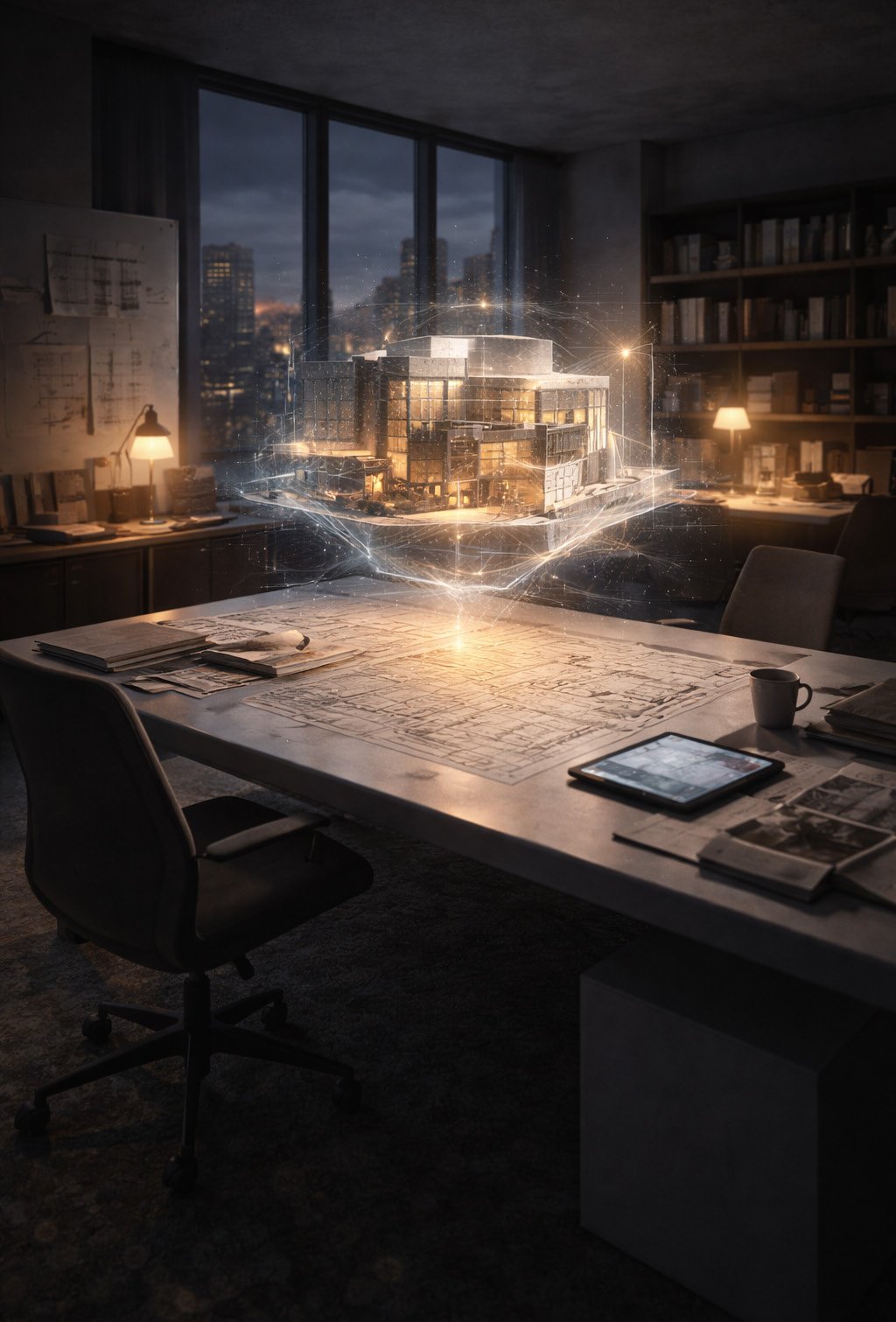
    architect desk with blueprints and holographic visualization

    The floor plan had a four-hundred-year contract. From the moment it emerged as a representational necessity—when buildings grew too complex to build from verbal instruction alone—the floor plan became architecture’s constitutional document. It was the language through which intent moved from mind to site. It was legitimacy. A building without a plan was like law without precedent: possible, but questionable.
    That era is closed. Not because the floor plan lost usefulness—it didn’t—but because it lost its audience. The end came not with a manifesto or a theoretical rupture, but quietly, through preference. Clients stopped asking for drawings. They started asking for visuals.

    The inversion is nearly complete. What was once the opening gesture—the plan spread across a conference table, the architect explaining intention through line weight and notation—has become the back office. Now the image arrives first. The render. The visual speculation. The decision made through perception rather than through projection. Architects who trained in the language of plans discovered they were speaking to an audience that had learned to read space differently.

    The Death Was Quiet

    For most of the twentieth century, the hierarchy was clear: plans mattered. Elevations supported them. Sections explained them. Renderings were afterthoughts—marketers’ tools, developer indulgences, unnecessary decoration. The serious work happened in two dimensions. The real thinking happened in lines.

    This ordering reflected a fundamental assumption: that architects understood buildings better than clients did. That the ability to read technical drawings was a literacy that mattered. That intention could move from abstract line to built reality if the intermediate language was precise enough. The floor plan was the test. If you could read it, you understood the building. If you couldn’t, you trusted the architect.

    The assumption held for centuries. It held through Arts and Crafts. It held through Modernism. It held even as computers made plans easier to produce and harder to understand—more complex, more layered, more removed from the experiential reality they claimed to represent.

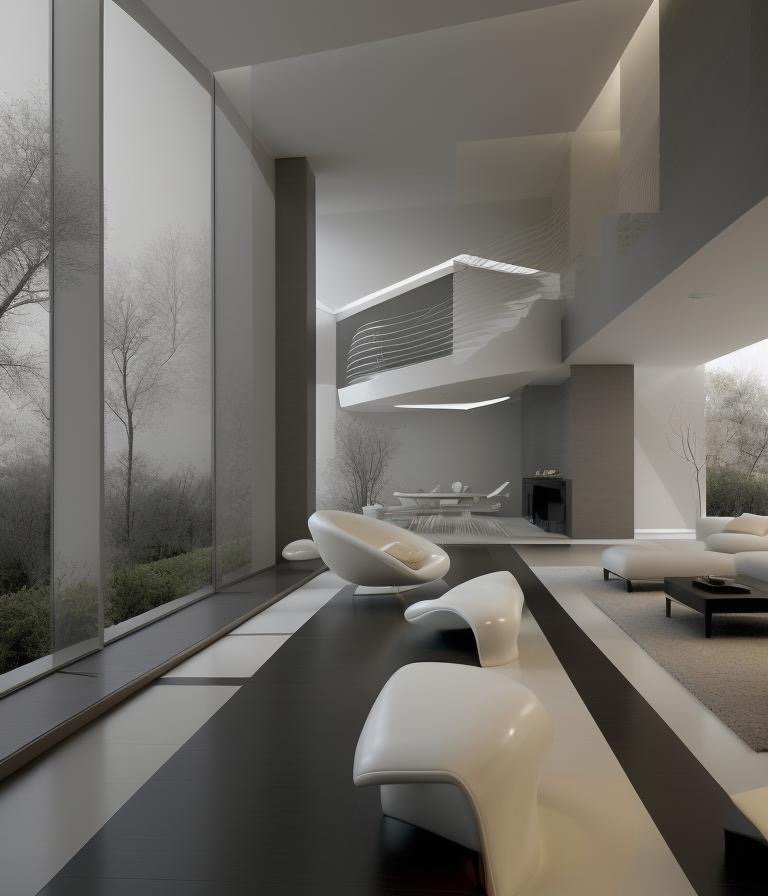
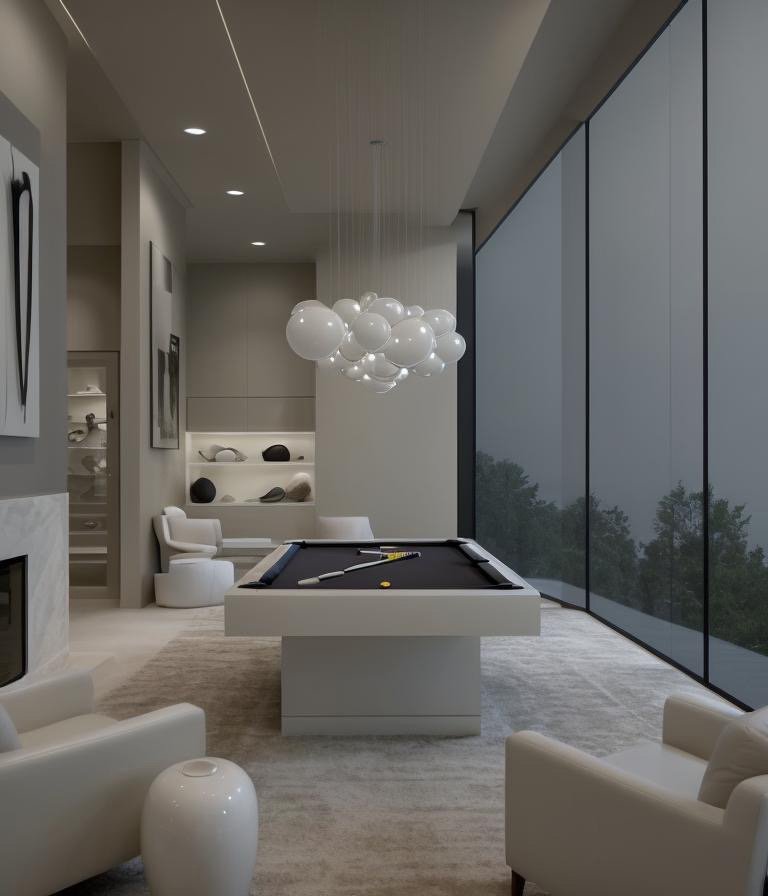
    Then something shifted. Not because plans became obsolete, but because perception became more valuable. Clients began to understand buildings through visual simulation rather than technical notation. A rendered interior told them more about how the space would feel than a plan ever could. A perspective view showed them light and material and proportion in the language they actually used to make decisions. The floor plan became what it always was beneath the technical surface: an abstraction. And abstractions only matter if their audience can use them.

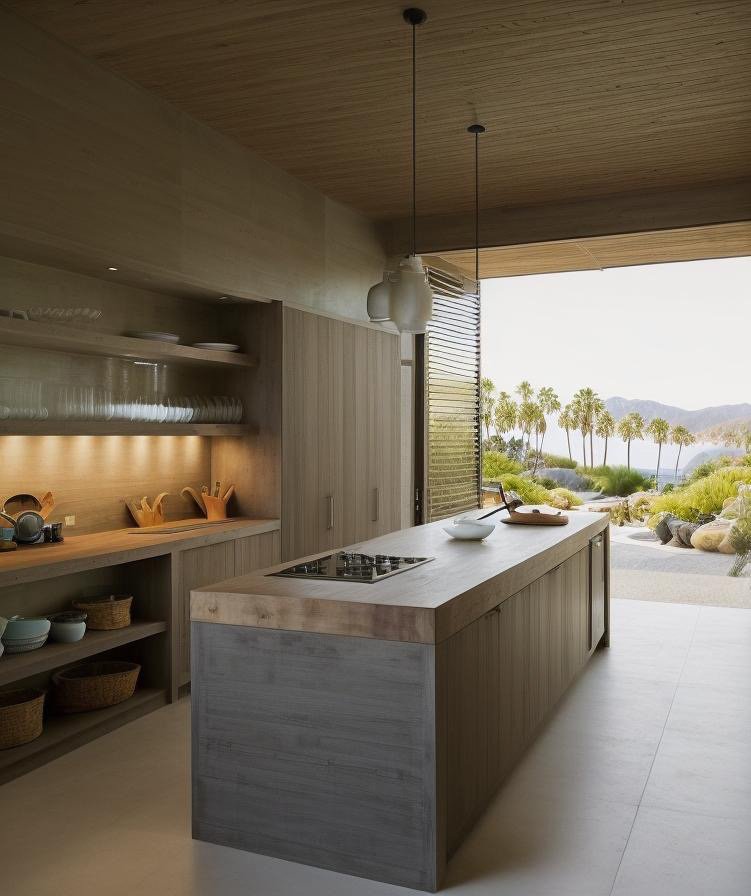
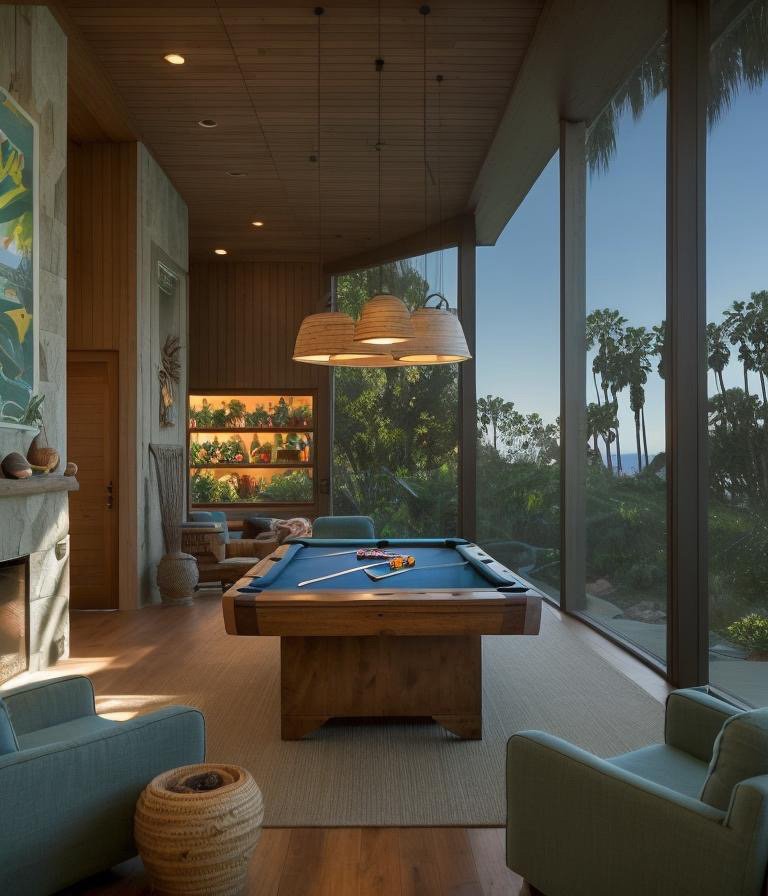
    architectural visualization study

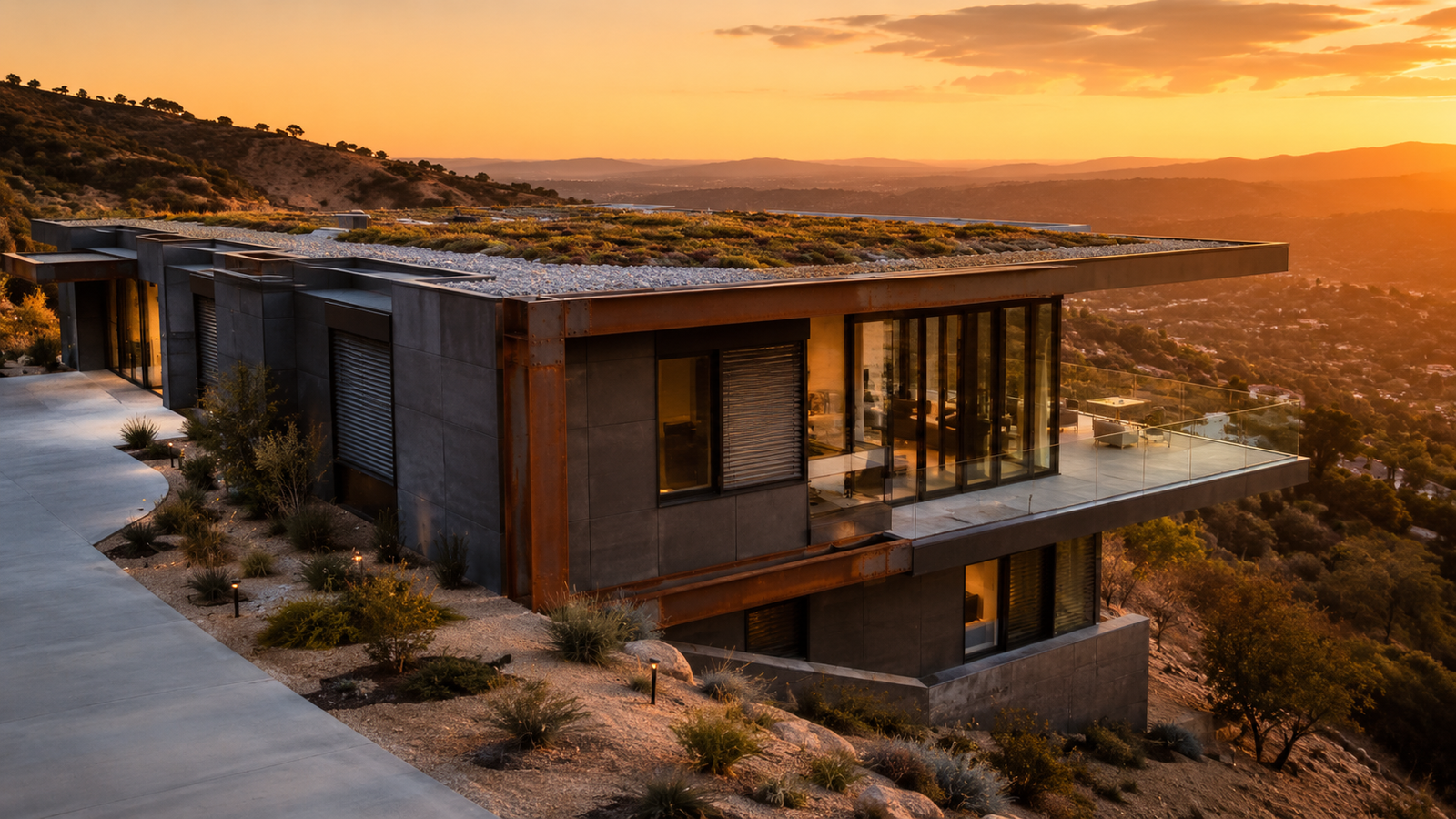
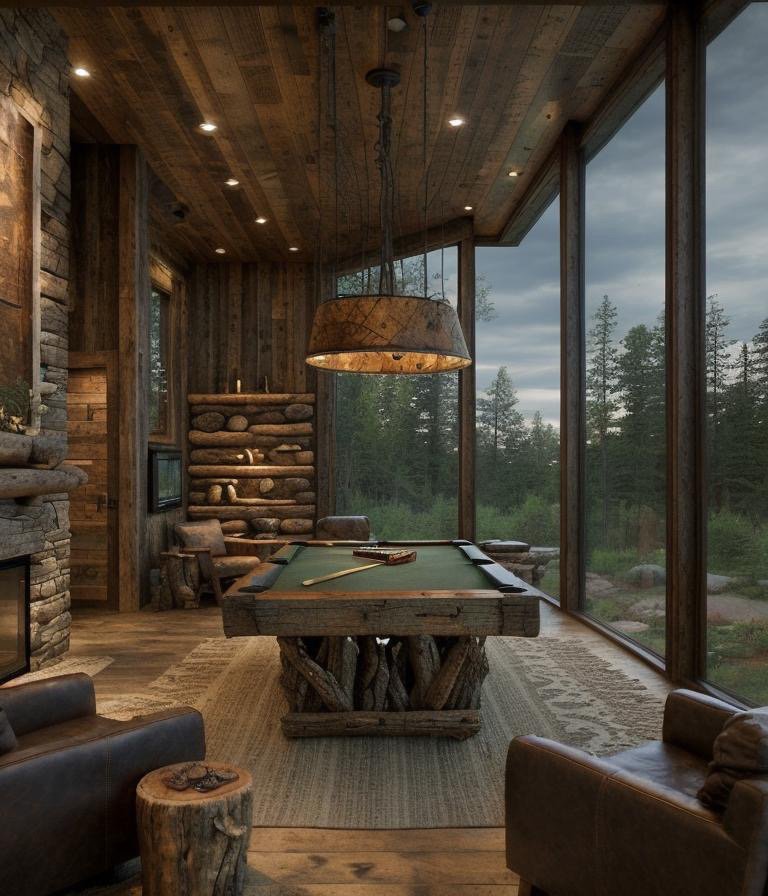
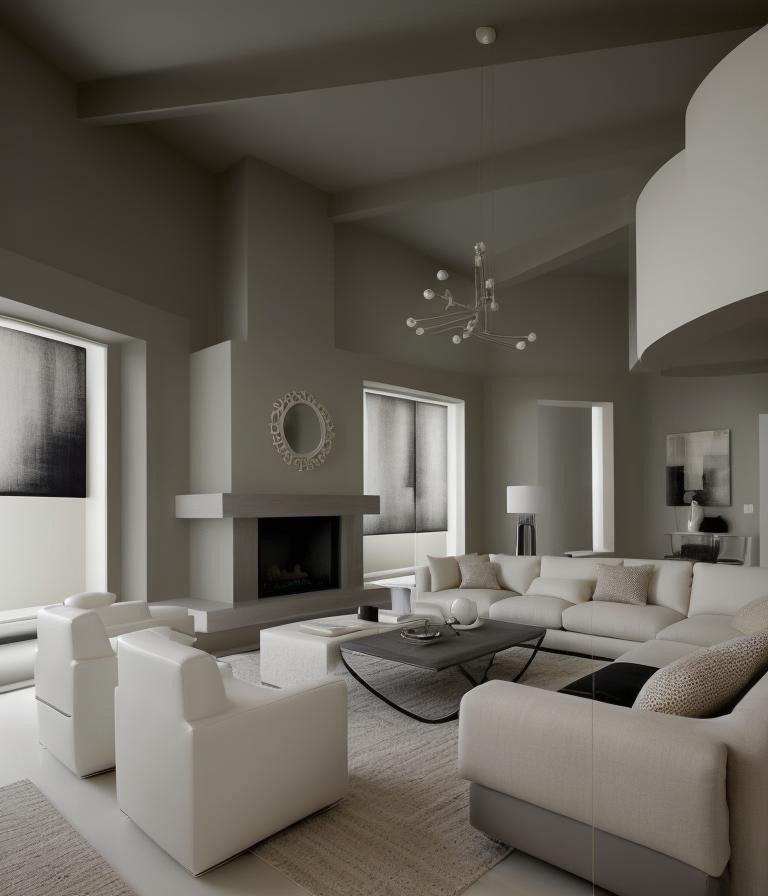
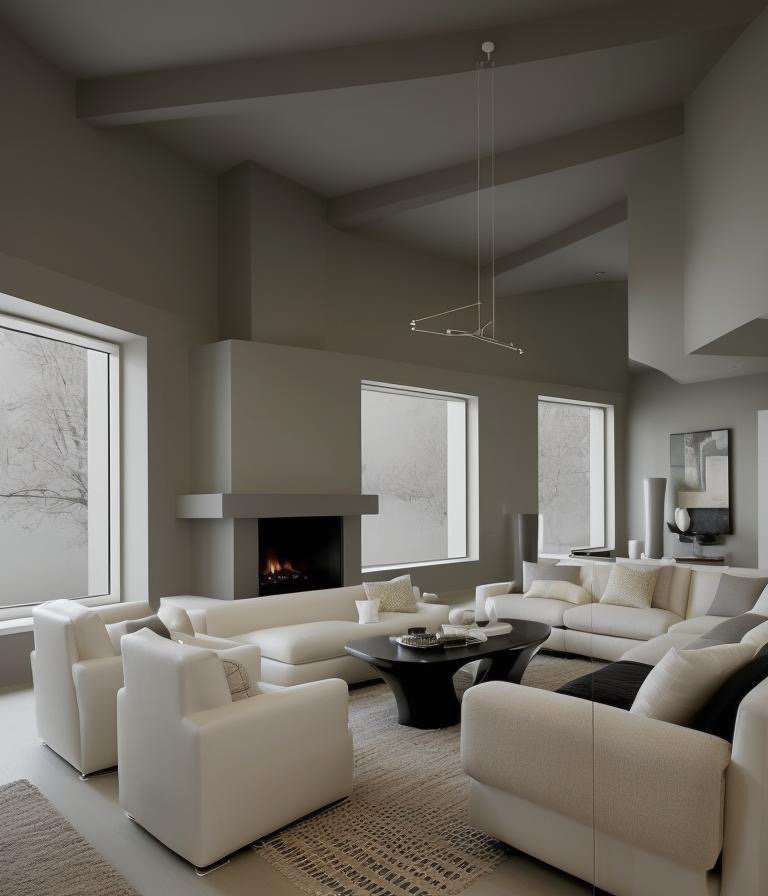
    The real acceleration came through AI. Cinematic Intelligence™ did something no human team could do at scale: it generated spatial imagery at velocity. Dozens of variations. Hundreds of spatial explorations. Every iteration visualized before it was drawn, every decision surfaced through perception before it was committed to plan. The visual engine became the design engine. Plans followed, they didn’t lead.

    Developers understood immediately. Why commission a hundred plans to explore massing when you could visualize fifty variations in the time it took to draw one? Why trust notation when you could show the investor exactly what the light would do at four in the afternoon? The sales process inverted. Where plans once opened conversations—”here is the logic, here is the intention”—they now close them. The decision is made. The image has already sold it.

    What Changed Is How We Understand Space

    The floor plan didn’t fail. What happened is subtler and more profound: the audience outgrew the language. A new literacy emerged. Clients learned to understand buildings through images. They developed intuition about spatial relationships by moving through rendered environments. They could assess proportion and material and light through perception rather than through technical projection.

    This doesn’t make architecture shallower. It makes it more accountable. The rendered image cannot hide behind the excuse of technical complexity. It cannot defer judgment to “the vision becomes clear once it’s built.” The image is the first judgment. If the space doesn’t work in the visualization, it was never going to work in reality. The abstraction that once allowed architects to propose unrealistic ideas has been removed. Now they must show what they mean.

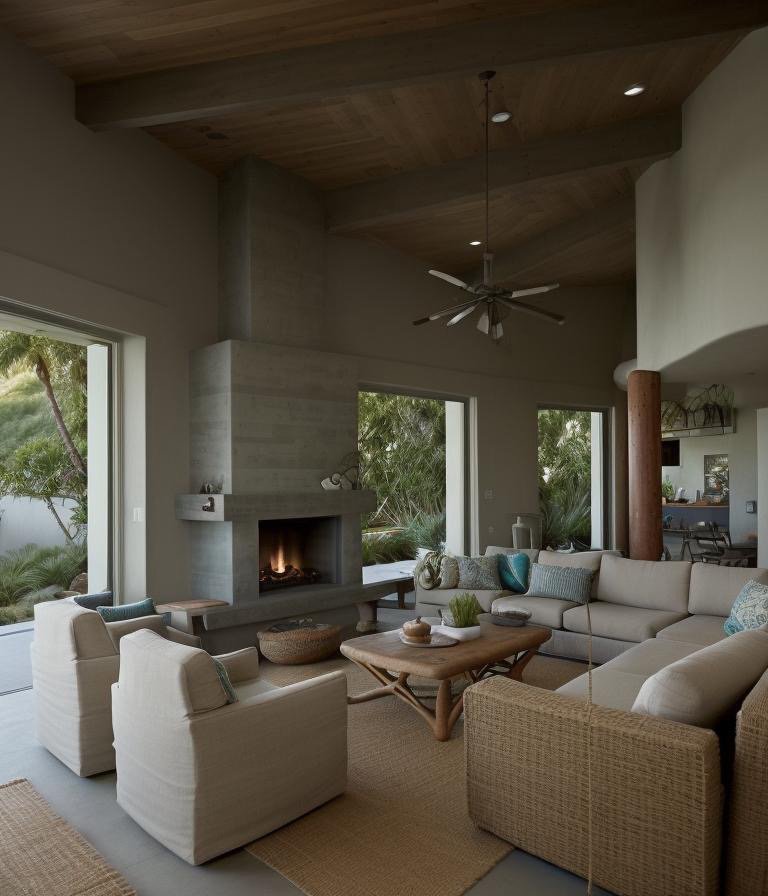
    3D space visualization with material studies

    Some architects mourned this. They saw it as a loss—the loss of a specialized knowledge, the democratization of their authority. But the better architects understood what was actually happening. The floor plan wasn’t being eliminated; it was being restored. Because the visual literacy that replaced it is not actually divorced from the plan—it’s built on it. The render is only as intelligent as the space it visualizes. And the space is only as coherent as its plan.

    What changed is the order of conversation. The plan is no longer the starting point—it’s the foundation. You don’t begin a project by drawing a plan and hoping the client can imagine the space. You begin by showing them the space, and then you explain the plan that makes it possible. The drawing becomes the evidence of what the image promised.

    Cinematic Intelligence doesn’t replace drawings. It transforms their purpose. The floor plan was always doing two jobs at once: it was simultaneously a tool for thinking about space and a tool for selling space. Those are different demands. Technical precision and perceptual clarity are not the same thing. The visual engine separates them. The image handles sales. The plan handles truth. Each can finally be excellent at what it’s designed to do.

    The New Architecture Is Accountable Architecture

    A building visualized before it’s drawn cannot hide behind the excuse of unexpected site conditions or the surprise emergence of unexpected design during construction. The architect has already made a promise. The image is the contract. When discrepancies appear between render and reality, it becomes immediately visible. This is uncomfortable for architects trained to believe that real buildings are always more complex than drawings can express. And they are. But the comfort of that complexity—the shelter it provides from accountability—is gone.

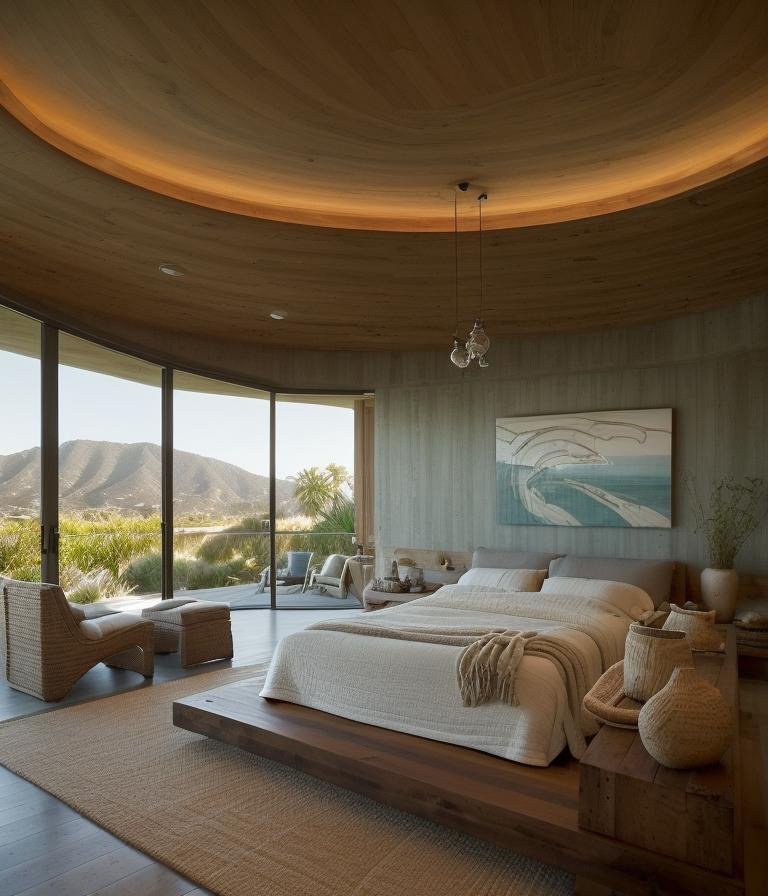
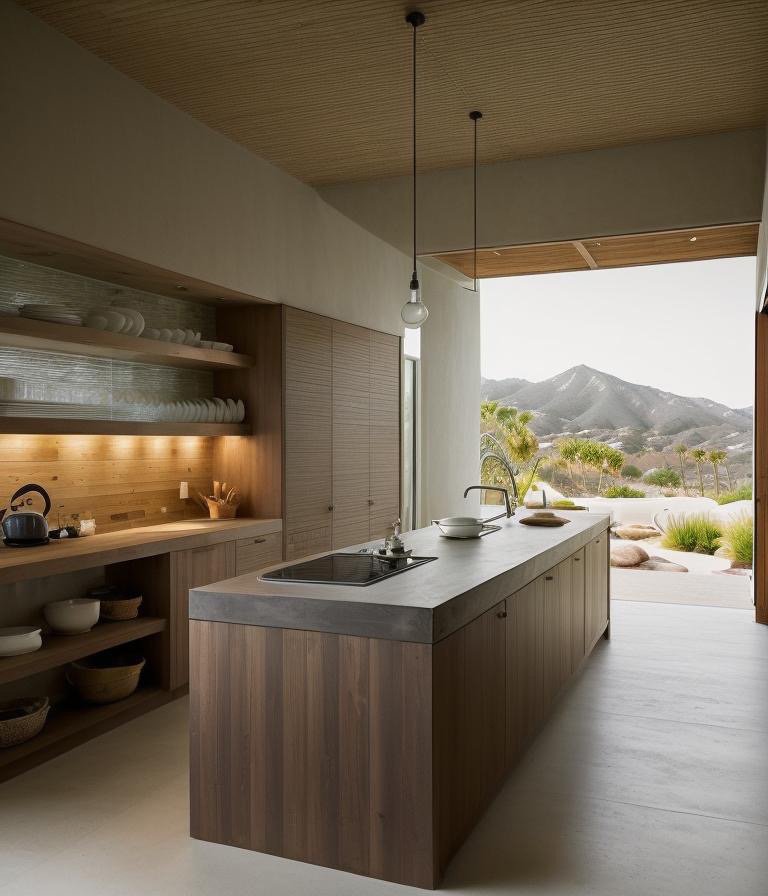
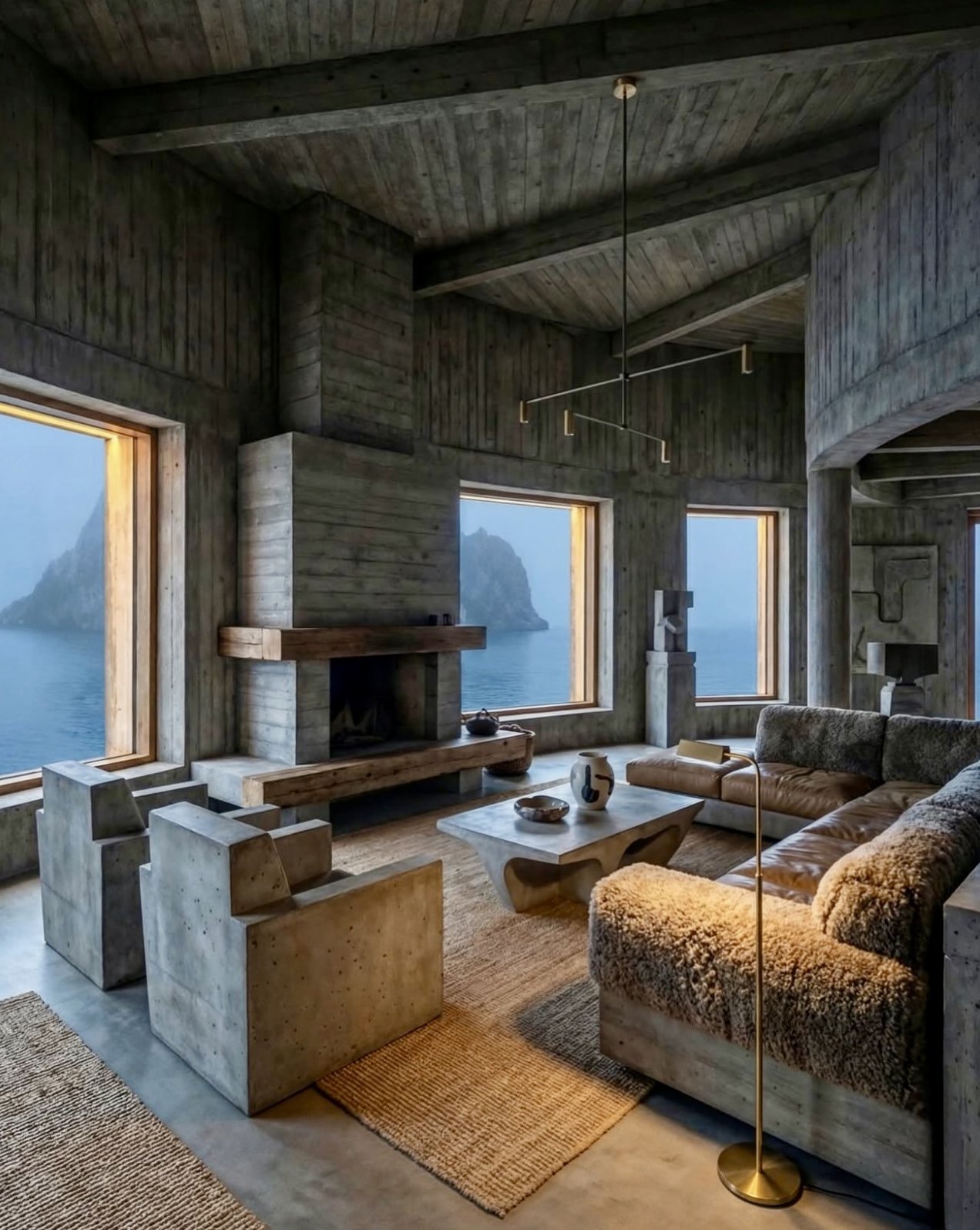
    detailed interior render with material specification

    What emerges is a different kind of architectural intelligence. One that understands the image as a specification, not a suggestion. One that recognizes that the visual environment is the primary environment—that people experience buildings through light and material and proportion before they experience them through floor area or structural efficiency. The plan becomes the thing that explains how the image is possible, rather than the image becoming the thing that explains what the plan means.

    This shift doesn’t diminish architecture. It redirects it. Because the goal was never to be able to read drawings. The goal was always to create environments where people could think, work, rest, and flourish. The floor plan was one way of getting there. The visual engine is another. The plan was never the destination—it was the journey. And if the journey can become clearer, more transparent, more directly connected to the actual experience of inhabiting space, then the architecture itself can become more thoughtful about what it’s actually trying to achieve.

    The Language Changed, Not the Conversation

    The death of the floor plan is not the death of spatial reasoning. It’s the maturation of it. Architecture is no longer sold in drawings because architecture learned to speak the language its audience actually uses. Plans are still drawn. They’re still necessary. They’re still the foundation of every serious project. But they’re no longer the sales pitch. They’re no longer the thing you show first. They’re the thing you show to prove that the image is real.

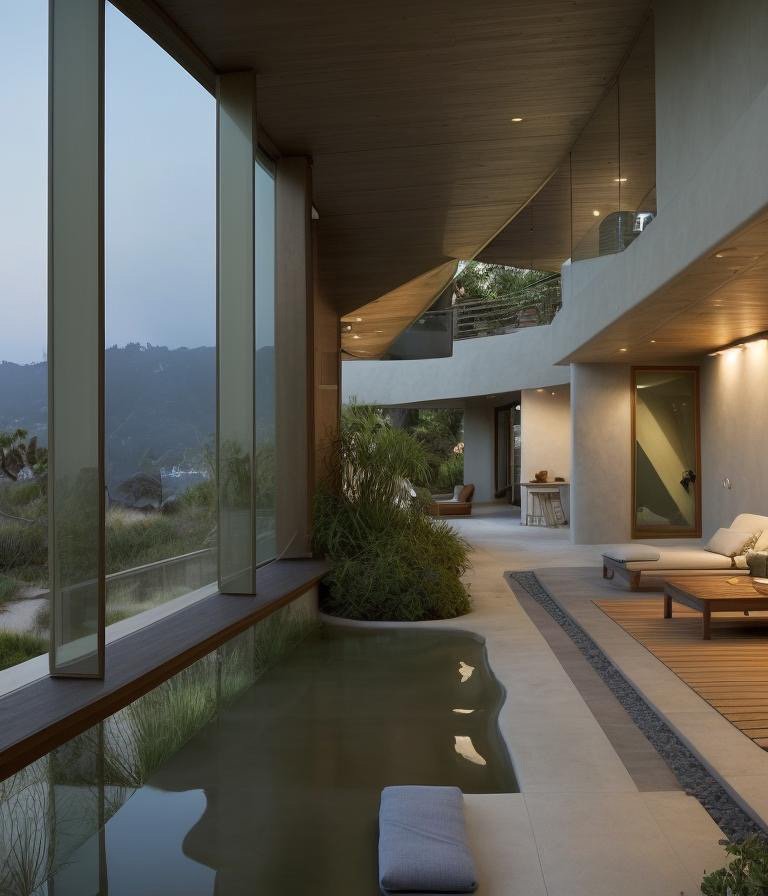
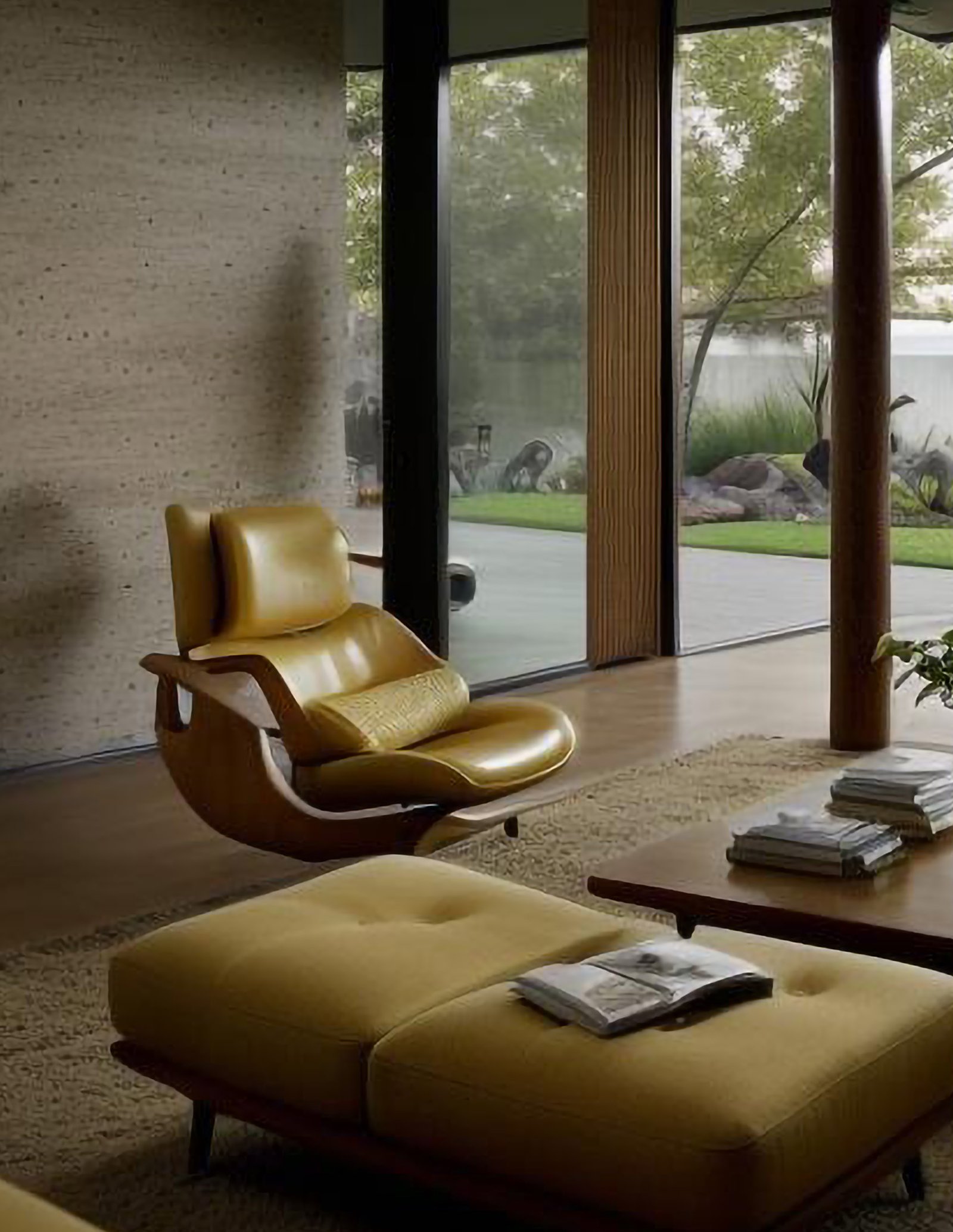
    render showing architectural detail and spatial relationship

    Some will argue this represents a loss of architectural rigor, a triumph of appearance over substance. But appearance and substance are not opposites—they’re the same thing experienced from different distances. A space doesn’t fail because its visual representation is powerful. It fails because the spatial logic underneath that representation is flawed. The image didn’t replace the plan; it exposed it. Now there’s nowhere for weak spatial thinking to hide.

    The floor plan is dead not because it failed. It’s dead because architecture outgrew the need to explain itself slowly. The image accelerates understanding. It collapses the gap between intention and perception. And in that collapse, architecture becomes what it was always meant to be: not a specialized language for architects, but a direct communication with the people who inhabit the spaces we design.

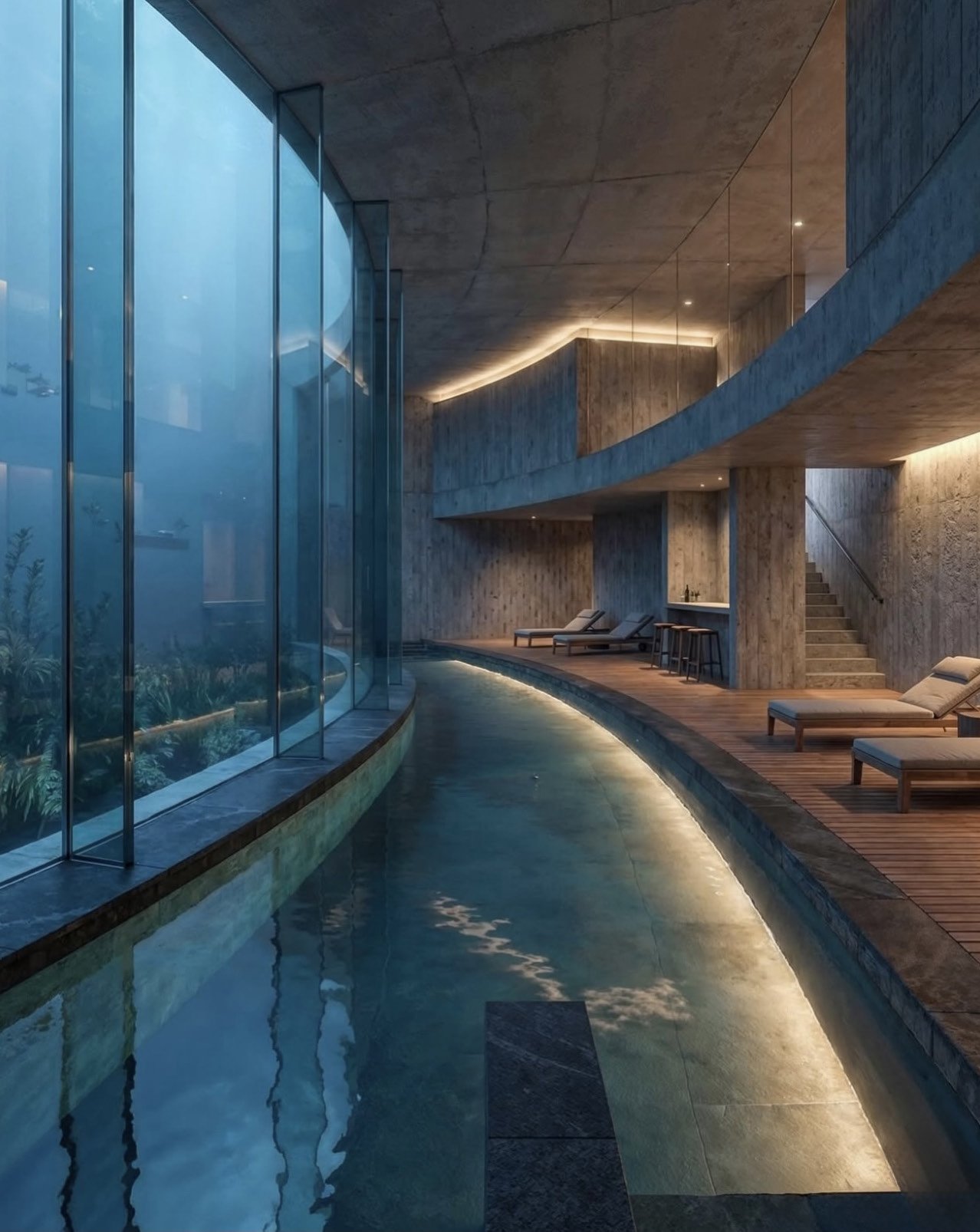
    comprehensive spatial visualization

    The conversation hasn’t ended. It’s become clearer. And clarity, it turns out, was always the point.

  • CEO’s Note: The Birth of a Design Intelligence Revolution

    CEO’s Note: The Birth of a Design Intelligence Revolution

    3D Transformative Digest | Designs by Modish

    In the inaugural edition of the 3D Transformative Digest, I find myself compelled to address the question I receive more than any other: “Why design?”

    My answer has never wavered: “Why not design?”

    In a world brimming with creative potential yet constrained by traditional boundaries, I recognized an opportunity that few others could see — the chance to redefine the very essence of architectural and interior design. Not incrementally. Not cautiously. But with the full force of what happens when two decades of executive experience collide with the most transformative technology our industry has ever witnessed.

    The Genesis of Cinematic Intelligence™

    When you fuse the expertise cultivated across more than 15,000 events spanning twenty-two years with the creative intelligence born from hundreds of design endeavors — and then multiply that foundation by the advanced capabilities of Modish.AI, our award-winning application — the equation yields something extraordinary. It produces a transformative leap into the next era of design. We call this proprietary methodology Cinematic Intelligence™, and it represents nothing less than a paradigm shift in how spaces are conceived, visualized, and brought to life.

    From our corporate headquarters in North Las Vegas, Nevada, our innovative 3D designs are curated and mastered with a precision that the traditional design process simply cannot match. Fueled by the groundbreaking capabilities of our AI engine, we serve a multitude of industries — transcending the conventional to create spaces that inspire, innovate, and invigorate. Our unique approach combines aesthetic brilliance with the relentless precision and learning capabilities of artificial intelligence, ensuring that with every project, our dataset grows, evolves, and refines itself into something more powerful than what came before.

    The Continuous Improvement Cycle

    This is the critical distinction that separates Designs by Modish from every other firm in the architectural visualization space: our continuous improvement cycle. Each rendering we produce is not merely an image — it is a vision brought to life, a data point that feeds back into our intelligence engine, setting new benchmarks in design quality and innovation with every single output. The more we create, the more sophisticated our understanding becomes. The more sophisticated our understanding, the more extraordinary our renderings.

    It is a compounding effect. And compounding effects, as any serious strategist understands, are the foundation of category dominance.

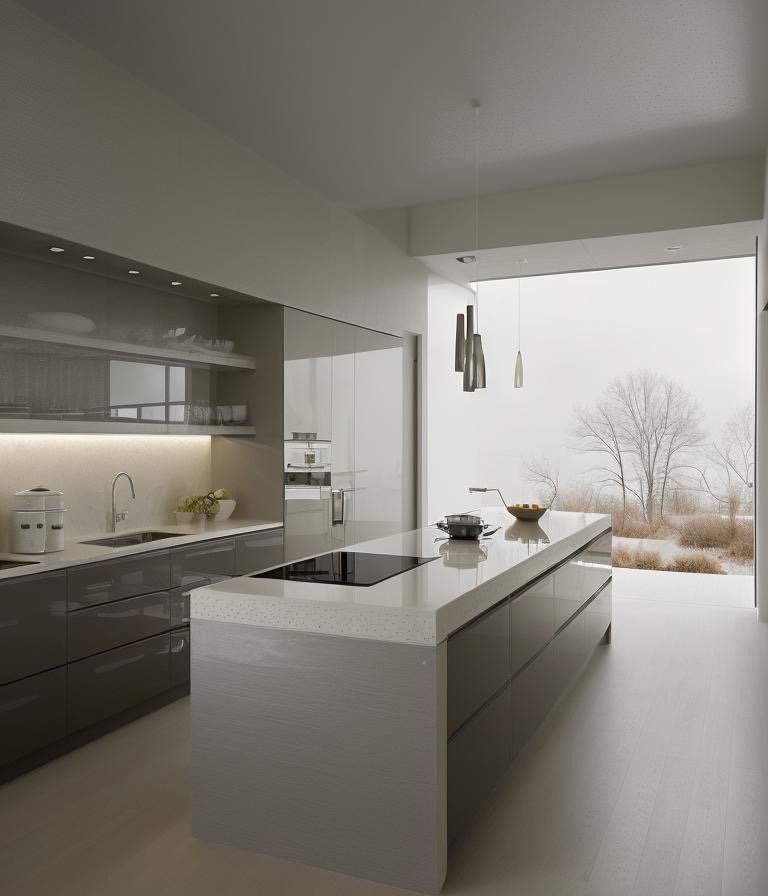
    Consider the implications of this architecture. Every luxury kitchen we render in the Japandi tradition teaches our engine something new about negative space, natural materiality, and the interplay of light against unfinished wood. Every Hollywood Regency bathroom we visualize sharpens our understanding of gilded detail, dramatic contrast, and the emotional weight of opulence. These are not isolated projects — they are nodes in an expanding neural architecture of design knowledge that compounds with each commission.

    Global Reach, Singular Mission

    Today, we serve clients and partners across thirteen countries. Our reach is global, yet our mission remains singular: to bring the highest level of design intelligence to every corner of the world. As we look toward the future, our ambition is to expand this reach — breaking new ground, embracing new challenges, and demonstrating that the boundaries of design are not fixed walls but movable horizons.

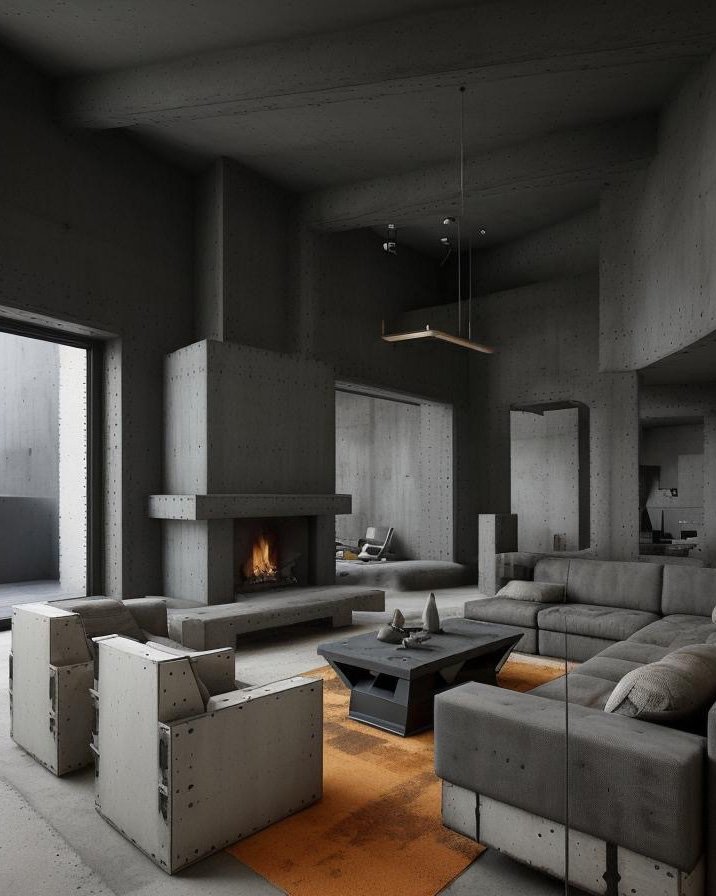
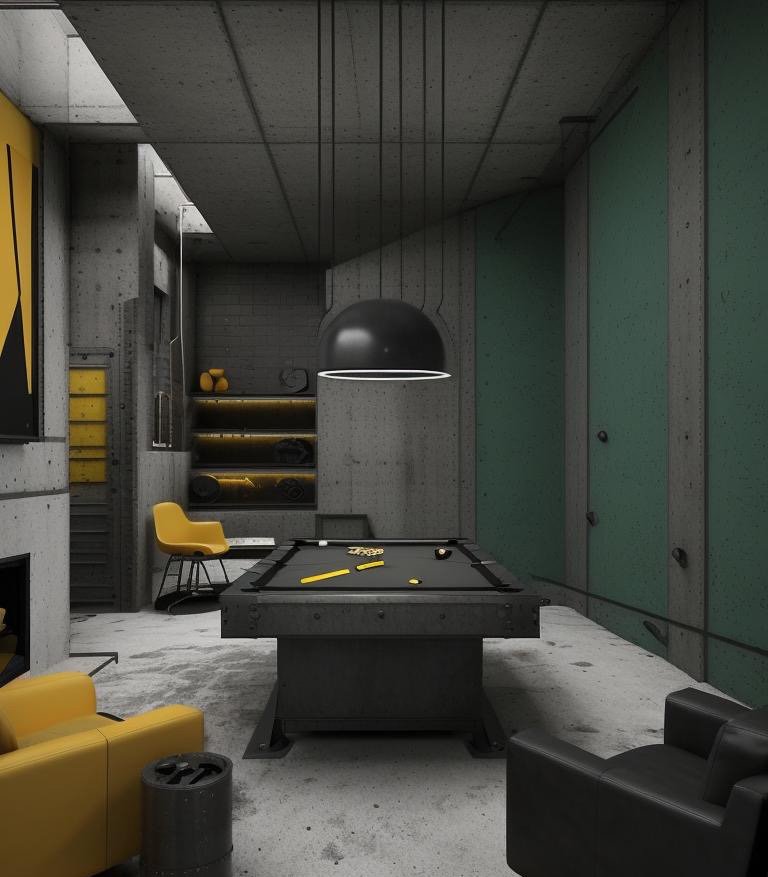
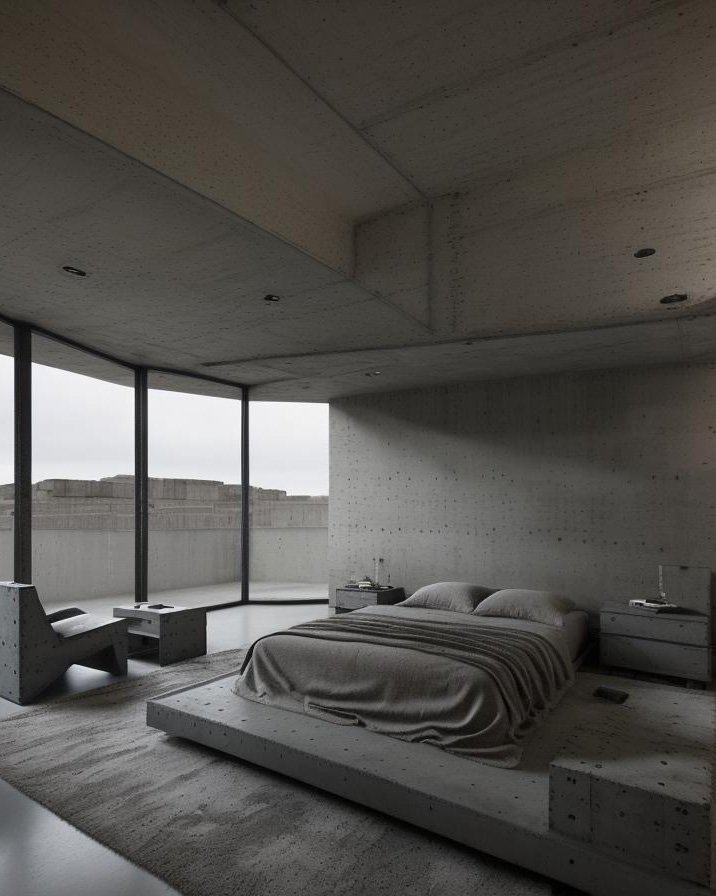
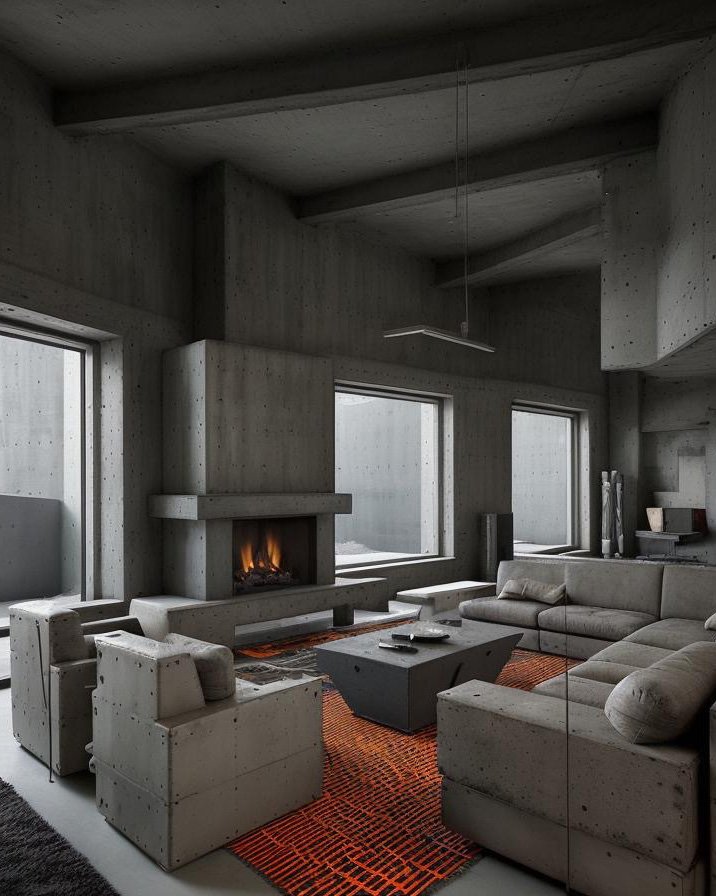
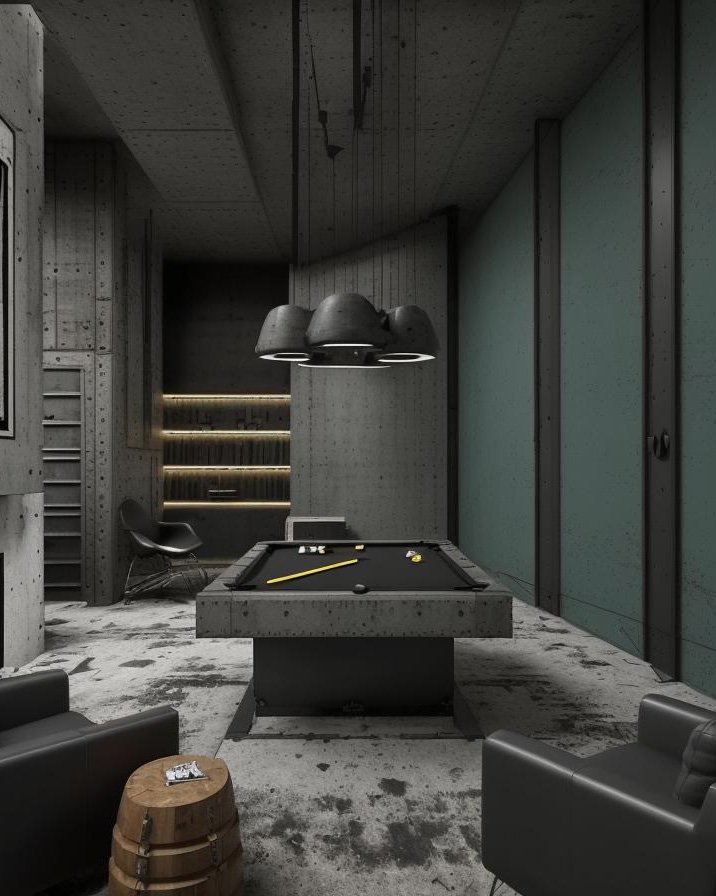
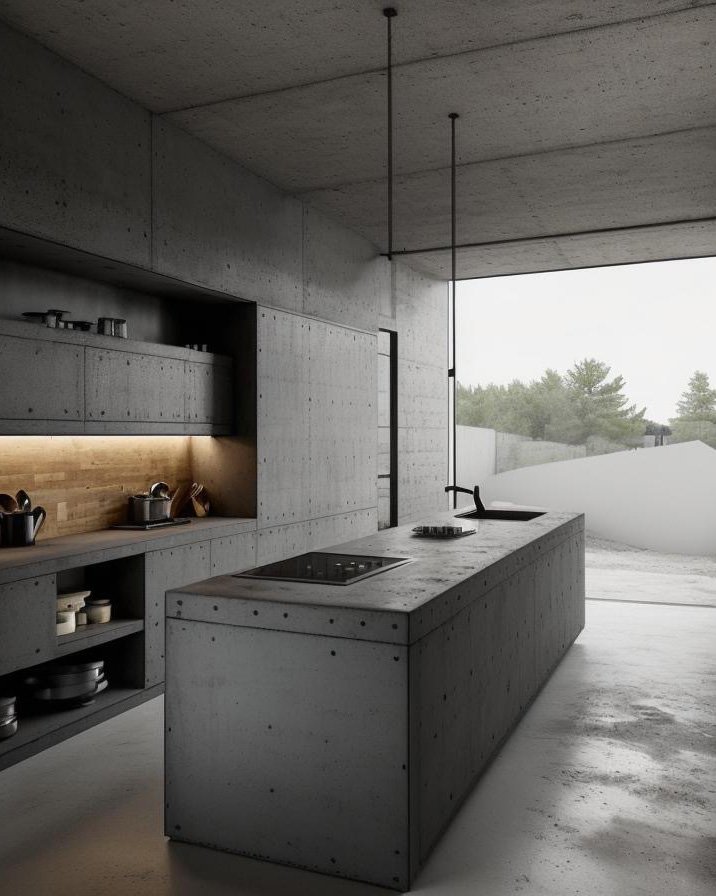
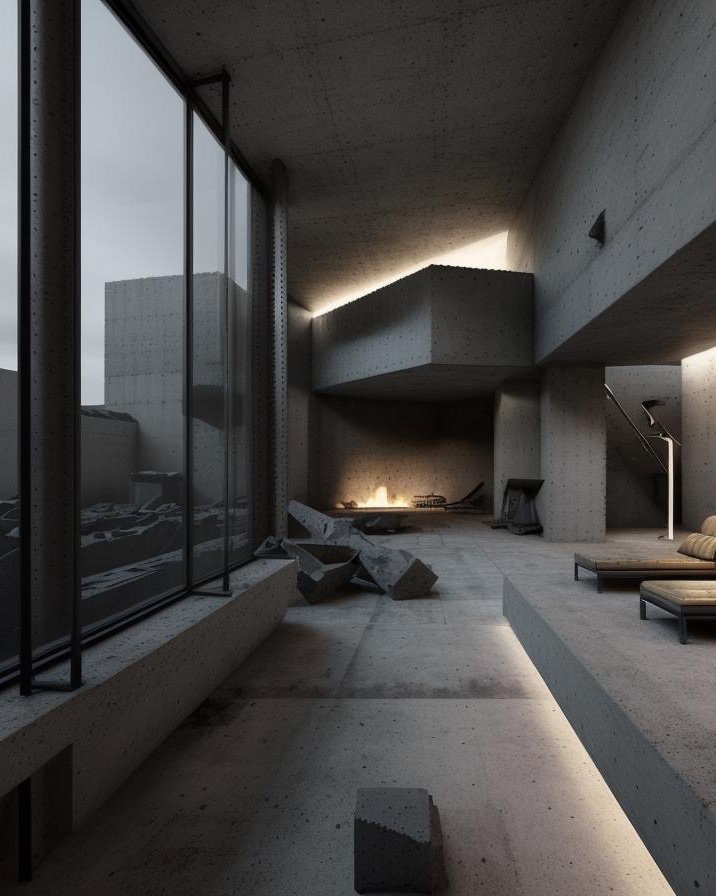
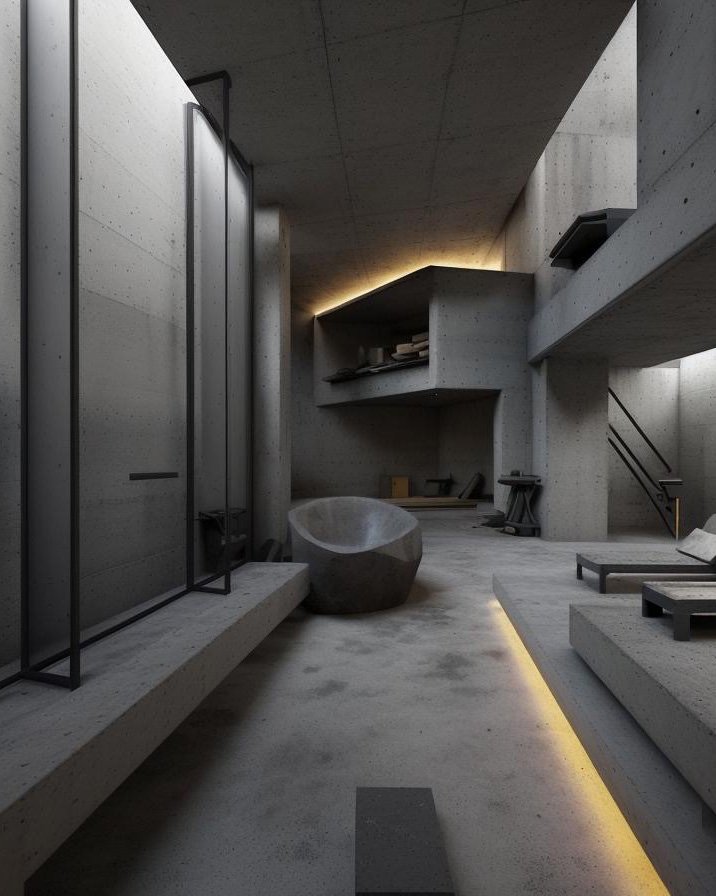
    The architectural visualization industry has operated under the same fundamental model for decades: a client describes a vision, a designer interprets it, revisions pile up, budgets inflate, and timelines stretch. We have dismantled that model entirely. With our AI-driven infrastructure, a single residential property can be reimagined across twenty-two distinct global design languages — from Japandi minimalism to Hollywood Regency opulence, from Brutalist severity to Moroccan exuberance — in a fraction of the time and cost that traditional methods demand.

    This is not an incremental improvement. This is a structural disruption of how the design industry operates, delivers, and scales. The firms that understand this shift will partner with us. The firms that do not will find themselves competing against an engine that learns faster, produces more, and delivers at a quality threshold that manual processes cannot sustain.

    What This Publication Represents

    The 3D Transformative Digest is not a magazine in the conventional sense. It is a reference document. A visual intelligence archive. A demonstration of what becomes possible when human creativity and artificial intelligence operate in concert rather than in competition.

    Each issue you hold — or in this case, each digital page you navigate — contains renderings that would have required teams of designers, weeks of labor, and six-figure budgets to produce through traditional workflows. Our engine produces them with architectural accuracy, material realism, and a cinematic quality that sets the standard for the entire industry.

    Within these pages, you will encounter seventeen distinct architectural futures applied to a single estate. You will meet the team members driving our visual content strategy forward. You will explore the nuances of Industrial, Farmhouse, Mid-Century Modern, Bohemian, Mediterranean, Coastal, Moroccan, Japanese Zen, and California Coastal design — each rendered with the photorealistic precision that has become our signature.

    You will also discover our editorial perspective on the convergence of AI and design — the trendsetters, the technologies, and the ethical frameworks that are shaping the industry’s trajectory in 2024 and beyond. And you will meet Marquez Johnson, the fictional protagonist of our serialized creative narrative, whose ambitions in the luxury real estate market mirror the boldness with which we approach every commission.

    The Architecture of What Comes Next

    This is the future of design. Not a distant, speculative future — but one that is operational, proven, and scaling as you read these words. Our Cinematic Intelligence engine processes hundreds of design variables simultaneously: light physics, material behavior, cultural context, spatial proportion, emotional resonance. It does not guess. It calculates. And with each calculation, it becomes more precise, more nuanced, more capable of producing renderings that do not merely depict spaces but embody them.

    The implications extend far beyond aesthetics. Architects gain the ability to present clients with a portfolio of futures rather than a single interpretation. Developers can pre-visualize entire communities across multiple design languages before breaking ground. Luxury homeowners can explore twenty-two versions of their dream kitchen before committing to a single tile. Real estate marketers can differentiate listings with cinematic-quality imagery that commands attention in an oversaturated market.

    Every one of these use cases represents revenue. Every one represents a relationship. And every one represents a data point that feeds back into the engine, making the next rendering better than the last.

    An Invitation

    The architectural visualization industry stands at an inflection point. The firms and practitioners who recognize this moment — who understand that the convergence of artificial intelligence and design intelligence represents not a threat but an unprecedented expansion of creative possibility — will define the next era of the built environment. We intend to be the engine that powers that transformation.

    We are not asking you to imagine the future of design. We are showing it to you — rendered in light, material, and structure, at a quality threshold the industry has never seen. The question is no longer whether AI will transform architectural visualization. The question is whether you will be among those who harness that transformation, or among those who watch it happen from the sideline.

    We are redefining the boundaries of design, one rendering at a time. Join us on this journey, and let us reimagine the world together.

    Ben Thomas
    Chief Executive Officer, Modish Global Inc.

    3D Transformative Digest — Cinematic Intelligence Architectural Render