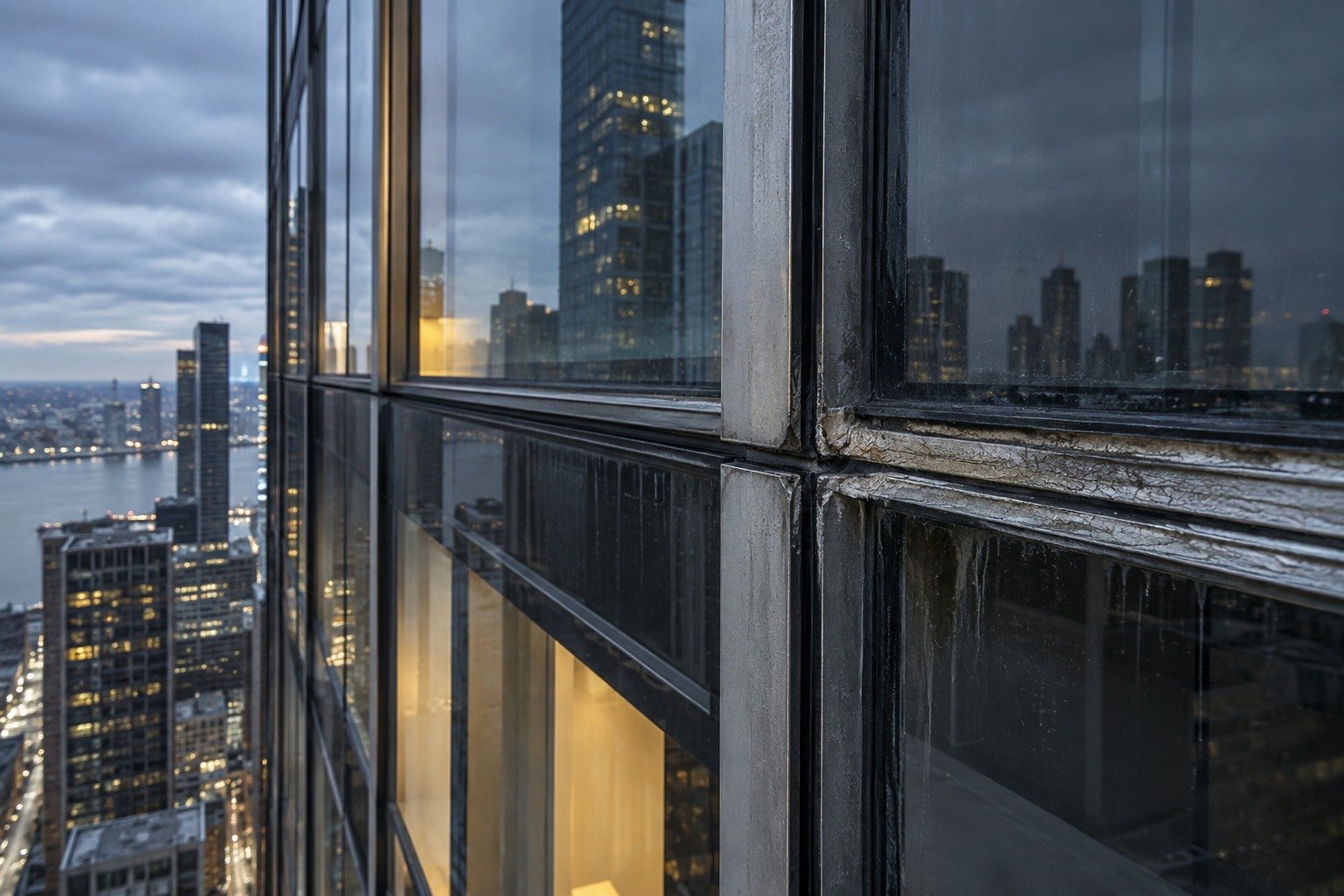
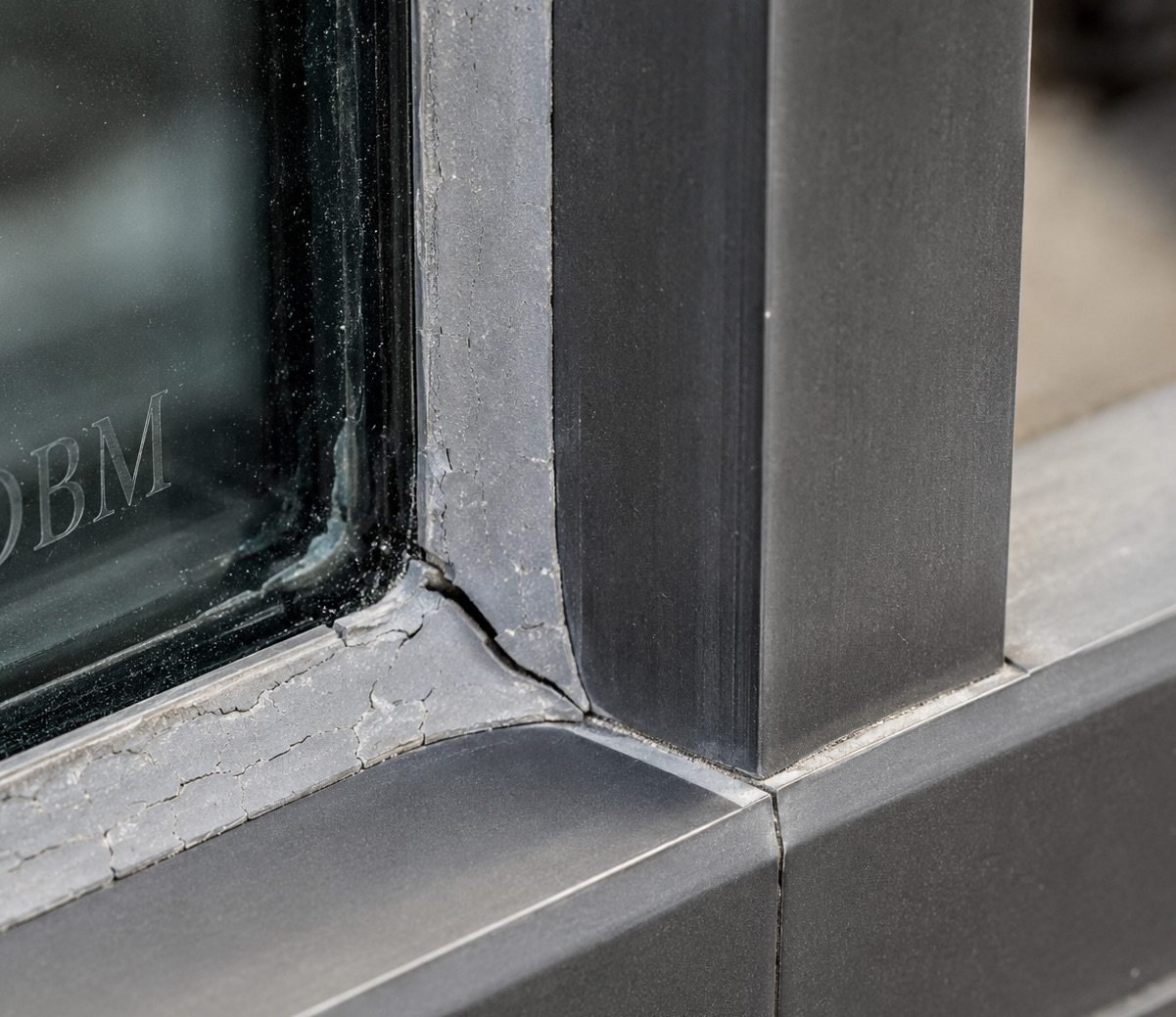
I will begin with a number, because numbers do not negotiate. Fifteen years. That is the median functional lifespan of a structural silicone sealant joint in a curtain wall system exposed to full-cycle urban weathering. Not the warranted life. Warranties are marketing instruments, carefully drafted to expire before liability arrives. I am describing the field-verified, cores-extracted, independently documented median lifespan of the material that holds glass to aluminum in every high-rise curtain wall constructed this century. The first generation of ultra-luxury all-glass towers broke ground between 2005 and 2012. Subtract fifteen. The countdown has not merely started. For hundreds of buildings, it is finishing. And the overwhelming majority of owners have no idea it was ever running.
I have spent twenty-two years testing curtain wall performance, first as a senior researcher in Scandinavia and now in private practice, and I have learned that the most dangerous number in this industry is the one nobody wrote down. A building does not announce its own decline. The glass looks the same on the morning of the failure as it did on the day of occupancy. That is precisely the problem. We have built a class of towers whose deterioration is engineered to be invisible, and then we have congratulated ourselves on how flawless they appear.
What Structural Silicone Actually Does
Most building owners believe the glass in a curtain wall is held by the aluminum frame. This is dangerously wrong. In a structurally glazed curtain wall, the dominant technology in every all-glass luxury tower, the silicone sealant is the structural attachment. The glass is bonded directly to the frame using structural silicone that transfers wind loads, dead loads, thermal movement, and seismic forces. Remove the sealant and you have not removed weatherproofing. You have removed the mechanism preventing a four-hundred-pound glass unit from departing the building.
This is the distinction that reorganizes everything. A failed weather seal is an inconvenience. A failed structural seal is a life-safety event. The same thin bead of cured polymer that keeps rain out of the wall cavity is also, in the structurally glazed system, the only thing standing between a pane of glass and the sidewalk forty floors below. When people ask me why I speak about sealant with the urgency others reserve for foundations, this is the answer. In these towers, the sealant is a primary structural element wearing the costume of a caulk joint.
The Four Pathways of Degradation
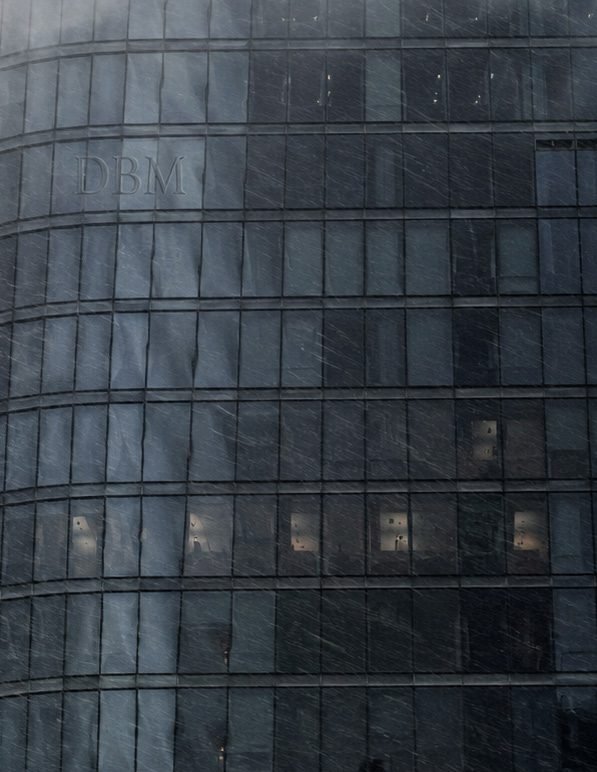
Structural silicone fails gradually through four parallel mechanisms, all accelerating over time. The first is thermal cycling fatigue. Every day the curtain wall expands and contracts, and in extreme climates the daily excursion can exceed sixty degrees Fahrenheit, fatiguing the silicone at the adhesion interface. This is the most common failure mode and it is nearly impossible to detect without destructive testing. The bond does not fail all at once. It frays, molecule by molecule, at the exact plane where glass meets adhesive.
The second is moisture cycling and hydrolysis, which attack the bond from within. In coastal environments, salt-laden moisture accelerates the process dramatically. Buildings in Miami, Dubai, and Singapore are aging at rates significantly exceeding laboratory predictions, because the laboratory never quite reproduces the relentless marriage of heat, humidity, and salt that a real coastline delivers. The third is chemical exposure from urban pollutants, which reduces elasticity. Where a young joint accommodates twenty-five percent movement, a degraded joint may sustain only five to eight percent before the bond fails. The glass still moves. The sealant can no longer follow it.
The fourth is ultraviolet photodegradation, which breaks polymer chains. The surface develops microcracks and progressive hardening, cosmetically invisible because sealant joints are designed to be invisible. Their invisibility protects their deterioration from observation. These four mechanisms compound. The degradation curve holds relatively stable for the first decade, then accelerates sharply. The fifteen-year threshold is not the moment the sealant dies. It is the moment its remaining capacity drops below the margin of safety the engineer assumed would always be there.
The Failure Sequence
The sequence is remarkably consistent across buildings on five continents, and once you have witnessed it a dozen times you can predict it like weather. It begins with air leakage, subtle and measurable only by blower-door testing, routinely masked by HVAC adjustments that treat the symptom while hiding the cause. Then comes water intrusion, following gravity and capillary pathways, often appearing two full stories below the actual point of entry, which sends maintenance crews chasing a leak in the wrong place entirely. Then mold, which can colonize a warm, humid wall cavity within seventy-two hours.
And finally, visible facade displacement, when structural bonds have failed at enough points that the panel begins to move independently under wind load. A structurally detached glass panel at altitude is, in the plain language of building code, an imminent hazard. By the time the failure is visible from the street, the building has already passed through three earlier stages that nobody was watching for. The tragedy is not that the warnings were missed. It is that no one was looking at the instruments that would have shown them.
The Cost Nobody Budgeted
A comprehensive curtain wall reseal for a forty-story tower typically runs between two and eight million dollars. I have reviewed reserve studies for ultra-luxury towers in New York, Miami, Chicago, and San Francisco, and in conservatively seventy percent of them the reserve study either excludes curtain wall resealing entirely or includes a figure so far below the actual cost that it constitutes a fiction. This is not an accounting error. It is a structural feature of how these buildings come into being.
Consider the chain of custody. The developer sold every unit and dissolved the development entity. The architect specified a design life expectation that was never communicated to the purchasers. The condo association inherited the building without inheriting the technical knowledge required to understand its maintenance obligations. And the reserve study, the one document meant to protect the owners, reflects the board’s appetite for assessments rather than the building’s need for maintenance. Every party behaved rationally within its own incentives, and the sum of that rationality is a tower whose most expensive future repair appears nowhere in its financial plan.
Technology That Sees What Eyes Cannot
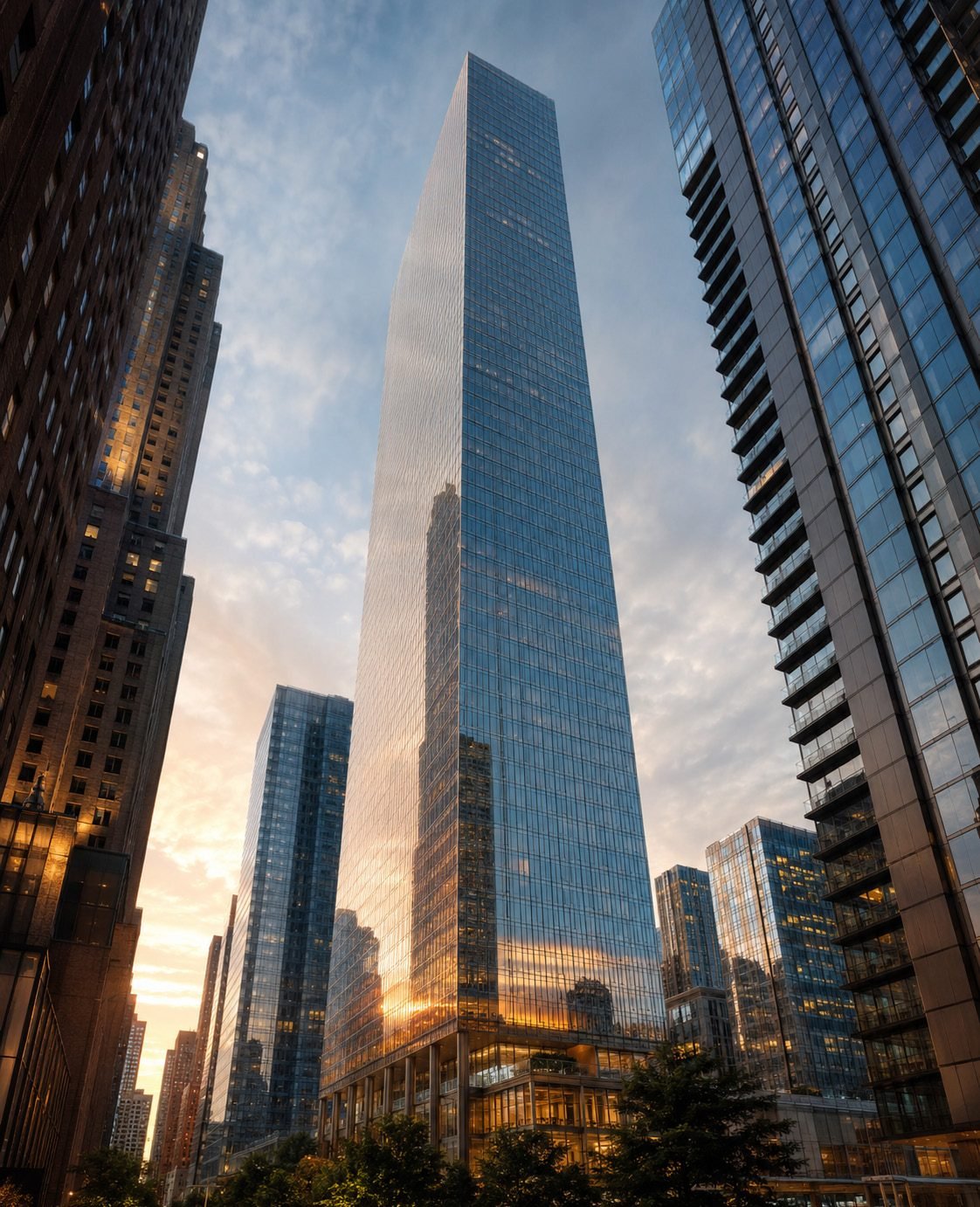
The instruments exist, and they are not expensive. Infrared thermography, delivered by drone-mounted thermal imaging from platforms of the kind FLIR Systems produces, can survey an entire curtain wall in hours, identifying sealant failures, thermal bridges, and moisture pathways before any visible damage appears. A comprehensive survey costs between fifteen and forty thousand dollars and can prevent millions in damage. Advanced diagnostic visualization platforms go further, modeling seal degradation trajectories across seasons and years, projecting not only where failure exists today but where it will propagate next. This is the difference between a controlled expenditure and a catastrophic assessment.
Yet the overwhelming majority of ultra-luxury glass towers have never received a comprehensive thermal envelope survey. Not once. Not in eighteen years of operation. The technology exists. The cost is modest. The buildings remain unexamined, because the ownership structures and financial incentives of condo associations are fundamentally misaligned with the maintenance requirements of the buildings they steward. The tool is on the shelf. The hand that should reach for it is busy deferring the assessment to next year’s board.
What Honesty Requires
The purchaser of an ultra-luxury glass penthouse in 2010 was buying a residence whose structural envelope would require comprehensive resealing within fifteen years. This was known to every professional in the supply chain. It was not disclosed, not through deliberate concealment in most cases, but because the industry has constructed a collective fiction in which curtain wall systems are permanent and sealant is invisible, in every sense of that word. We built the fiction into the brochures, into the reserve studies, and into the silence at the closing table.
What I am asking for is not alarm. It is attention. A building envelope is a promise made in a material that ages on a schedule we can measure. The glass tower is one of the great achievements of our era, a structure that turns a facade into light and a skyline into ambition. But every promise made in silicone comes due, and the only question that matters is whether we choose to read the countdown while there is still time to answer it. The data does not negotiate. Neither does silicone.
3D Transformative Digest — ISSN 3067-5510. Published by Modish Global Inc. © 2026 Modish Global Inc. All rights reserved. Licensed distribution only.
Leave a Reply