3D Transformative Digest | Designs by Modish
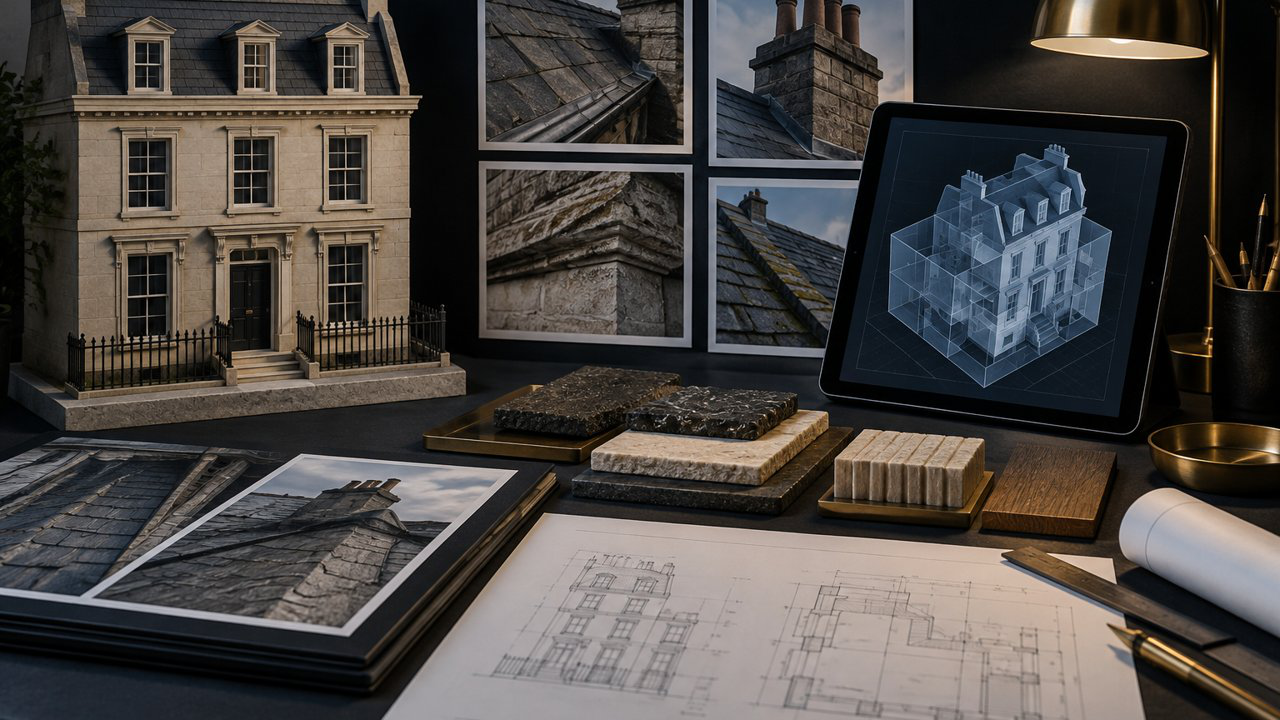
The Model Looks Complete. The History Is Missing
A buyer opens a digital model of a commercial property. Every floor appears in three dimensions. The equipment schedule lists the rooftop units. A maintenance dashboard shows open work orders. But one question remains unanswered: which parts of this record describe the building as it stands today, and which are copied from an old drawing or entered from an unverified spreadsheet? A digital model is not automatically a verified record of physical condition. The building's history may be divided across operations software, contractor reports, inspection PDFs, invoices, photographs, and employee memory. For an insurer evaluating a property, a broker preparing a renewal, or a buyer conducting technical due diligence, the value lies not in a beautiful interface but in whether important data is traceable to a source, date, location, and responsible reviewer.
Define the Decision Before Collecting More Data
A condition record should be designed around a decision. Is the owner deciding which roof sections need repair? Is a carrier evaluating visible roof condition, construction, or property changes? Is a buyer deciding whether to commission a specialist review? Is the facilities team prioritizing capital work? Those questions need different evidence and different levels of detail. The National Institute of Building Sciences describes digital twins as virtual representations synchronized at a specified frequency and fidelity. That definition is a reminder that "digital twin" does not have one universal level of currency or precision. A static model, a regularly updated asset record, and a live system connected to sensors are different products. Name what the file is and how often it changes. Start with a small set of consequential assets: roof sections, exterior walls, openings, drainage, major mechanical equipment, and known recurring issues. For each item, preserve a stable identifier and link the latest observation to its source document, inspection date, observer, and any repair. If the condition is based on aerial imagery or a visual screen, state that. If a licensed professional completed a close-up examination or test, attach that report and scope.
Make the Chain of Evidence Visible
A useful condition record lets another person follow an assertion backward. "Roof condition: fair" is difficult to use without a definition. Better: identify the roof section; state the source and date; summarize the visible observations; name any access limitations; and link the assessment to the inspection report. If a repair was made, connect the work order, contractor scope, completion date, invoice, and post-repair evidence. This is not only an information-technology issue. A spreadsheet can be trustworthy if it is maintained with discipline; an advanced platform can be misleading if inputs are stale or poorly sourced. Standard labels, location codes, dates, version history, and ownership matter more than interface polish. Preserve the original evidence and do not overwrite an earlier condition when a newer one arrives. The change over time may be the most important part of the record. For a portfolio, design the process so that data can be updated by the people who already know the building. A property manager should not need to recreate a specialist report. A contractor should not be allowed to turn a proposal into a completed repair. A consultant should be able to identify which source files informed the conclusion. Assign one custodian to resolve conflicting entries and maintain the record's definitions.
Use Imagery as Evidence, Not as a Verdict
High-resolution aerial and street-level imagery can support a first look at visible conditions or changes. Moody's commercial property information describes imagery-derived roof condition, construction attributes, site characteristics, and change signals as inputs that can inform underwriting workflows. These are screening and information tools; a property attribute or model output is not the same as a physical inspection or a claim decision. The appropriate next step depends on the signal and the consequence. If imagery suggests a recent roof change, ask for the permit, contractor record, or owner's confirmation. If it suggests ponding or damage, arrange qualified inspection. If a wall image shows a possible opening, map the location and decide whether close-up access or testing is warranted. A visual signal can help prioritize scarce inspection resources; it should not be presented as a diagnosis when it is not one. A record should also show what remains unknown. Maybe the roof age is estimated from aerial photographs. Maybe the maintenance file does not cover a period before acquisition. Maybe a facade inspection could not access a recessed terrace. Such gaps are not embarrassing if they are explicit. They become dangerous when a system displays a confident rating that hides the missing source.
What This Changes at Renewal or Sale
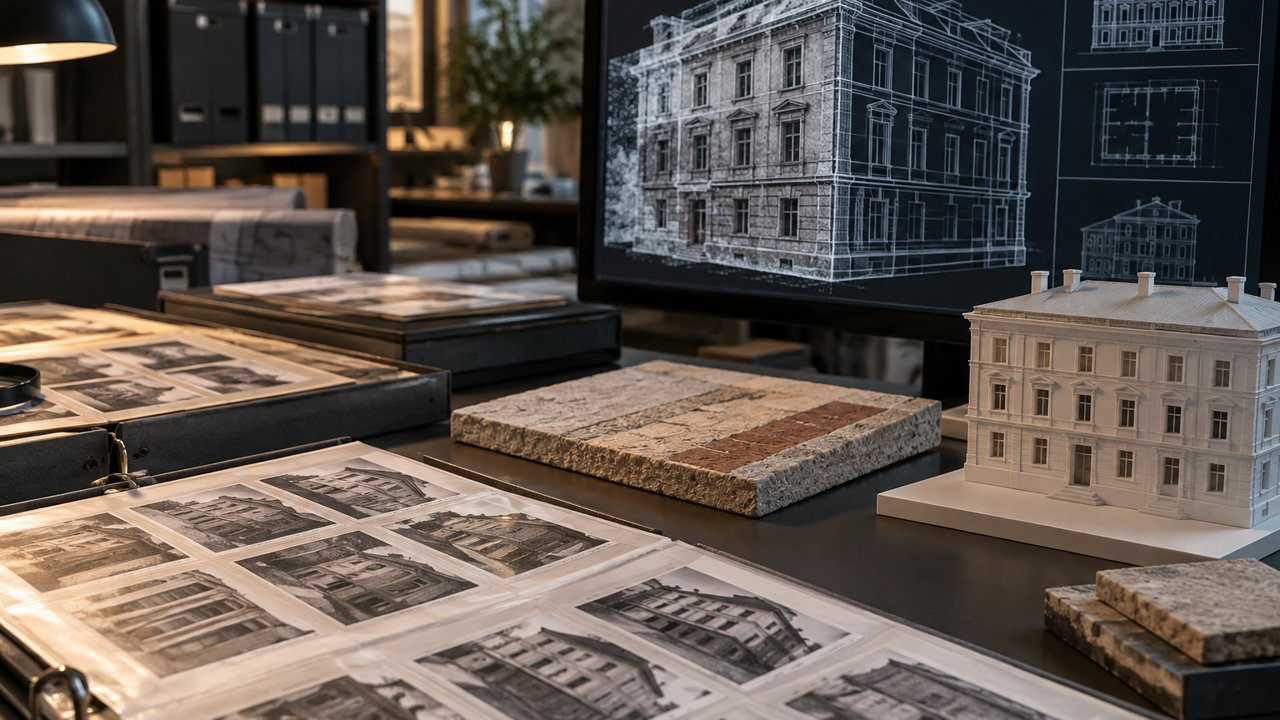
At renewal, a current condition file can help the broker answer questions consistently and give an underwriter a clearer basis to request inspection, information, or terms. At sale, technical due diligence can help a purchaser, occupier, or financier understand physical risks. RICS describes commercial property technical due diligence as systematic review and assessment that supports informed decisions about a transaction. The scope must match the property and the consultant's competence; no digital record replaces the professional opinion required for a specific inspection. A concise portfolio summary can state the building identifier, last inspection, high-priority open findings, completed repairs, access limitations, and the documents attached. Avoid translating conditions into unsupported insurance outcomes. Do not claim that a record guarantees eligibility, coverage, favorable terms, or a premium reduction. The goal is to make the property's evidence easier to review, not to dictate the underwriter's decision.
Begin with the Files That Already Exist
A property team does not need to launch a major digital-twin project to improve its condition record. It can begin by collecting the last roof survey, facade report, major work orders, warranties, and relevant photographs. Give each building a permanent identifier and each major component a location code. Note the date and source of every item. These simple rules prevent a report for one elevation from drifting into the folder for another. Next, compare the records against a current site visit or professional inspection. Mark stale entries, contradictions, and gaps. A model may show a rooftop unit that was removed, or a maintenance system may show a repair as closed even though the invoice is missing. The reconciliation is useful: it reveals how much confidence the organization should place in each data source.
Only after that inventory should the owner decide whether to connect sensors, imagery, or automated analytics. The technology is worthwhile when it helps answer a recurring operational or underwriting question. If no one can explain who will maintain the inputs or act on a flagged condition, a more sophisticated system may simply make uncertainty look more polished.
Give Stale Records an Expiry Date
Not every building component needs live sensor data. Some records change only when a repair occurs; others need a scheduled inspection. Assign an update rhythm based on the component and the decision it supports. A roof inspection may be renewed regularly and after major storms. A warranty remains current until its term expires. An imagery screen may need a new capture before a sale or when an insurer requests recent evidence. A simple status label can distinguish current, due for review, and historical. Keep the original record after a new assessment arrives; the older inspection explains what changed. When a model shows a current condition, users should be able to see the date and source behind that label. This can control costs. The owner can reserve expensive close-up inspections for locations where current evidence suggests they are needed, while keeping an honest record of gaps. A data system should make it easier to allocate professional attention, not create the illusion that every building has been equally verified.
What a Buyer Actually Opens First
Sit in on a due diligence call and the order of questions is revealing. Nobody asks for the model first. They ask when the roof was last looked at, whether the facade has leaked, what the fire systems report said, and who signed it. Only then does someone say, can we see where that is? The three-dimensional model earns its place at that moment, as a map that points to evidence rather than a picture that replaces it. Owners who understand this sequence tend to assemble files differently. They lead with dated reports and repair closeouts, attach the imagery that supports each finding, and let the model become the index. The effect in the room is subtle but real. Questions get shorter. Follow-up requests shrink. The conversation moves from whether the information exists to what it means, which is where an owner wants a negotiation to be.
Keep the Twin Honest
A trustworthy building record is allowed to be incomplete. It just needs to say what it knows, how it knows it, and when the knowledge was last refreshed. Start with the risks that matter; preserve original reports; link assertions to source evidence; and assign responsibility for updates. Then improve the system as the team learns what the insurer, lender, buyer, and operator actually need. The model may show every room. The condition file earns trust by showing the life of the building: what was inspected, what changed, what was repaired, and what still needs attention. That is the evidence a human decision-maker can use.
Leave a Reply