3D Transformative Digest | Designs by Modish
Summer Did Not Come to Play
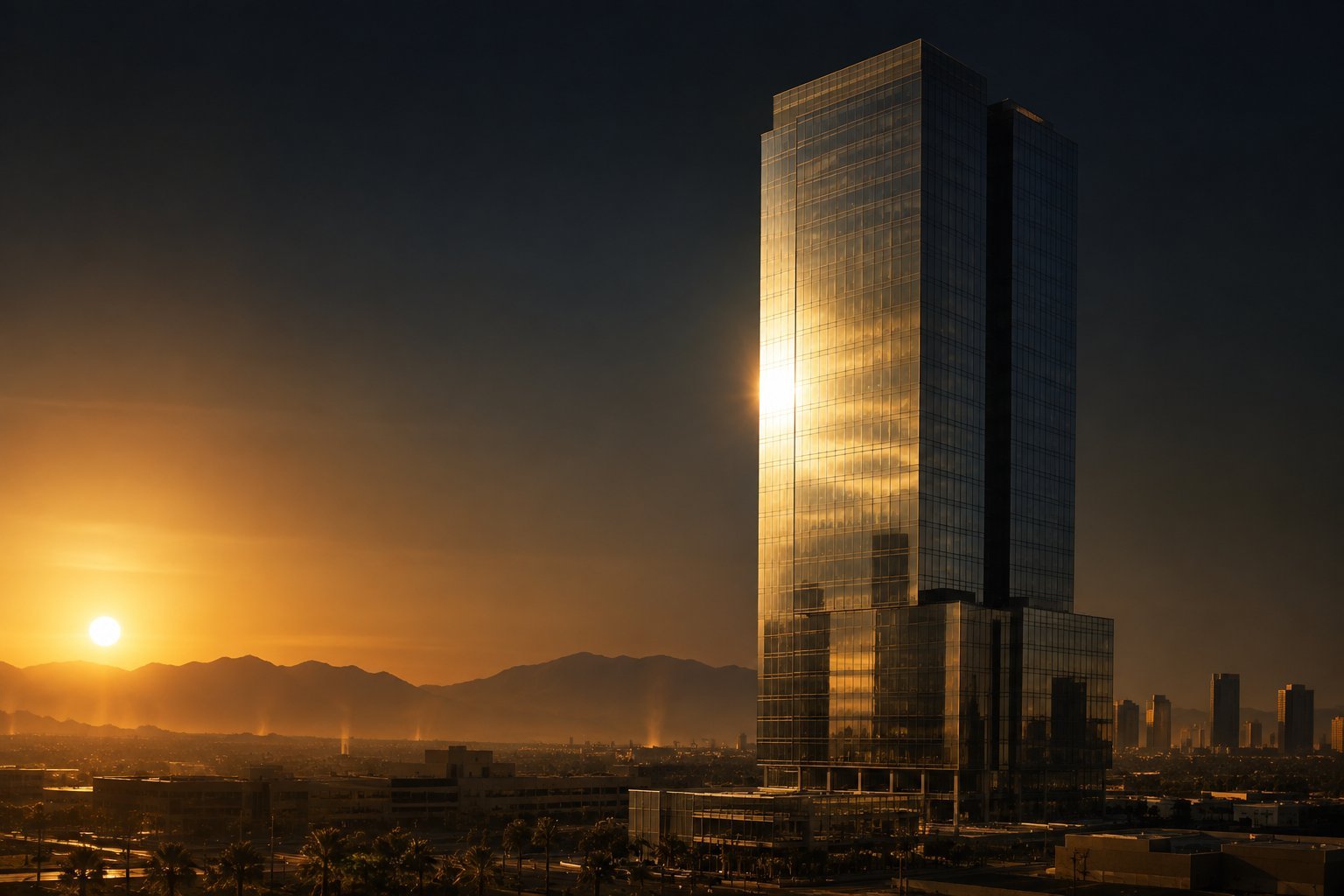
Let's talk about the glass tower. You know the one. Every city has at least a dozen. It went up looking like a magazine cover, all mirror and sky, the kind of building that gets its picture taken at golden hour by people who will never pay its cooling bill. And then summer showed up and said, honey, we need to talk.
Here is what the tenants on the west side of that building know that the leasing brochure never mentioned. At four in the afternoon the blinds come down, the lights go on, and somebody on the twenty-second floor is wearing a hoodie in July because the air handler is working overtime to fight the sun that the facade invited in. Down the hall, the corner office everybody wanted is the one nobody can sit in after lunch. The glare off the screens is brutal. The glass is warm to the touch. The thermostat is a suggestion.
I have walked a lot of these floors, and I will tell you the truth nobody at the ribbon cutting wanted to say out loud: the all-glass look and the long-hot-summer climate are in a relationship that is not going well. It is not a scandal yet. But everybody is whispering.
The Receipts Are in the Utility Bill
Glass is gorgeous, and glass is honest. It lets light in, and it lets heat in with it. The good stuff, with low-emissivity coatings and smart frit patterns and properly sealed insulated units, does a remarkable job. The problem is that a building is not the brochure sample. It is thousands of panels, thousands of seals, and dozens of years of sun working on every one of them.
So the drama tends to show up the same way. First it is the comfort complaints, then it is the work orders, then it is the energy bill that keeps creeping up while the building manager swears nothing changed. Something did change. A seal let go on a unit. A coating aged. A spandrel panel behind the glass started running hot because the insulation behind it slumped or was never quite right. None of that is visible from the sidewalk. From the sidewalk, the tower still looks fabulous.
That is the part that fascinates me. The most photographed buildings in a skyline can be the ones keeping the biggest secrets.
Glare Is the Neighbor Nobody Invited
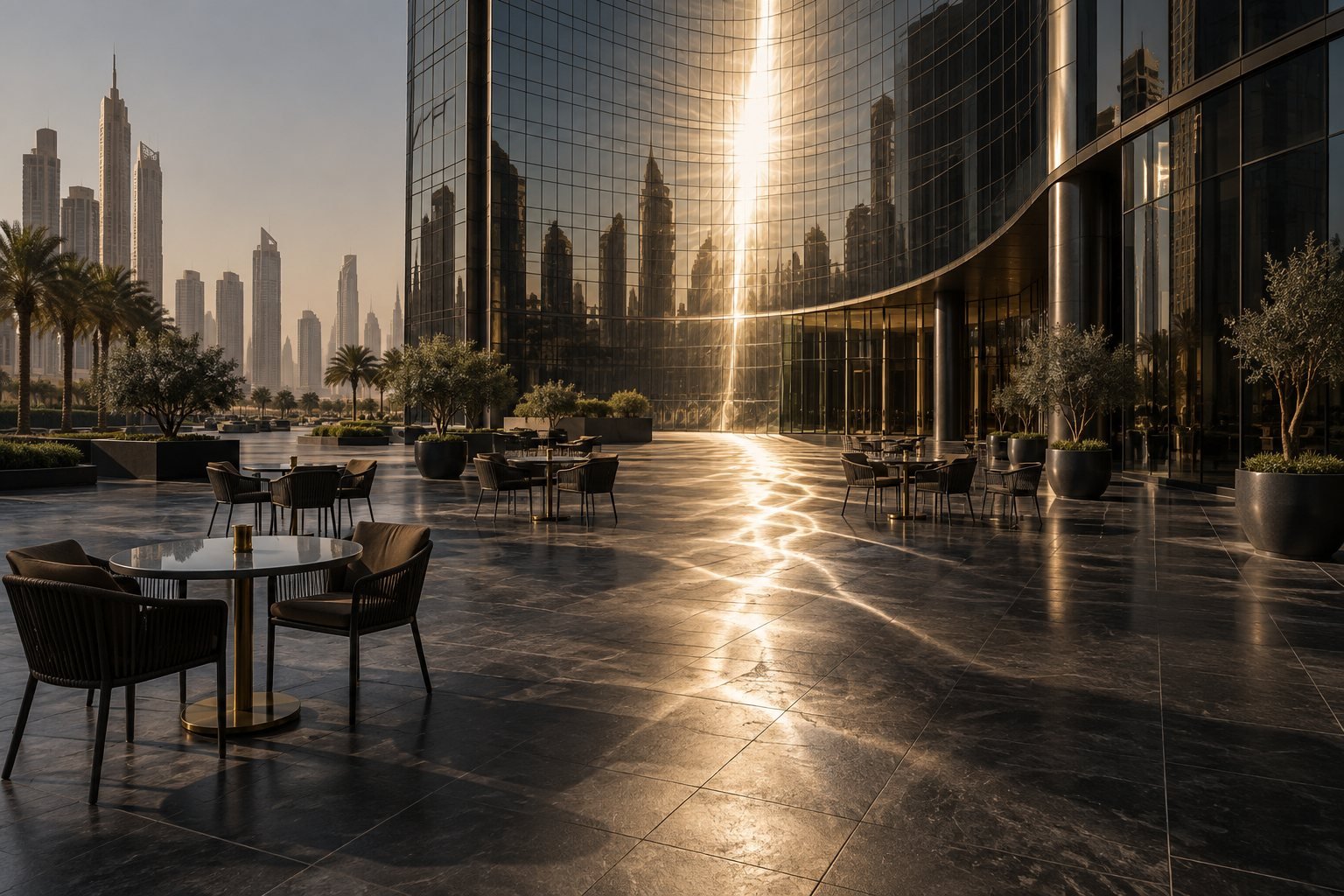
And it is not only the people inside. A curved or concave glass face can throw a hot, concentrated reflection onto a street, a patio, a parked car, or the building across the way. Designers have learned a lot about this over the last couple of decades, and good teams now model reflections before anything is built. But plenty of existing towers were never studied that way, and the neighbors find out the hard way.
If you have ever squinted walking past a mirrored lobby at the wrong hour, you have met the problem. If you run a restaurant patio that turns into a toaster every afternoon because of the building next door, you have lived it. Owners hear about it eventually, usually in a letter, and usually not a friendly one.
The fix for that one is rarely dramatic. It might be a frit pattern on a handful of panels, a row of trees, or a canopy that breaks up the hot spot at the exact hour it lands. But nobody can choose the right answer until somebody has mapped where the reflection falls, on which days, and for how long.
So What Is Actually Going On Behind the Glass?
This is where I get excited, because this is exactly the kind of mystery our work was built for.
The old way to answer that question is to send someone up a lift with a clipboard and a thermal camera on a good day, write a report, and file it. That report is useful. It is also a single snapshot, of a few panels, on one afternoon, from one angle. It rarely tells the owner which parts of the facade are costing the most, which ones are getting worse, and which ones are fine and should be left alone.
With 192 points, we look at the building as a whole system and not as a pile of separate complaints. The envelope, the glazing, the spandrel zones, the shading, the mechanical load that is fighting the sun, the history of what has already been repaired. Each point is a question with evidence behind it. Put them together and you get one verdict: here is where the heat is really getting in, here is what it is doing to comfort and energy, and here is the order in which it makes sense to deal with it.
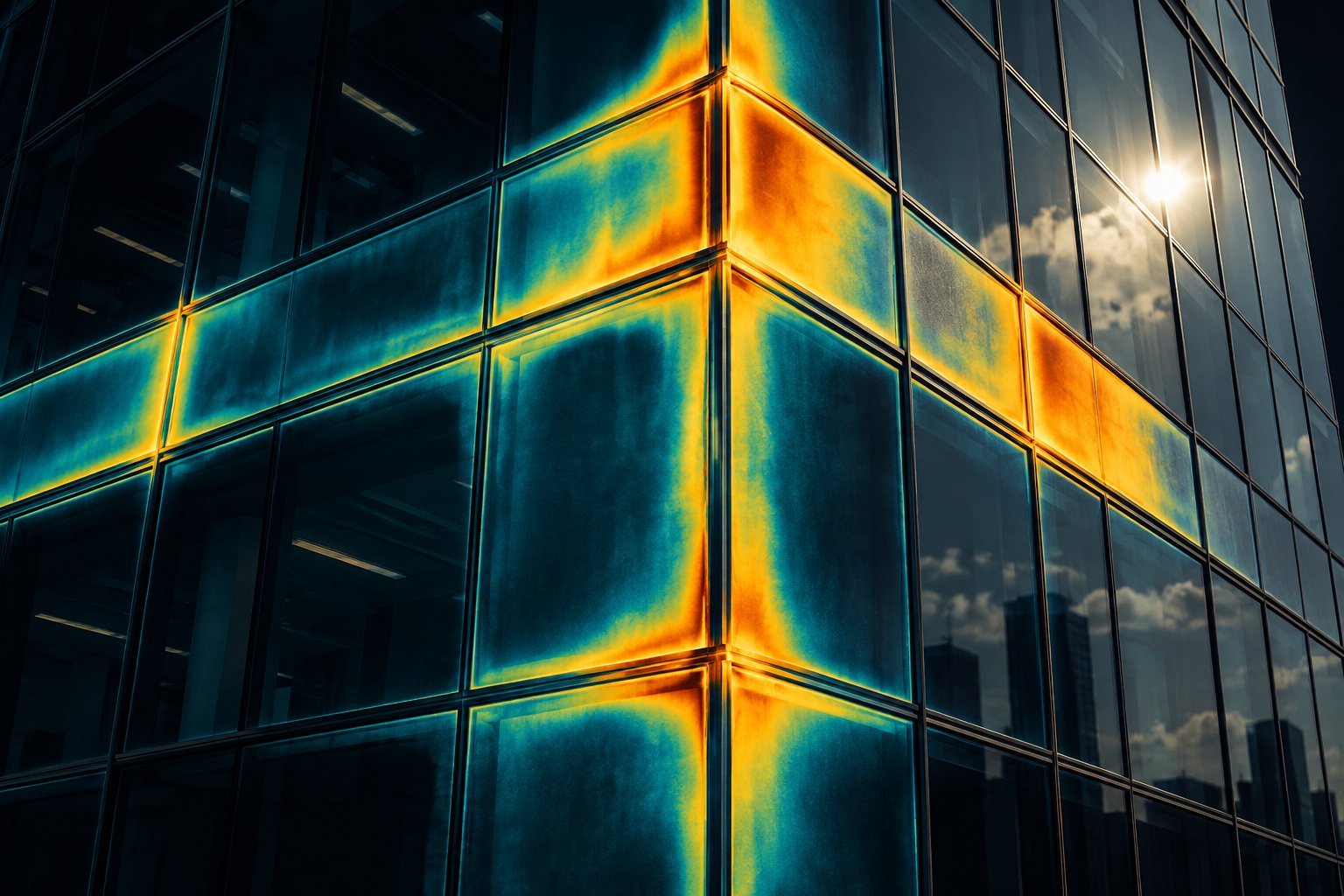
The part owners love is that the verdict comes with pictures. Cinematic Intelligence turns the findings into renders an owner, a lender, or a board can actually read. Instead of a spreadsheet of panel IDs, they see the tower at four in the afternoon with the hot spots glowing where they really are. Instead of arguing about whether a problem is real, they are looking at it together.
The Close-Up Tells the Story
The wide shot sells the building. The close-up tells you the truth about it.
When you zoom into a corner of a curtain wall under hard sun, the pattern is usually not random. Heat tends to gather along the mullions, at the spandrel bands between floors, and at the corners where framing gets complicated and seals have the hardest job. A thermal read will light those zones up like a marquee. The glass itself might be performing beautifully while the frame around it is quietly leaking heat and comfort all day long.
That matters, because it changes the fix. An owner who thinks the glass is the problem starts pricing a full reglazing, which is enormous, disruptive, and sometimes unnecessary. An owner who can see that the trouble is concentrated at certain frames, certain seals, or certain spandrel panels can target the work, sequence it, and keep tenants in place while it happens. Same building. Very different conversation.
And once the work is done, DesignVault 3D keeps the record. Which panels were addressed, what was found behind them, what changed afterward. The next time the building gets a new owner, a new insurer, or a new manager, the story does not start over from zero. The tower finally has a memory.
The Tenants Are Paying Attention
Here is why this moment feels different. Tenants are not quietly putting up with uncomfortable space the way they once did. They compare buildings. They ask about comfort, daylight, and energy performance when they tour. The companies they work for have their own sustainability commitments, and a floor that needs space heaters in winter and fans in summer is a hard sell when the lease comes up.
Owners feel it too. The building that looked like a trophy can start to look like a project. Nobody wants to be the tower that everybody in the market quietly knows is a hot box on the west side. That kind of reputation spreads through brokers faster than any press release.
So the smart owners are getting ahead of it. They are not waiting for a leak, a letter, or a lost tenant. They want to know what the facade is really doing, in plain language and clear pictures, before somebody else tells the story for them.
Fixing It Without Losing the Look
And let me be clear about one thing, because I love these buildings. Nobody is saying the glass tower is over. The fix is almost never "make it look like a bunker." The fix is to understand the envelope well enough to tune it.
Sometimes that means targeted seal and gasket work where the evidence says the frames are failing. Sometimes it means an interior shading strategy that actually matches how the sun hits each elevation, instead of the same blinds on every side. Sometimes it means an applied film or a retrofit on specific zones, chosen because the data shows those zones do the most damage. Sometimes it means rebalancing the mechanical system so it stops fighting a battle on one side of the building while overcooling the other. Often it is a combination, phased over time, with the worst offenders first.
What all of those have in common is that they start from knowing, not guessing. You cannot tune what you have not measured. And you cannot get a board to fund a repair program they cannot picture.
The Last Word
The glass tower is still the prettiest person at the party. That is not changing. But summers are hot, tenants are picky, and the facade has been keeping a diary of every afternoon it has ever baked through. The owners who read that diary now get to decide how the story ends.
The rest are going to hear it from their tenants first. And trust me, that is never the version you want.
Leave a Reply