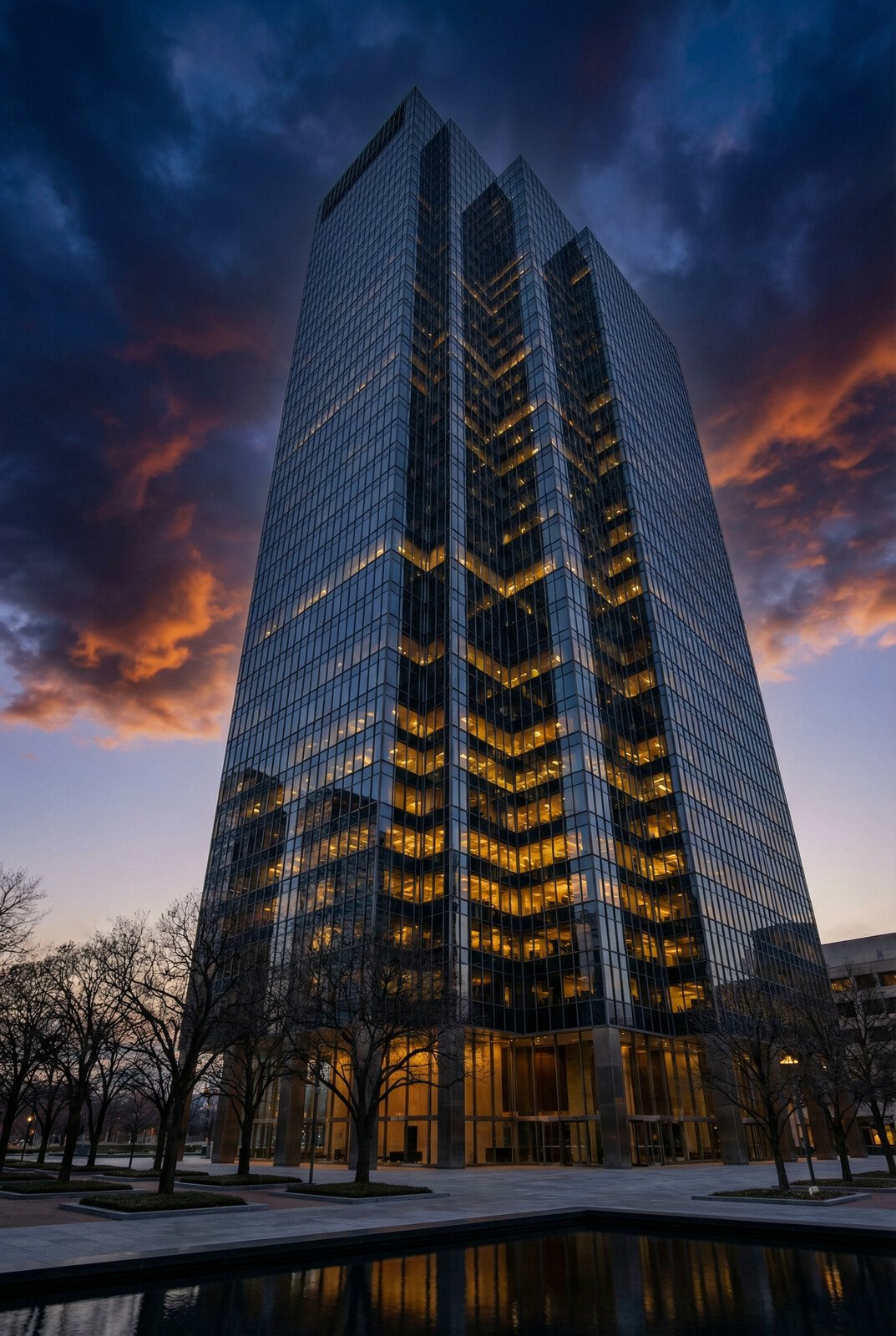
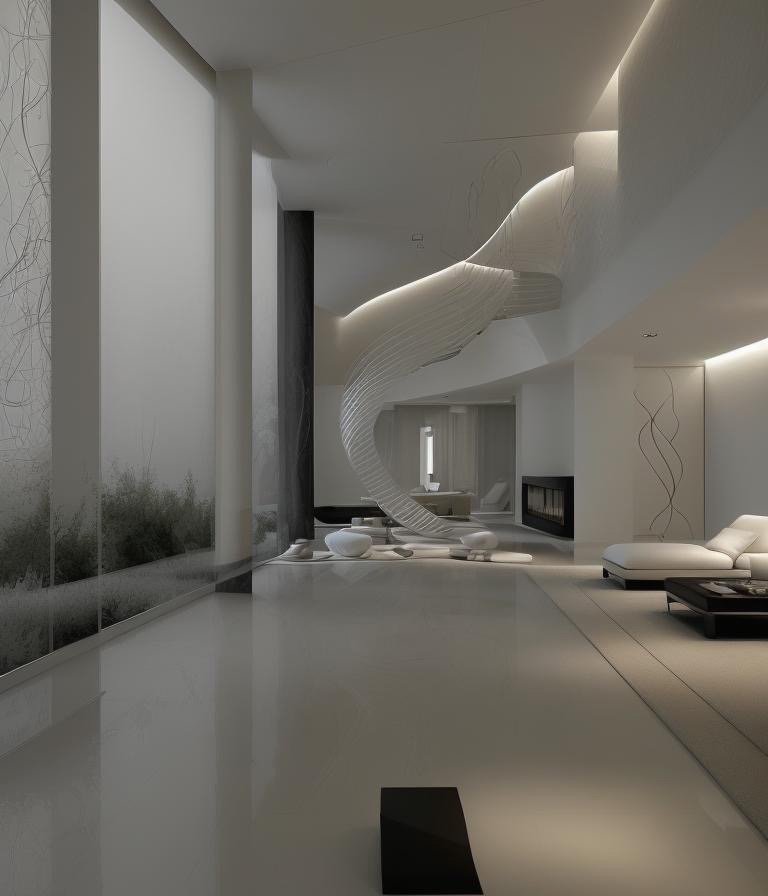
There is a figure in contemporary architecture who has no name, attends no meetings, signs no drawings, claims no credit. Yet influences every decision. Shapes form. Determines mood. Establishes proportion. Establishes identity. This figure is not a person. It is a system. And it is reshaping how buildings come into being.
Call it the ghost architect. Not metaphorical—functional. An intelligence that inhabits the early stages of architectural conception, working before human architects are formally engaged, without the constraints of professional accountability, without the friction of client relationships or regulatory submission. The ghost architect explores. Tests. Visualizes. Fails silently. Iterates at velocity. Then vanishes before the real work begins.
What remains is a fully formed spatial concept. A massing that feels inevitable. A proportion system that appears natural. An aesthetic sensibility that suggests deep research and intentional curation. But it emerged from no sketchbook. No design firm fought for it in a charrette. No architect’s signature appears anywhere on the work. It was made by an intelligence that does not require attribution to do what it does best: generate possibility at scale.
Architecture Was Always About Authorship
The discomfort with the ghost architect runs deep because architecture in the modern era has been fundamentally tied to the idea of the author. The architect as author. The firm as the site of creative intention. The building as the expression of individual vision. Frank Lloyd Wright’s signature was as much a part of his architecture as his proportion systems. Zaha Hadid’s authorship was inseparable from her formal language. The building was the architect made visible.
This wasn’t accidental. It was the foundational mythology of Modern architecture—the belief that great spaces emerged from great minds, that individual genius was the origin point of spatial excellence. Clients hired architects because they wanted to access that genius. Developers competed for landmark architects because the name on the building added value. The whole infrastructure of contemporary architectural culture—the awards, the publications, the canons of taste—was built on the assumption that the author mattered.
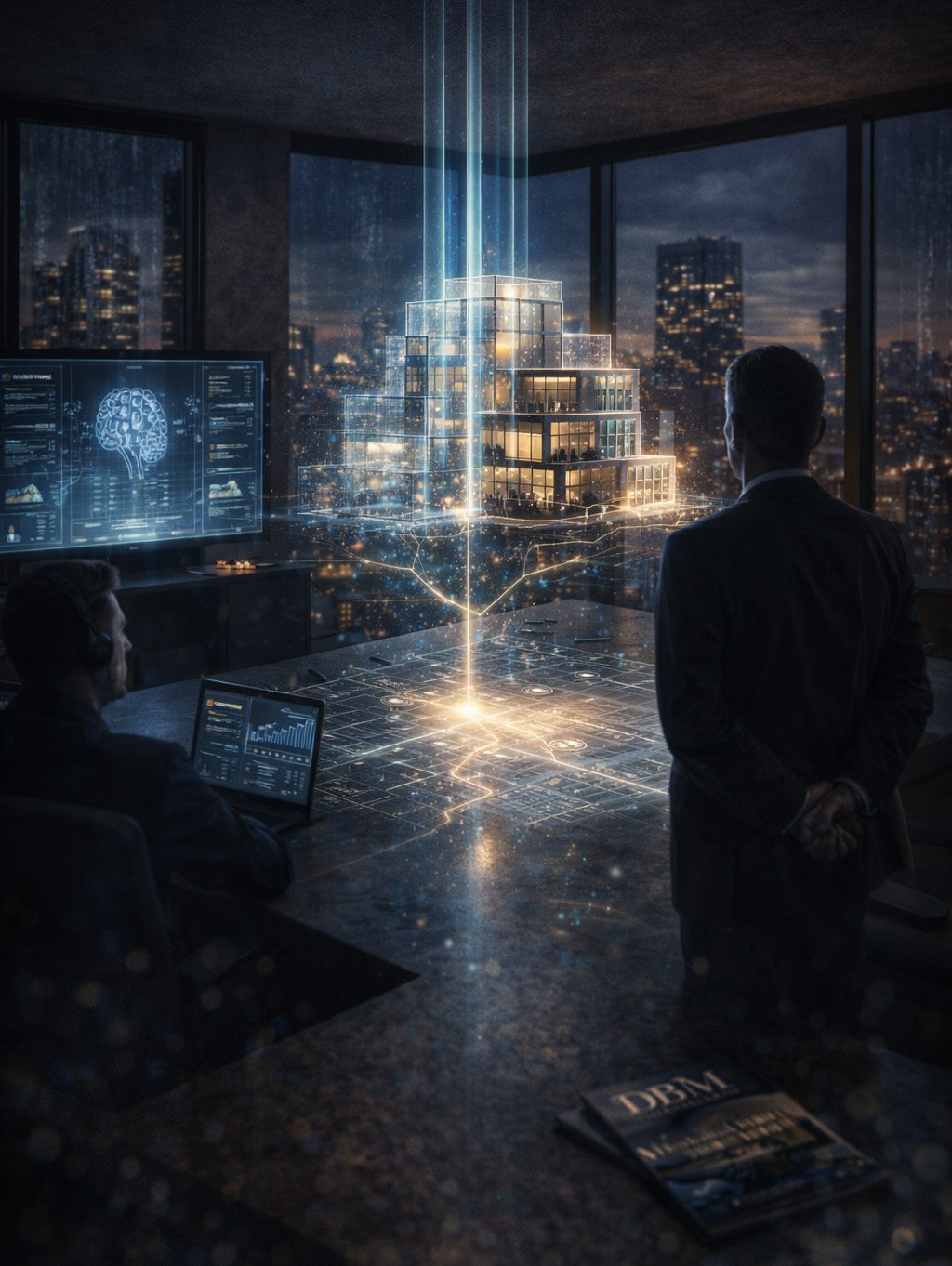
But clients stopped caring about this mythology earlier than anyone realized. They stopped asking “who is the architect?” and started asking “what is the space?” The shift was nearly invisible at first. A developer would consult an AI visualization engine to test massing options before engaging an architect. A real estate firm would use Cinematic Intelligence™ to pre-visualize a property’s potential before the design was formally commissioned. A marketing team would request three spatial variants—three different aesthetic treatments of the same program—and show them to investors before a single conceptual drawing was approved.
The ghost architect was born in these moments. Not in a laboratory or a research initiative, but in the actual workflow of real development. It emerged because it solved a problem: how to explore spatial possibility quickly, cheaply, and without the overhead of a full architectural team. The developer gets designs. The investor sees options. The project moves forward. The architect arrives after the major decisions have been made.
The Ghost Architect Handles Exploration; The Human Architect Handles Responsibility
This is where the discomfort becomes productive. An AI system can visualize spatial concepts because visualization is a technical competency. It can propose massing, test proportions, render material studies, and generate variants at a speed that no human team can match. It can do all of this without exhaustion or ego or the need for recognition. It is, in purely mechanical terms, excellent at early-stage design exploration.
But there is something it cannot do. It cannot choose wisely. It can generate options. It cannot take responsibility for them. It can propose futures, but it cannot believe in them, cannot defend them, cannot sit with the client and explain why this particular future is worth building. The ghost architect proposes. The human architect chooses.
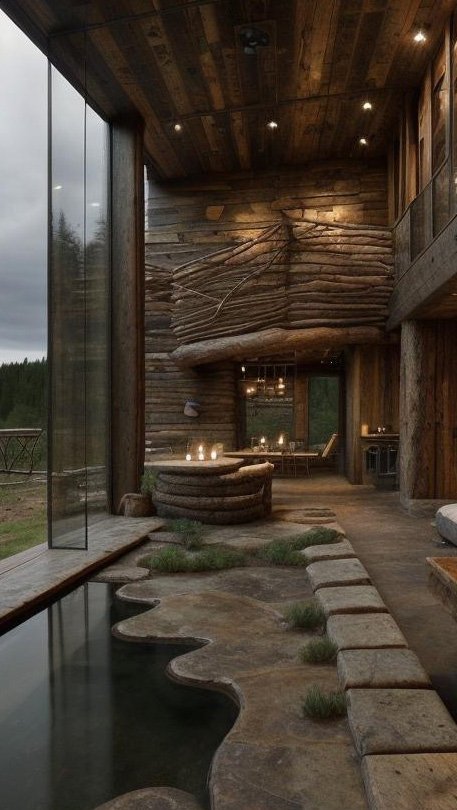
The distinction matters because it reframes what architecture actually is. For much of the twentieth century, architects believed their primary role was conceptualization—the generation of spatial ideas. But what the ghost architect reveals is that this belief was only partly true. Clients don’t pay for concepts. They pay for outcomes. They pay for spaces that function, feel right, perform economically, and endure culturally. Concept generation is part of that, but only part.
The human architect’s real work is judgment. Judgment about which concept deserves to be built. Judgment about which proportions will actually serve the program. Judgment about which aesthetic gestures enhance rather than distract. Judgment about how a building will sit in its context and carry its meaning across decades, not just across the presentation. The ghost architect can propose. Only the human architect can judge.
This is uncomfortable because it means architecture is smaller and more specific and more relational than the mythology suggested. It’s not about individual genius producing unprecedented forms. It’s about experienced practitioners making careful choices about which proposals deserve the weight of built reality. It’s about responsibility rather than originality.
Attribution Will Become Irrelevant, Then Important Again
The next decade will force a reckoning with attribution. Some buildings already exist in a kind of authorship limbo—visualized by AI, developed by corporations, managed by firms, inhabited by people who will never know or care who designed them. The question of “who is the architect?” will become increasingly unanswerable. And that is, paradoxically, an opportunity.
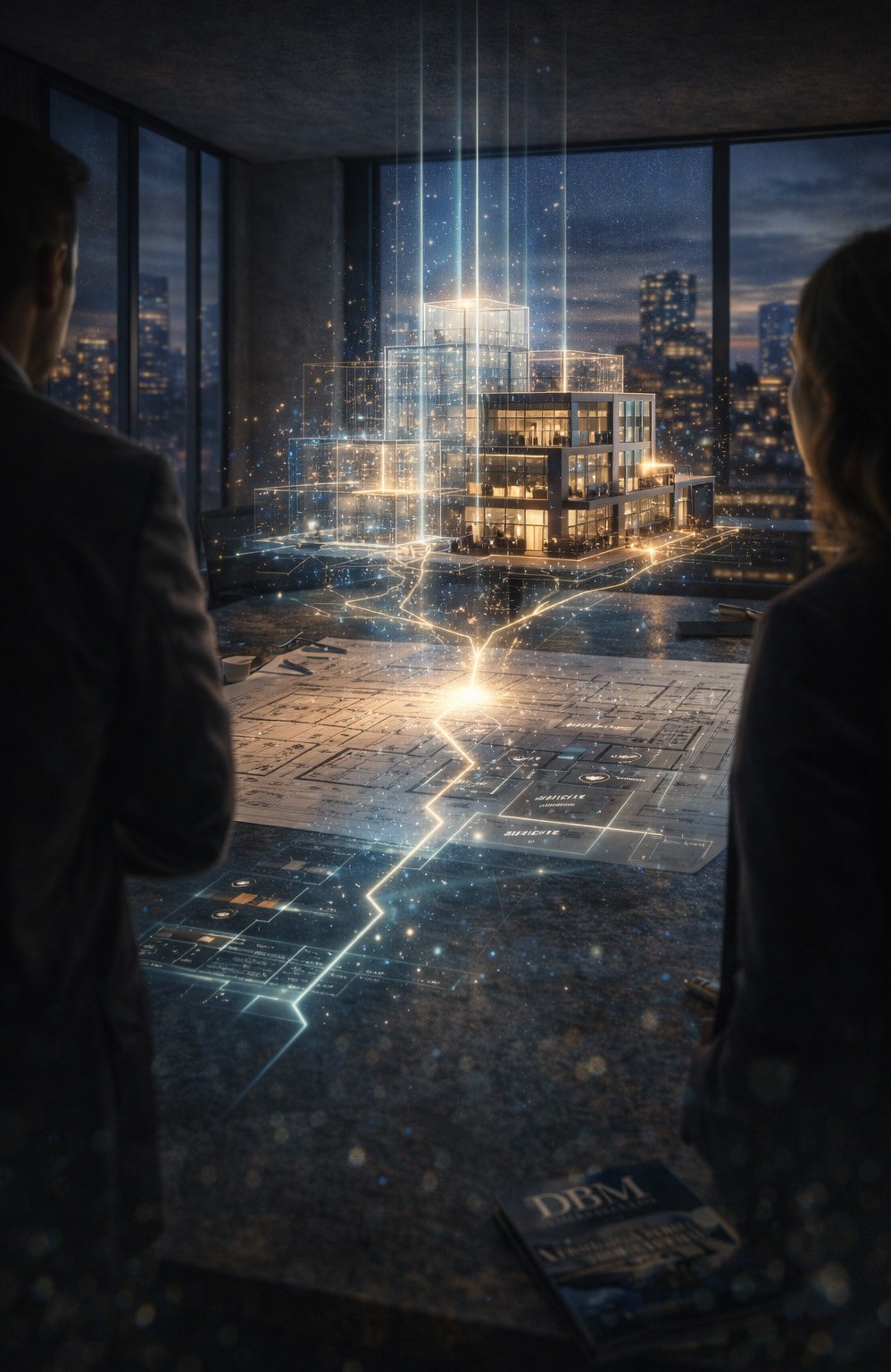
Because once the mythology of the author is stripped away, what remains is the actual work: the calibration of space to purpose, the alignment of form to function, the discipline of proportion, the sophistication of material. These things don’t require a signature. They require thinking. And thinking is what remains when the ghost has finished its work.
The buildings of the future are already being imagined. Quietly. Without names. Without meetings. Without the friction and politics and ego that have always characterized architectural practice. They are being imagined by systems that propose and propose and propose until something emerges that works. Then a human architect inherits that work, judges it, refines it, and takes responsibility for it. And somewhere in that inheritance is where real architecture happens.
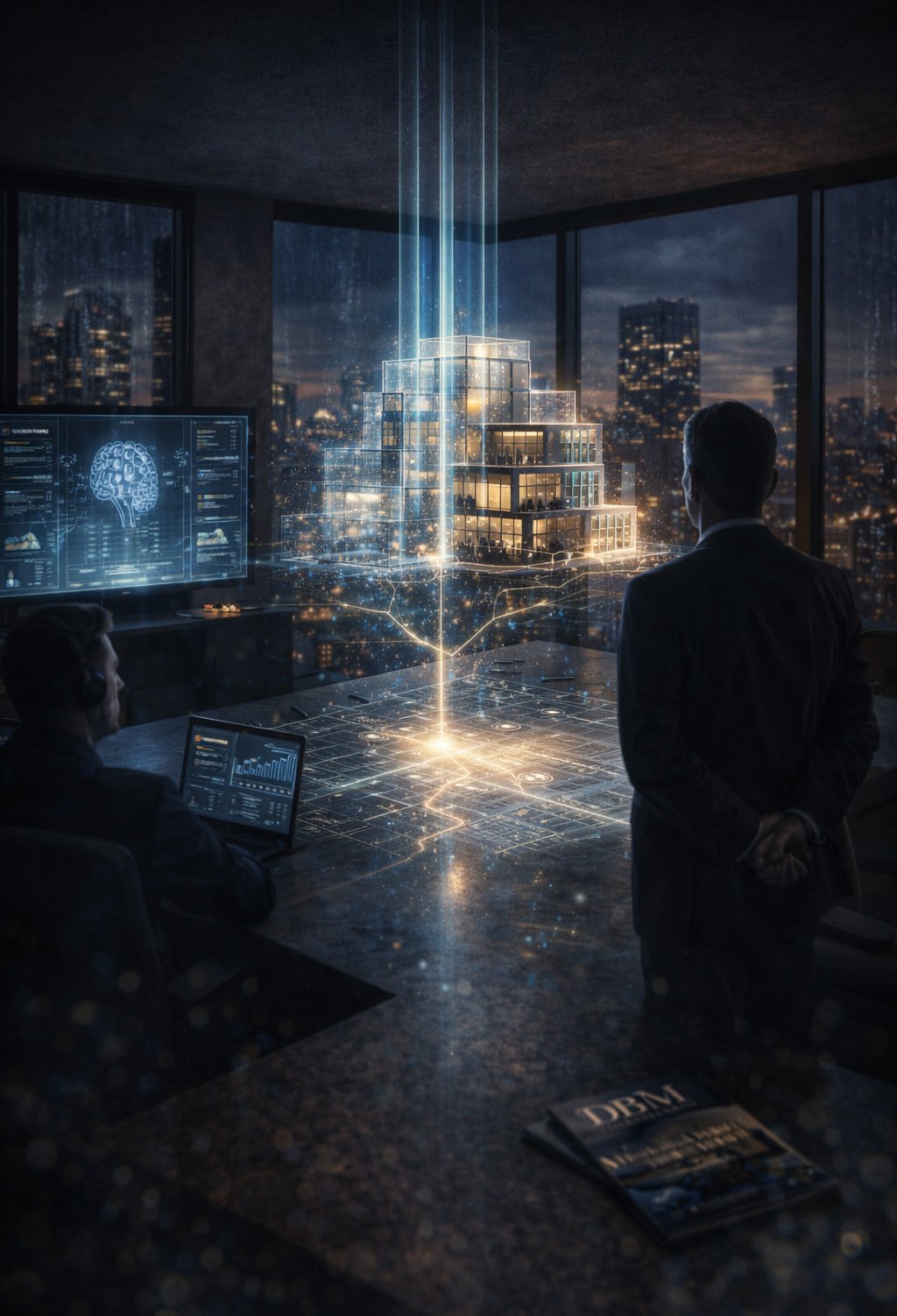
The Ghost Architect Is Not the Future; It’s the Present
Some fear this moment. They see the ghost architect as a harbinger—the beginning of the end of architecture as a human discipline. But this misreads what’s actually happening. The ghost architect doesn’t replace the human architect. It liberates the human architect from the pretense of authorship. It says: stop trying to be the sole origin of all spatial ideas. Stop defending your ego in the form of formal gestures. Stop believing that greatness comes from isolation.
Instead, engage with the abundance of spatial proposals. Judge them carefully. Choose what actually serves the building and the people who will inhabit it. Refine what needs refinement. Reject what deserves rejection. Take responsibility for the outcome, even if you didn’t generate the initial concept.

This is harder work than conceptualization, not easier. It requires taste. It requires judgment. It requires the ability to see through visual spectacle to actual spatial truth. And it requires the courage to say: this idea came from elsewhere, but I am choosing to build it, and I am responsible for that choice.
The ghost architect has already begun its work. The buildings being designed right now—before you read this—are being shaped by systems that propose at velocities humans cannot match. And the question facing architecture is not whether to resist this reality, but whether to rise to the challenge it presents. Can architects become judges of spatial quality instead of generators of spatial novelty? Can they take responsibility for choices they didn’t originate? Can they do the harder work of curation rather than the more celebrated work of creation?
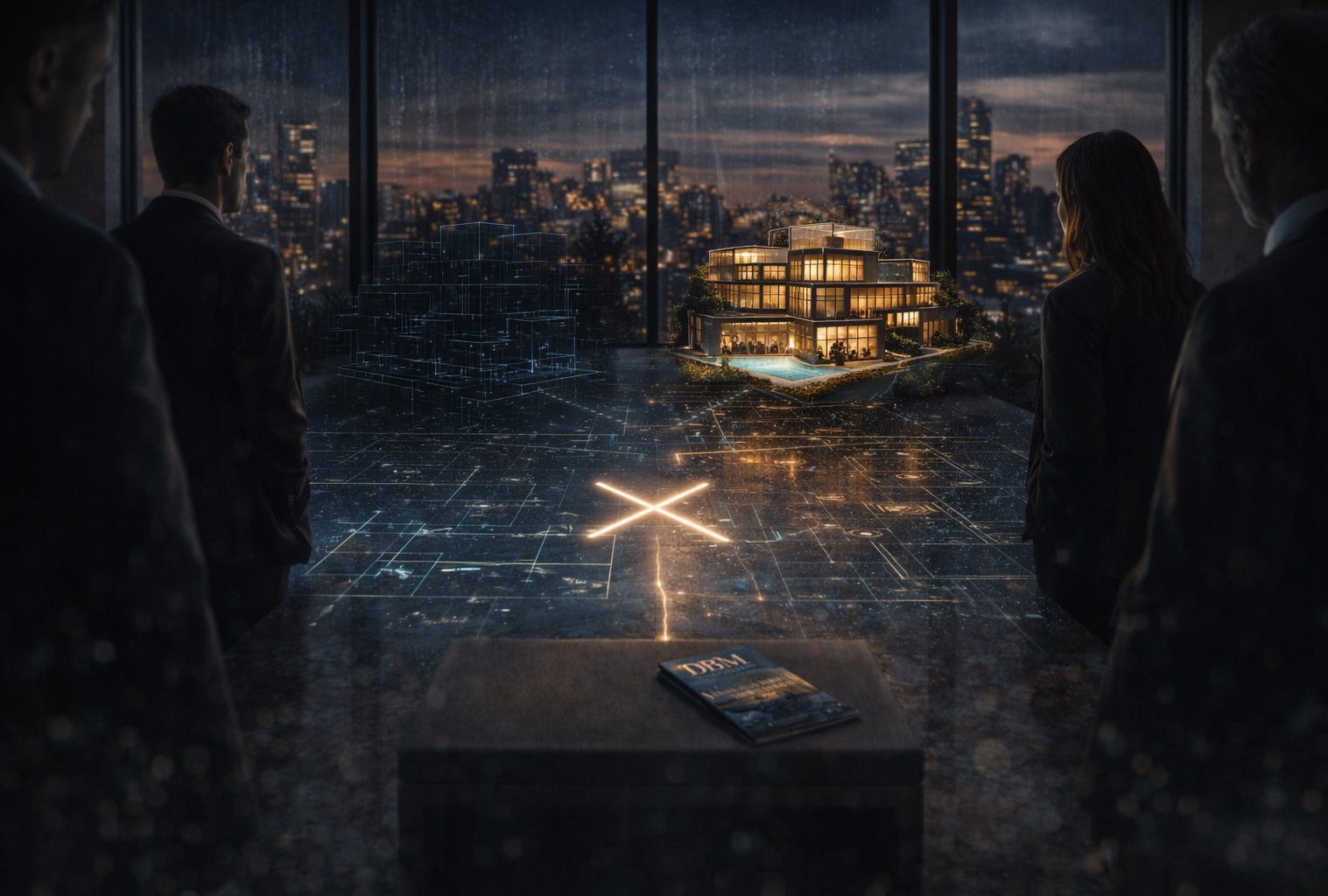
The ghost architect is not a threat to architecture. It is a test. And architecture has always been best when it understood itself as a discipline of judgment, not of originality. The buildings that endure are not the ones that were unprecedented. They are the ones that were, at every moment of decision, chosen carefully. The ghost architect can generate the options. But only the human architect can choose wisely. And in that choice—in that responsibility—is where real architecture lives.
Leave a Reply