One Room, Infinite Architectural Souls
The boardroom is architecture’s most honest space. Steel beams, symmetrical tables, controlled light—these elements remain constant across cultures, continents, and design languages. Yet beneath this structural uniformity exists infinite variation. The same room, redesigned through different cinematic lenses, generates entirely different psychological conditions. What commands in one aesthetic becomes cautious in another. What whispers authority in stillness erupts in texture elsewhere. This is the power of design philosophy made spatial.
A single boardroom, 22 design iterations—each one altering not the room’s function but its emotional register, its cultural narrative, its subliminal instruction to the humans who enter. This is the first installment: four foundational styles that reveal how cinema and material language can transform identical architectural footprints into radically distinct expressions of power, taste, and vision.
What emerges is not merely aesthetic variation. It is a taxonomy of how spaces communicate. Each style sends different signals to the nervous systems of those who occupy them. The room that speaks Mediterranean whispers longevity and patience. The one that speaks Mid-Century Modern expects intellectual clarity. The Zen iteration privileges silence as a form of power. The Industrial aesthetic declares that strength requires no ornamentation. Same room. Four entirely different futures.
Mediterranean: Where Stone Breathes and Light Becomes Protagonist
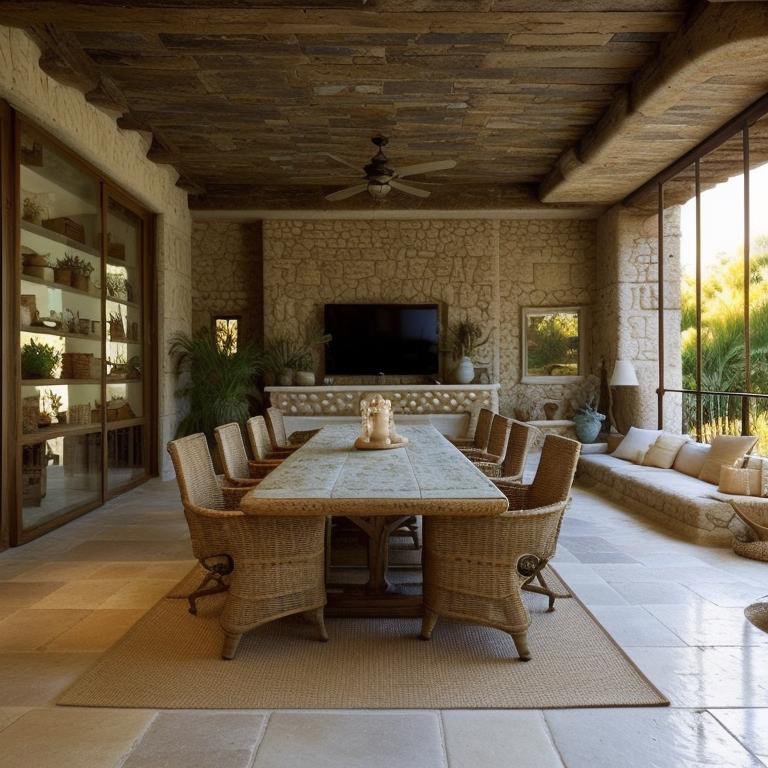
The Mediterranean boardroom does not project power through dominance. It projects power through permanence. Stone is its language—not as ornament but as material testimony. Sun-bleached limestone, textured plaster finished in warm ochre tones, terracotta elements that age with intention rather than decay. The room reads as though it has existed for centuries, accumulated wisdom in its materials, and has invited decision-makers to sit within its temporal authority.
Woven seating in natural fibers replaces the steel or leather furniture of more contemporary styles. These chairs breathe. They have texture. They invite physicality. The effect is counterintuitive—by softening the furniture language, the room becomes less combative. Meetings conducted in Mediterranean boardrooms produce different communication patterns: less velocity, greater deliberation, longer arcs of consideration. The space itself encourages patience.

Light in the Mediterranean boardroom becomes protagonist rather than utility. Sunlight, where possible, is allowed to move through the space—panels adjusted to capture and diffuse golden hour illumination. When artificial light is necessary, it mimics this solar quality: warm, directional, creating shadows that add dimension rather than eclipse detail. The room glows. This is the cinematic language of trust and longevity. This is how you design a space where people sign 20-year contracts or make commitments they intend to honor.
The psychological effect is subtle but absolute. Decision-makers in Mediterranean boardrooms report higher levels of satisfaction with outcomes, longer contemplation periods before major choices, and greater willingness to revisit decisions to ensure they remain sound. The architecture itself is prescribing patience. This is not a war room. It is a retreat that happens to conduct business.
Mid-Century Modern: Clean Geometry and Learned Authority
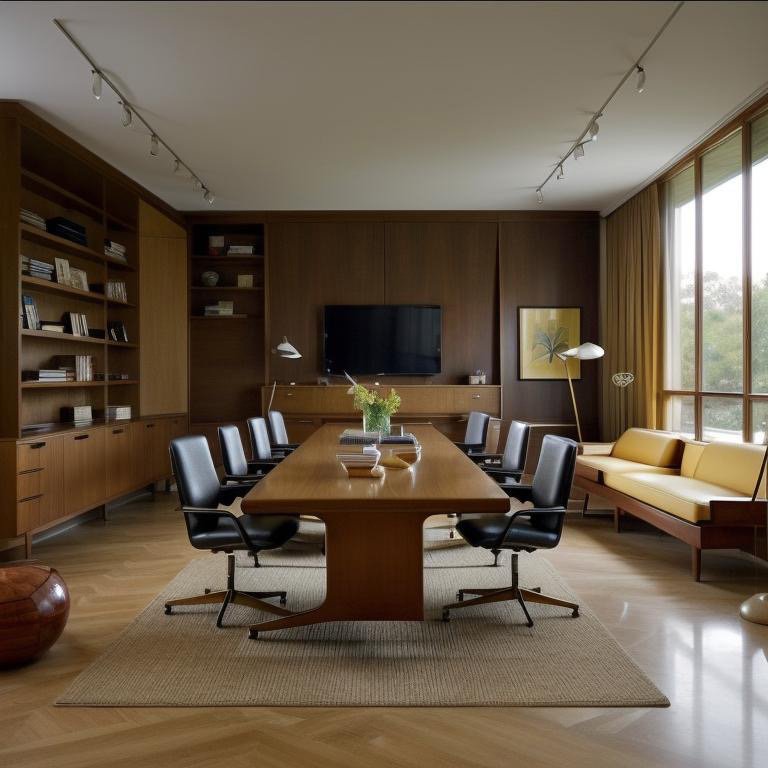
If Mediterranean whispers longevity, Mid-Century Modern speaks with quiet certainty. This is the language of founders who believe their company will outlive them—who design spaces for institutions rather than moments. Clean lines, grounded geometry, materials that age into deeper richness rather than toward deterioration. Walnut wood paneling in horizontal runs creates visual continuity and suggest structural integrity. Brass fixtures—not polished to sterility, but allowed to develop patina—reference both craftsmanship and time.
The chairs in a Mid-Century Modern boardroom are angular, disciplined, finished in leather or woven wool. They expect you to sit with intention. They do not encourage slouching or casual posture. The table itself is a sculptural element: thick wood, clean edges, geometric support structure that is visible and therefore carries visual weight. Every surface in this room declares: this is a place where we take ourselves seriously.
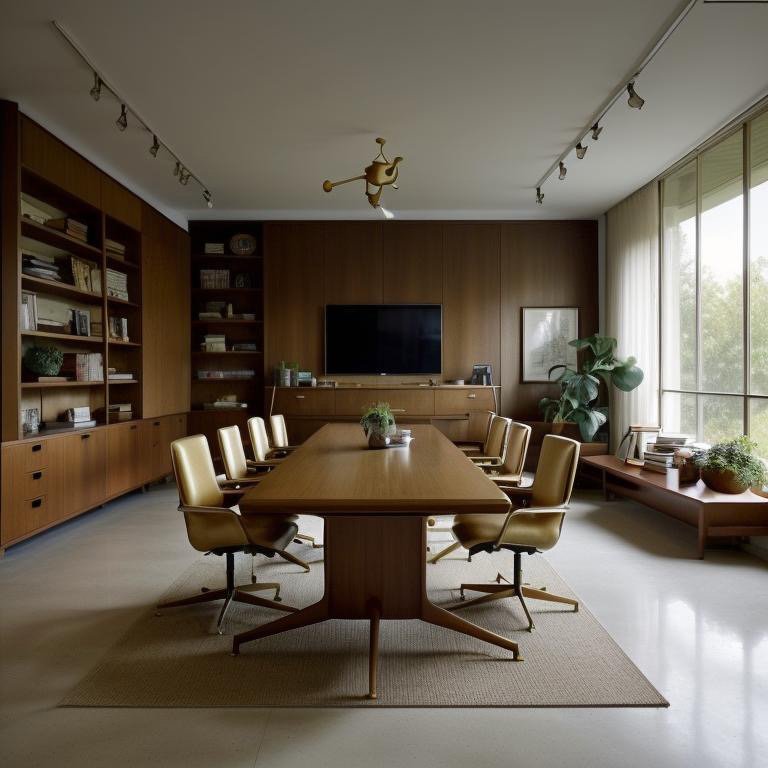
Lighting in Mid-Century Modern spaces is understated and warm—whiskey tones, soft brass, focused illumination that creates zones rather than flooding the entire room in uniform brightness. There are no theatrical reveals here. Instead, there is the assumption of visual literacy. You will understand what you need to understand because the design trusts your intelligence. This is a room that expects you to know what you are doing.
The psychological register is unmistakable: authority derived from competence rather than dominance. Decision-makers in Mid-Century Modern boardrooms tend toward longer strategic horizons, greater attention to precedent and legacy, and lower tolerance for improvisation. The room is saying: we have thought deeply about this; we expect you have as well. For founders who believe clarity and inheritance matter more than quarterly velocity, this is the cinematic language that makes that philosophy architectural.
Japanese Zen: Silence as Design, Stillness as Strength
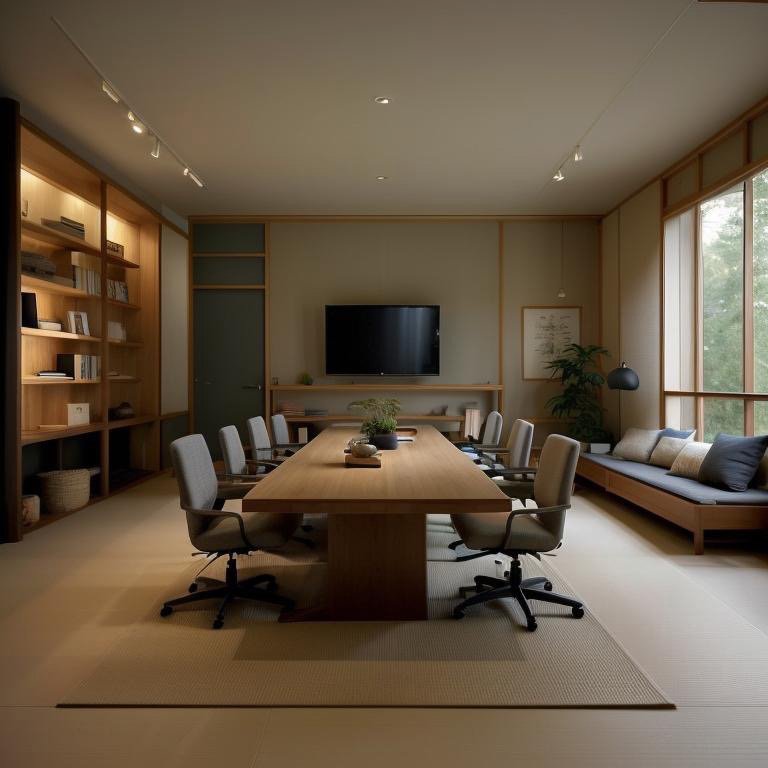
The strongest room is the quietest one. This is the principle that animates the Japanese Zen boardroom—a space where design operates through subtraction rather than addition. Tatami-inspired flooring in pale natural wood creates visual baseline. Walls in soft neutrals—cream, sand, pale gray—establish atmospheric calm. Every surface has been stripped of ornament, pattern, or distraction. The room breathes through emptiness.
Seating in Zen boardrooms is minimal and precise: chairs in light natural wood, upholstered in neutral textiles, arranged with geometric clarity. There is no elaboration. No wood carving, no decorative brass, no textural flourish. The restraint itself becomes the dominant design gesture. Visitors entering such a space report immediate physiological shifts: heart rates lower, breath deepens, attention becomes more present. The architecture is prescribing meditation.
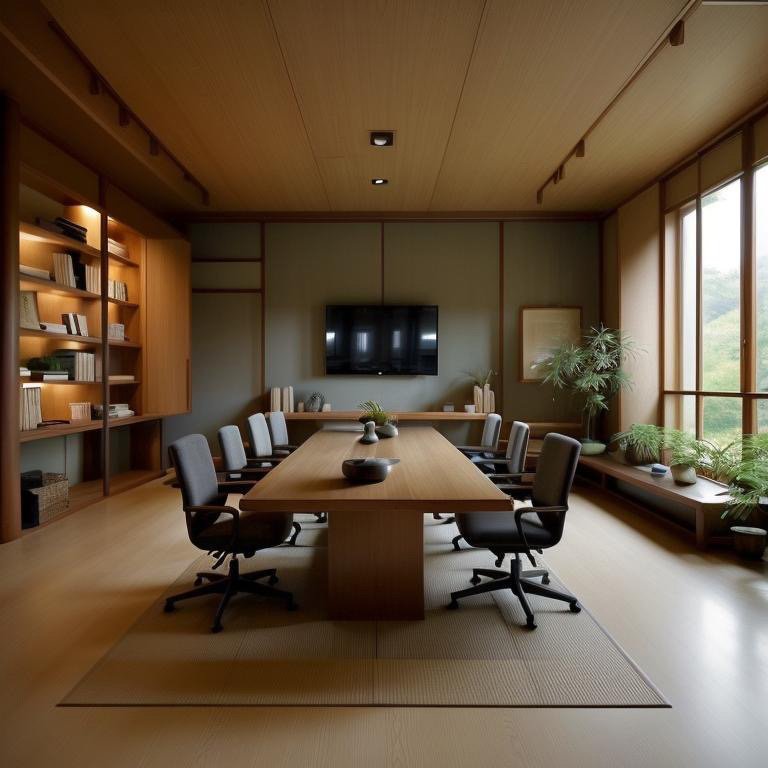
Light in Zen boardrooms is diffused and gentle—never harsh, never directional in ways that create stark shadow. The illumination feels ambient rather than sourced. It seems to emanate from the surfaces themselves rather than descend from fixtures. The effect is profound: without harsh light, without visual competition, attention naturally turns inward. This is a room designed for deep listening. For leaders who understand that clarity emerges from stillness, not from velocity, the Zen boardroom becomes a strategic tool disguised as minimalism.
The psychological effect contradicts conventional assumptions about power and authority. Yet it is measurable. Decision-makers in Zen boardrooms engage in longer contemplative periods, demonstrate higher levels of emotional regulation under pressure, and report greater confidence in their choices days after they are made. The absence of distraction allows presence. The emptiness permits thought. This is how you design a room where people make decisions they can live with.
Industrial Heritage: Raw Materials as Honest Testimony
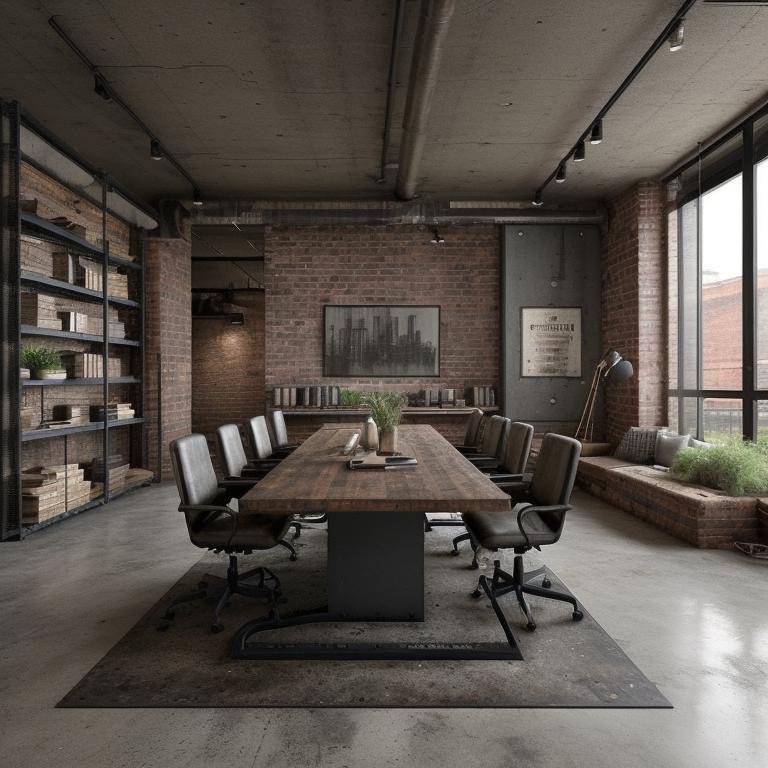
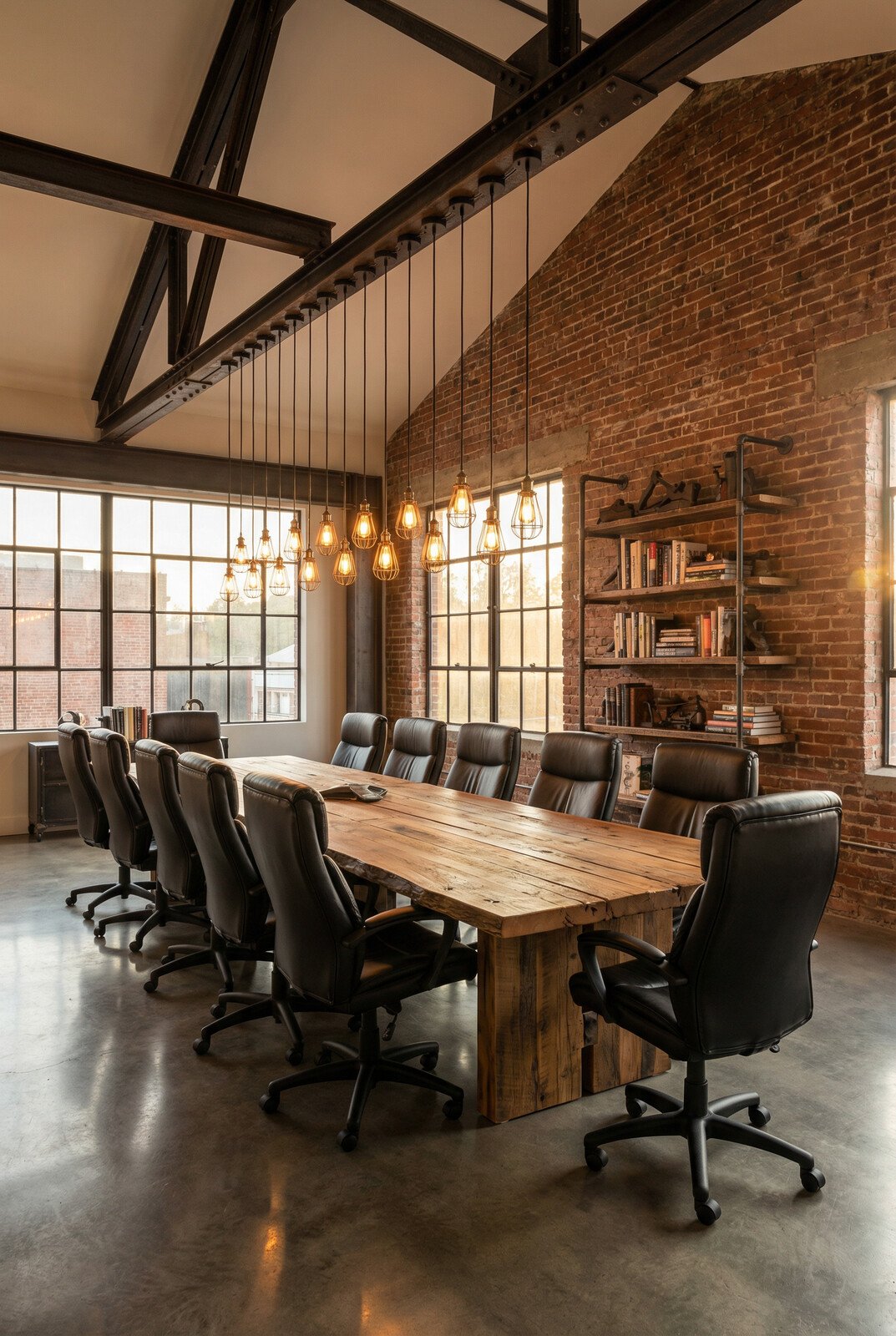
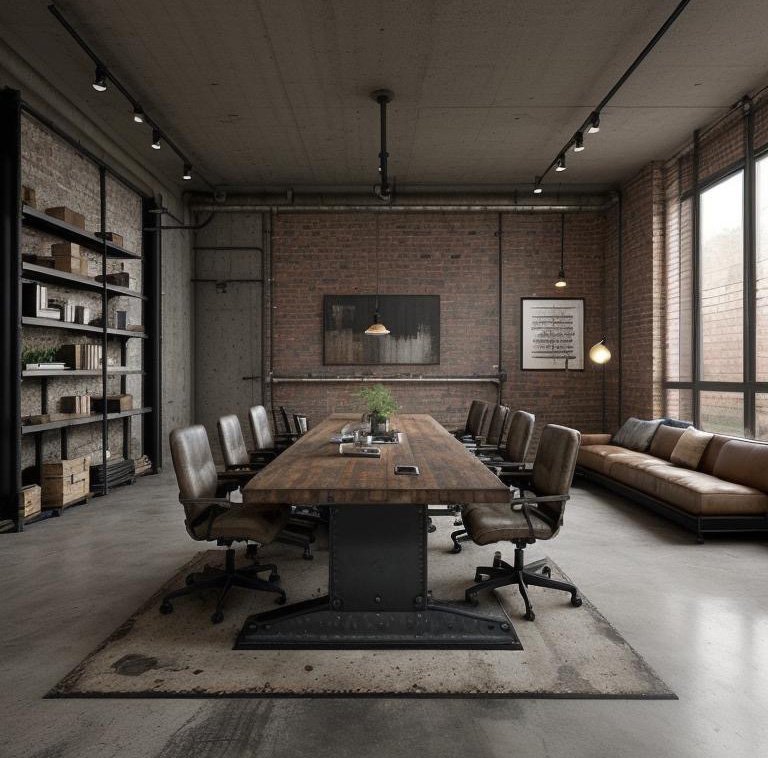
Where other styles conceal the infrastructure beneath them, Industrial Heritage exposes it as language. Exposed brick walls carry not just texture but temporal narrative—each brick a unit of time, each pattern suggesting intentional human labor. Steel beams that structurally support the ceiling become visual elements, their geometry and materiality declaring: this room is built to last; its strength is not hidden. Concrete, finished but unfussy, serves as floor and accent surfaces. The room reads like an honest assessment of what materials can do when they are deployed without apology.
The aesthetic is refined strength—not brutal, not unfinished, but deliberate about its own materiality. Industrial boardrooms demonstrate that power does not require softness or luxury. It requires clarity about what things are made of and how they work. Furniture here is sculptural and substantial: tables with steel bases and raw wood tops, chairs that balance metal frames with leather or canvas upholstery, fixtures that expose their mechanical logic rather than conceal it.
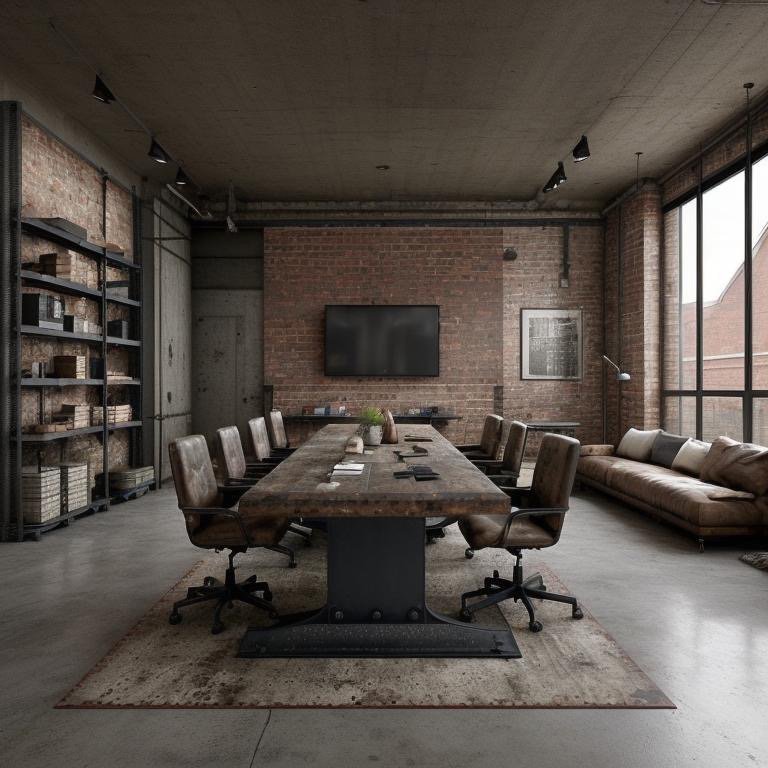
Lighting in Industrial spaces is cooler and more sculptural than in warmer aesthetics—steel pendant fixtures with visible mechanisms, spotlights that create deliberate zones of emphasis and shadow. There is drama here, but it is the drama of clarity rather than mystery. Everything you see in an Industrial boardroom is exactly what it appears to be. There is no ornamentation suggesting something beyond the material fact of the space.
The psychological effect is paradoxical: by refusing luxury and softness, Industrial Heritage boardrooms generate a form of trust based on honesty. Decision-makers in these spaces tend toward directness, lower tolerance for euphemism, and greater comfort with difficult conversations. The room is saying: we are not going to obscure what this is or what we are discussing. We will look directly at materials, facts, and consequences. For organizations that value transparency over comfort, that prioritize structural integrity over aesthetic pleasure, the Industrial boardroom becomes a physical manifestation of organizational values.
The Taxonomy of Power: What These Four Reveal
Four boardrooms, identical footprints, fundamentally different psychological registers. Mediterranean prescribes patience through permanence. Mid-Century Modern expects competence through clarity. Zen achieves presence through emptiness. Industrial declares strength through honest materiality. None is objectively superior. Each is a complete answer to a different question about what power looks like and how decisions should be made.
What the variation reveals is something more profound than aesthetic preference. It demonstrates that space itself is a form of communication. The architecture precedes the conversation. The materials have opinions. The light carries messages. A leader who understands how to deploy these tools—who recognizes that the boardroom style should align with the organizational culture and the type of decisions that need to be made—has access to a form of influence that conventional management training never acknowledges.
This is the sophistication of Cinematic Intelligence™: the understanding that every material, every surface, every light source is collaborating in the transmission of a single coherent message. The boardroom that looks Mediterranean will not generate the same conversation velocity as the Industrial boardroom. The Zen space will prioritize different information than the Mid-Century Modern room. The architecture is not neutral. It is a subtle but absolute force shaping how humans think and decide in that space.
Eighteen more variations follow the four documented here. Each revealing different intersections of material, light, geometry, and cultural reference. Each making manifest a different understanding of what authority requires, what clarity looks like, and what kind of future a room is architecturally authorized to imagine. The boardroom is not furniture and walls. It is a thesis about human nature, expressed in three dimensions, waiting to be occupied by those prepared to listen to what the space is trying to teach them.
Leave a Reply